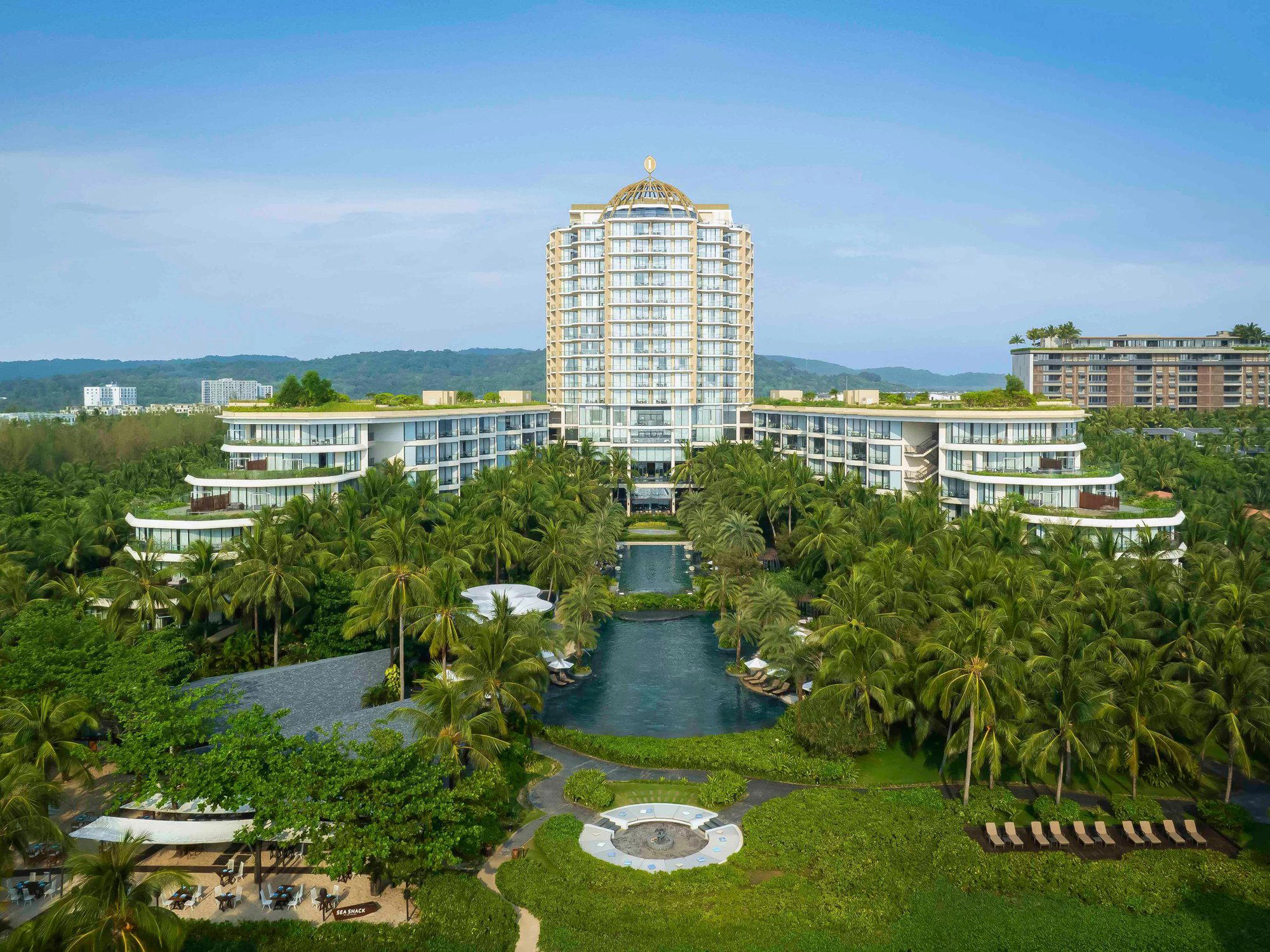
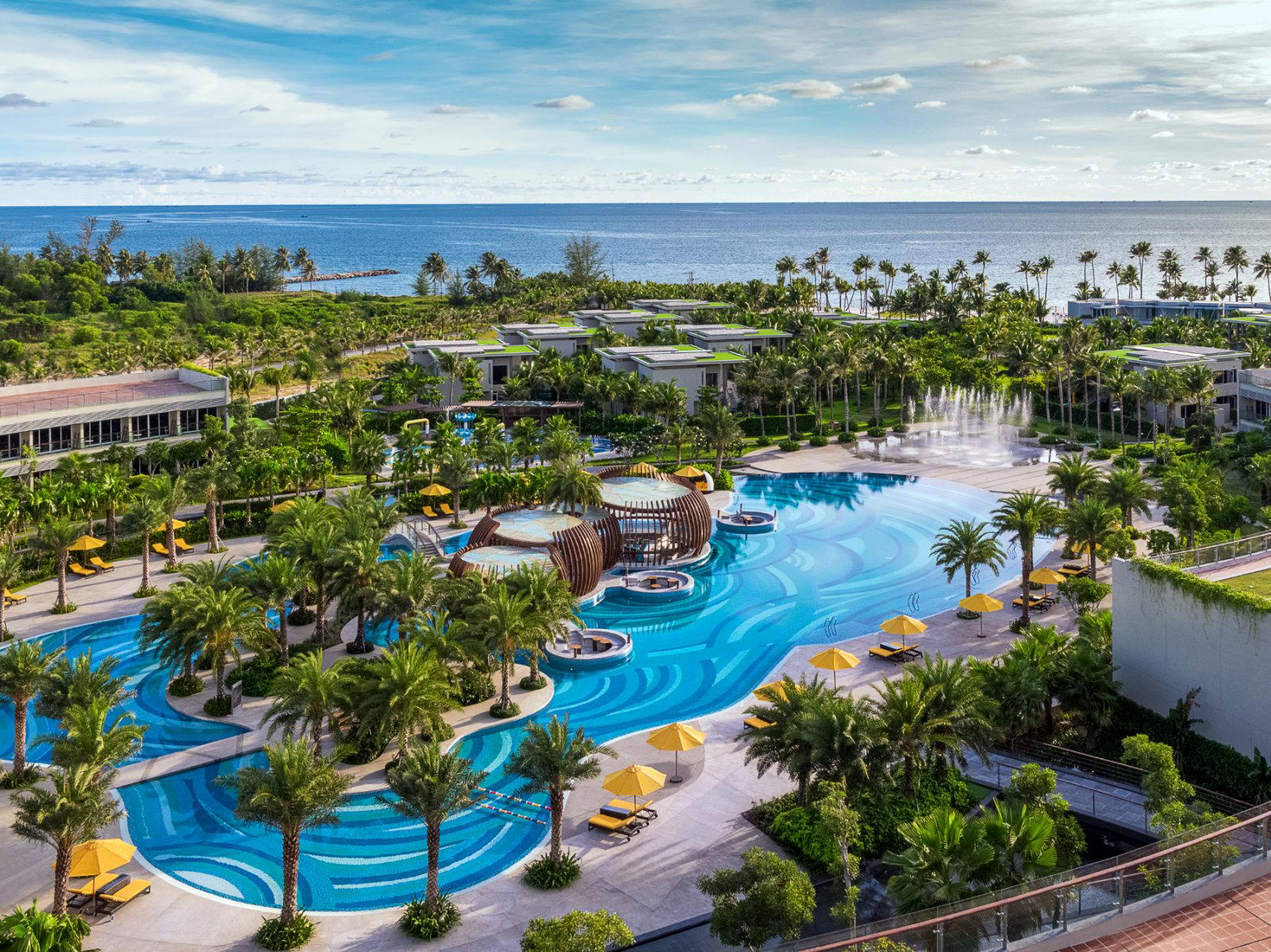
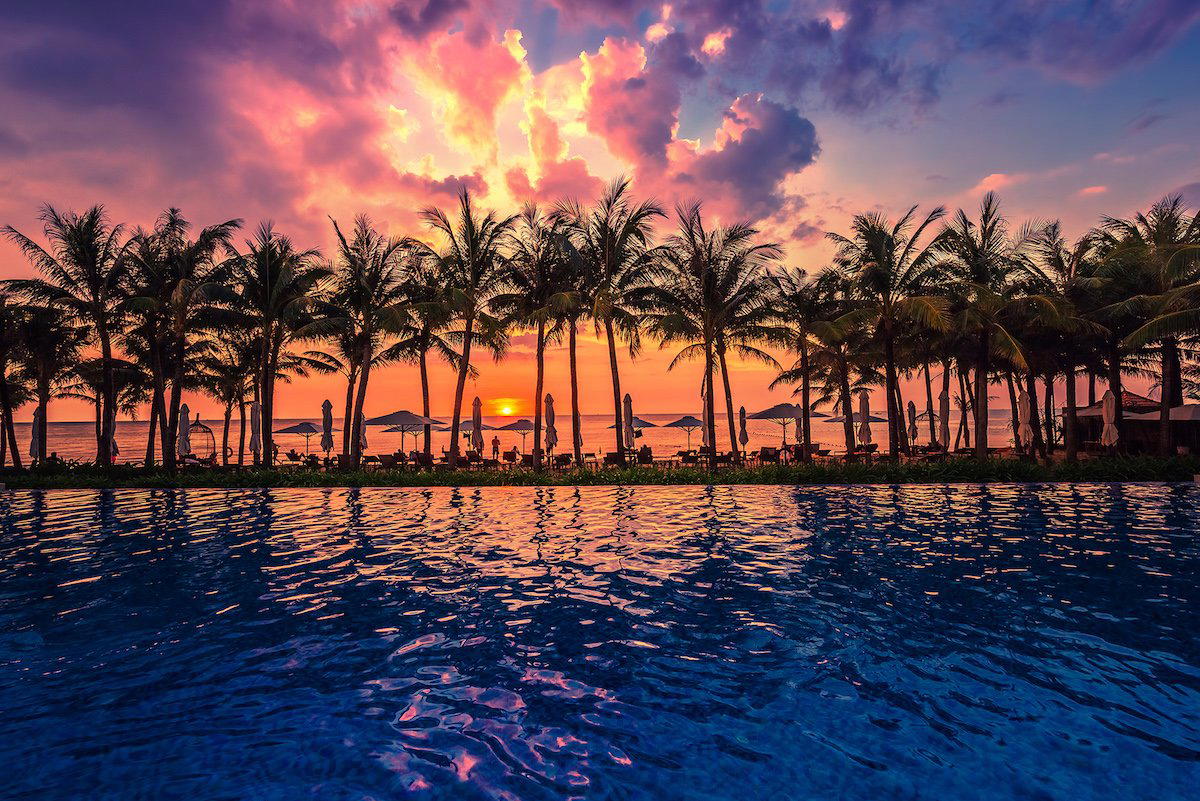
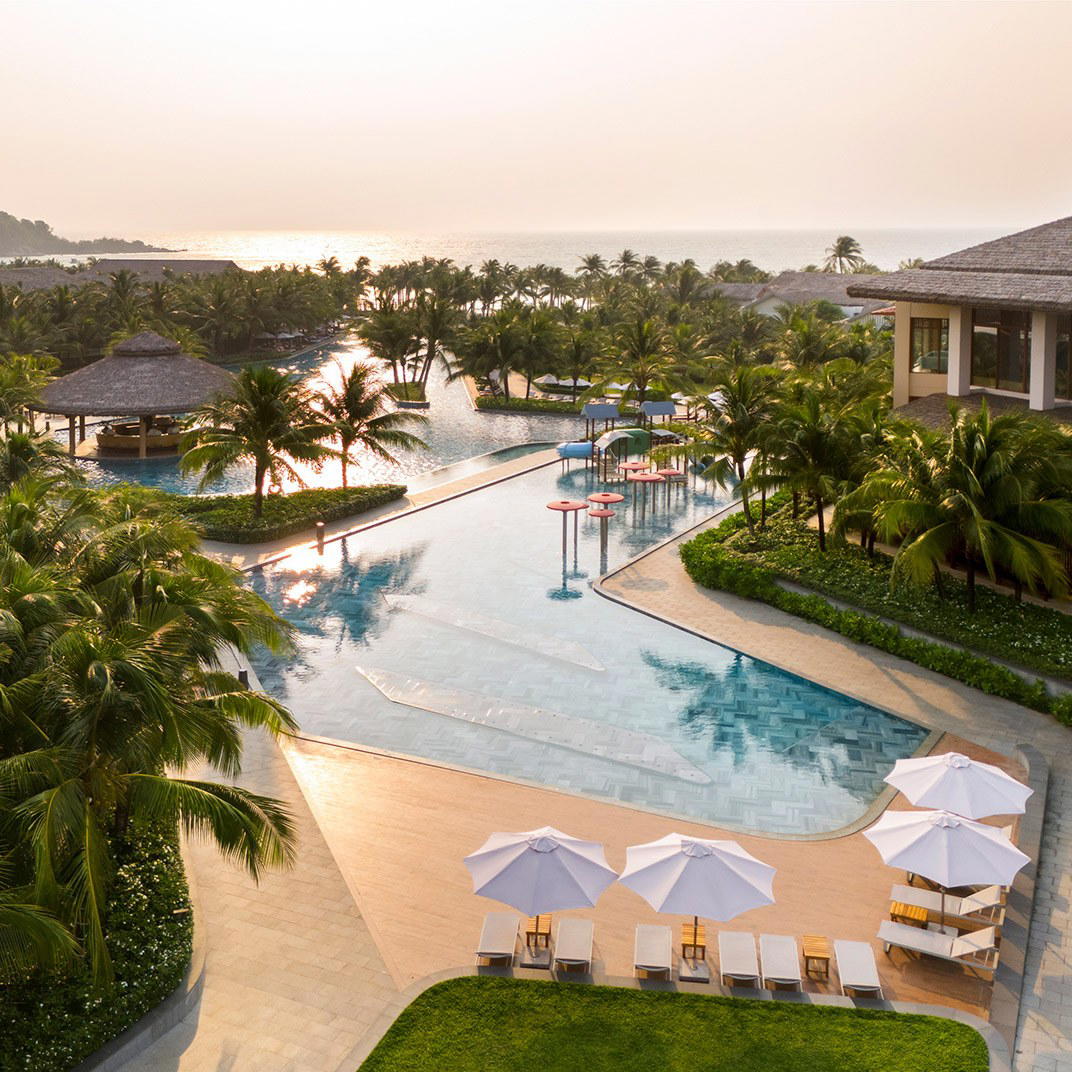
Bar Jade sits on Bãi Trường in Phu Quoc, a part of the island where resort dining, sunset drinking, and hotel-led cocktail culture shape the evening rhythm.

Pearl is the En Primeur Club membership app — saves, bookings, and concierge access live there. Same editors, same standards.
- Address
- Bãi Trường, Phú Quốc, An Giang 92509, Vietnam
- Phone
- +84 297 3880 000
- Hours
- Mon ClosedTue–Sun 7 PM–1 AM
- Website
- phuquoc.regenthotels.com
- Directions
- Get directions
Phu Quoc's resort-bar rhythm starts with the shore
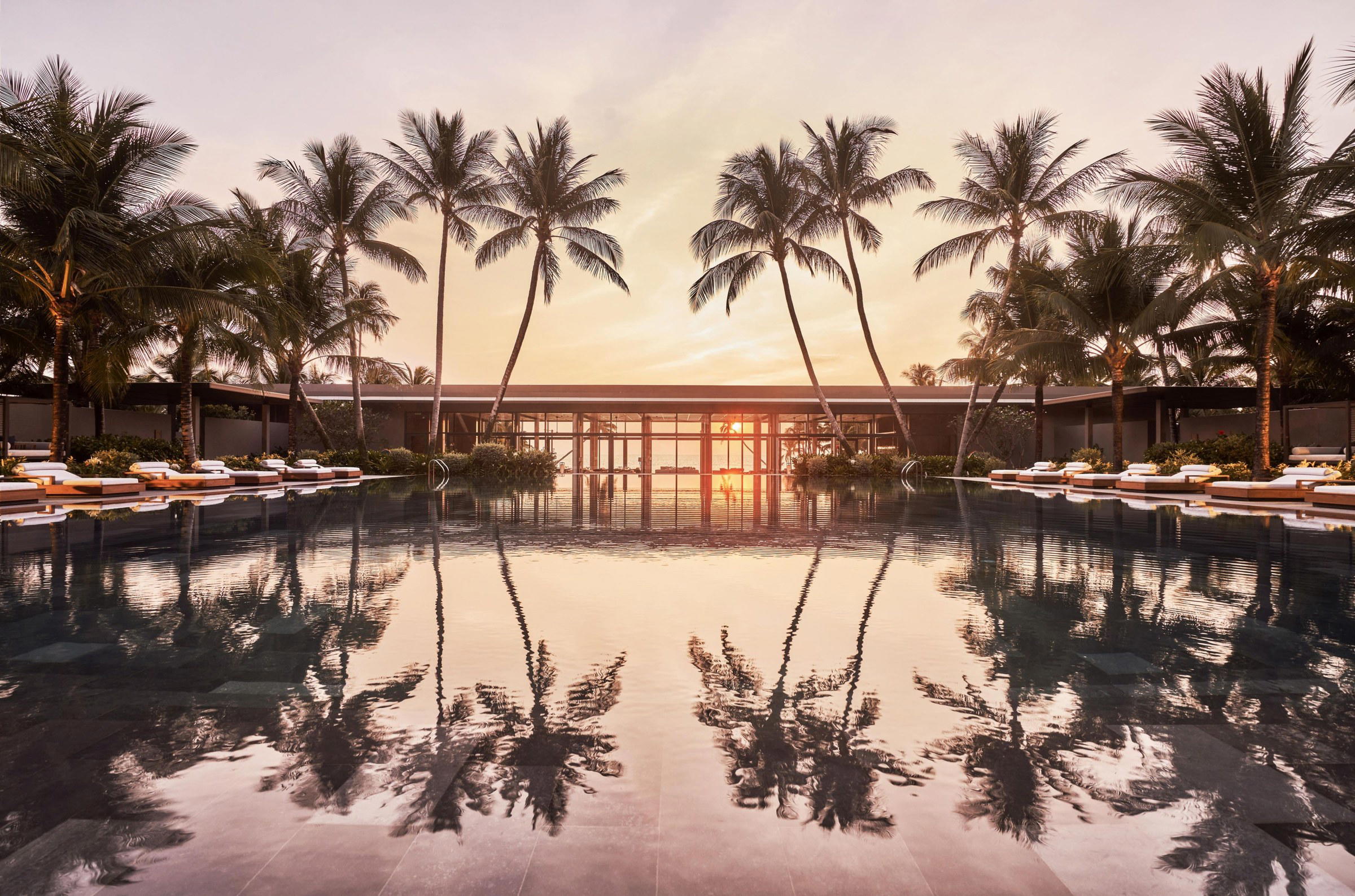
Approaching a bar on Bãi Trường means entering one of Phu Quoc’s defining hospitality corridors: long beachfront frontage, hotel arrivals, warm air after sunset, and an evening economy built around pre-dinner drinks rather than late-night urban bar-hopping. The island does not behave like Hanoi or Ho Chi Minh City after dark. Its cocktail culture is more seasonal, more dependent on resort occupancy, and more closely tied to the dinner window. Bar Jade belongs to that context. The address places it on Bãi Trường, Phú Quốc, An Giang 92509, Vietnam, which matters because this stretch is associated with international leisure travel rather than dense neighbourhood drinking.
That distinction shapes expectations. In a city cocktail bar, the room often competes on bartender reputation, menu experimentation, and awards visibility. On Phu Quoc, the first test is simpler: does the bar understand the island’s pace, or does it merely import a city format into a beachfront setting? The stronger hotel and resort bars on the island tend to work with time of day, heat, and the pre-dinner appetite. A short drink before seafood, a longer drink at sunset, or a quiet nightcap after a resort meal can all make sense here. The setting is not background decoration; it is the operating system.
For readers comparing categories, the useful split is between independent urban cocktail bars and destination-hotel bars. The bar can be placed geographically and stylistically within Phu Quoc’s leisure-drinking scene, but not ranked on the basis of a documented cocktail list, bartender biography, or published recognition.
The cocktail programme lens: what matters when details are scarce
Phu Quoc’s better drinking rooms tend to be judged less by theatrical complexity and more by calibration. Heat changes how sugar reads. Sea air changes how a spirit-forward drink lands. A resort guest may want something bright before dinner and something lower in alcohol after a day outdoors. In that setting, a cocktail programme succeeds when technique serves the hour rather than drawing attention to itself. Clarification, infusions, tropical fruit, bitter structure, ice quality, and glassware can all matter, but public data does not verify the specific methods used behind the bar.
That absence of detail is not a small point. Without those signals, the more honest reading is to treat the bar as part of Phu Quoc’s resort-led cocktail circuit rather than as a documented technical benchmark. This is where travellers should separate atmosphere from evidence. A polished island bar can deliver a satisfying evening without operating at the same level of transparency as a serious city cocktail address.
For comparison, Vietnam’s urban cocktail conversation is easier to map because public recognition and bartender-led narratives are more visible. Workshop14 in Hanoi fits a capital-city model where concept, room, and drinks programme are evaluated against a dense field of cafés, restaurants, and bars. Stir in Ho Chi Minh City belongs to a different urban rhythm, where cocktail bars compete with a faster dining and nightlife circuit. Internationally, Café La Trova in Miami shows how music, service ritual, and cocktail identity can become inseparable when a bar has a documented public profile. Phu Quoc operates with another grammar: fewer publicly legible bar credentials, more reliance on setting, hotel infrastructure, and traveller timing.
Why Bãi Trường changes the decision
Bãi Trường is not a minor address detail. It is one of the island’s principal resort and sunset zones, which means drinks are often planned around logistics rather than discovery. Guests are usually deciding where to have a pre-dinner cocktail, where to pause after a beach day, or where to meet without crossing the island. In that context, proximity has editorial weight.
The island’s geography also affects how much friction a traveller should accept. Phu Quoc is not a compact walking city with a bar every few blocks. Moving between beaches, resorts, night-market areas, and southern island developments can take planning, particularly in humid weather or during peak holiday periods. With no phone number or website in the record, the safest assumption is that details should be checked through the host property, a hotel concierge, or current local listings before committing an evening to the venue.
That kind of practical caution is part of serious travel planning, not a lack of enthusiasm. Resort bars in beach destinations can change opening patterns with season, occupancy, private events, and weather. A venue without published hours should not be treated like a fixed city address. If the plan depends on a specific time, especially around sunset or after dinner, confirmation matters. If the plan is more flexible, Bãi Trường’s concentration of hospitality options makes a nearby alternative easier to find than in quieter parts of the island.
How it compares within Phu Quoc's drinking scene
Phu Quoc’s bar scene divides into several practical categories. There are casual beach bars built around music and volume, hotel lounges designed for pre-dinner drinks, restaurant bars attached to seafood and international dining rooms, and a smaller number of cocktail-focused venues that try to import urban technique into island service. Its value is more securely read through location and likely occasion: a Bãi Trường bar for the resort-side evening, not a proven awards-led cocktail pilgrimage.
That distinction helps avoid the common error of treating every premium-looking island bar as a specialist cocktail destination. The cocktail programme may be competent, but evidence should drive claims. No awards are listed. No price range is listed. No seating capacity is listed. No bartender or chef credential is listed. Those gaps do not make the venue weak; they simply limit what can be responsibly said. In editorial terms, it sits in a softer category: relevant to the island’s hospitality map, but not documented enough to be judged against heavily credentialed cocktail rooms.
Readers building a wider Phu Quoc itinerary should compare across categories rather than forcing every evening into a bar-first plan. Our full Phu Quoc restaurants guide is the better starting point for dinner-led nights, while Our full Phu Quoc hotels guide helps identify where drinking, dining, spa, and beach access sit within the same property ecosystem. For bar-hopping or drinks-specific planning, Our full Phu Quoc bars guide gives the broader field. Travellers looking beyond drinking can use Our full Phu Quoc experiences guide, and wine-minded readers can check Our full Phu Quoc wineries guide, even though Phu Quoc is not a classic wine-region destination.
Peer bars and the resort-lounge question
Within a destination such as Phu Quoc, peer comparison should be practical rather than abstract. A traveller deciding between bars is usually comparing mood, proximity, dinner plans, and confidence in operating details. Alumi Events Lounge, Annex, Aqua Bar and Lounge, and Azure all belong to the same reader decision set: where to drink when the evening is shaped by island logistics rather than city density. The names matter less than the pattern. Phu Quoc rewards clustering plans geographically, especially when transport time and weather can alter the appeal of crossing the island for a single drink.
The editorial question for any of these bars is not whether the room looks polished in isolation. It is whether the drinking experience has enough structure to justify the plan around it. A documented cocktail list, stable hours, transparent pricing, and clear reservation channels all reduce friction. Where those details are unavailable, the bar becomes a lower-risk option for nearby guests and a higher-risk option for travellers coming from another part of the island. That is the correct hierarchy for Bãi Trường drinking: convenient, atmospheric, and potentially rewarding, but confirmation-led.
This is also where premium travellers should be careful with imported expectations. In Singapore, Bangkok, or Hong Kong, a bar’s public identity often rests on awards, bartending alumni, and menus designed for repeat local customers. On a leisure island, the audience turns over quickly, and the programme often has to satisfy hotel guests with varied tastes rather than a specialist cocktail crowd. The trade-off is clear. The room may be easier to enjoy casually, but harder to assess before arrival.
It does not list hours, telephone, website, booking method, dress code, price range, or seat count. That means planning should be built with contingency. If staying nearby, treat the bar as a convenient evening option and verify opening status locally before heading over. If staying elsewhere on the island, confirm through the hotel or a current local source before making it the centre of the night.
Timing matters in Phu Quoc more than in many cities. Sunset can compress demand across beachfront venues, particularly during holiday periods and dry-season travel months. Dinner times can also create a rush for tables and bar seats, especially where lounges are attached to larger hospitality operations. Without a listed reservation channel, early arrival is the sensible tactic for travellers who care about seating. Later in the evening, the mood may depend heavily on hotel occupancy and the surrounding dinner trade.
Price is another open question. No price range is available in the record, so the safer assumption is to check menus on site before ordering across a group. Resort-area bars can vary significantly in cocktail pricing depending on property positioning, imported spirits, service charge, and tax structure. That does not mean avoiding the bar; it means treating pricing as part of the first conversation rather than a surprise at the end. In a destination where many evenings include dinner, transport, and drinks, those small checks keep the night disciplined.
Who should put it on the Phu Quoc map
This address makes the strongest sense for travellers already oriented around Bãi Trường, particularly those who want a drink before or after dinner without turning the evening into a logistics exercise. It also works for readers mapping Phu Quoc’s resort-bar circuit and comparing how different properties handle lounge culture. The bar is less suitable, based on available data, for travellers seeking a documented bartender-led programme with awards, published technique, or a named creative figure. The evidence does not support that claim.
The right expectation is therefore precise: a Phu Quoc bar in a major resort corridor, useful for atmosphere-led drinking when nearby, and worth verifying before a dedicated trip. That may sound restrained, but restraint is useful in a destination where glossy surfaces often outrun public information. Bar Jade earns its place in the conversation through geography and category fit. The cocktail programme remains the open question, and serious drinkers should treat that uncertainty as part of the decision rather than filling the gaps with assumption.
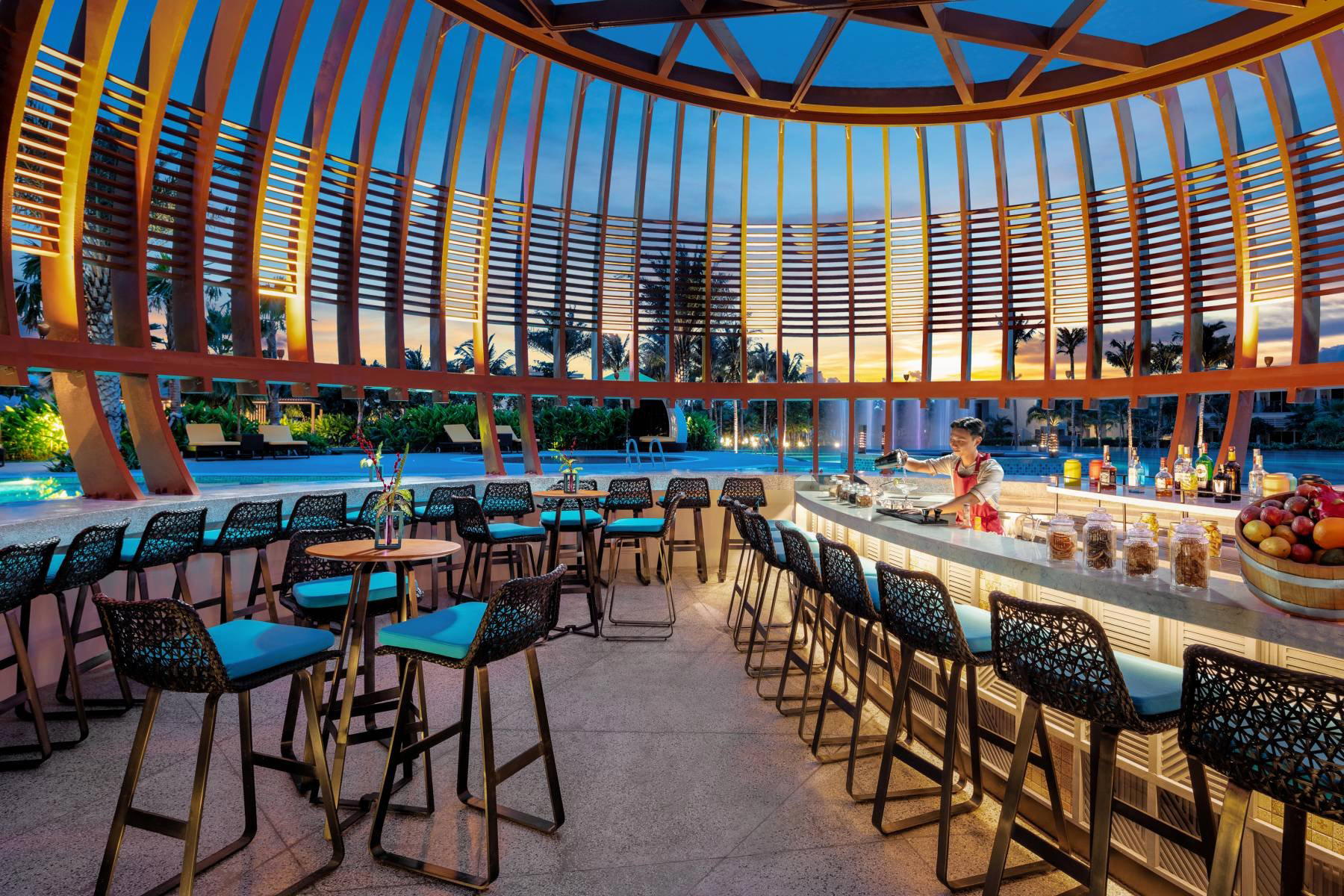
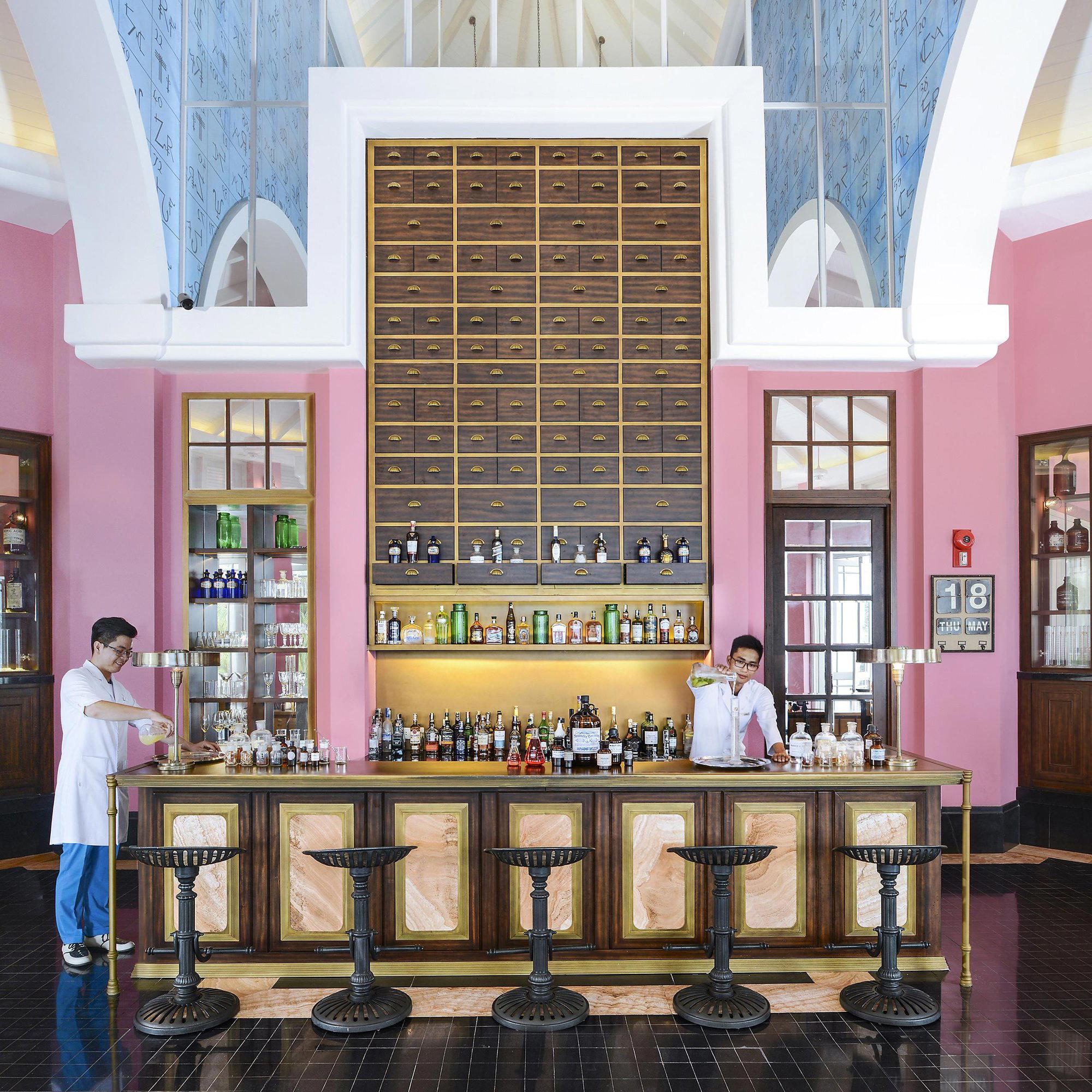
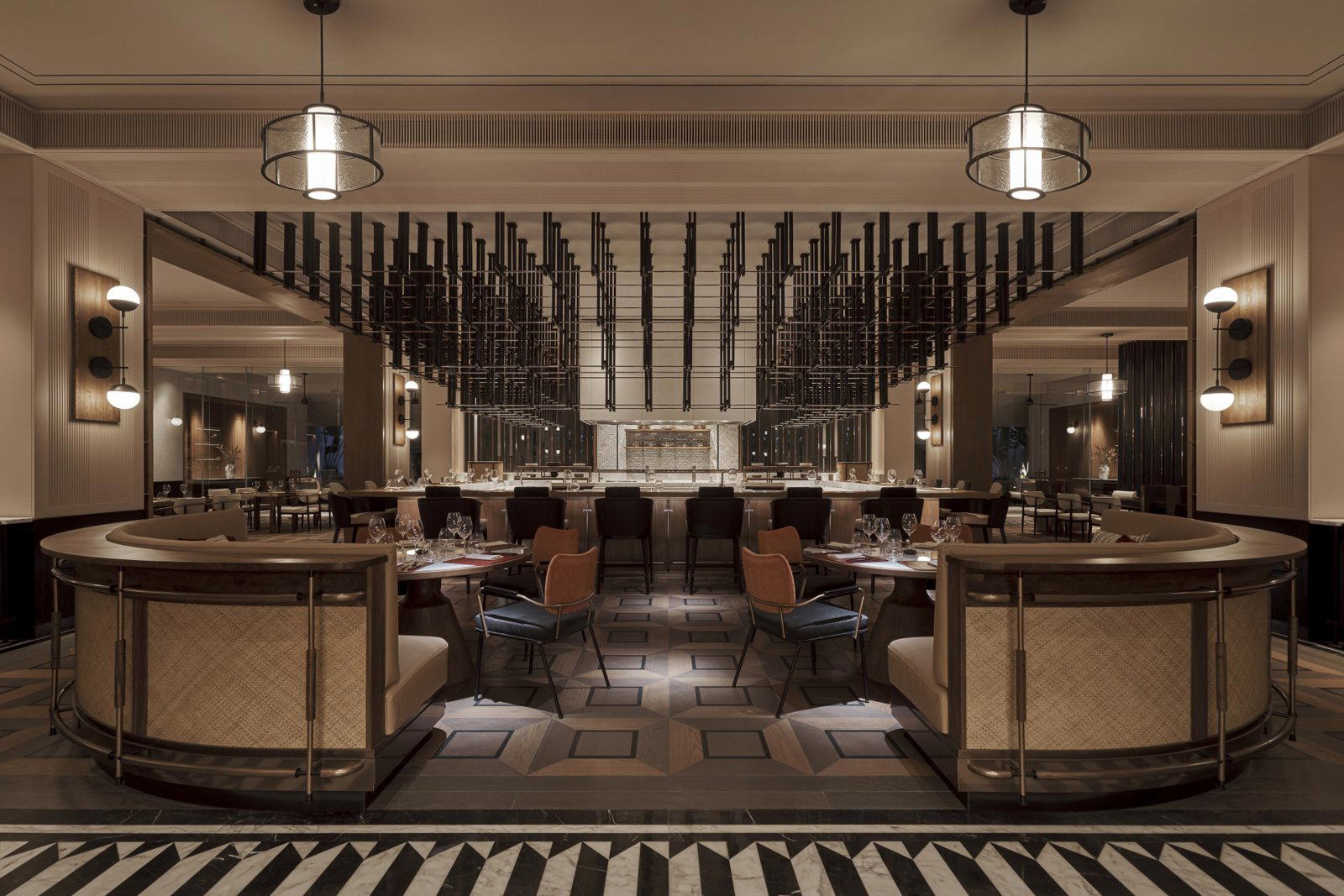
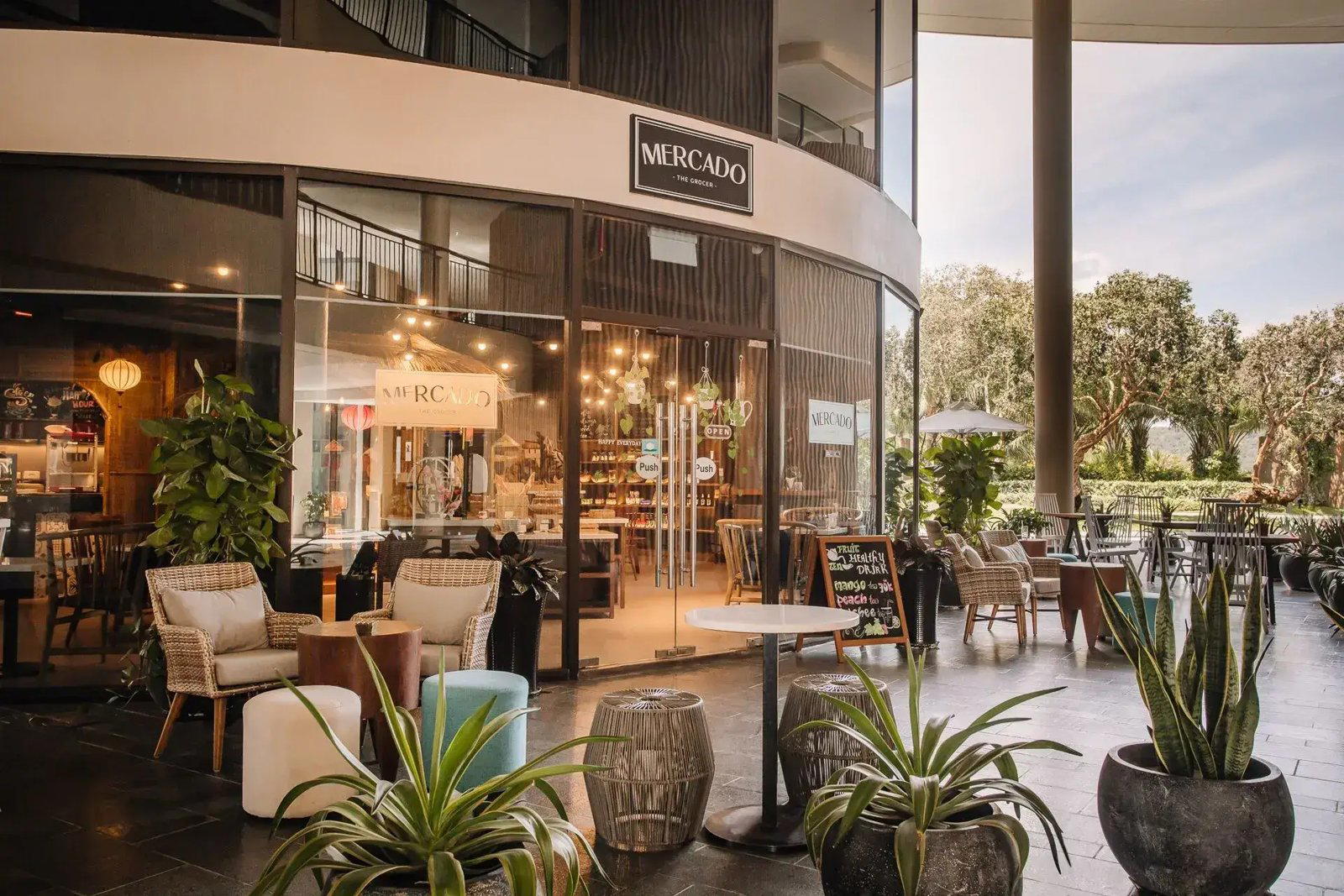
Bar Jade
The wine
- Wine program
- Curated wine list
- Craft cocktails
- Classic cocktails
- Zero-proof drinks
Signature drinks: Jade, The Spirit of Gemstones collection.
Details
- Intimate
- Elegant
- Sophisticated
- Ornate
- Date Night
- Late Night
- Celebration
- Special Occasion
- After Work
- Solo
- Speakeasy
- Design Destination
- Hotel Bar
- Seated Bar
- Lounge Seating
- Booth Seating
- Private Rooms
- Craft Cocktails
- Classic Cocktails
- Gin
- Sake
- Zero Proof
Current opening hours
- Monday
- Closed
- Tuesday
- 7 PM–1 AM
- Wednesday
- 7 PM–1 AM
- Thursday
- 7 PM–1 AM
- Friday
- 7 PM–1 AM
- Saturday
- 7 PM–1 AM
- Sunday
- 7 PM–1 AM
Hours can change for holidays and private events. Last verified .
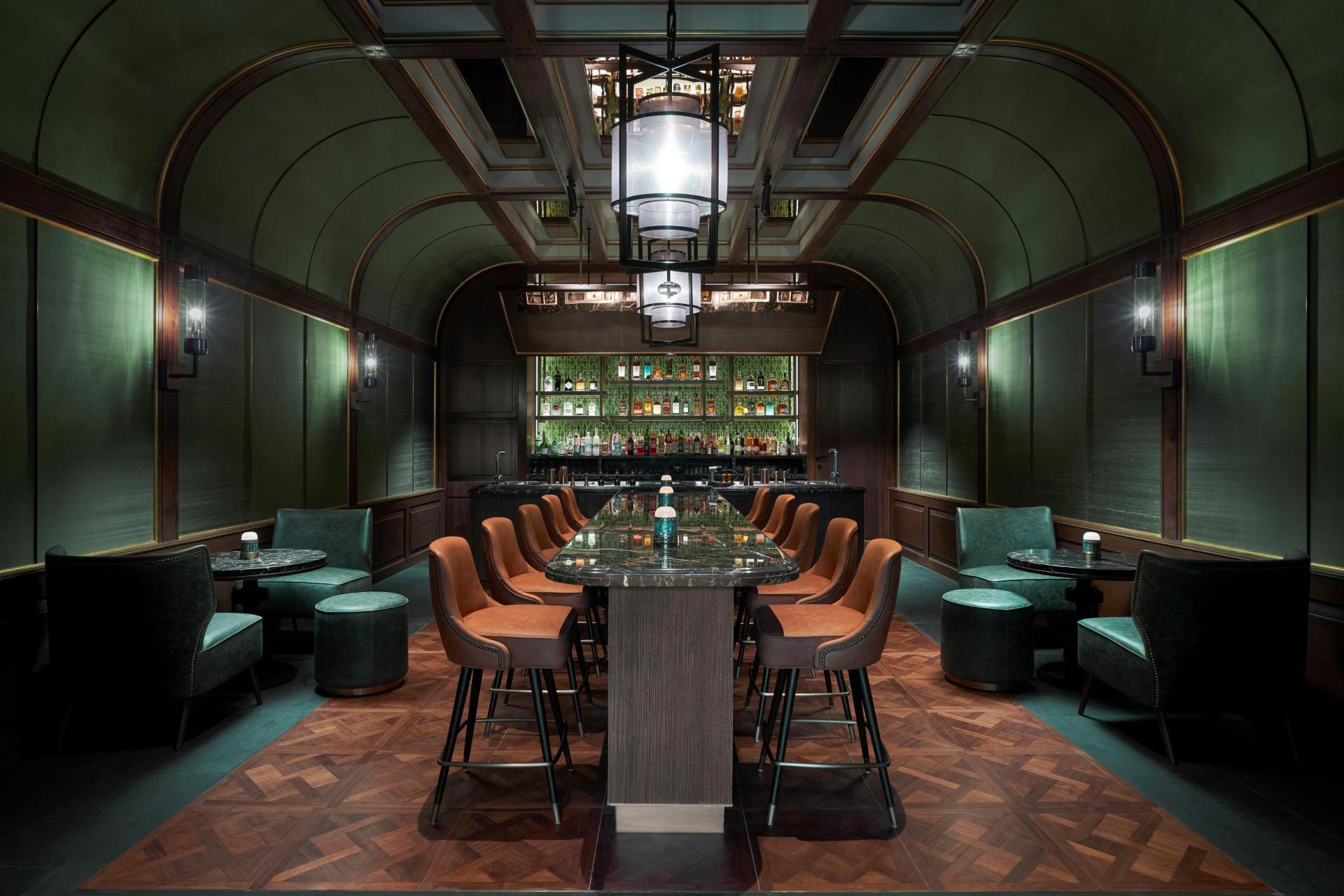
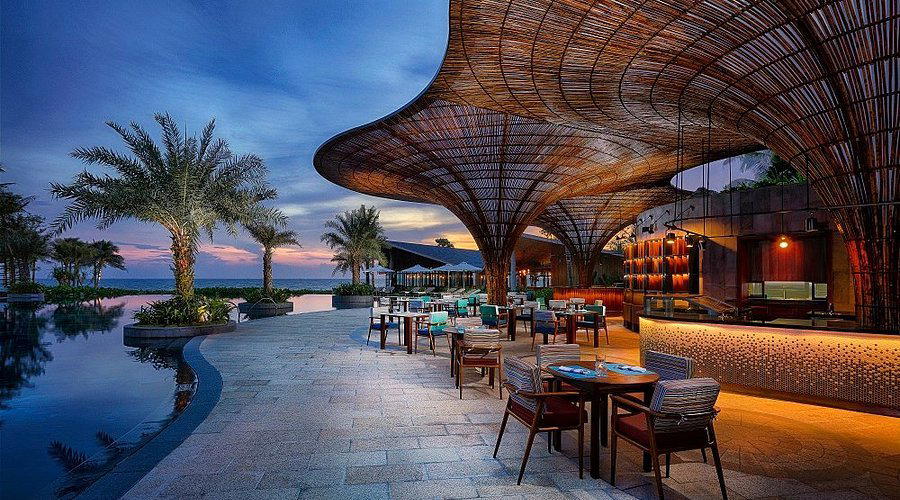
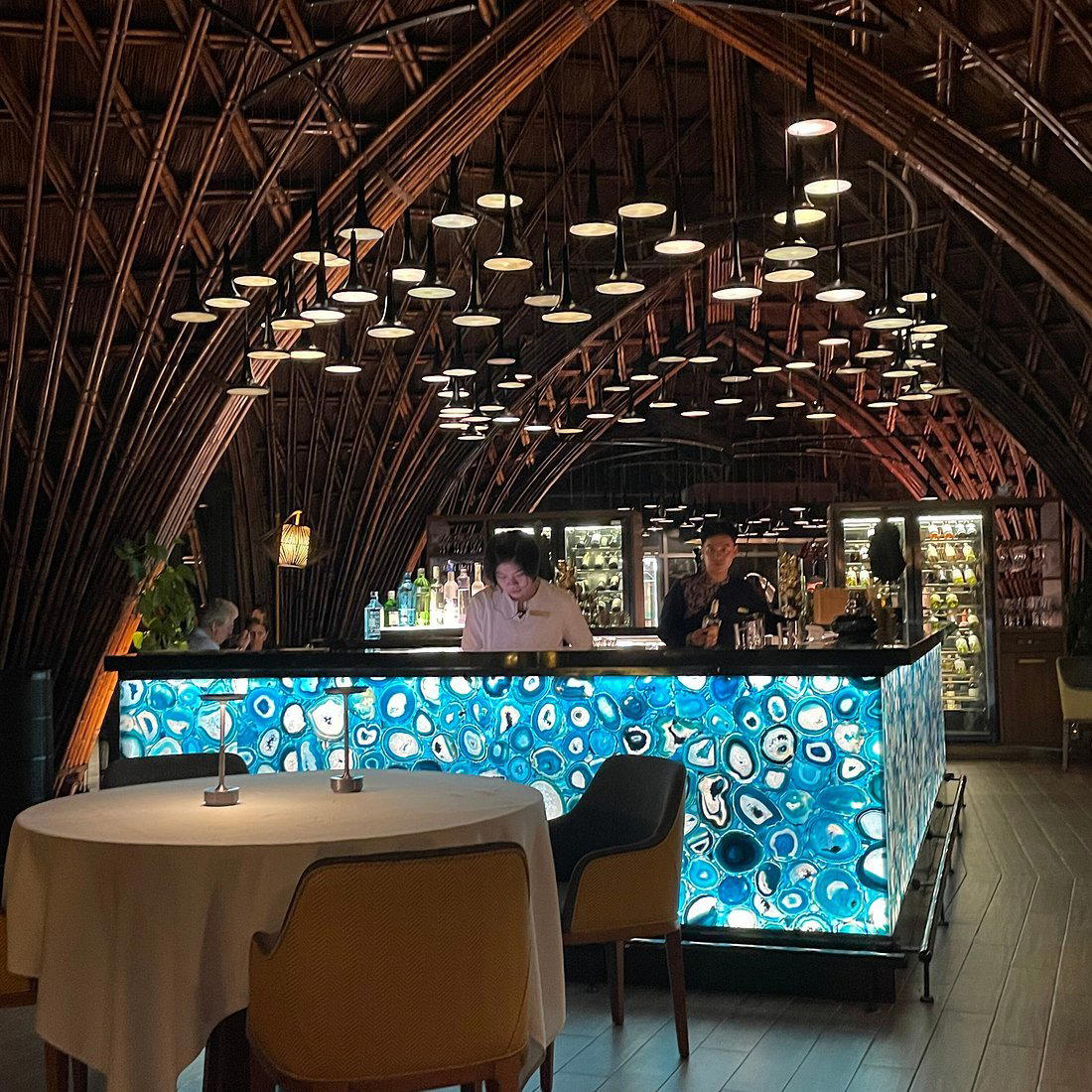
Dim, intimate lighting with rich green jade tones and velvet finishes creates a cocooned, speakeasy parlour atmosphere that feels luxurious yet relaxed, focusing attention on theatrical, finely crafted cocktails.