Chuck's of Hawaii
Our verdict
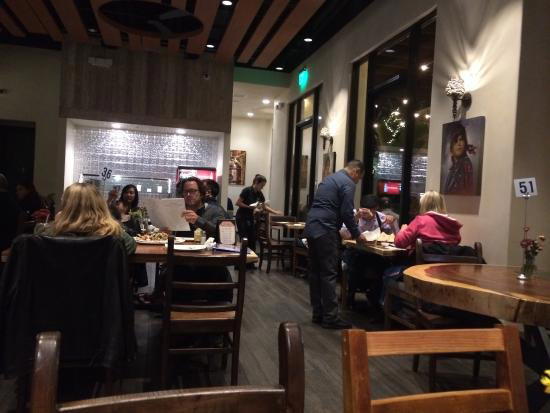
Chuck's of Hawaii on State Street occupies a particular place in Santa Barbara's dining memory: a longstanding address where the mid-century American steakhouse tradition intersects with the Hawaiian-inflected hospitality that once defined casual fine dining on the Pacific coast. For regulars, it represents continuity in a city that has steadily traded its old-guard rooms for Californian concept restaurants and wine-country tasting menus.

Pearl is the En Primeur Club membership app, where members save venues, book tables and use the concierge.
Where the Pacific Coast Steakhouse Tradition Holds Its Ground
State Street in Santa Barbara has changed considerably over the past two decades. The stretch running north from downtown has cycled through wine bars, fast-casual concepts, and the occasional ambitious tasting menu operation, and the restaurants that have survived longest tend to do so on the strength of something the newer arrivals can rarely replicate: an established local following built over years rather than a press cycle. Chuck's of Hawaii at 3888 State St sits in that category of long-running addresses where the room itself carries a kind of institutional weight.
The mid-century American steakhouse with Hawaiian inflection was a specific and coherent dining format that flourished along the Pacific coast from the 1950s through the 1980s. It drew from the postwar American fascination with Hawaii as an aspirational destination, translating that into dining rooms that combined the steak-and-seafood menu logic of the classic American chophouse with the warmer, more relaxed service register that Californians associated with island hospitality. Dishes like teriyaki preparations, tropical fruit accompaniments, and generous cuts served in dimly lit rooms with rattan and dark wood were not arbitrary aesthetic choices, they reflected a coherent cultural moment in which Hawaii represented both sophistication and accessibility for the mainland middle class.
That format has largely disappeared from the American restaurant scene. The steakhouse category has bifurcated sharply: at the leading end, you find highly engineered beef programs at places like Le Bernardin in New York City or tightly curated meat-forward tasting menus at Smyth in Chicago, while the mid-range has been absorbed by chain operations with standardized menus. The Hawaiian-American steakhouse as a regional Pacific Coast idiom sits outside both of those trajectories, which is precisely what makes the few surviving examples worth understanding on their own terms.
Santa Barbara's Dining Divide and Where Chuck's Fits
Santa Barbara's restaurant scene has developed a recognizable upper tier over the past decade. Californian cuisine with strong local sourcing credentials now sets the dominant tone at addresses like Barbareño, while the premium end extends to coastal fine dining and wine-country-adjacent tasting formats. For a comparison of what serious seafood looks like at the top of the local market, Silvers Omakase operates at the four-dollar-sign tier with a format that places it closer to the precision-focused omakase counters you'd find referenced alongside Atomix in New York City than to anything Chuck's represents.
Chuck's occupies different territory entirely. In a city where the newer Californian entries compete on sourcing narratives and the Japanese-influenced spots like Arigato Sushi attract diners seeking specific culinary depth, Chuck's answers a different question: where does a Santa Barbara family go to mark a birthday or anniversary in a room that won't surprise them?
That is not a dismissal. Restaurants that maintain consistent local loyalty over decades without reinventing themselves every two years perform a function that the food press tends to undervalue. The classic Italian-American address Arnoldi's Cafe serves a similar function in another part of the same city's dining memory. The longevity itself is the credential.
The Cultural Register of Hawaiian-American Dining
Understanding what Chuck's represents requires a short detour through what Hawaiian-American dining actually meant as a cultural category. Hawaii's statehood in 1959 triggered a wave of mainland American interest in Hawaiian aesthetics, cuisine, and atmosphere that extended well beyond the obvious tiki-bar register. The better expressions of this translated into genuine Pacific fusion: grilled proteins with Japanese-influenced marinades, locally caught fish prepared simply, fruit sauces that drew from the genuine cooking traditions of the islands rather than simply importing pineapple as a garnish.
At its most coherent, this format produced menus that were actually ahead of their moment in recognizing that California's geographic and cultural proximity to the Pacific meant its cuisine should look west as much as it looked to European traditions. The farm-to-table movement and the California cuisine revolution that later centered figures associated with restaurants like The French Laundry in Napa drew on European technique, but the Hawaiian-American steakhouse was already doing something else: proposing that the Pacific itself was the relevant culinary reference point for the western United States. Seen from that angle, places like Chuck's were making a cultural argument that the mainstream food press simply didn't validate until decades later, when chefs at places like Providence in Los Angeles or Single Thread Farm in Healdsburg began making explicit their debt to Japanese and Pacific Rim technique.
Visiting Chuck's: What to Know Before You Go
Chuck's of Hawaii is located at 3888 State St, placing it in the northern section of State Street away from the downtown tourist corridor. This positioning is consistent with its identity as a local institution rather than a visitor-facing destination: the address has always served Santa Barbara residents first. For visitors, that means the room will feel less curated for first-timers than the more photogenic entries in the city's dining scene, and that is largely the point.
The broader Santa Barbara dining scene, with its concentration of Californian cuisine and wine-country influences, gives context for where Chuck's sits relative to its neighbours. For a lighter meal framed around health-focused California formats, Backyard Bowls operates in a very different register on the same city's dining map.
Travelers planning a broader sweep of the California coast's restaurant culture will find additional context in how Chuck's relates to the larger arc of American regional dining. The ambition represented by Blue Hill at Stone Barns in Tarrytown, Addison in San Diego, or Lazy Bear in San Francisco operates at a different register, but all of these addresses in their own ways represent specific regional arguments about what American dining can mean. Chuck's makes a quieter, older argument, and for a specific kind of diner, that carries its own weight. Our full Santa Barbara restaurants guide places it in full context alongside the city's current dining options.
Frequently asked questions
What's Chuck's of Hawaii's location?
Chuck's of Hawaii is located at 3888 State St, Santa Barbara, CA 93105, Santa Barbara.
How does Chuck's of Hawaii differ from Santa Barbara's newer California-cuisine restaurants?
Where much of Santa Barbara's upper dining tier now emphasises local sourcing credentials and seasonal Californian menus, Chuck's of Hawaii operates within a distinct Hawaiian-American tradition that prioritises the steakhouse format over produce-driven plating. The 3888 State St address places it geographically apart from the downtown wine-bar and fine-dining cluster, reinforcing a different dining register entirely. It occupies a niche that Santa Barbara's newer openings have not replaced.
What do regulars order at Chuck's of Hawaii?
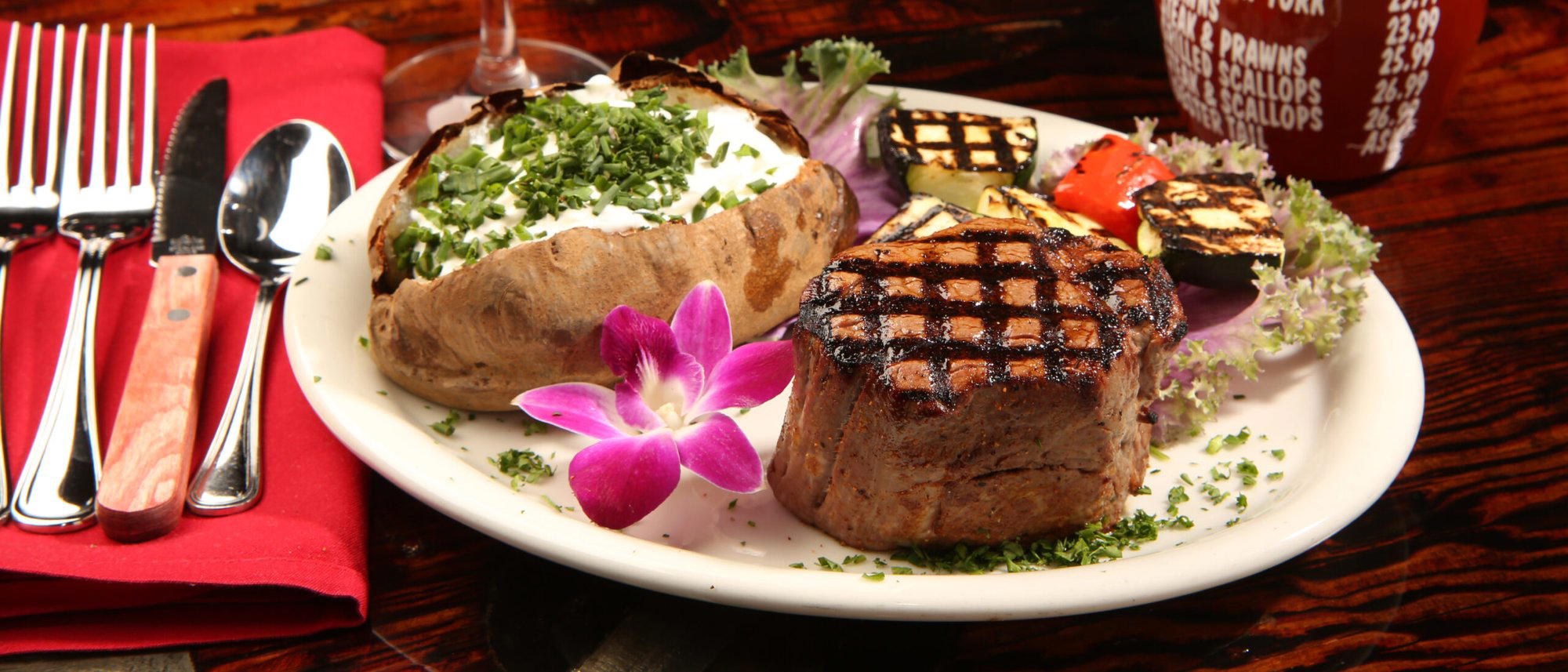
Chuck's of Hawaii built its following on the Hawaiian-American steakhouse format, which historically centres on prime cuts alongside teriyaki-influenced preparations. The northern State Street location draws a neighbourhood crowd rather than a tourist-driven one, suggesting repeat visitors gravitate toward the core meat-forward menu rather than seasonal specials. Specific dish details are best confirmed directly with the restaurant before visiting.
Do they take walk-ins at Chuck's of Hawaii?
Chuck's of Hawaii sits at 3888 State St in Santa Barbara's northern corridor, away from the downtown tourist concentration, which typically means less foot-traffic pressure than comparable spots closer to the waterfront. Walk-in availability varies by day and season. Contacting the restaurant directly before arrival is the practical approach to confirm seating options.
What makes Chuck's of Hawaii worth seeking out?
Chuck's represents a category that has largely disappeared from California's coastal cities: the Hawaiian-American steakhouse that predates the farm-to-table wave and holds its format without chasing trends. Its position on the northern stretch of State Street places it outside the tourist circuit, making it a genuinely local Santa Barbara institution rather than a destination engineered for visitors. That consistency over time is the credential.
At-a-Glance Comparison
A quick snapshot of similar venues for side-by-side context.
| Venue | Cuisine | Price | Awards | Notes |
|---|---|---|---|---|
| Chuck's of HawaiiThis venue (the venue you are viewing) | Tiki Steakhouse | $30–50 | Not listed | Not listed |
| Bettina | Neapolitan-Style Pizza | $30–50 | Michelin Bib Gourmand · Diners, Drive-Ins and Dives Featured Restaurant | Pizzeria, Pizza |
| Silvers Omakase | Modern Japanese Omakase | $200–300 | 1 Michelin Star | Sushi |
| Blackbird | Hyper-local New American | $50–100 | Michelin Plate · Wine Spectator Award of Excellence | New American, Mediterranean Cuisine |
| The Lark | Contemporary California with Mediterranean influences | $50–100 | Michelin Plate | Californian |
| The Stonehouse | Contemporary American Coastal Californian | $100–150 | Michelin Plate · Star Wine List | Californian Coastal |