
Tabelog 100 #37
Our verdict
Sushi Katsu belongs to Naruto’s serious seafood conversation rather than the city’s casual lunch circuit. Its Tabelog Sushi WEST 100 selection for 2025, counter-led format, and fish-focused identity place it in the higher-commitment tier of Tokushima dining, where sourcing matters more than spectacle.

Pearl is the En Primeur Club membership app, where members save venues, book tables and use the concierge.
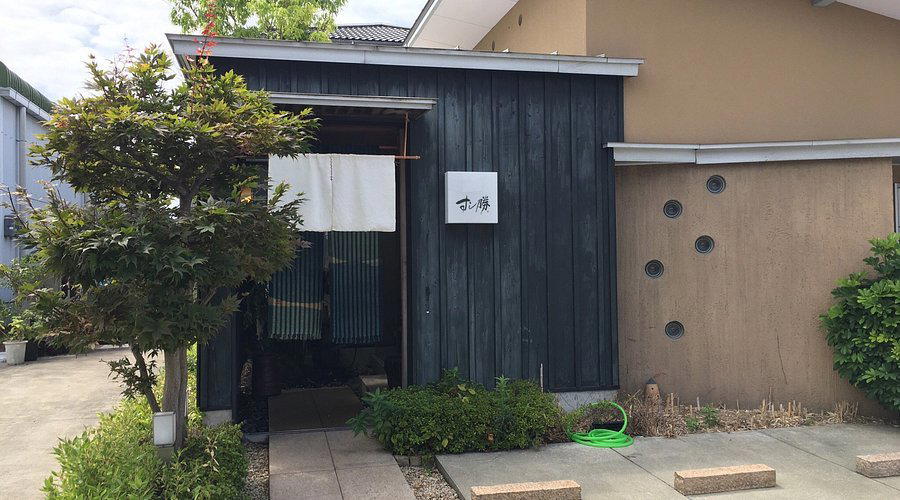
Approaching a sushi restaurant in Naruto is different from approaching one in a major metropolitan dining district. The city’s dining culture is shaped by water first: the Naruto Strait, the Seto Inland Sea, and Tokushima’s working relationship with fish rather than fashion. Sushi Katsu fits that context with a local restaurant feel and a reputation best understood through its sushi category rather than theatrical luxury.
Naruto is often read through its whirlpools and coastal day trips, but the more interesting dining question is what happens when a small city has direct proximity to serious seafood and little need to imitate metropolitan sushi rituals. The answer is a narrower, more localised form of ambition. Sushi Katsu’s 2025 Tabelog Hyakumeiten recognition gives it a clear external signal, but the stronger editorial point is category placement: this is not a low-cost station meal, and it is not a destination restaurant trading on big-city scarcity. It sits in the regional sushi tier where ingredient quality, discipline, and local trust carry the weight.
Naruto sushi is strongest when the fish leads the room
Tokushima’s coastal position changes the sushi equation. In large cities, premium sushi often sells lineage, technique, and the drama of limited availability. In Naruto, the first argument is sourcing. A sushi venue in this bracket points to a format where the catch and the meal do the talking. That matters because regional sushi houses can feel more direct than capital-city equivalents: fewer layers of branding, more attention on whether the fish justifies the spend.
The competitive set in Naruto makes that distinction sharper. Itsushou and Katsugyo Ryori Binbiya help show the broader local restaurant range, which makes Sushi Katsu a deliberate dining decision rather than a casual add-on. Other Naruto dining rooms show further sides of the local restaurant mix, but sushi at this level asks a different question: not where to eat nearby, but whether the meal should become the anchor of the day.
That is where the 2025 Tabelog Hyakumeiten recognition is useful. It does not turn the room into a trophy cabinet, and it should not be read like a Michelin star. It does, however, place the restaurant inside a wider Japan sushi conversation rather than only a Naruto one. For travellers who normally plan sushi around larger Japanese cities, that signal is meaningful: it suggests a regional sushi restaurant with enough credibility to justify adjusting an itinerary.
A focused sushi setting changes the pace of the meal
Sushi meals operate on a different rhythm from larger seafood restaurants. The format favours attention and sequencing over turnover. Sushi dining also changes the reader’s decision: this is a better fit for diners who want to focus on fish, rice, temperature, pacing, and the shape of the meal rather than a broad izakaya-style spread.
The restaurant’s core identity remains sushi. That matters in Naruto because many visitors pass through quickly: whirlpools, temple routes, coastal drives, then onward through the region. A focused sushi meal works differently. It asks for a slower plan and a tighter schedule around the table. The reward is not variety for its own sake; it is a concentrated read on what this stretch of Shikoku can do with fish.
Price also frames expectations. In a city where casual meals can sit far below this bracket, Sushi Katsu belongs to the measured splurge category, with both dinner and lunch listed at JPY 10,000 - JPY 14,999. The value case depends less on luxury signals and more on whether the diner wants regional sushi with recognised standing. Travellers looking for volume, speed, or a relaxed family feed will likely find the city’s broader seafood restaurants more comfortable. Diners who care about the difference between a general fish meal and a sushi format will understand the premium more quickly.
How to place it within a Naruto food itinerary
Naruto’s appeal for food-minded travellers is not density; it is contrast. A day can move from casual local plates to seafood restaurants, then to a sushi restaurant that sits several price tiers above the rest of the city’s everyday dining. For a wider map of the area, our full Naruto restaurants guide gives the restaurant context across local categories, while our full Naruto hotels guide, our full Naruto bars guide, our full Naruto wineries guide, and our full Naruto experiences guide help structure the rest of the stay.
For readers comparing Japan dining formats beyond Tokushima, the broader EP Club map shows how specialised meals sit across regions: beef-focused traditions, tuna and charcoal cooking, urban café culture, regional city dining, Vietnamese cooking in Japan, specialist curry, Kyoto dining, and meat-led regional restaurants all offer different ways to read Japanese food culture. Across the Pacific, Japanese formats abroad show another version of that same question: how a familiar idea changes when the city around it changes.
The sharpest recommendation is to treat Sushi Katsu as a focused sushi appointment, not a flexible fallback. Its value lies in the meeting of regional fish culture, sushi pacing, and recognised 2025 Tabelog Hyakumeiten standing. For Naruto, that combination is enough to make the meal a serious reason to pause rather than pass through.
Frequently asked questions
Would Sushi Katsu be comfortable with kids?
It can suit older children who are comfortable in a focused sushi setting in Naruto.
Is Sushi Katsu better for a quiet night or a lively one?
It reads as a quiet dinner address rather than a lively one. Its sushi focus points to an attentive setting in Naruto, with 2025 Tabelog Hyakumeiten recognition adding context.
Is Sushi Katsu expensive?
Pricing at Sushi Katsu is listed as JPY 10,000 - JPY 14,999 JPY 10,000 - JPY 14,999 View spending breakdown.
What's Sushi Katsu's location?
Naruto.
How It Stacks Up
Comparable venues by cuisine and price in the same metro.
| Venue | Cuisine | Price | Awards | Notes |
|---|---|---|---|---|
| Sushi KatsuThis venue (the venue you are viewing) | Traditional Sushi Counter (Omakase-Focused) | $100–150 | Tabelog 100 #37 | Not listed |
| Chinese Suiyo | Upscale Chinese restaurant in a Naruto resort hotel | $50–100 | Tabelog 100 #98 | Not listed |
| Katsugyo Ryori Binbiya | Traditional Naruto seafood diner | $20–30 | Tabelog 100 #9 | Kitanadacho, Naruto |
| Itsushou | Traditional Udon Shop | $1–10 | Tabelog 100 #60 | Otsu-cho, Naruto |
| Wagyu Sukiyaki Soshiji Karuizawa | Wagyu Sukiyaki | Not listed | Not listed | Old Karuizawa Ginza |
| 楽亭 | Handmade Soba | $30–50 | Not listed | Kagurazaka |
Recognition history
Dated appearances from independent guides and award organizations, with the underlying list record or original source where available.
Tabelog 100 #37 · No. 37
Tabelog · Tabelog 100 - Sushi - WEST - 2025
Continue exploring
More in Naruto
Restaurants in Naruto
All restaurants in Naruto →
Hotels in Naruto
Browse all →
Details
- Cozy
- Intimate
- Classic
- Special Occasion
- Date Night
- Solo
- Business Dinner
- Chefs Counter
- Standalone
- Private Dining
- Sake Program
- Sustainable Seafood
- Omakase
- Counter Dining
- Sake
- Shochu
- Wine
- Pescatarian Friendly
A small, stylish yet relaxed space centered on a 10-seat counter with just a few table seats, non-smoking and described as a quiet, hideout-style house restaurant ideal for savoring sushi at a leisurely pace.