Our verdict
Chinese Restaurant sits in Huangpu, where Shanghai dining is shaped by produce markets, riverfront hotel rooms, business dining, and regional Chinese kitchens competing for attention. Treat it as part of the city’s broader ingredient-led conversation rather than a chef-driven destination: the useful question is how a central Shanghai table handles seasonality, sourcing, and restraint.

Pearl is the En Primeur Club membership app, where members save venues, book tables and use the concierge.
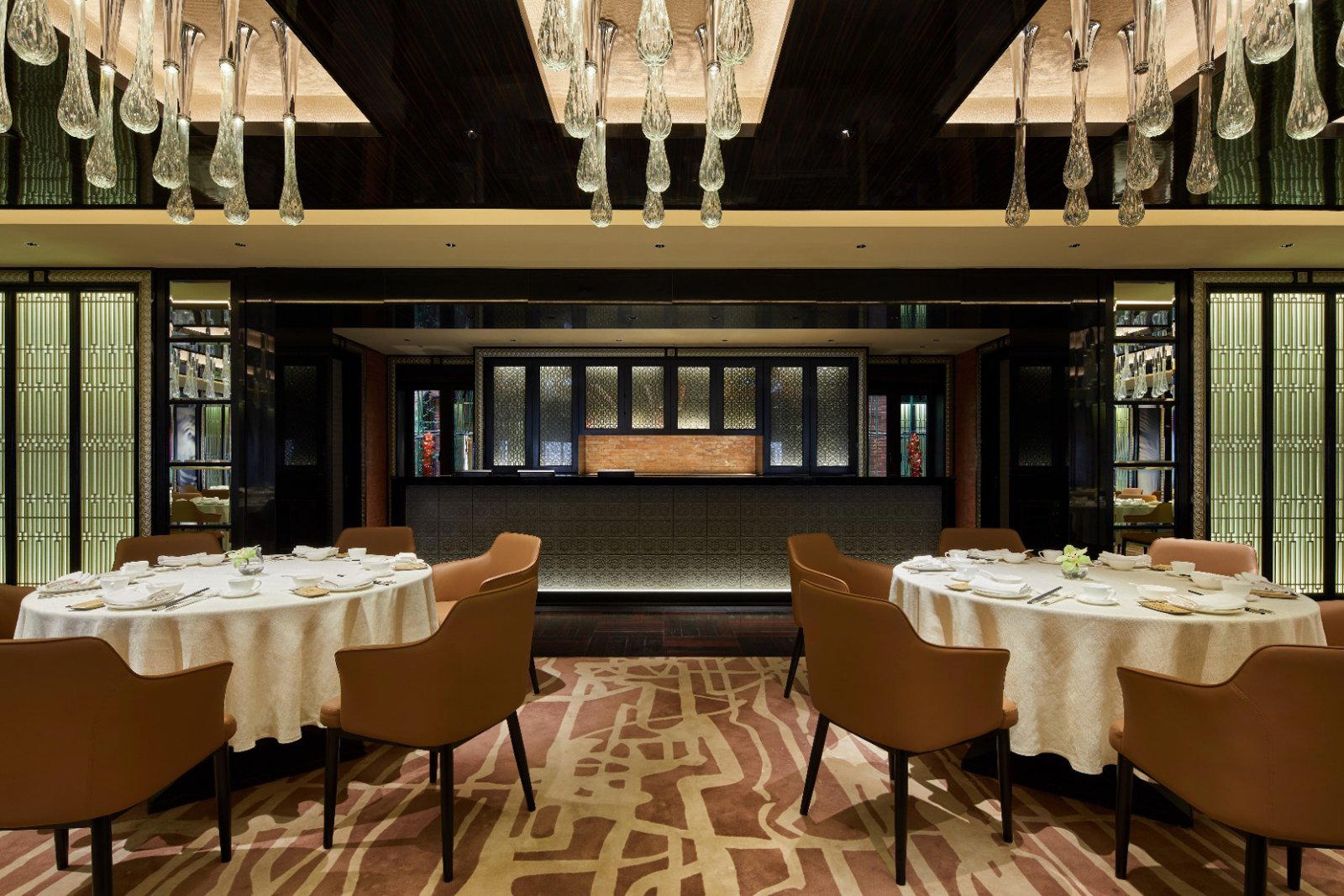
Approaching a dining room in Shanghai, the city tends to announce itself before the menu does: office towers, hotel lobbies, old commercial streets, and the general gravity that pulls serious dining into Shanghai. In this city, a restaurant serving Chinese food is judged less by decorative flourish than by procurement, timing, and control. Seasonal produce, seafood, broths, sauces, and staple dishes all carry local expectations; the difference between a routine meal and a serious one often begins before the cooking starts.
Chinese Restaurant belongs to that Shanghai context. With no public chef narrative, tasting-menu structure, or price bracket attached, the sensible way to read it is through category and city rather than personality. Shanghai is not forgiving territory for vague cooking. It places Chinese kitchens alongside hotel dining rooms, banquet-oriented restaurants, local specialists, business-dining rooms, and international formats. That competitive pressure makes sourcing and execution matter: vegetables need to taste like they were bought with intent, seafood needs to be handled cleanly, and sauces need proportion rather than weight.
Shanghai dining rewards kitchens that buy carefully, not loudly
Shanghai’s local cooking culture has always been tied to trade, season, and access. The city absorbs regional influence, river and coastal produce, banquet formality, and the practical demands of business dining. Ingredient quality is not an abstract virtue here; it decides whether a dish has depth or fatigue, whether greens keep their snap, and whether a table reads as generous or merely expensive. That is why Shanghai Chinese restaurants are often better assessed by ingredient discipline than by concept language.
For readers comparing Chinese Restaurant with other Shanghai rooms, the useful frame is breadth. Chinese Restaurant and Sheng Yong Xing 晟永兴 point toward the Chinese side of the city’s dining spectrum, where product quality, timing, and table rhythm carry weight. Hi bowl, M1NT, Yong Feng Mian Guan (Huangpu), and Épices & Foie Gras show how varied the wider Shanghai dining field can be, from casual formats to more polished rooms. A Chinese kitchen in the same city has to compete not only within cuisine, but against the service rhythms and product standards those categories have normalized.
The broader Shanghai question is regional identity
Shanghai diners have become adept at reading regional signals. Some rooms are expected to show precision with seafood and soup work; others are tested through seasonal dishes, staple preparations, and the balance of sauce, texture, and fat. Without a published cuisine subtype for Chinese Restaurant beyond its general Chinese-restaurant identity, the safer editorial stance is to treat it as a Chinese address in a city where specificity matters. Order with that in mind: look for seasonal vegetables, fresh seafood where offered, clear soups, and dishes where sauce supports the main ingredient rather than covering it.
That sourcing lens also helps separate Shanghai from other Chinese dining cities. Across China, different regions place different emphasis on heat, fermentation, coastal produce, soups, wheat, rice, or ceremonial dishes. Shanghai’s strength is its ability to borrow from a broad national pantry while remaining exacting about product. For Chinese Restaurant, the most useful question is not whether it announces a grand regional thesis, but whether the meal feels carefully bought, clearly cooked, and suited to the city around it.
How to place it in a Shanghai itinerary
Use Chinese Restaurant as a Shanghai Chinese meal rather than as a trophy booking. That matters for planning: the city works well when a day is built around museums, riverfront walking, hotel bars, and dinner nearby. For a wider scan of the city’s dining field, start with our full Shanghai restaurants guide, then cross-check the surrounding trip architecture through our full Shanghai hotels guide, our full Shanghai bars guide, our full Shanghai wineries guide, and our full Shanghai experiences guide. Shanghai rewards tight geography; fewer transfers usually mean better meals.
The comparison set also shows how broad the city has become. Chinese Restaurant keeps the focus on Chinese dining, while Hi bowl, M1NT, Sheng Yong Xing 晟永兴, Yong Feng Mian Guan (Huangpu), and Épices & Foie Gras indicate how many different dining moods can sit inside the same city. In Shanghai, the sharper test is simple: ingredients bought well, cooked in season, and served with enough restraint to let the city’s produce speak clearly.
Frequently asked questions
What part of town is Chinese Restaurant in?
Shanghai.
Is Chinese Restaurant reservation-only?
Those details are not published. It is listed in Shanghai. Check the venue's official channels for the latest details.
What's Chinese Restaurant best at?
Those details are not published. What is clear is the location: Shanghai. Check the venue's official channels for the latest details.
What if I have allergies at Chinese Restaurant?
Those details are not published. The restaurant is in Shanghai, so confirm ingredients directly with the room when planning. Check the venue's official channels for the latest details.
Would Chinese Restaurant be comfortable with kids?
Those details are not published. Its Shanghai location suggests a city restaurant setting rather than a dedicated family format. Check the venue's official channels for the latest details.
Is Chinese Restaurant formal or casual?
No dress code or service format is listed in the public record. The name and Shanghai location point to a city restaurant setting rather than a clearly defined formal dining room. Check the venue's official channels for the latest details.
How It Stacks Up
Comparable options at the same price tier.
| Venue | Cuisine | Price | Awards | Notes |
|---|---|---|---|---|
| Chinese RestaurantThis venue (the venue you are viewing) | Traditional Chinese Restaurant | Not listed | Not listed | Not listed |
| Hi bowl | Asian and Western All-Day Dining | Not listed | Not listed | Not listed |
| M1NT | Modern International Grill | Not listed | Not listed | Not listed |
| Yong Feng Mian Guan (Huangpu) | Halal Jiangnan Noodle Shop | $10–20 | Michelin Plate | Not listed |
| Épices & Foie Gras | Modern French Bistro | $50–100 | Michelin Plate | French Contemporary |
Continue exploring
More in Shanghai
Restaurants in Shanghai
All restaurants in Shanghai →
Bars in Shanghai
All bars in Shanghai →

Details
- Group Dining
- Family
- Casual Hangout
- Standalone
- A La Carte
- Family Style