Cassis Restaurant sits in Usaquén, a Bogotá district where polished dining meets the city’s deeper produce culture. With little public ceremony around awards or chef biography, the useful lens is the plate: Bogotá’s better kitchens increasingly draw authority from Colombian ingredients, market fluency, and a room suited to grown-up neighborhood dining rather than spectacle.
Pearl is the En Primeur Club membership app — saves, bookings, and concierge access live there. Same editors, same standards.
- Address
- Cra. 21 #101-10, Usaquén, Bogotá, Cundinamarca, Colombia (main restaurant area)
- Directions
- Get directions
 Saves & bookings on Pearl
Approaching dinner in Bogotá can feel different from eating in the city’s denser business corridors. The pace can loosen, the streets can hold more residential texture, and restaurants have to work harder than a flashy room to keep regulars returning. Cassis Restaurant belongs to that quieter side of the city’s dining map, where the appeal is less about any single public awards narrative and more about how a kitchen can reflect the capital’s access to produce, dairy, herbs, meats, and regional pantry staples.
Bogotá has become a serious dining city partly because it sits at a meeting point rather than a single culinary identity. Andean altitude, Caribbean fruit, Amazonian ingredients, Pacific seafood traditions, Llanos beef culture, and the daily mechanics of local markets all feed the capital. The more interesting restaurants in this tier are not simply defined by one broad label; they decide which parts of that supply chain deserve polish and which should remain direct. Cassis Restaurant is best read through that lens: a Bogotá dining room positioned for guests who want a composed meal without the performance codes of a tasting-menu temple.
Bogotá dining rewards kitchens that understand the market, not just the room
Ingredient sourcing matters in Bogotá because distance can be deceptive. A restaurant in the capital can reach several climates in a single day’s procurement, which gives chefs a broader pantry than many cities of comparable size. That abundance also creates a problem: menus can become decorative, name-checking regions without making a clear argument. The stronger neighborhood kitchens tend to avoid that trap by letting the produce, sauces, grains, and proteins carry the structure of the meal.
Bogotá’s dining identity sits between destination restaurants and local regularity. It is not only old-formality grand dining rooms, nor only the faster, design-led rhythm around commercial districts. The city rewards restaurants that can handle business dinners, family meals, and date-night pacing without changing personality between services. Cassis Restaurant fits that category more naturally than the high-volume party end of Bogotá dining, and that context is the useful decision point for travelers.
For readers mapping the city by appetite rather than by district, other Bogotá dining rooms point toward the capital’s market-driven daytime culture, while other polished restaurants reflect the city’s appetite for technique filtered through local expectations. Casual formats speak to a different register again: places where ingredient choice can matter as much as formal service. Cassis Restaurant sits closer to the polished neighborhood-dinner lane than to the market-counter or experimental end of that spectrum.
The better Bogotá meal is often about restraint with Colombian range
The city’s dining scene has learned that Colombian range does not need to be shouted. A plate can draw from regional abundance without turning into a geography lesson, and a room can feel grown-up without chasing international luxury signals. That is especially relevant in Bogotá, where the audience is mixed: local residents, business travelers, and visitors who want a dinner outside the usual tourist circuit.
Against other Bogotá formats, Cassis Restaurant reads as a steadier option than a more specialized room such as YORI Korean food & Grill Bogotá, a more conventional sit-down choice than a casual format such as Ko Asian Kitchen, and a different proposition from the familiar comfort implied by Pajares Salinas. Those comparisons matter because Bogotá is crowded with restaurants that satisfy a mood before they define a culinary argument. The useful question is not which room is louder or more photographed, but which one matches the evening: conversation, moderate pacing, and a menu shaped by access to ingredients rather than by novelty.
That is also why cross-city comparisons can mislead. Other Colombian dining rooms can carry coastal drama, warmer social energy, or a more casual rhythm; Bogotá, at altitude, has a more serious relationship with supply, season, and urban regulars. A traveler comparing unnamed restaurants across the country will see how much Colombian dining changes by climate, altitude, and occasion.
How to place it in a Bogotá itinerary
Cassis Restaurant makes sense when the goal is a composed Bogotá dinner rather than a checklist meal. The better itinerary pairs it with daytime exploration of the city or a broader Bogotá plan, then saves more experimental or counter-service formats for another night. For a citywide view, start with Our full Bogotá restaurants guide, then separate the rest of the trip by use case: Our full Bogotá hotels guide for where to base, Our full Bogotá bars guide for after-dinner drinking, Our full Bogotá wineries guide for wine-focused planning, and Our full Bogotá experiences guide for cultural structure around meals.
The editorial case is simple: in a city with enough restaurant variety to reward careful selection, this is a venue to consider for a quieter Bogotá meal built around the capital’s access to ingredients. It is not the obvious choice for travelers chasing chef mythology or a theatrical room. It is more useful for understanding how Bogotá dining works at neighborhood level, where sourcing, pacing, and context decide whether dinner feels rooted in the city.
For a wider international contrast, restaurants in other cities can show a different kind of specialization: tighter category focus, narrower pantry, and a dining culture built around precision within a single lane. Bogotá’s advantage is broader and messier. Cassis Restaurant belongs to that broader urban pattern, where the capital’s ingredient reach is the story worth paying attention to.

At a Glance
- Cozy
- Elegant
- Romantic
- Business Dinner
- Date Night
- Group Dining
- Family
- Celebration
- After Work
- Brunch
- Garden
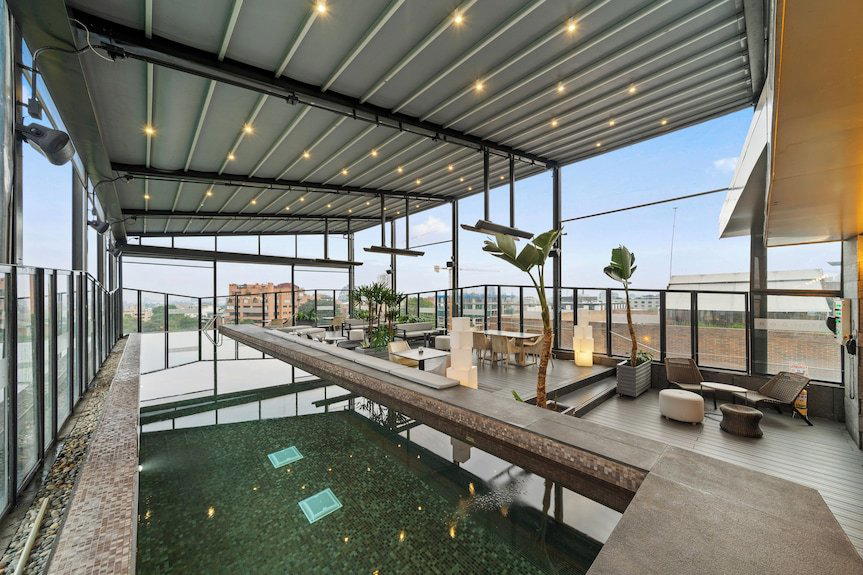
- Terrace
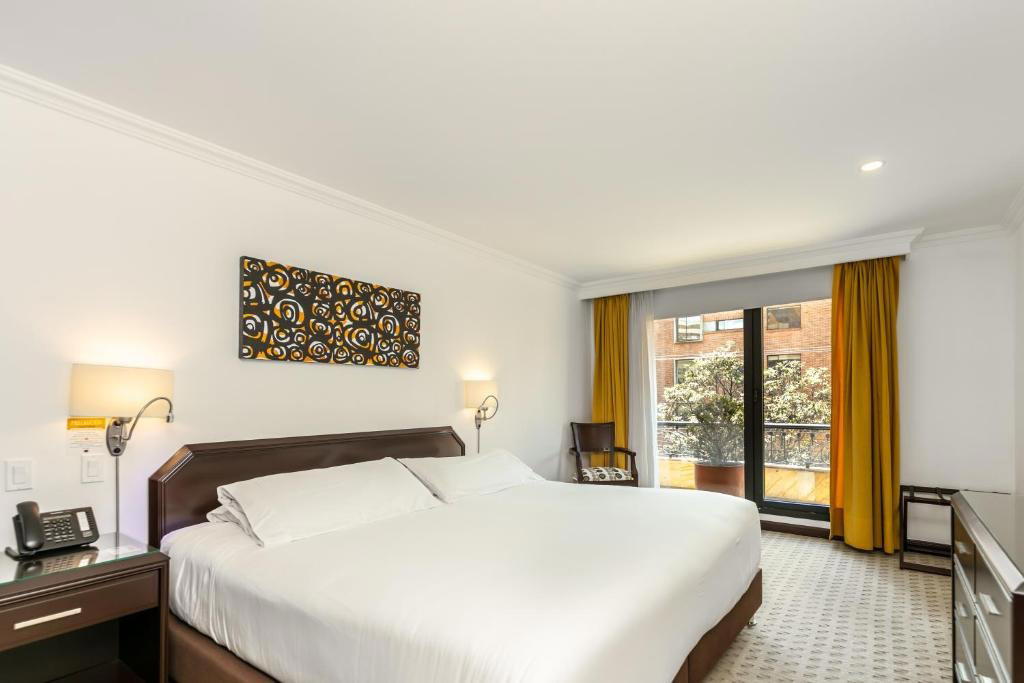
- Hotel Restaurant
- Standalone
- Extensive Wine List
- Beer Program
- Garden
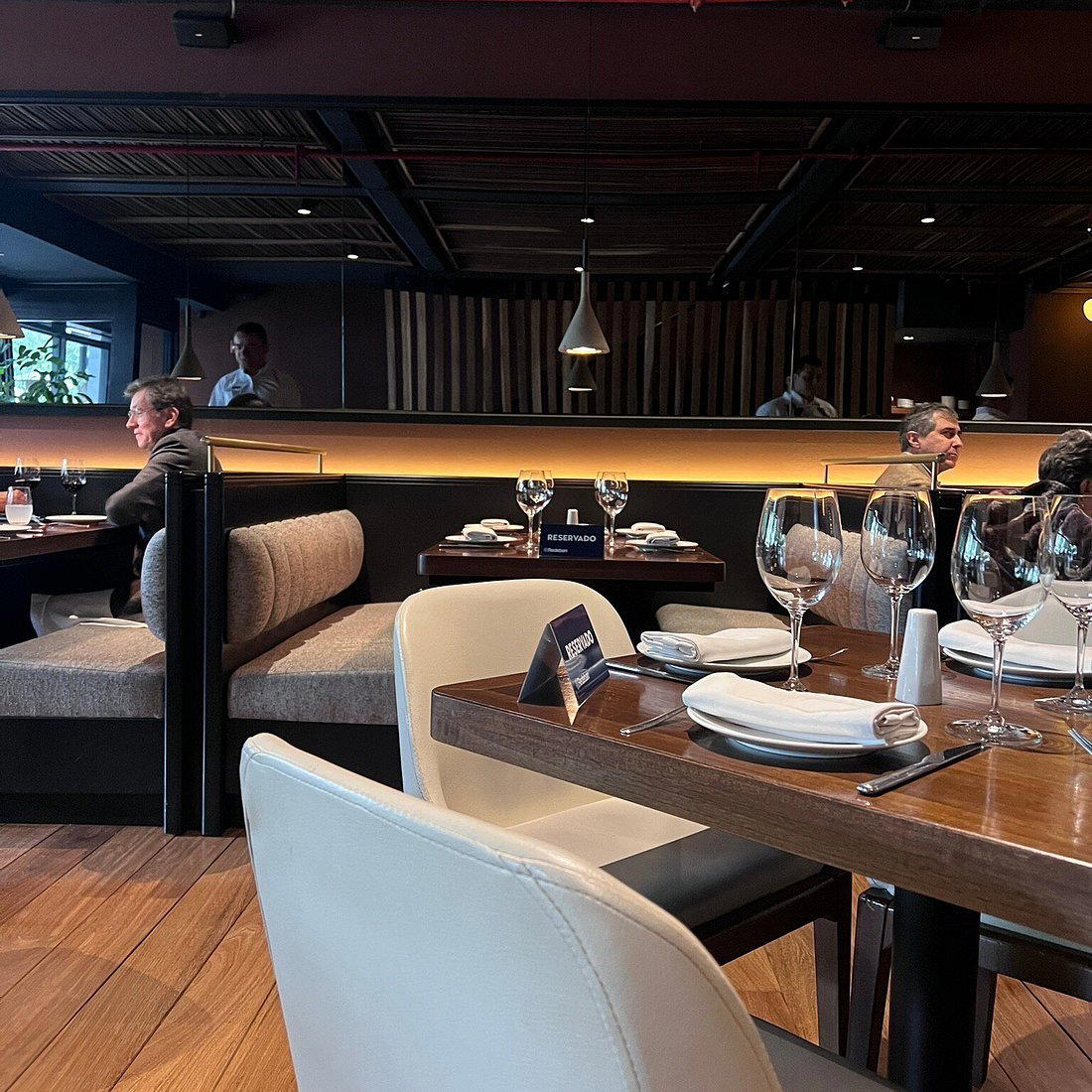
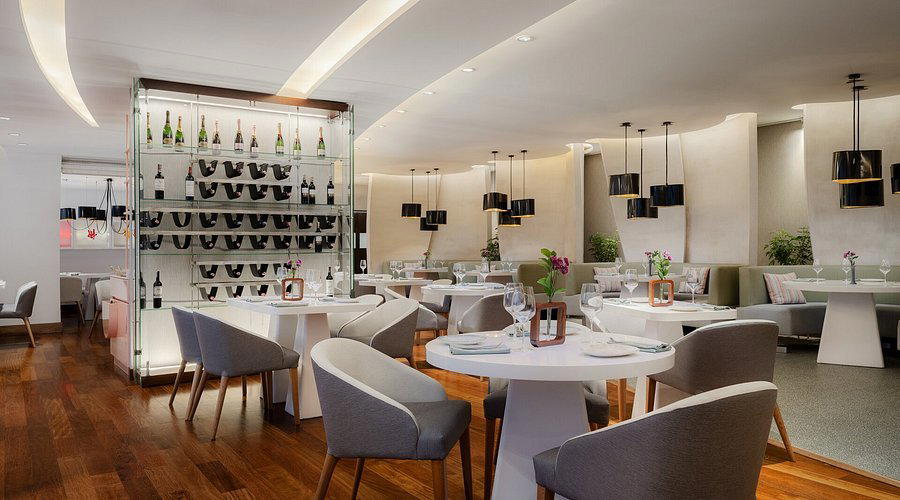
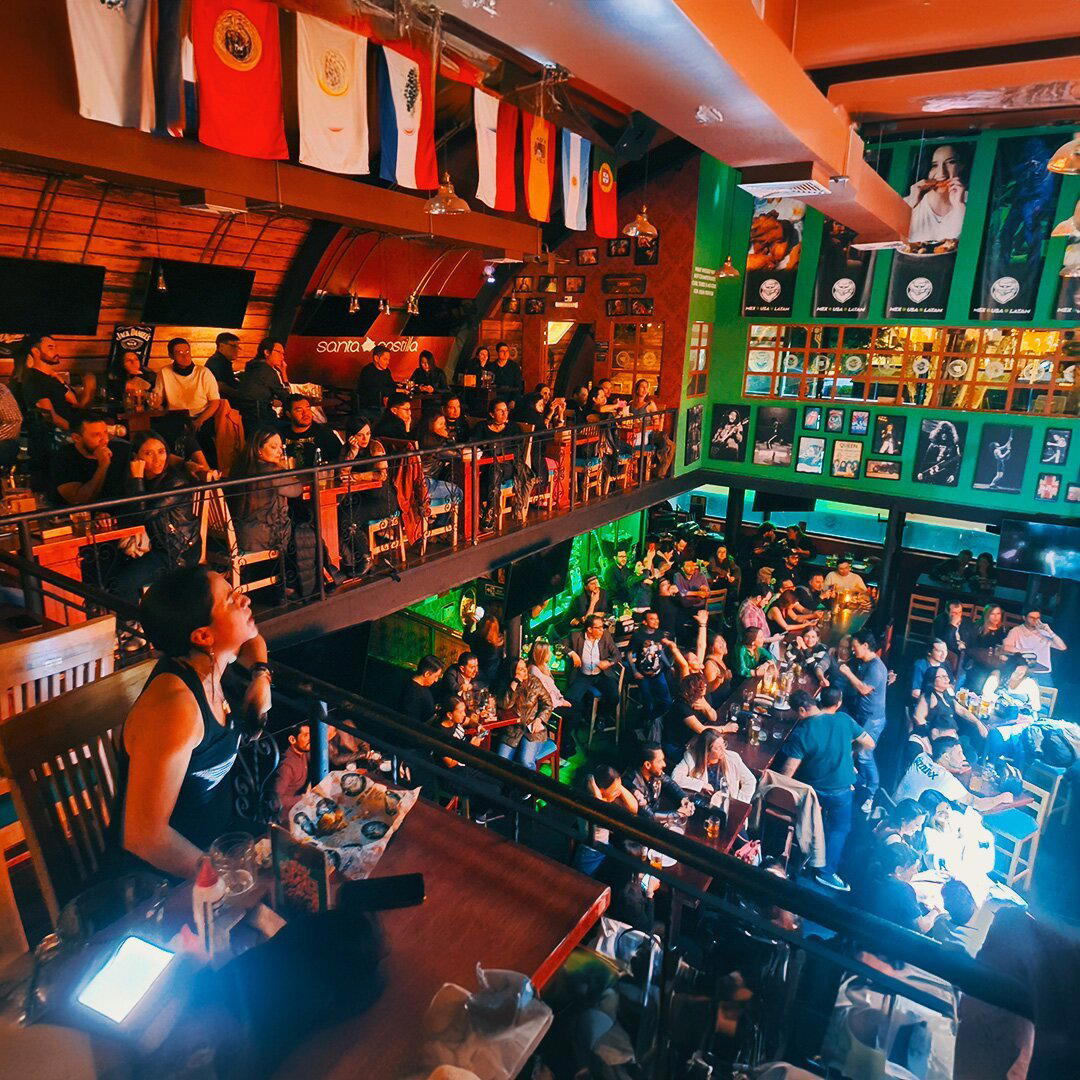
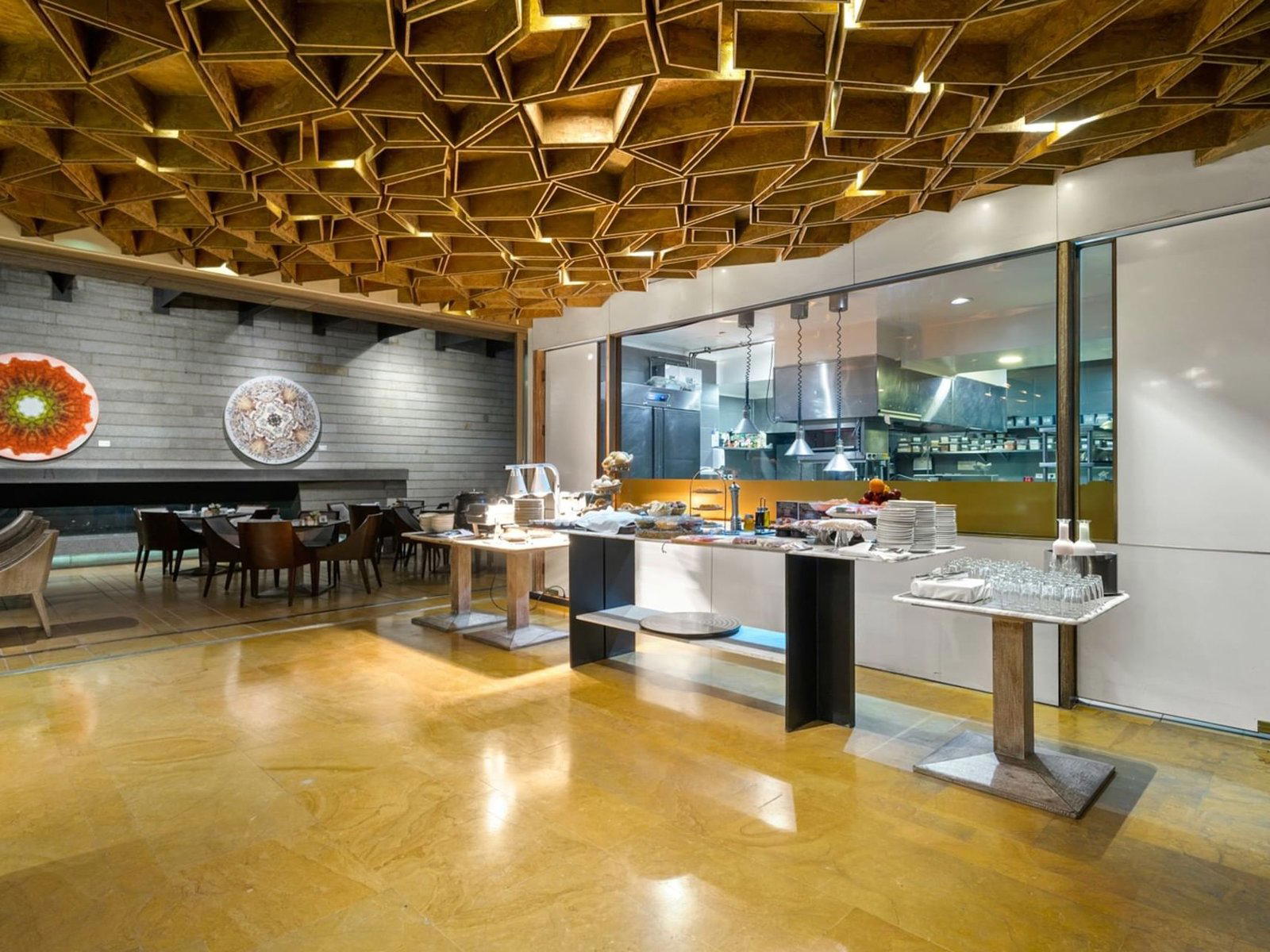
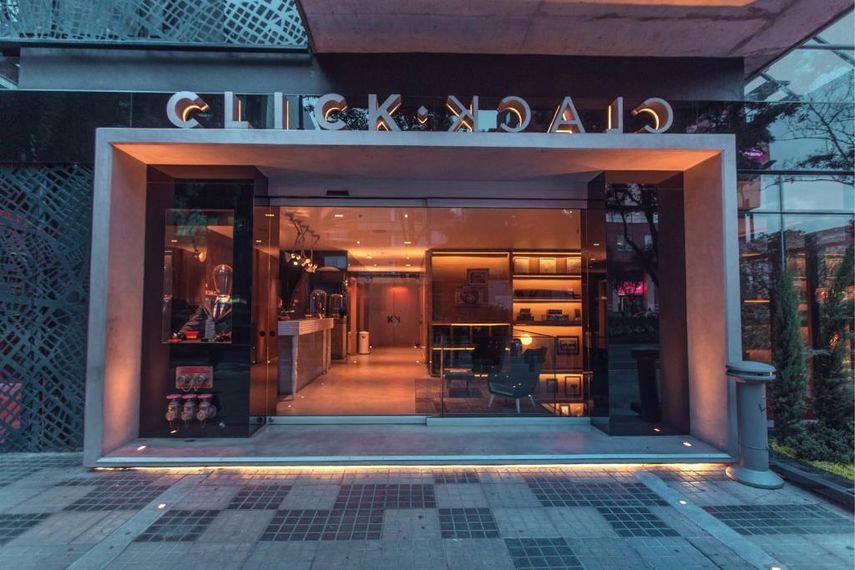
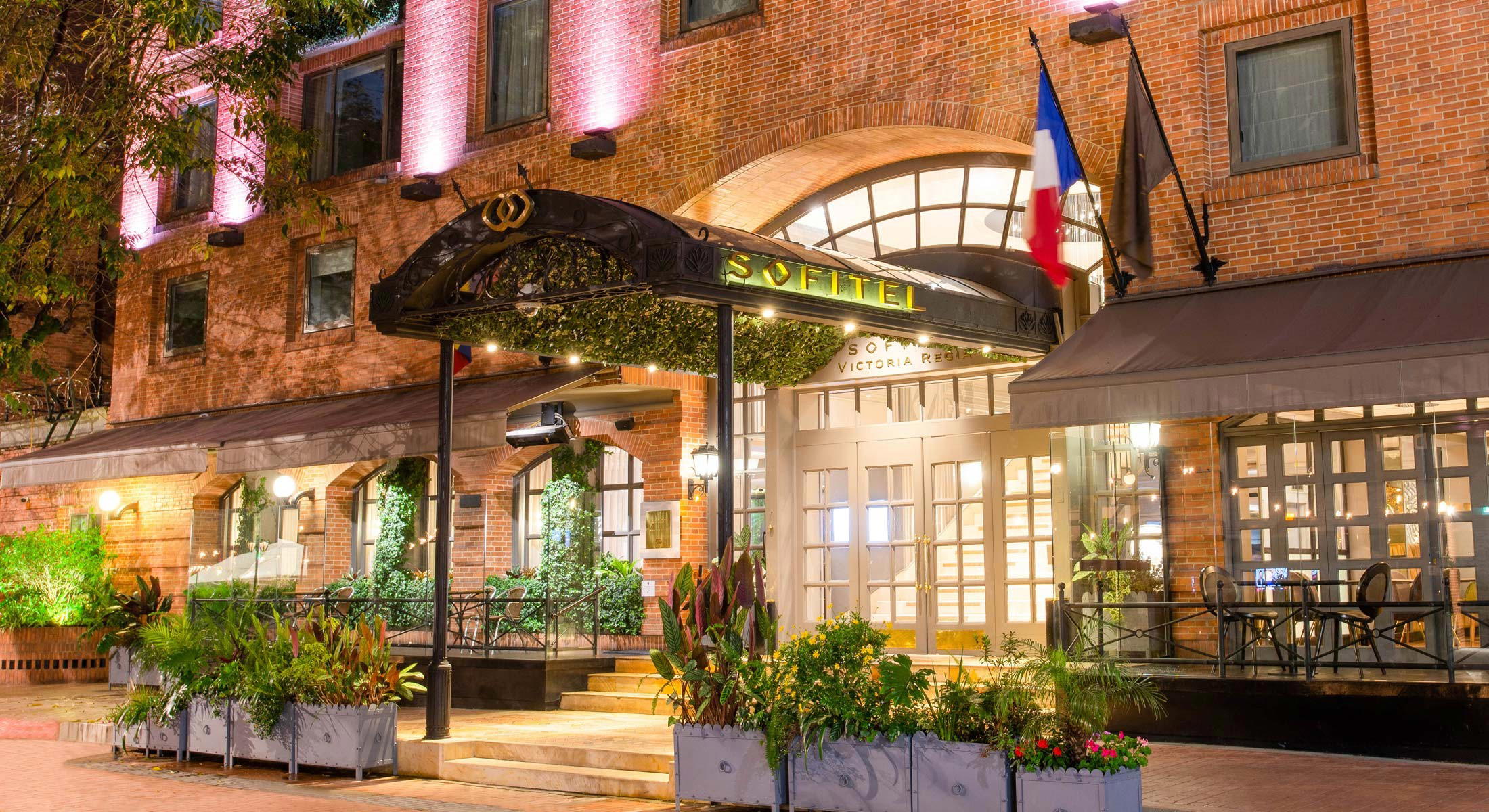
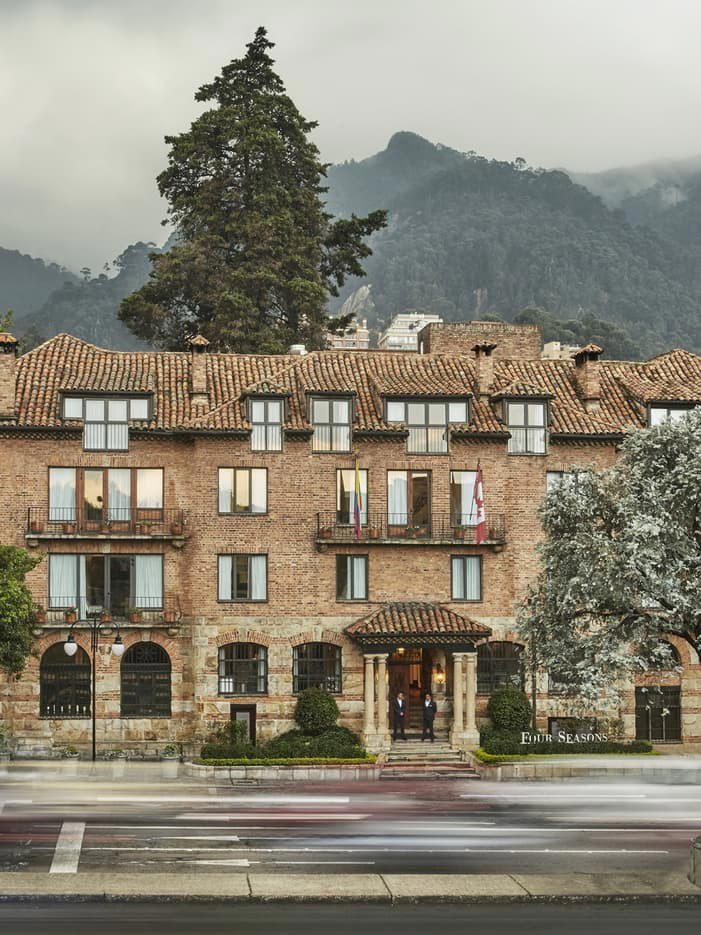
Warm and elegant hotel-restaurant setting with a fireplace, soft lighting, and a quiet residential location, creating a relaxed atmosphere suitable for both business meals and family gatherings.
Know Before You Go
- Reservations
- Recommended
- Dress code
- Smart casual
- Getting there
- Cra. 21 #101-10, Usaquén, Bogotá, Cundinamarca, Colombia (main restaurant area)