Our verdict
Cassis Bistro on 17th Avenue SW brings a French bistro sensibility to one of Calgary's most active dining corridors. The menu architecture leans on classical technique applied to local ingredients, placing it in a distinct tier among the neighbourhood's more casual options. For visitors comparing Calgary's mid-range French options, it functions as a reliable anchor point on the city's southwest dining strip.

Pearl is the En Primeur Club membership app — saves, bookings, and concierge access live there. Same editors, same standards.
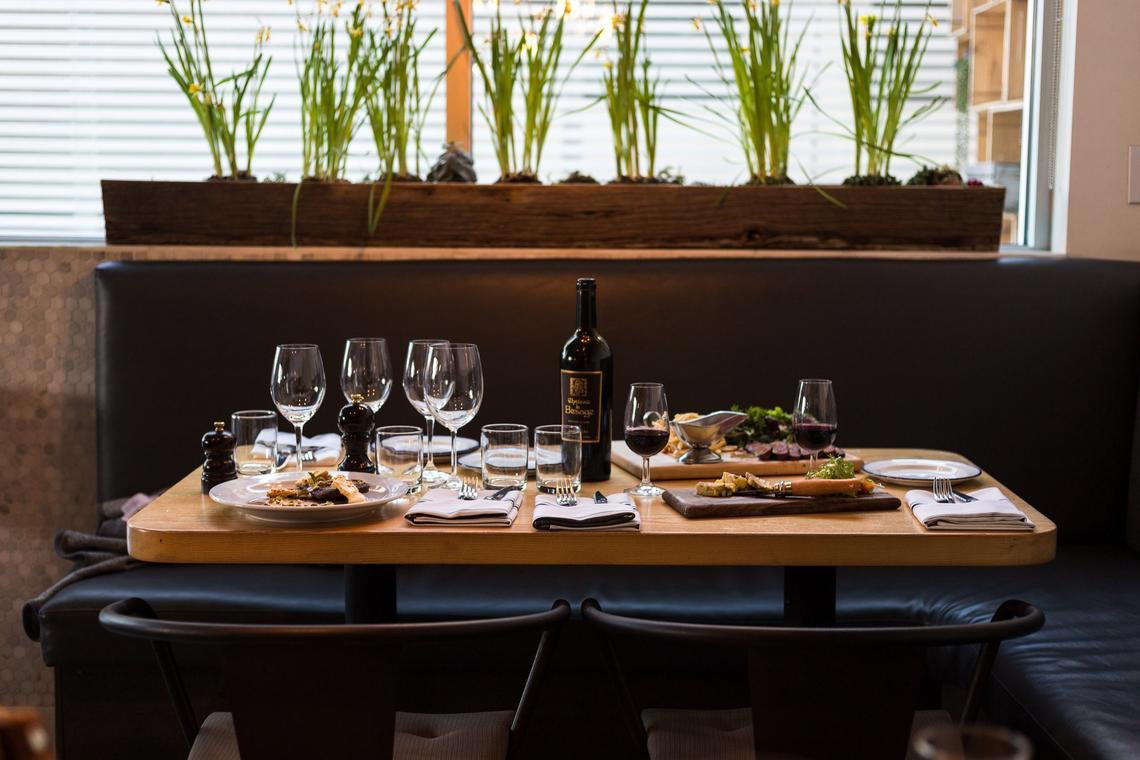
The menu
What to order
- Alberta beef tenderloin
- Steak frites
- Foie gras torchon
17th Avenue's French Anchor
Calgary's 17th Avenue SW corridor has long operated as the city's most consistent stretch for neighbourhood dining, where a block-by-block progression moves from casual counter spots to proper sit-down rooms. Within that mix, Cassis Bistro occupies a specific niche: the French bistro format in a city where the category is genuinely underrepresented. While Calgary's broader dining conversation often focuses on steakhouses and the new Canadian genre represented by places like Pigeonhole or Ten Foot Henry, the classical French bistro sits in a quieter corner of the market. That scarcity gives Cassis a context that pure quality metrics cannot fully capture: it answers a question that most of Calgary's dining scene leaves open.
Approaching from 17th Avenue, the bistro reads as a neighbourhood room rather than a destination production. The scale is deliberately domestic, the kind of proportions that reward regulars more than first-time visitors scanning for spectacle. In a city where newer rooms tend to signal ambition through height, noise, and open kitchens designed for visibility, a lower-key French format makes a different kind of argument about what dining out is for.
What the Menu Architecture Reveals
The clearest way to read any French bistro is through the internal logic of its menu: what it includes, what it omits, and how the sections are weighted. Classical French bistro menus make an implicit argument that the most coherent cooking happens when a kitchen commits to a narrow register rather than ranging across influences. Starters, mains, and desserts with French-inflected names and technique-driven descriptions signal that the kitchen is working from a specific tradition rather than assembling globally sourced ideas.
That structural commitment distinguishes bistro cooking from the New Canadian format that has become Calgary's dominant mid-range idiom. Where a place like Annabelle's Kitchen Downtown or Aloha Modern Kitchen might foreground ingredient sourcing and seasonal flexibility as the primary menu logic, the French bistro tradition organises itself around dishes with fixed identities: the onion soup, the steak frites, the crème brûlée. These are not trendy formats. They are disciplined ones, and the discipline is the point.
A menu built on classical French bistro architecture also carries an implicit claim about consistency. The seasonal tasting-menu model popular at Canadian destination restaurants, from Alo in Toronto to Tanière³ in Quebec City, prioritises discovery and the experience of novelty. The bistro model prioritises reliability: the ability to order the same dish on different visits and find it executed at the same level. For a restaurant on a neighbourhood street where repeat customers are the economic foundation, that is not a limitation but a strategy.
Calgary's French Bistro Context
Calgary does not have the depth of French restaurant infrastructure that Montreal carries through Jérôme Ferrer's Europea and its peers, nor the concentration of European-trained chefs that cities like Vancouver bring through rooms like AnnaLena. The city's dining identity was built on Alberta beef, and its fine dining ambitions have historically expressed themselves through that lens. French technique arrived as a refinement of steakhouse cooking rather than as a parallel tradition in its own right.
That history means a room like Cassis operates in a market where French bistro fluency cannot be assumed among diners in the way it might in Quebec or British Columbia. The format has to do more explanatory work: setting expectations about portion logic, wine pairing conventions, and the role of the bread course. It also means the competitive set is smaller and the risks of comparison are lower. Cassis is not being measured against a dense local field of bistros the way it would be in Paris's 6th arrondissement or even in Montreal's Plateau. It is, for many of its regulars, simply the French bistro.
The 17th Avenue location places it within walking distance of one of Calgary's densest residential clusters, which matters for a format that depends on neighbourhood loyalty. Unlike destination rooms that draw visitors from across the city on special occasions, the bistro format is sustained by the mid-week dinner, the post-work glass of wine, the birthday dinner that doesn't require a three-month booking window. That is a different business model from the one driving Alloy or the architectural ambitions of A Certain Flair at Lougheed House, and it requires a different relationship with the local dining public.
Placing Cassis in the Wider Canadian Dining Map
Canada's premium dining conversation often centres on a handful of marquee rooms: the farm-to-table formalism of Eigensinn Farm, the terroir-driven tasting menus at Restaurant Pearl Morissette, or the extreme local-sourcing approach at Fogo Island Inn Dining Room. These rooms make arguments about Canadian identity through their ingredient sourcing and format choices. The French bistro, by contrast, makes no particular argument about Canadian identity. It borrows a European template and applies it to a local market.
That borrowed template is not a weakness. It is how most of the world's most durable restaurant formats operate. The Tuscan model at The River Café is no less valid for being imported, and the technical rigour at Le Bernardin in New York or the communal ambition at Lazy Bear in San Francisco both emerge from traditions that began somewhere other than where they now operate. Cassis's French bistro format is part of a long lineage of transplanted dining cultures that found new audiences far from their origins.
For travellers arriving in Calgary and building a dining plan, our full Calgary restaurants guide situates Cassis alongside the broader 17th Avenue strip and the city's other major dining nodes. Logistically, the address on 17th Avenue SW is accessible by transit and sits in a walkable area with parking available on adjacent streets. For an evening that doesn't require the advance planning of Calgary's more in-demand rooms, Cassis operates as a lower-friction option with a menu that rewards familiarity. Pairing it with a meal at Alforno Eau Claire across a multi-day visit covers two distinct European traditions in Calgary's mid-range dining tier.
Frequently asked questions
What should I eat at Cassis Bistro?
What is the ideal way to book Cassis Bistro?
How does Cassis Bistro fit into Calgary's French dining scene compared to other European-style restaurants?
Where It Fits
Comparable venues nearby, for context on price, style, and recognition.
| Venue | Cuisine | Price | Notes |
|---|---|---|---|
| Cassis BistroThis venue — the venue you are viewing | Southern French Bistro | $50–100 | Not listed |
| Hutch Cafe | French-Inspired Cafe | $20–30 | Eau Claire |
| FinePrint | Contemporary French-Inspired Fine Dining | $50–100 | Downtown Commercial Core |
| Scarpetta cucina italiana | Modern Italian Pizza and Pasta | $30–50 | Downtown Commercial Core |
| Orchard Restaurant | Modern Mediterranean with Asian Influences | $50–100 | Connaught |
| Love Damian | Northern Italian Trattoria | $30–50 | Stephen Avenue Walk |
Continue exploring
More in Calgary
Restaurants in Calgary
All restaurants in Calgary →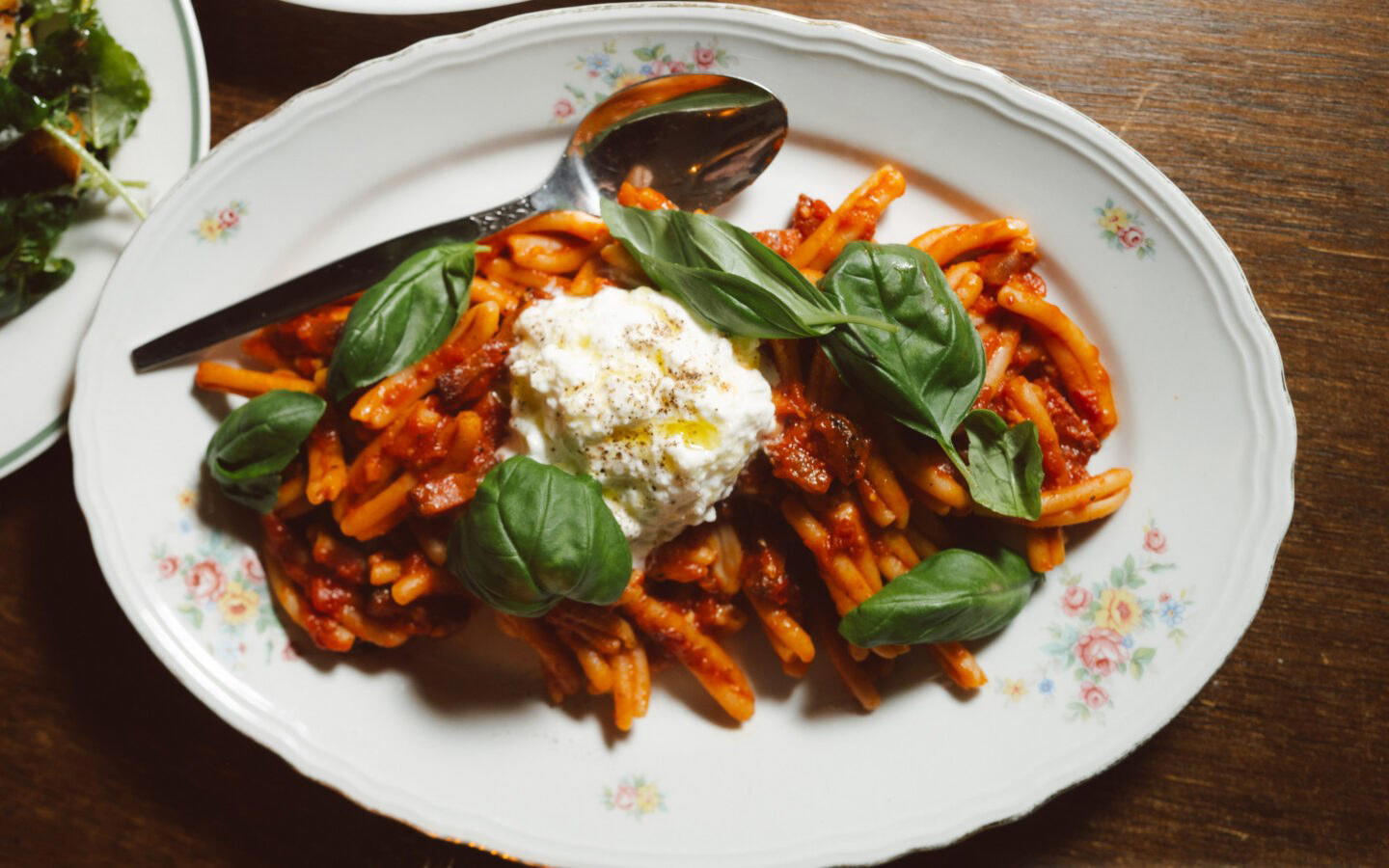
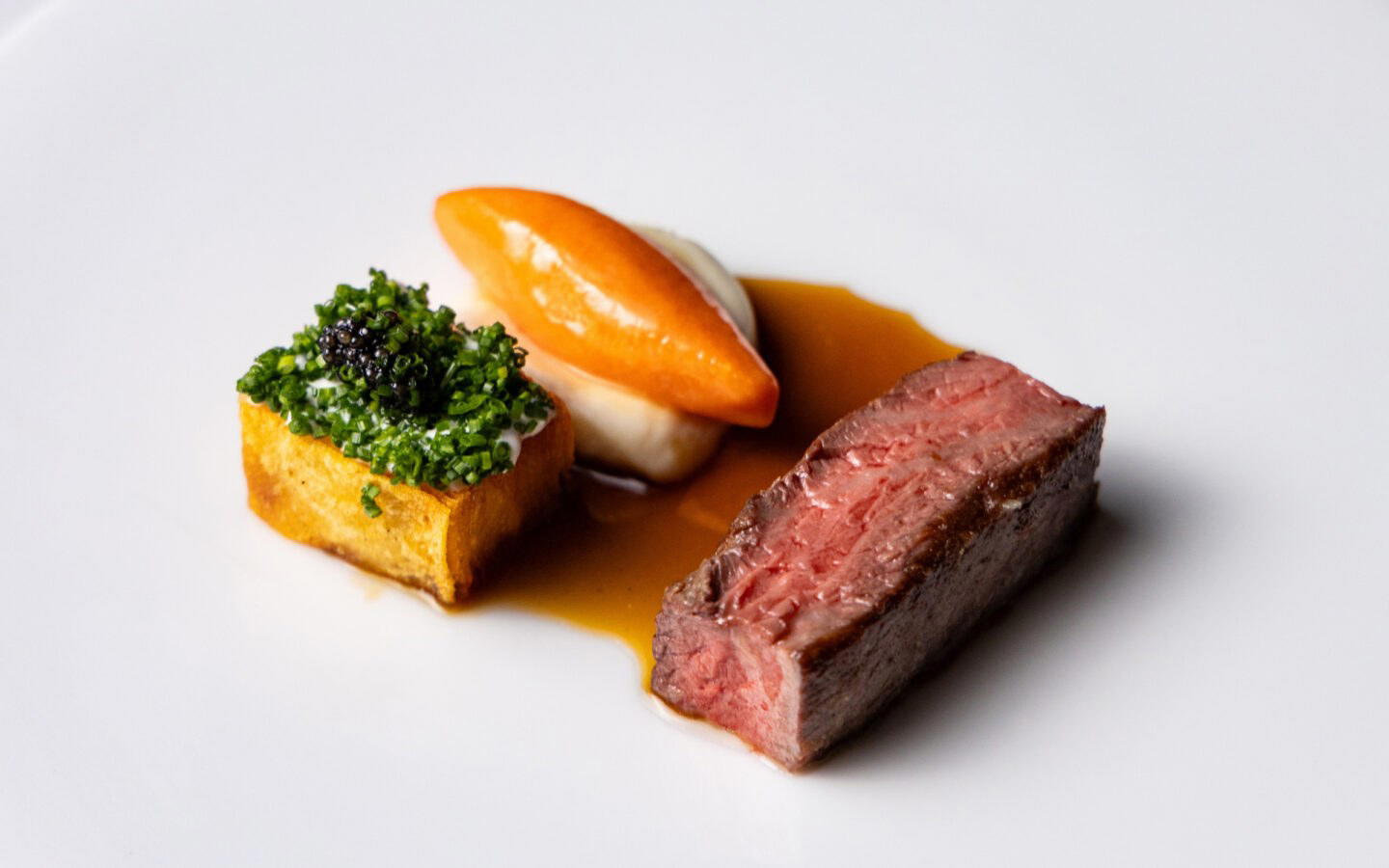
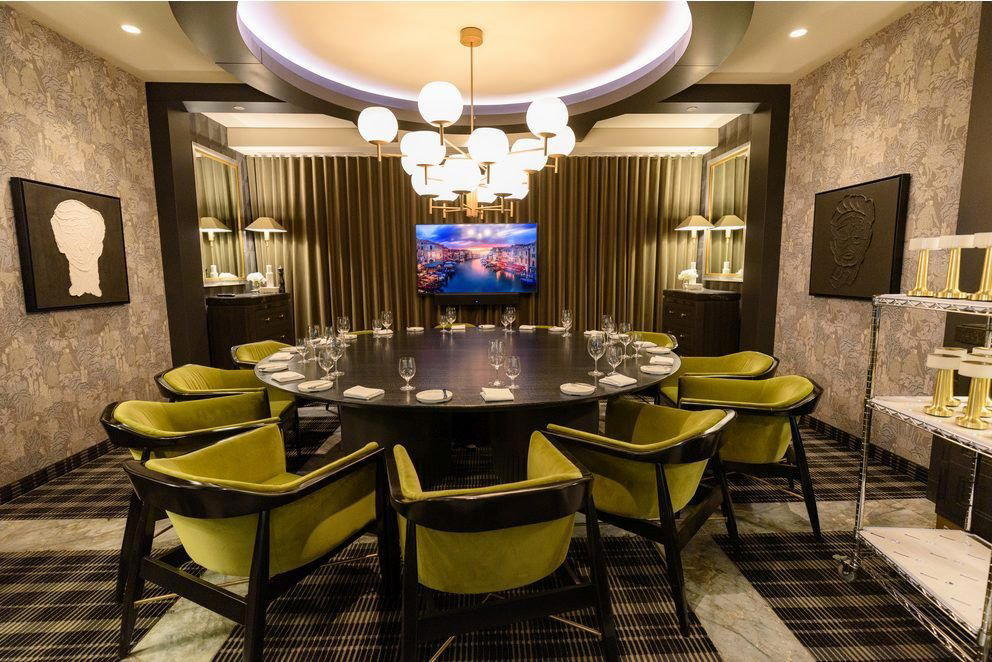
Bars in Calgary
All bars in Calgary →

Hotels in Calgary
All hotels in Calgary →
Wineries in Calgary
All wineries in Calgary →
Cassis Bistro
The wine
- Wine program
- Curated wine list
- Extensive wine list
Details
- Cozy
- Classic
- Elegant
- Intimate
- Date Night
- Special Occasion
- Business Dinner
- Private Dining
- Extensive Wine List
- Farm To Table
- Local Sourcing
- A La Carte
- Vegetarian Friendly
- Gluten Free Options
Current opening hours
- Monday
- Closed
- Tuesday
- 5–9 PM
- Wednesday
- 5–9 PM
- Thursday
- 5–10 PM
- Friday
- 5–10 PM
- Saturday
- 5–10 PM
- Sunday
- 5–9 PM
Hours can change for holidays and private events. Last verified .
Classy-but-casual interior with bright cheerful lighting, warm ambiance, black-and-white photos, and classic French decor.