CASSAVA
Our verdict
CASSAVA belongs to Punta Cana’s quieter dining conversation: the one shaped by Caribbean produce, resort-driven demand, and the challenge of feeding travelers in a destination better known for beaches than independent restaurant culture. With public details sparse, it is a venue to assess through context rather than claims: location, sourcing expectations, and how it fits beside the area’s hotel and coastal dining circuit.

Pearl is the En Primeur Club membership app — saves, bookings, and concierge access live there. Same editors, same standards.
- Address
- FH5P+24, Punta Cana 23000, Dominican Republic
- Directions
- Get directions
The menu
What to order
- Cassava Tartar Salad
- Cassava Citric Salad
- Ceviche Morir Soñando
- Braised Octopus
- Cassava Cake
Approaching dining in Punta Cana usually means reading the room before reading the menu. The city’s restaurant culture is tied to resort settings, private developments, coastal routes, and visitor traffic, so the feel of a table often depends as much on context as on what is served. In that setting, CASSAVA is best read first as a Punta Cana restaurant with a name that gives the venue a clear local note. That reference matters because Punta Cana dining can sometimes be reduced to broad vacation shorthand; a restaurant framed with a place-specific identity has a different editorial promise than one built only around generic familiarity.
Cassava, yuca, and the Dominican pantry behind the name
Ingredient context is the useful lens here, but it should be kept broad. Punta Cana sits inside a wider Dominican dining landscape where local staples, island produce, and coastal expectations all shape how visitors read a meal. In a high-tourism zone, the question is not simply what ingredients are available, but whether a restaurant lets a sense of place lead rather than using it as decoration around an interchangeable format.
That distinction is why CASSAVA is more interesting as part of Punta Cana’s local-dining conversation than as a venue that should be explained through invented specifics. The reliable reading is narrow: this is a Punta Cana venue whose name carries a local culinary cue, in a market where many meals are designed for visitors moving between hotels, beaches, and transfers. The editorial test is simple: if the experience gives local identity real structural weight, it belongs to the area’s culinary argument. If that identity sits at the edge of a generic visitor-facing meal, it becomes another stop in the resort orbit.
Punta Cana’s stronger dining choices often split into three lanes. Hotel restaurants offer controlled service and polished environments; beach-adjacent spots trade on setting and casual pace; independent or semi-independent kitchens try to translate local food culture for travelers without sanding off their character. For a broader view of that spread, Our full Punta Cana restaurants guide is the useful starting point, while resort context sits separately in Our full Punta Cana hotels guide.
Where it sits in Punta Cana's resort-heavy dining circuit
The comparative set in Punta Cana is uneven by nature. A venue such as NINA Restaurant by Chef Diego Munoz or Marola belongs to a different conversation when the format, profile, or hotel infrastructure is clearer; Kawa and Nina suggest another tier of destination dining within the same orbit. Eden Roc Cap Cana brings a luxury-hotel setting into the wider Punta Cana conversation. CASSAVA, by contrast, is better judged without adding unsupported detail. The venue should not be read through invented prestige; it should be read against Punta Cana’s wider question of whether local identity is treated as the center of the meal.
That same contrast appears across the region. Other Punta Cana hotel dining reflects the polished resort end of the market, while other city restaurants point toward the area’s appetite for varied formats. Planned-luxury dining rooms sit in another orbit, and additional regional restaurants extend the map beyond the beach strip. Across the Dominican Republic, the dining picture becomes more varied once the all-inclusive lens is removed, with restaurants in other cities and coastal areas showing how broad the country’s restaurant landscape can be.
For travelers building a full itinerary, restaurants are only one layer of Punta Cana. The city’s bar culture, winery listings, and guided activities sit in separate decision tracks: Our full Punta Cana bars guide, Our full Punta Cana wineries guide, and Our full Punta Cana experiences guide help separate a dinner plan from a broader evening or day out.
How to read the experience before committing
Because public operating details are thin, the sensible approach is to treat CASSAVA as a context-dependent Punta Cana meal rather than a destination that can be fully understood from detailed public signals alone. The strongest reason to put it on a shortlist is the local cue in the name and the possibility of a meal that feels connected to Punta Cana rather than interchangeable with any resort market. The reason to pause is the limited visible information on format, pricing, hours, and booking method. That does not disqualify a venue in Punta Cana, where many restaurants communicate through hotel channels, social platforms, or local networks, but it does change the planning posture.
The better reader decision is comparative. If the goal is a polished resort meal with clearer infrastructure, look toward hotel-linked options. If the aim is to understand how Punta Cana balances local character with a tourist economy, CASSAVA is worth assessing on those terms. For broader editorial range, other Punta Cana dining rooms show how varied restaurant formats can become even before leaving the resort belt. Further afield, restaurants in other dining cities are useful reminders that format clarity, ingredient focus, and guest expectation matter everywhere, not only in the Caribbean.
Frequently asked questions
Is CASSAVA child-friendly?
CASSAVA is in Punta Cana, where many venues serve mixed travel groups, which makes it a plausible choice for parties with children. Specific child-friendly details are not published. Check the venue's official channels for the latest details.
What's the overall feel of CASSAVA?
CASSAVA reads as a location-led Punta Cana venue rather than a venue that can be defined by detailed public dining signals, because the public record does not clearly establish format, price range, or booking style. That usually points to a meal shaped by its setting and audience more than by formal dining cues. Check the venue's official channels for the latest details.
Where do I go for CASSAVA?
CASSAVA is located in Punta Cana.
How hard is it to get a table at CASSAVA?
The public record gives no clear hours, phone number, or booking details, so reservation pressure cannot be pinned down from hard data. With only Punta Cana as the reliable location, the safest read is that table access depends more on local demand and timing than on any clearly documented scarcity factor. Check the venue's official channels for the latest details.
A Quick Peer Check
Nearby venues at a similar price tier for orientation.
| Venue | Cuisine | Price | Awards |
|---|---|---|---|
| CASSAVAThis venue — the venue you are viewing | Latin American / Dominican-Caribbean | $50–100 | Not listed |
| Marola | Mediterranean Seafood Grill | $50–100 | Not listed |
| Kawa | Dominican Coffee & Pastry Café | Not listed | Not listed |
| Nina | Modern Latin Fine Dining | Not listed | Forbes Recommended |
| Eden Roc Cap Cana | Caribbean Seafood | Not listed | Not listed |
Continue exploring
More in Punta Cana
Restaurants in Punta Cana
Browse all →


Bars in Punta Cana
Browse all →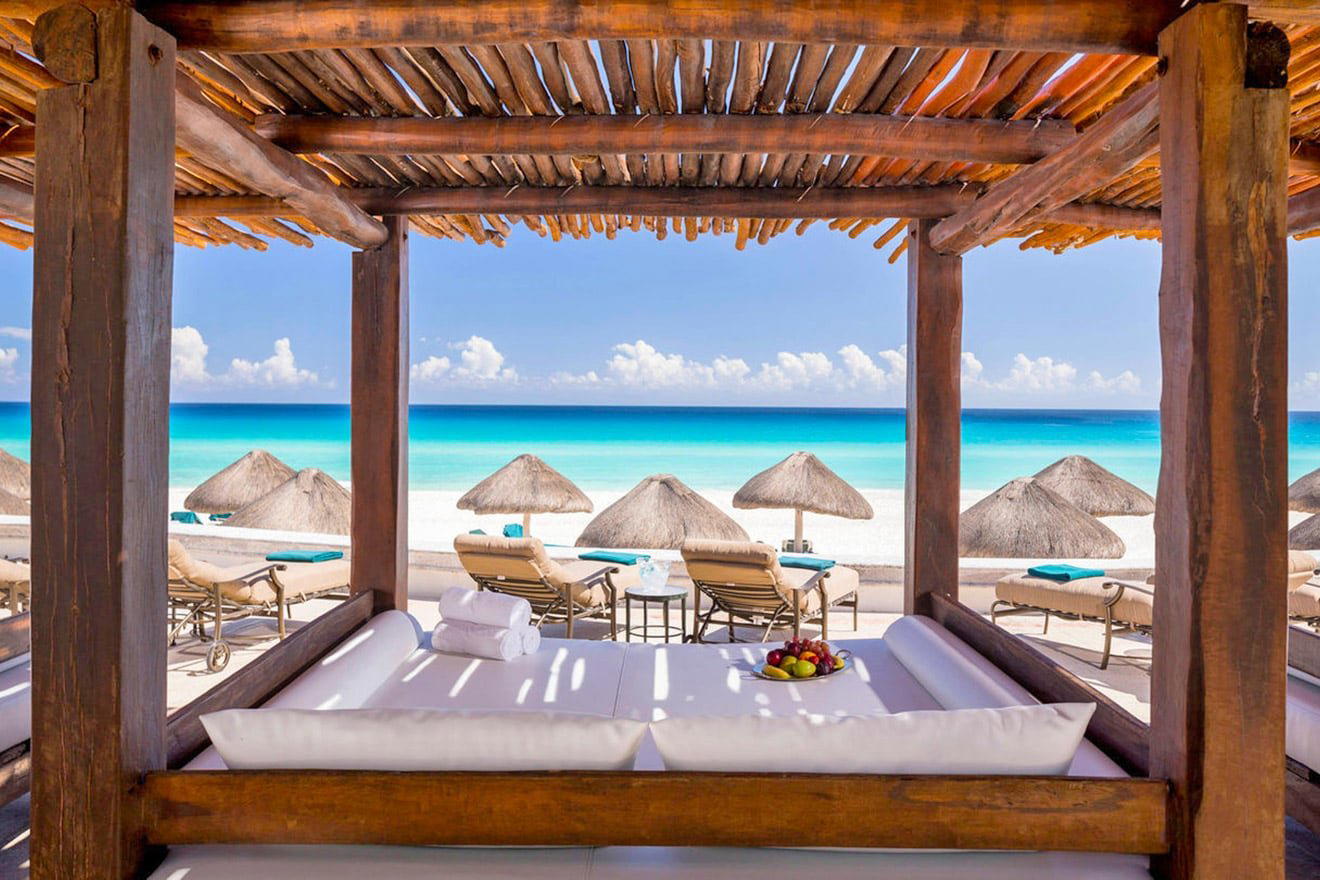



Details
- Sophisticated
- Elegant
- Modern
- Intimate
- Family
- Date Night
- Group Dining
- Casual Hangout
- Hotel Restaurant
- Design Destination
- Craft Cocktails
- Extensive Wine List
- Local Sourcing
- Waterfront
- A La Carte
- Buffet
- Wine
- Cocktails
- Vegetarian Friendly
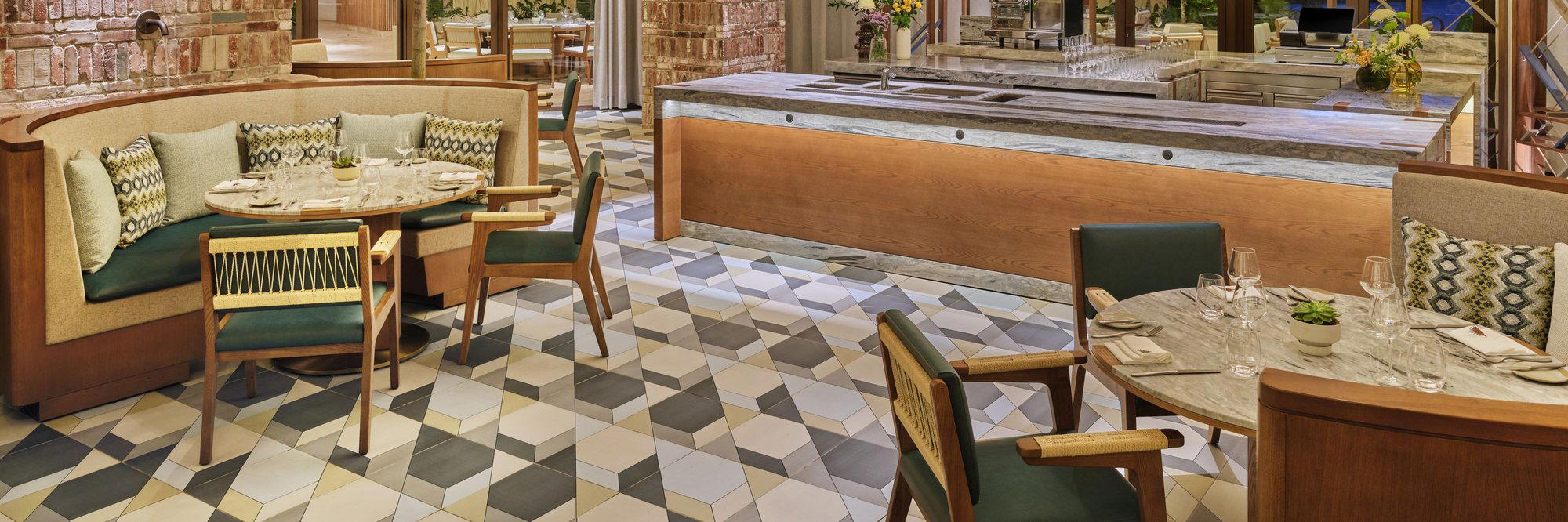
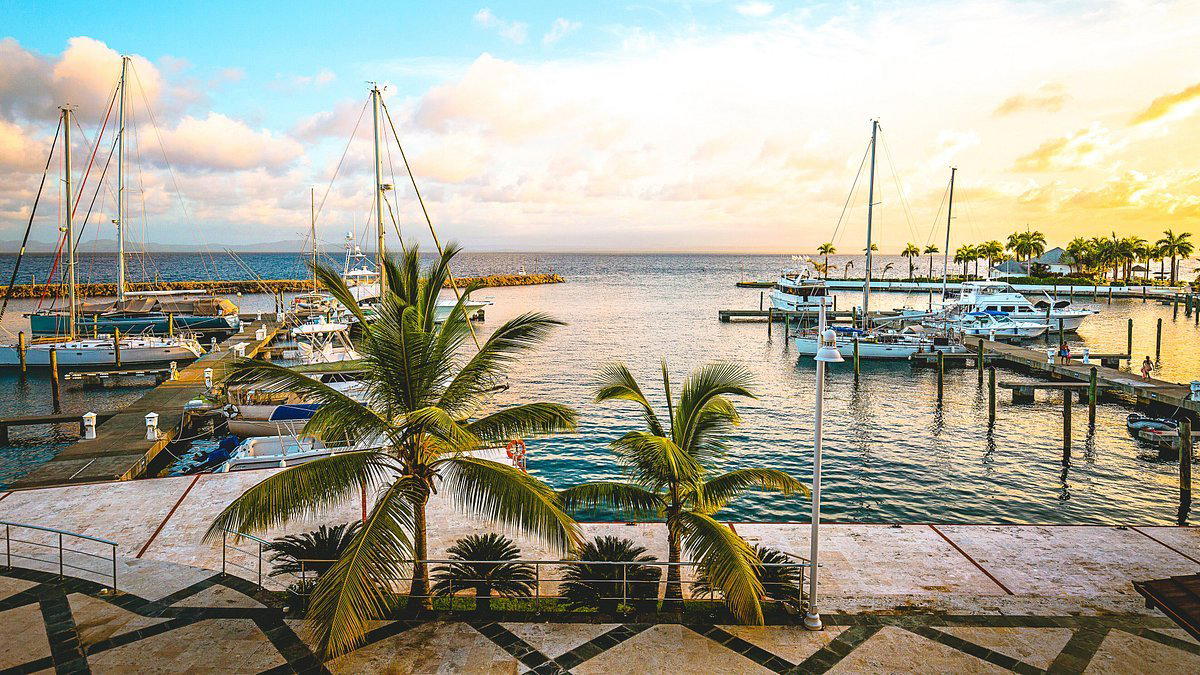
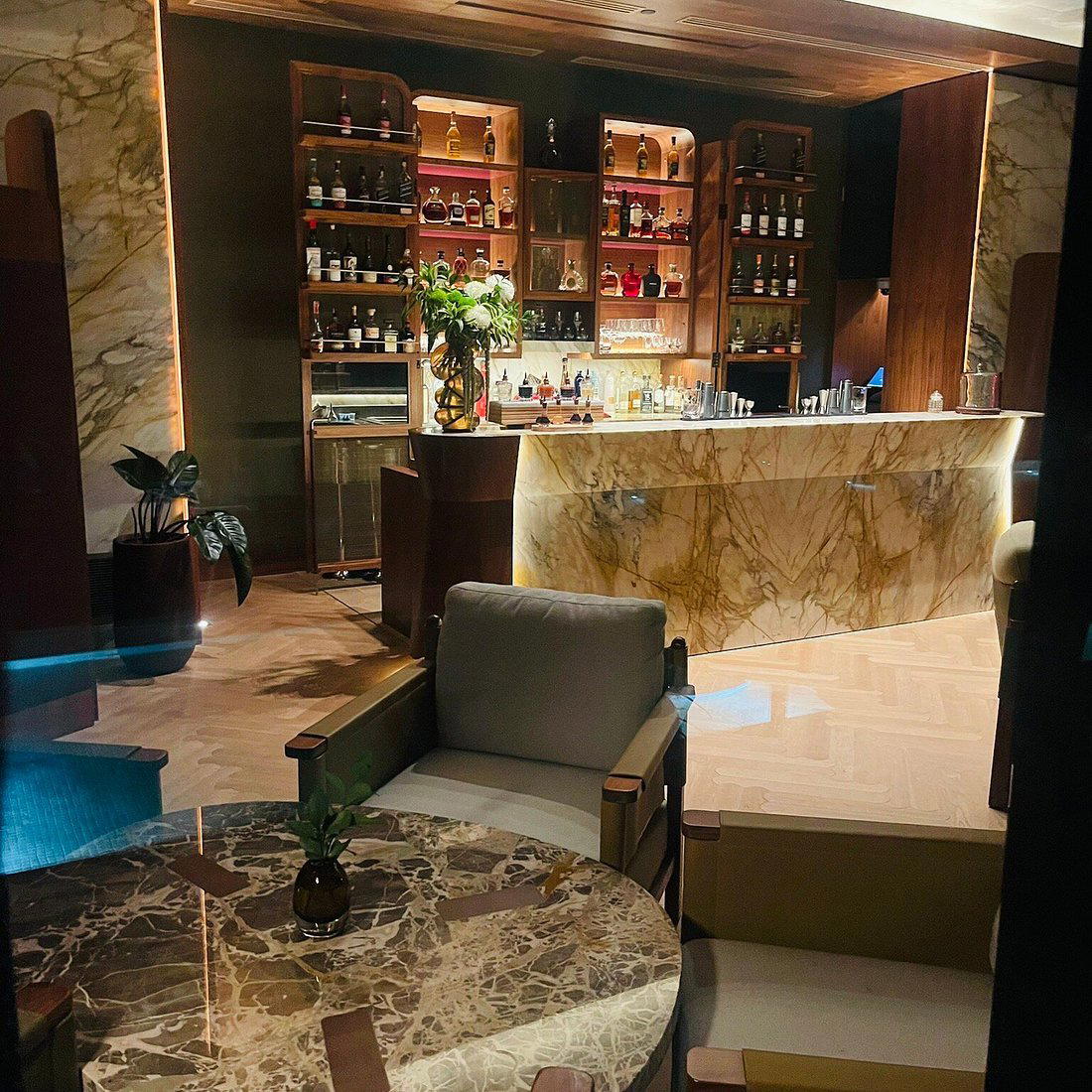
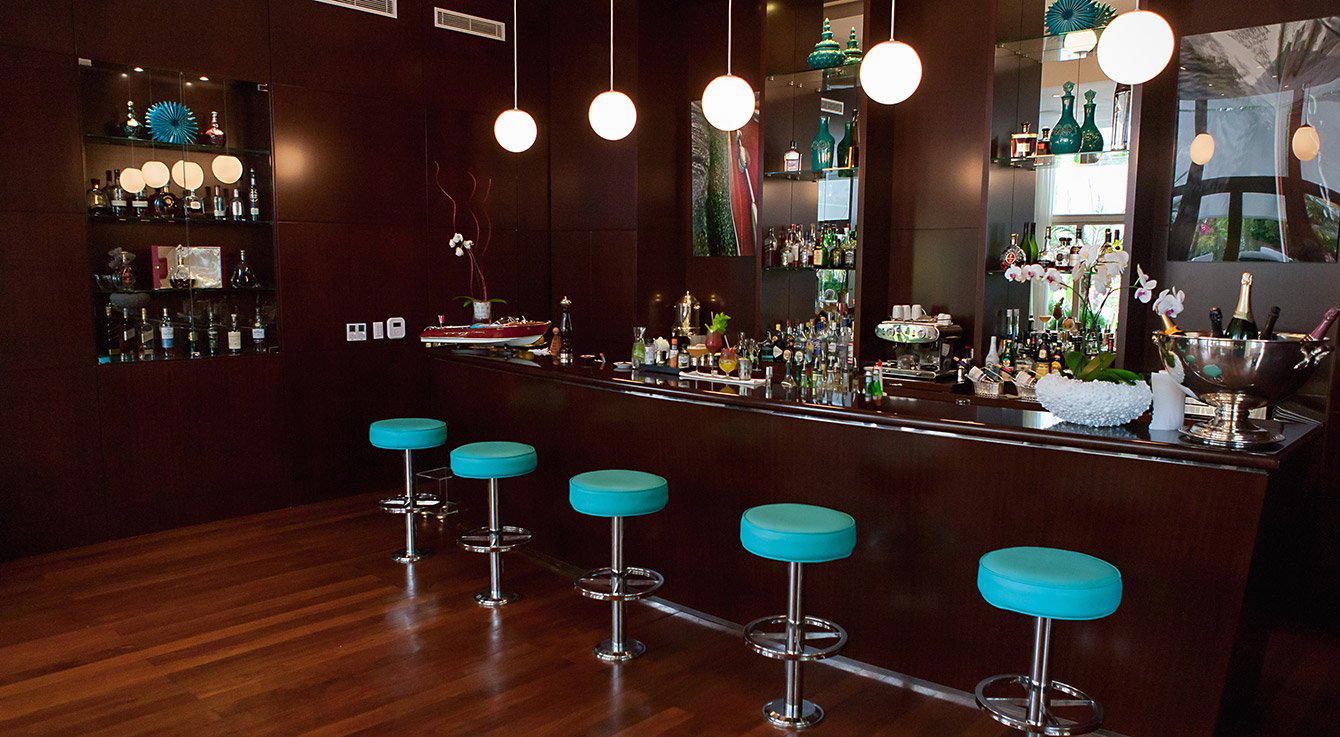
A comfort-forward, sophisticated resort restaurant with greenery-filled ceilings and a setting described as feeling both like a home kitchen and a date-night spot.