Casa da Dízima

Michelin Plate
Our verdict
A 15th-century tax house turned Michelin Plate restaurant on the Tagus estuary, Casa da Dízima serves contemporary Portuguese cooking grounded in high-quality local ingredients and clean, defined flavours. Window tables and a riverside terrace make it one of the more atmospheric dining rooms on the Estoril Line. Holding a Michelin Plate in both 2024 and 2025, it sits well above the casual coastal lunch crowd at its price point.

Pearl is the En Primeur Club membership app, where members save venues, book tables and use the concierge.
The menu
What to order
- Fresh scallop with mango and prawn ceviche
- Duck magret with tangerine sauce
- Raspberry and mascarpone millefeuille
A River View and Five Centuries of Walls
The western stretch of the Estoril Line, running from Lisbon out through Cascais, has quietly accumulated a set of dining rooms that trade on something Lisbon's city-centre restaurants cannot easily replicate: proximity to the Tagus at its widest, where the estuary starts to breathe.
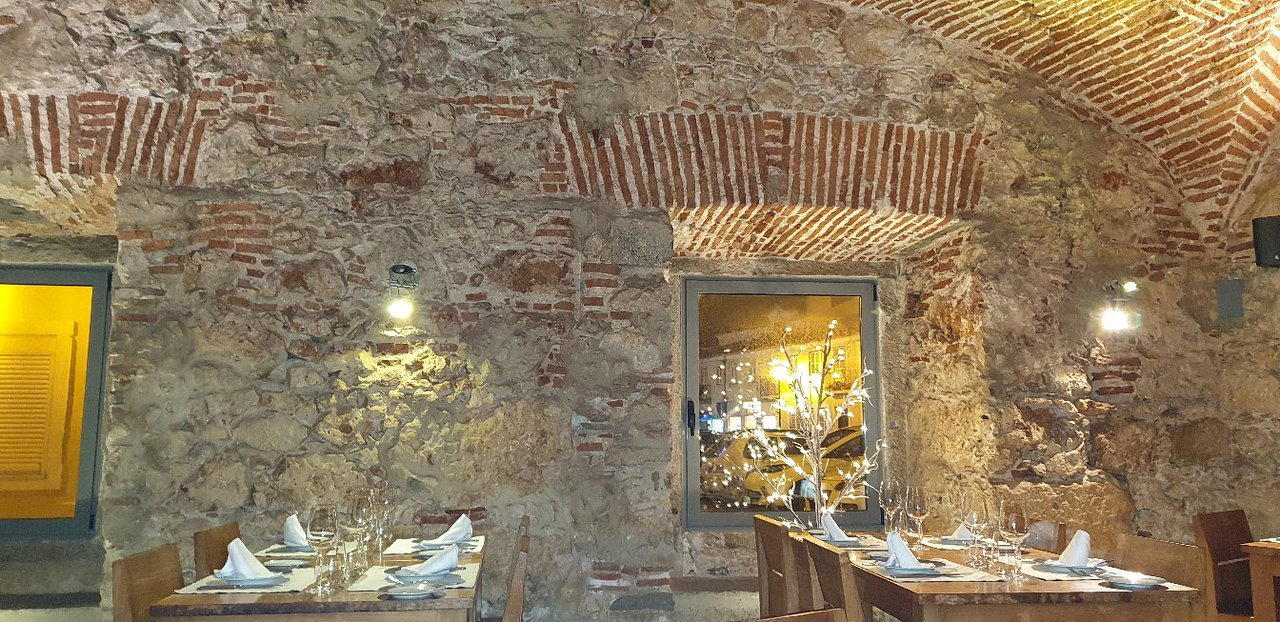
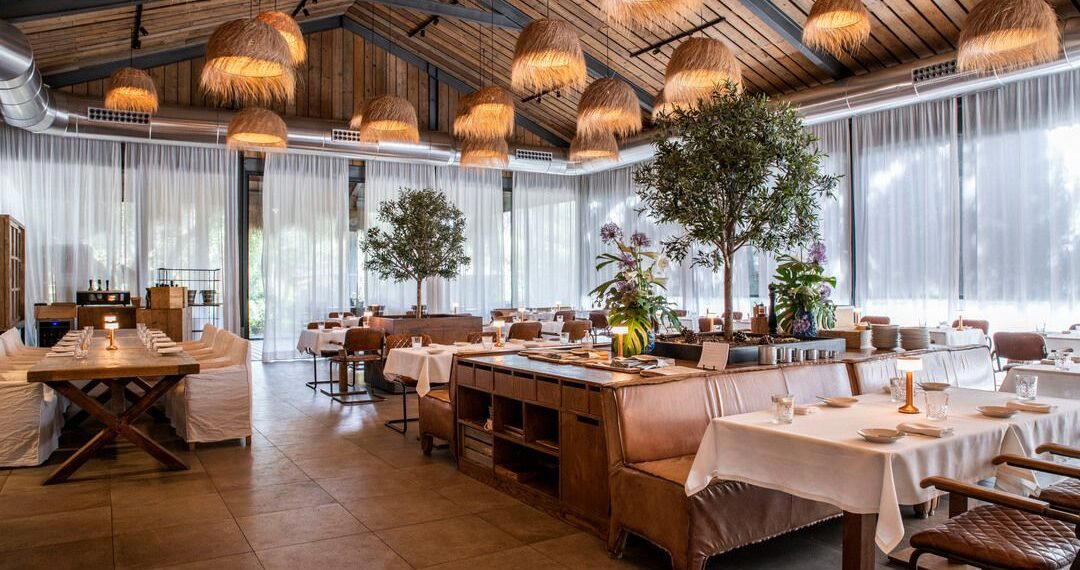
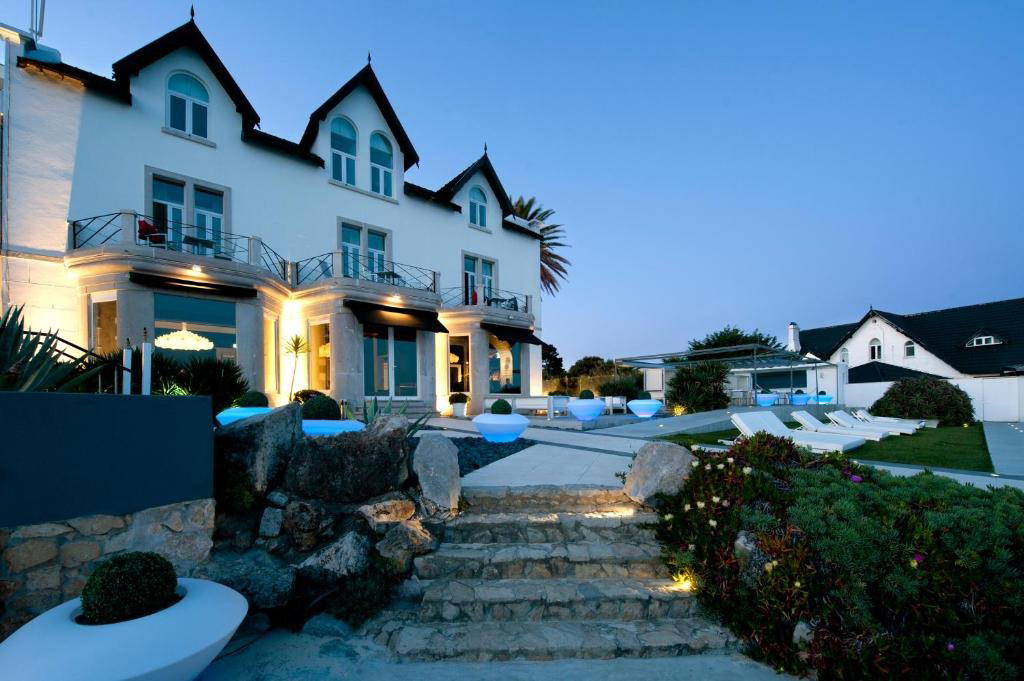
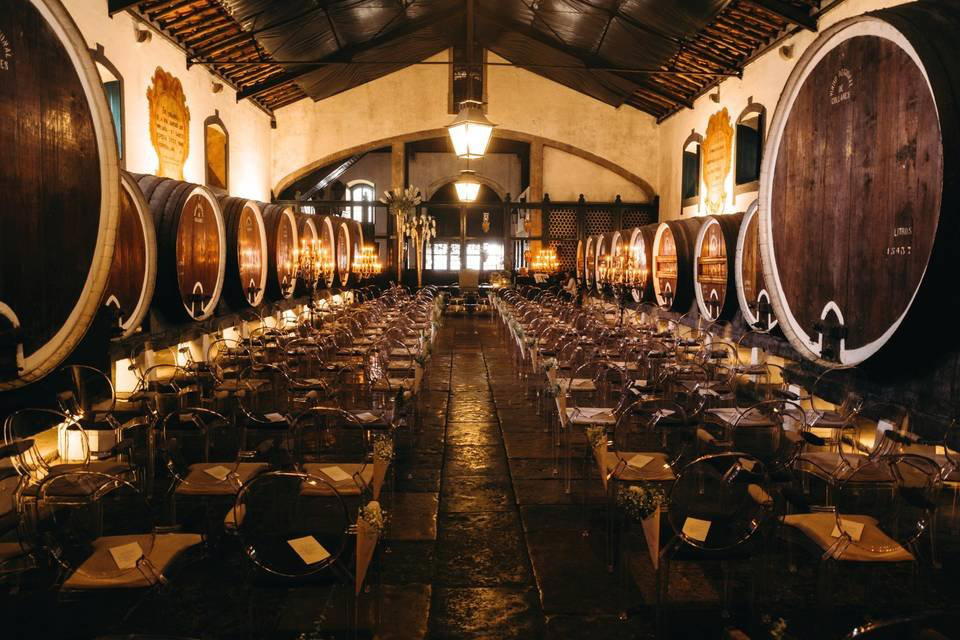
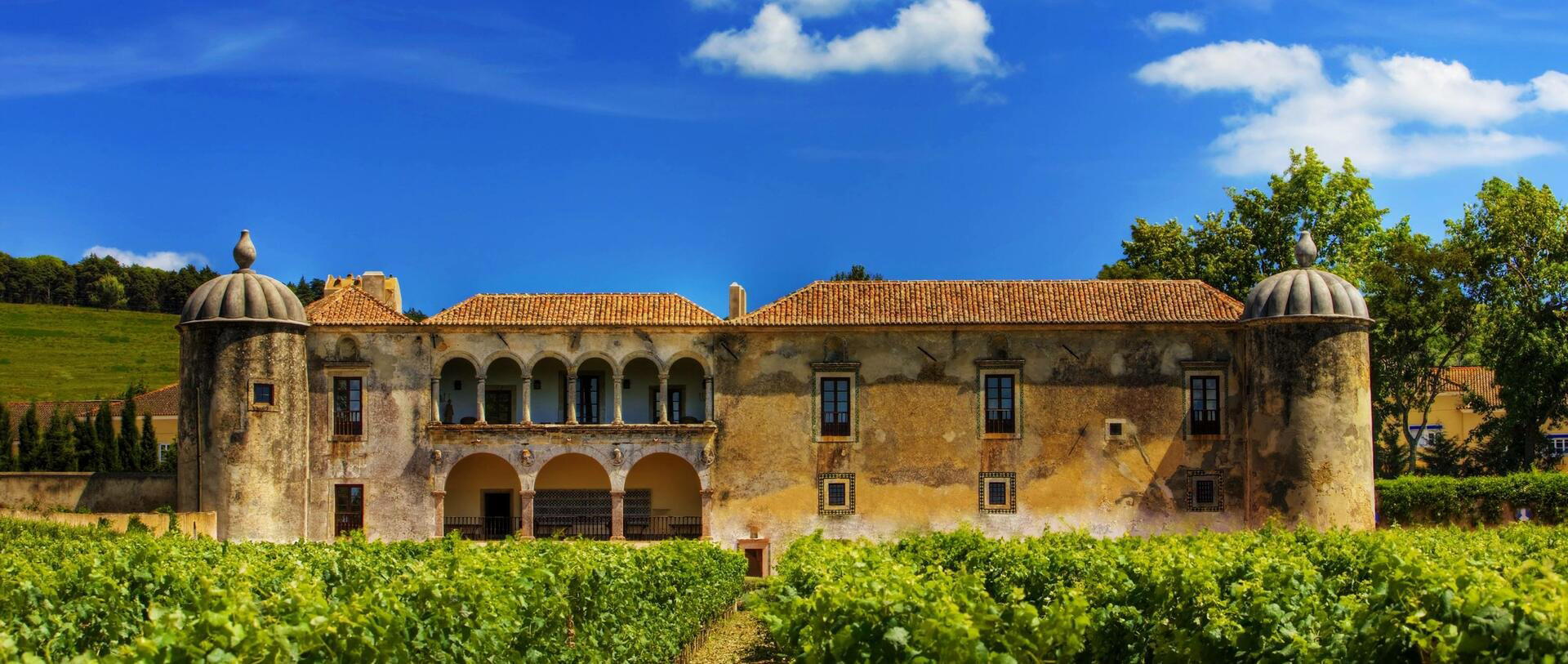
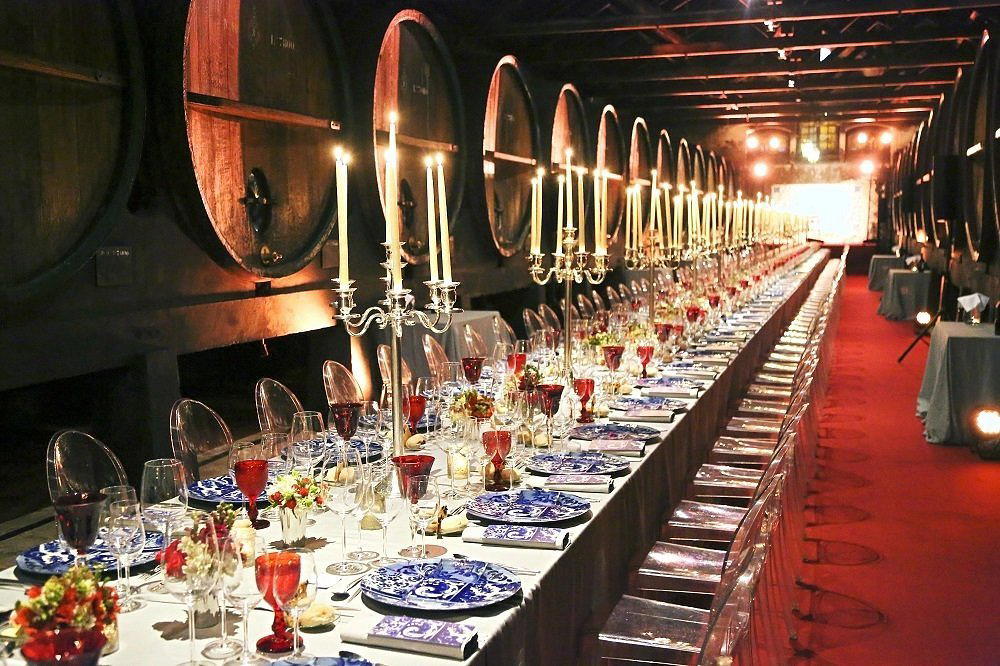
The building itself sets the frame before the food does. Dating to the 15th century, it originally served as a dízima, a tax collection house for goods passing through the river trade. The stonework and thick walls that made it a functional bureaucratic space now give the dining room its character: a rustic interior that reads as historically grounded rather than decoratively rustic, with the kind of material weight that contemporary restaurant fit-outs rarely achieve. What softens the severity is the window line facing the Tagus, where the view across the water does most of the atmospheric work. The result is a category of dining room that carries genuine historical texture without performing it.
Ingredient Sourcing as the Organising Principle
Contemporary Portuguese cooking at its most focused is not a cuisine of technique for its own sake. The strongest kitchens in the country, from Belcanto in Lisbon at the top of the price bracket to Antiqvvm in Porto and A Cozinha in Guimaraes, share an organising logic: start with the leading available Portuguese produce and apply enough technique to clarify rather than obscure what the ingredient is doing. Casa da Dízima operates within that same framework at its price point, the €€ tier, where the margin for ingredient quality is thinner and the discipline required to maintain it is arguably greater.
The Michelin Plate recognition, awarded consecutively in 2024 and 2025, signals that the kitchen has met a baseline of consistent quality that the guide's inspectors found worth marking. For context, the country's two-star rooms, including Casa de Chá da Boa Nova in Leça da Palmeira and Ocean in Porches, operate at price points two to three tiers above. What Casa da Dízima delivers within the €€ bracket is a meaningful step up from the coastal lunch trade without requiring the full commitment of a special-occasion tasting menu.
The menu's ingredient logic shows in its construction. Scallops, duck magret, fresh fruit acids in the form of mango and tangerine, and the mascarpone in the millefeuille all point to a kitchen sourcing for clear flavour rather than novelty. Portuguese ceviche preparations that incorporate prawn alongside the more expected lime-cured fish reflect the country's longstanding relationship with seafood, extended here into a starter format that reads as contemporary without abandoning recognisable reference points. The tangerine sauce with duck magret is a specifically Portuguese flavour pairing, drawing on the citrus production that runs through the Algarve and parts of the Alentejo, and it grounds a French-adjacent technique in local produce logic.
That grounding matters in the current Portuguese dining conversation. The country's most discussed restaurants, whether Vila Joya in Albufeira or Il Gallo d'Oro in Funchal, have built international reputations partly on the argument that Portuguese ingredients are undervalued by comparison with French or Italian equivalents. At Casa da Dízima, the same argument operates at a different scale, making a case that the estuary's produce and the country's citrus and poultry traditions can hold their own in a contemporary dining format without the backing of a Michelin-starred kitchen.
The Tagus Table: What the Location Delivers
Dining on the Estoril Line has a specific spatial logic. The most valued tables in restaurants along this stretch tend to be those with water sightlines, and the window seats at Casa da Dízima are no exception. The view across the Tagus estuary at this point, where the river is wide enough to read as open water, provides a dining context that changes with the light and the season. Evening light on the river in spring and autumn runs differently from the flat midday brightness of summer, and the terrace, which becomes the preferred option when conditions allow, places the meal directly in that setting.
This is a materially different experience from dining in Lisbon's Chiado or Bairro Alto, where the spatial experience is urban and vertical rather than horizontal and coastal.enprimeurclub.com/restaurants/a-ver-tavira-tavira-restaurant">A Ver Tavira in Tavira to Al Sud in Lagos further south, has developed a consistent visual language around water views and historic building stock. The Michelin Plate cohort now covers a geographically wide set of addresses, from the Algarve coast to Porto's inner neighbourhoods, and the common thread is kitchens applying serious technique to Portuguese ingredients at prices that remain below the starred tier. Casa da Dízima belongs to that cohort while holding a setting advantage that many of its Plate-holding peers do not: a 15th-century building with direct Tagus views in a town that generates less dining traffic than Lisbon or Porto.enprimeurclub. For comparison dining in the area, César in New York City and Jungsik in Seoul as reference points for how the contemporary format travels, and at The Yeatman in Vila Nova de Gaia for how the country's own starred tier handles the same contemporary ambitions at greater scale and price.
Booking a window or terrace table at Casa da Dízima in advance is advisable, particularly for weekend lunch and during the summer months when the terrace becomes the primary draw. The €€ price point makes it accessible for a return visit within the same trip, which, given the building's history and the river's light, is not an unlikely outcome.
Frequently asked questions
Is Casa da Dízima Michelin-listed?
Casa da Dízima has received recognition including: All it takes is crossing the threshold to see the beauty of this place, which may appear unassuming from the outside, but... surprises you with its rustic interior and hints of sophistication. Its name recalls the site’s history, as this 15….
What's the must-try dish at Casa da Dízima?
The duck magret with tangerine sauce is the dish that best illustrates the kitchen's approach: a French-adjacent technique anchored in specifically Portuguese citrus. The Michelin Plate recognition in both 2024 and 2025 points to a kitchen executing this kind of focused, ingredient-led cooking consistently. The scallop with mango and prawn ceviche makes a strong case as an opening course before it.
What price level is Casa da Dízima?
Pricing at Casa da Dízima is listed as €€.
Where is Casa da Dízima in Paço de Arcos?
Casa da Dízima is located at R. Costa Pinto 17, 2770-046 Paço de Arcos, Portugal, Paço de Arcos.
Is Casa da Dízima reservation-only?
Booking ahead is advisable. Walk-ins may find availability at off-peak hours, but securing a river-view table requires advance planning.
Side-by-Side Snapshot
| Venue | Cuisine | Price | Awards | Notes |
|---|---|---|---|---|
| Casa da DízimaThis venue (the venue you are viewing) | Contemporary Portuguese | $50–100 | Michelin Plate | Not listed |
| Belcanto | Contemporary Portuguese Fine Dining | $200–300 | 2 Michelin Stars · World's 50 Best #42 | Modern Portugese, Creative |
| Casa de Chá da Boa Nova | Modern Portuguese Seafood | $50–100 | 2 Michelin Stars · La Liste Top Restaurants | Portugese, Seafood |
| Ocean | Contemporary European, Creative | Not listed | Michelin 2 Star | Not listed |
| 50 seconds from Martin Berasategui | Avant-Garde Spanish Fine Dining | $200–300 | 2 Michelin Stars · La Liste Top Restaurants | Progressive Spanish |
| Eleven | Sophisticated Modern Mediterranean | $150–200 | 1 Michelin Star · Falstaff Restaurant - 93 Falstaff Points | Portugese, Creative |
Recognition history
Dated appearances from independent guides and award organizations, with the underlying list record or original source where available.
Michelin Plate
Michelin
Full recognition history (3 entries)
Michelin Plate
Michelin
Michelin Plate
Michelin
Continue exploring
More in Paço de Arcos
Restaurants in Paço de Arcos
All restaurants in Paço de Arcos →

Bars in Paço de Arcos
Browse all →


Details
- Rustic
- Elegant
- Romantic
- Cozy
- Historic
- Sophisticated
- Date Night
- Special Occasion
- Terrace
- Historic Building
- Rooftop
- Extensive Wine List
- Waterfront
- A La Carte
- Vegetarian Friendly
- Vegan Options
- Gluten Free Options
Current opening hours
- Monday
- Closed
- Tuesday
- 12:30–3 PM, 7:30–11 PM
- Wednesday
- 12:30–3 PM, 7:30–11 PM
- Thursday
- 12:30–3 PM, 7:30–11 PM
- Friday
- 12:30–3 PM, 7:30–11 PM
- Saturday
- 12:30–3 PM, 7:30–11 PM
- Sunday
- Closed
Hours can change for holidays and private events. Hours as of .
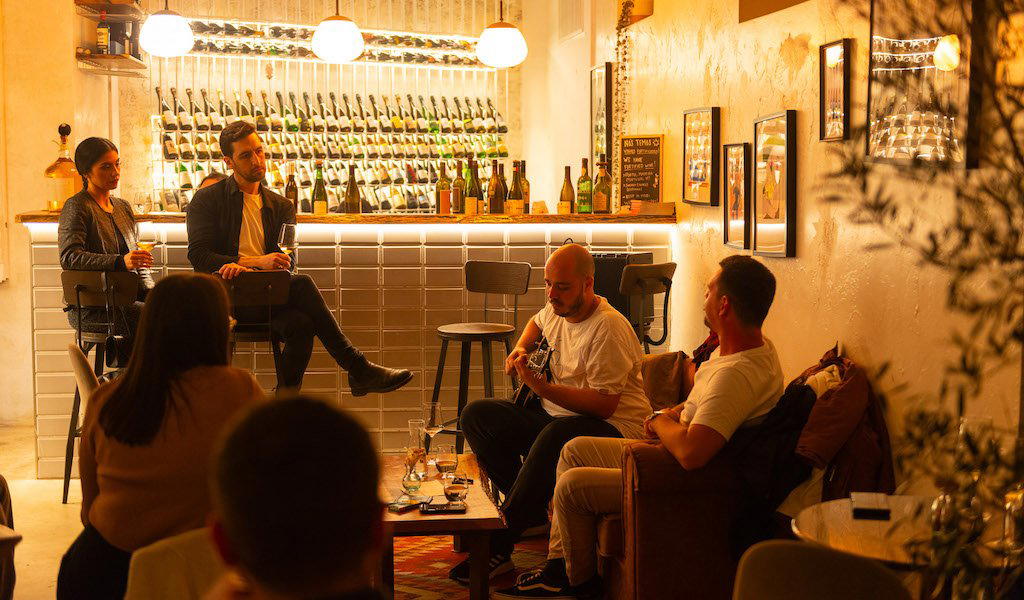
Rustic interior with vaulted brick ceilings, stone walls, cozy lighting, and hints of sophistication in a historic setting.