Our verdict
Gaúcho Barbecue Culture in the Interior of São Paulo State In Brazil's cattle country, the churrasco tradition is not a weekend novelty. It is a working culture, rooted in the pampas of Rio Grande do Sul and carried north by generations of...

Pearl is the En Primeur Club membership app, where members save venues, book tables and use the concierge.
Gaúcho Barbecue Culture in the Interior of São Paulo State
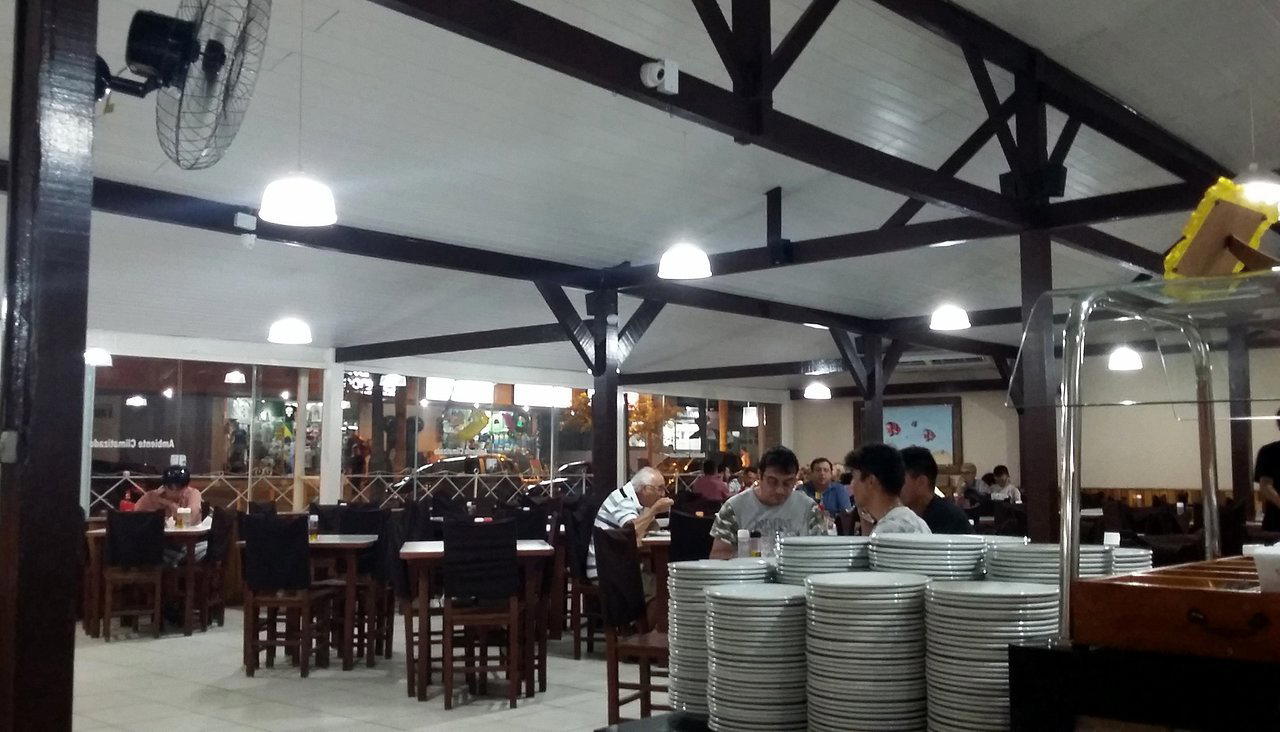
In Brazil's cattle country, the churrasco tradition is not a weekend novelty. It is a working culture, rooted in the pampas of Rio Grande do Sul and carried north by generations of gaúcho migrants who settled the agricultural interior of São Paulo state. Araçatuba sits in that belt, a city built on cattle ranching and agriculture, where the expectation for grilled meat is high and the reference point is not the urban steakhouse but the open-fire traditions of the south. Canto do Gaúcho, on Avenida José Ferreira Baptista in the Ipanema district, operates inside that tradition rather than as a novelty interpretation of it.
What the Gaúcho Tradition Actually Means at the Table
The churrasco gaúcho is a specific discipline. It is not the prix-fixe rodízio format that dominates São Paulo's urban churrascarias, where servers circulate with skewers until the card flips to red. The gaúcho method is slower, more deliberate: cuts grilled over wood embers at controlled distances, timed by the cook's eye rather than a kitchen timer, and served at the pace dictated by the fire rather than a dining room turn. In cities like Araçatuba, where the region's cattle heritage is still economically present, that tradition carries weight as a point of local pride. Canto do Gaúcho positions itself inside that regional framing, as the name itself signals, "canto" meaning a corner or place of gathering, "gaúcho" grounding the offer in southern Brazilian identity.
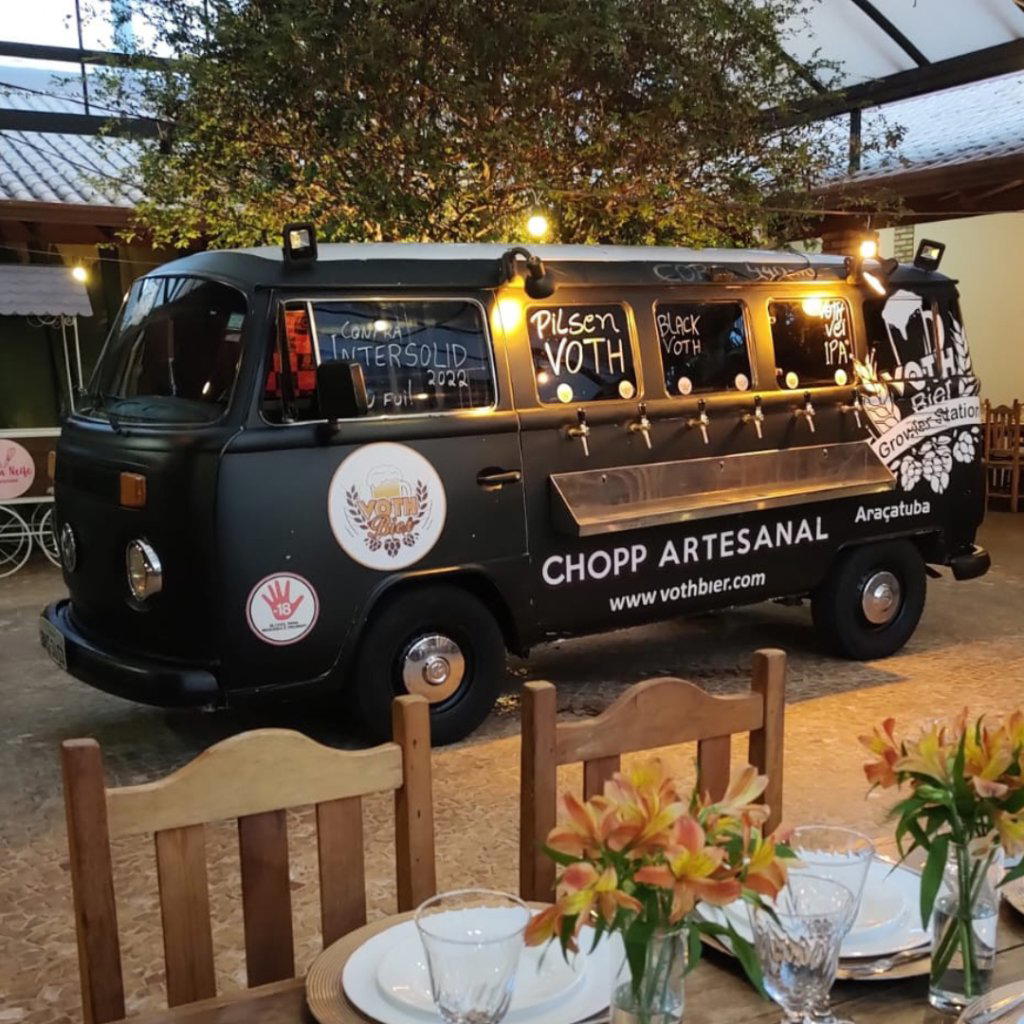
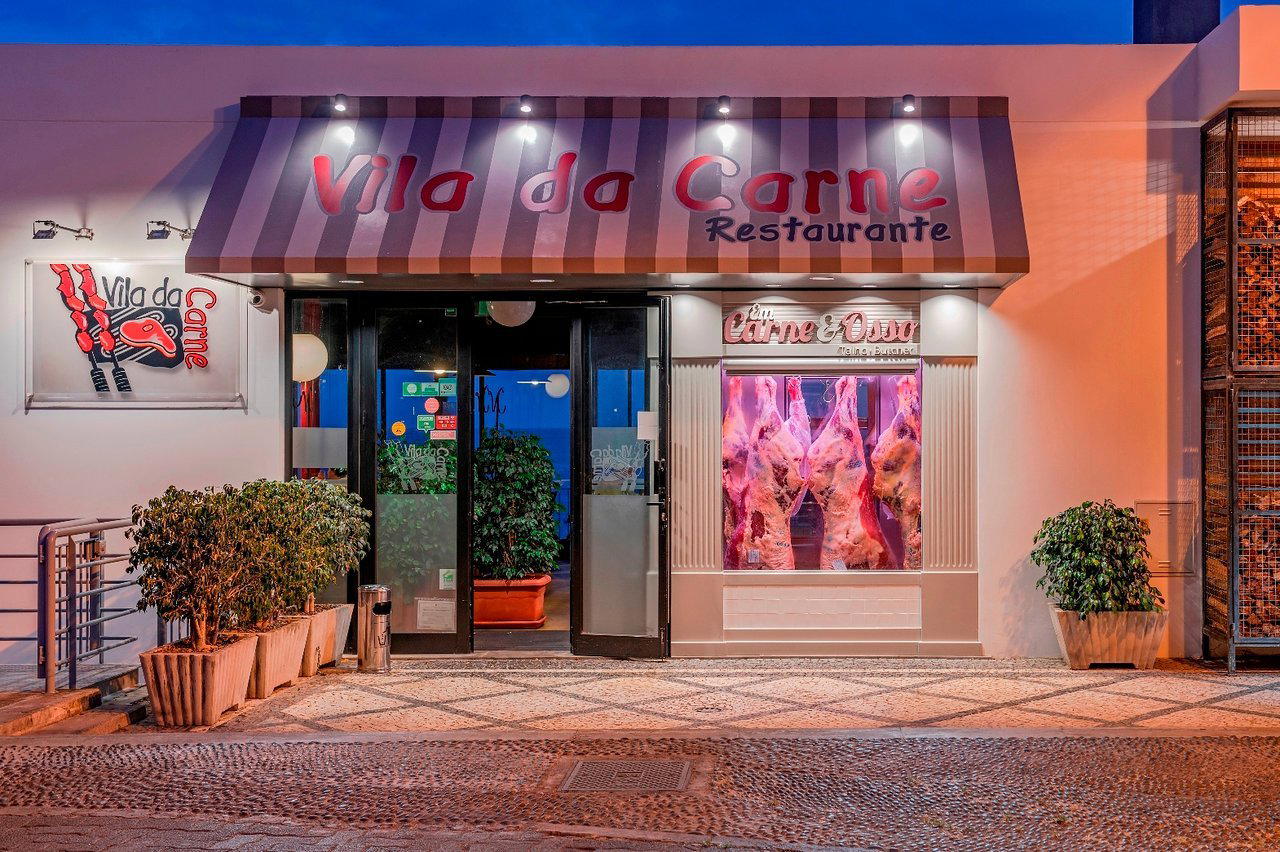
That cultural grounding matters when reading Araçatuba's dining scene more broadly. The city's restaurant market spans Lebanese-influenced cooking at venues like Mamed Culinária Libanesa, burger-focused formats at Brothers Street Food and Vila das Carnes, and bar-led operations like Vothbier. Canto do Gaúcho occupies the grilled meat register, which in a cattle city like Araçatuba is not a niche position. It is the center of the market.
The Ipanema District Setting
The address on Avenida José Ferreira Baptista places the restaurant in the Ipanema district, a residential zone on Araçatuba's periphery rather than the city's commercial core. In Brazilian interior cities, that kind of address typically signals a neighborhood destination: a venue built on repeat local custom rather than tourist or business-traveler traffic. The format tends toward generous portions, casual service, and pricing calibrated to the local middle class, which in the beef-producing interior of São Paulo state generally means competitive value on quality cuts. That positioning is distinct from the premium churrascaria model found in São Paulo's Jardins neighborhood or Rio's upmarket addresses, where the same tradition operates at a different price tier. For comparison, Brazil's nationally recognized restaurants, from D.O.M. in São Paulo to Oteque in Rio de Janeiro, operate in a different register entirely, built around tasting menus and international critical recognition. Canto do Gaúcho serves a different function in its city's food ecology.
Reading Brazil's Interior Churrasco Scene
Brazil's interior churrascarias rarely accumulate the kind of critical recognition that drives bookings at Manu in Curitiba or Manga in Salvador. They operate in a different economy of reputation: local word of mouth, decades-long regulars, and the kind of institutional status that comes from being the place a city returns to for celebrations and Sunday lunches. That is not a lesser category. Some of Brazil's most instructive dining happens in exactly this format, in cities where the product, the cattle, the cuts, the fire skill, is as good as anywhere in the country, even if the critical infrastructure to document it does not exist. The same pattern holds across Brazil's interior: venues in Campos do Jordão like Mina or in Belo Horizonte like Birosca S2 have developed regional followings that exceed their formal critical profiles.
Regional Brazilian cuisine is also diverse enough that a single tradition like gaúcho churrasco sits alongside very different registers. The Afro-Brazilian cooking represented at Orixás in Itacaré, or the European-influenced approach at Olivetto in Campinas, or the Alpine-inflected fare at Primrose in Gramado and the castle format at Castelo Saint Andrews, all reflect how distributed and regionally specific Brazilian dining has remained. The gaúcho tradition is one strand in that diversity, and Araçatuba is a city where it carries particular cultural authority.
Planning Your Visit
Canto do Gaúcho is located at Av. José Ferreira Baptista, 2989, in the Ipanema district of Araçatuba, São Paulo state. The venue does not have a listed website or published phone number in current directories, which is consistent with the neighborhood-restaurant format common in Brazilian interior cities, where bookings often happen by word of mouth or direct visit. For first-time visitors, arriving at a midday Sunday service, the traditional peak hour for Brazilian churrascarias, gives the most complete experience of what the venue offers and how its regulars use it. Araçatuba is served by Dix-Sept Rosado Airport, with connections from São Paulo's Congonhas airport, making it reachable for visitors traveling from the state capital. Those building a wider itinerary around São Paulo state's interior dining can use our full Araçatuba restaurants guide as a starting point. For readers whose reference points are international formats, the discipline of a well-run gaúcho churrasco sits closer to the communal fire-cooking tradition than to the polished tasting-counter format at venues like Le Bernardin in New York or the theatrical service model at Lazy Bear in San Francisco. Those are different conversations. The gaúcho tradition is about the fire and the cut, not the room or the progression. In Araçatuba, that tradition has infrastructure, and Canto do Gaúcho is part of it. Visitors from the state of Espírito Santo may also find useful regional comparison at State of Espírito Santo in Rio Bananal, where a different set of interior-Brazilian dining values is on display.
Frequently asked questions
What's Canto do Gaúcho's location?
Canto do Gaúcho is located at Av. José Ferreira Baptista, 2989 - Ipanema, Araçatuba - SP, 16052-541, Brazil, Aracatuba.
How does Canto do Gaúcho differ from a typical São Paulo city churrascaria?
The gaúcho tradition practised at an interior São Paulo venue like Canto do Gaúcho operates outside the rodízio model that defines most urban churrascarias, where servers circulate continuously with pre-carved cuts at a fixed per-person price. Churrasco gaúcho is a slower, order-led format tied to Rio Grande do Sul's pampas heritage. Located in Araçatuba's Ipanema district, the restaurant sits in a cattle-producing region where this style of barbecue is a daily working practice rather than a dining concept.
What do regulars order at Canto do Gaúcho?
The house identity is churrasco gaúcho, so regulars typically anchor their meal around cuts cooked on the traditional espeto or grelha rather than the rotating rodízio format common in São Paulo's larger cities. In cattle-country interior restaurants of this type, beef cuts like picanha, costela, and linguiça gaúcha are the expected centrepiece. The Ipanema district address on Avenida José Ferreira Baptista puts this squarely in neighbourhood-regular territory, where the menu reflects working churrasco culture rather than urban showcase cooking.
Do they take walk-ins at Canto do Gaúcho?
No reservation or booking contact is listed for the venue, which in the context of Araçatuba's interior churrascaria scene typically means walk-in service is the standard arrangement. Arriving early, particularly for weekend lunch, is advisable given that neighbourhood churrascarias in São Paulo's interior regularly fill with local families during peak hours. The address on Avenida José Ferreira Baptista in the Ipanema district provides a fixed reference point for planning your visit.
What's the defining dish or idea at Canto do Gaúcho?
The core concept is churrasco gaúcho, a tradition with roots in Rio Grande do Sul's pampas culture that differs from the prix-fixe rodízio format standardised in São Paulo city. The emphasis is on fire-cooked meat at a deliberate pace, without the continuous-service model. In Araçatuba, a city embedded in São Paulo state's cattle-producing interior, that tradition carries practical weight rather than novelty positioning.
Is Canto do Gaúcho good for vegetarians?
A restaurant named for and built around the gaúcho barbecue tradition is not a practical choice for vegetarians. Churrasco gaúcho is a meat-centred discipline, and side dishes such as farofa, vinagrete, and rice are supporting elements rather than the main event. Vegetarians visiting Araçatuba would be better served by seeking out a different category of restaurant in the city centre.
Budget and Context
Comparable venues nearby, for context on price, style, and recognition.
| Venue | Cuisine | Price | Notes |
|---|---|---|---|
| Canto do GaúchoThis venue (the venue you are viewing) | Brazilian Skewers and Grill | Not listed | Not listed |
| Vothbier | Brazilian Craft Beer Pub | Not listed | Novo Umuarama, Brazilian Craft Beer Pub |
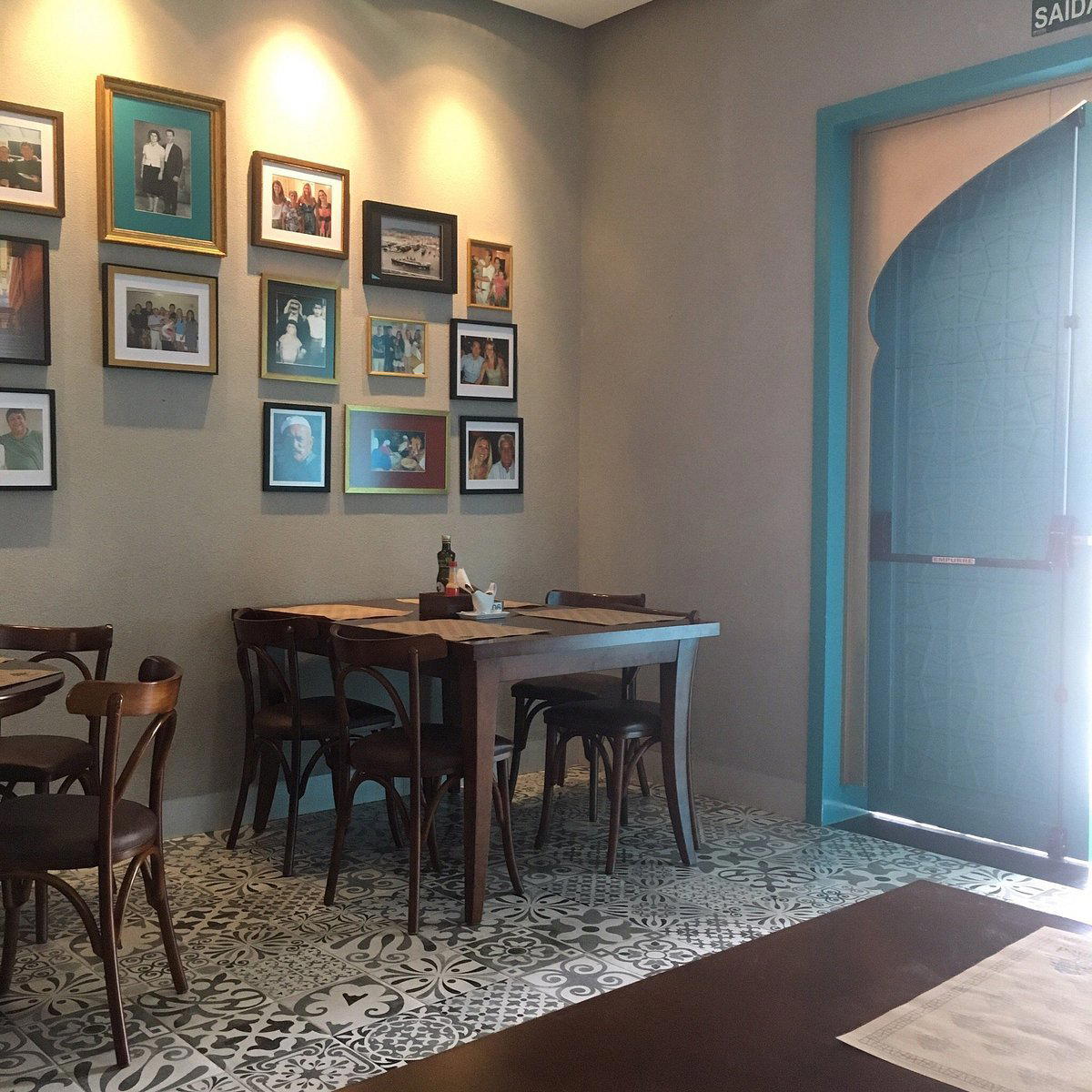
| Mamed Culinária Libanesa | Libanesa (Lebanese) | Not listed | Centro, Libanesa (Lebanese) |
| Brothers Street Food - Hamburgueria | Modern Brazilian Street Food Hamburgueria | Not listed | heart of Araçatuba, Modern Brazilian Street Food Hamburgueria |
| Vila das Carnes – Restaurante e Hamburgueria em Araçatuba | Brazilian Steakhouse & Hamburgueria | $10–20 | Jardim Nova Iorque, Brazilian Steakhouse & Hamburgueria |
| Lobby Café | Brazilian Café | $10–20 | Not listed |
Continue exploring
More in Aracatuba


Details
- Lively
- Rustic
- Casual Hangout
- Group Dining
- A La Carte
Current opening hours
- Monday
- Closed
- Tuesday
- 6–11 PM
- Wednesday
- 6–11 PM
- Thursday
- 6–11 PM
- Friday
- 6–11:30 PM
- Saturday
- 6–11:30 PM
- Sunday
- Closed
Hours can change for holidays and private events. Hours as of .
Warm and informal atmosphere with sidewalk tables.