Our verdict
Lebanese cooking has a long presence in the interior of São Paulo state, and Mamed Culinária Libanesa on Rua General Osório puts that tradition in direct contact with Araçatuba's daily dining rhythm. The address sits in the Centro district, making it accessible for weekday lunches and evening meals alike. For anyone tracing the Arab-Brazilian culinary thread through the region's restaurants, this is a reference point worth knowing.

Pearl is the En Primeur Club membership app, where members save venues, book tables and use the concierge.
The menu
What to order
- Esfiha de queijo
- Esfiha de carne
- Geleia de pimenta
- Folhado de pistache
Lebanese Food in the Brazilian Interior: A Tradition That Predates the Trend
Long before Middle Eastern cuisine became a talking point in São Paulo's upmarket dining rooms, Lebanese cooking had already embedded itself in the towns and cities of the São Paulo interior. The wave of Lebanese and Syrian immigration to Brazil in the late nineteenth and early twentieth centuries landed heavily in the state's agricultural heartland, and cities like Araçatuba absorbed that community and its food culture over generations. What you find today in those communities is not a fashionable import but a working culinary inheritance: kibbeh made by families who have been making kibbeh for four or five generations, flatbreads baked to proportions adjusted for local flour, and mezze formats shaped by decades of integration with Brazilian meal customs.
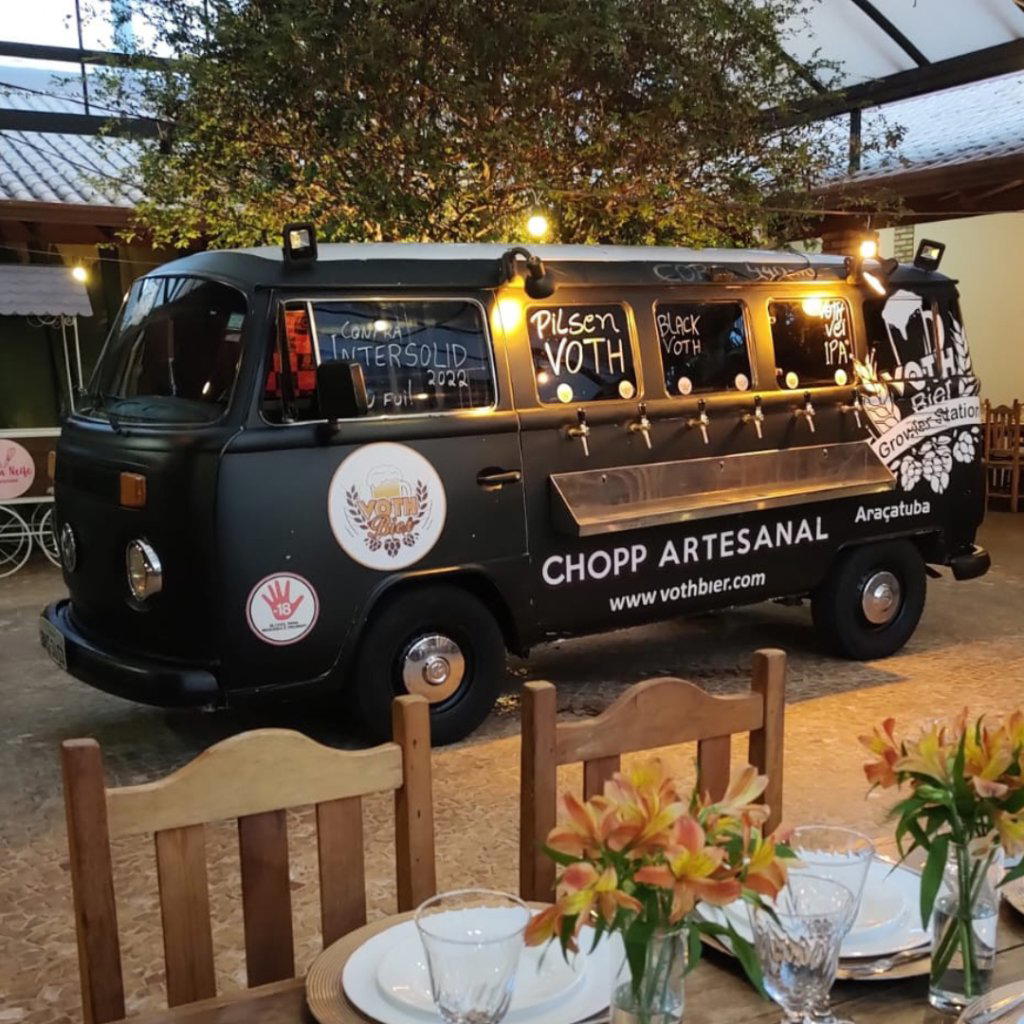
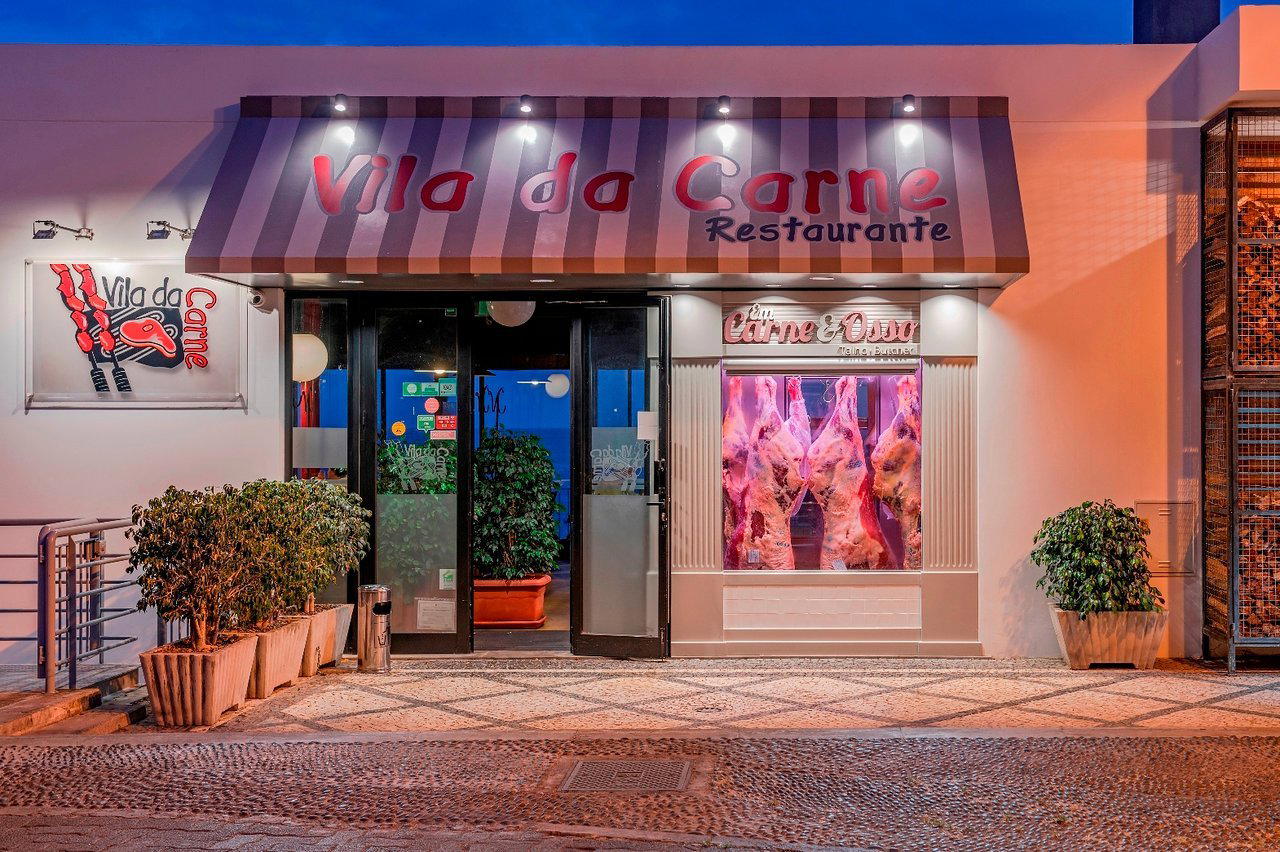
Mamed Culinária Libanesa on Rua General Osório, in Araçatuba's Centro district, sits inside that longer story. The address places it within easy reach of the city's commercial core, which means it operates in the rhythm of a Brazilian centro: the busy midday table turn, the slower evening pace, the mix of office workers and families that defines lunch culture in interior São Paulo. Across town, the dining scene spans Brazilian churrasco at places like Canto do Gaúcho, burger formats at Brothers Street Food and Vila das Carnes, and craft beer culture at Vothbier. Against that backdrop, a dedicated Lebanese kitchen occupies a distinct position, representing a cuisine category that the other major addresses in the city do not cover.
The Ritual of a Lebanese Meal and How It Reads in This Context
Lebanese dining has a particular logic that differs from the Brazilian churrascaria model or the single-plate lunch. At its core, the meal is an accumulation: small dishes that arrive in sequence or simultaneously, bread that functions as both utensil and component, and a pacing that resists hurry. In Lebanon itself, a proper mezze spread can run to thirty or forty dishes. In diaspora settings, the format compresses, but the underlying principle survives. You share, you refill, you linger over the table rather than clearing it quickly.
That approach to eating carries weight in a Brazilian context, where the midday meal is already taken seriously as a social event. Interior São Paulo does not treat lunch as a functional interruption. The sit-down almoço has social and professional meaning, and a kitchen that works in the sharing-plate register can extend naturally into that culture. Dishes that encourage passing, tasting, and ordering an extra round of something fit the social temperature of a Brazilian lunch table without any adaptation required.
For diners less familiar with the format, the practical advice is direct: order more than you think you need, eat slowly, and treat the bread as part of the meal rather than a preliminary. In Lebanese cooking, the sequence matters less than the coverage. A table that has houmous, a grain-based dish, something grilled, and something fried has the right range, and additional items build from there.
Arab-Brazilian Cooking as a Regional Reference Point
The culinary signature of Arab-Brazilian cooking in the São Paulo interior has drifted over time from strictly Lebanese or Syrian originals toward a hybrid register. Kibbeh in Brazil comes in forms that no Lebanese grandmother would immediately recognise: fried, baked, raw in the original Lebanese style, and in versions adapted to local tastes and available ingredients. Esfiha, the stuffed pastry, has become so thoroughly absorbed into Brazilian food culture that most Brazilians no longer register it as foreign. In that sense, what a kitchen like Mamed serves is not purely Lebanese cuisine as practiced in Beirut, but the Arab-Brazilian variant that has evolved through a century of integration.
That distinction matters for how you approach the meal. The expectation is not strict authenticity in the sense that a specialist Lebanese restaurant in London or Paris might aim for. The expectation is the regional version, made by people for whom this food is inherited rather than researched. That is a different kind of credibility, and for many diners it is a more reliable one. You can see a version of how specialist cuisine gets absorbed and transformed through regional Brazilian dining by looking at how kitchens in other cities have handled their own inherited food traditions, from the Italian-Brazilian lineage at Cantina Pozzobon in Santa Maria to the Amazon-inflected cooking at Bistro Fitz Carraldo in Manaus. In each case, the cuisine has been shaped by place as much as by origin.
At the national level, kitchens like D.O.M. in São Paulo and Lasai in Rio de Janeiro represent a different tier of Brazilian dining: award-tracked, internationally referenced, operating with extended tasting menus and formal critical attention. The conversation in Araçatuba's Centro operates on different terms entirely. This is working-city dining, where the measure of quality is consistency over years and the loyalty of a local customer base, not Michelin recognition.
Finding It and Planning the Visit
Mamed Culinária Libanesa is located at Rua General Osório, 384, in the Centro district of Araçatuba, São Paulo state. The Centro location means the address is walkable from the main commercial streets and accessible by most local transport. For visitors arriving from outside the city, Araçatuba sits in the northwest of the state, roughly 520 kilometres from the capital, and is reached by road via the SP-310 or by regional air through Araçatuba Airport. For a broader orientation to where this restaurant sits among Araçatuba's dining options, the full Araçatuba restaurants guide covers the city's range in more detail.
Across Brazil, specialist restaurants anchored in immigrant food traditions can be found in secondary and interior cities in forms that rarely travel to São Paulo or Rio. Places like Casa da Flor in Dourados, Arte e Café Imperial in Angra dos Reis, and Casa da Dika in Bragança all represent the kind of place that rewards visitors willing to look beyond the cities most travel writing covers. Mamed occupies a similar position within its specific culinary category: a kitchen that connects to a genuine food tradition and serves an audience that knows the difference.
Frequently asked questions
Where is Mamed Culinária Libanesa located?
Mamed Culinária Libanesa is located at R. Gen. Osório, 384 - Centro, Araçatuba - SP, 16010-290, Brazil, Aracatuba.
Is Mamed Culinária Libanesa representative of the Arab immigrant cooking tradition in the São Paulo interior?
Araçatuba sits within a belt of São Paulo state cities where Lebanese and Syrian immigration in the early twentieth century shaped local food culture well before Middle Eastern cuisine gained traction in the capital. Mamed Culinária Libanesa, operating in the Centro district at Rua General Osório, 384, belongs to that regional lineage rather than to the more recent trend of upmarket Lebanese restaurants in São Paulo city. The Arab-Brazilian cooking style typical of this area tends to reflect decades of local adaptation alongside preserved originals.
What should I eat at Mamed Culinária Libanesa?
The kitchen draws on the Arab-Brazilian cooking tradition long established in the São Paulo interior, where Lebanese and Syrian recipes have adapted over generations into a recognisable regional style. Dishes in this tradition typically centre on kibbeh, esfiha, hummus, and grilled meats served as part of a shared spread rather than a single plate.
Do they take walk-ins at Mamed Culinária Libanesa?
No reservation policy or booking system is documented for this address in Araçatuba's Centro district. Walk-in practice at this type of Arab-Brazilian restaurant in the São Paulo interior is common, though confirming current hours before visiting is worth doing given the absence of published contact details.
What do critics highlight about Mamed Culinária Libanesa?
Its significance is contextual: Lebanese cooking in Araçatuba predates the Middle Eastern dining trend in São Paulo's larger restaurant scene by decades, placing venues like this within a longer Arab-Brazilian culinary history in the interior of São Paulo state.
Do they accommodate allergies at Mamed Culinária Libanesa?
No allergen policy or dietary accommodation information is documented. Lebanese cooking in the Arab-Brazilian tradition frequently involves wheat, sesame, and dairy across core dishes, so guests with specific dietary requirements should raise this directly at Rua General Osório, 384 in Araçatuba before ordering.
Cuisine Context
Comparable venues nearby, for context on price, style, and recognition.
| Venue | Cuisine | Price | Notes |
|---|---|---|---|
| Mamed Culinária LibanesaThis venue (the venue you are viewing) | Libanesa (Lebanese) | Not listed | Not listed |
| Canto do Gaúcho | Brazilian Skewers and Grill | Not listed | Centro |
| Vila das Carnes – Restaurante e Hamburgueria em Araçatuba | Brazilian Steakhouse & Hamburgueria | $10–20 | Jardim Nova Iorque |
| Brothers Street Food - Hamburgueria | Modern Brazilian Street Food Hamburgueria | Not listed | heart of Araçatuba |
| Vothbier | Brazilian Craft Beer Pub | Not listed | Novo Umuarama |
| Maki Sushi | Japanese Sushi Rodízio | Not listed | City Center |
Continue exploring
More in Aracatuba


Details
- Cozy
- Classic
- Family
- Buffet
- Vegetarian Friendly
Current opening hours
- Monday
- 11:30 AM–2:30 PM
- Tuesday
- 11:30 AM–2:30 PM
- Wednesday
- 11:30 AM–2:30 PM
- Thursday
- 11:30 AM–2:30 PM
- Friday
- 11:30 AM–2:30 PM
- Saturday
- 11:30 AM–2:30 PM
- Sunday
- Closed
Hours can change for holidays and private events. Hours as of .
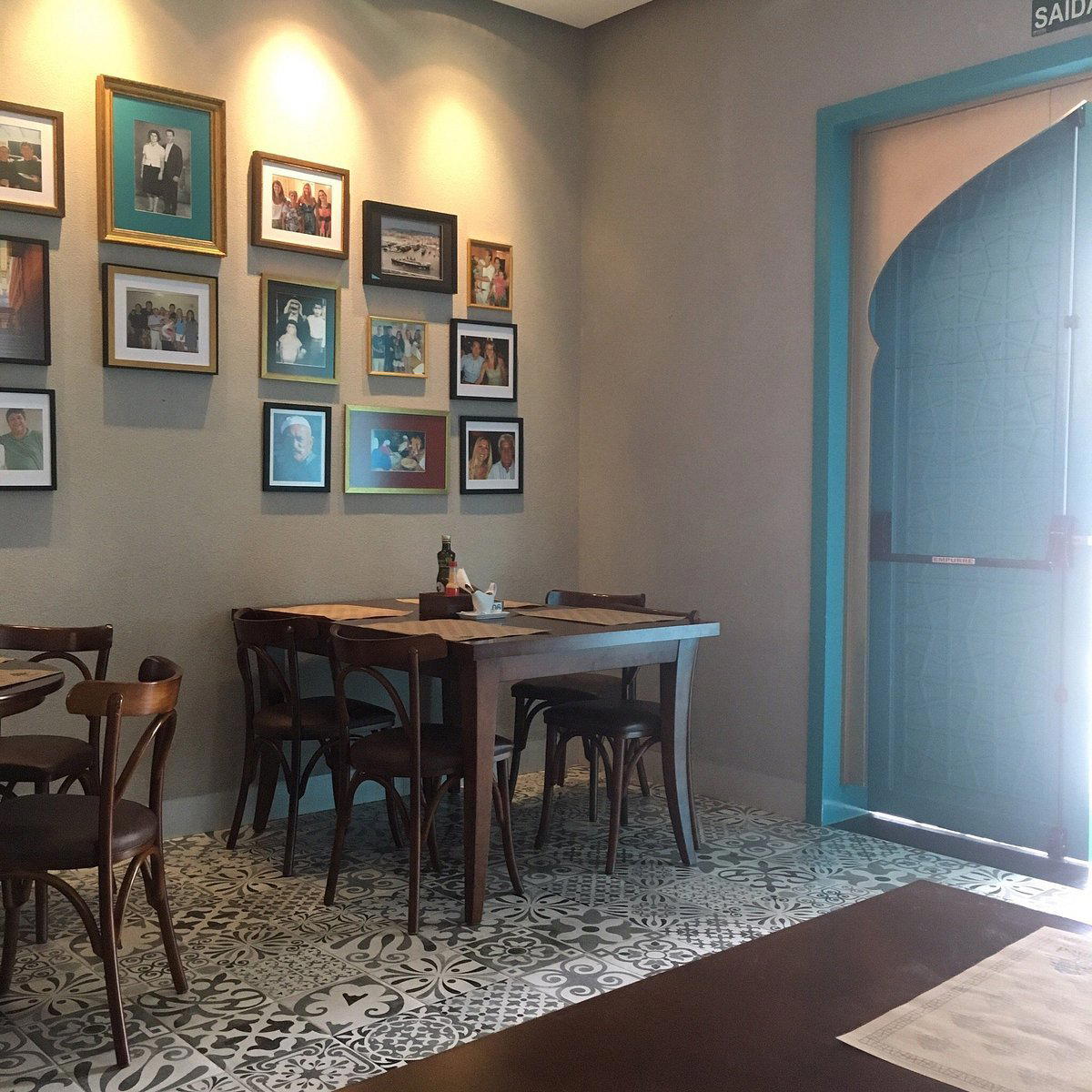
Aconchegante (cozy) environment with caprichada (tasteful) decoration and warm, attentive service.