Our verdict
Camaya Terrace Restaurant belongs to the quieter side of Bali dining: Selat rice-field views, Karangasem’s agricultural setting, and a meal framed by place rather than urban polish. With no public awards or listed price range, it reads less as a trophy reservation than a setting-led table for travelers already moving through eastern Bali.

Pearl is the En Primeur Club membership app — saves, bookings, and concierge access live there. Same editors, same standards.
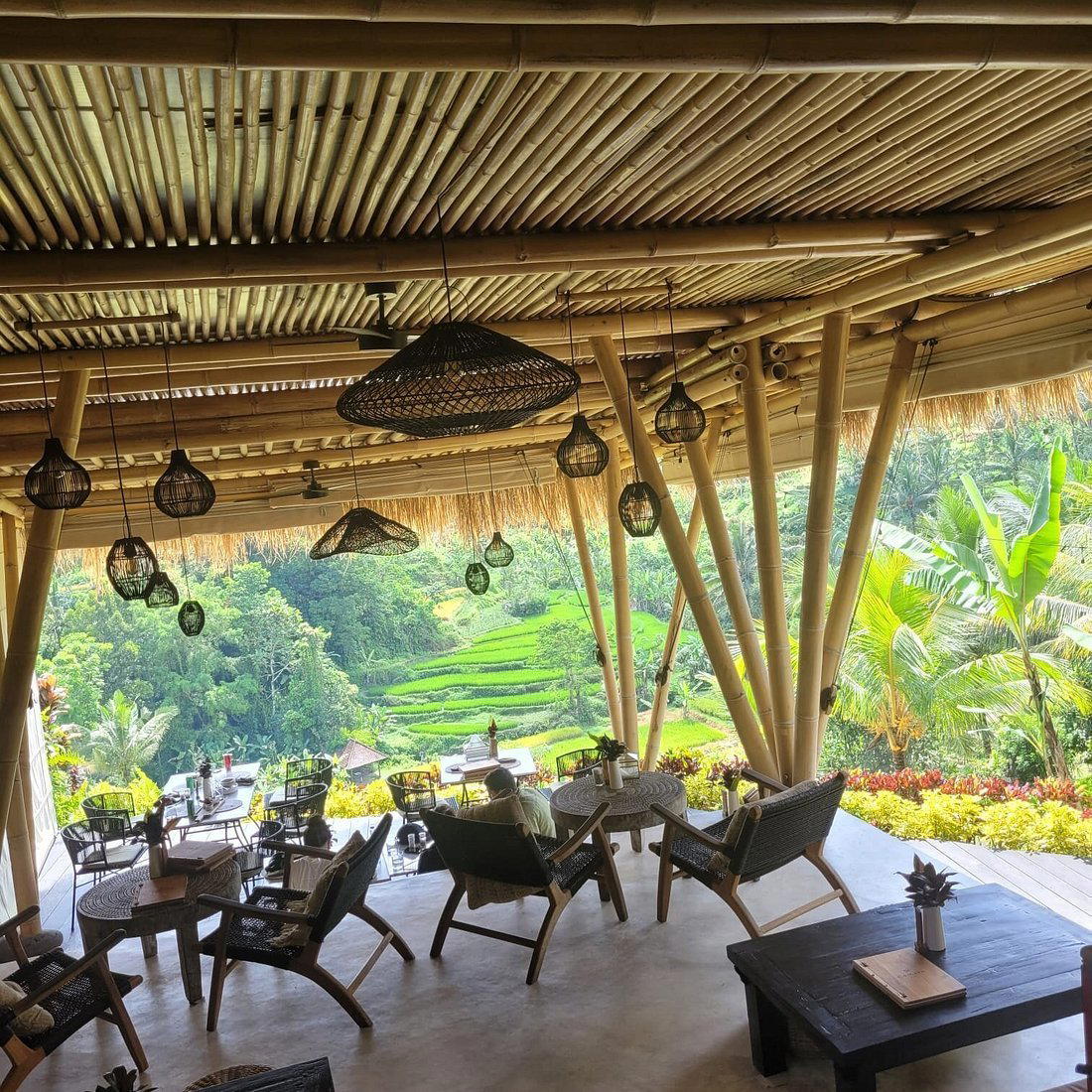
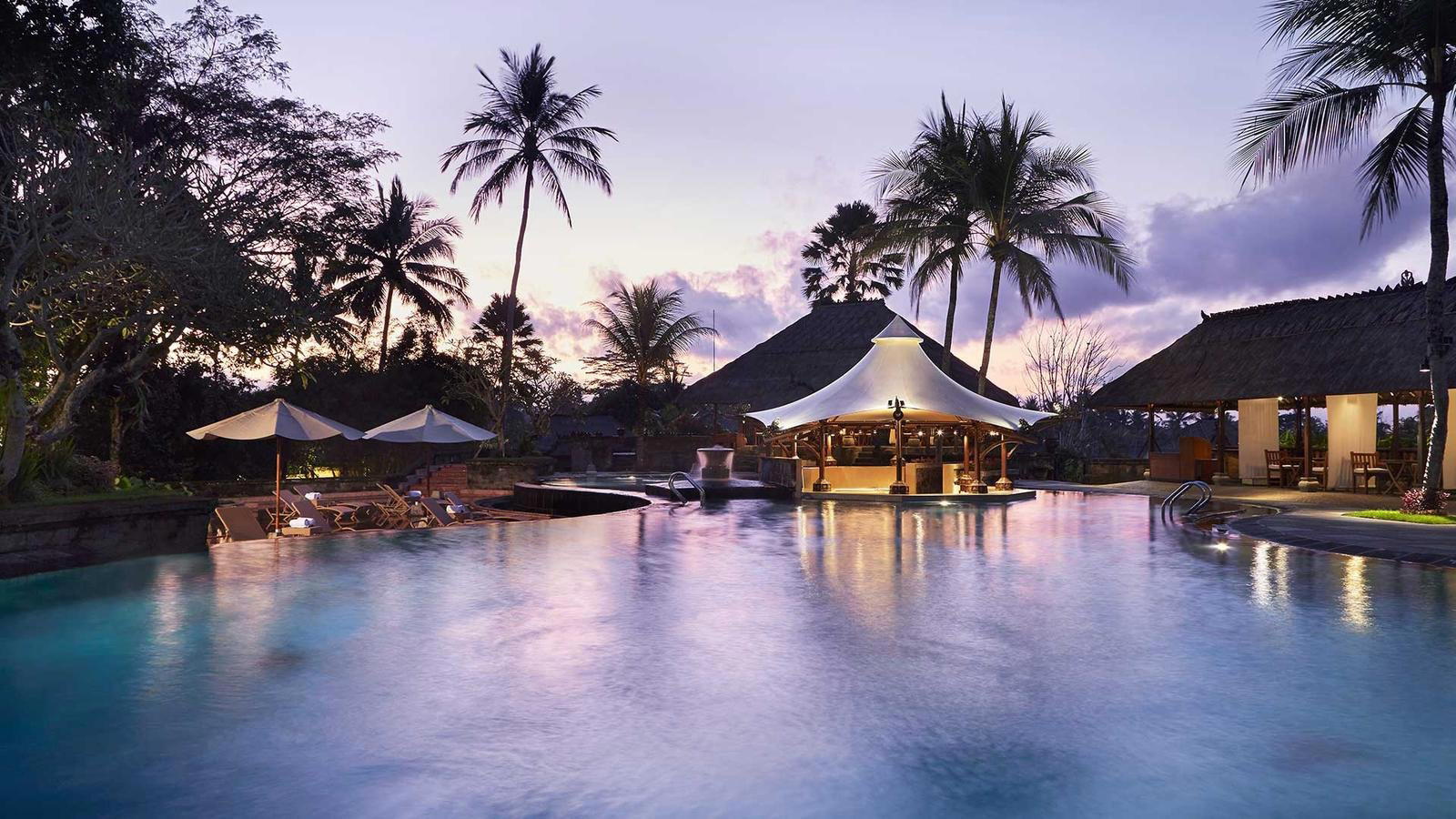
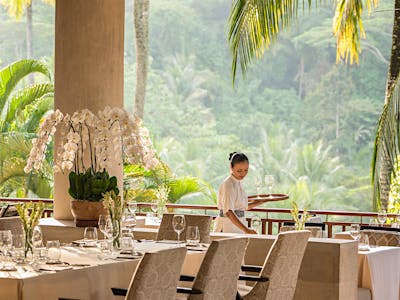
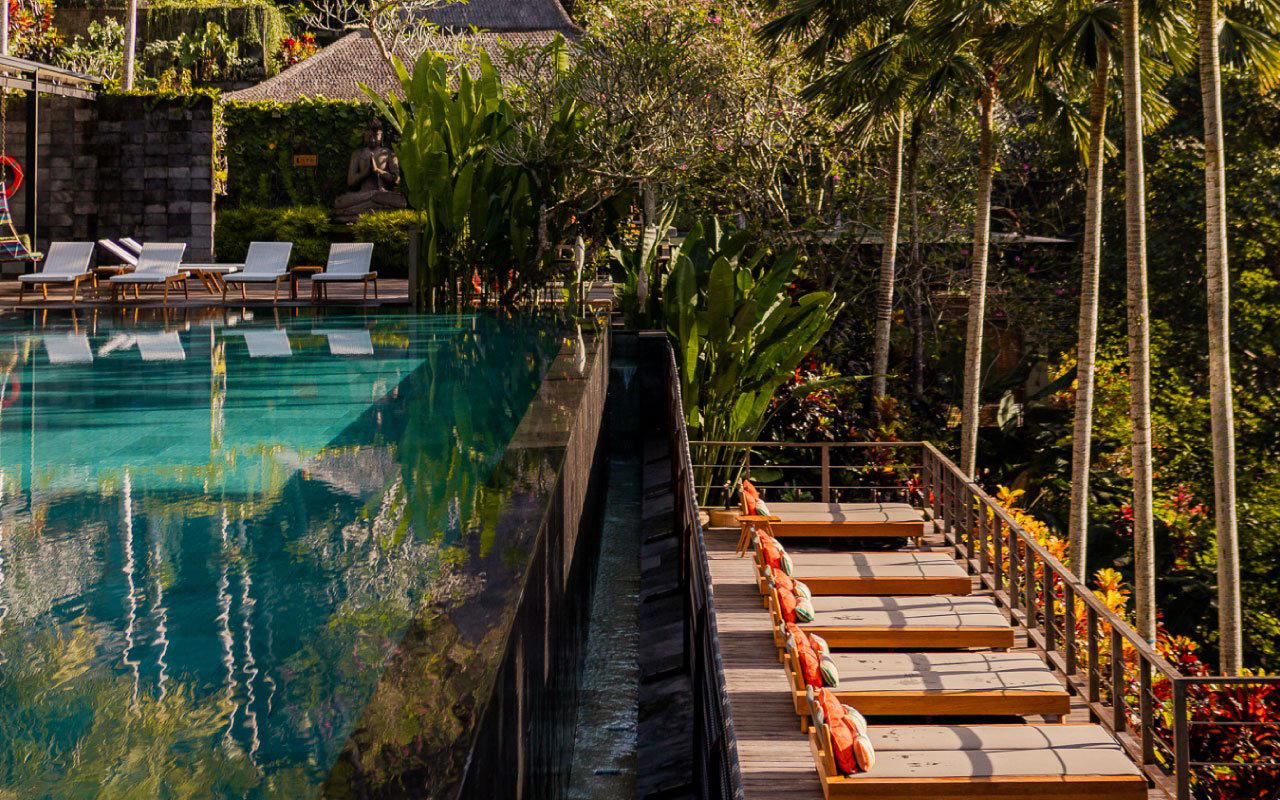
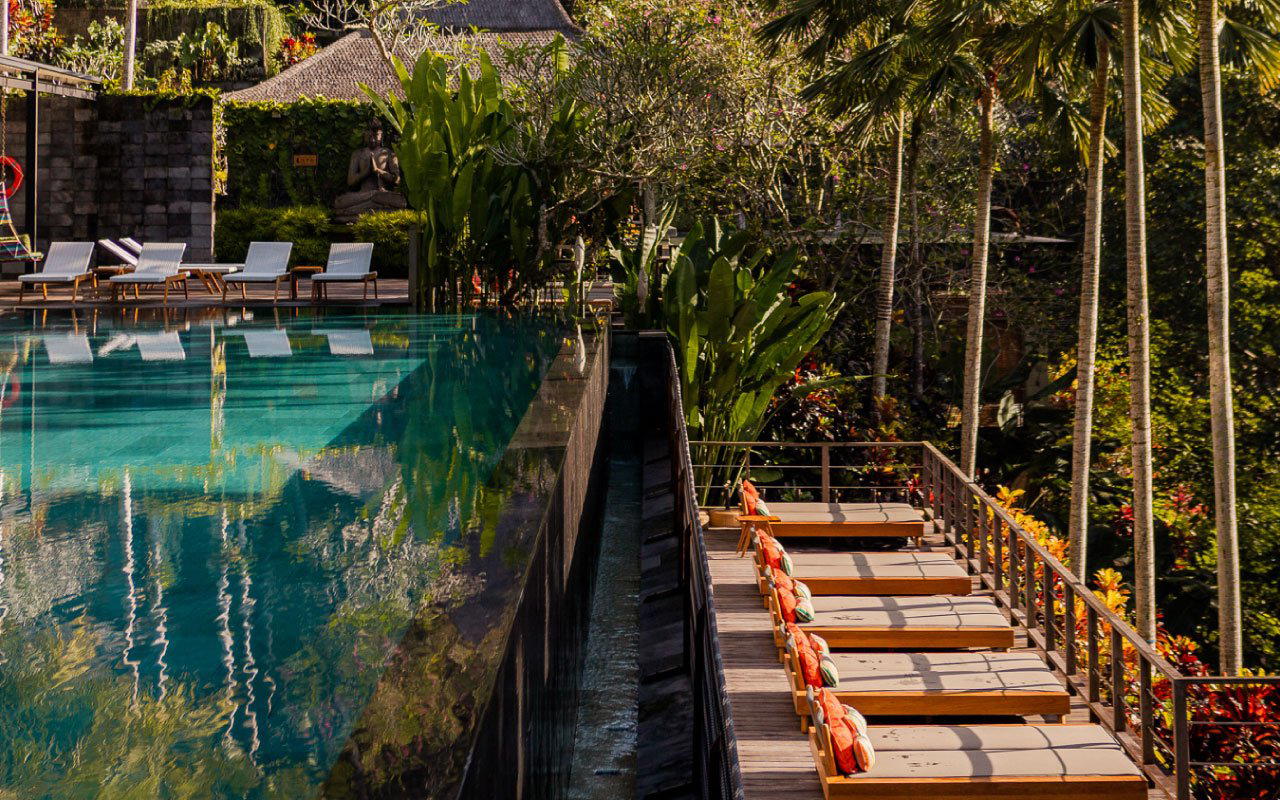
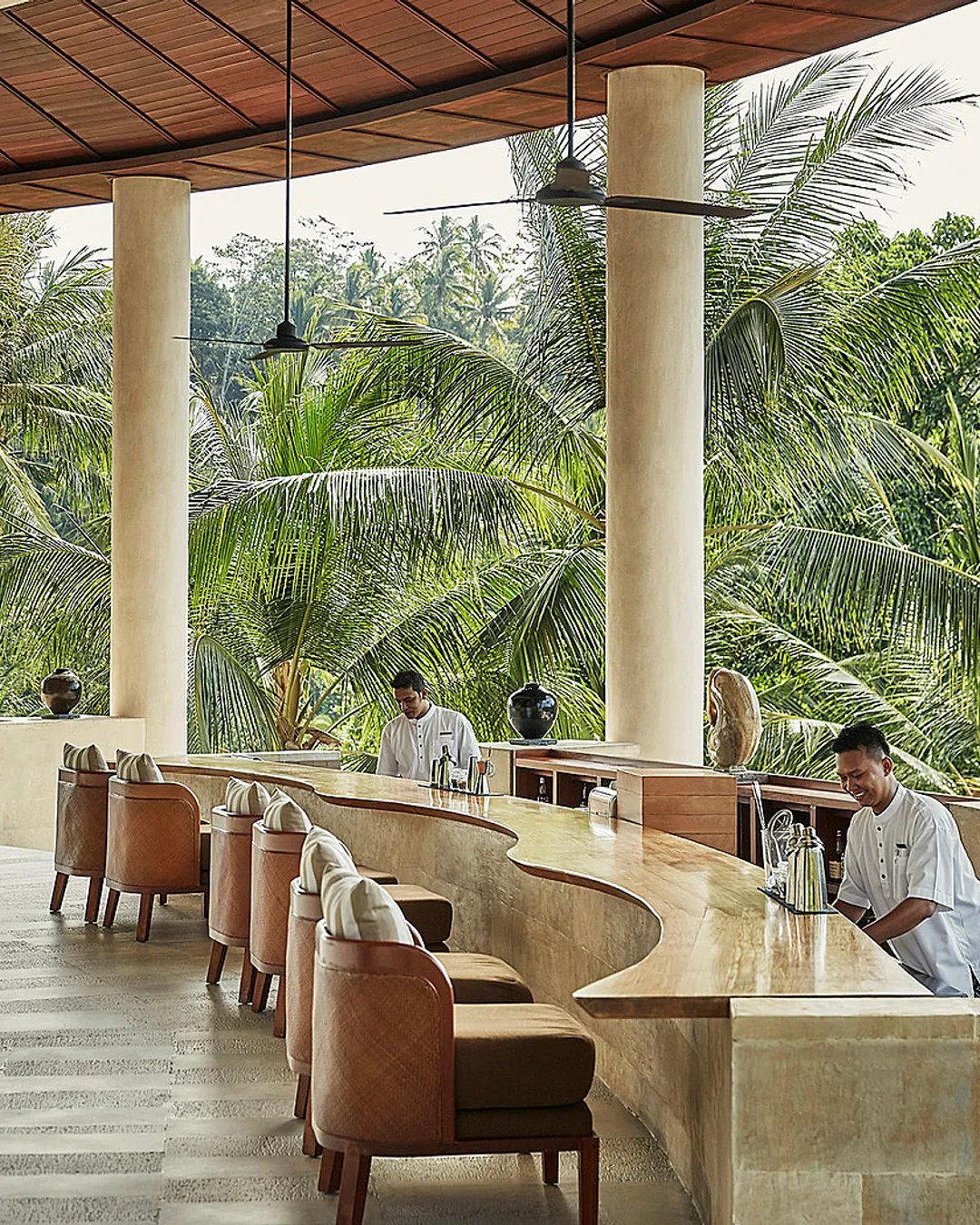
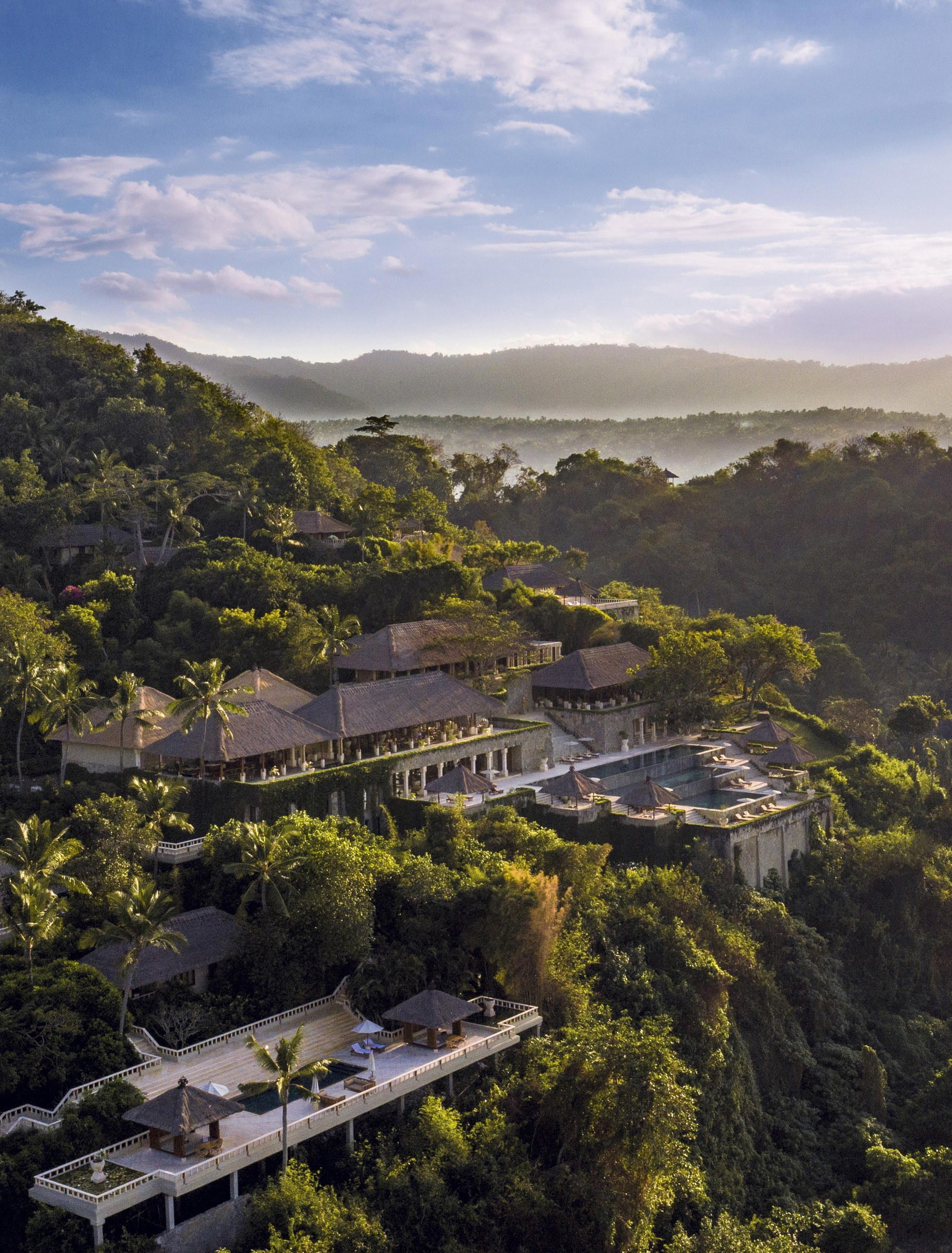
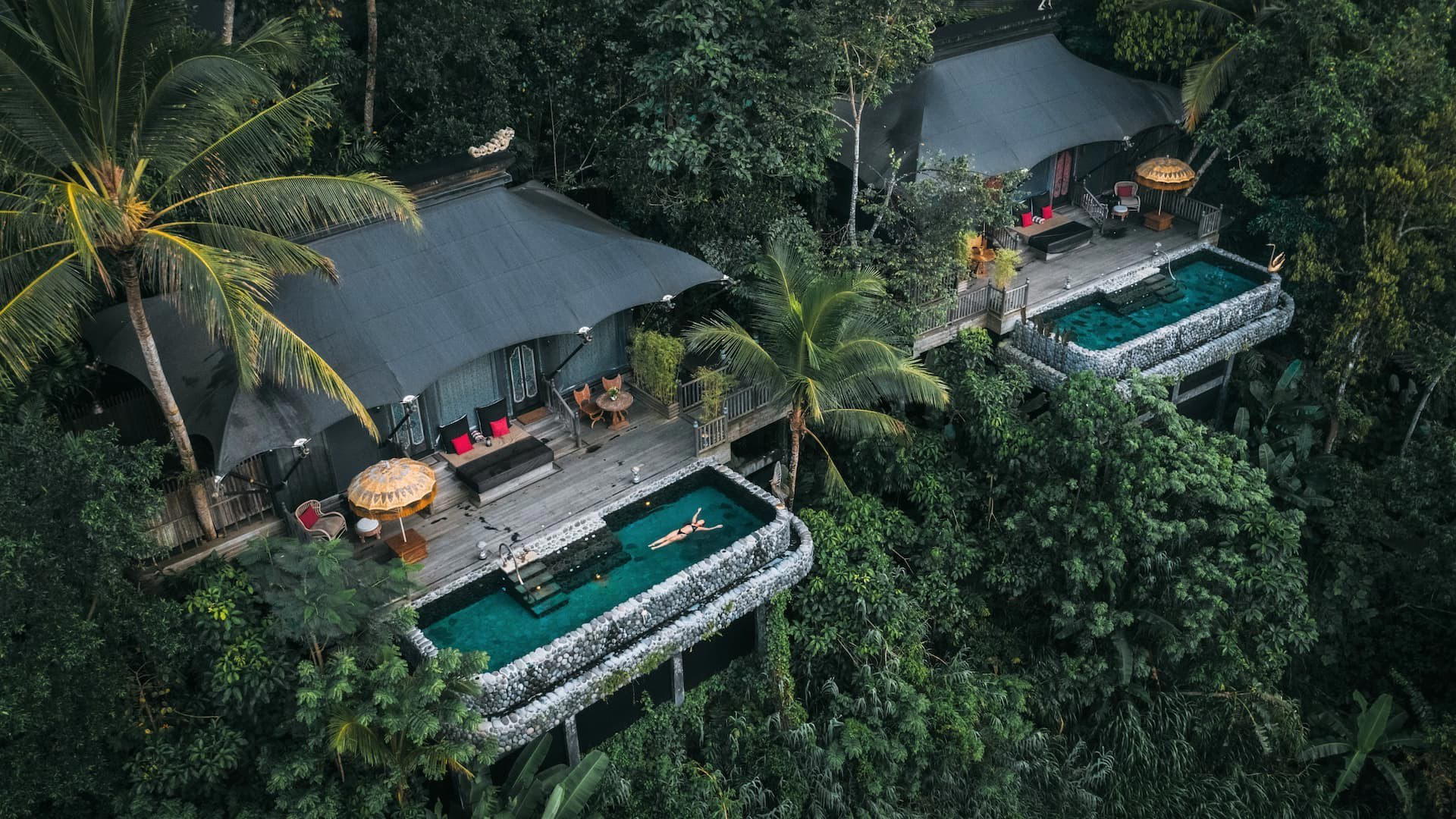
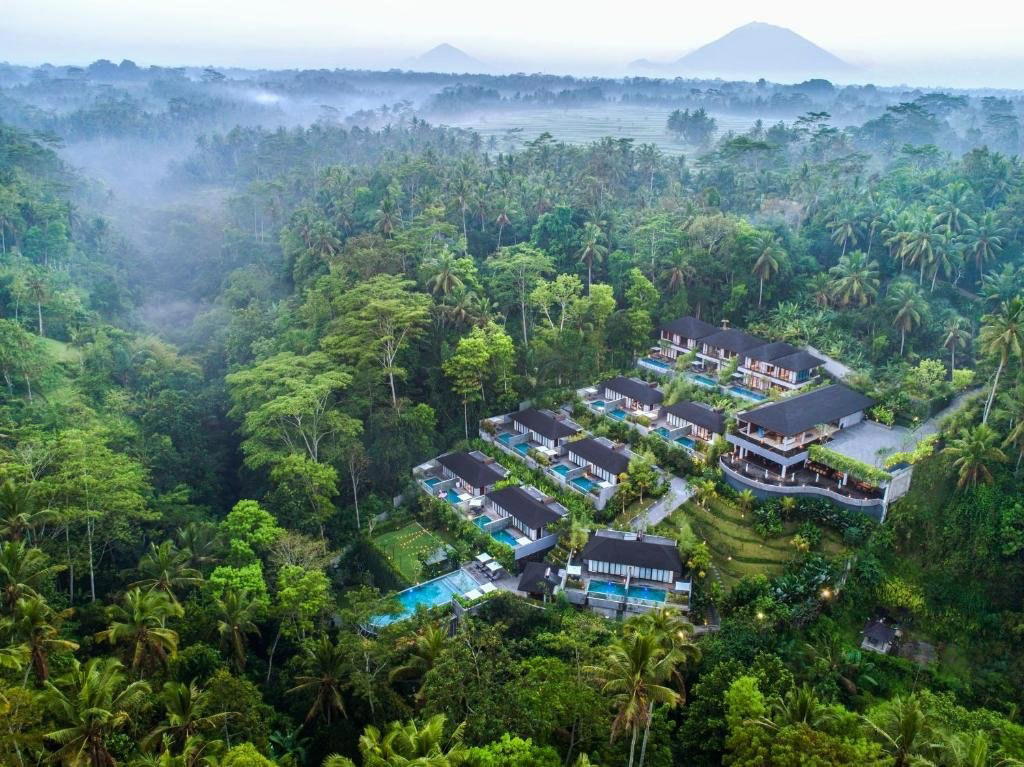
The approach to Camaya Terrace Restaurant is defined by rice fields rather than a hotel driveway or beach-club arrival. In Selat, where eastern Bali starts to feel agricultural rather than resort-engineered, the meal is inseparable from the terraces around it: irrigation channels, field edges, open air, and the slower rhythm of inland village life. That matters because this part of Bali gives dining a different set of expectations. The room is not trying to compete with the tasting-menu circuits of Ubud or the design-heavy restaurants of the south; the value sits in how directly the setting connects lunch or dinner to the land around it.
Rice-field dining in Selat, away from Bali's resort circuit
Selat occupies a different dining geography from Seminyak, Canggu, Uluwatu, or central Ubud. Those areas tend to reward concept restaurants, imported formats, cocktail programs, and international menus built for short-stay travelers. Selat asks for a slower reading. Food here is tied less to spectacle and more to proximity: rice fields, mountain roads, temple routes, and produce moving through local markets rather than through a luxury supply chain.
Camaya Terrace Restaurant fits that eastern Bali pattern. The public facts are modest: the restaurant is in Selat, among rice fields, with limited published recognition detail, no listed chef, and no formal cuisine category. That low-key public profile changes how the table should be judged. It is not a place to measure against Bali’s ambitious chef-led rooms. It makes more sense as part of a rural terrace-dining tradition, where the setting does much of the editorial work and the meal acts as an anchor for time spent in the hills.
The ingredient-sourcing story, in this context, is broader than a named farm or a chef’s manifesto. Eastern Bali’s strength is agricultural immediacy: rice cultivation, coconut, tropical fruit, spices, and vegetables grown close to the villages that cook with them. Without a published menu or chef statement, specific dish claims would be misplaced. The more reliable point is structural: a restaurant among working fields asks diners to notice where food comes from before a plate arrives. That is a different pleasure from the urban Bali model, where design, branding, and imported technique often arrive first.
How to place it against Bali's more polished dining rooms
Bali’s restaurant conversation has split into several tiers. There are destination dining rooms built around chef identity, tasting formats, and awards visibility; casual resort restaurants selling view and convenience; and a quieter rural group where geography is the main credential. Camaya Terrace Restaurant belongs to the third category. It should not be read as a direct peer of named out-of-metro venues such as Akar, Arva, Sandikala, Kabana, or Rattan, where the comparison usually turns on format, menu ambition, or hospitality infrastructure. Here, the comparison is simpler: how much does the restaurant let Selat remain Selat?
That question is useful for travelers planning around eastern Bali. A meal in this area can carry more meaning when it sits beside a day of villages, rice terraces, and mountain roads than when it is treated as a stand-alone restaurant pilgrimage. The editorial case is strongest for readers already staying nearby or building a Selat route, not for those crossing the island solely to chase a famous table. The lack of a published price range also keeps expectations grounded. This is a setting-led choice, not an accolade-led one.
For broader planning, Selat is still a small node compared with Bali’s heavier tourism corridors. Readers mapping the area can use Our full Selat restaurants guide alongside Our full Selat hotels guide, Our full Selat bars guide, Our full Selat wineries guide, and Our full Selat experiences guide. For a wider Indonesia dining frame, compare how place functions differently at other unnamed dining rooms across the islands, or at Akar in Bali, where the relationship between setting, format, and ambition is easier to read from the outside. The wider Pacific dining file also includes specialist formats in larger cities, useful reminders that a restaurant’s value often depends on whether it sharpens its place rather than smoothing it into a global template.
Who should plan a meal here
The strongest use case is a traveler who wants eastern Bali to remain legible: fields, hills, village roads, and a meal that does not erase its surroundings. Families and groups may find the open rural setting easier to read than a formal dining room, though current public details do not list price, hours, or seating format. The safer planning move is to treat the restaurant as part of a Selat day rather than a tightly timed urban booking.
Camaya Terrace Restaurant works when the priority is atmosphere grounded in agriculture. It is less convincing for diners chasing chef authorship, award validation, or a defined cuisine label. That is not a weakness; it is the category. In a Bali dining culture increasingly shaped by polish and importable concepts, a rice-field terrace in Selat offers a quieter test: whether a meal can make the surrounding fields feel like the main event without turning them into scenery.
Frequently asked questions
Would Camaya Terrace Restaurant be comfortable with kids?
The setting in Selat is open and field-facing, which usually works well for families that want space rather than a formal dining room. Camaya Terrace Restaurant’s rice-field context suits a relaxed meal with children.
What kind of setting is Camaya Terrace Restaurant?
Camaya Terrace Restaurant is in Selat, among the rice fields. That gives it a rural eastern Bali setting rather than a resort-strip or city-centre feel.
What's the address for Camaya Terrace Restaurant?
Selat.
Can I walk in to Camaya Terrace Restaurant?
Those details are not published. In Selat, it is safer to plan ahead, especially if the terrace seating is limited. Check the venue's official channels for the latest details.
What's Camaya Terrace Restaurant best at?
Its strongest appeal is the location: Selat, among the rice fields. That makes it a fit for diners who want the landscape of eastern Bali to shape the meal.
Is Camaya Terrace Restaurant good for vegetarians?
Those details are not published. For a restaurant in Selat, Bali, the field-side setting suggests the experience matters as much as the plate. Check the venue's official channels for the latest details.
In Context: Similar Options
Comparable venues by cuisine and price in the same metro.
| Venue | Cuisine | Price |
|---|---|---|
| Camaya Terrace RestaurantThis venue — the venue you are viewing | Balinese and international fusion with rice-terrace views | $20–30 |
Continue exploring
More in Selat
Restaurants in Selat
All restaurants in Selat →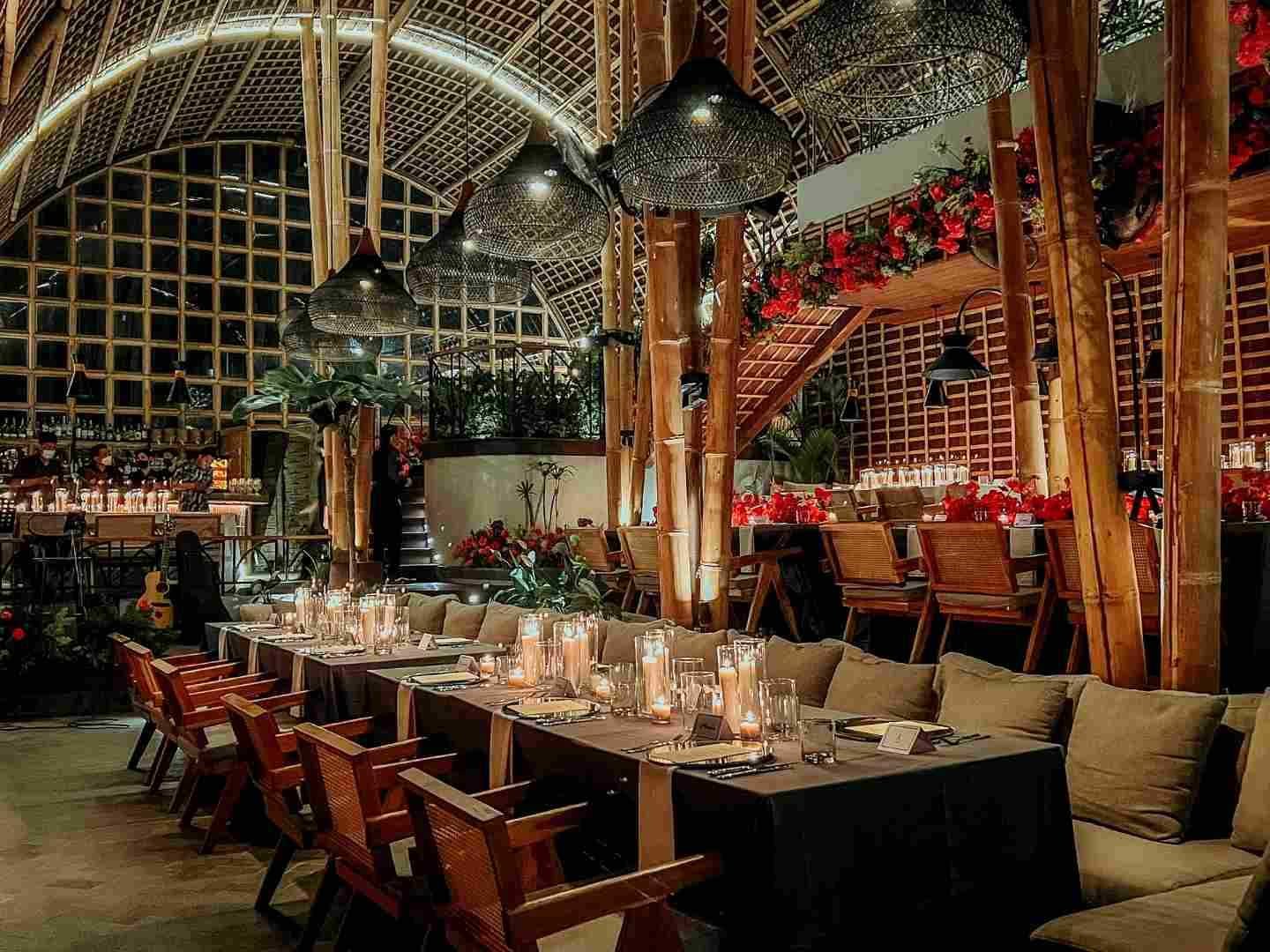
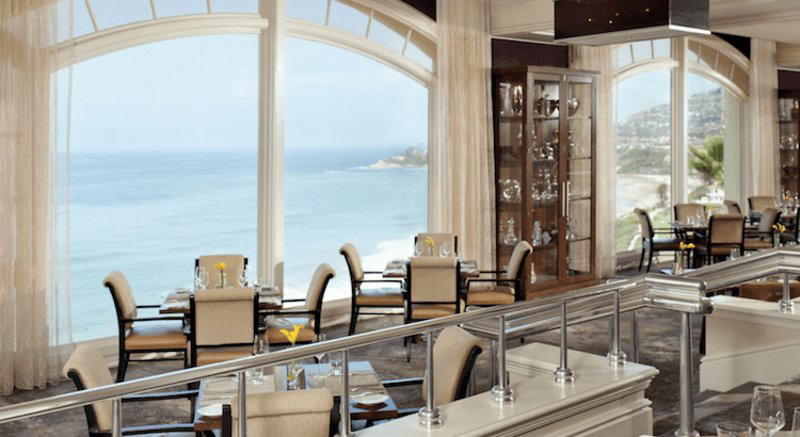
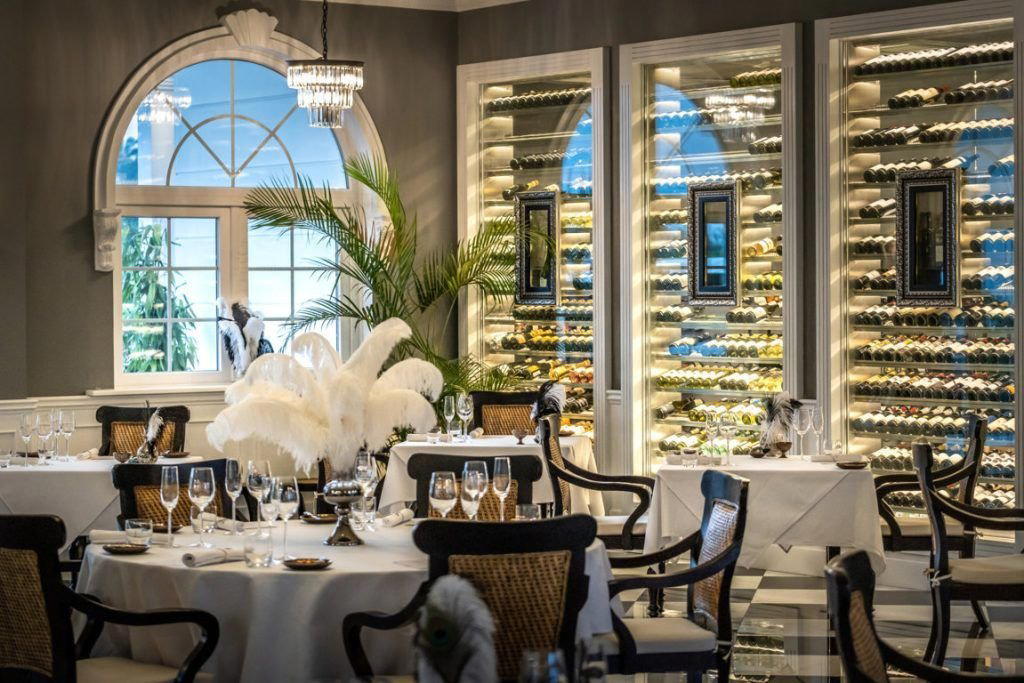
Bars in Selat
Browse all →

Camaya Terrace Restaurant
The wine
- Wine program
- Curated wine list
- Craft cocktails
Details
- Romantic
- Scenic
- Cozy
- Rustic
- Date Night
- Celebration
- Special Occasion
- Group Dining
- Casual Hangout
- Garden
- Terrace
- Panoramic View
- Design Destination
- Hotel Restaurant
- Craft Cocktails
- Local Sourcing
- Garden
- Mountain
- A La Carte
- Cocktails
- Wine
- Beer
- Non Alcoholic
- Vegetarian Friendly
- Vegan Options
- Gluten Free Options
Current opening hours
- Monday
- 7 AM–9 PM
- Tuesday
- 7 AM–9 PM
- Wednesday
- 7 AM–9 PM
- Thursday
- 7 AM–9 PM
- Friday
- 7 AM–9 PM
- Saturday
- 7 AM–9 PM
- Sunday
- 7 AM–9 PM
Hours can change for holidays and private events. Last verified .
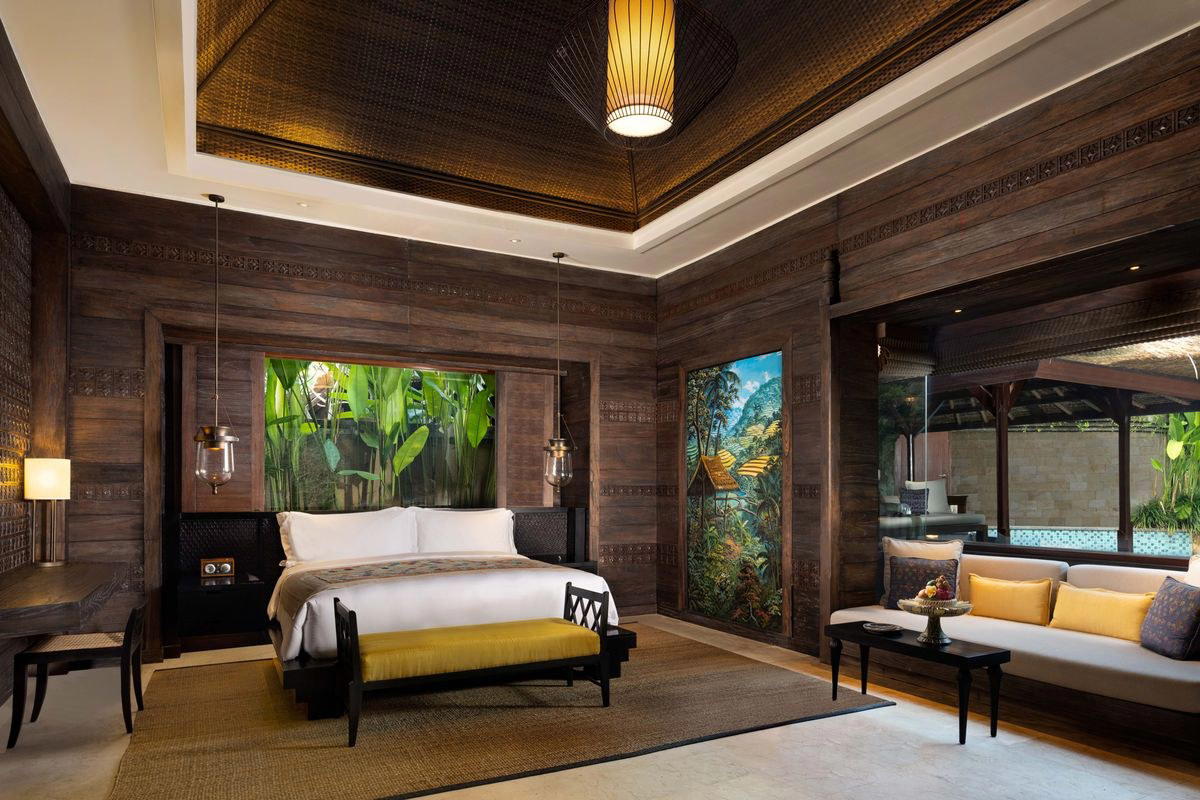
Laid-back, intimate eco-luxury atmosphere with open-air bamboo structures, natural light, and tranquil views over lush rice fields, geared toward couples and retreat guests rather than families.