Café Brochier

Michelin Bib Gourmand
Our verdict
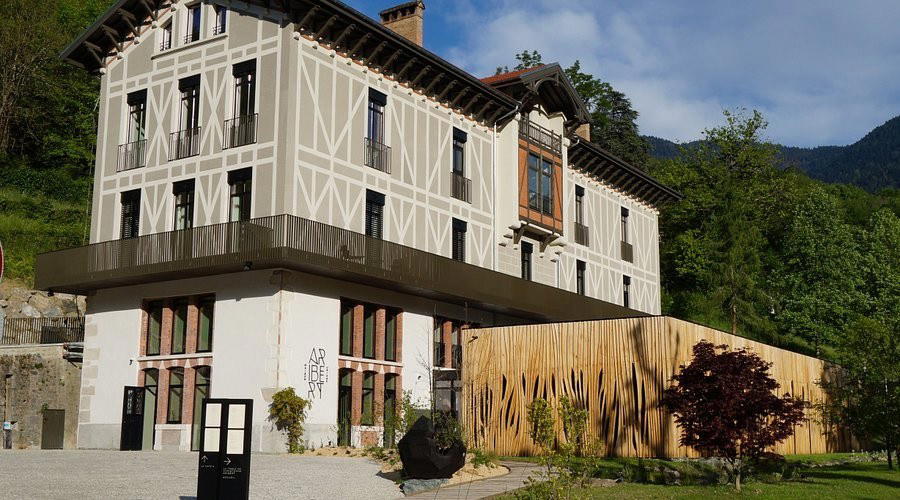
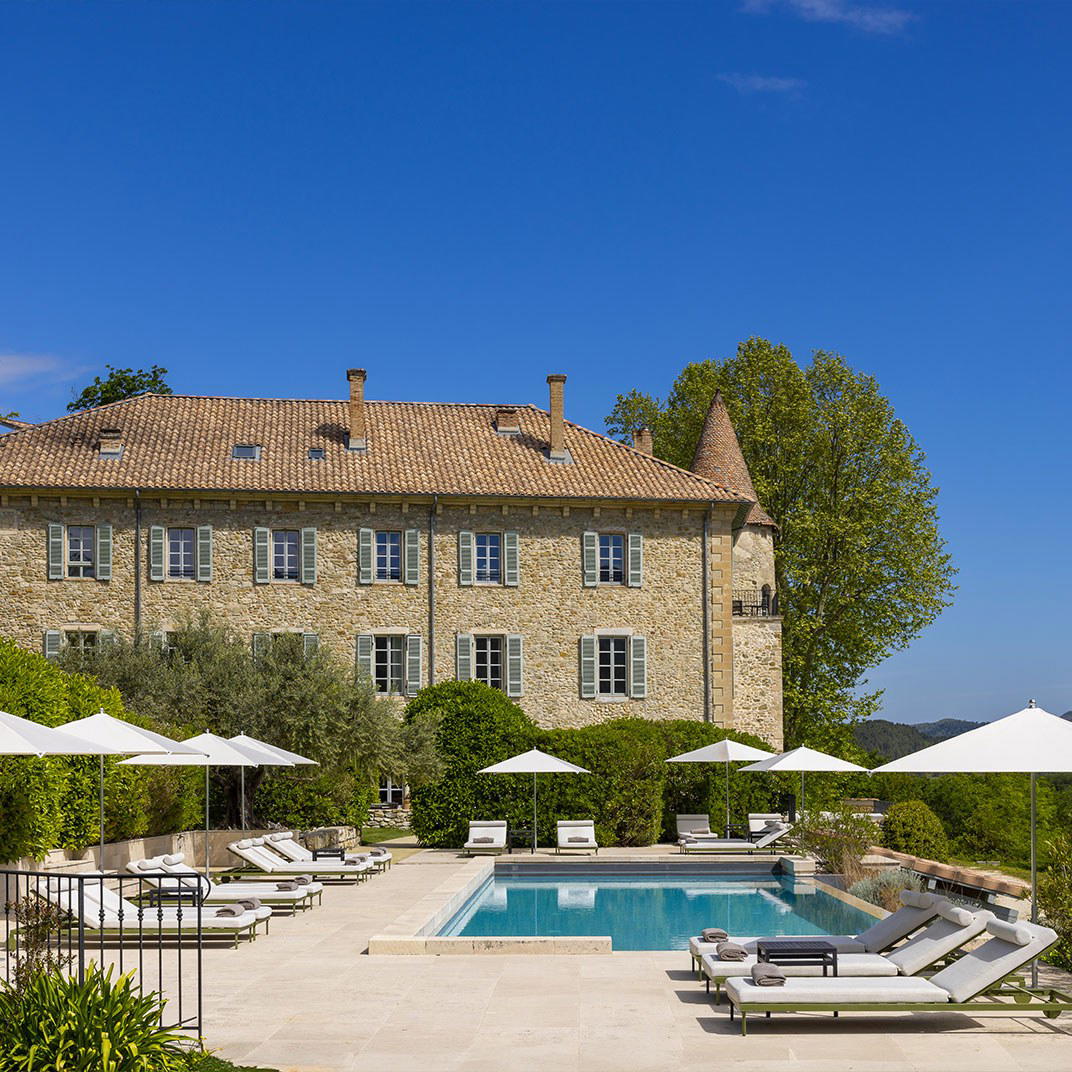
A Michelin Bib Gourmand address in the Vercors plateau village of Saint-Julien-en-Vercors, Café Brochier occupies a building that dates to 1867 and carries frescoes from 1912 on its walls. Chef Sam Lomas works a regularly changing menu built on locally sourced Vercors ingredients, with three guestrooms upstairs for those who want to stay the night.

Pearl is the En Primeur Club membership app, where members save venues, book tables and use the concierge.
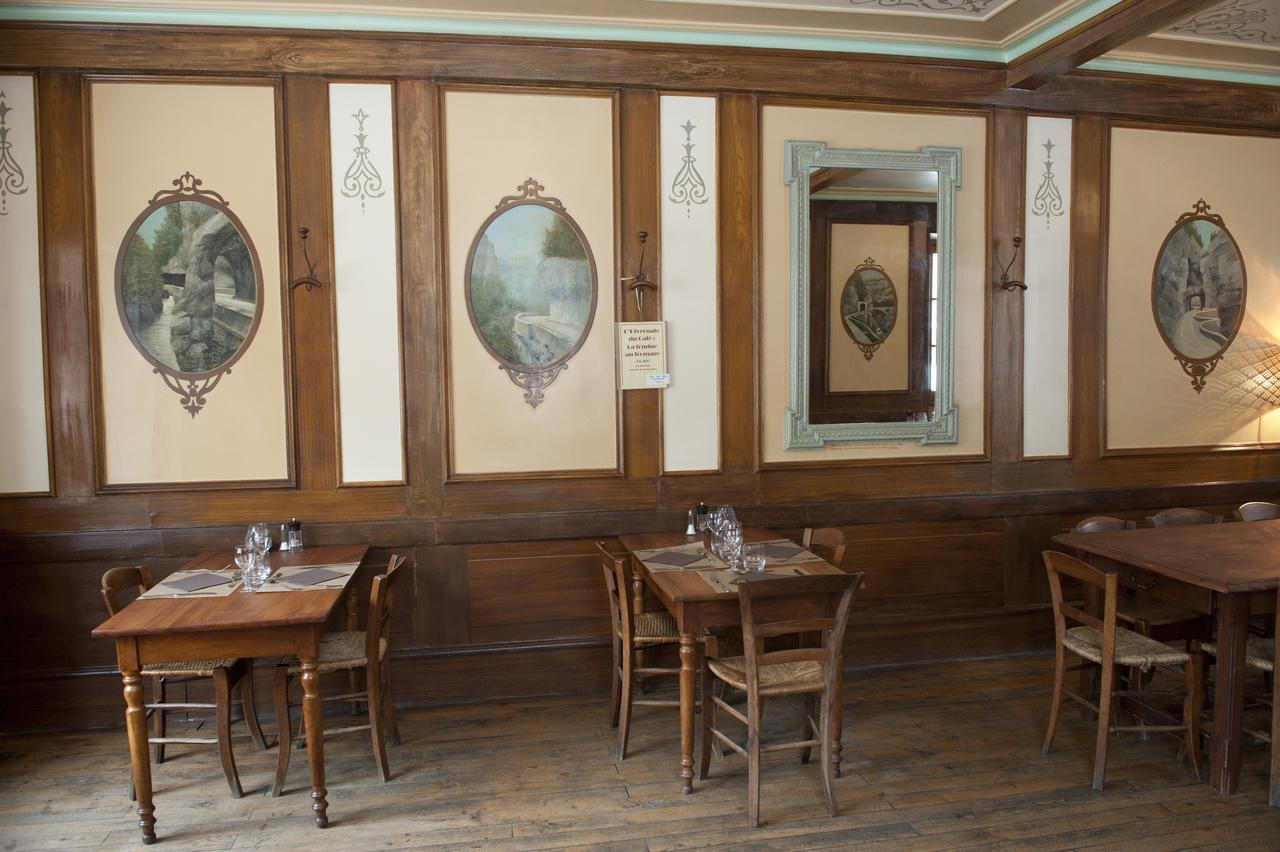
A Village Café With a 157-Year Paper Trail
Place de la Fontaine in Saint-Julien-en-Vercors is the kind of square that makes you slow down before you even reach the door. The building at number 4 has been here since 1867, and the frescoes inside, painted in 1912, have watched more than a century of daily life pass through. This is not a restaurant that chose its atmosphere from a mood board. The atmosphere preceded the restaurant by decades, and the cooking has had to earn its place inside it.
That combination of physical history and contemporary culinary intent sits at the heart of what makes Café Brochier interesting in the context of French regional dining. Across the country, the tension between heritage rooms and modern menus plays out constantly, sometimes awkwardly, sometimes with real coherence. Here, under Chef Sam Lomas, the two things seem to have found a working relationship. The menu changes regularly, driven by what the Vercors plateau produces season by season, which means the frescoes on the wall and the plate in front of you are both, in different ways, records of this specific place.
Where Café Brochier Sits in the French Regional Picture
French regional cooking at this price point, Café Brochier sits in the €€ bracket, has been quietly doing some of the most honest work in the country's dining scene. The Michelin Bib Gourmand, which the café holds as of 2024, is the guide's marker for good cooking at moderate prices, distinct from the star system and, in many ways, more useful for readers who want to eat well without the ceremony of a tasting-menu occasion.
For context, the upper end of the French fine-dining spectrum, addresses like Alléno Paris au Pavillon Ledoyen in Paris, Mirazur in Menton, or Troisgros - Le Bois sans Feuilles in Ouches, operates at a €€€€ tier with multi-course formats and significant production. The Bib Gourmand category deliberately bypasses that conversation. It asks a different question: can a kitchen in a small village deliver cooking worth travelling for, at prices that don't require forward financial planning? Café Brochier's 2024 recognition suggests the answer here is yes.
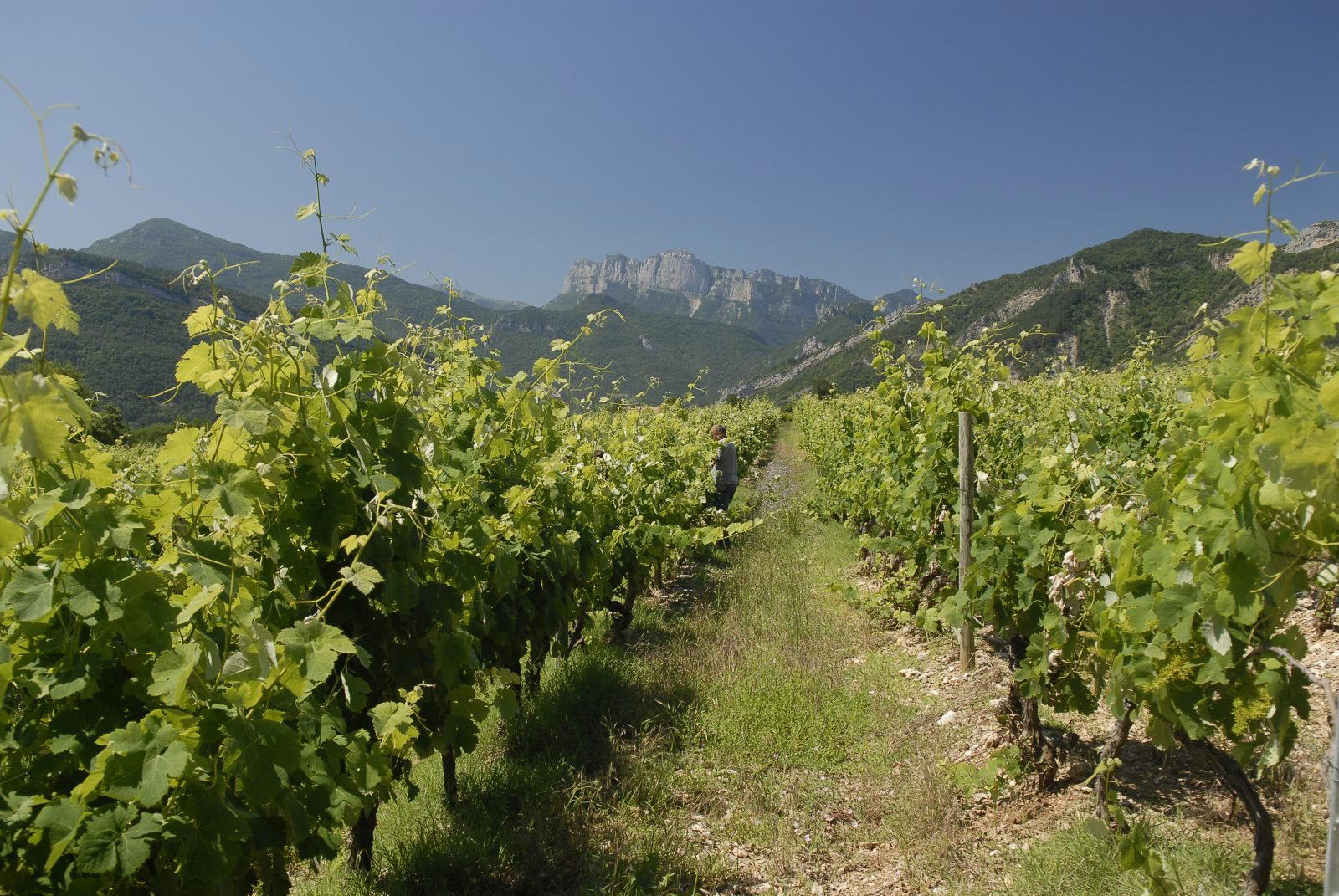
The broader French Alps and pre-Alpine corridor has produced some of France's most terrain-driven cooking. Flocons de Sel in Megève works at the starred end of that tradition, while the Vercors, less glamorous than the ski resort belt, has historically operated below the radar of the national dining press. That relative obscurity has arguably kept its leading tables honest. There is no tourist premium to extract here, no après-ski clientele to accommodate. The cooking has to make sense to the people who actually live in and around this plateau.
The Chef and the Seasonal Logic
Chef Sam Lomas works within a framework that many French regional chefs articulate in principle but fewer execute with consistency: a menu that moves with the seasons because the sourcing demands it, not because the marketing requires it. The Vercors plateau, at altitude and with its particular mix of forest, pasture, and mountain meadow, generates ingredients with genuine character. When the kitchen sources locally and changes the menu to reflect what is available, the result is a plate that can only exist at this latitude, in this season, in this building.
That kind of terrain-specificity is what separates destination-worthy regional cooking from competent provincial cooking. It is also what connects a relatively modest €€ table in a Drôme village to the broader conversation about place-based cuisine happening at addresses like Bras in Laguiole or Auberge du Vieux Puits in Fontjoncouse, where the relationship between a specific landscape and a specific kitchen is the organising principle of the whole enterprise. Lomas is working at a different scale and price point, but the underlying logic is the same.
The Michelin framing is worth noting here: the Bib Gourmand citation specifically calls out locally sourced Vercors ingredients, a regularly changing menu, and the relationship between seasonal respect, produce quality, culinary skill, and flavour. That is four distinct criteria in a single citation, an unusually specific endorsement that suggests the inspectors found the kitchen delivering on all four simultaneously, which is harder than it sounds at €€ pricing.
The Room, the Rooms, and the Logic of Staying
The practical case for treating Café Brochier as a stopping point rather than a day-trip destination is direct: three guestrooms upstairs mean you can eat dinner, sleep inside a 157-year-old building painted with early twentieth-century frescoes, and have breakfast before driving back into the Vercors. Saint-Julien-en-Vercors is a village, not a town with hotel infrastructure. The rooms above the café are a meaningful part of what the place offers, particularly for travellers using the Vercors as a walking or cycling base.
For anyone building a longer itinerary around French regional cooking at this level, the Vercors sits within reasonable driving distance of Grenoble and the Drôme valley. The combination of terrain, relative quietness compared to the Chartreuse or Belledonne massifs, and a Bib Gourmand address in the village square makes Saint-Julien-en-Vercors a coherent detour rather than an afterthought. If you are cross-referencing dining stops, other high-recognition addresses in the French regional canon, Auberge de l'Ill in Illhaeusern, Au Crocodile in Strasbourg, or Assiette Champenoise in Reims, sit in different corners of France, but collectively map out a country where serious cooking happens well outside the capital.
For planning purposes: Café Brochier is at 4 Place de la Fontaine, 26420 Saint-Julien-en-Vercors. Given the small village setting and Bib Gourmand recognition, booking ahead is advisable, particularly for weekend visits and during summer when the Vercors sees more foot traffic from hikers and cyclists. Hours and current booking methods are best confirmed directly. For a wider picture of what to eat, drink, and do in the area, see our full Saint-Julien-en-Vercors restaurants guide, our Saint-Julien-en-Vercors hotels guide, our bars guide, our wineries guide, and our experiences guide.
For readers with an appetite for the starred end of modern French cooking, the contrast between Café Brochier and addresses like AM par Alexandre Mazzia in Marseille, Paul Bocuse - L'Auberge du Pont de Collonges in Collonges-au-Mont-d'Or, or further afield at Frantzén in Stockholm and FZN by Björn Frantzén in Dubai is instructive. Those kitchens are operating with entirely different budgets, formats, and audience expectations. What Café Brochier represents is a different proposition: a building with genuine age, a kitchen with genuine local roots, and a Michelin endorsement that validates both.
Frequently asked questions
Would Café Brochier be comfortable with kids?
What's the vibe at Café Brochier?
What should I eat at Café Brochier?
How It Stacks Up
| Venue | Cuisine | Price | Awards | Notes |
|---|---|---|---|---|
| Café BrochierThis venue (the venue you are viewing) | Seasonal French Bistro | $30–50 | Michelin Bib Gourmand | Not listed |
| Alléno Paris au Pavillon Ledoyen | Modern French Fine Dining | $150–200 | 3 Michelin Stars · World's 50 Best #79 | Creative |
| Kei | Contemporary French, Modern Cuisine | Not listed | Michelin 3 Star | Not listed |
| L'Ambroisie | Classic French Haute Cuisine | $300–500 | 2 Michelin Stars · World's 50 Best #23 | French, Classic Cuisine |
| Le Cinq - Four Seasons Hôtel George V | Modern French Fine Dining | $300–500 | 3 Michelin Stars · World's 50 Best #24 | French, Modern Cuisine |
| Plénitude | Modern French Sauce-Led Fine Dining | $300–500 | 3 Michelin Stars · World's 50 Best #14 | Contemporary French |
Recognition history
Dated appearances from independent guides and award organizations, with the underlying list record or original source where available.
Michelin Bib Gourmand
Michelin
Full recognition history (3 entries)
Michelin Bib Gourmand
Michelin
Michelin Bib Gourmand
Michelin
Continue exploring
More in Saint-Julien-en-Vercors
Restaurants in Saint-Julien-en-Vercors
All restaurants in Saint-Julien-en-Vercors →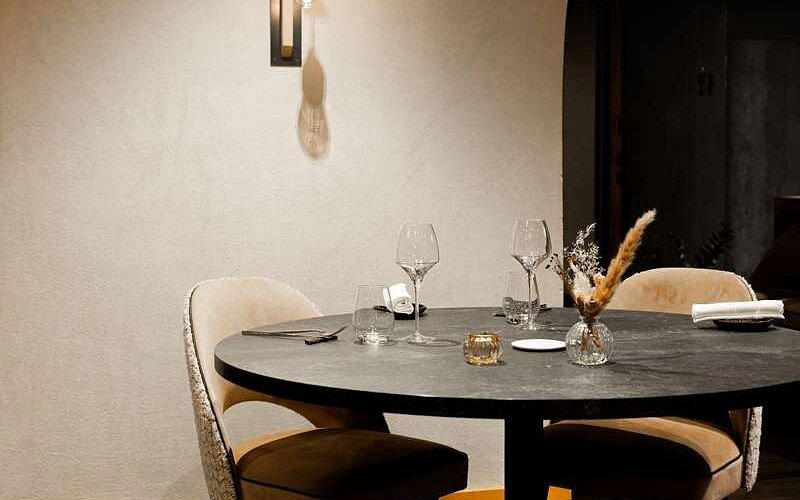
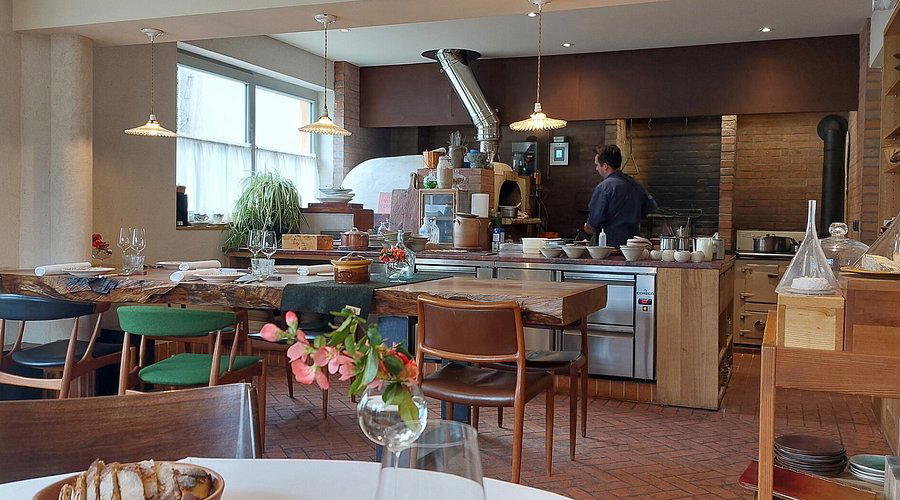
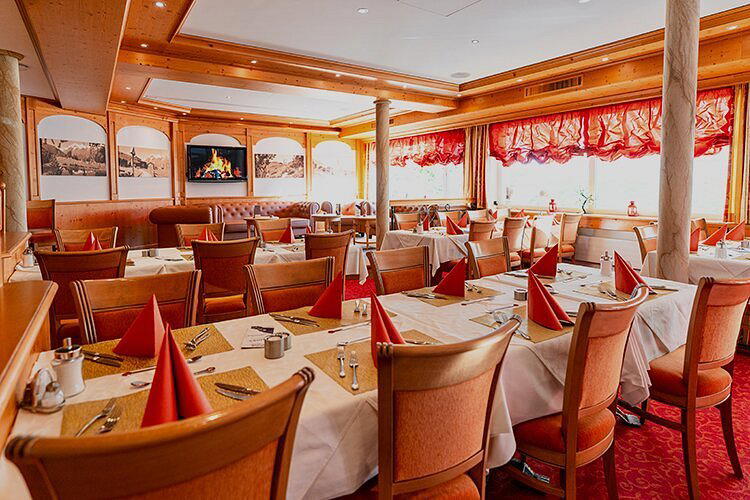
Hotels in Saint-Julien-en-Vercors
Browse all →

Details
- Cozy
- Rustic
- Intimate
- Casual Hangout
- Family
- Garden
- Historic Building
- Natural Wine
- Local Sourcing
- Garden
- Mountain
- A La Carte
Current opening hours
- Monday
- 8 AM–3 PM
- Tuesday
- Closed
- Wednesday
- Closed
- Thursday
- 6–10 PM
- Friday
- 8 AM–3 PM, 6–10 PM
- Saturday
- 8 AM–3 PM, 6–10 PM
- Sunday
- 8 AM–3 PM, 6–10 PM
Hours can change for holidays and private events. Hours as of .
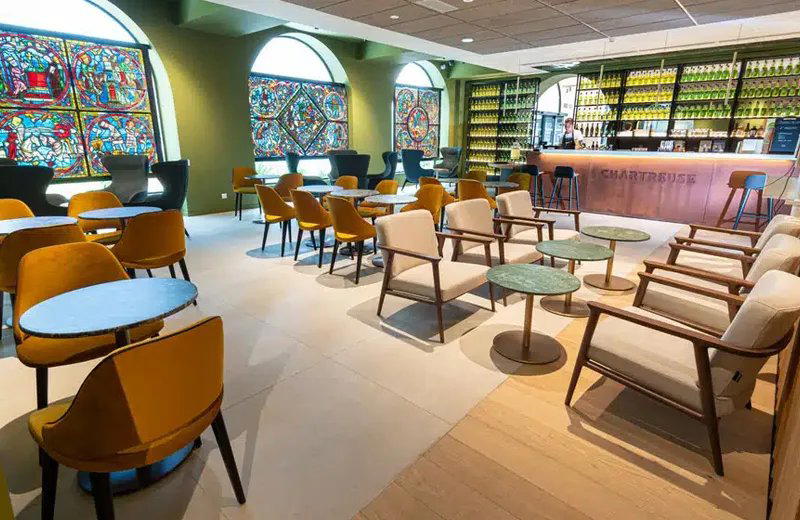
Relaxed and familial atmosphere in a parquet-floored room with century-old frescoes, cozy by the fireplace in winter, or in the flowery garden in summer.