Byblos Beach

A Michelin Plate-recognised address on the Ramatuelle coastline, Byblos Beach delivers Mediterranean cuisine with the kind of beach-club confidence that defines high-season Saint-Tropez dining. The kitchen leans on the olive-oil-driven flavours of Provence and the Ligurian coast, earning consistent recognition across 2024 and 2025.
Pearl is the En Primeur Club membership app — saves, bookings, and concierge access live there. Same editors, same standards.
- Address
- Byblos Beach, Ramatuelle, PAC, France
- Phone
- +33 4 94 43 15 00
- Website
- byblos-beach.com
- Directions
- Get directions
 Saves & bookings on Pearl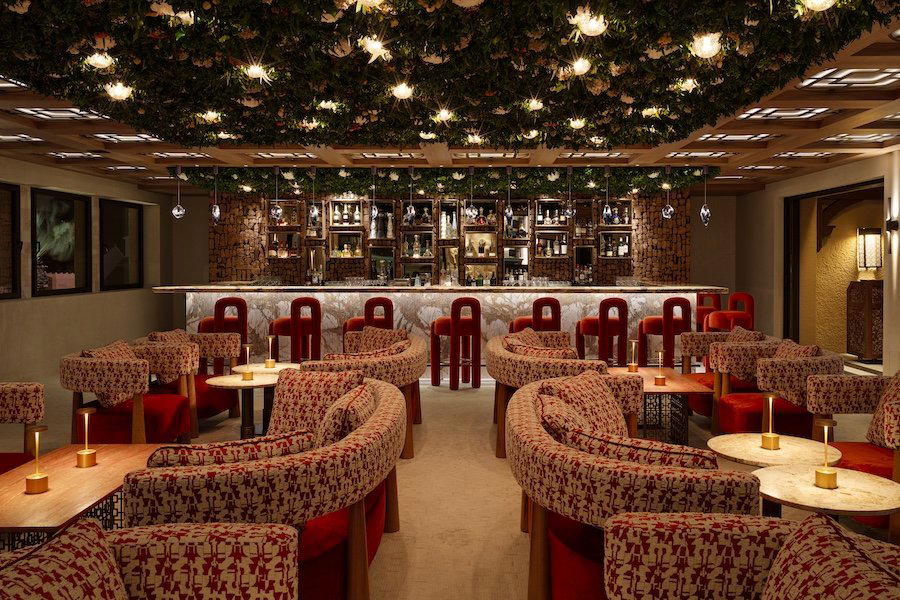
Where the Côte d'Azur Sets Its Table
The approach to any serious beach restaurant on the Saint-Tropez peninsula involves a particular choreography: the crunch of gravel or sand underfoot, the smell of salt air competing with olive oil and rosemary on a flat-leading grill, the visual noise of parasols and bronzed linen. Byblos Beach, on the Ramatuelle stretch of the peninsula, is a restaurant serving Refined Mediterranean Beach Cuisine and priced at about $75 per person. That consecutive recognition matters less as a star-counting exercise and more as a signal: this is a kitchen the Michelin inspectors found worth returning to, in a coastal category where the guide is selective.
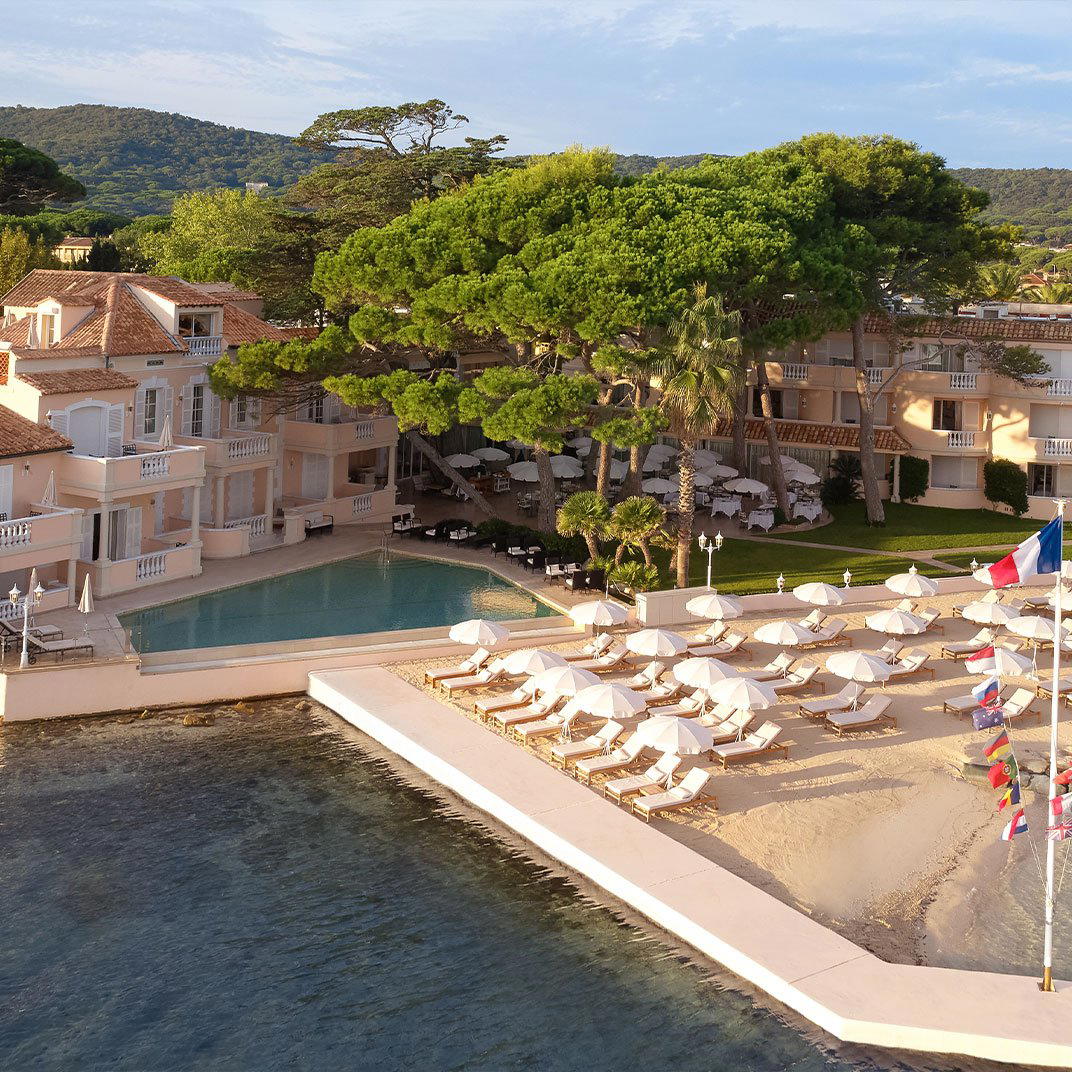
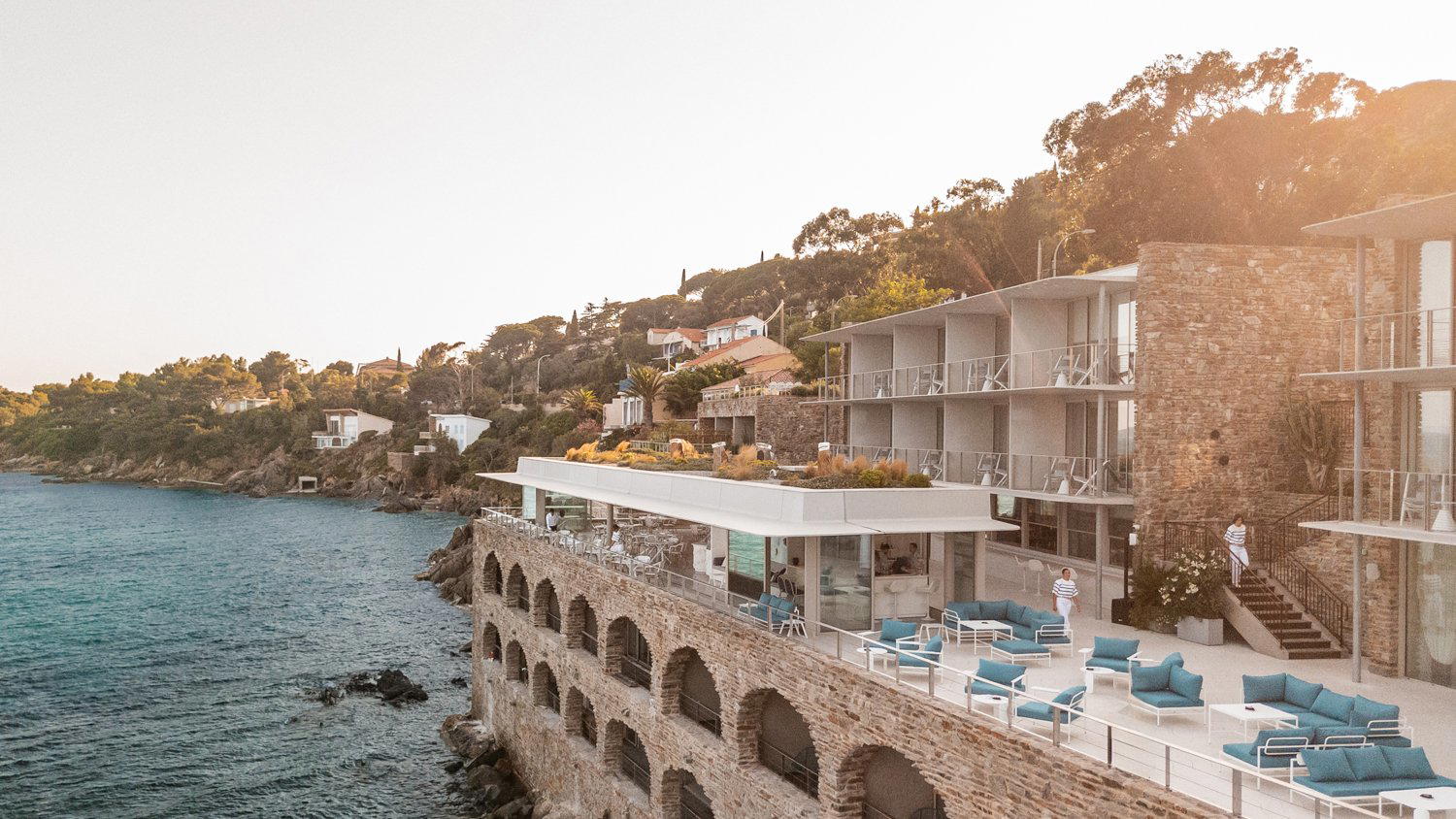
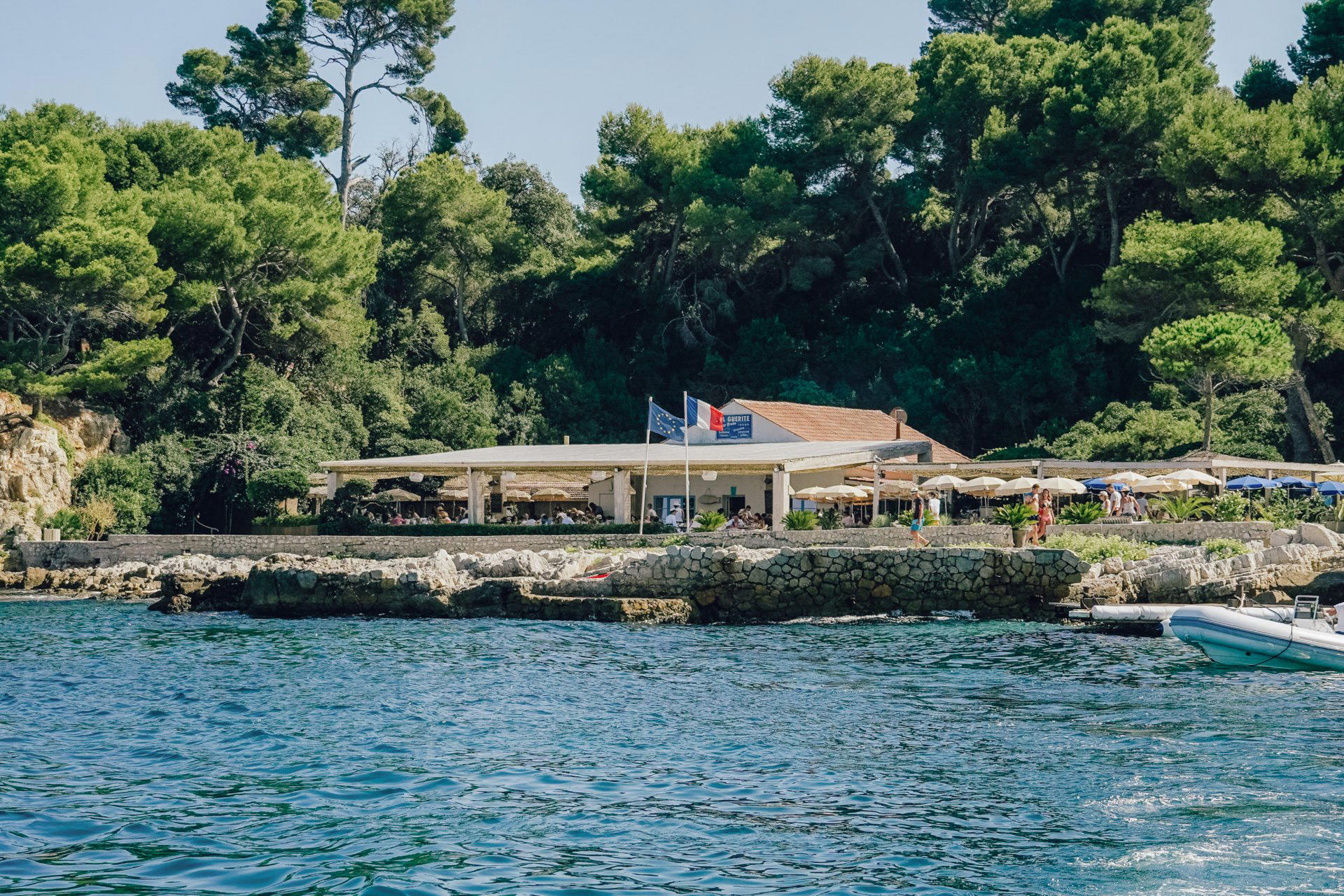
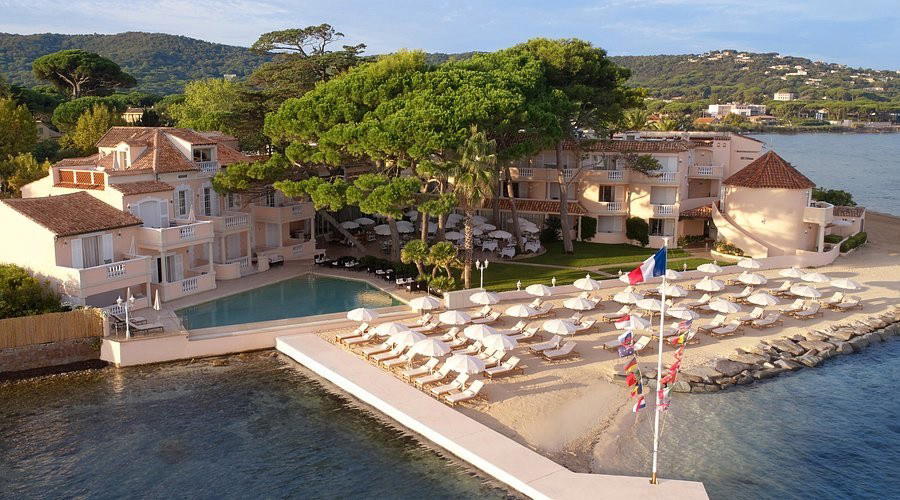
Byblos Beach occupies a specific seasonal beach setting on the peninsula.
The Olive Oil Foundation of Provençal Coastal Cooking
Mediterranean cuisine is a term applied carelessly across a wide band of cooking, but in Provence and along the Ligurian-influenced coastline of the Var, it has a more specific meaning. The structural ingredient is olive oil: not as a finishing drizzle or a garnish, but as the cooking medium and flavour base around which fish, vegetables, and legumes are built. The great AOP olive oils of Provence, from Les Baux and the Vallée des Baux, carry flavour profiles ranging from green-fruit and artichoke to ripe almond and black olive paste, and a kitchen serious about its Mediterranean identity makes deliberate choices about which expression appears in which preparation.
This is the culinary tradition that frames the Byblos Beach kitchen. The Var coastline, with access to the fishing ports of Saint-Tropez and Sainte-Maxime as well as the market gardening of the Hinterland Varois, gives kitchens at this level a credible local sourcing argument. Provençal coastal cooking at its more considered end uses olive oil not only for heat but for emulsification, aioli, tapenade, pissaladière bases, the slow-cooked vegetable preparations that run through the cuisine from Marseille to Menton. Its Michelin recognition suggests a kitchen applying that tradition with consistency and craft.
The broader southern French context is worth holding in mind. The region's most decorated tables, Mirazur in Menton at one end, AM par Alexandre Mazzia in Marseille at another, represent the ceiling of what the Mediterranean south produces. The restaurant operates in a different register: seasonal, beach-anchored, built for the high-summer context of the Saint-Tropez peninsula rather than for the controlled environment of a year-round gastronomic room. That is not a limitation so much as a distinct format, and the Michelin Plate signals the guide's recognition of it as a successful one. For comparison, restaurants at other points of France's Mediterranean-adjacent cooking tradition, including La Brezza in Ascona, demonstrate how olive-oil-led cooking travels across the arc of the northern Mediterranean without losing its structural logic.
Reading the Rating
High-traffic seasonal venues, serving large numbers of holidaymakers in compressed summer windows, often see ratings skewed by service friction during peak weeks. A 4.3 held across that volume suggests a floor of quality that the kitchen maintains even under pressure. Its Michelin recognition points to consistent cooking.
France's Michelin infrastructure is dense with comparison points. A Plate in the south of France competes with the company of rooms like Flocons de Sel in Megève or the sustained legacy institutions such as Auberge de l'Ill in Illhaeusern and Bras in Laguiole. The beach-restaurant format is a harder context in which to earn and hold recognition, seasonal closures, weather variables, and a dining public that often prioritises setting over cooking, which makes the consecutive recognition marginally more notable than the same award might be in a controlled urban environment.
Ramatuelle in the Wider Saint-Tropez Context
Ramatuelle sits south of Saint-Tropez town, on a peninsula that concentrates particularly expensive seasonal dining in France during July and August. The village itself, perched inland, is quiet and medieval; the coastline is where the restaurant action concentrates, from the sandy stretches of Pampelonne toward the more sheltered inlets near the Cap. The restaurant occupies a coastal position that connects it to the beach-club dining tradition of the peninsula, a format that has evolved considerably since the 1960s, when Saint-Tropez first established itself as a destination for that kind of sun-and-table combination.
For visitors building an itinerary, the peninsula's dining options now cover a genuinely wide range. The Mediterranean-cuisine tier at €€€€ includes Arnaud Donckele and Maxime Frédéric at Louis Vuitton in Saint-Tropez, operating at stronger examples from the region's ambition. Further up the French Atlantic and inland, the country's gastronomic anchor points, Alléno Paris au Pavillon Ledoyen, Troisgros in Ouches, Paul Bocuse in Collonges-au-Mont-d'Or, operate in a completely different idiom. The restaurant belongs to a specifically southern, specifically coastal chapter of French dining, and should be read on those terms.
Planning Your Visit
The restaurant operates as a seasonal venue in the Saint-Tropez peninsula's peak-travel window, which runs from late June through August, with shoulder weeks in May, early June, and September carrying more availability and cooler temperatures. The €€€ price positioning places it below the peninsula's most expensive addresses, making it a practical choice for a lunch or dinner where the setting and a reliable kitchen both matter, without the full commitment of the upper-tier tables. Booking ahead during July and August is effectively mandatory for any Ramatuelle coastal restaurant with Michelin recognition; the demand-supply ratio at that time of year is compressed.
Comparison Snapshot
Comparable venues nearby, for context on price, style, and recognition.
| Venue | Cuisine | Price | Awards | Notes |
|---|---|---|---|---|
| Byblos BeachThis venue — the venue you are viewing | Refined Mediterranean Beach Cuisine | $$$$ | Michelin Plate | Not listed |
| Chez Camille | Traditional Mediterranean Bouillabaisse & Grilled Seafood | $$$$ | Not listed | Bonne Terrasse |
| Jardin Tropezina | Mediterranean Riviera Cuisine | $$$$ | Michelin Plate | Pampelonne |
| Nikki Beach St. Tropez | Mediterranean Coastal Cuisine with Sushi | $$$$ | Not listed | Pampelonne Beach |
| La Réserve à la Plage | Mediterranean Riviera | $$$$ | Michelin Plate | Pampelonne Beach, Ramatuelle |
| Le 1051 | Mediterranean Beach Bistro | $$$ | Not listed | Plage de Pampelonne |
Recognition history
Dated appearances from independent guides and award organizations, with the underlying list record or original source where available.
Michelin Plate
Michelin
Michelin Plate
Michelin
Michelin Plate
Michelin
Continue exploring
More in Ramatuelle
Restaurants in Ramatuelle
Browse all →
Bars in Ramatuelle
Browse all →
Hotels in Ramatuelle
Browse all →

At a Glance
- Elegant
- Scenic
- Sophisticated
- Celebration
- Family
- Waterfront
- Terrace
- Live Music
- Extensive Wine List
- Local Sourcing
- Waterfront
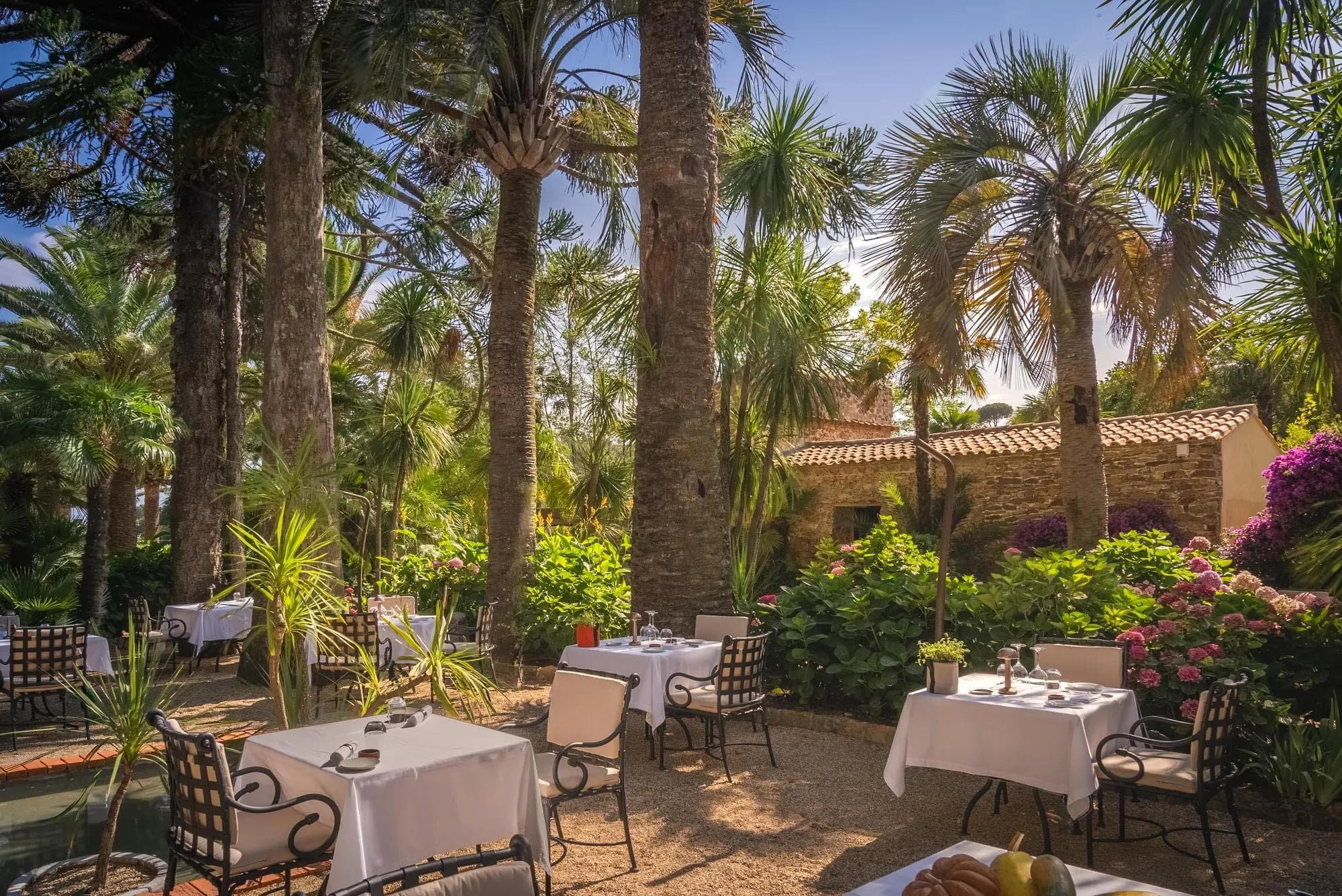
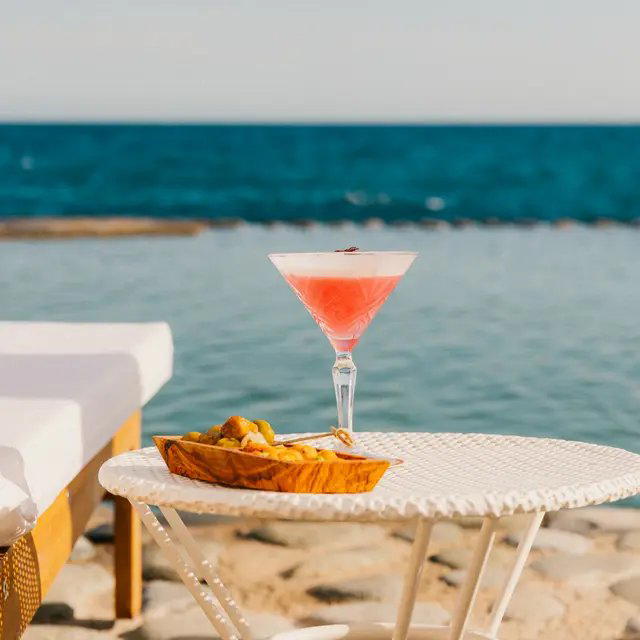
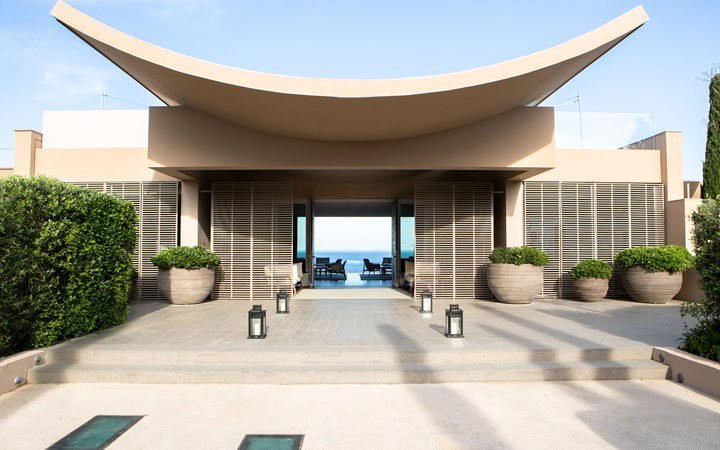
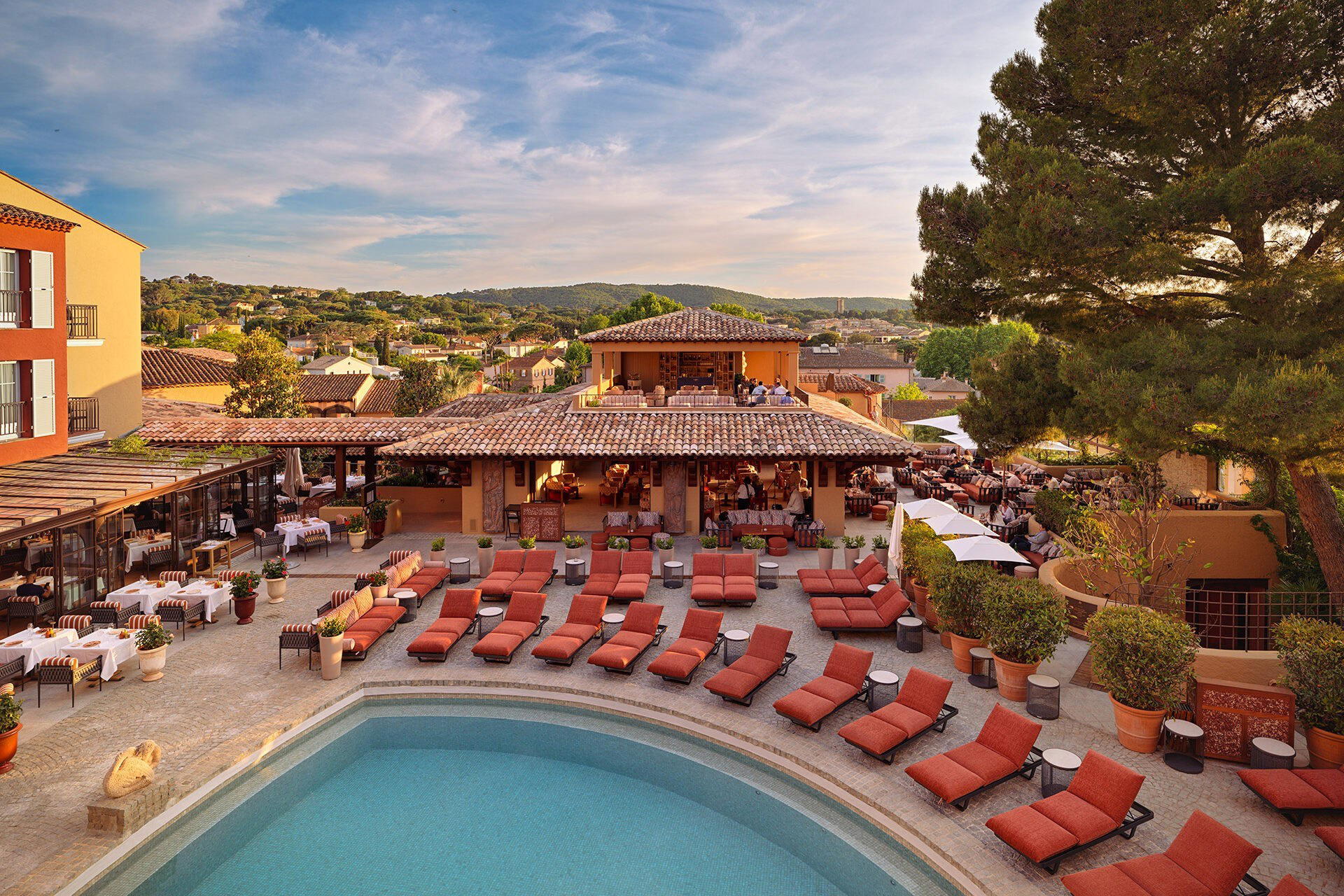
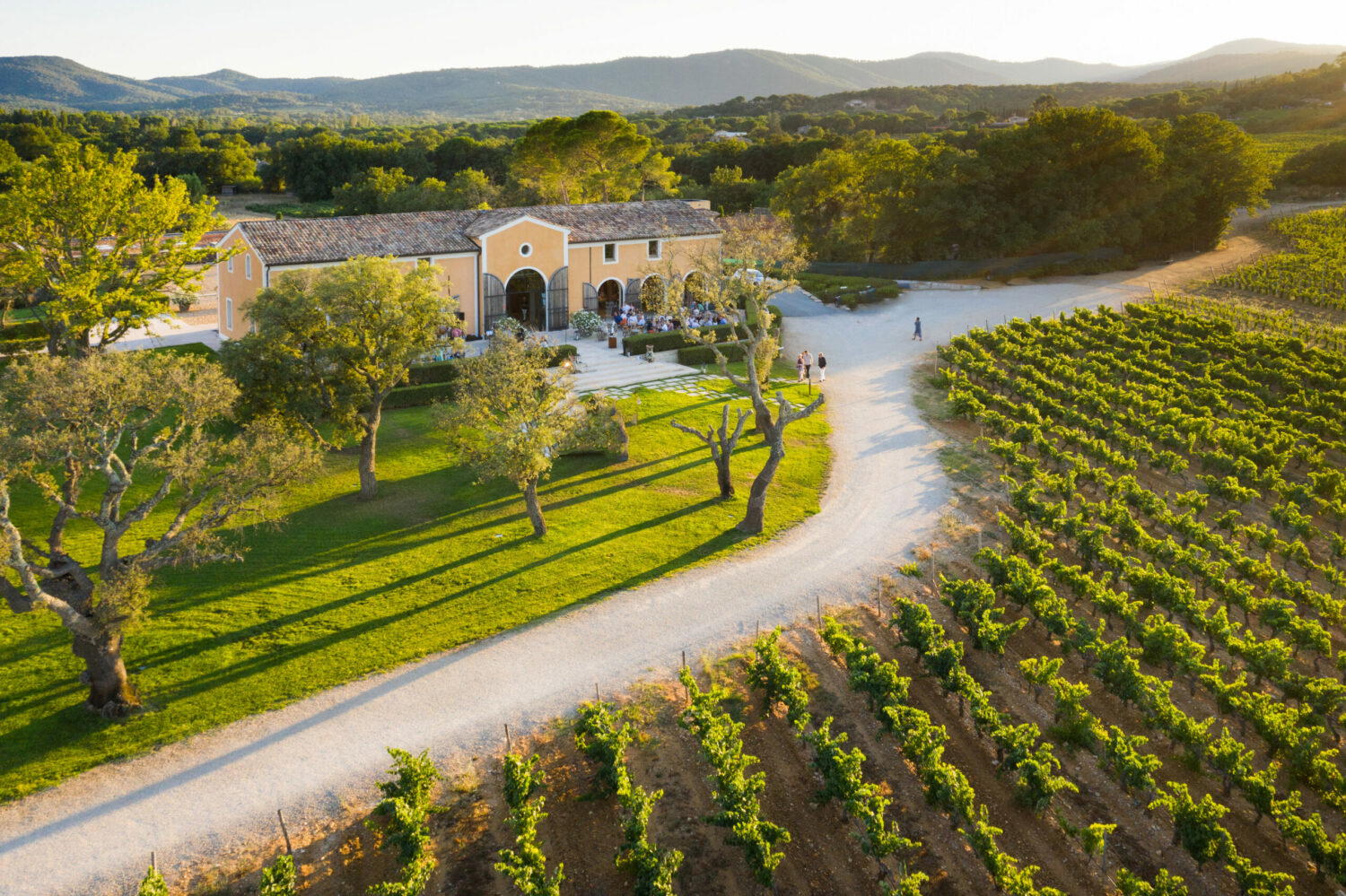
Breezy upscale atmosphere with natural wood tones, flowing fabrics, shaded terraces, and the soothing sound of waves.