Our verdict
A wood-fire restaurant in Ipatinga's Horto district, Buoni Amici à lenha brings live-flame cooking to a city better known for steel than gastronomy. The name signals warmth and friendship, the method signals intent: cooking over wood is a commitment to process that most urban restaurants in Minas Gerais have abandoned. For a mid-sized industrial city, that choice carries weight.

Pearl is the En Primeur Club membership app, where members save venues, book tables and use the concierge.
The menu
What to order
- Bruschetta pizza
- Pizza rustica
- Monkfish
Wood Fire in an Industrial City
Ipatinga sits in the Vale do Aço, the steel valley of Minas Gerais, a region whose identity was built by metallurgy rather than agriculture. Yet Minas Gerais as a whole carries one of Brazil's most coherent regional food traditions: slow-cooked pork, hand-ground corn, wood-fired ovens, and an instinct for technique that predates modern restaurant culture by generations. Buoni Amici à lenha, on Avenida Castelo Branco in the Horto neighbourhood, draws from that older playbook. The name translates roughly as good friends over firewood, and the format signals exactly that: cooking over live fire, the kind of commitment to a single heat source that most mid-sized Brazilian cities have quietly retired in favour of gas and convenience.
Wood-fire cooking is not a trend in Minas Gerais; it is a return. The fogão a lenha, the wood-burning stove, remains the reference point for how food is supposed to taste in the state's interior, and restaurants that maintain it occupy a specific position in the local dining hierarchy: closer to the grandmother's kitchen than to the contemporary restaurant, but valued precisely for that reason. In a city like Ipatinga, where the dining scene skews heavily toward churrascarias, pizza chains, and fast-casual delivery, a restaurant that commits to wood fire as its defining method is making a statement about sourcing, patience, and the kind of guest it wants to attract.
The Logic of Fire and What It Demands of Ingredients
The choice to cook over wood is inseparable from ingredient sourcing. Live-fire cooking exposes produce to a degree of scrutiny that gas burners obscure: a mediocre cut of meat, a vegetable with no real flavour, a dough made with weak flour will not survive the heat of burning wood with anything left to recommend it. This is why wood-fire restaurants, from the celebrated open-hearth kitchens of São Paulo's upper dining tier to the simpler operations of the Minas interior, tend to source with more deliberateness than their peers. The fire demands it.
In the Minas Gerais context, that sourcing logic typically connects to the state's agricultural interior: small producers raising pork and cattle under conditions that differ sharply from the industrial supply chains serving urban restaurants, farms growing heirloom corn varieties for hand-ground flour, and the kind of seasonal produce availability that makes a fixed menu difficult to sustain year-round. Restaurants like Buoni Amici à lenha, operating in the wood-fire tradition, sit within this sourcing ecosystem whether by formal commitment or by practical necessity. The fire sets the standard; the ingredients have to meet it.
This is the logic that distinguishes the better wood-fire operations in interior Brazil from their urban counterparts. At the top end of Brazil's modern dining scene, venues like Oteque in Rio de Janeiro and D.O.M. in São Paulo have built reputations on sourcing provenance as a primary editorial statement. In smaller cities, the same principle operates quietly, without the press infrastructure, but with the same underlying demand from the cooking method itself.
Horto and the Neighbourhood Context
The Horto neighbourhood in Ipatinga occupies a residential tier of the city that tends to attract the kind of restaurant that relies on return visits rather than tourist traffic. Avenida Castelo Branco, where Buoni Amici à lenha sits at number 240, runs through a district that serves a local clientele: families, professionals from the steel industry's administrative class, and residents who treat dining out as a weekly ritual rather than a special occasion. That demographic shapes what a wood-fire restaurant can be in this context: informal enough for a regular Tuesday dinner, considered enough that the choice of heat source means something.
The address puts it within the broader Ipatinga dining cluster. For context on the wider restaurant scene in the city, the full Ipatinga restaurants guide maps the options across neighbourhoods and price points. Nearby, Gran Gelato represents the lighter, dessert-end of the local offering, while Kejo's Burger Delivery signals the city's strong appetite for casual, delivery-first formats. Buoni Amici à lenha sits in a different register from both.
How It Sits in the Minas Gerais Dining Picture
Minas Gerais has produced a generation of serious restaurants operating outside the São Paulo and Rio de Janeiro press bubble. Birosca S2 in Belo Horizonte represents the state capital's more experimental end. But beyond the capital, the interior cities of Minas carry a different dining character: less interested in cosmopolitan signalling, more anchored in regional technique and local ingredient cycles. Buoni Amici à lenha operates in that interior register.
Across Brazil more broadly, the renewed interest in fire-based cooking has reached venues operating at very different scales and price points. Orixás in Itacaré connects similar instincts to Bahian ingredient traditions. Mina in Campos do Jordão works within a mountain-resort context where wood fire carries different seasonal logic. Further afield, venues like Manga in Salvador and Manu in Curitiba demonstrate how Brazilian regional cooking is diversifying its reference points without abandoning fundamental technique. The common thread is an insistence on method over convenience, which is precisely what the wood-fire commitment at Buoni Amici à lenha represents at the local scale.
Internationally, the same conviction drives celebrated open-hearth programs at places like Lazy Bear in San Francisco, where fire-as-method has become an editorial identity in its own right. The ambition differs by category and city; the underlying logic does not.
Planning a Visit
Buoni Amici à lenha is reachable at Avenida Castelo Branco, 240, in the Horto district of Ipatinga, Minas Gerais. Contact for reservations and current hours is available via the WhatsApp number listed on the venue's public address record: (13) 99704-5637. In a neighbourhood restaurant of this type in an interior Minas city, the practical advice is to call or message ahead rather than assume walk-in availability, particularly for weekend evenings when wood-fire operations of limited capacity tend to fill early. No website is currently listed for the venue, which is consistent with the informal, community-first character that defines this category of dining in interior Brazil.
For broader context on how Brazilian interior dining compares to the country's more decorated operations, the range runs from accessible neighbourhood formats like this one through to the high-commitment tasting-menu tier represented by venues such as Olivetto in Campinas, Primrose in Gramado, or the reference-level precision of Le Bernardin in New York City. Buoni Amici à lenha belongs to an altogether different tier, one where the measure of quality is not awards or critic coverage but fidelity to a cooking method that the region's food culture has used for centuries.
Frequently asked questions
Would Buoni Amici à lenha be comfortable with kids?
The Horto neighbourhood in Ipatinga draws restaurants built around repeat local visitors, which typically means a relaxed, residential atmosphere rather than a formal one. That kind of setting tends to accommodate families without friction. For specific seating arrangements or high-chair availability, check the venue's official channels via WhatsApp at (13) 99704-5637 before visiting.
What's the overall feel of Buoni Amici à lenha?
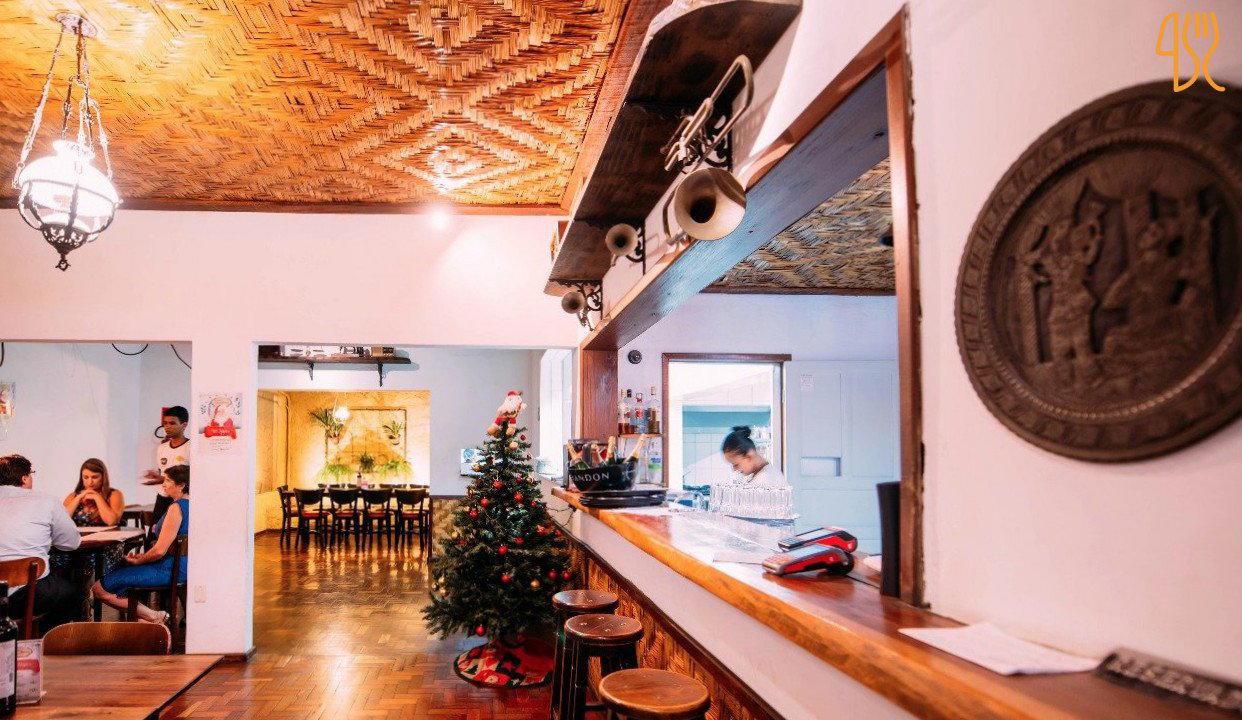
Situated on Avenida Castelo Branco in Ipatinga's Horto district, the restaurant reads as a neighbourhood-rooted spot rather than a destination showcase. Wood-fire cooking shapes the room's rhythm, the kitchen is an active presence, not background infrastructure. It occupies the same space in the local dining picture that serious regional restaurants hold in Minas Gerais cities outside the São Paulo press circuit.
What makes Buoni Amici à lenha distinct from other restaurants in the Vale do Aço region?
Ipatinga was shaped by steel industry rather than agricultural tradition, which makes a kitchen committed to wood-fire cooking, lenha, a deliberate counter-statement to the city's industrial identity. Most dining options in the Vale do Aço serve the city's working population without particular culinary focus; Buoni Amici à lenha operates on Avenida Castelo Branco, 240, with a defined technique at its centre. That specificity places it closer to the generation of ingredient-led Minas Gerais restaurants than to generic urban dining in a mid-size Brazilian industrial city.
What should I eat at Buoni Amici à lenha?
The defining principle here is live-fire cooking over wood, which means anything that passes through that kitchen is shaped by the constraints and character of the fire. Minas Gerais cuisine already leans toward ingredient-forward preparations, and cooking à lenha intensifies that logic, smoke and char become part of the dish, not decoration. For current menu offerings and seasonal availability, reach the venue on WhatsApp at (13) 99704-5637.
How do I find Buoni Amici à lenha?
Buoni Amici à lenha is located at ZAP (13) 99704-5637 - Av. Castelo Branco, 240 - Horto, Ipatinga - MG, 35160-294, Brazil, Ipatinga.
Do they take walk-ins at Buoni Amici à lenha?
Restaurants in residential Ipatinga neighbourhoods like Horto often operate with limited covers, which can make walk-in seats tight on busier evenings. The safest approach is to contact Buoni Amici à lenha directly via WhatsApp at (13) 99704-5637 to check availability before arriving.
Fast Comparison
Comparable venues nearby, for context on price, style, and recognition.
| Venue | Cuisine | Price | Notes |
|---|---|---|---|
| Buoni Amici à lenhaThis venue (the venue you are viewing) | Wood-Fired Italian Pizza | Not listed | Not listed |
| Gran Gelato | Artisan Italian Gelateria | $1–10 | Cidade Nobre |
| Kejo's Burger Delivery | Burger Delivery | $1–10 | Ipatinga |
| Anella Ristorante | Traditional Italian with Artisanal Pasta | $20–30 | Santa Amélia |
| Cantina Giulietta | Traditional Italian Trattoria | Not listed | Centro |
| Spaghetti Trattoria - Vila Velha | Italian Trattoria | $20–30 | Praia da Costa |
Continue exploring
More in Ipatinga
Restaurants in Ipatinga
All restaurants in Ipatinga →
Details
- Rustic
- Cozy
- Casual Hangout
- Family
- Open Kitchen
- Extensive Wine List
- A La Carte
Current opening hours
- Monday
- Closed
- Tuesday
- 6–11 PM
- Wednesday
- 6–11 PM
- Thursday
- 6–11 PM
- Friday
- 6–11 PM
- Saturday
- 6–11 PM
- Sunday
- 6–11 PM
Hours can change for holidays and private events. Hours as of .
Pleasant and inviting atmosphere.