Buffalo Chophouse
Our verdict
On Franklin Street in downtown Buffalo, Buffalo Chophouse occupies the kind of address that signals serious intent before you reach the door. The chophouse format carries a specific tradition in American dining, one that Buffalo's food scene engages with on its own terms. For those working through the city's steakhouse tier, this is a relevant stop.

Pearl is the En Primeur Club membership app, where members save venues, book tables and use the concierge.
The menu
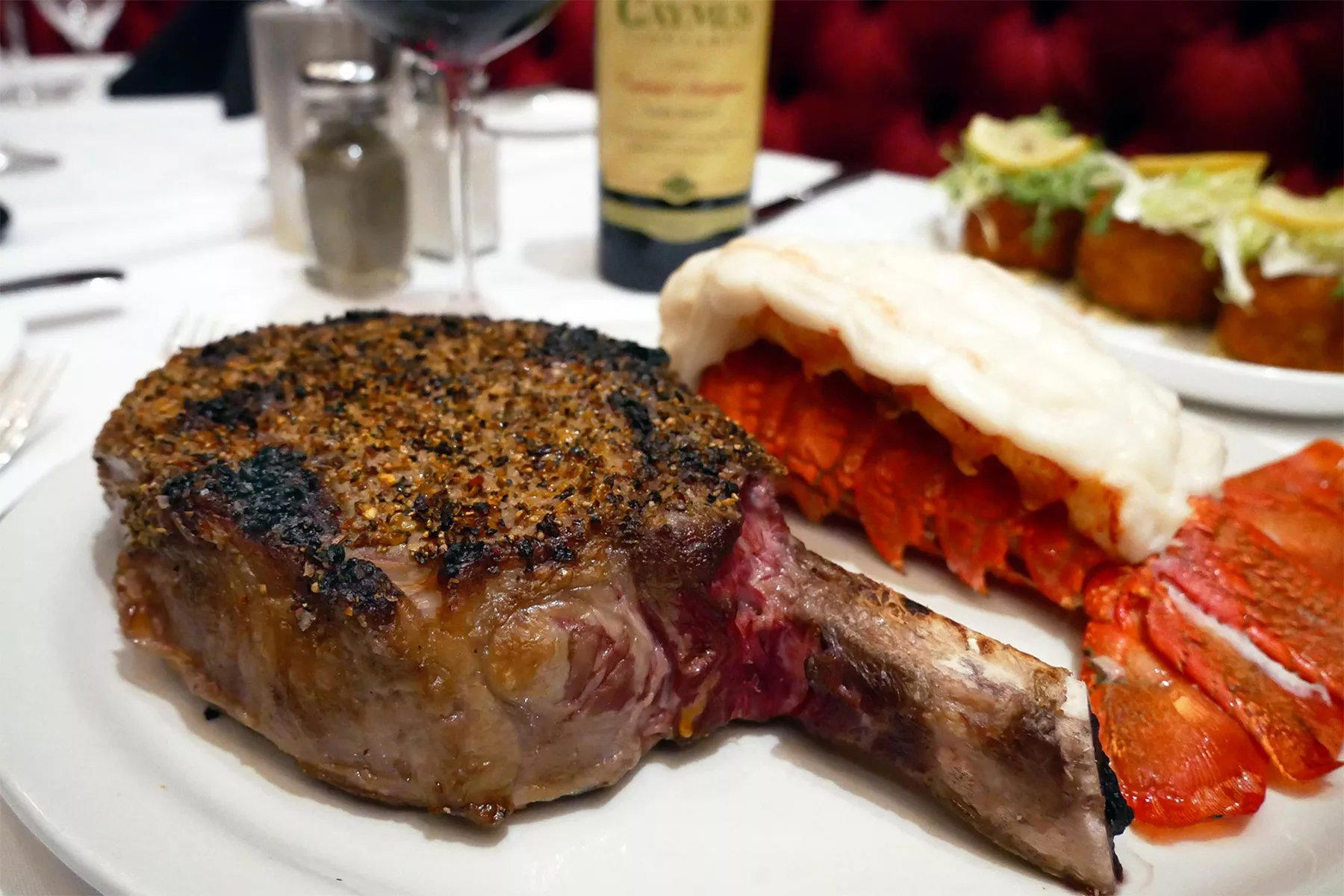
What to order
- Lobster Bisque
- Tuna Tartare
- Seared Scallops
- Crab Cakes
- Lamb Chops
- Lobster Tails
Franklin Street and the Weight of the Chophouse Tradition
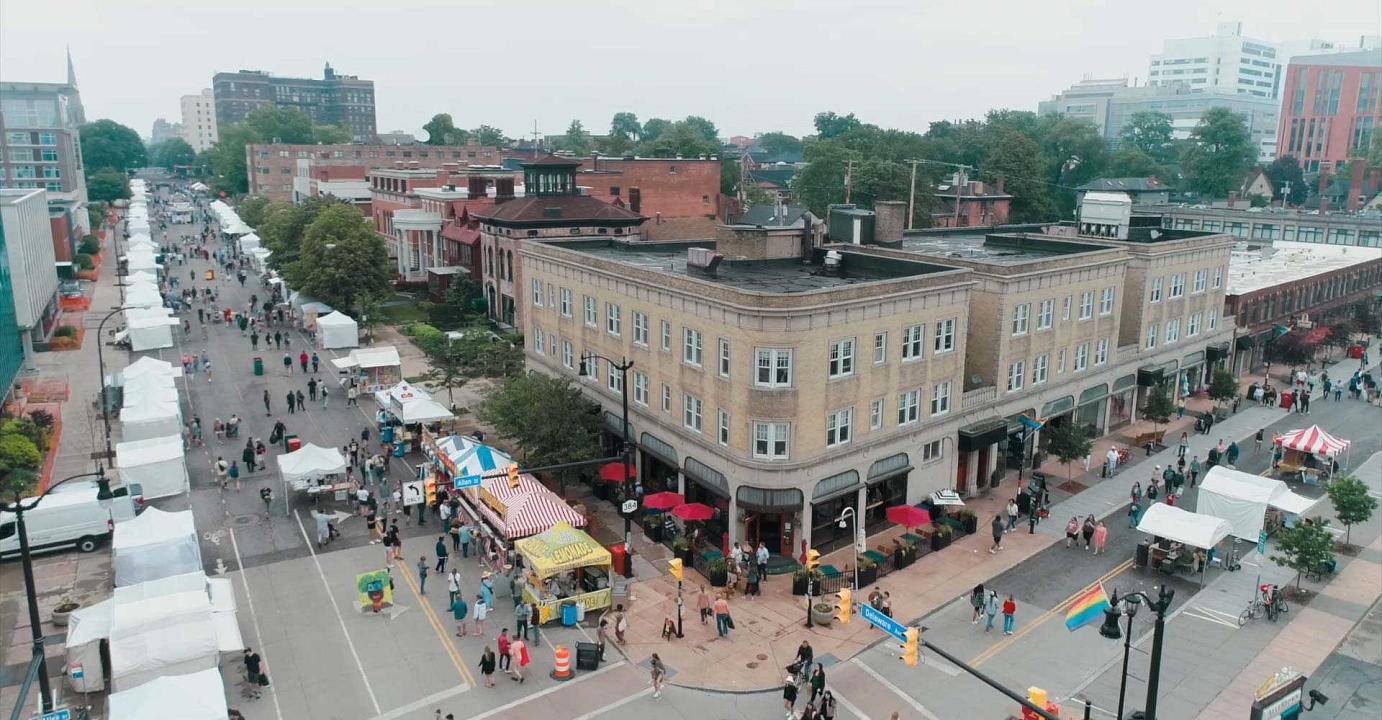
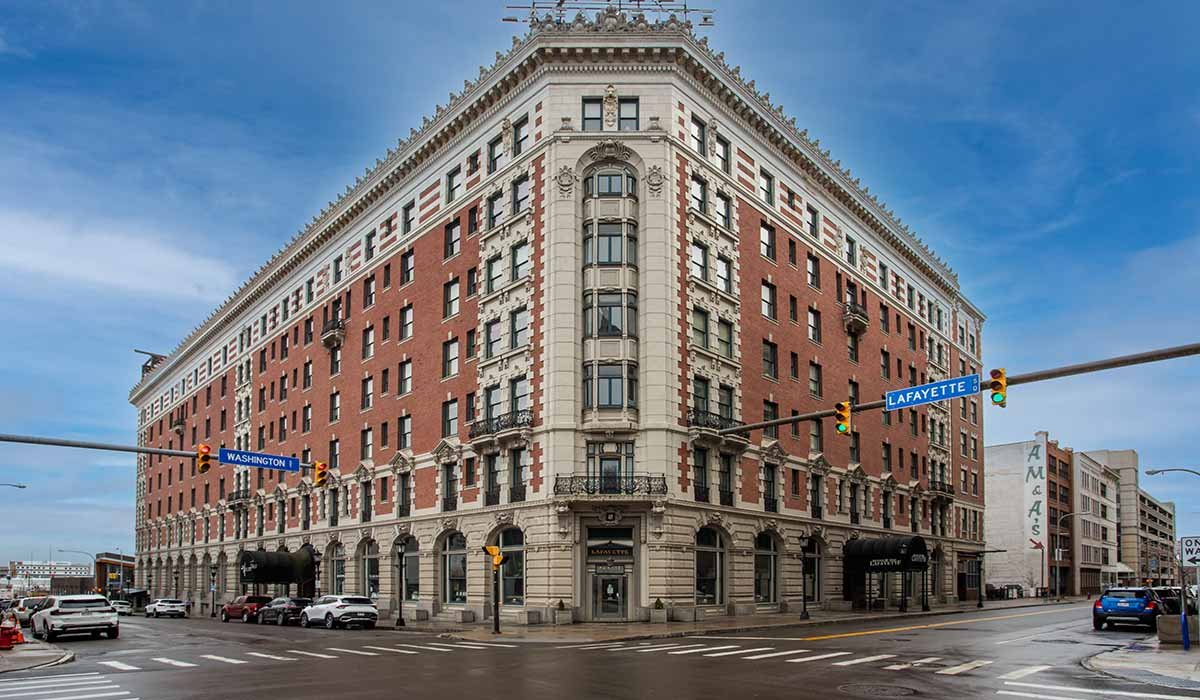
The address at 282 Franklin St places Buffalo Chophouse squarely in downtown Buffalo's commercial core, a neighbourhood that has cycled through industrial decline and measured revival over the past few decades. In American cities of this scale, downtown steakhouse addresses carry a particular social function: they serve the deal-closing dinner, the milestone celebration, the out-of-town guest who wants something anchored and familiar. The chophouse format, with its roots in 19th-century English chop houses and their American reinvention through the mid-century steakhouse boom, has never been a neutral choice. It signals a certain seriousness about beef, about occasion, and about the rituals that surround both.
Buffalo's dining scene has expanded its range considerably in recent years, with spots like 42N at The Flats pushing toward contemporary American formats and places like Betty's anchoring an eclectic, neighbourhood-facing register. Against that spread, the chophouse occupies a specific and deliberate position: it does not attempt to be many things. The logic of the format is concentration, not breadth.
What the Chophouse Format Actually Means
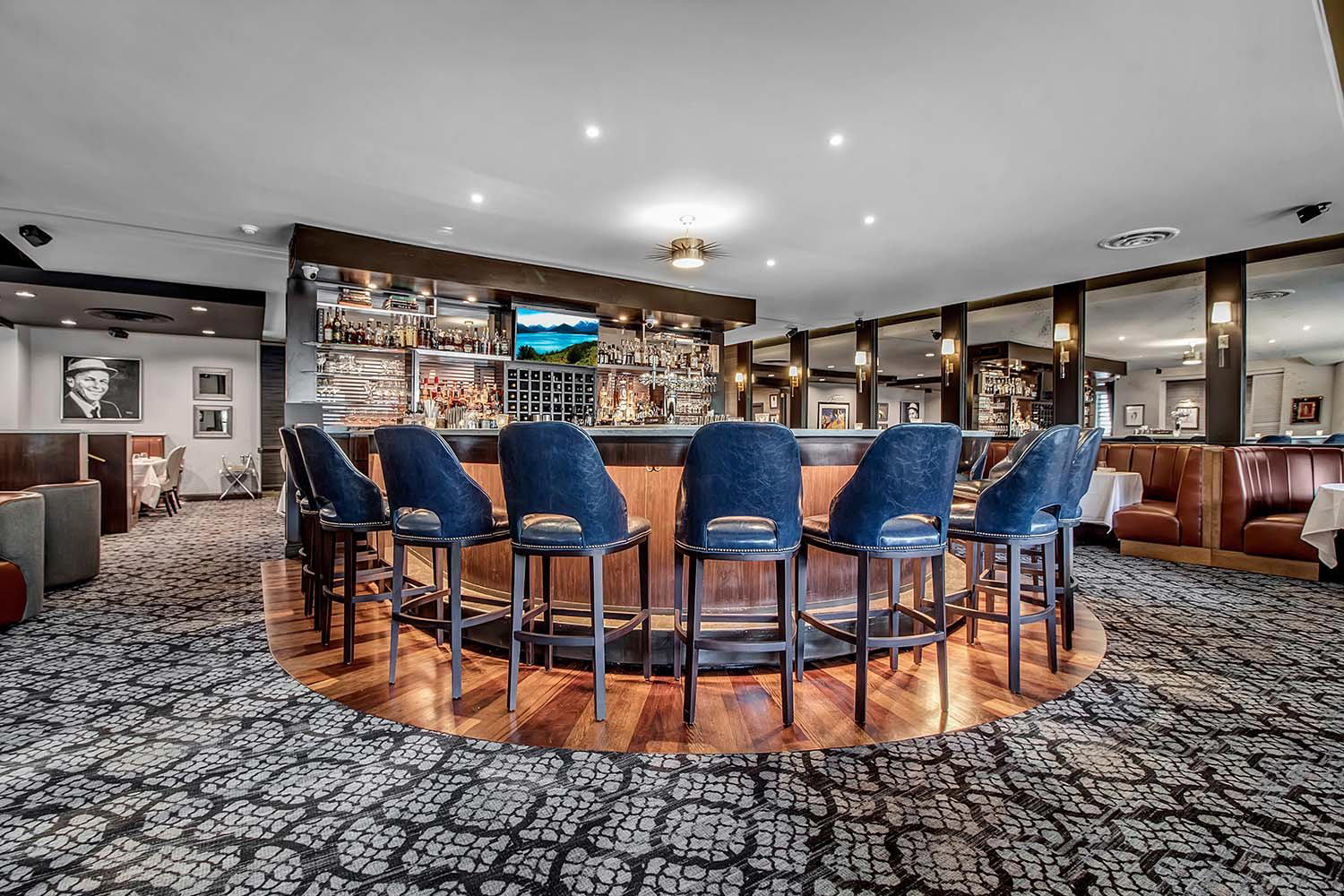
The term "chophouse" is older than the American steakhouse and worth understanding on its own terms. The original chop houses of 18th-century London were working establishments built around a single premise: good cuts of meat, cooked simply, served without ceremony but with competence. The American version absorbed that premise and layered on scale, theatre, and the cultural weight of postwar prosperity. By the time the format reached cities like Buffalo, it had accumulated associations: dark wood, white tablecloths, the serious wine list, the wedge salad that nobody questions.
What separates a functioning chophouse from a generic steakhouse is discipline. The leading examples of the format, from the classic New York power-dining rooms to tighter regional operations, hold a consistent point of view on sourcing, aging, and service cadence. Nationally, restaurants like Le Bernardin in New York City and The French Laundry in Napa represent the outer limit of American fine dining ambition; the chophouse sits in a different register entirely, one defined by legibility and repetition rather than innovation. That is not a criticism. Legibility, done well, is its own discipline.
Buffalo's Steakhouse Tier in Context
Within Buffalo's restaurant scene, the steakhouse category occupies a middle ground between the casual bar-food tradition that the city is nationally associated with, partly through the gravitational pull of the Anchor Bar and its wing-focused legacy, and the emerging contemporary dining rooms that have arrived in the last decade. Chophouse-style dining in this city draws a clientele that skews toward business entertainment and special occasions, which shapes everything from pacing to portion logic.
Comparison venues operating in Buffalo's upper-casual and fine-dining range, including Oliver's Restaurant and CRaVing Restaurant, occupy adjacent but distinct positions. Oliver's has carried a longer local reputation in the white-tablecloth tier; CRaVing has worked a more contemporary American lane. The chophouse format at Franklin Street positions itself in a specific niche: protein-forward, occasion-ready, format-legible. For visitors arriving from markets with a deeper steakhouse bench, the reference points shift. Cities like Chicago or New York present a denser competitive set; in Buffalo, the steakhouse tier is thinner, which means individual addresses carry more weight.
The Broader American Steakhouse as Cultural Artifact
It is worth placing the chophouse tradition inside a wider American dining arc. The steakhouse category nationally has split into at least three tiers over the past twenty years: the national chain operations that compete on consistency and price; the independent fine-dining rooms that treat beef as a serious culinary subject, sourcing single-ranch or heritage-breed product and charging accordingly; and the mid-range independent chophouse that exists between those poles, defined by local ownership, stable menus, and a loyal repeat clientele.
Across American cities, this middle tier has faced the most structural pressure. Chains undercut on price; premium independents absorb the customers willing to spend at the upper end. The independents that survive in this middle register tend to do so through accumulated local trust, consistent execution, and the specific social role they play in their city's occasion-dining ecosystem. Operations like Emeril's in New Orleans or Smyth in Chicago demonstrate how a strong regional identity can sustain a dining room across changing market conditions, even when the format or cuisine differs significantly from the chophouse model.
More adventurous expressions of American dining, from Lazy Bear in San Francisco to Blue Hill at Stone Barns in Tarrytown and Providence in Los Angeles, have pushed the fine dining category toward tasting-menu formats, seasonal sourcing programs, and explicit ideological frameworks around food. The chophouse is a deliberate counterpoint to all of that: it does not ask you to engage with a philosophy. It asks you to decide between cuts.
Who Goes and When
Downtown Buffalo's Franklin Street address makes this a practical choice for visitors staying in the central business district or attending events at KeyBank Center a short distance away. The chophouse format at this location suits the pre-event dinner or the extended business meal better than a quick solo stop. For visitors building a broader picture of Buffalo's dining range, the contrast between a session here and a meal at somewhere like Amy's Place or Billy Club illustrates how wide Buffalo's current register actually runs.
Those planning around a wider regional trip through New York State and beyond can use our full Buffalo restaurants guide to map the city's dining tiers more comprehensively before committing to a reservation. Internationally benchmarked diners who have recently eaten at places like Atomix in New York City, Addison in San Diego, Single Thread Farm in Healdsburg, The Inn at Little Washington, or Atelier Moessmer Norbert Niederkofler in Brunico should calibrate expectations accordingly: this is a different register of dining, one that prioritises comfort and familiarity over technical ambition.
Planning Your Visit
Buffalo Chophouse is located at 282 Franklin St, Buffalo, NY 14202, in the downtown core. Current hours, reservation availability, and pricing are best confirmed directly with the venue, as operational details were not available at time of publication. Given the downtown location and the occasion-dining profile of the format, booking ahead is the prudent approach, particularly on weekdays when business dining typically fills the earlier service.
Frequently asked questions
How do I find Buffalo Chophouse?
Buffalo Chophouse is located at 282 Franklin St, Buffalo, NY 14202, Buffalo.
Is Buffalo Chophouse a good option for a business dinner in downtown Buffalo?
The Franklin Street address at 282 Franklin St places Buffalo Chophouse in the centre of Buffalo's commercial district, within practical range of the city's main corporate offices and convention facilities. The chophouse format, structured around individual cuts rather than shared small plates, suits the pacing and formality that business dining tends to require. It occupies a tier above Buffalo's casual bar-food tradition while remaining grounded in a format that predates the modern steakhouse category.
What dish is Buffalo Chophouse famous for?
At 282 Franklin St in downtown Buffalo, the format aligns with the American steakhouse tradition, where the quality of the primary cut does the talking. For current menu specifics, check the venue's official channels.
Is Buffalo Chophouse reservation-only?
Downtown Buffalo's Franklin Street corridor draws a professional lunch and pre-event dinner crowd, which typically creates peak-hour pressure at steakhouses in this category. Contacting the venue directly ahead of a planned visit is the most reliable approach.
Fast Comparison
A small set of peers for context, based on recorded venue fields.
| Venue | Cuisine | Price | Awards | Notes |
|---|---|---|---|---|
| Buffalo ChophouseThis venue (the venue you are viewing) | Prime Steakhouse & Fresh Seafood | $50–100 | Not listed | Not listed |
| Anchor Bar | Classic American Buffalo Wings | $20–30 | James Beard Award America's Classics | Bar Food |
| Oliver's Restaurant | Modern American Fine Dining | $100–150 | Wine Spectator Best of Award of Excellence | Not listed |
| CRaVing Restaurant | Farm-to-Table American | Not listed | Not listed | Not listed |
| Dobutsu | Pacific Seafood Fusion | Not listed | Not listed | Not listed |
| Betty's | Eclectic American with International Influences | $20–30 | Not listed | Not listed |