Bufalina

Bufalina fits Austin’s serious-casual dining mood: pizza treated with discipline, wine treated as part of the meal rather than an accessory, and enough critical recognition to place it beyond the city’s ordinary slice conversation. Chef Alexandra Manley’s name gives the kitchen a clear authorship, but the stronger story is how Austin has made room for neighborhood restaurants with tighter craft and less ceremony.

Pearl is the En Primeur Club membership app — saves, bookings, and concierge access live there. Same editors, same standards.
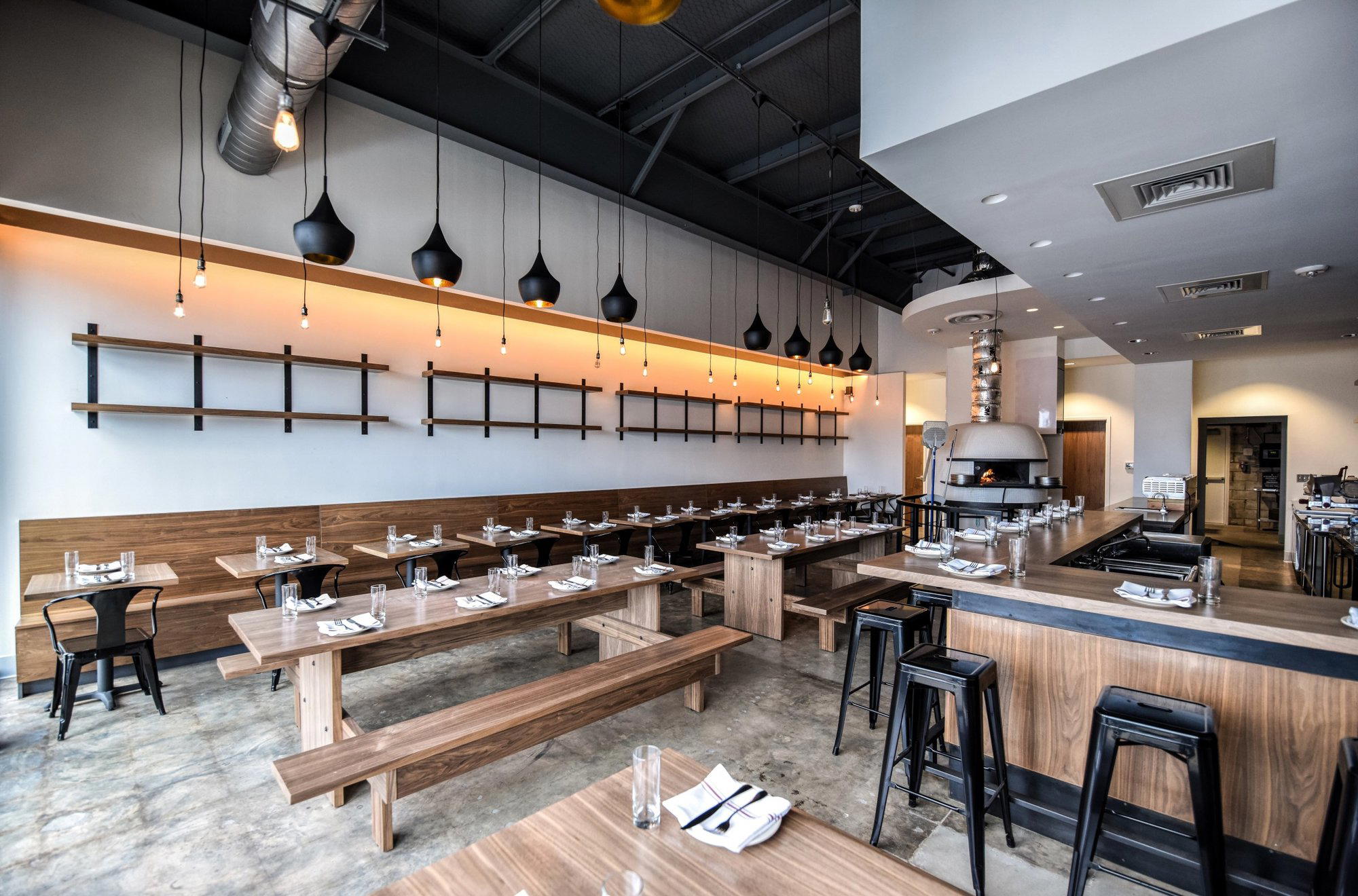
Walk into Austin’s better casual rooms and the first signal is rarely luxury. It is compression: close tables, a wine list doing more work than the square footage suggests, and a menu built for repeat visits over special-occasion theater. Bufalina belongs to that category. The format is pizza and wine bar, but the broader reading is that Austin’s dining culture is fluent in restaurants that look relaxed while operating with sharper standards than their format implies.
That matters because pizza in the United States now sits across several registers: delivery pizza, regional nostalgia, neo-Neapolitan craft, and the increasingly common wine-bar crossover, where the dough program and bottle list carry equal editorial weight. Bufalina is part of that last group. Its 2026 Opinionated About Dining Casual Recommended recognition places it in a national casual conversation rather than a local-only comfort-food lane, which helps explain why the room reads as serious without relying on formality.
Pizza and wine as Austin's low-ceremony serious dining language
Austin has long been comfortable with restaurants that refuse old fine-dining cues. The city’s stronger casual tables trade white-tablecloth theater for ingredient focus, compact menus, and beverage programs that are not afterthoughts. In that context, a pizza-wine bar becomes a useful test of taste. Dough, heat, acidity, fat, and glassware all need to work together, with little room for decorative excess.
Bufalina’s category says plenty before any dish is named. Pizza gives the meal a democratic frame; wine gives it range. The pairing has become shorthand for restaurants that want frequency rather than occasion-only traffic. It lets a table order lightly or build a longer evening, giving the kitchen a structure where precision is visible but not solemn. For Austin, where casual dining often carries the strongest local energy, this is a natural fit.
The OAD Casual Recommended nod in 2026 is significant because casual awards increasingly reward coherence, not just ambition. A restaurant in this tier has to feel edited. It cannot depend on spectacle or hide behind high prices or elaborate service choreography. The judgment falls on whether the format makes sense, the cooking has identity, and the room understands its scale. Bufalina’s recognition suggests a restaurant being read through that lens.
For readers mapping Austin more broadly, this is the same city where casual range stretches from counter-service meals to chef-led dining rooms and late-night bar food. Use Our full Austin restaurants guide for the wider dining map, then branch into related city planning through Our full Austin bars guide, Our full Austin hotels guide, Our full Austin wineries guide, and Our full Austin experiences guide.
Alexandra Manley gives the format authorship without turning it into chef theater
Chef Alexandra Manley is the key named credential, but the better way to understand the restaurant is through restraint of format rather than biography. Pizza-wine bars succeed when the chef’s hand is present without making every decision feel overexplained. The tradition rewards calibration: dough that can carry topping choices, a menu that can move between small and full appetites, and wines chosen to cut through heat, char, salt, and dairy rather than sit politely beside them.
That balance is where chef authorship matters. In Austin, many restaurants still lean on personality, neighborhood loyalty, or a single cult order. A disciplined pizza-wine bar has a narrower path. It needs enough consistency to become habitual and enough point of view to avoid becoming generic. Manley’s presence gives Bufalina a clear center of gravity, while the OAD recognition supplies an external trust signal for readers deciding whether this is just another casual stop or a more serious entry in the city’s dining circuit.
The restaurant also fits a national shift in how casual dining is judged. The old split between “serious” restaurants and “easy” restaurants has become less useful. A compact room with pizza and wine can carry the same editorial weight as a tasting-menu address if the choices are tight enough. That shift explains why venues like Jōdo Saké Bar in Los Angeles, Onigiri Time in Pasadena, ¿Por Qué No? in Portland, 'Ai Love Nalo in Waimanalo Beach, 'āina in San Francisco, 'Ama 'Ama in Kapolei, -Grilled beef Sukiyaki- KAMAKURA TANUKIAN 鎌倉 たぬき庵 in Kamakura, and ¡Salud! in Los Angeles can all sit inside serious editorial consideration without sharing cuisine, service style, or city culture.
Where it sits in a city built for repeat meals
Austin rewards restaurants that can be folded into an evening rather than reserved only for milestone dining. That is why the pizza-wine format has particular force here. It can start a night, anchor one, or rescue a group that does not want a rigid menu. The lack of listed price guidance means diners should treat cost as flexible rather than fixed, with ordering style likely shaping the bill more than a preset structure.
Bufalina’s value for a traveler is not that it explains all of Austin dining. It explains one important strand: the city’s appetite for informal rooms with serious taste. Visitors building a broader itinerary can contrast that mood with Austin addresses such as 1618 Asian Fusion, 24 Diner (Diner), 2nd & Roast Coffee Bar, 44 East Ave #100, and 5th Street Diner. The point is range, not sameness. Austin’s casual scene works because it can absorb many formats without forcing them into one dining identity.
The editorial read is clear: Bufalina is for diners who understand pizza as a craft format and wine as part of the architecture of the meal. It is less useful for anyone chasing ceremony, tasting-menu pacing, or a heavily narrated chef story. In Austin, that restraint is part of the appeal. The restaurant’s recognition in the 2026 OAD Casual Recommended list gives it a credible place in the North American casual conversation, while its format keeps the experience grounded in the city’s preference for meals that feel direct, social, and repeatable.
In Context
Comparable venues nearby, for context on price, style, and recognition.
| Venue | Cuisine | Price | Notes |
|---|---|---|---|
| BufalinaThis venue — the venue you are viewing | Pizza - Wine Bar | $$ | Not listed |
| All Day Pizza | Triangle State, New York-Style Pizza | $$ | Not listed |
| Gino's East of Chicago | Downtown Austin, Chicago Deep-Dish Pizza | $$ | Not listed |
| The Clay Pit | Not listed | $$ | Arts District, Contemporary Indian Cuisine |
| Citizens All Day | Not listed | $$ | North Austin, Aussie-inspired all-day café and restaurant |
| La Volta Pizza Club | Not listed | $$ | Market District, Roman-Inspired Pizza with Texas Flair |
Recognition history
Dated appearances from independent guides and award organizations, with the underlying list record or original source where available.
Opinionated About Dining Casual in North America Recommended
Opinionated About Dining
Continue exploring
More in Austin
More from Chef Alexandra Manley
Browse all →
Restaurants in Austin
Browse all →

Bars in Austin
Browse all →




At a Glance
- Cozy
- Lively
- Trendy
- Intimate
- Date Night
- Casual Hangout
- After Work
- Group Dining
- Celebration
- Private Event
- Wine Cellar
- Open Kitchen
- Private Dining
- Standalone
- Extensive Wine List
- Natural Wine
- Sommelier Led
- Farm To Table
- Natural Wine
- Local Sourcing
- Biodynamic