
Michelin Plate
Our verdict
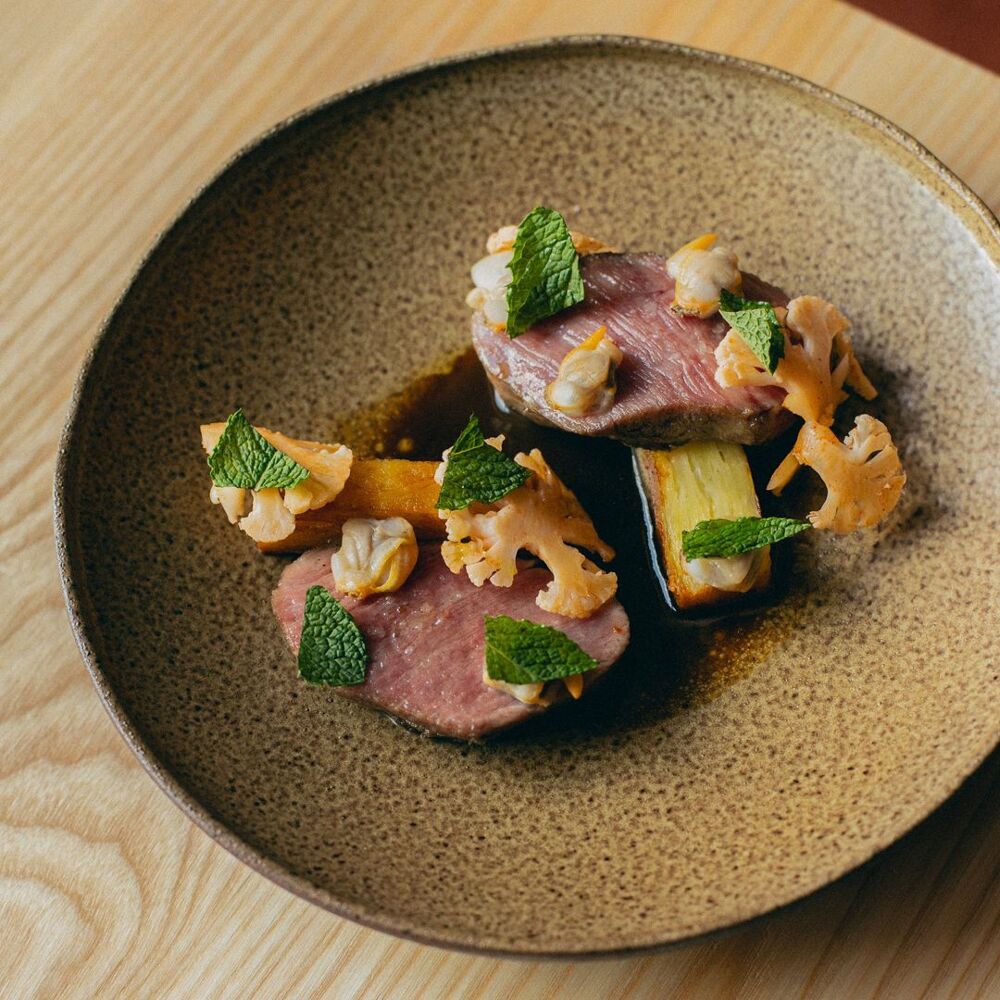
Chef Pedro Pena Bastos (known from MasterChef Portugal) runs this relaxed Chiado dining room that gives Portuguese roots a contemporary spin. The menu centers on local ingredients—particularly vegetables—with sections spanning charcuterie, hand snacks, and sharing plates that reflect the city's market-to-plate sensibility.

Pearl is the En Primeur Club membership app, where members save venues, book tables and use the concierge.
The menu
What to order
- Roasted garlic broth with poejo
- Cação broth preparations
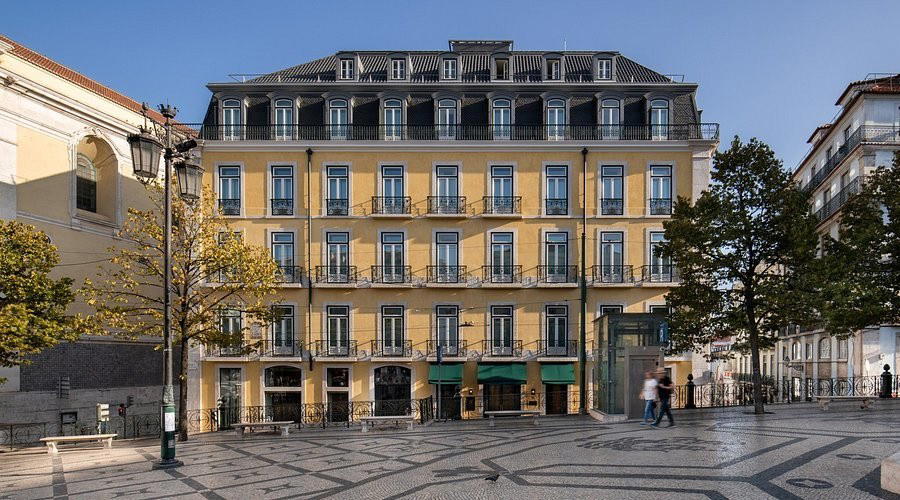
Chiado's theatre-and-bookshop quarter holds a dense cluster of restaurants, many of them trading on location rather than ambition. BROTO occupies a corner of Largo Rafael Bordalo Pinheiro with a different agenda: chef Pedro Pena Bastos, recognizable to Portuguese television audiences from his MasterChef Portugal jury seat, uses the space to spotlight Portuguese ingredients through a contemporary lens, with vegetable-forward cooking that treats produce as protagonist rather than side note. The dining room skews casual, the menu extensive, and the sourcing deliberate enough to name the farm that supplied the greens.
Vegetable-Forward Cooking with Portuguese Foundations
Lisbon's current restaurant wave has bifurcated into two camps: heritage-driven tascas leaning on time-tested technique, and modernist projects that borrow freely from global vocabularies. BROTO sits between them, rooting its menu in Portuguese tradition while applying technique and format borrowed from contemporary European kitchens. The menu divides into snacks, charcuterie, small plates, and larger sharing formats. Vegetable dishes occupy more real estate than protein, a notable shift in a city where bacalhau and pork still dominate many dining rooms. One signature composition layers tuna belly with greens from Quintal Urbano (a local urban farm), tempura seaweed, and finger lime, combining Portuguese coastal product with Japanese technique and a clear citrus accent. The dish signals the kitchen's approach: respect for local supply chains, technical precision, and an openness to cross-cultural reference points that don't feel forced.
The charcuterie section functions as a snapshot of Portugal's curing tradition, while the hand-snack category, a format less common in Lisbon, borrows from the pintxos culture of northern Spain and the small-bites model popularized by Copenhagen and London. That hybridity defines the BROTO pitch: not a strict adherence to Portuguese orthodoxy, but an acknowledgment that contemporary Portuguese cooking can absorb outside influence without losing its center. Other Chiado addresses in the same vein include 100 Maneiras, which tilts more experimental, and 2 à Esquina - Iguarias e Petiscos, which anchors closer to petisco tradition. BROTO threads the middle, accessible but not nostalgic.
Sourcing and the Urban-Farm Connection
The menu's emphasis on Quintal Urbano greens and named Portuguese producers points to a broader shift in Lisbon's restaurant economy. Urban farms like Quintal Urbano have emerged as key suppliers to quality-focused kitchens, providing microgreens, herbs, and seasonal vegetables within city limits. BROTO's decision to credit the farm by name on the menu reflects both a marketing tactic and a genuine commitment to transparency in sourcing. This aligns the restaurant with a cohort of Portuguese kitchens, spanning Lisbon, Porto, and the Algarve, that treat ingredient provenance as a dining-room talking point rather than back-of-house logistics. The kitchen's vegetable focus also positions it well for the growing segment of diners who seek plant-forward menus without committing to fully vegetarian formats. Lisbon's dining scene has historically skewed protein-heavy; restaurants that dedicate menu space and technique to vegetables remain a minority, giving BROTO a competitive angle in a neighborhood crowded with seafood-focused and traditional Portuguese offerings.
Sourcing discipline extends to seafood and charcuterie. Portugal's Atlantic coast provides tuna, mackerel, and octopus at high quality, and the kitchen uses that proximity without leaning on the same bacalhau-centric playbook that dominates older tascas. For visitors exploring Lisbon's contemporary dining layer, BROTO offers a useful entry point: it presents Portuguese ingredients without requiring deep fluency in regional technique, and the menu's structure, small plates, sharing formats, suits group dining and allows sampling across categories. Comparable addresses include 138 Liberdade, which operates in a more polished register, and 2Monkeys, which pushes creative technique further into avant-garde territory.
Chiado's culinary density means competition for attention is high. BROTO's television-known chef provides name recognition, but the menu's vegetable emphasis and urban-farm sourcing offer a substantive differentiation beyond personality. The relaxed service style and extensive menu allow the restaurant to function both as a neighborhood repeat-visit spot and a destination for visitors working through Lisbon's restaurant map. The location, walkable from Bairro Alto, Baixa, and the riverside, places it in the middle of the city's most tourist-dense zone, but the kitchen's ingredient-forward approach and the absence of tourist-menu tropes (no sangria pitchers, no photo menus) signal a local-first sensibility. That balance matters in a neighborhood where many restaurants tilt heavily toward transient crowds.
For context within Portugal's broader dining landscape, BROTO shares thematic territory with 2 Passos in Almancil and 34 in Guimaraes, both of which apply contemporary technique to Portuguese ingredients without abandoning regional identity. The vegetable-forward approach also echoes trends visible in Porto's 1638 Restaurant & Wine Bar, where produce sourcing and plant-forward composition have become menu differentiators. Lisbon's dining scene continues to diversify beyond its traditional strengths in seafood and grilled meats; BROTO occupies a useful niche within that evolution, offering contemporary Portuguese cooking that privileges vegetables and transparency in sourcing without requiring a tasting-menu commitment or formal-dining threshold. Pair a visit with stops at nearby cocktail bars or extend your stay at one of Chiado's boutique hotels to explore the neighborhood's theatre and literary history alongside its restaurant cluster.
Frequently asked questions
Is BROTO good for families?
The menu structure at BROTO works well for mixed-age groups. Small snacks meant to be eaten by hand, shareable plates, and a relaxed Chiado setting make it accessible for children who can handle vegetable-focused cooking and Portuguese charcuterie options.
Is BROTO formal or casual?
BROTO operates in the casual-relaxed register typical of Chiado's contemporary wave. Chef Pedro Pena Bastos designed the space for ease rather than ceremony, and the hand-held snack section and sharing format signal informality without sacrificing ingredient quality.
What kind of recognition has BROTO received?
BROTO has received recognition including: No coração do Chiado, um bairro lisboeta verdadeiramente atraente por estar repleto de teatros, livrarias e opções gastronómicas, este restaurante de ambiente descontraído brotou (daí o nome) com a intenção de exaltar as raízes culinárias l….
Where is BROTO in Lisbon?
BROTO is located at Largo Rafael Bordalo Pinheiro 20A, Lisbon, Lisboa, 1200-445, PRT, Lisbon.
Do I need a reservation for BROTO?
Chiado's theater and bookshop foot traffic drives walk-in demand, particularly evenings. A reservation is advisable Thursday through Saturday. Pedro Pena Bastos's visibility from MasterChef Portugal has added recognition, though the extensive menu and sharing format mean turnover is quicker than prix-fixe venues.
What do critics highlight about BROTO?
Reviewers note the emphasis on local vegetable producers, especially Quintal Urbano greens, and the contemporary handling of Portuguese culinary roots. The yellowfin tuna belly dish with urban-farm leaves, seaweed tempura, and finger lime appears frequently in write-ups as an example of Pedro Pena Bastos's approach to Portuguese ingredients with modern technique.
Fast Comparison
Comparable venues by cuisine and price in the same metro.
| Venue | Cuisine | Price | Awards |
|---|---|---|---|
| BROTOThis venue (the venue you are viewing) | Contemporary Portuguese | $50–100 | Michelin Plate |
| Pastelaria Benard | Portuguese Patisserie & Café | $10–20 | Not listed |
| Oficio | Modern Portuguese Small Plates | $30–50 | Michelin Bib Gourmand |
| Carnal | Modern Mexican Gastrobar | $30–50 | Michelin Bib Gourmand |
| Tavares | Classical French & Portuguese Fine Dining | $150–200 | Not listed |
Recognition history
Dated appearances from independent guides and award organizations, with the underlying list record or original source where available.
Michelin Plate
Michelin
Continue exploring
More in Lisbon
Restaurants in Lisbon
All restaurants in Lisbon →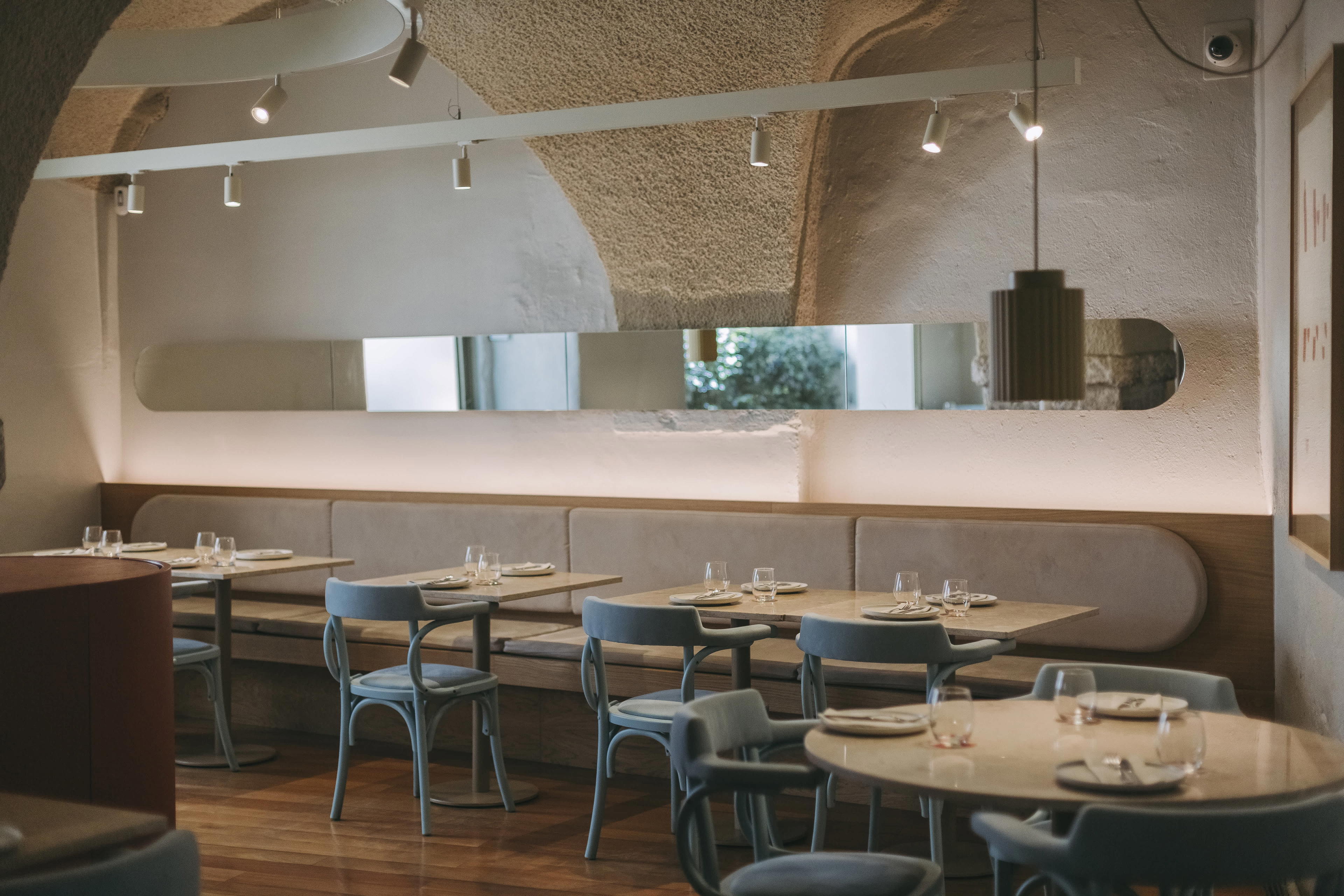
Bars in Lisbon
All bars in Lisbon →

Details
- Modern
- Cozy
- Sophisticated
- Date Night
- Business Dinner
- Celebration
- Group Dining
- Terrace
- Standalone
- Extensive Wine List
- Local Sourcing
- Street Scene
- A La Carte
- Set Menu
- Wine
- Vegetarian Friendly
- Pescatarian Friendly
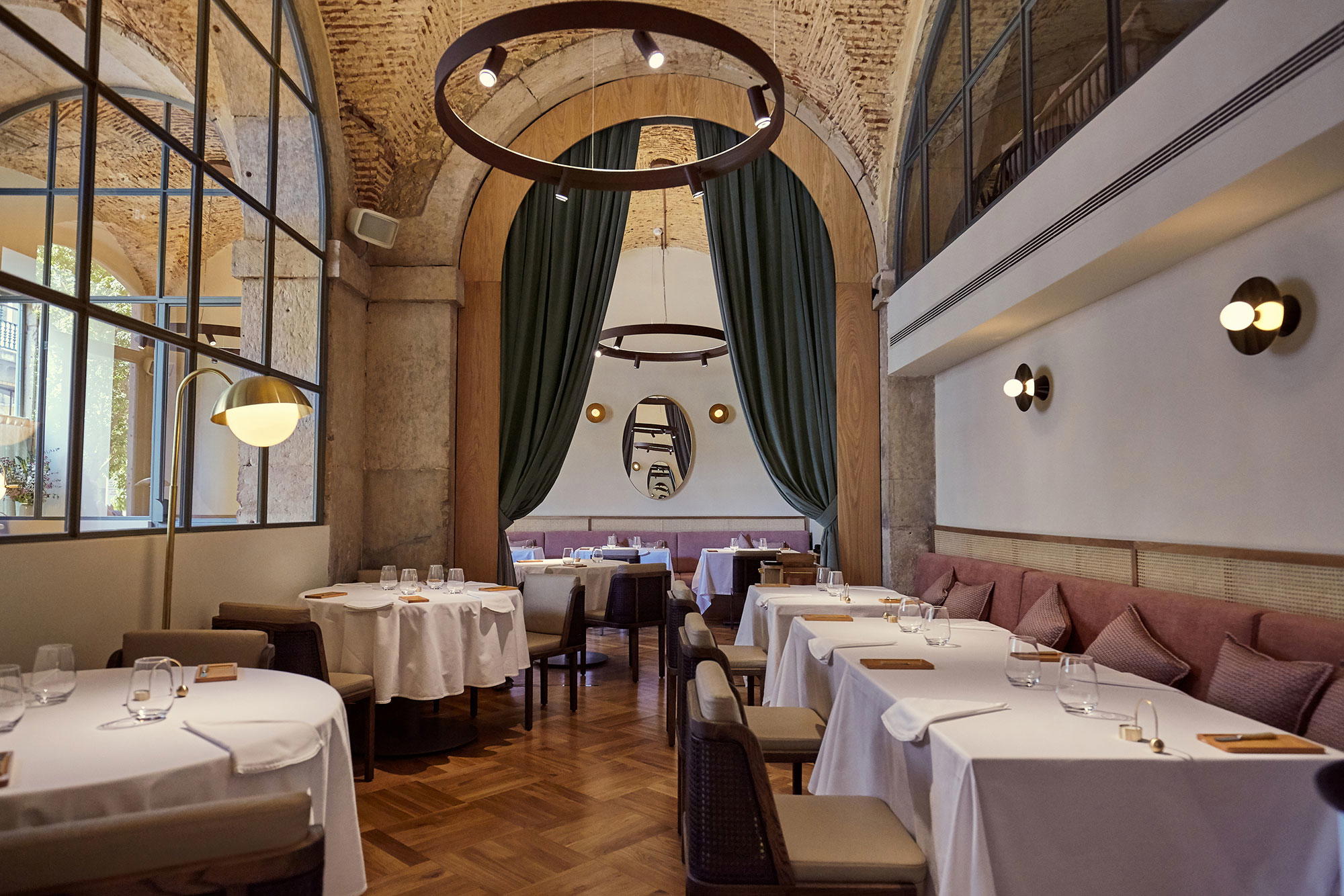
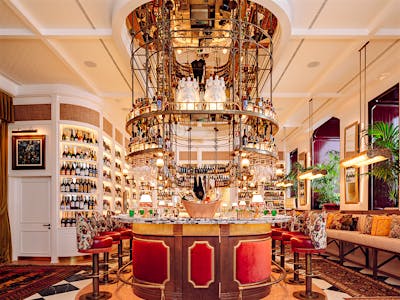
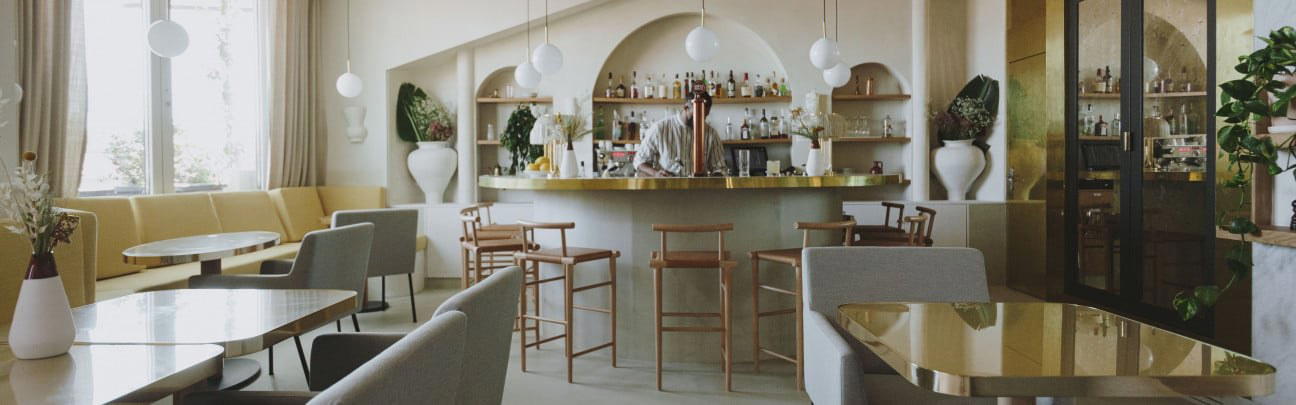
Relaxed and contemporary, with a design that feels casual and honest rather than formal; bare wood, simple ceramics, and open windows create a warm, light-filled atmosphere.