Bridge
Our verdict
Bridge belongs to Panglao’s small-island dining conversation, where the value of a table often depends on proximity to fishermen, markets, and resort kitchens rather than formal awards. With few public details on format or pricing, it reads less as a credential-led restaurant and more as a Bohol stop to assess through sourcing, seasonality, and the island’s broader appetite for seafood, produce, and relaxed service.

Pearl is the En Primeur Club membership app — saves, bookings, and concierge access live there. Same editors, same standards.
- Address
- Brgy. Danao, Panglao, Bohol, Philippines
- Phone
- +63 38 412 9000
- Website
- begrandbohol.com
- Directions
- Get directions
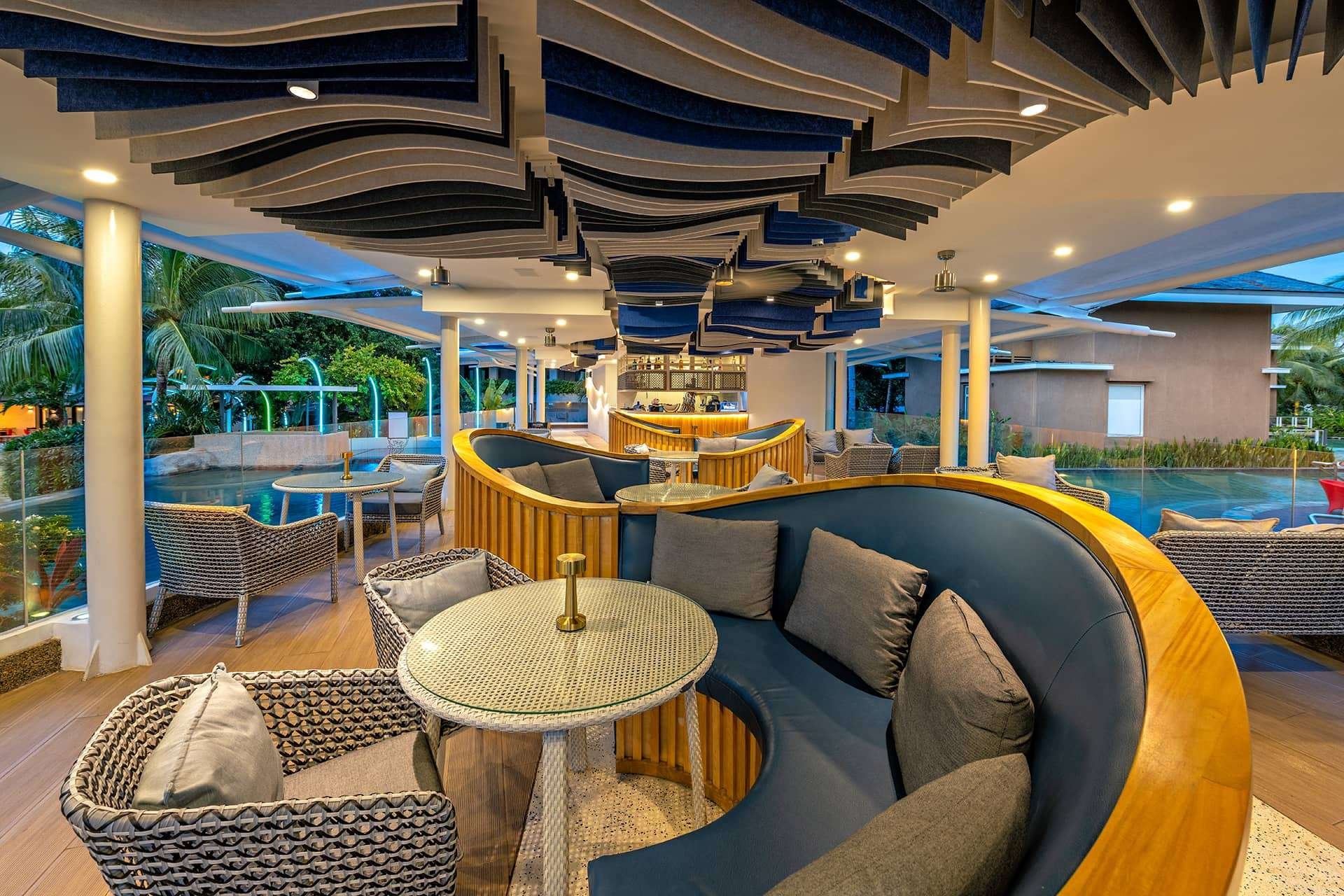
Approaching dining in Bohol means reading the island before reading the menu: resort movement, travel rhythms, local supply chains, and the short distance between island producers and dinner service. Bridge sits in Bohol, where the restaurant scene is shaped less by metropolitan tasting-menu choreography and more by access: ingredients moving through local channels, travelers splitting their time between beaches, boats, and late dinners, and kitchens working within the realities of an island destination.
That matters because Bohol is not Manila with palm trees. The stronger meals here tend to come from restaurants that understand the island’s supply limits and advantages. Imported luxury cues can feel out of place when the province already has a persuasive case for food that reflects coast, climate, and local markets. Bridge should be judged through that lens. The question is not whether it mimics a city dining room, but whether it uses Bohol’s geography with discipline.
Ingredient sourcing is the real test in Bohol dining
Bohol’s better restaurant conversations start with sourcing because the island makes logistics visible. A kitchen can lean into local supply and regional produce, or it can default to generic resort cooking. The difference is usually obvious in menu structure: fewer imported status symbols, more dishes that make sense in context, and a kitchen confident enough not to overcomplicate ingredients that already carry the place.
The provided venue details for Bridge do not establish a specific public award trail, chef credit, published price band, or listed signature dishes, so the useful critical frame is comparative rather than biographical. In Bohol, that puts it beside island peers such as The Boathouse, Shaka Bohol, The Lost Cow, Tomar Tapas x Bar, and Saffron Restaurant, each part of a dining market that balances resort demand with independent, casual, and destination-led formats. The serious diner should look for evidence of restraint: menus that make sense with supply, ingredients handled clearly, and produce treated as more than garnish.
This is where Bohol’s location does real work. Bridge sits within an island tourism context, but not a dining environment where a restaurant can build identity purely through décor, awards, or chef mythology. The more convincing Bohol table usually reflects the local food economy: what nearby supply can provide, what producers can deliver, and what the kitchen chooses not to import for the sake of appearing cosmopolitan.
How Bridge fits Bohol's restaurant map
Bridge is better understood as part of a wider Philippine dining split. In Metro Manila, restaurants compete in a denser urban field, where design, wine programs, chef visibility, and reservation pressure often define the experience. Island restaurants face a different test. They have to serve visitors without flattening the food into international resort sameness.
That same provincial-versus-metro contrast appears across the country. Other Philippine dining rooms speak to cities with deep regional food memory, while remote hospitality settings show how place can shape the meal. Across islands, resort areas, cities, and countryside destinations, restaurants occupy different versions of the same national question: how much should a restaurant reflect its setting, and how much should it import a ready-made idea of dining?
For Bohol, the answer should be local first and technically controlled. Bridge’s appeal depends on how convincingly it participates in that island logic. A table here makes the strongest sense for travelers using Bohol as a base and wanting to understand the area’s restaurant culture beyond the hotel buffet circuit. For broader planning, pair it with Our full Bohol restaurants guide, then map the rest of the trip through Our full Bohol hotels guide, Our full Bohol bars guide, Our full Bohol wineries guide, and Our full Bohol experiences guide.
The better order is the one that sounds closest to Bohol
Without a published chef narrative or specific award structure in the provided details, the smart way to approach Bridge is through the menu’s relationship to the island. Prioritize dishes that appear to reflect local supply and regional produce if they appear, and be more skeptical of plates that could belong to any resort strip. That is not a demand for rustic cooking. It is a demand for specificity.
The same sourcing logic explains why comparisons outside Bohol are useful only as broad contrasts. Some restaurants operate in cities where imported culinary formats can be the main proposition. Bohol has a different advantage: immediacy. When a Bohol restaurant gets that right, the meal feels tied to coast, climate, and market availability rather than to branding.
Bridge is therefore a context-driven choice. It is not presented in the provided details as an awards-led booking, and it should not be approached with the expectations attached to a capital-city tasting counter. Its promise lies in whether the kitchen can translate Bohol’s supply lines into a meal with clarity. In Bohol, that is the measure that matters.
Frequently asked questions
Is Bridge suitable for children?
Bridge sits in Bohol, so it can work for children if the meal pace and seating suit your group. For family dining, the practical check is whether the room can handle a relaxed schedule.
Is Bridge formal or casual?
Bridge reads as a casual dining address in Bohol rather than a formal tasting-room setup. The public record lists only the location, not a formal service format or dress code. Check the venue's official channels for the latest details.
Where is Bridge located?
Bridge is located in Bohol.
How hard is it to get a table at Bridge?
Table access cannot be judged from the venue details alone, so planning should start with the city: Bohol. In Bohol, dinner service can tighten quickly around peak travel dates.
What is Bridge known for?
Bridge is identified by its Bohol location. That places it in a destination where location and island dining context matter as much as any specific award or chef profile.
What if I have allergies at Bridge?
For allergies, Bridge in Bohol should be treated like any restaurant: state the allergen clearly before ordering and confirm the kitchen can handle it. The safest approach is to rely on direct communication at the table.
Fast Comparison
Comparable venues by cuisine and price in the same metro.
| Venue | Cuisine | Price |
|---|---|---|
| BridgeThis venue — the venue you are viewing | Resort café and bar with comfort food | $10–20 |
| The Boathouse | Fine-Dining Steakhouse | Not listed |

Continue exploring
More in Bohol
Restaurants in Bohol
Browse all →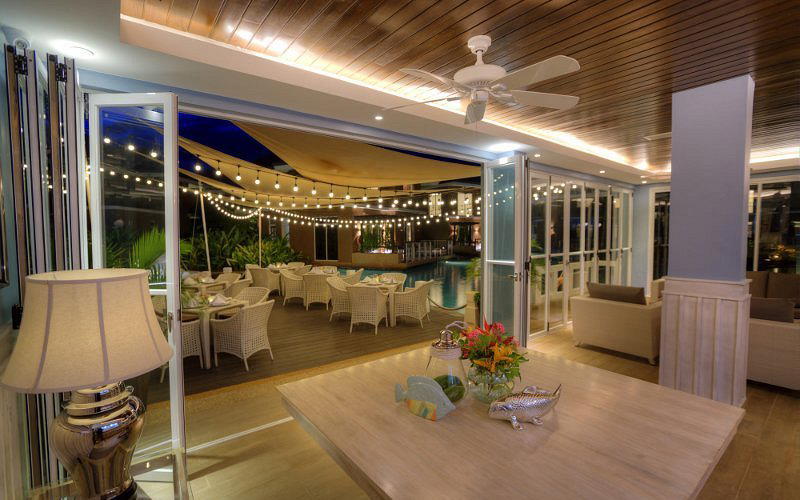

Details
- Scenic
- Quiet
- Modern
- Cozy
- Casual Hangout
- Date Night
- Group Dining
- After Work
- Private Event
- Waterfront
- Terrace
- Hotel Restaurant
- Craft Cocktails
- Waterfront
- A La Carte
- Cocktails
- Cider
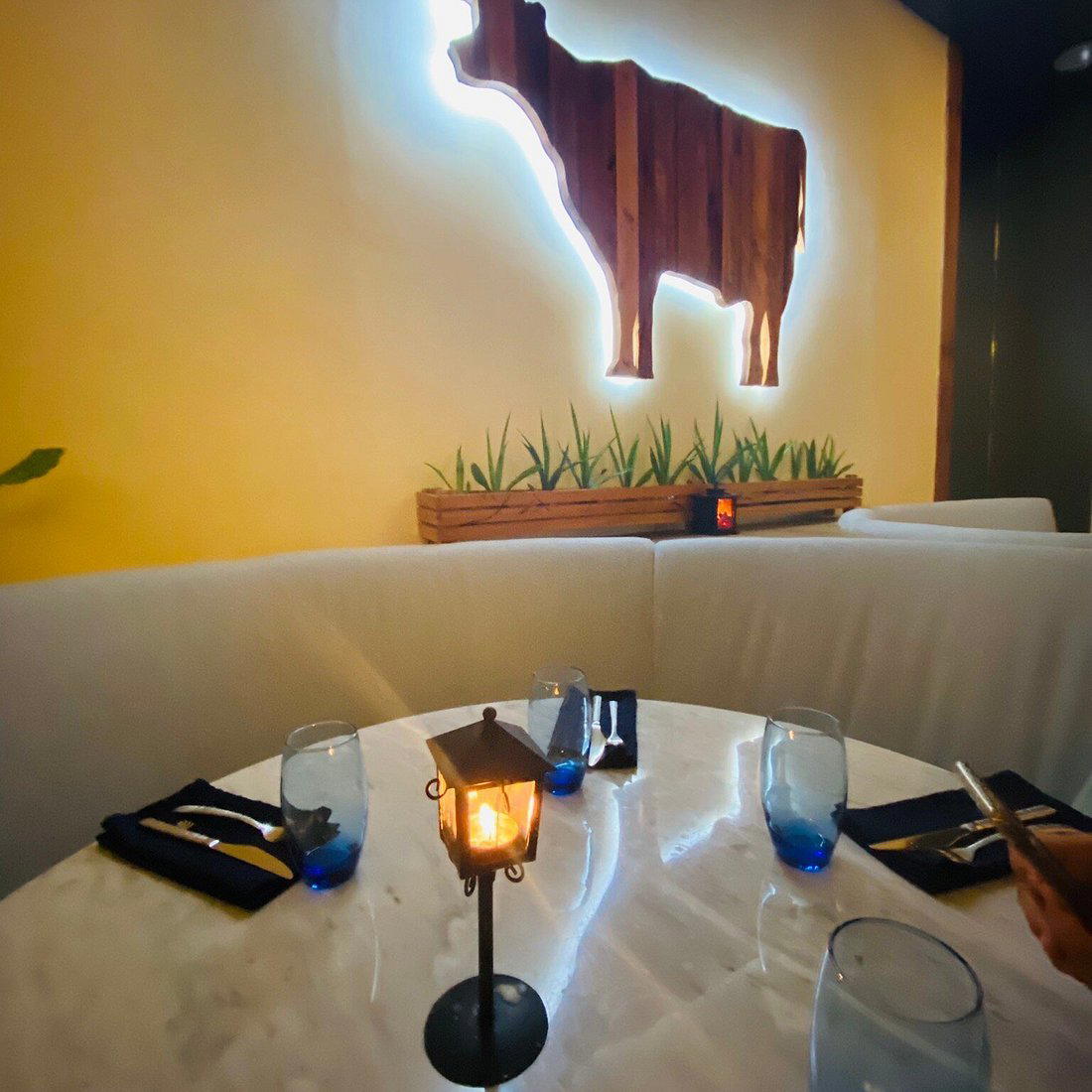
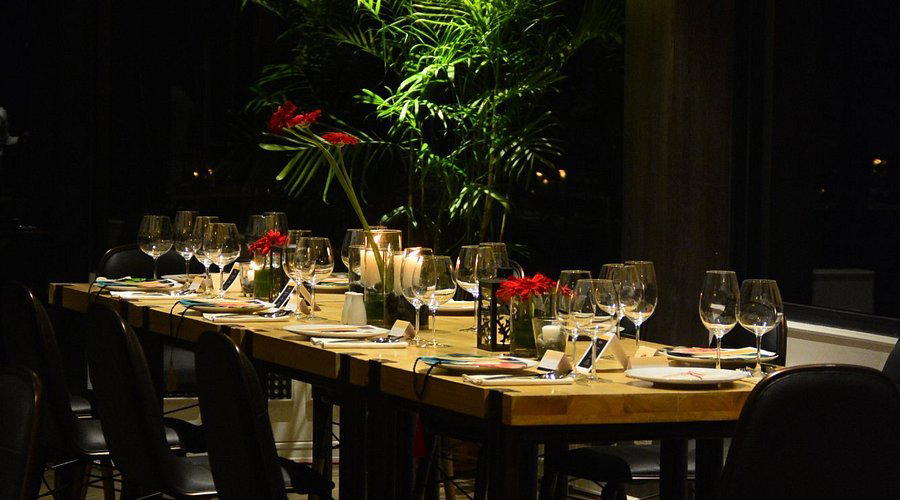
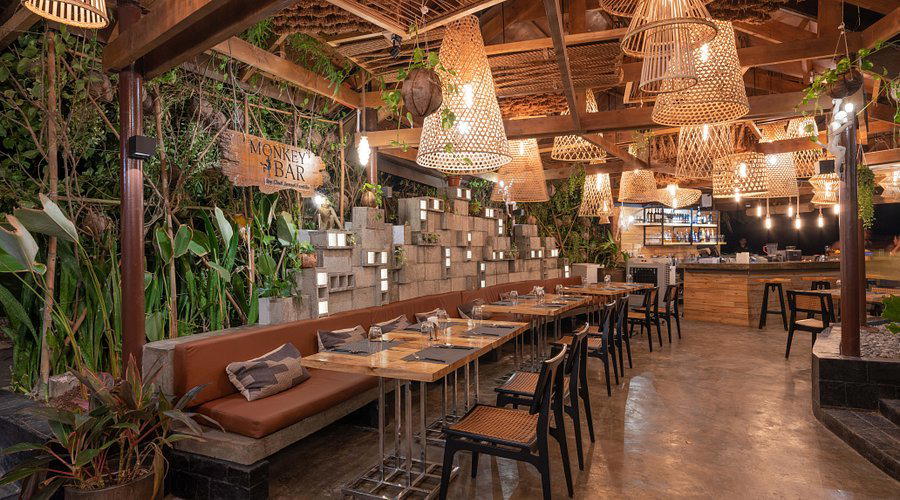
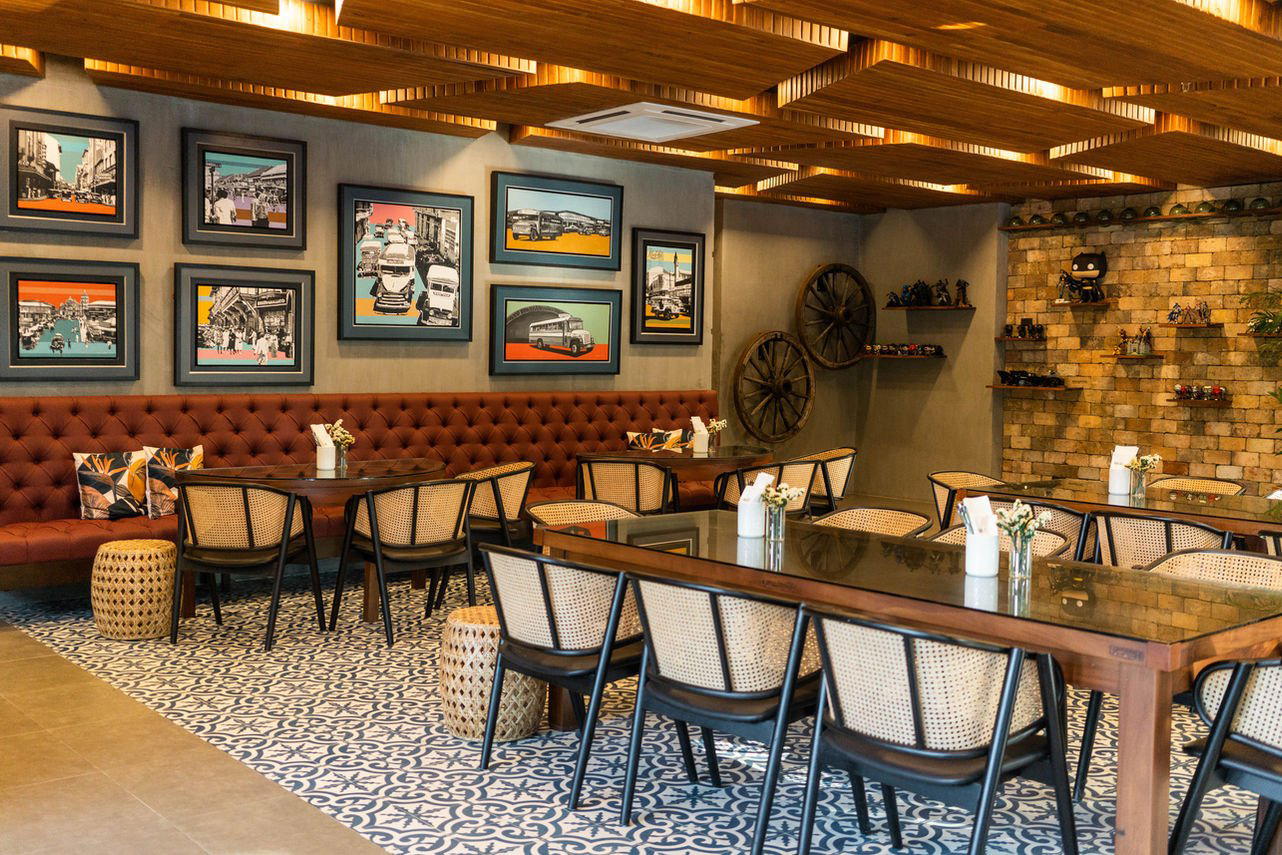
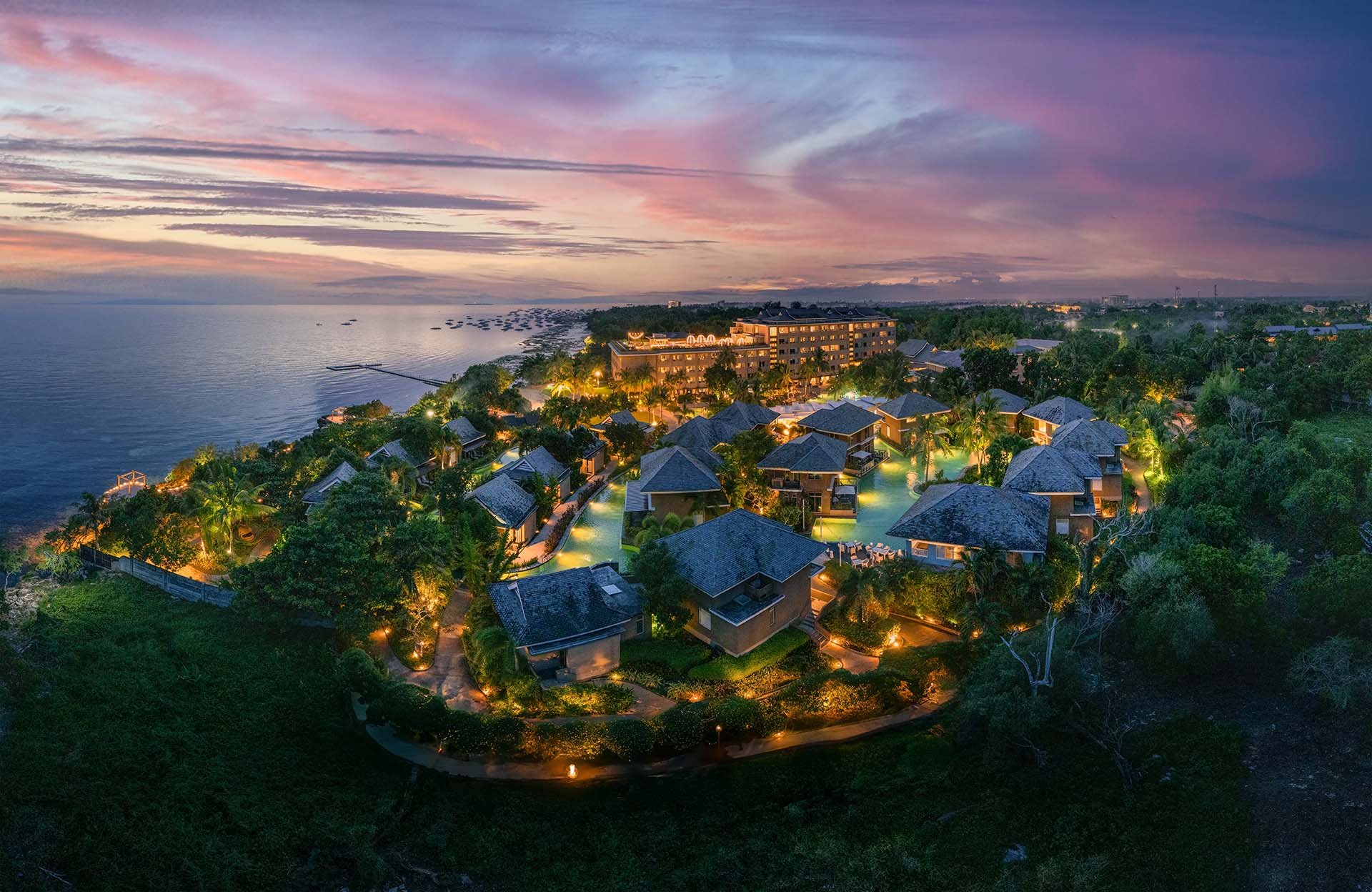
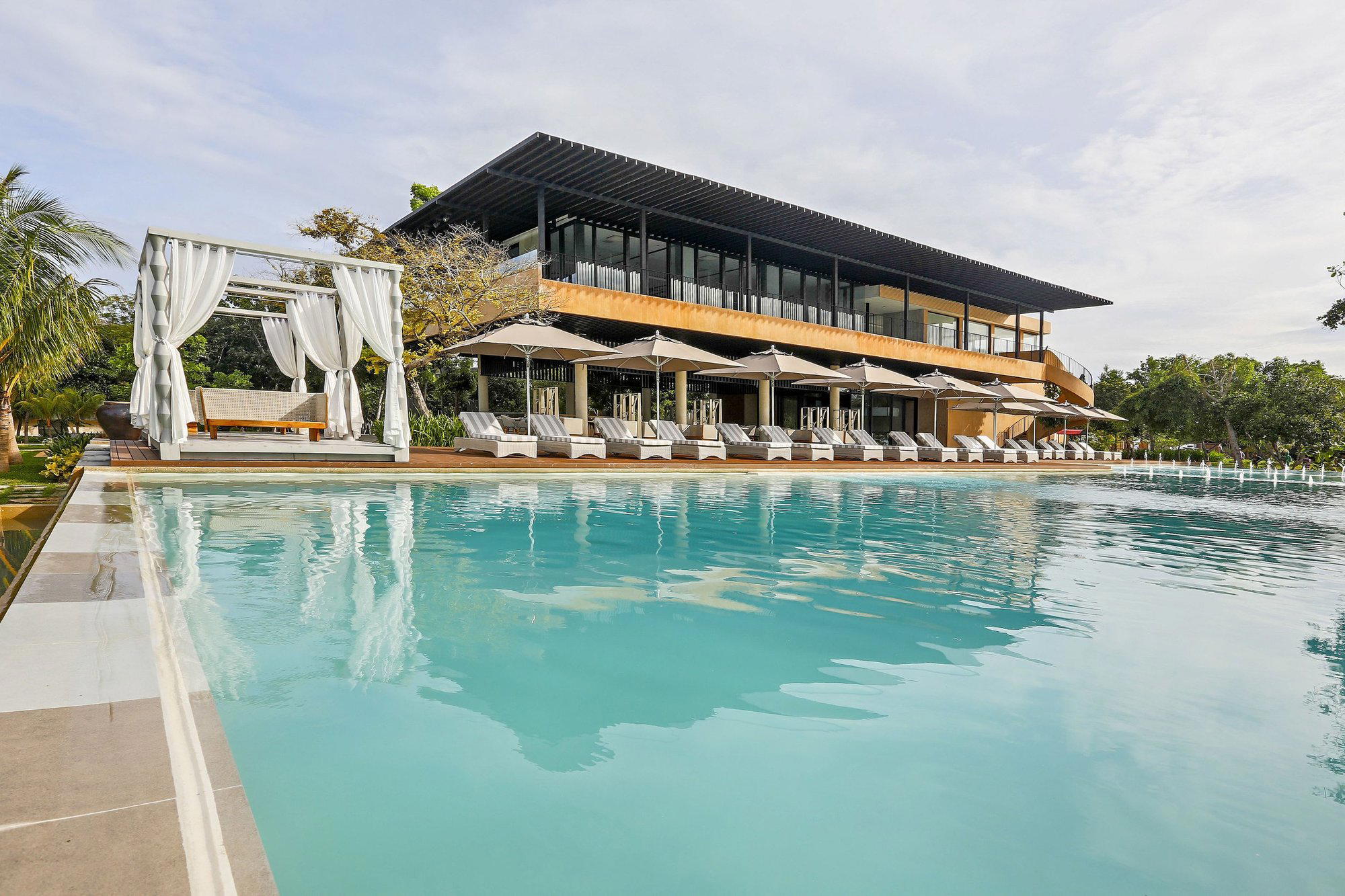
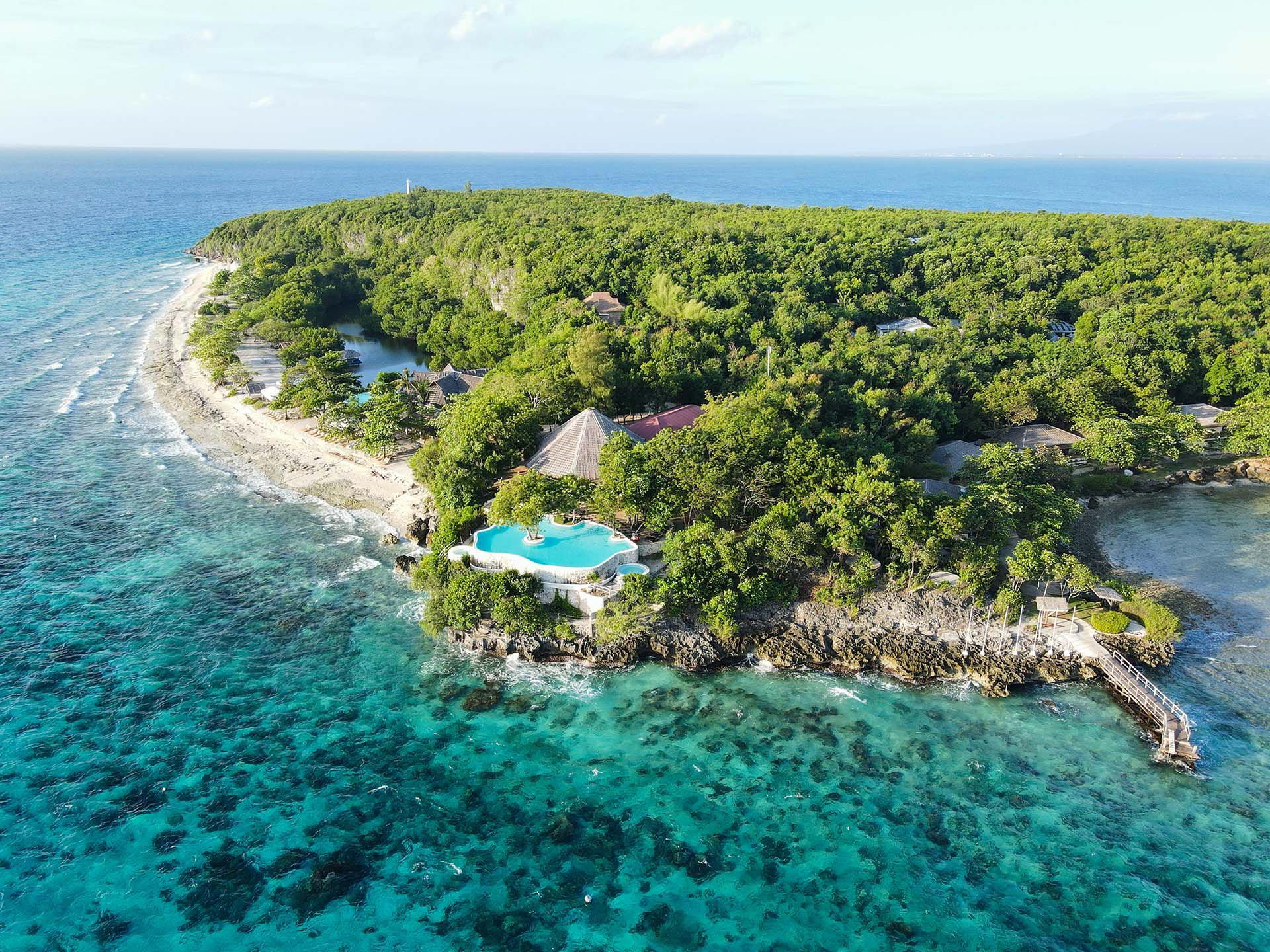
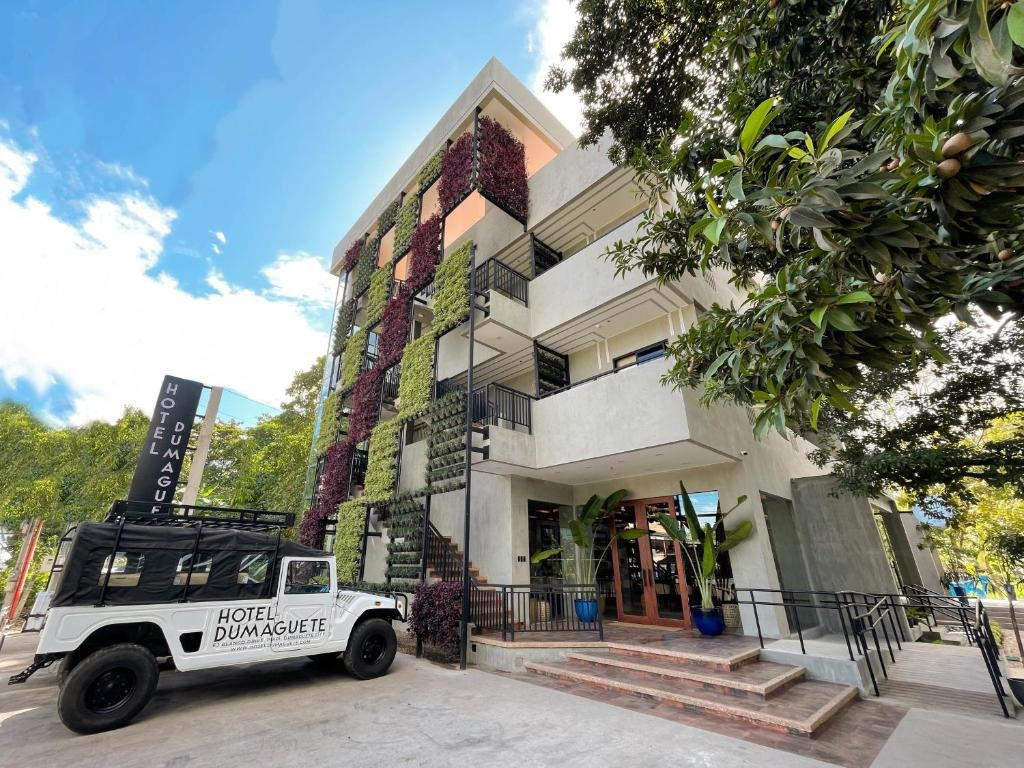
Laid‑back and unhurried, with modern resort styling, soft sea breezes, and tranquil waterfront views that make it feel like a quiet pause within the larger beach resort.