Bürgermeister
Our verdict
In the mountain resort town of Nova Friburgo, Bürgermeister occupies a distinct position in the Cônego neighbourhood, a place where the region's German and Swiss settler heritage shapes both the physical environment and what arrives on the plate. The address at Rua Deolinda Thurler places it squarely in one of Nova Friburgo's quieter, more residential quarters, away from the busier commercial strips closer to the city centre.

Pearl is the En Primeur Club membership app, where members save venues, book tables and use the concierge.
Mountain Towns, Settler Kitchens, and the Sourcing Logic Behind Nova Friburgo's Dining Scene
Nova Friburgo sits roughly 140 kilometres northeast of Rio de Janeiro in the Serra da Mantiqueira foothills, and its dining character owes more to the Swiss and German settlers who arrived in the early nineteenth century than to any coastal Brazilian tradition. The town's cool climate, daytime temperatures regularly sit 8 to 12 degrees below Rio's coastal average, supports smallholder agriculture that simply does not exist at sea level: cold-weather brassicas, dairy pastures, trout farms, and market gardens producing salad leaves and root vegetables that would wilt in the heat of the baixada fluminense. That agricultural fact shapes what restaurants in the area can credibly put on their menus, and it separates Nova Friburgo's dining from the broader Rio de Janeiro state scene in ways that go beyond mere geography. For broader context on eating well across the state and the country, see our full Nova Friburgo restaurants guide.
Bürgermeister, the name translates from German as "mayor" or "town leader", occupies a plot on Rua Deolinda Thurler in the Cônego district, one of Nova Friburgo's more settled residential neighbourhoods. Cônego sits at elevation, its streets lined with the pitched-roof architecture that German immigrants replicated from memory, and arriving here in the late afternoon, when low cloud rolls in from the Serra and the air carries a distinct chill, the European reference in the venue's name stops feeling like branding and starts feeling like geography. The physical environment does much of the framing before you reach the door.
What Ingredient Geography Means in This Part of the Serra
The Serra Fluminense region around Nova Friburgo is one of the few zones in southeastern Brazil where European-style cold-climate farming has operated continuously since the 1820s. Trout is farmed in the rivers feeding down from the higher elevations. Cheese production, particularly semi-hard styles derived from German and Swiss methods, has persisted across generations of settler families. Vegetables that require a genuine winter, leeks, chard, celeriac, winter squash, grow in smallholdings within short distances of the town. This matters because the sourcing logic available to a restaurant in Nova Friburgo is structurally different from what drives kitchens in coastal Rio or São Paulo. While a place like Oteque in Rio de Janeiro builds its modern Brazilian menu against the backdrop of a metropolis with access to every Brazilian biome via distribution networks, a Nova Friburgo kitchen operates in a zone where proximity to specific producers is a practical fact rather than a marketing choice. The mountain supply chain is shorter and more constrained, and that constraint tends to produce more specific cooking.
Brazilian restaurants working from regional ingredient logic have drawn attention at the national level for years. D.O.M. in São Paulo built a template around Amazonian ingredients sourced with documentary precision, while Manu in Curitiba applies a similar sourcing discipline to southern Brazilian producers. Nova Friburgo's mountain kitchens sit in a parallel but lesser-known track of that same national conversation. The ingredients here are European in origin but Brazilian in place, a combination that few other parts of the country can replicate.
The Cônego Setting and What to Expect
The Cônego neighbourhood functions as Nova Friburgo's quieter, more residential face. It lacks the commercial density of the city's central grid, which means arriving requires either a car or a deliberate journey from the main hotel areas. That logistical friction also functions as a filter: the clientele skews toward residents, repeat visitors who already know the town, and travellers who have done some prior research. Weekend afternoons and evenings in Cônego carry a particular quality, slower, more settled, less transactional than dining in a resort-oriented tourist zone.
The German settler aesthetic of the neighbourhood, with its steep-pitched houses and garden plots, creates a frame that a venue name like Bürgermeister fits without strain. This is not a theme restaurant deploying European signage for novelty effect. It sits in a place where the European reference is ambient and structural, built into the urban fabric across two centuries. Restaurants in similar settler-heritage mountain towns across southern Brazil, places like Primrose in Gramado or Castelo Saint Andrews in Vale do Bosque, operate in a comparable cultural register, where European architectural and culinary heritage has been maintained and adapted over generations rather than imported recently for tourist appeal.
Nova Friburgo in the Wider Brazilian Dining Conversation
Brazil's restaurant conversation at the premium end tends to concentrate in São Paulo, Rio de Janeiro, and increasingly in Salvador and Belém. Places like Birosca S2 in Belo Horizonte, Manga in Salvador, and Lobby Café in Belém signal a broadening geography, but mountain towns in Rio de Janeiro state remain significantly underwritten by English-language food media. Nova Friburgo does not generate the press coverage of a Campos do Jordão, see Mina in Campos do Jordão for a comparative mountain context, despite offering a comparable altitude-driven agricultural character. The gap between the quality of what the region produces and the attention it receives from national and international food media is measurable and likely temporary as Brazilian regional dining coverage expands.
For travellers already in the broader southeastern corridor, the reference points are useful. Orixás North in Itacaré and State of Espírito Santo in Rio Bananal illustrate how regional Brazilian kitchens with specific geographic identities are operating across the country, each working from a distinct local ingredient logic. Nova Friburgo belongs to that broader pattern.
Planning a Visit
Bürgermeister is located at Rua Deolinda Thurler, 119, Cônego, Nova Friburgo, Rio de Janeiro state. The Cônego district sits outside the main commercial centre of Nova Friburgo and is most easily reached by car; the road network through the serra can be slow in fog or rain, which is common in the cooler months between May and September. Those months also represent the period when the region's cold-climate produce is at its most varied, making them a reasonable time to visit if the agricultural sourcing dimension of eating here matters to you. Current hours, booking policy, and pricing are best confirmed directly with the venue before travel, as specific operational details are not publicly listed.
Frequently asked questions
Is Bürgermeister child-friendly?
The Cônego neighbourhood setting, residential, lower-traffic, away from Nova Friburgo's commercial centre, suggests a pace that works for families. No specific children's menu is confirmed, so it is worth contacting the venue directly before visiting with young children.
What should I expect atmosphere-wise at Bürgermeister?
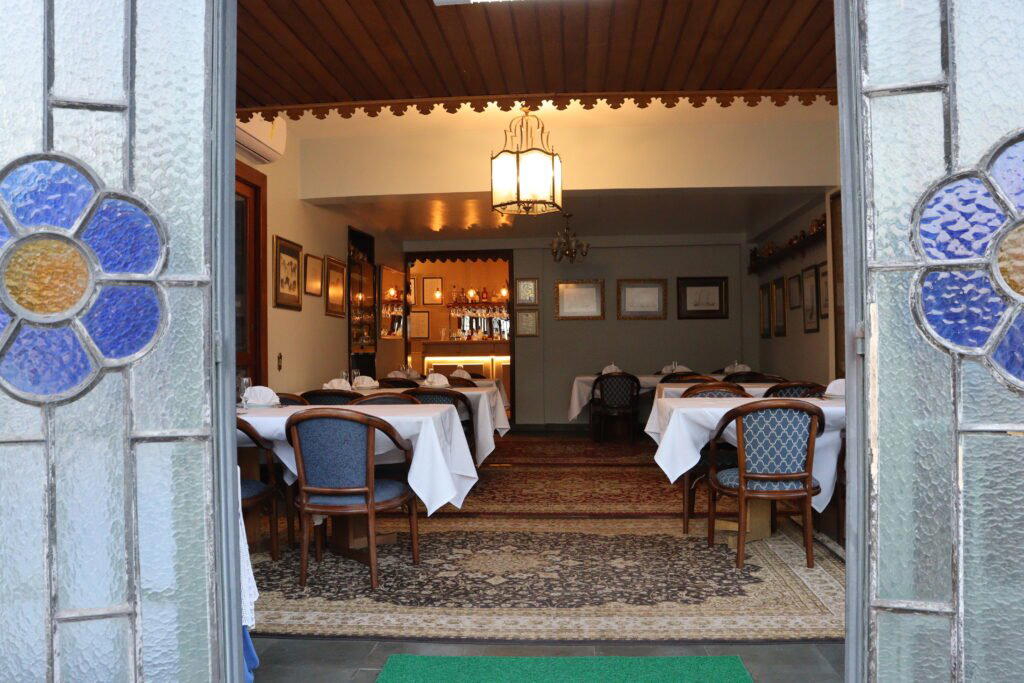
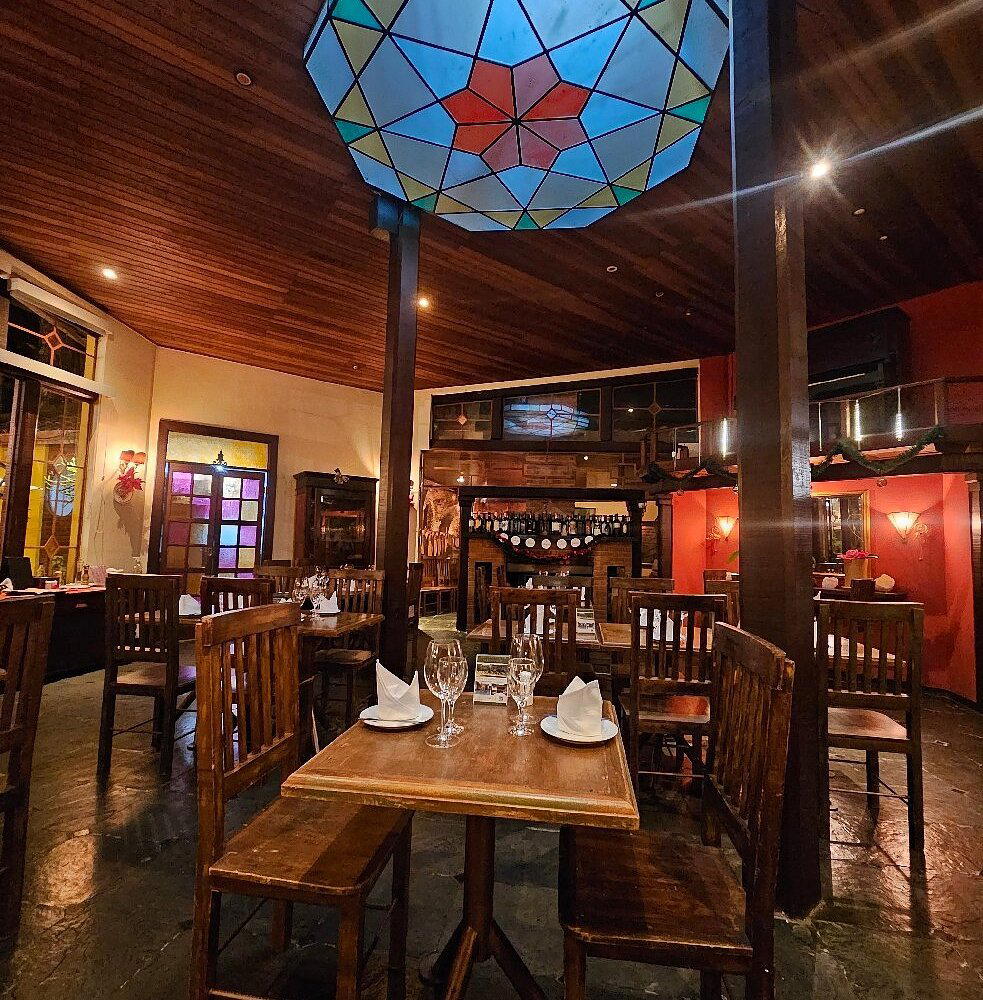
Bürgermeister sits on Rua Deolinda Thurler in Cônego, which is Nova Friburgo's quieter residential quarter rather than its busier central grid. The setting reflects the character of the neighbourhood: lower density, less foot traffic, and a more local rather than tourist-facing feel. Expect something closer to a neighbourhood dining room than a destination showcase.
Why do diners travel specifically to Nova Friburgo's Cônego district to eat, rather than staying in the city centre?
Cônego sits outside Nova Friburgo's main commercial corridor, which means restaurants there tend to serve a more local clientele and reflect the region's Swiss-German settler food culture rather than adapting to visitor expectations. Bürgermeister's address on Rua Deolinda Thurler places it squarely in that residential context, where the sourcing logic of the Serra Fluminense, one of southeastern Brazil's few zones suited to European cold-climate farming, is more directly present on the plate.
How do I find Bürgermeister?
Bürgermeister is located at Rua Deolinda Thurler, 119 - Cônego, Nova Friburgo - RJ, 28621-170, Brazil, Nova Friburgo.
Can I walk in to Bürgermeister?
No booking policy is published for Bürgermeister. In smaller dining rooms in residential districts like Cônego, walk-in capacity can be limited on weekends when Nova Friburgo draws visitors from Rio de Janeiro, roughly 140 kilometres to the southwest. Calling ahead is the safest approach.
How It Stacks Up
| Venue | Cuisine | Price | Awards | Notes |
|---|---|---|---|---|
| BürgermeisterThis venue (the venue you are viewing) | Traditional German | $20–30 | Not listed | Not listed |
| Oteque | Modern Seafood Fine Dining | $100–150 | 1 Michelin Star · World's 50 Best #38 | Modern Brazilian, Modern Cuisine |
| D.O.M. | Modern Brazilian Amazonian Fine Dining | $150–200 | 2 Michelin Stars · World's 50 Best #74 | Modern Brazilian, Creative |
| Evvai | Modern Italian-Brazilian Fusion | $200–300 | 3 Michelin Stars · World's 50 Best #95 | Contemporary Italian, Modern Cuisine |
| Lasai | Modern Brazilian Fine Dining | Not listed | 2 Michelin Stars · World's 50 Best #28 | Regional Brazilian, Modern Cuisine |
| Maní | Modern Creative Brazilian | $50–100 | 1 Michelin Star · World's 50 Best #67 | Brazilian - International, Creative |
Continue exploring
More in Nova Friburgo
Details
- Cozy
- Rustic
- Intimate
- Date Night
- Family
- Beer Program
- A La Carte
- Beer
Current opening hours
- Monday
- Closed
- Tuesday
- 12–4 PM, 6–10 PM
- Wednesday
- 12–4 PM, 6–10 PM
- Thursday
- 12–4 PM, 6–10 PM
- Friday
- 12–4 PM, 6–10 PM
- Saturday
- 12–4 PM, 6–10 PM
- Sunday
- 12–4 PM
Hours can change for holidays and private events. Hours as of .
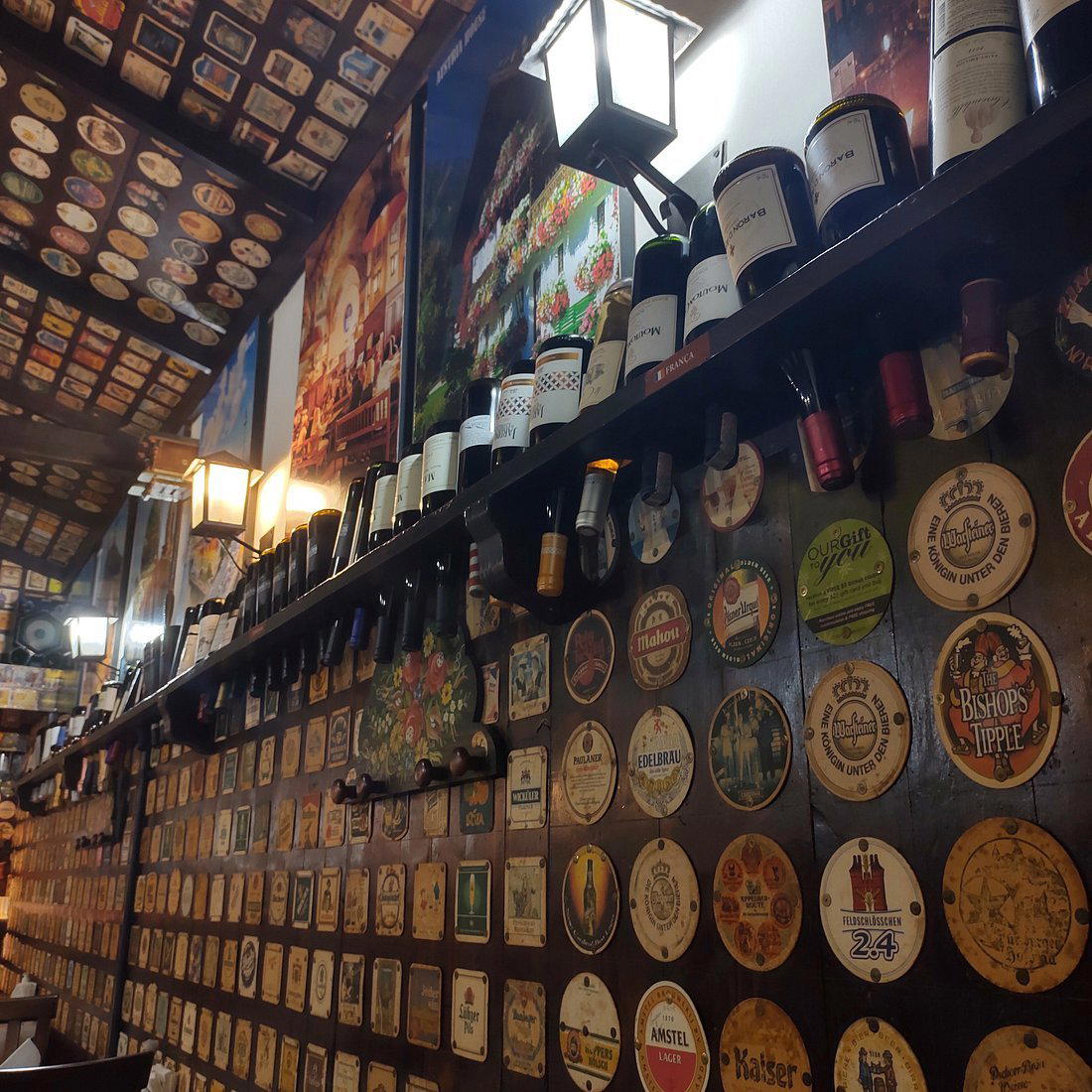
Lovely decor with thousands of beer labels creating an exotic, cozy German atmosphere that makes guests feel relaxed.