Our verdict
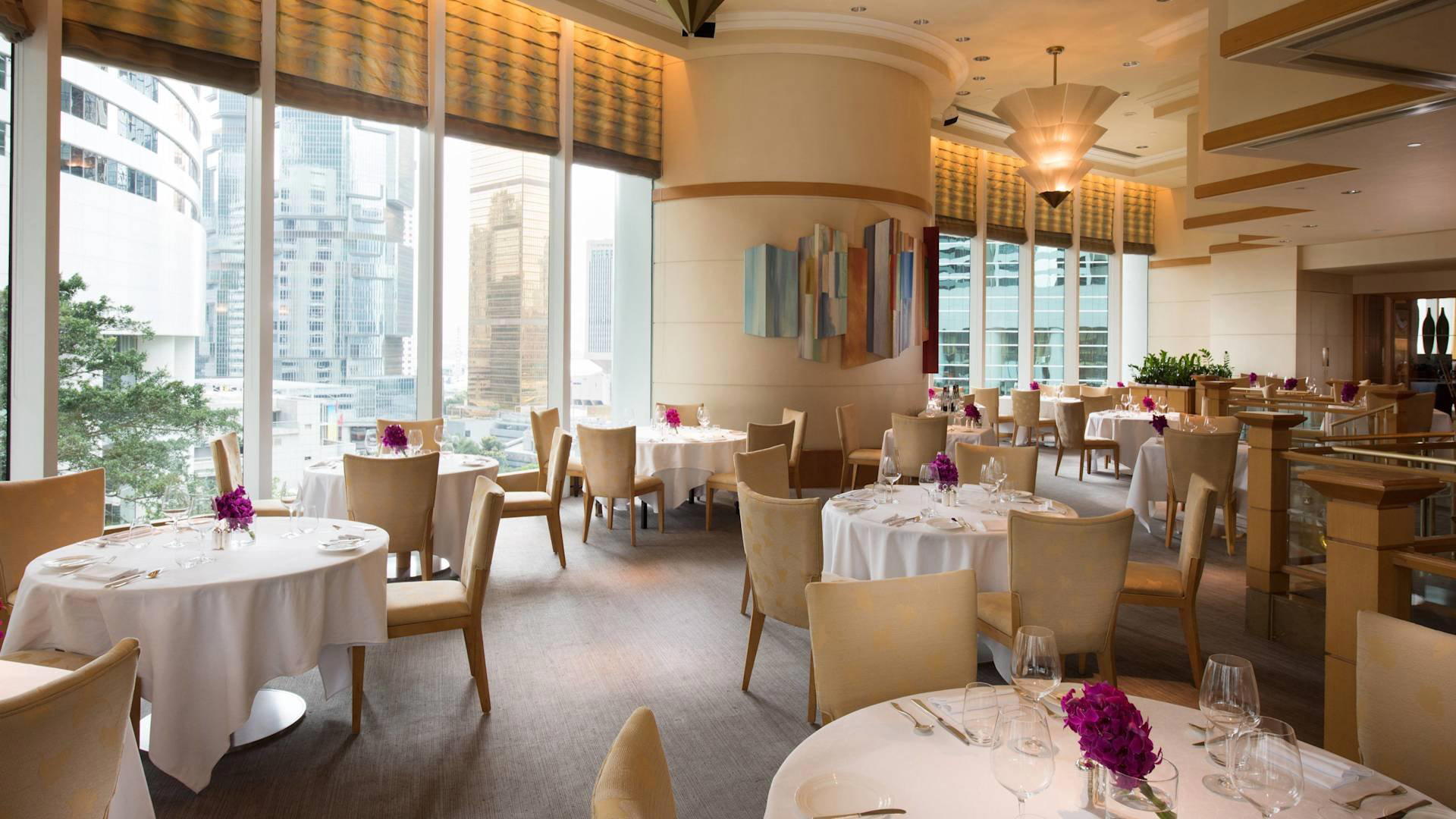
Brasserie on the Eighth sits in Central’s hotel-dining orbit, where Hong Kong’s appetite for polished European rooms meets the city’s constant pull toward provenance and consistency. With little public detail on chef, pricing, awards, or menu format, the useful read is contextual: judge it as a Queensway brasserie proposition rather than as a destination tasting counter.

Pearl is the En Primeur Club membership app — saves, bookings, and concierge access live there. Same editors, same standards.
The menu
What to order
- Baked Burgundy escargots
- Rossini-style beef
- French onion soup
- Lobster bisque
Polished dining in Hong Kong has a particular city rhythm: lift doors opening above traffic, suited tables arriving from nearby offices, and a room expected to handle business lunches, visitors, and evening dining without theatrics. Brasserie on the Eighth belongs to that urban category, where the value of the experience depends less on novelty than on sourcing discipline, kitchen consistency, and whether the room can make brasserie language feel relevant in a city that already has deep local and international dining options within a short taxi ride.
Hong Kong's brasserie format lives or dies by produce, not spectacle
Hong Kong brasserie dining has always been shaped by supply chains. The city imports aggressively, pays attention to seasonality when restaurants are disciplined enough to do so, and rewards kitchens that can translate familiar references without turning them into dining-room clichés. In this category, ingredient sourcing is not a decorative claim. It determines whether the food tastes precise, whether main plates justify the room’s formality, and whether supporting elements function as more than garnish beside a centrepiece plate.
That matters because Hong Kong is crowded with sharper points of comparison. Rooms such as Summer Palace occupy a different register, one built around established technique, formal pacing, and a style where sourcing is judged through texture as much as flavour. Dim Sum Library speaks to another lane, while Golden Leaf and Island Gourmet sit closer to the city’s established dining circuits. Against that field, a brasserie has to make a clear argument: not louder cooking, but cleaner procurement, confident execution, and pacing that suits Hong Kong’s compressed dining windows.
The broader city map reinforces the point. Readers comparing Hong Kong dining can move from formal dining rooms to more relaxed, high-energy venues, then across the city to places built around local rhythm, quick meals, or neighbourhood loyalty. That spread is the pressure test for any Hong Kong brasserie: it must offer composure and dependable ingredients, because Hong Kong diners can find intensity, value, and specificity elsewhere with ease.
Why Hong Kong changes the read of the room
Hong Kong is not a sleepy dining market. It is a city where offices, transport links, retail, visitors, and dense residential life create a dining audience that is practical before it is sentimental. Restaurants here are often judged by reliability: can the kitchen handle a quick lunch without flattening the food, a cross-generational dinner without becoming bland, and a business table without making service feel ceremonial?
Brasserie on the Eighth is useful to understand through that lens. Its Hong Kong setting places it in a city where dining decisions are often made around proximity and assurance rather than discovery. That does not make the format lesser. It means the room competes on restraint, sourcing, and operational steadiness rather than chef mythology. In a city where some venues trade on scarcity and others on street-level momentum, the polished brasserie occupies a middle ground: less performative than a tasting menu, more structured than a casual all-day restaurant.
For travellers building a wider Hong Kong itinerary, the comparison should be categorical rather than literal. A meal here sits closer to the city’s business-dining and polished dining-room tradition than to destination-led culinary theatre. Pair that understanding with the broader guides to Our full Hong Kong restaurants guide, Our full Hong Kong hotels guide, and Our full Hong Kong bars guide; the city makes more sense when restaurants, hotels, and bars are read as overlapping networks rather than isolated stops.
How to place it inside Hong Kong's wider dining map
The strongest case for a Hong Kong brasserie is not that it replaces the city’s more specialised cooking. It gives a different kind of utility: structured service, polished pacing, and a setting calibrated for conversations that need space. That is a valid niche in Hong Kong, especially when the rest of the itinerary may include sharper, narrower experiences. A traveller could bracket the city through dining rooms as varied as neighbourhood favourites, entertainment-led venues, resort meals, and addresses with historical memory, each pointing to a different dining impulse.
That breadth is why ingredient sourcing remains the serious question. Hong Kong diners are fluent in comparison. They know when ingredients have been treated with respect, when imported produce carries its cost, and when a brasserie plate has been designed for margin rather than flavour. The category asks for fewer fireworks and more discipline: good suppliers, careful prep, cleanly executed plates, and service timing that respects the city’s pace.
For context beyond restaurants, the same city logic applies across categories: Our full Hong Kong wineries guide and Our full Hong Kong experiences guide show how compact the market is, while wider references to other dining cities underline a broader truth: format only matters when the sourcing and execution justify it. Brasserie on the Eighth is best read through that standard, as a Hong Kong brasserie whose relevance depends on dependable ingredients and calm precision.
Frequently asked questions
Is Brasserie on the Eighth a family-friendly restaurant?
Its brasserie format in Hong Kong makes it a sensible choice for mixed groups rather than a formal tasting-room setting. Families looking for a sit-down meal in Hong Kong should find the format practical.
What is the atmosphere like at Brasserie on the Eighth?
Expect a brasserie setting in Hong Kong, not a counter-led or chef's-table room. The mood is shaped by the pace of the city and by a polished dining-room format built for conversation.
Where do I go for Brasserie on the Eighth?
Hong Kong.
How hard is it to get a table at Brasserie on the Eighth?
Those details are not published. In Hong Kong, popular meal periods can be more competitive than off-peak hours. Check the venue's official channels for the latest details.
What makes Brasserie on the Eighth worth seeking out?
For diners who want a brasserie in Hong Kong, the appeal is the format, polish, and dependable dining-room rhythm. It is best understood as part of the city's practical, conversation-friendly restaurant landscape.
Comparable Spots, Quickly
Side-by-side context: comparable cuisine and price.
| Venue | Cuisine | Price | Awards | Notes |
|---|---|---|---|---|
| Brasserie on the EighthThis venue — the venue you are viewing | French-Continental Brasserie | $50–100 | Not listed | Not listed |
| Dim Sum Library | Modern Cantonese Dim Sum | $50–100 | Not listed | Dim Sum |
| Golden Leaf | Classic Cantonese | Not listed | Not listed | Not listed |
| Island Gourmet | Hotel Patisserie and Light Lunch | Not listed | Not listed | Not listed |
| Summer Palace | Classic Cantonese Fine Dining | Not listed | 1 Michelin Star · SCMP 100 Top Tables Restaurants | Cantonese |
Continue exploring
More in Hong Kong
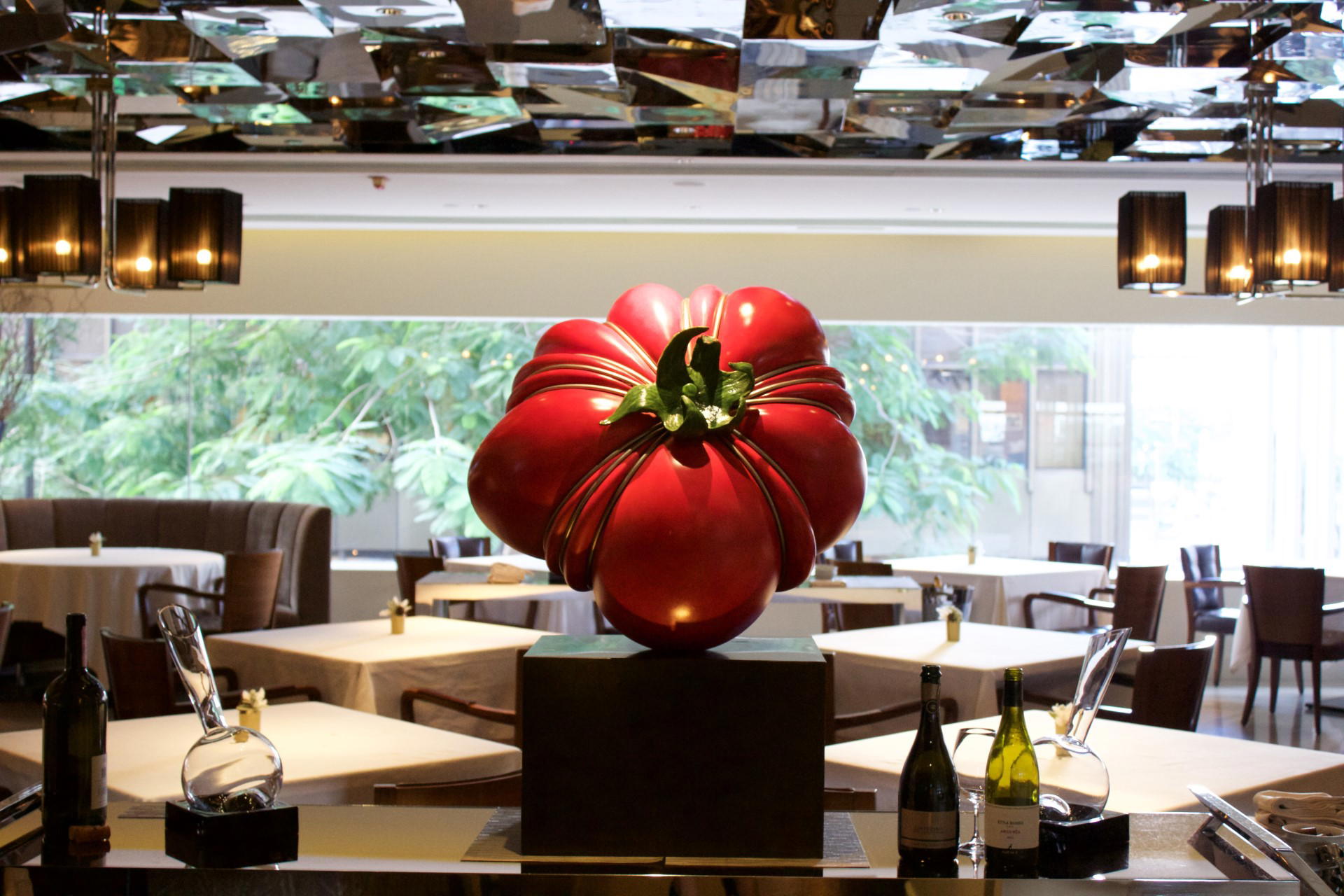
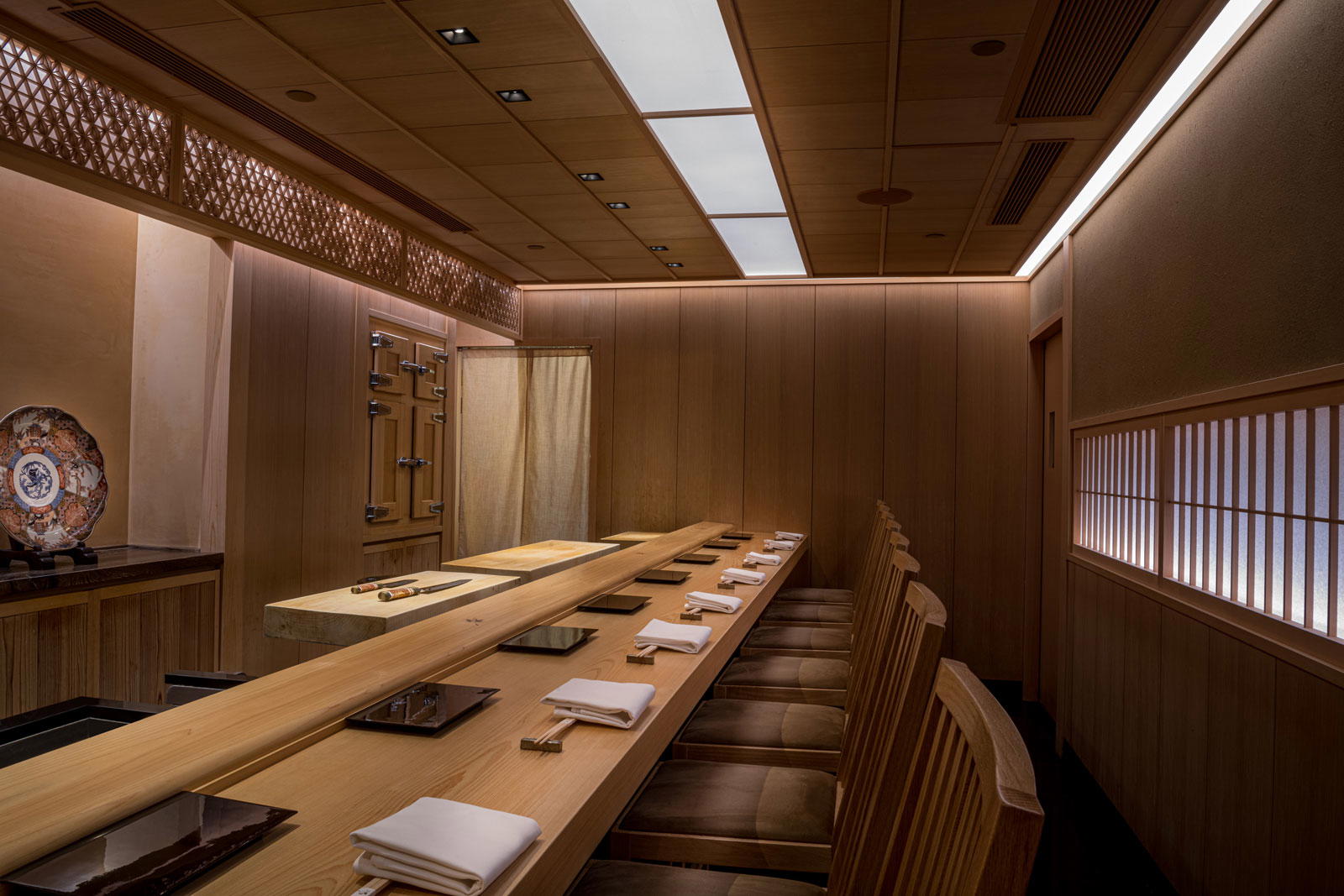
Restaurants in Hong Kong
All restaurants in Hong Kong →
Bars in Hong Kong
All bars in Hong Kong →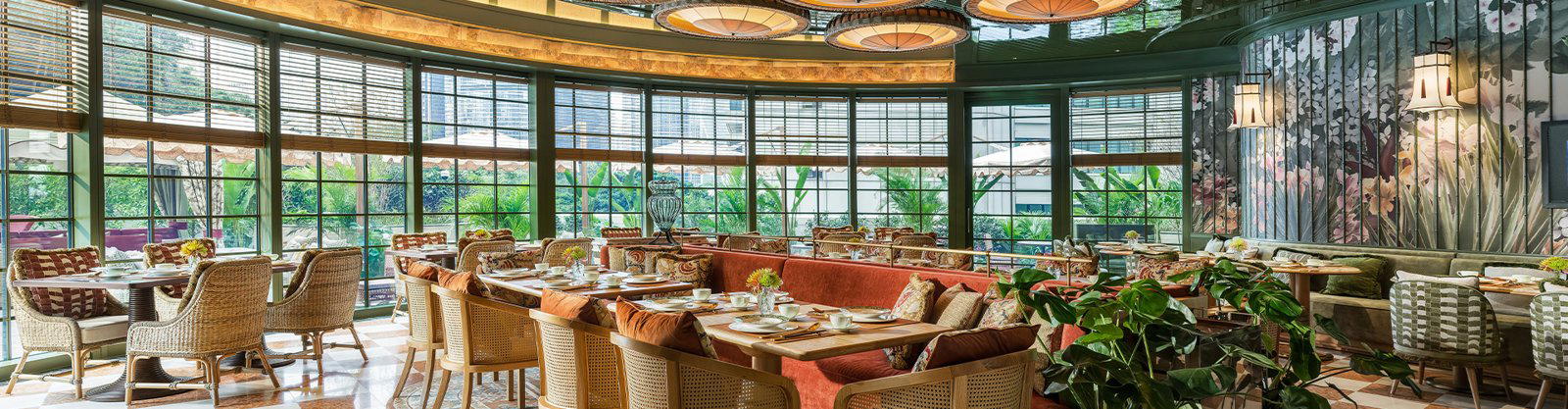
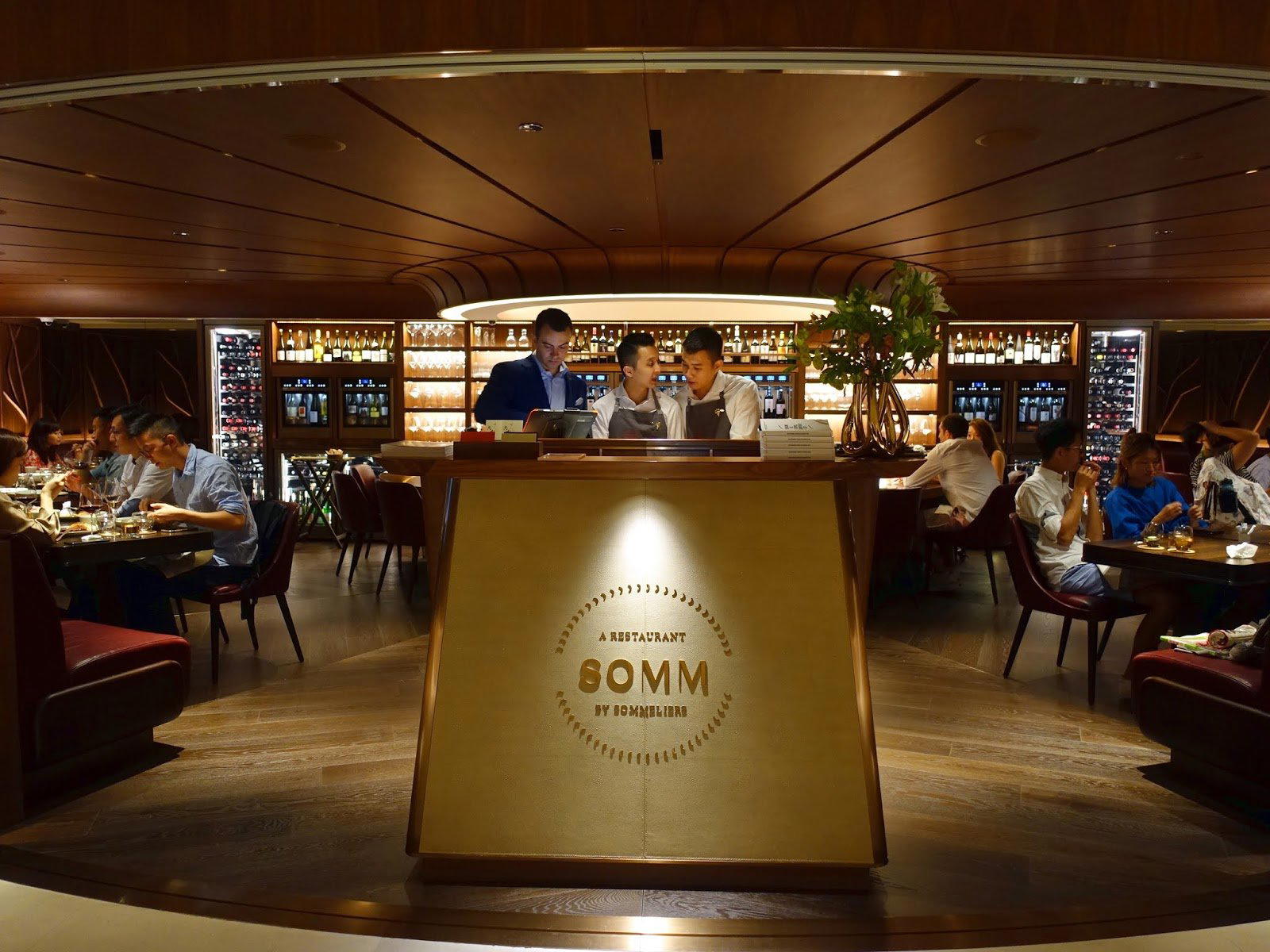
Hotels in Hong Kong
All hotels in Hong Kong →
Wineries in Hong Kong
All wineries in Hong Kong →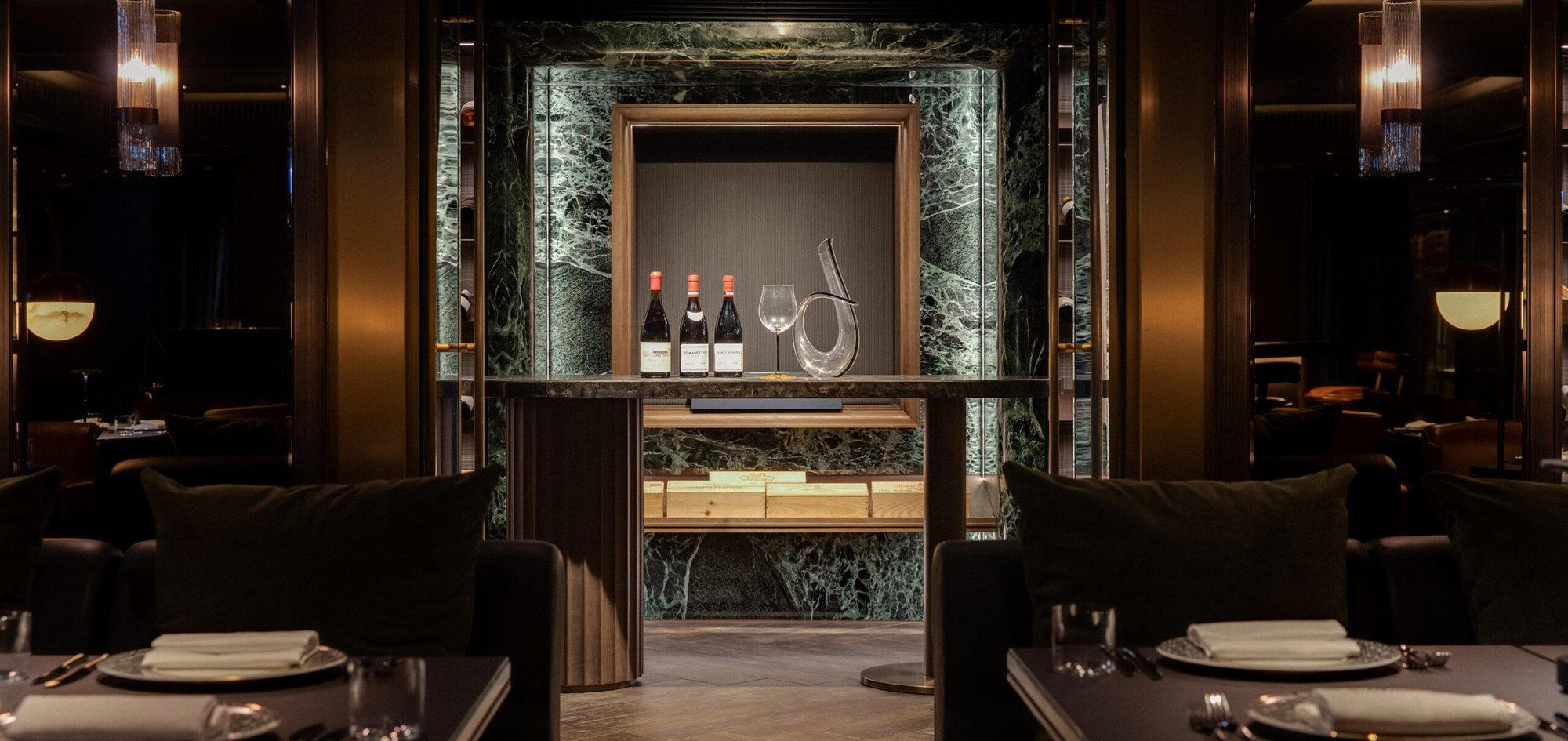
Brasserie on the Eighth
The wine
- Wine program
- Curated wine list
- Extensive wine list
Details
- Classic
- Sophisticated
- Elegant
- Romantic
- Modern
- Date Night
- Business Dinner
- Group Dining
- Brunch
- Private Event
- Casual Hangout
- Open Kitchen
- Private Dining
- Hotel Restaurant
- Extensive Wine List
- Skyline
- A La Carte
- Set Menu
- Prix Fixe
- Buffet
- Wine
Current opening hours
- Monday
- 12–3 PM, 6:30–10:30 PM
- Tuesday
- 12–3 PM, 6:30–10:30 PM
- Wednesday
- 12–3 PM, 6:30–10:30 PM
- Thursday
- 12–3 PM, 6:30–10:30 PM
- Friday
- 12–3 PM, 6:30–10:30 PM
- Saturday
- 11:30 AM–2:30 PM, 6:30–10:30 PM
- Sunday
- 11:30 AM–2:30 PM, 6:30–10:30 PM
Hours can change for holidays and private events. Last verified .
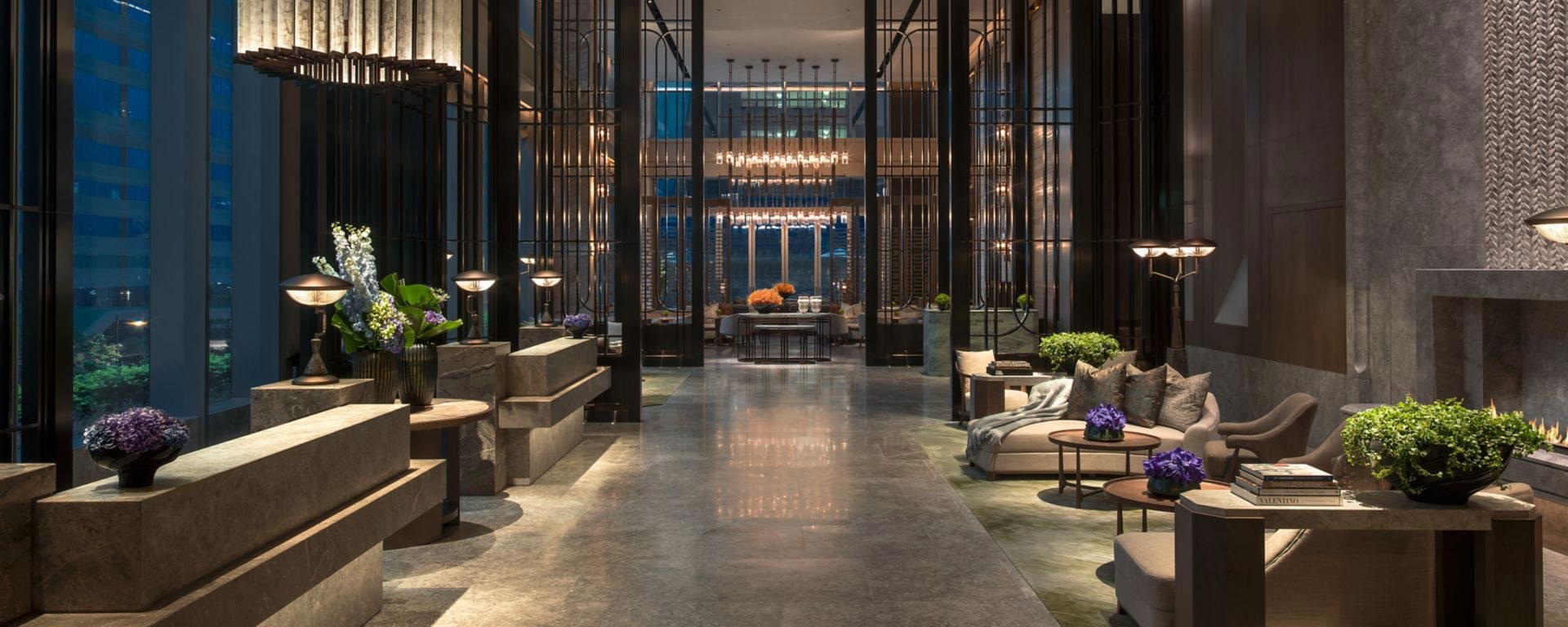
A lively yet understated hotel brasserie atmosphere with warm service, an interactive open kitchen, and a classic, romantic feel.