
Relais Chateaux Award
Our verdict
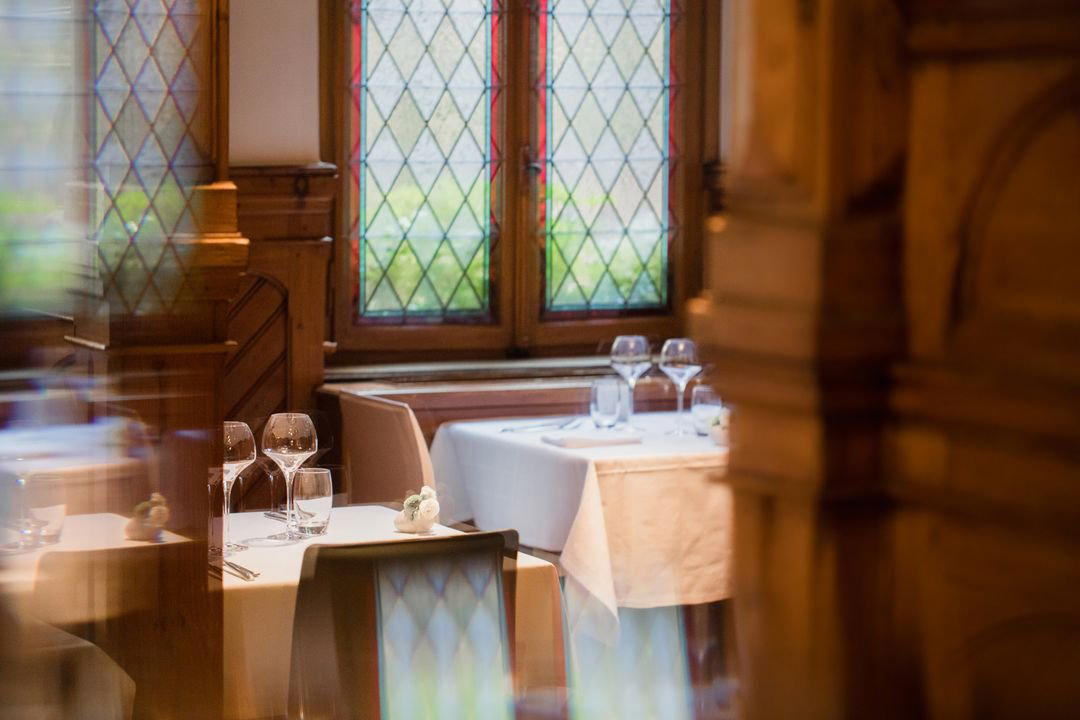
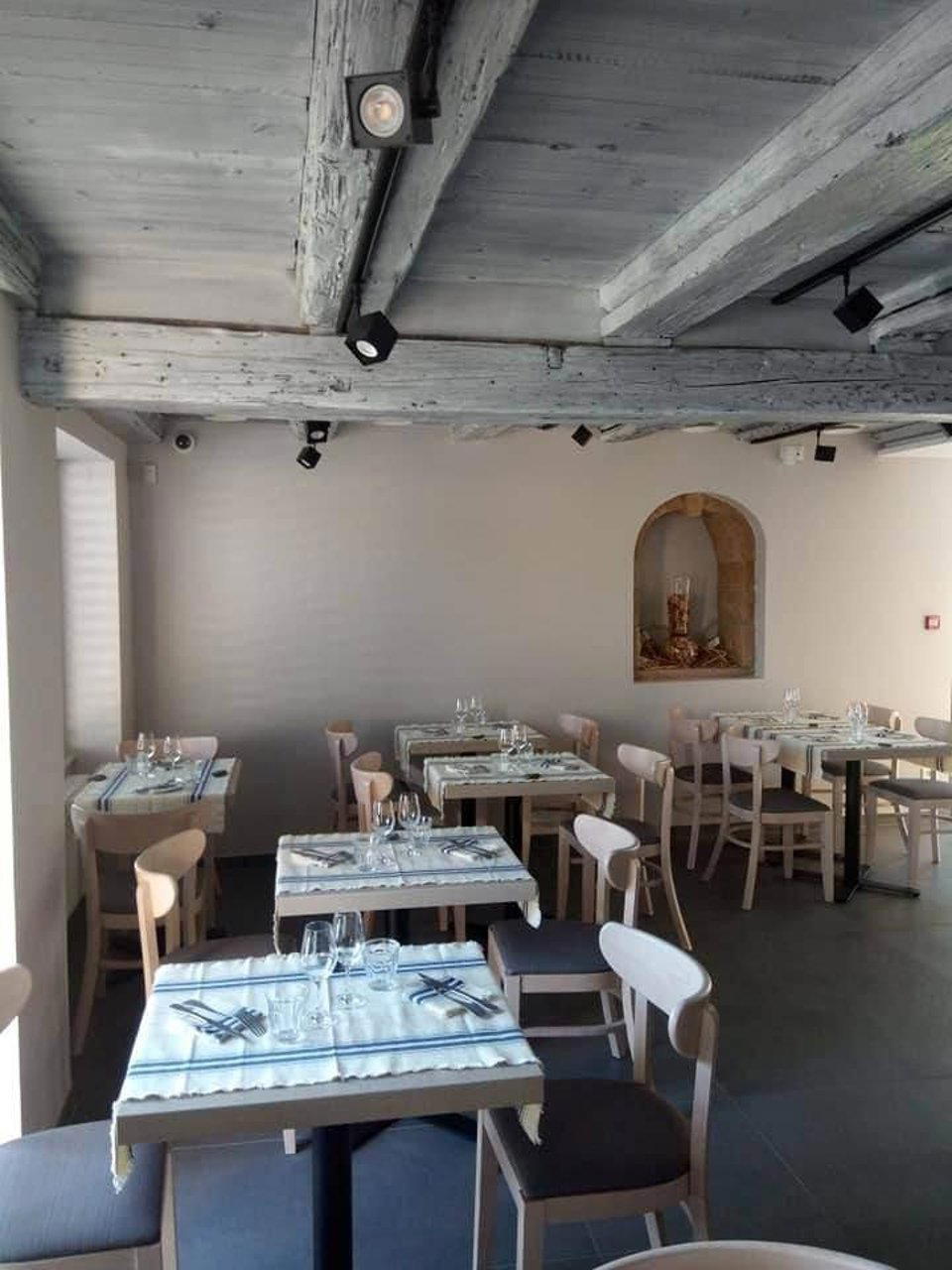
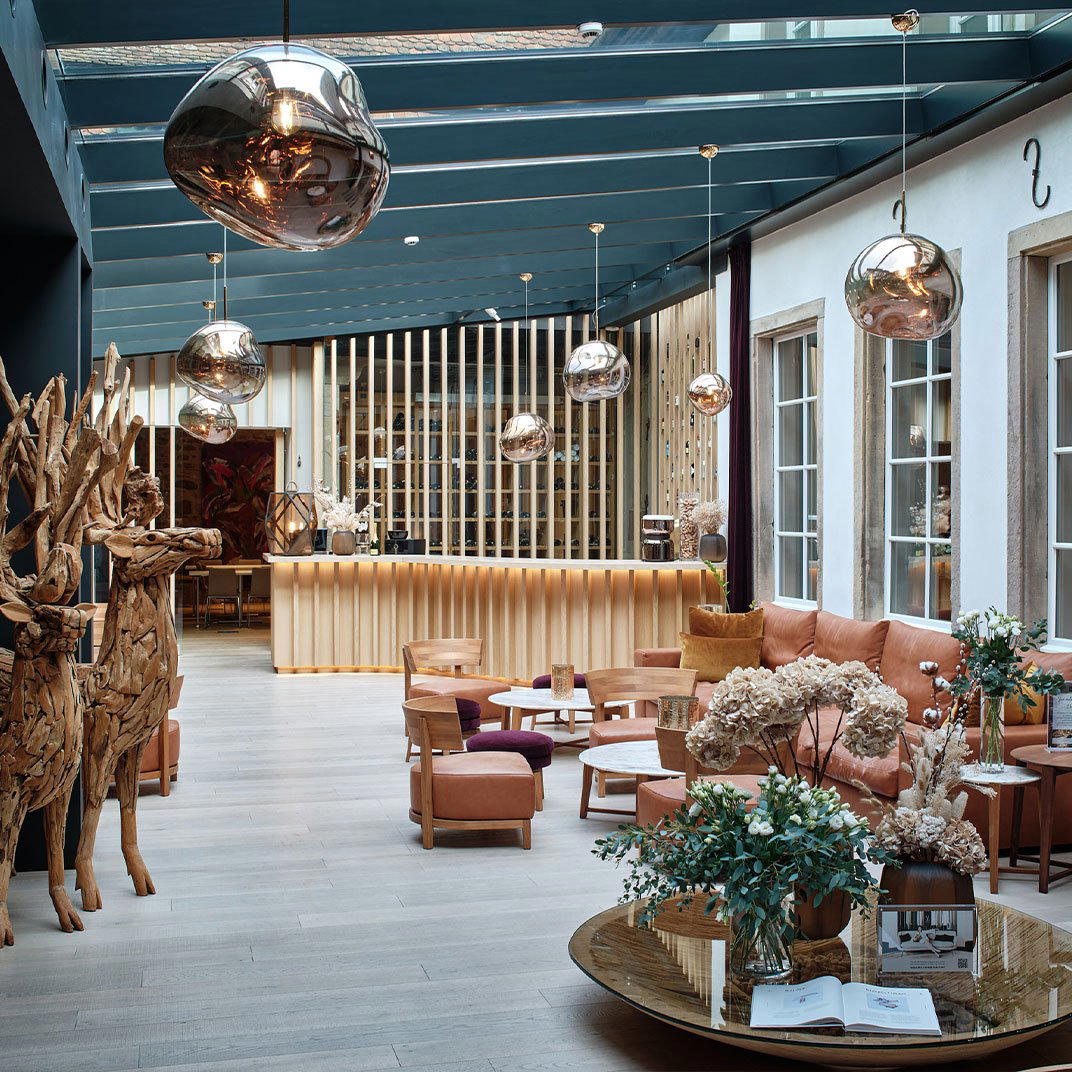
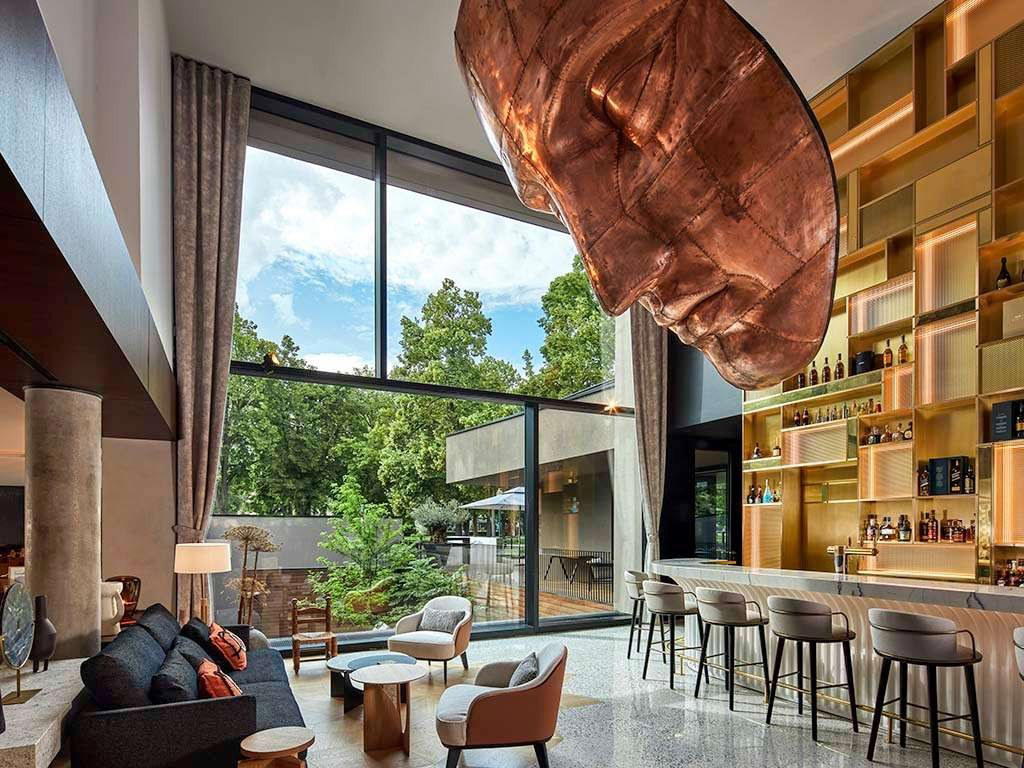
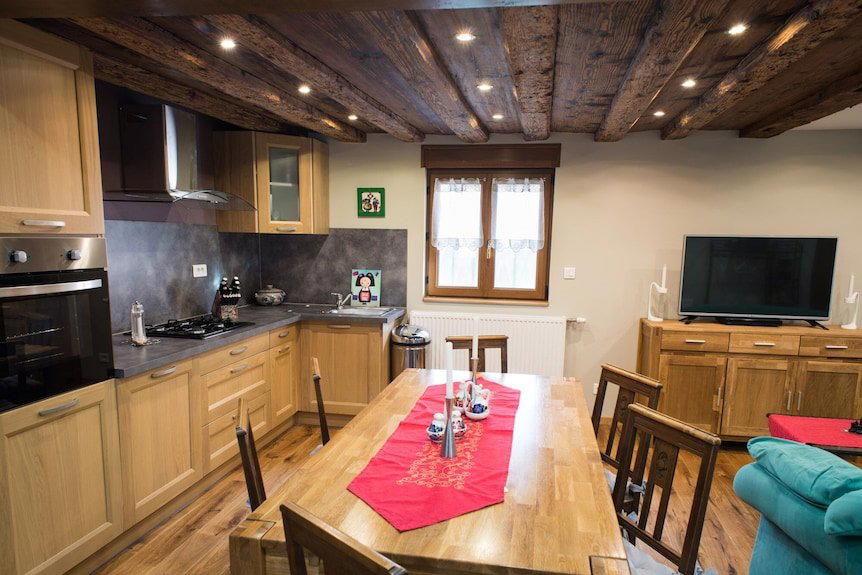
Brasserie Historique fits Colmar’s brasserie tradition through material detail rather than nostalgia: woodwork, cast iron, stained glass and contemporary lighting set a room built for lunch, dinner and shared Alsatian cooking. Its interest lies in how the city’s hearty regional habits are edited for a livelier, more current register without abandoning the convivial brasserie frame.

Pearl is the En Primeur Club membership app, where members save venues, book tables and use the concierge.
The menu
What to order
- Choucroute
- Soup of the day
- Warm chocolate mousse soufflé
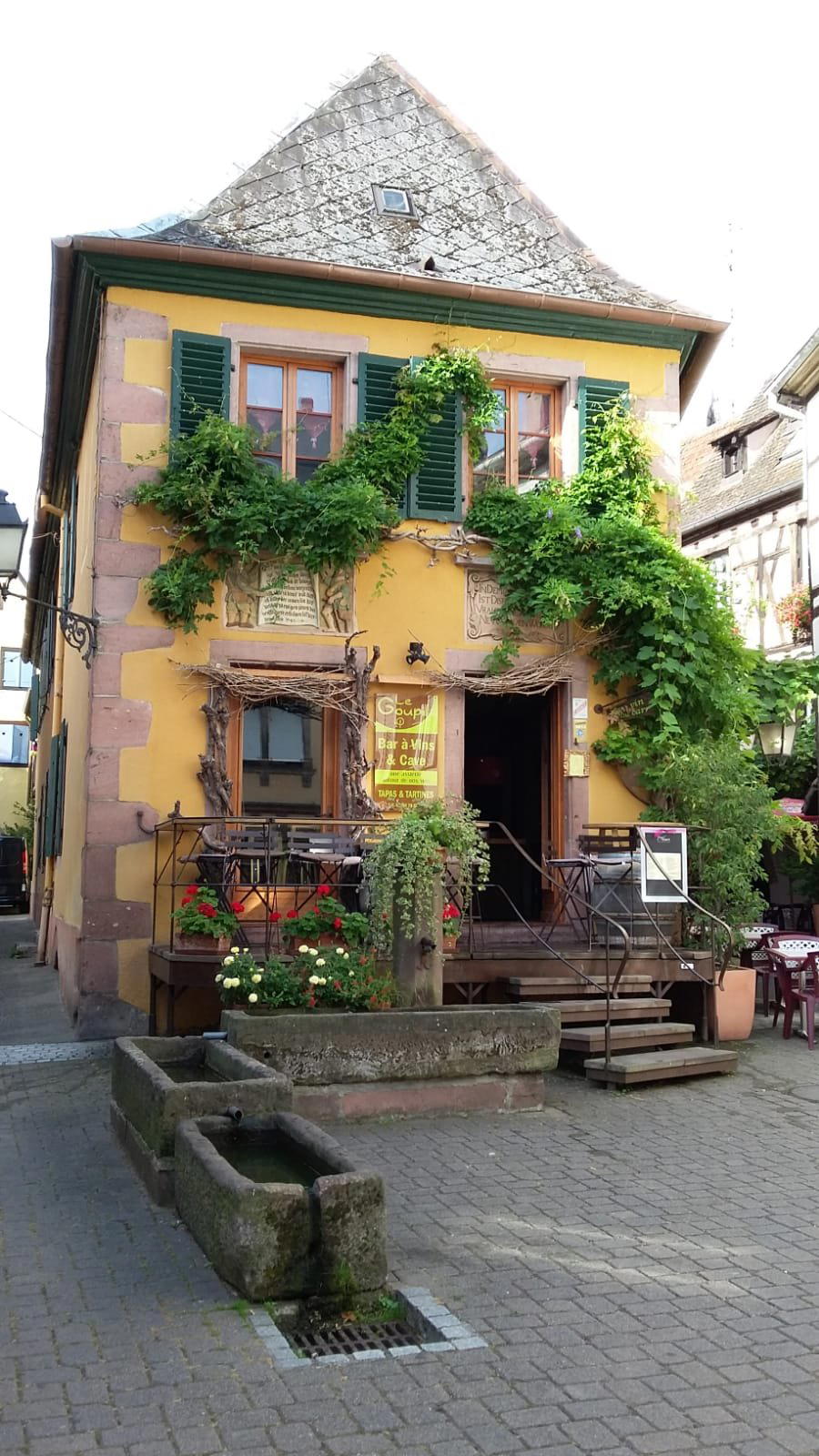
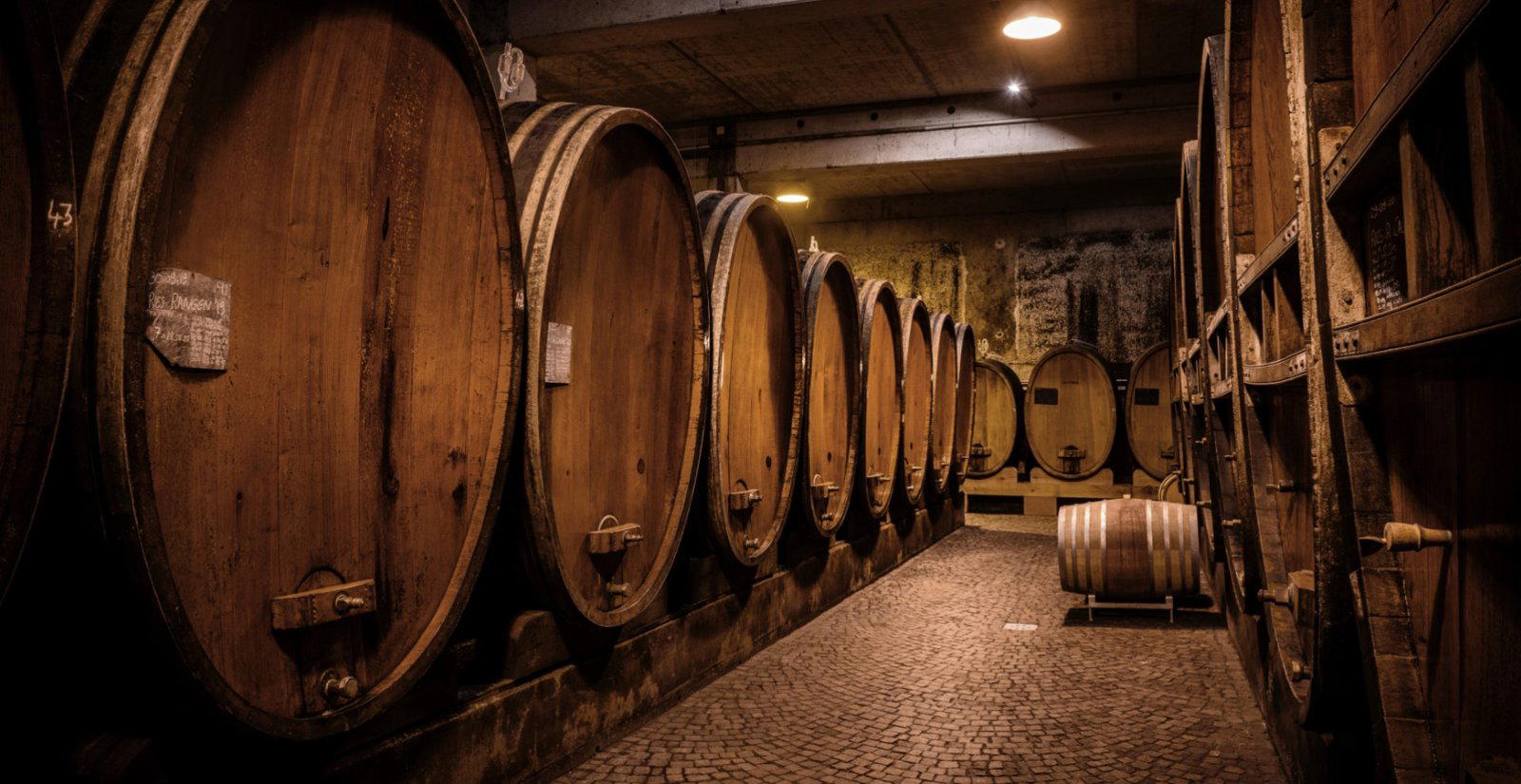
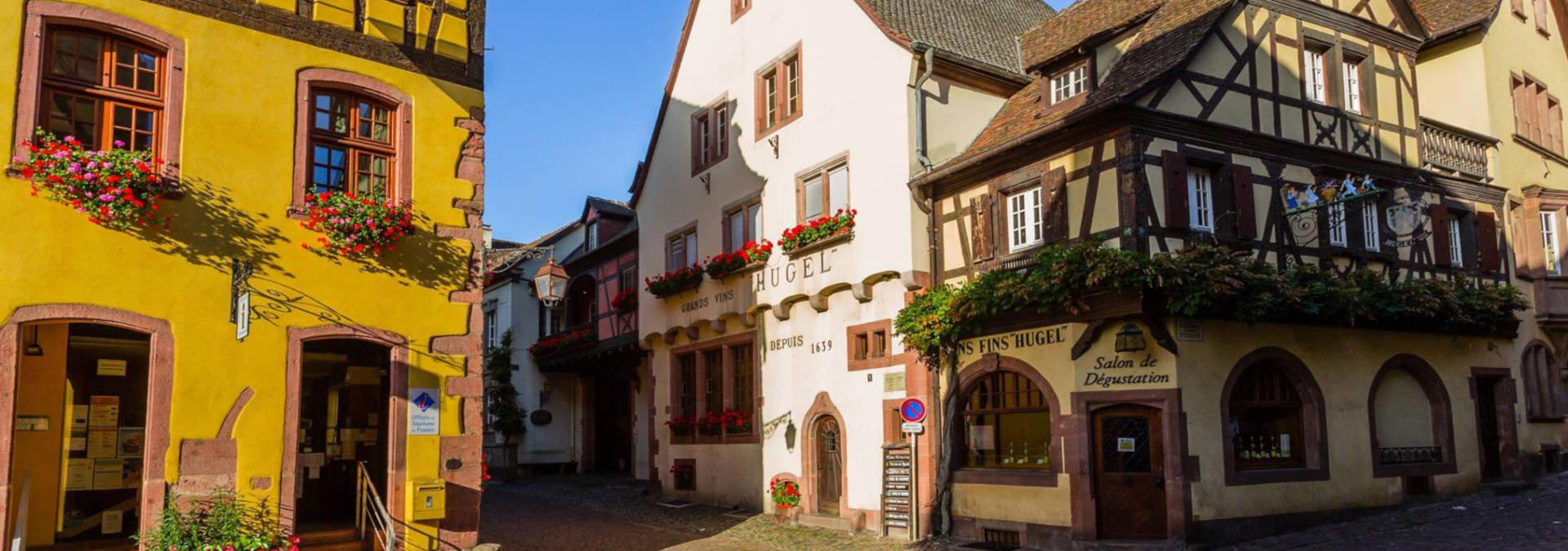
Colmar dining often announces itself through atmosphere, hospitality and regional appetite: rooms built for wine, conversation, comfort and a sense of place. Brasserie Historique works in that register as an Alsatian brasserie in Colmar, with a heritage-minded identity rather than a purely formal one. The result is not a claim to museum-like preservation, but a brasserie proposition that understands how setting matters when a meal is rooted in local expectation.
That context matters because Colmar’s restaurant culture splits across lanes. There is the high-formal creative end, represented by Restaurant Girardin, and the polished French provincial register of La Maison des Têtes. Then come winstubs and brasseries, where the promise is less tasting-menu choreography than recognisable comfort, wine friendliness and a room for couples, friends and mixed-age tables without ceremony. Brasserie Historique belongs to that latter conversation, with a cleaner, more contemporary reading of the brasserie idea.
Alsatian brasserie culture, updated through the room
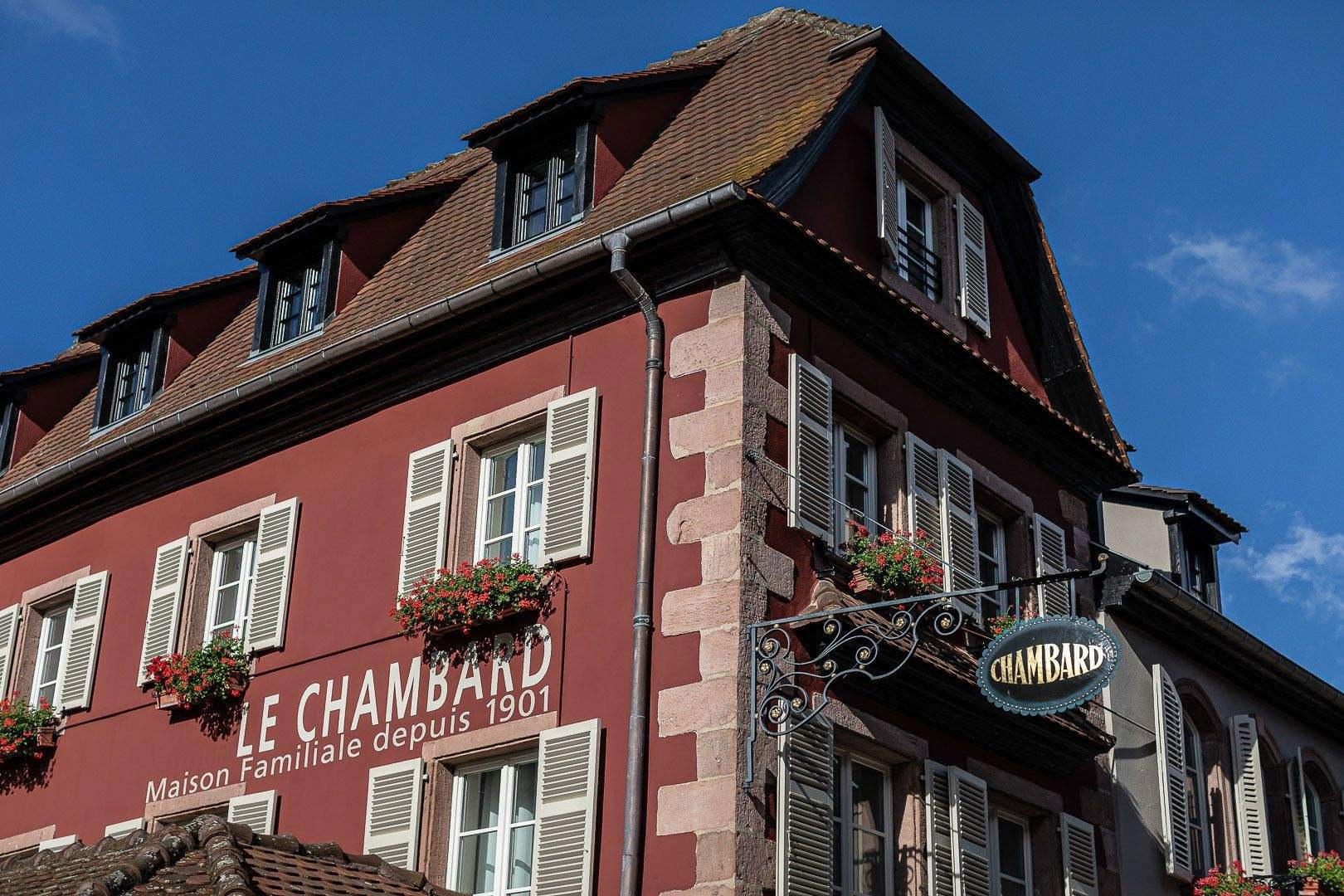
The strongest signal is format. Colmar can make restaurants lean too hard on postcard atmosphere, but better rooms use heritage as a frame, not a costume. Brasserie Historique’s own positioning points to an Alsatian brasserie with a heritage-room identity, which is useful for travellers trying to read the city’s dining range. This is a lively brasserie proposition, not a hushed gastronomic salon.
Regional context is the lens through which Alsatian brasserie cooking makes sense. The area’s table is often associated with generous plates, wine culture and familiar local references rather than theatrical rarity. Here, the point is not to invent a detailed mythology around the kitchen, but to understand the category: Brasserie Historique sits in that middle ground where Alsatian identity remains legible while the format suits a present-day city audience.
That position separates it from more formal local dining. A creative restaurant can abstract the region into technique; a winstub can preserve older vocabulary almost intact. A brasserie must feel relaxed without becoming careless. In Colmar, that means serving visitors arriving with expectations of Alsace and locals who do not need another caricature. The room’s social energy becomes part of the point: this format depends on conversation and generosity of mood as much as on the plate.
Where it sits among Colmar's casual-to-polished tables
Within Colmar, the useful comparison is not only price or cuisine label, but degree of formality. Winstub Bartholdi and La Cocotte de Grand-Mère sit closer to traditional comfort, while Restaurant Girardin belongs to a more ambitious creative lane. Brasserie Historique occupies the social centre: polished enough for dinner after a city or wine-country day, informal enough that the room does not demand a special-occasion script.
Readers building a broader Colmar itinerary can use that distinction to avoid repeating the same meal twice. For a tighter city comparison, EP Club’s restaurant pages for other Colmar dining rooms and Bartholdi map the city’s range from casual regional rooms to more contemporary cooking. The wider Colmar restaurants guide is the better planning tool for sorting meals by mood, not cuisine label alone.
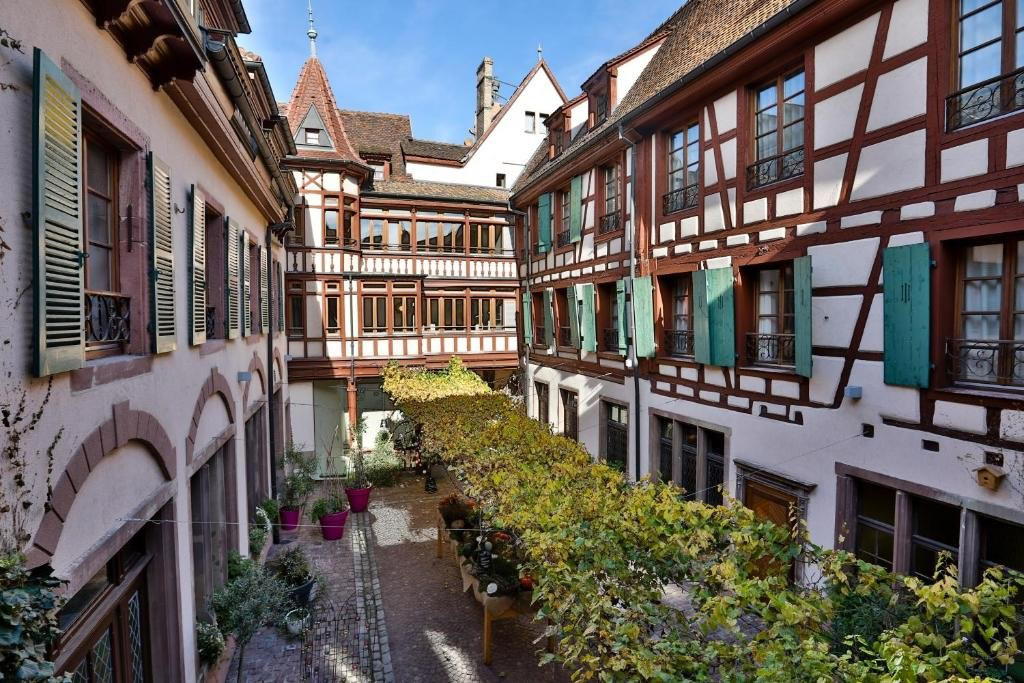
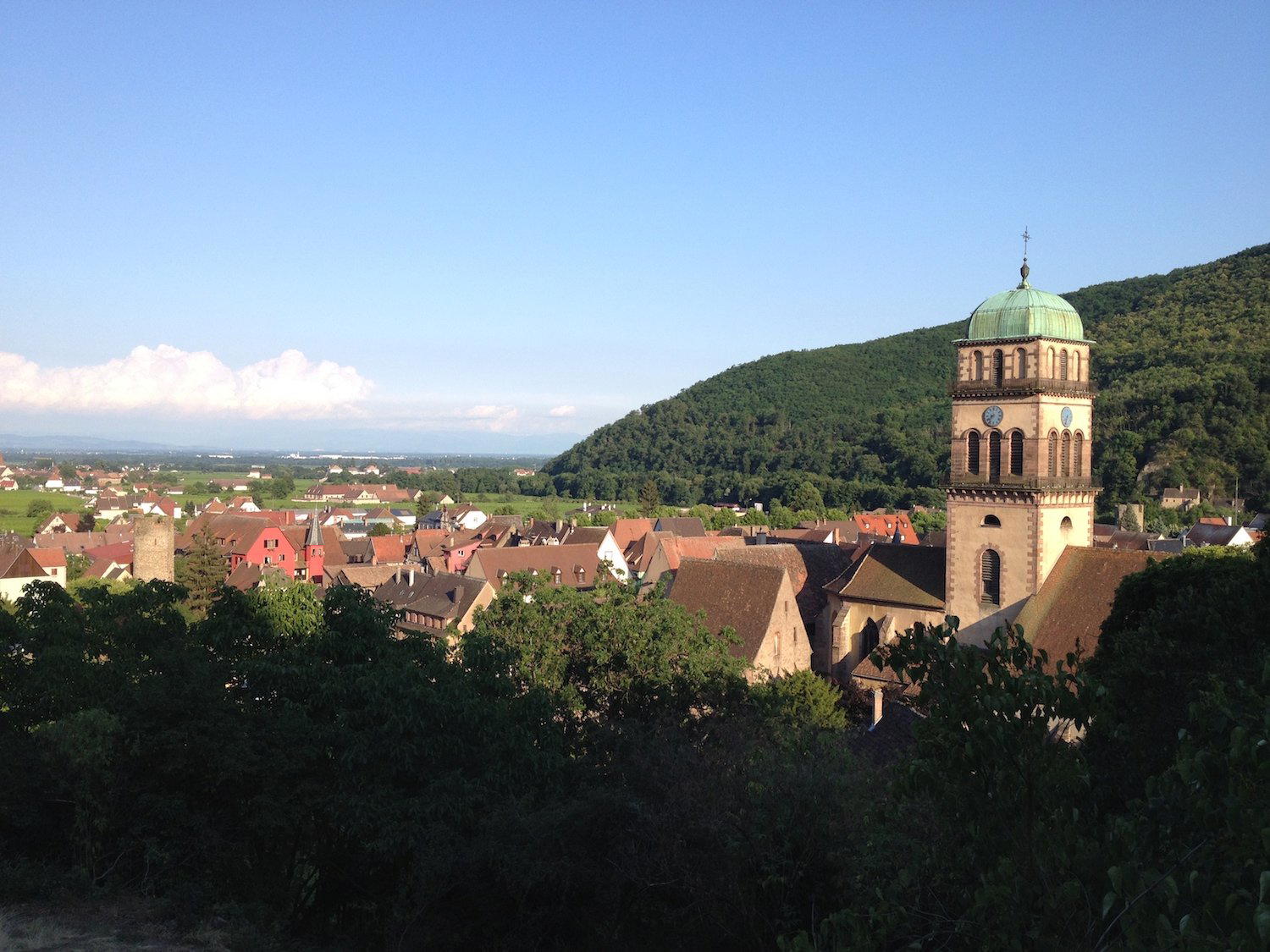
Colmar also rewards travellers who think beyond one table. Hotels in Colmar shape how often a meal becomes a walk rather than a transfer, while the city’s bars and wineries complete the Alsatian equation: food, architecture and wine culture sit close together. The Colmar hotels guide, Colmar bars guide, Colmar wineries guide and Colmar experiences guide help read the city as a whole rather than treating dinner as an isolated booking.
Why the format matters for sourcing-led eating
Alsace is one of France’s clearest examples of regional eating built from proximity and habit. Its dining culture is often read through brasserie rhythm: generous, convivial, wine-aware and closely tied to local expectations. A contemporary brasserie in Colmar is strongest when it keeps that logic visible without turning every plate into a heritage lesson. The value is recognisable regional structure, not decorative folklore.
Brasserie Historique’s appeal is therefore less chef mythology than category discipline. The room supports the food’s intended register: convivial, local in tone and flexible across the meal. It is practical for travellers wanting Alsatian character without the heavier codes of a traditional winstub or the extended pacing of fine dining. That middle category is often where a city’s dining culture is easiest to read.
For readers comparing beyond Colmar, the same question applies across France and elsewhere: how does a casual or semi-polished restaurant express place without flattening it into cliché? Other cities answer differently through their own dining rooms, formats and local expectations. Even farther afield, tightly defined restaurant styles show the same editorial principle in another context: place and format matter when they clarify what a meal is trying to do.
The concise verdict: Brasserie Historique is for the traveller who wants Colmar’s Alsatian grammar in a brasserie format with contemporary polish and social energy. It is not the city’s formal gastronomic statement; its usefulness is more grounded. In a town where regional atmosphere can slide into costume, this brasserie format offers a cleaner way to read the local table.
Frequently asked questions
Is Brasserie Historique child-friendly?
Brasserie Historique is positioned as a brasserie in Colmar, a format that can suit couples, groups and families looking for an easy lunch or dinner stop.
What kind of setting is Brasserie Historique?
It is an Alsatian brasserie in Colmar, with a heritage-room identity and a contemporary brasserie feel rather than a formal fine-dining posture.
Has Brasserie Historique won any awards?
The provided recognition positions Brasserie Historique as an Alsatian brasserie in Colmar with a heritage-room identity. No separate named award is specified in the provided facts.
What part of town is Brasserie Historique in?
Colmar.
Do I need a reservation for Brasserie Historique?
The venue is positioned as a brasserie for lunch and dinner, so planning ahead is sensible in Colmar. That format suits casual groups and couples, where peak service can tighten availability.
What do critics highlight about Brasserie Historique?
The provided material highlights its identity as an Alsatian brasserie in Colmar and its heritage-room positioning. In the city’s dining landscape, it reads as a brasserie that is local in tone and current in format.
How It Stacks Up
Comparable venues by cuisine and price in the same metro.
| Venue | Cuisine | Price | Awards | Notes |
|---|---|---|---|---|
| Brasserie HistoriqueThis venue (the venue you are viewing) | Alsatian Brasserie | $20–30 | Relais Chateaux Award | Not listed |
| Restaurant Girardin | Modern French Gastronomic | $150–200 | 1 Michelin Star · Relais Chateaux Award | Creative |
| La Maison des Têtes | Alsatian Brasserie | $30–50 | Relais Chateaux Award | French Provincial |
| Winstub Bartholdi | Traditional Alsatian Winstub | Not listed | Not listed | Not listed |
| La Cocotte de Grand-Mère | Homemade French Bistro | $20–30 | Not listed | Not listed |
| Bartholdi | Traditional Alsatian French | $30–50 | Not listed | Not listed |
Recognition history
Dated appearances from independent guides and award organizations, with the underlying list record or original source where available.
Relais Chateaux Award
Relais Chateaux
Continue exploring
More in Colmar
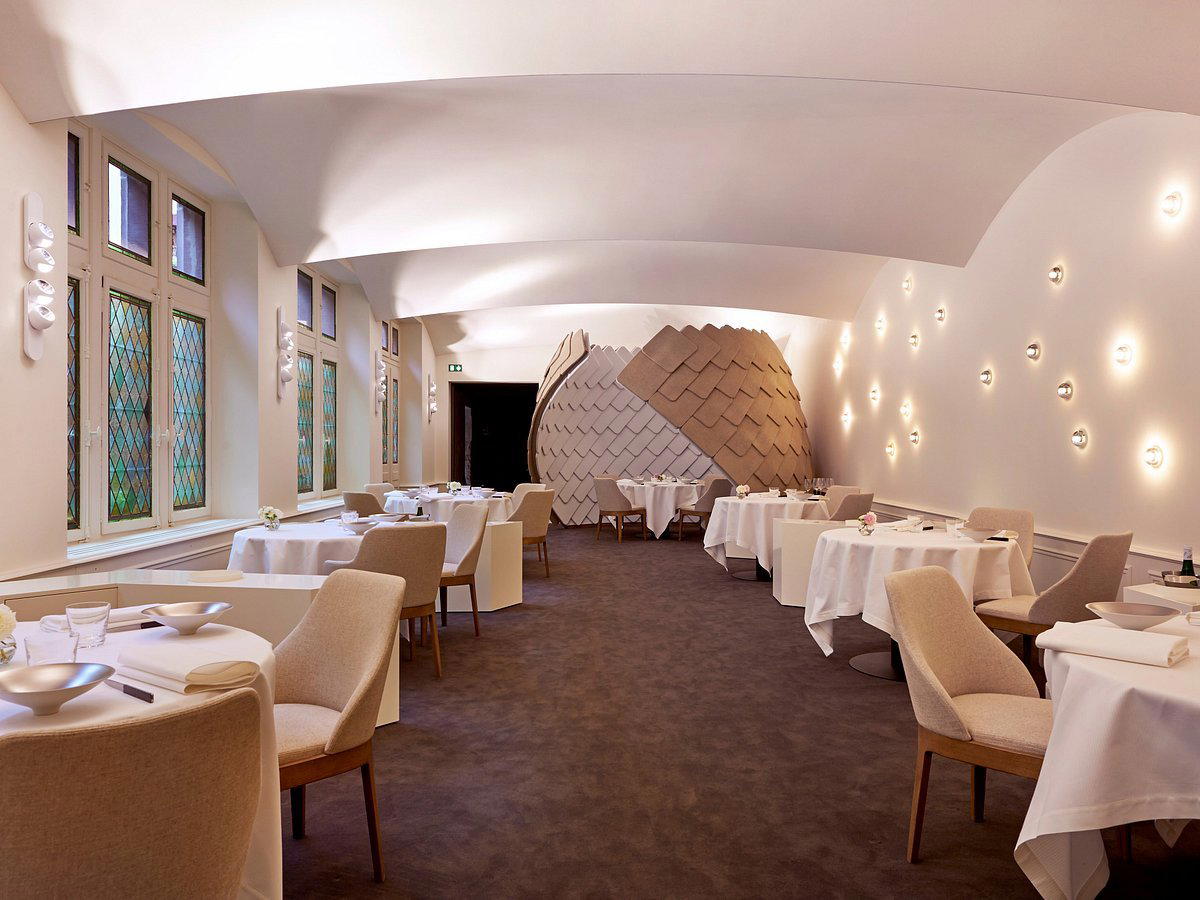
Restaurants in Colmar
All restaurants in Colmar →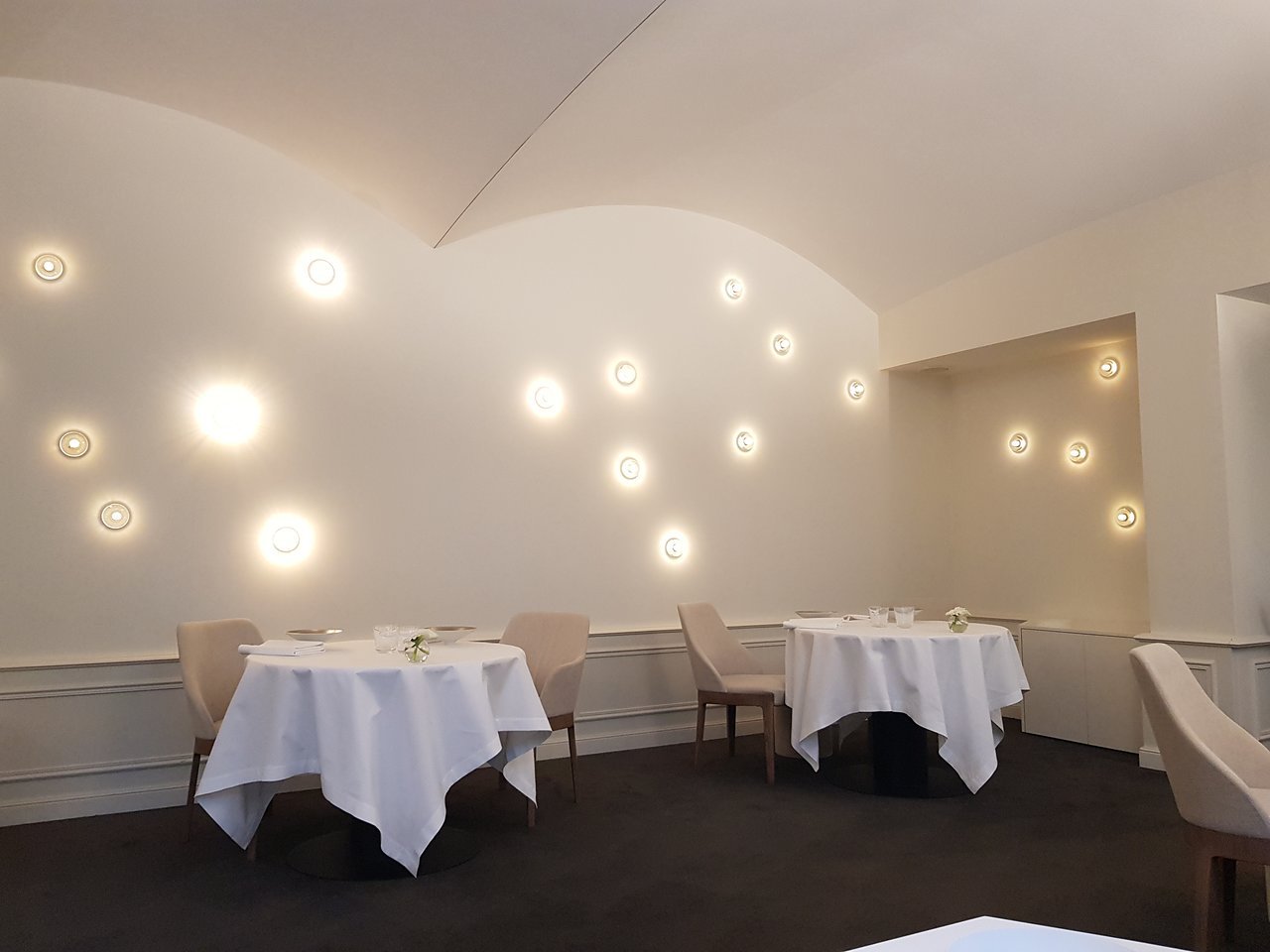
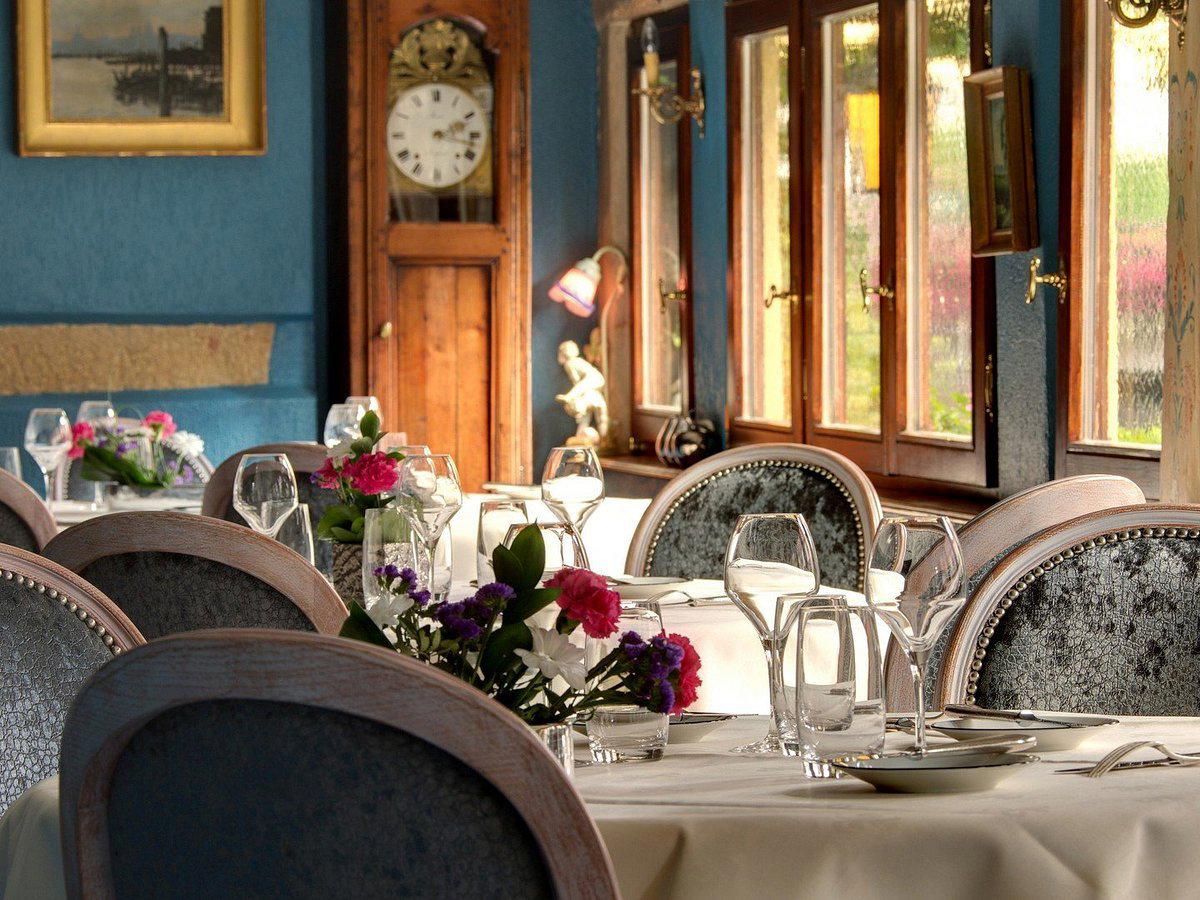
Bars in Colmar
All bars in Colmar →
Details
- Classic
- Cozy
- Elegant
- Sophisticated
- Historic
- Modern
- Family
- Group Dining
- Casual Hangout
- Business Dinner
- Historic Building
- Hotel Restaurant
- Extensive Wine List
- Sommelier Led
- Local Sourcing
- Street Scene
- A La Carte
- Set Menu
- Wine
- Vegetarian Friendly
- Gluten Free Options
- Allergy Accommodating
Current opening hours
- Monday
- Closed
- Tuesday
- 12–1:30 pm, 7–9 pm
- Wednesday
- 12–1:30 pm, 7–9 pm
- Thursday
- 12–1:30 pm, 7–9 pm
- Friday
- 12–1:30 pm, 7–9 pm
- Saturday
- 12–1:30 pm, 7–9 pm
- Sunday
- Closed
Hours can change for holidays and private events. Hours as of .
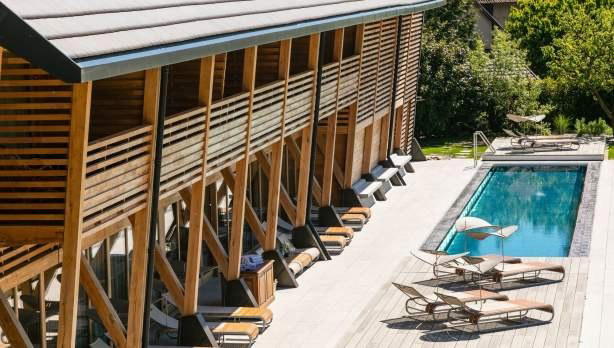
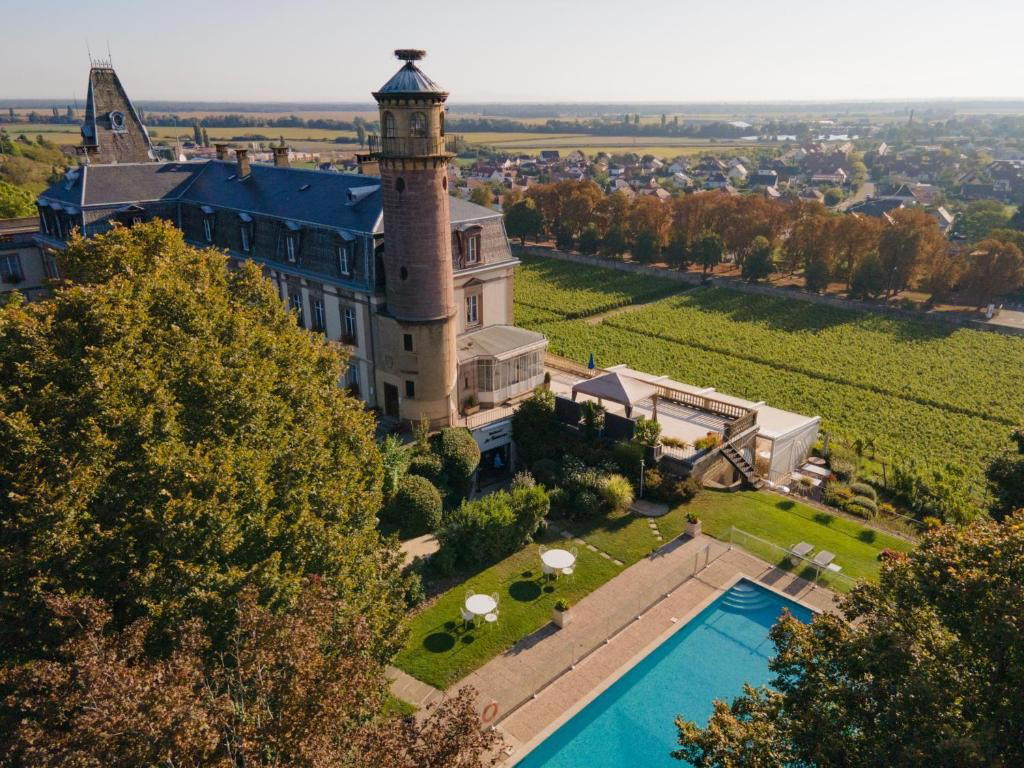
A distinctive, convivial atmosphere combining the warmth of traditional Alsace with the polish of a 5-star historic house and contemporary brasserie design.