.png)
Brasserie Chavant holds a 2025 Michelin Plate at its address on Cours Lafontaine in central Grenoble, serving traditional French cuisine at mid-range prices. With 928 Google reviews averaging 4.3 stars, it occupies a reliable position in the city's dining scene: the kind of address where cooking technique and sourcing discipline take precedence over culinary spectacle. A sensible benchmark for traditional French cooking in the Isère capital.
 Discover on Pearl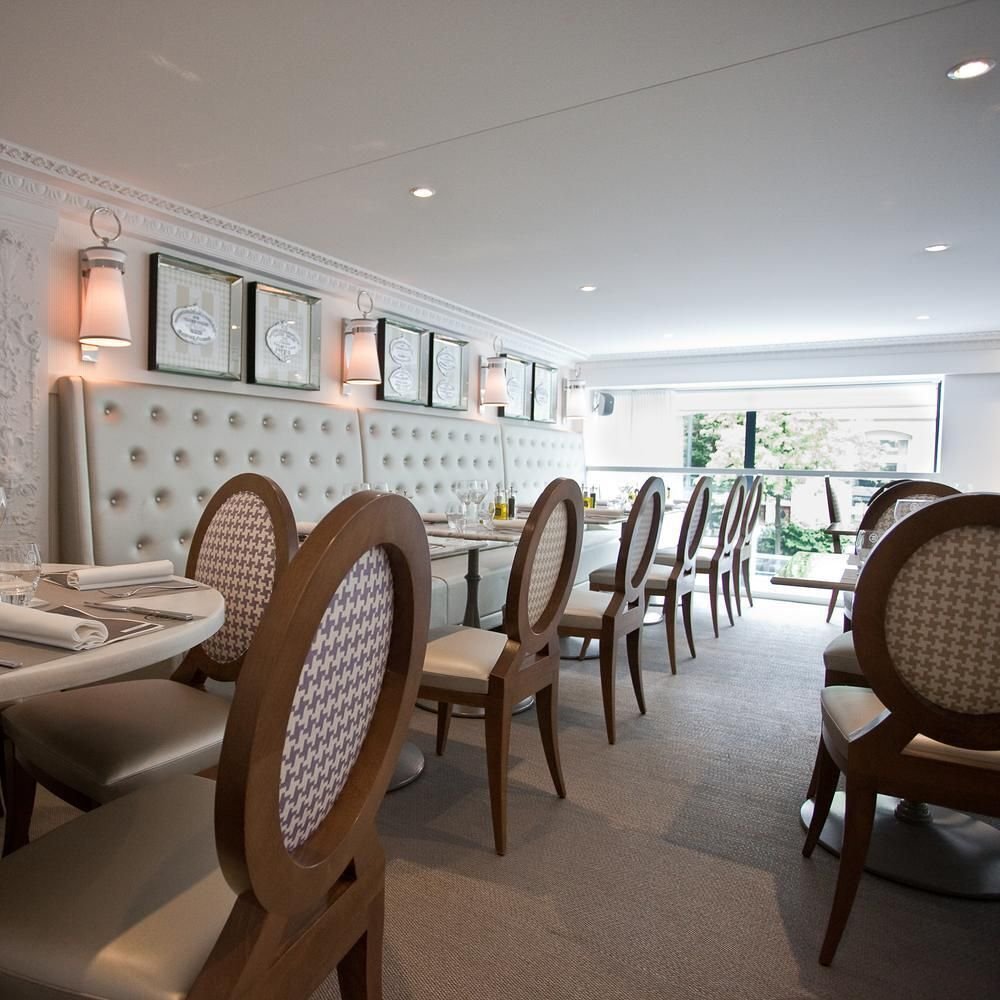
Where Traditional French Cooking Meets the Isère Table
Cours Lafontaine runs through the civic heart of Grenoble, a broad avenue where the city's working rhythms feel more present than its alpine-postcard reputation. Brasserie Chavant sits at number 2, close enough to the city centre that lunch traffic includes local professionals alongside tourists arriving from the Belledonne and Vercors foothills. The setting signals its purpose plainly: this is a room oriented around the table, not around its own image. That clarity of intent is, in the current French dining environment, increasingly difficult to maintain at the mid-range price point.
The Logic of the Traditional Plate in French Provincial Cooking
The Michelin Plate awarded to Brasserie Chavant in 2025 sits below the starred tiers but carries a specific meaning worth unpacking. It denotes cooking that the Guide judges to be good — technically sound, honest to its category, worth a stop. In a city like Grenoble, where the starred tier is represented by addresses such as Le Fantin Latour by Stéphane Froidevaux at the €€€€ bracket, the Plate signals something different: cooking that does not ask you to invest a full evening's budget, but that operates with enough discipline to earn independent recognition. In French provincial cities, this middle tier carries much of the load for daily dining life. It is where ingredients, preparation, and regional identity intersect without the pressure of tasting-menu theatrics.
The shortlist, unlocked.
Hard-to-book tables, cellar releases, and concierge-planned trips.
Get Exclusive Access →Traditional cuisine in the Isère context draws from a supply chain that few French regions can match. The Dauphiné sits at the intersection of alpine pasture, river-fed valleys, and market-garden plains: walnuts from the Grenoble AOC (the only walnut variety with protected designation of origin status in France), Chartreuse-adjacent dairy, freshwater fish from the Isère and Drac rivers, and lamb from the Vercors plateau all belong to the region's natural pantry. Traditional addresses in Grenoble that earn Michelin recognition do so, in part, by demonstrating a functional relationship with these supply lines — not as a marketing position, but as a structural feature of the kitchen's daily sourcing decisions.
Ingredient Sourcing and What It Means at This Price Tier
At the €€ price point, the sourcing question becomes more pointed than at starred addresses. Kitchens at Flocons de Sel in Megève or Mirazur in Menton can absorb premium ingredient costs across multi-course tasting menus with corresponding price structures. A traditional brasserie at mid-range pricing has to make sharper decisions: which products justify the margin pressure, where seasonal substitution is acceptable, and how classical technique can compensate for the absence of luxury ingredients. The Michelin Plate at Brasserie Chavant is evidence that those decisions are being made competently. A score of 4.3 across 928 Google reviews reinforces the point: this is not a venue coasting on its address, but one that sustains a clear standard across a high volume of covers.
The broader French tradition of cuisine de terroir , cooking rooted in place-specific produce and preparation methods , finds its most pragmatic expression at exactly this tier. Troisgros in Ouches, Auberge de l'Ill in Illhaeusern, and Bras in Laguiole represent the form at its highest expression, but the tradition they represent was built on exactly the kind of address that Brasserie Chavant occupies: a kitchen anchored to local supply, disciplined in execution, and oriented toward feeding a community rather than constructing a destination. That lineage matters when reading a Michelin Plate. It is not a consolation credential. It describes a particular kind of kitchen ambition , quieter than a starred programme, but no less deliberate.
Grenoble's Dining Tier and Where Chavant Sits in It
Grenoble's restaurant scene divides roughly into three operating tiers at present. The top tier, represented by a single starred address and adjacent creative kitchens, pulls a regional and destination audience. The middle tier, where Brasserie Chavant operates alongside addresses like Tohu Bohu and L'Amélyss, serves Grenoble's own population and the growing visitor base tied to the university, the technology sector, and alpine transit. The bottom tier is the undifferentiated café and fast-service market. Brasserie Chavant's position in the middle tier, with external recognition from the Guide, makes it one of the more reliable entry points for a visitor wanting to eat well without committing to the starred tier's pace and price. It also provides a useful regional comparison for understanding how traditional French technique varies across the country: where Paul Bocuse's Auberge du Pont de Collonges codified the Lyonnais tradition to the north, and where addresses like AM par Alexandre Mazzia in Marseille push the southern French tradition toward its experimental edge, Grenoble's traditional kitchens hold a position that is neither Lyon's richness nor the south's intensity , a leaner, alpine-inflected idiom shaped by different soil and a different seasonal calendar.
For comparison in the traditional French category at other locations, Auberge Grand'Maison in Mûr-de-Bretagne and Auga in Gijón each demonstrate how regional sourcing discipline defines the ceiling of a traditional kitchen's ambition, regardless of geography. The principle holds in Grenoble as well as in Brittany or northern Spain.
Planning a Visit
Brasserie Chavant is at 2 Cours Lafontaine, 38000 Grenoble, in a central location accessible on foot from Grenoble's tram network. The €€ pricing places a meal comfortably within mid-range expectations for the city. Given the review volume , nearly a thousand assessments , and the consistency of the 4.3 rating, booking ahead for lunch or dinner on busier days is advisable, though specific hours and booking channels are leading confirmed directly with the venue. For a fuller picture of the city's dining options, the EP Club Grenoble restaurants guide covers the full range of recognised addresses. Complementary planning resources include the Grenoble hotels guide, the Grenoble bars guide, the Grenoble wineries guide, and the Grenoble experiences guide.
Frequently Asked Questions
- What's the signature dish at Brasserie Chavant?
- No specific signature dishes are documented in EP Club's verified data for Brasserie Chavant. The kitchen operates within the traditional French cuisine category, and in the Dauphiné context that typically means a menu shaped by regional produce , walnuts, freshwater fish, Vercors lamb, and alpine dairy , though the specific chef and current dishes are leading confirmed directly with the restaurant. The 2025 Michelin Plate award indicates cooking of recognised standard within its category.
Comparison Snapshot
These are the closest comparables we have in our database for quick context.
| Venue | Cuisine | Price | Awards | Notes |
|---|---|---|---|---|
| Brasserie Chavant | Traditional Cuisine | €€ | Michelin Plate (2025) | This venue |
| Le Fantin Latour - Stéphane Froidevaux | Creative | €€€€ | Michelin 1 Star | Creative, €€€€ |
| Tohu Bohu | Modern Cuisine | €€ | Modern Cuisine, €€ | |
| L'Amélyss | Modern Cuisine | €€ | Modern Cuisine, €€ |
Need a table?
Our members enjoy priority alerts and concierge-led booking support for the world's most difficult tables.
Get Exclusive AccessThe shortlist, unlocked.
Hard-to-book tables, cellar releases, and concierge-planned trips.
Get Exclusive Access →