Brasa
Brasa sits in the resort-dining universe of North Male Atoll, where fire cooking has become a counterpoint to the Maldives’ seafood-led, overwater restaurant grammar. With no public awards, chef credit, price range, or booking format attached, the draw is better read through category context: a grill-oriented island restaurant in a market shaped by private-island logistics, imported produce, and high-expectation leisure dining.
Pearl is the En Primeur Club membership app — saves, bookings, and concierge access live there. Same editors, same standards.
- Address
- North Malé Atoll, 20026
- Directions
- Get directions
 Saves & bookings on Pearl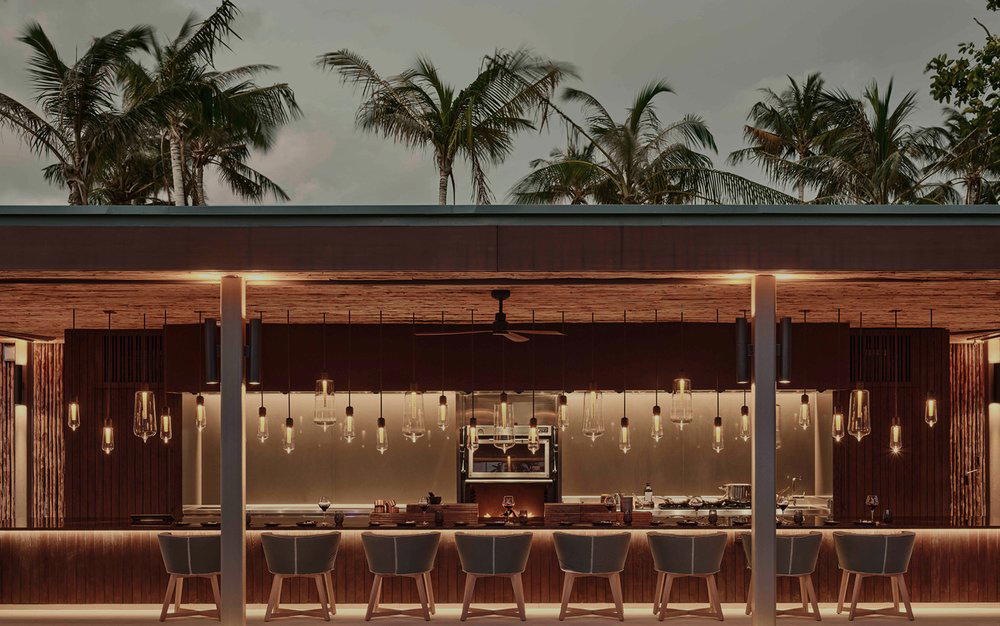
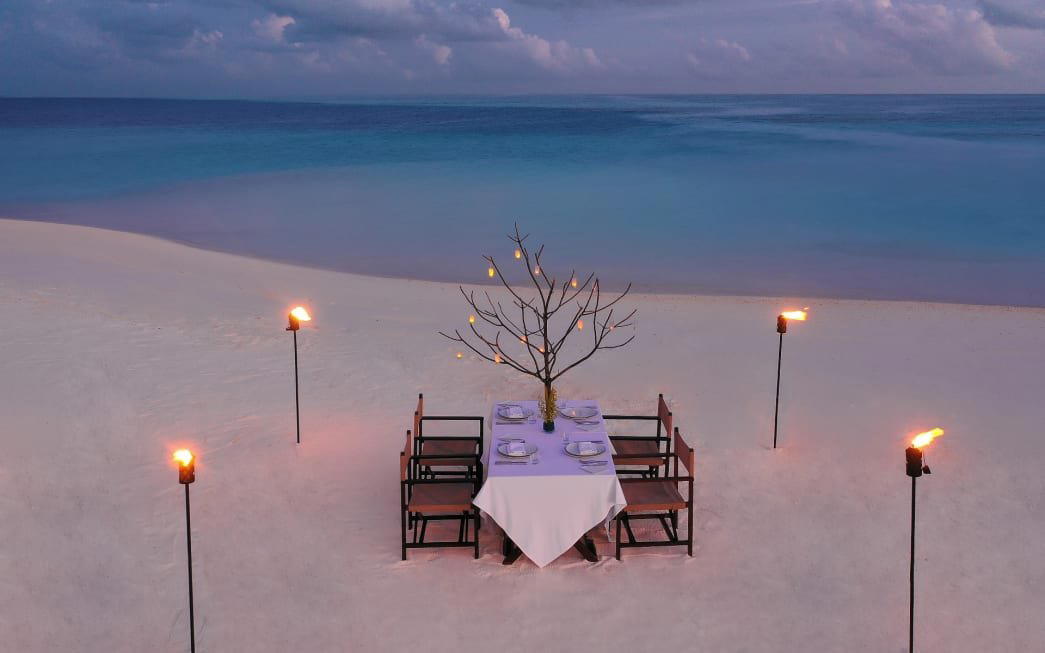
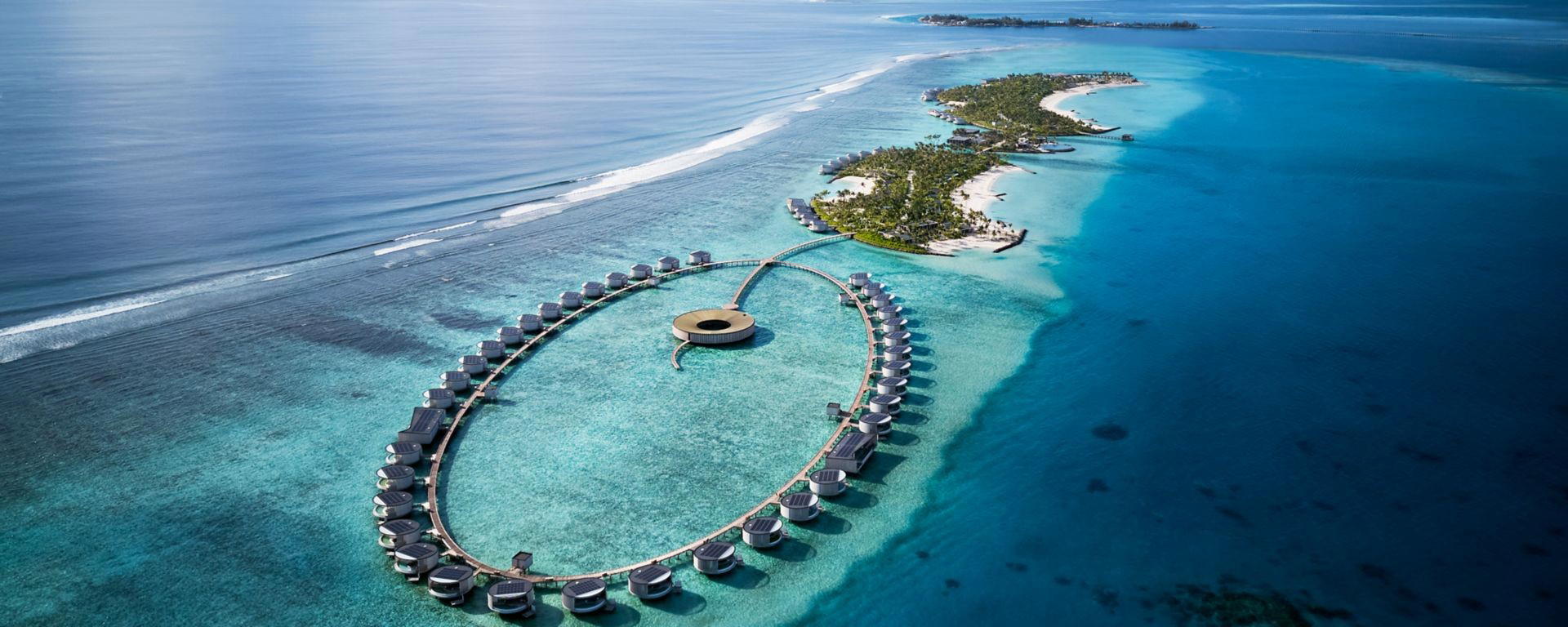
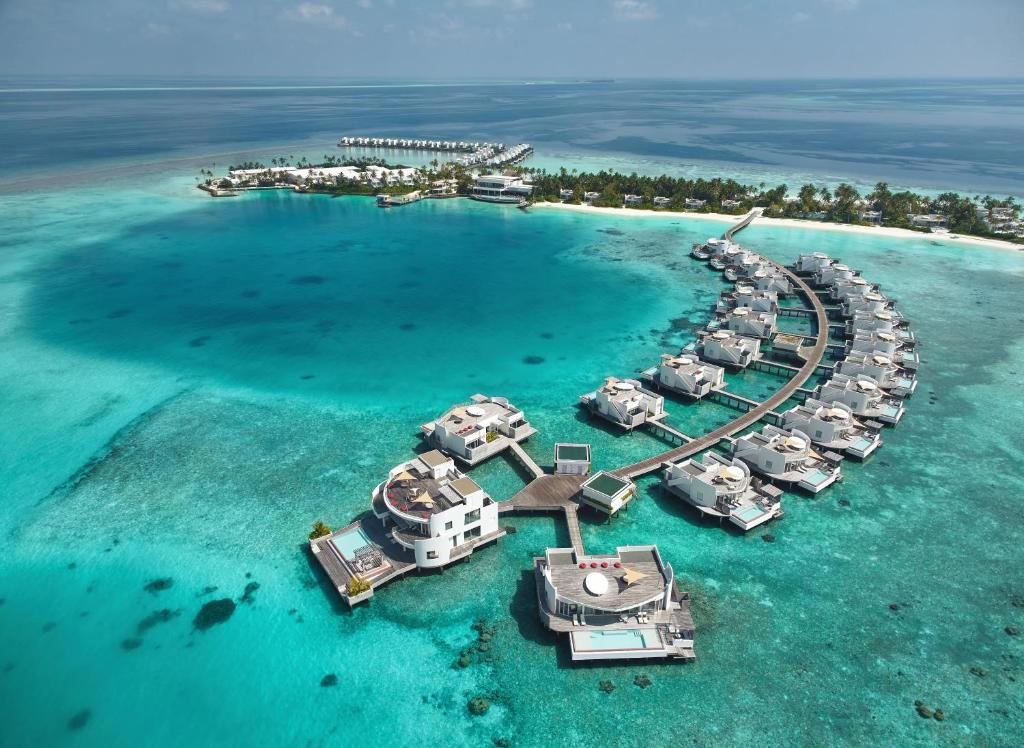
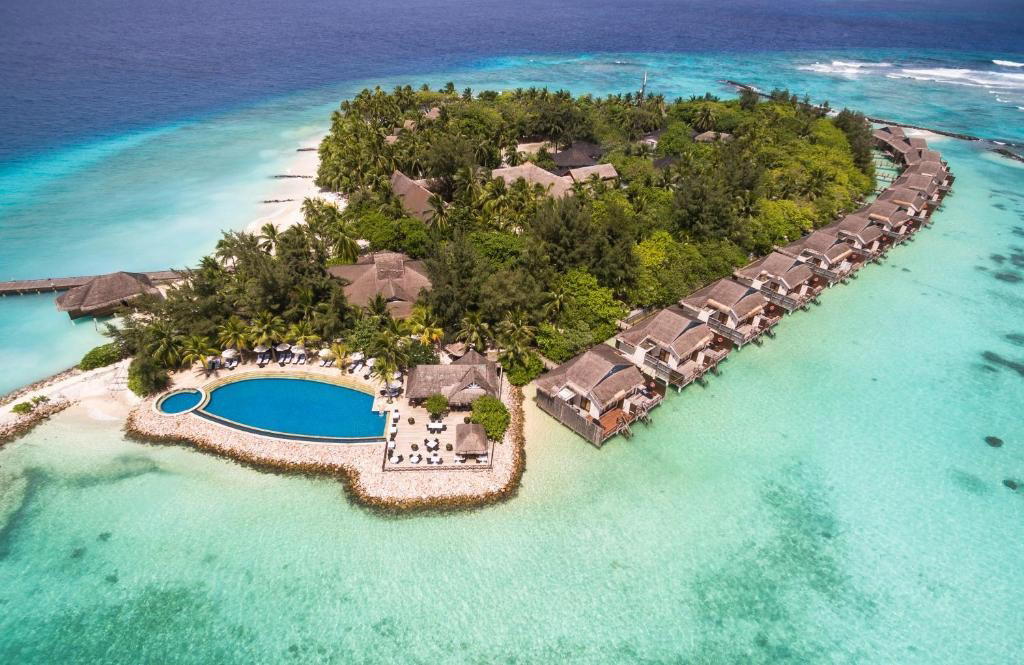
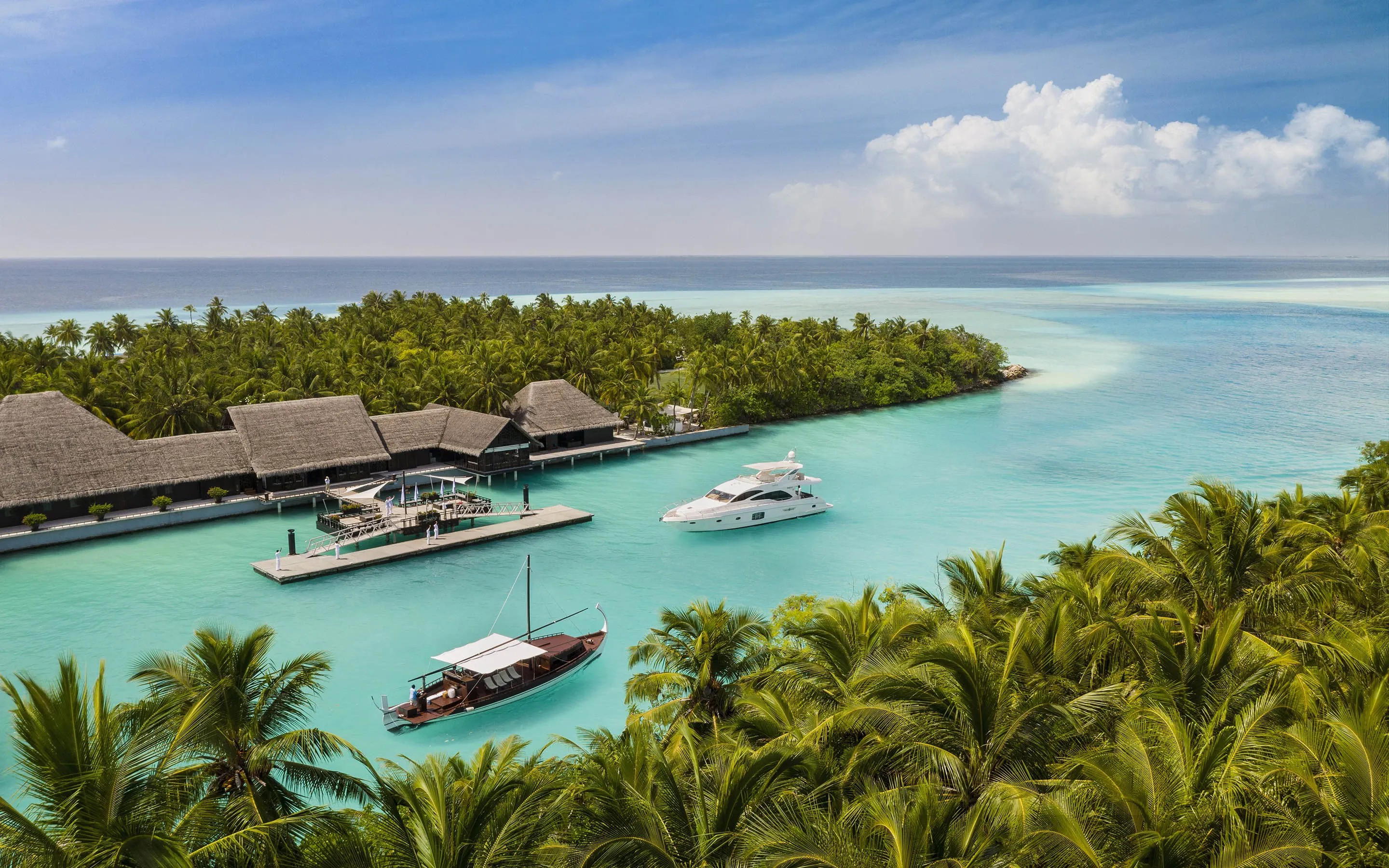
Approaching a restaurant in North Male Atoll is rarely a street-level act. The scene is water first: reef light, boat traffic, salt air, and the controlled quiet of resort islands where dinner often carries the ceremony of a change in setting. In that environment, fire cooking has a particular force. It cuts through the polished rhythm of international resort dining and brings the meal back to heat, smoke, timing, and the old logic of cooking close to the elements.
Brasa belongs to that category. The name signals a grill vocabulary rather than a narrow regional manifesto, and that matters in the Maldives, where luxury dining often divides between seafood theatre, pan-Asian menus, Indian Ocean spice routes, and European resort formality. A fire-led restaurant has a different role: it gives the evening weight without needing the architecture of a long tasting menu or the performance of a destination table.
Fire cooking in an atoll dining culture built around water
The Maldives has always been a maritime food culture before it became a luxury-hospitality market. Tuna, coconut, lime, chilli, rice, flatbreads, and preserved fish define the local pantry more clearly than imported fine-dining language. Resort restaurants, especially in North Male Atoll, operate in a separate but adjacent register. They serve international guests, manage island supply chains, and often build menus around recognisable global formats rather than strictly Maldivian cooking.
That is where a grill concept earns its place. Fire is a shared language across island cooking traditions, South Asian coastal food, Latin American parrilla culture, Mediterranean seafood cookery, and contemporary steakhouse formats. In a resort setting, it can act as a bridge between local geography and international expectation. The point is not whether every plate reads as Maldivian. The point is whether the format makes sense beside the ocean, where char, smoke, and direct heat feel less like decoration and more like context.
North Male Atoll’s restaurant scene is broad enough that the decision is rarely just about cuisine. It is about mood and format. Baraabaru points toward polished Indian cooking, Bokkura and Café Huraa sit closer to the all-day resort rhythm, while Destination Dining turns setting itself into the event. Fanditha adds another familiar Maldives register: beachside atmosphere shaped around sunset and informality. Against that spread, Brasa reads as the choice for diners who want the meal anchored by the grill rather than by a view alone.
The North Male Atoll comparison is about format, not hierarchy
Resort dining in the atoll can look deceptively interchangeable from a distance: sea, sand, candlelight, and imported luxury cues. The useful distinction is format. Farine, Helios, Portico, Roots, and Wok Society suggest the range found within the same island-dining ecosystem, from bakery and Mediterranean references to plant-forward cooking and Asian-inflected menus. A grill-led room occupies its own lane because it is less dependent on novelty. Execution shows in fundamentals: sourcing, heat control, resting, seasoning, and the discipline to let char support rather than dominate.
That makes awards less central here than they would be in Copenhagen, Tokyo, or Paris. Brasa does not carry a public Michelin or major global ranking signal, and no named chef is attached in public-facing details. In this market, absence of those signals does not automatically weaken the case; it changes how the restaurant should be judged. The more relevant comparison is with other resort formats in the atoll: does the meal offer a clear reason to leave the default all-day restaurant, and does the concept hold up beyond the romance of the setting?
For travellers building a broader Maldives dining map, the contrast sharpens when North Male Atoll is set beside other resort destinations. 24 Degrees Restaurant in South Malé Atoll reflects the classic resort all-day model, while 5.8 Undersea Restaurant in Lhaviyani Atoll turns architecture into the primary dining hook. Acquapazza® in Raa Atoll, Al Barakat in Baa Atoll, Alba in Vommuli, and Alila Kothaifaru Maldives in Maduvvari show how widely the country’s resort restaurants borrow from Italian, Middle Eastern, Mediterranean, and international repertoires. The useful lens is not novelty, but fit: which format feels native to its island setting, and which feels imported without translation.
How to place Brasa within a Maldives itinerary
Brasa is better treated as an evening choice than a checklist restaurant. In North Male Atoll, meals compete with tides, transfers, sunset rituals, and the simple fact that guests often stay within the culinary orbit of a single resort. A grill dinner suits the part of a trip when diners want structure without stiffness: less elaborate than a tasting-menu production, more focused than a casual beach meal, and more elemental than a broadly international buffet-style format.
The cultural reading is also useful. Fire cooking has deep roots across coastal societies because it suits immediacy: fish, meat, vegetables, breads, and marinades can all be shaped by direct heat without heavy technique becoming the point. In the Maldives, where resort kitchens are often tasked with translating many cuisines for an international audience, a grill format can feel unusually legible. It does not need a long explanation to make sense beside the sea.
Readers comparing atoll options should use the wider as a planning map rather than treating any single restaurant as the whole story: Our full North Male Atoll restaurants guide, Our full North Male Atoll hotels guide, Our full North Male Atoll bars guide, Our full North Male Atoll wineries guide, and Our full North Male Atoll experiences guide. For contrast outside the Maldives category altogether, Jōdo Saké Bar in Los Angeles and Onigiri Time in Pasadena show how tightly focused urban formats differ from resort restaurants, where setting, logistics, and meal pacing carry more of the experience.
Cost and Credentials
Comparable venues by cuisine and price in the same metro.
| Venue | Price |
|---|---|
| Brasa | This venue |
Continue exploring
More in North Male Atoll
Restaurants in North Male Atoll
Browse all →
Bars in North Male Atoll
Browse all →
At a Glance
- Scenic
- Elegant
- Rustic
- Sophisticated
- Date Night
- Group Dining
- Celebration
- Special Occasion
- Waterfront
- Open Kitchen
- Hotel Restaurant
- Waterfront
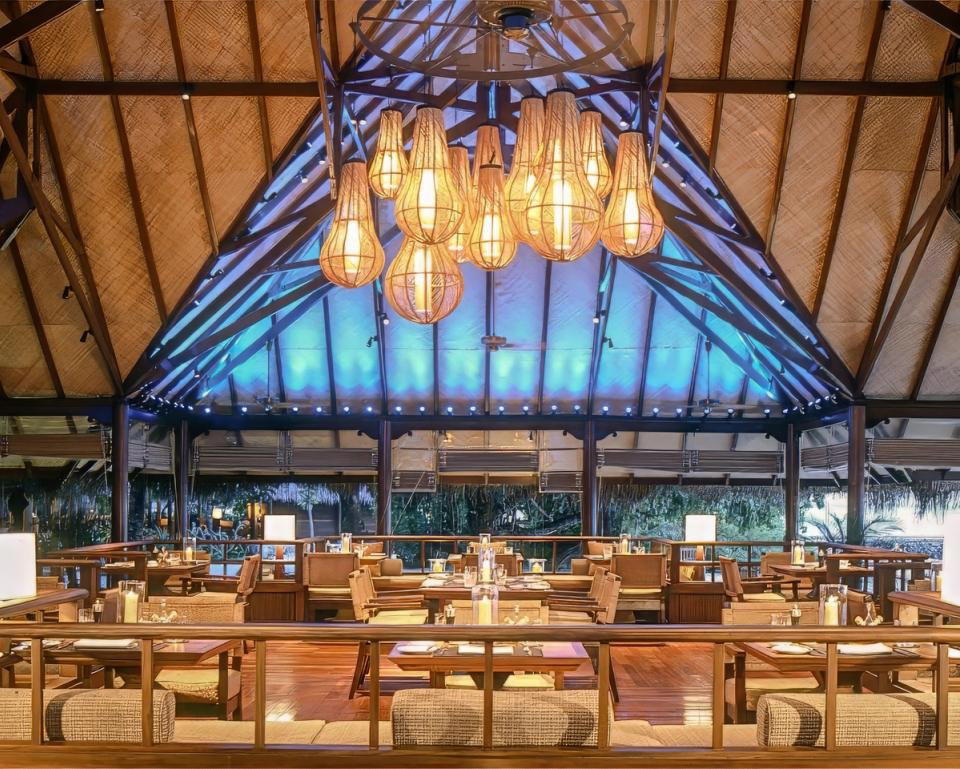
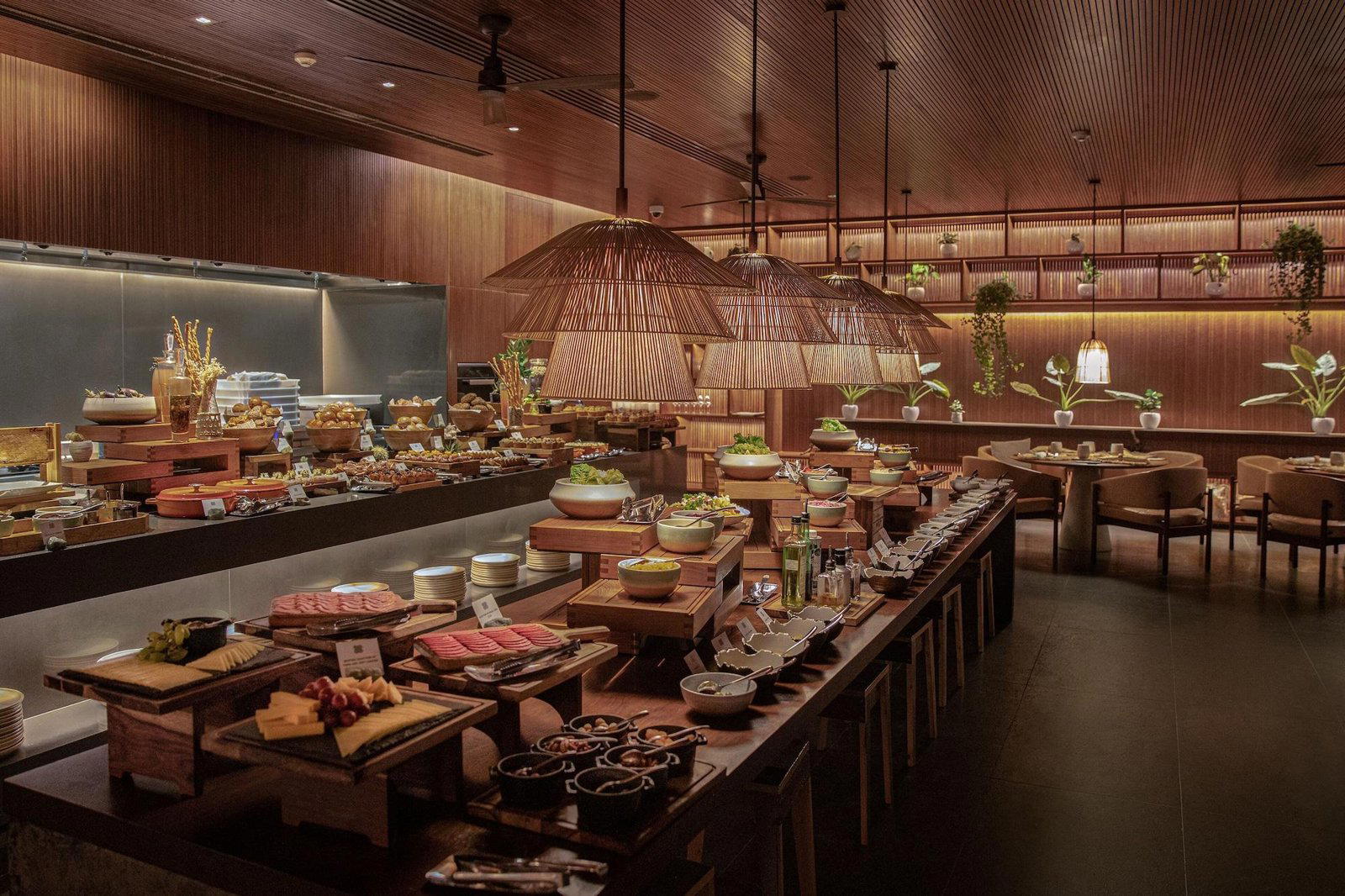
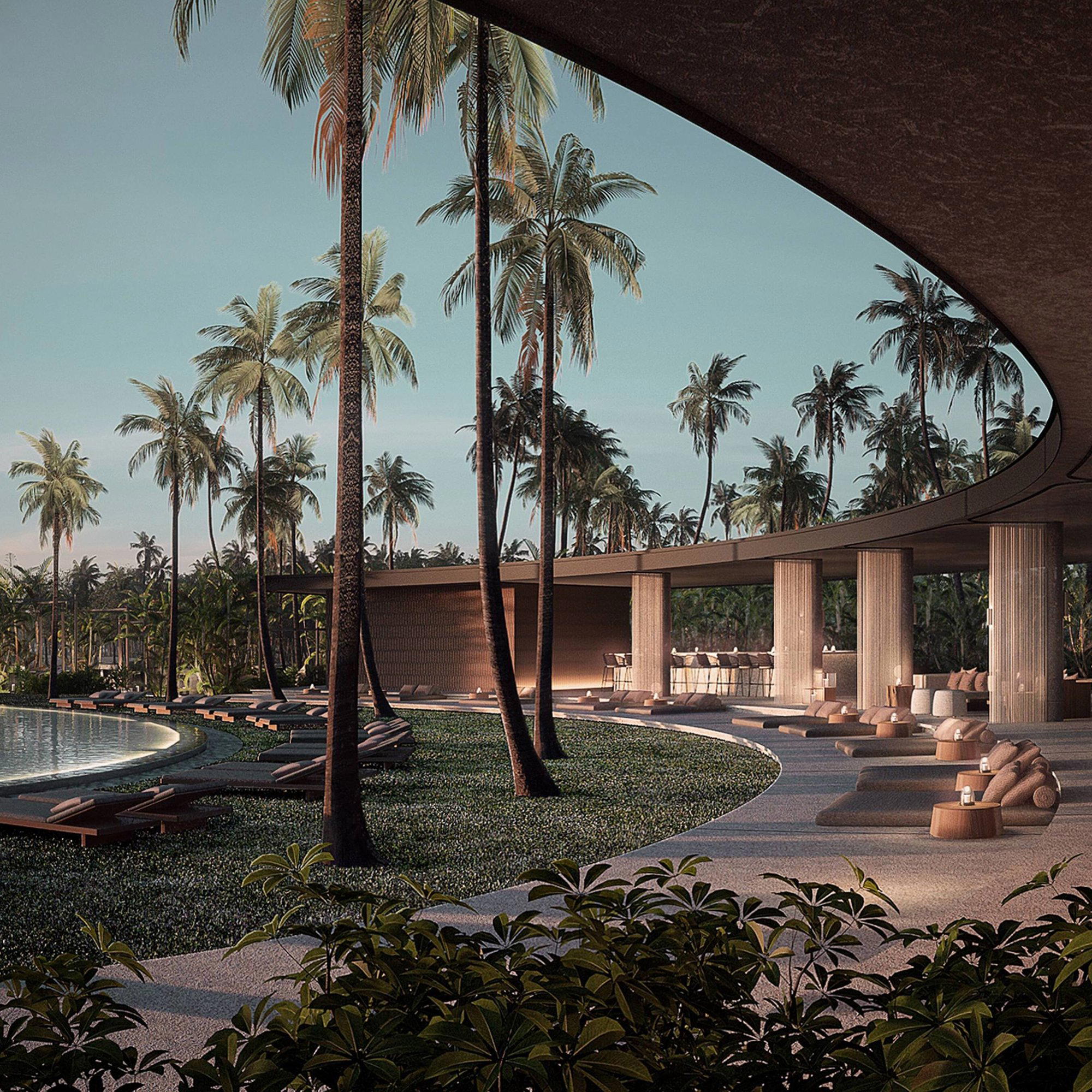
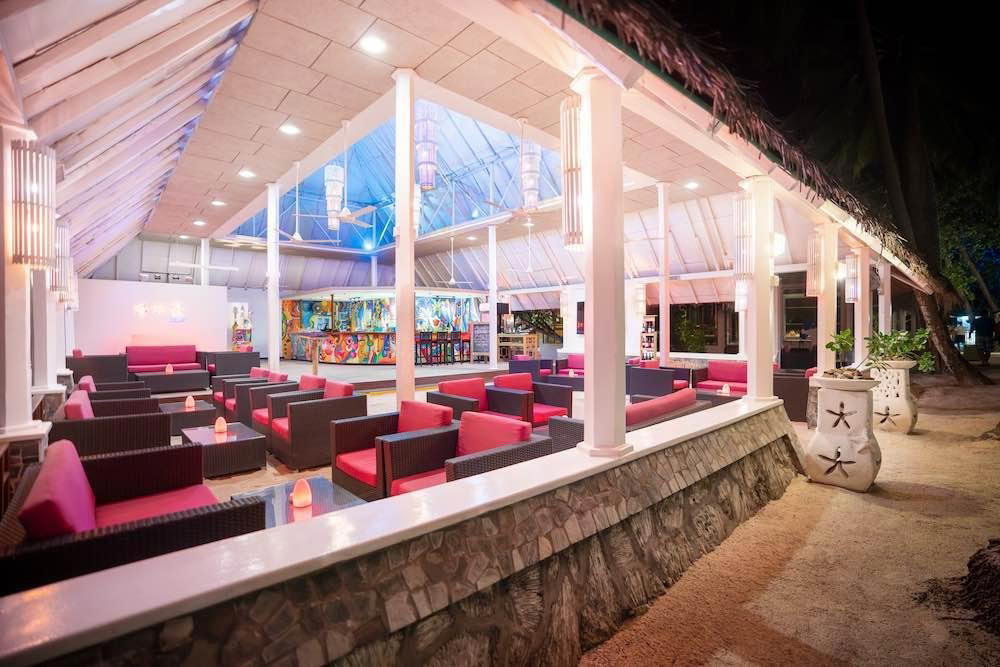
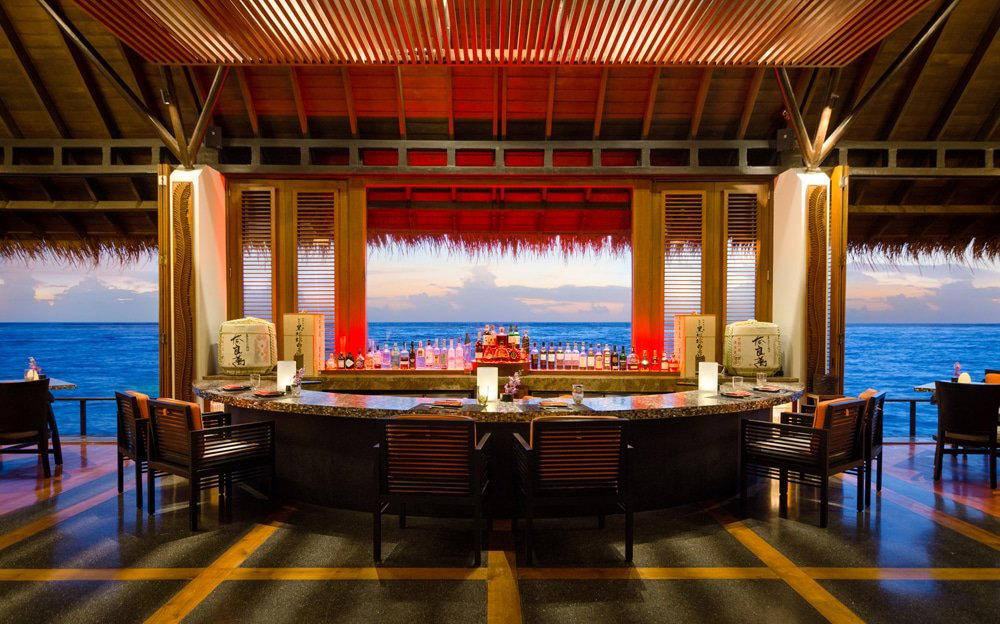
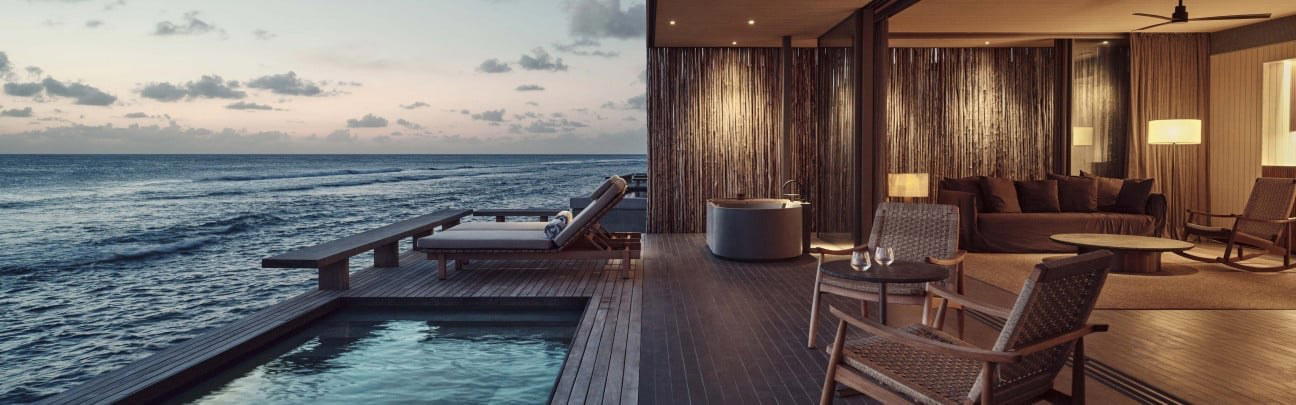
A refined, tropical dining room with a fire-forward, smoky atmosphere and an elegant tropical feel.