Our verdict
Bostani is the Halkidiki address to read through ingredients rather than ceremony: an organic-garden setting in Vourvourou, on Sithonia’s eastern coast, where the draw is proximity to the raw material. In a peninsula often split between beach tavernas and resort dining, it gives the farm-to-table idea a literal frame without needing a trophy narrative.

Pearl is the En Primeur Club membership app — saves, bookings, and concierge access live there. Same editors, same standards.
- Address
- Vourvourou, Halkidiki 63078, Greece (organic garden)
- Directions
- Get directions
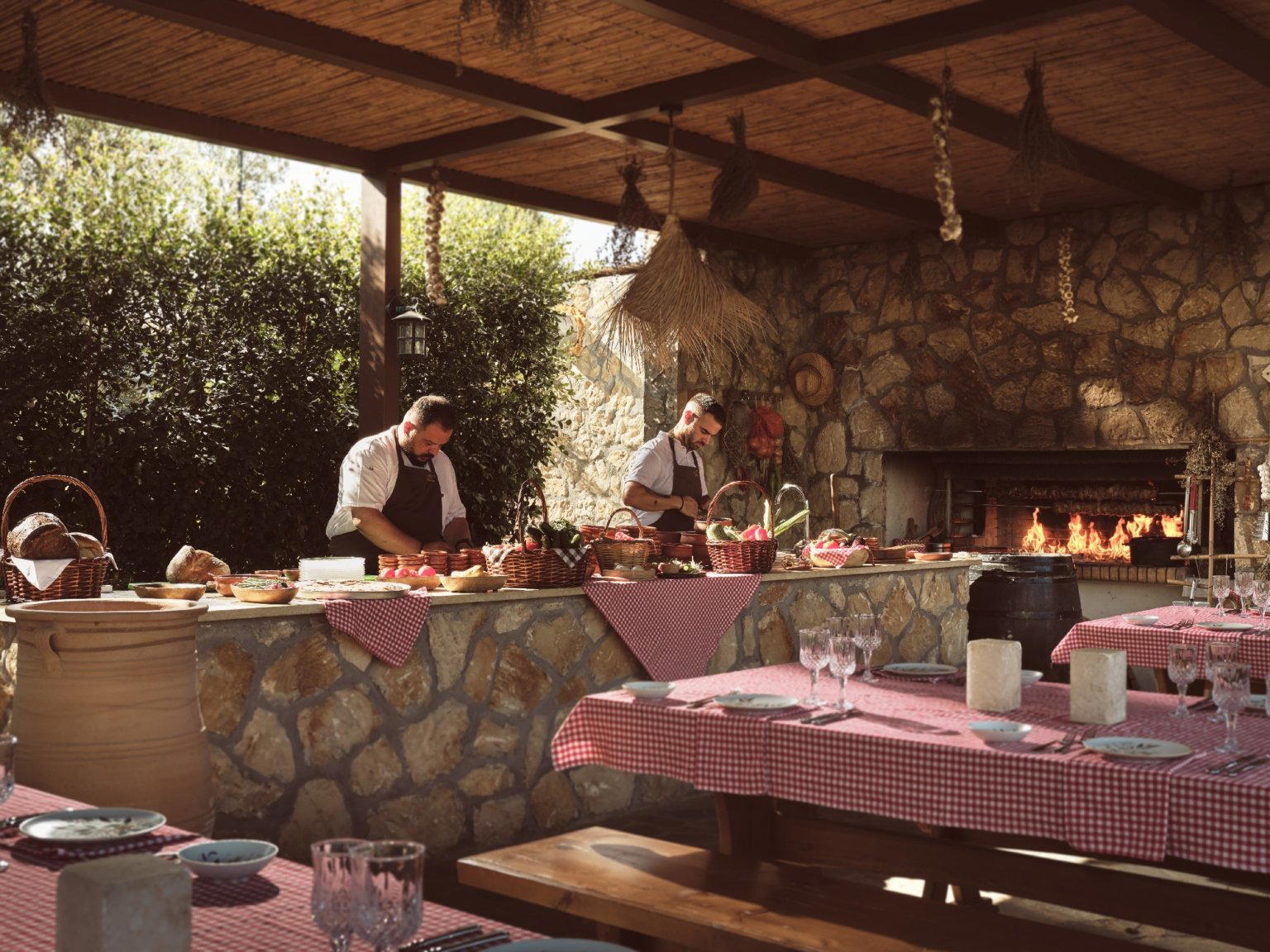
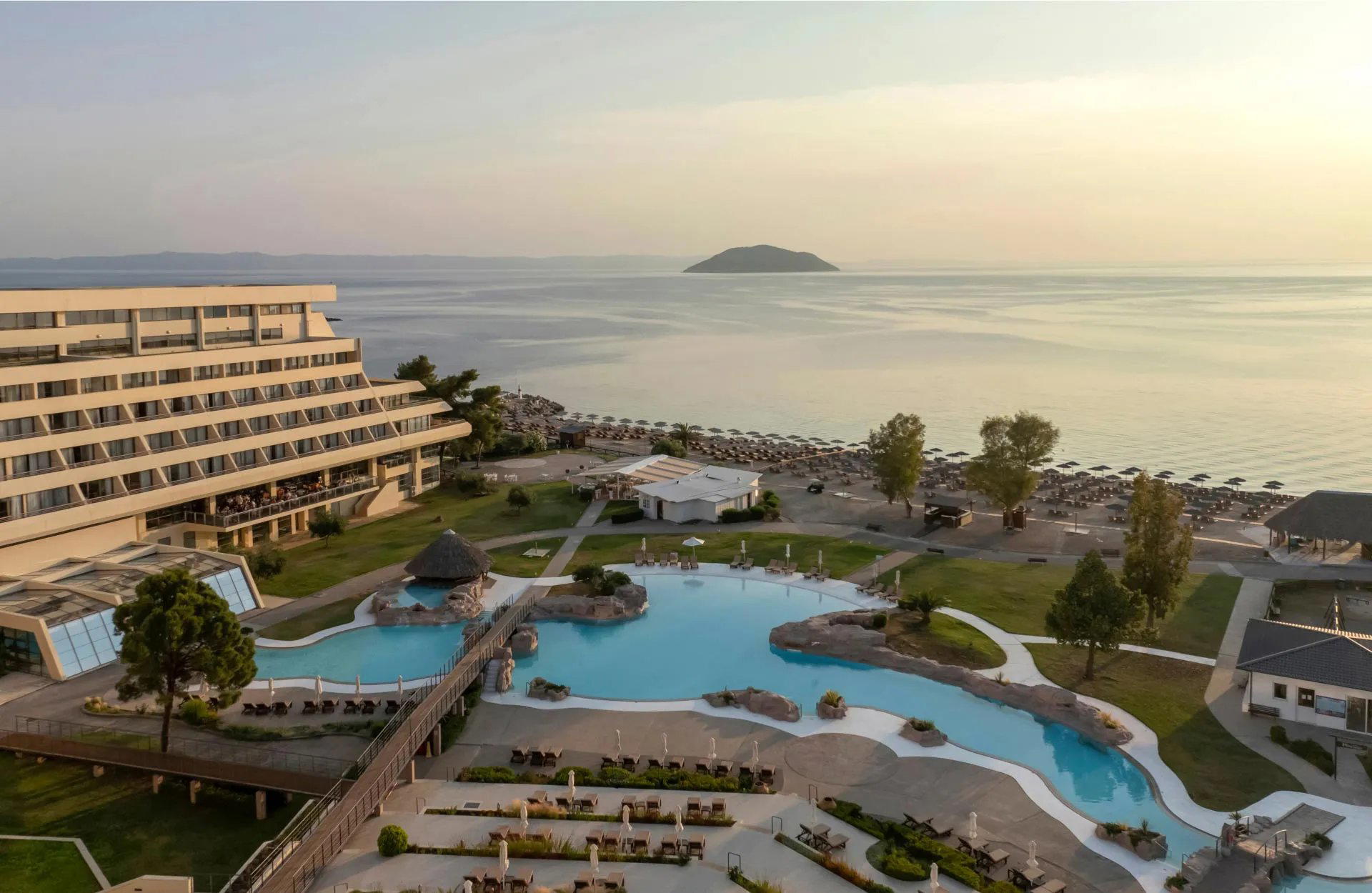
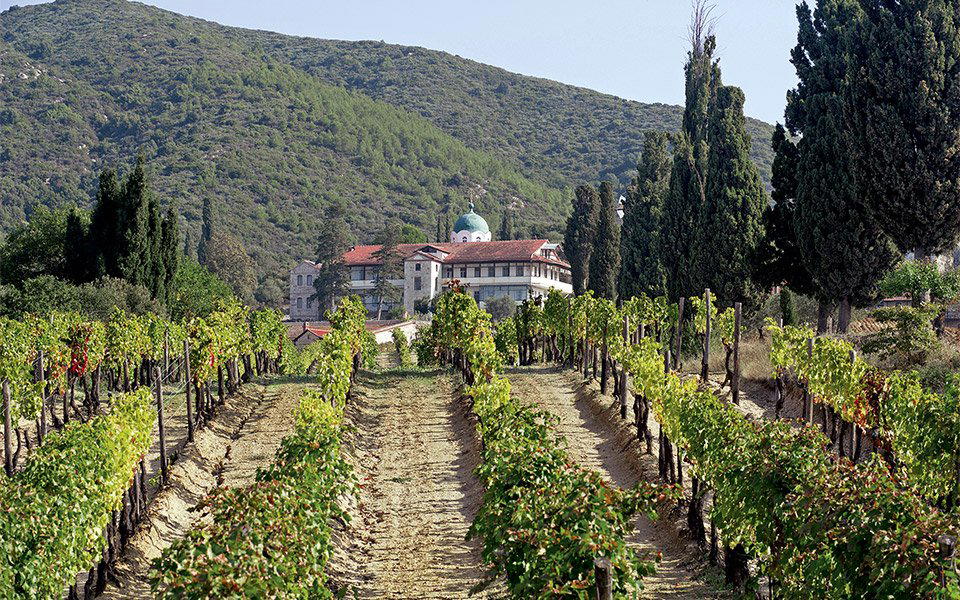
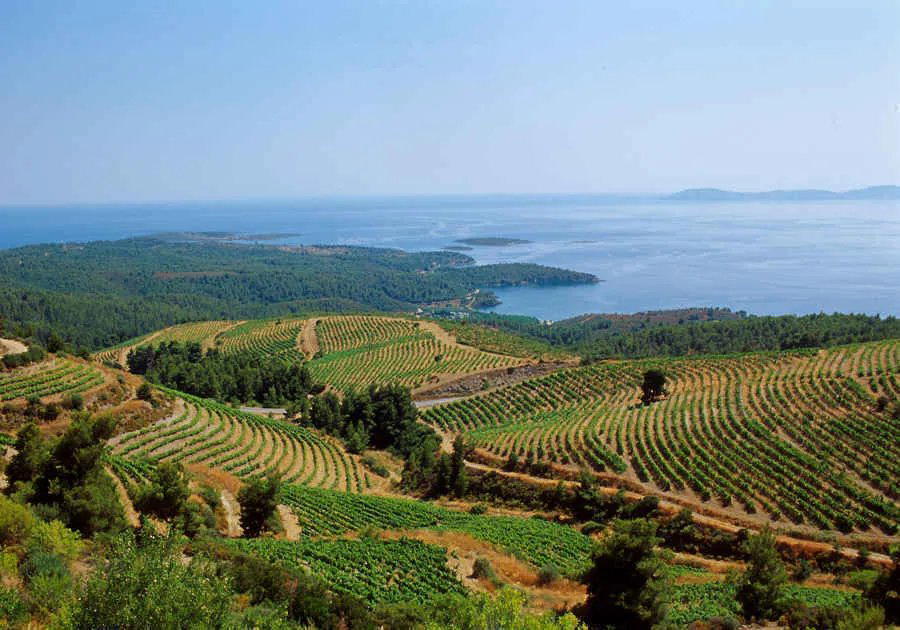
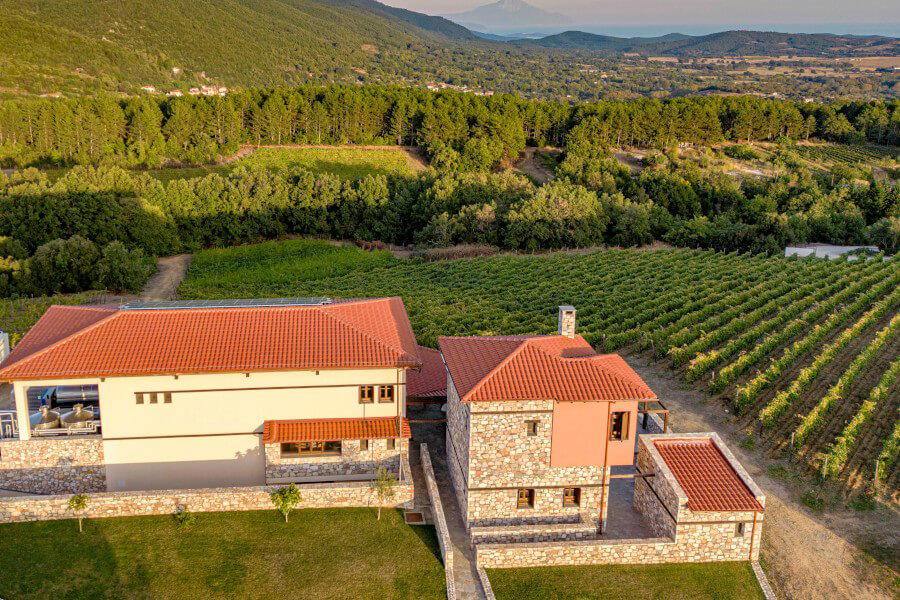
Approaching Bostani means leaving the usual restaurant signals behind: the polished street frontage, the hotel lobby threshold, the theatrical dining-room reveal. The setting is an organic garden in Halkidiki, and that matters before any menu language does. Halkidiki’s dining culture is often read through the sea, but the peninsula is also an agricultural place, with olive groves, summer vegetables, herbs, honey, and small producers shaping what ends up on the table. A garden setting makes that supply chain visible rather than decorative.
This is the useful lens for Bostani: not fine dining by hardware, not a taverna by habit, but a meal framed by source. In a region where many visitors default to fish by the water, the more interesting question is how a kitchen treats produce when the growing site is part of the experience. That question places it in a different conversation from beach-facing seafood rooms, resort-led formats, or more conventional destination-restaurant planning around Bubo Restaurant.
A garden address changes the hierarchy of the meal
Ingredient-led restaurants can become vague quickly, especially in summer destinations where menus lean on words like local and seasonal without showing their work. A garden address raises the standard. The value is not just shorter travel from soil to kitchen; it is the way produce becomes the organizing principle rather than a garnish around protein. In Greek cooking, that is not a novelty. It is an older rhythm: vegetables cooked until sweet, herbs used with restraint, olive oil carrying texture, dairy and grains doing structural work, and seafood or meat appearing as part of a wider table rather than always as the headline.
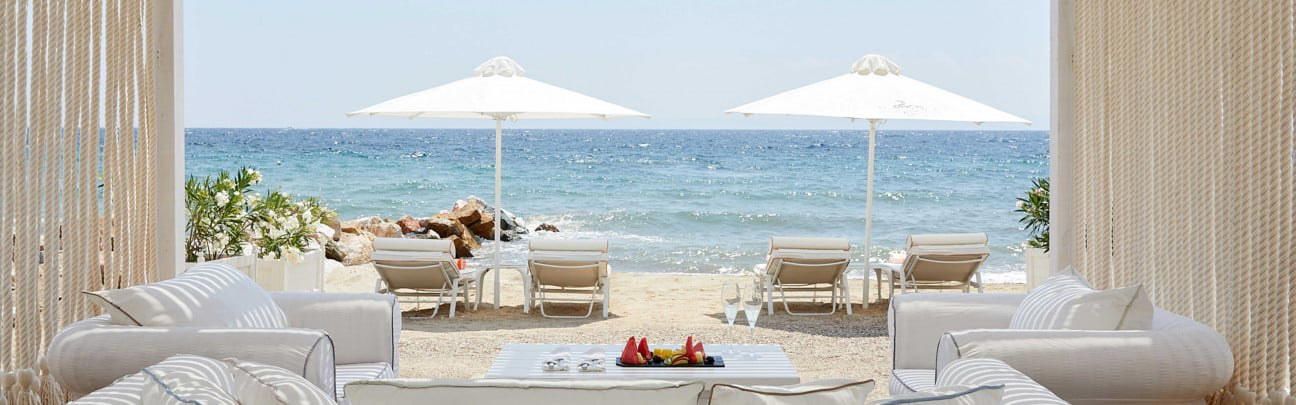
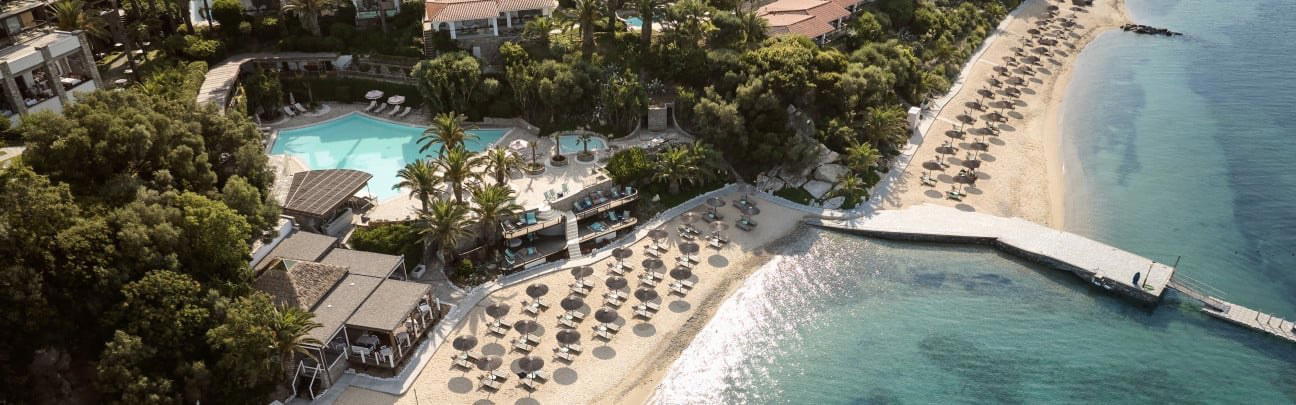
Halkidiki rewards that approach because the peninsula’s geography creates overlapping food identities. Some areas carry a stronger resort rhythm, others feel more tied to pilgrimage or quieter coastal movement, and many sit between coves, pine, small settlements, and a slower hospitality tempo. A garden-based meal here reads as part of place rather than a concept imported for effect.
The public profile here is less about trophy language than about format. For some restaurants, Michelin stars, global rankings, or chef pedigrees define the competitive set. Here, the trust signal is the organic-garden premise in a resort-heavy region where many meals are sold by view, brand, or beach access. That makes the sourcing premise the point of scrutiny. The sharper editorial test is whether the meal feels led by what the garden can support, rather than by a generic Mediterranean checklist.
Where Bostani fits in Halkidiki's dining map
Halkidiki’s restaurant choices tend to fall into three lanes. The first is the coastal taverna model, built around grilled fish, salads, fried small plates, and long lunches. The second is resort dining, where service systems, wine lists, and international guest expectations shape the room. The third is the smaller ingredient-led category, where the setting or producer relationship does more of the identity work. Bostani sits in that third lane, which makes it useful for travelers who have already booked the beach meal and want one dinner that explains the land behind the coastline.
That distinction also helps with expectations. This is not the page to read for named chef mythology, trophy counts, or a tightly published tasting-menu format. It is better understood as a sourcing-first address in Halkidiki, closer in spirit to the broader Greek return to vegetable confidence than to the performance language of metropolitan fine dining. For travelers comparing the peninsula with other Greek dining regions, the contrast is clear: urban restaurants compete in markets shaped by density and concept turnover, while island and coastal rooms often deal with the theatre of setting. Halkidiki’s stronger argument is quieter: raw material, space, and a less compressed pace.
Within that frame, Bostani is a corrective to itinerary fatigue. Not every premium meal in Greece needs the architecture of a tasting counter or the choreography of a resort restaurant. The more persuasive experiences often come from alignment: the right format in the right location, with sourcing doing visible work. That is why a garden setting in Halkidiki carries editorial weight without needing the pageantry of a chef-led public identity.
How to plan the rest of the peninsula around it
Use Bostani as the land-based counterpoint in a Halkidiki itinerary. Pair it with one seafood-forward meal, one resort dining room, and enough unstructured time in Halkidiki to understand why the peninsula does not behave like a single destination. For broader mapping, start with Our full Halkidiki restaurants guide, then cross-check where to stay through Our full Halkidiki hotels guide. Drinking plans, producer visits, and non-restaurant days sit separately in Our full Halkidiki bars guide, Our full Halkidiki wineries guide, and Our full Halkidiki experiences guide.
For readers building a wider Greece file, it is worth comparing how place changes the meaning of similar language. A farm or garden premise in Halkidiki is not the same proposition as a coastal table elsewhere, and neither reads like an international-format address in a major city. Context decides the stakes. At Bostani, the stakes are local and immediate: how convincingly a Halkidiki meal can begin with soil rather than scenery.
The verdict is simple: choose it when the priority is ingredient provenance and a sense of Halkidiki beyond the beach. Travelers looking for elaborate ceremony, published trophy-chasing, or a chef-led narrative may find more relevant targets elsewhere. Those who want Halkidiki to taste less like a resort category and more like a peninsula with farms, gardens, and summer produce should put it high in the local rotation.
Frequently asked questions
Does Bostani work for a family meal?
Yes. Bostani’s Halkidiki setting and organic garden identity suit a shared meal with a slower pace than a formal dining room. It reads as a practical choice for groups that want space and a straightforward setting.
How would you describe the vibe at Bostani?
The tone is garden-led and relaxed, shaped by its organic garden setting in Halkidiki. Expect a setting that feels rooted in place rather than polished for scene-making.
Where exactly is Bostani?
Halkidiki.
Can I walk in to Bostani?
The venue details place Bostani in Halkidiki. With the public identity centered on a garden setting rather than a reservation-driven room, a same-day approach may be practical, though checking locally before going is still sensible.
What has Bostani built its reputation on?
Bostani is built around its organic garden setting in Halkidiki. The setting itself is the main credential, signaling an ingredient-led approach in a part of Greece where seasonal produce carries real weight.
How does Bostani handle allergies?
For allergies, the safest approach is to raise them early on arrival so the kitchen can respond before service starts.
A Quick Peer Check
Comparable venues by cuisine and price in the same metro.
| Venue | Cuisine | Price |
|---|---|---|
| BostaniThis venue — the venue you are viewing | Modern Greek / Garden Restaurant | Not listed |
| Bubo Restaurant | Modern Greek Fine Dining | $50–100 |
| Taverna Project | Greek Mediterranean | Not listed |
| Treehouse Fine-Dining | International & European Fine Dining | Not listed |
| Kuko | Mediterranean | Not listed |
| The Andromeda Restaurant | Mediterranean Fine Dining | Not listed |
Continue exploring
More in Halkidiki
Restaurants in Halkidiki
Browse all →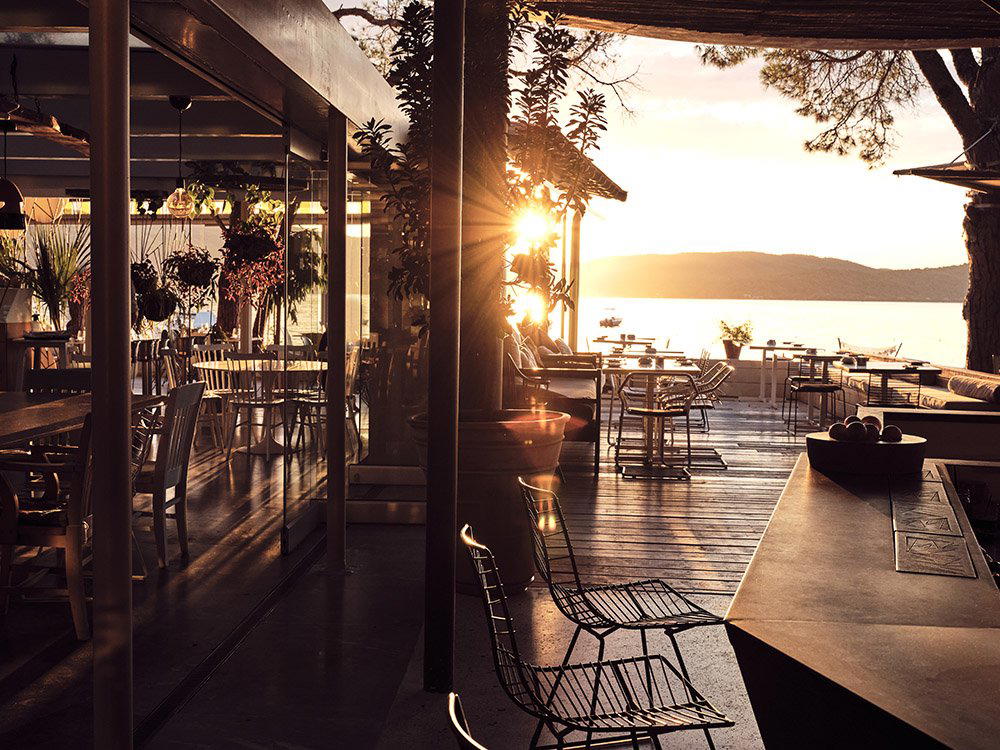
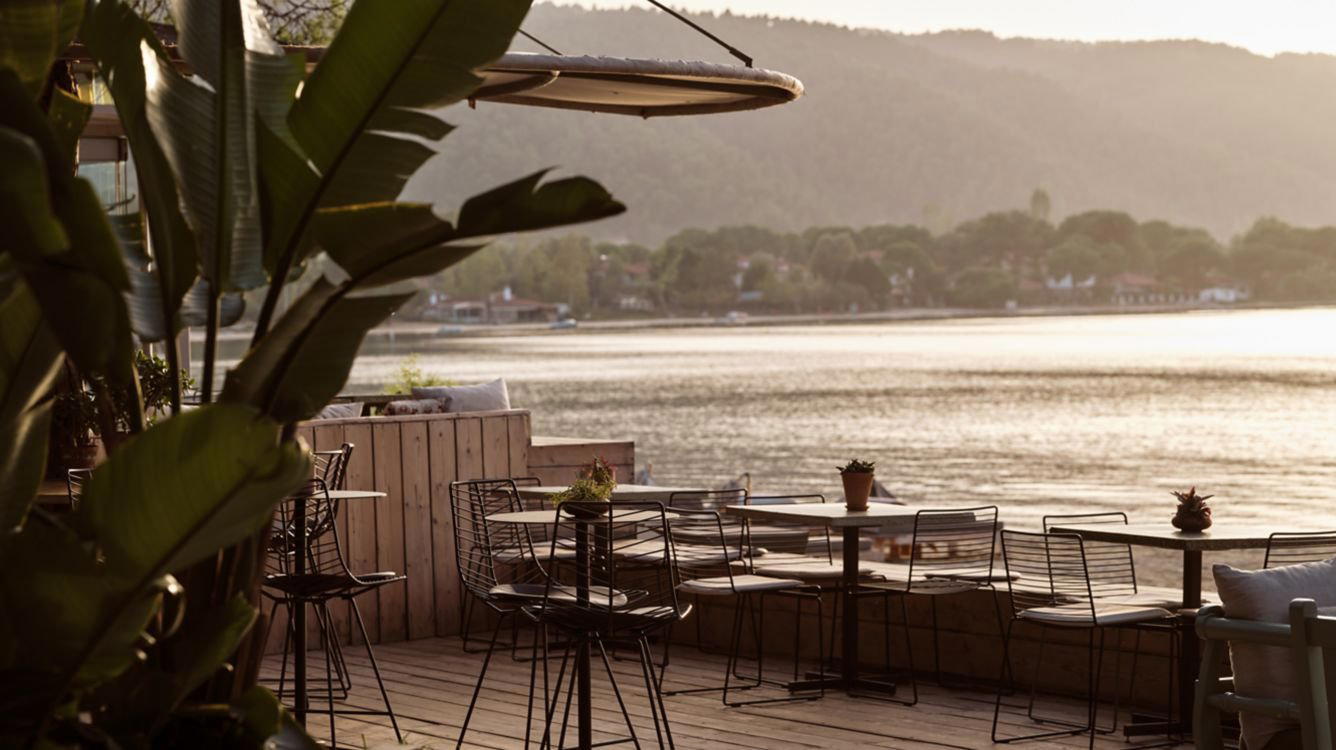
Hotels in Halkidiki
Browse all →
Details
- Scenic
- Rustic
- Cozy
- Casual Hangout
- Family
- Group Dining
- Garden
- Standalone
- Local Sourcing
- Organic
- Garden
- A La Carte
Relaxed, nature-led, and low-key, with an emphasis on garden surroundings and unhurried dining.