Blue Oven sits in Sanur, a Bali dining district where hotel polish, beach-town ease, and local produce networks meet at a calmer tempo than the island’s louder resort corridors. The interest here is less about awards theatre and more about how a small Village Square address can serve the neighbourhood’s appetite for accessible, ingredient-led dining.
Pearl is the En Primeur Club membership app — saves, bookings, and concierge access live there. Same editors, same standards.
- Address
- Jalan Danau Tamblingan 89a, Sanur (Village Square, across the lobby)
- Phone
- +62 361 320 1234
- Directions
- Get directions
 Saves & bookings on Pearl
Bali approaches dining at a different pace from the island’s high-volume resort strips. The rhythm can be lower, the audience more mixed, and the better meals tend to work when they respect that setting rather than importing a destination-restaurant script. Blue Oven belongs to that local register: a Bali address where the meal is often shaped as much by the day’s errands, beach time, and hotel foot traffic as by a formal reservation plan.
That matters because Bali dining does not need to follow one template. Its restaurant culture is more useful when it is practical and ingredient-aware: produce from the island’s growing regions, seafood culture shaped by the coast, and a steady audience that includes residents, repeat visitors, and hotel guests who do not want every dinner to become an event. In that context, a place like Blue Oven is read less as a trophy booking and more as part of the island’s everyday dining infrastructure.
Bali dining rewards clarity over spectacle
Bali’s restaurant conversation often gets pulled toward the dramatic end of the scale: tasting menus, beach clubs, chef-led rooms, and resort dining. Blue Oven operates better as part of the island’s more legible everyday dining map. The stronger addresses in this register tend to succeed when they keep the format clear and the sourcing credible. Diners are not only asking who cooked the food; they are asking whether the kitchen understands the island around it.
Ingredient sourcing is the useful lens here. Bali can support restaurants with local vegetables, tropical fruit, herbs, spices, rice, and seafood, but the gap between a menu that uses those ingredients and one that merely decorates with them is obvious. Calmer dining rooms give kitchens less cover for theatrics. When the room is not built around hype, the fundamentals carry more weight: freshness, restraint, and the ability to make a meal feel grounded in the island rather than detached from it.
Blue Oven sits within that more grounded category. The supplied details do not confirm chef credentials, tasting-menu structure, seat count, or published price range for the venue, so the editorial read should stay focused on fit: it is a Bali restaurant to understand through practical use, not through trophy metrics. For readers comparing Bali dining styles, that distinction is useful. A meal here often fills a different role from more destination-driven tables, resort dining rooms, or high-ceremony experiences elsewhere on the island.
The ingredient question is the real test
The better way to judge this kind of Bali restaurant is not by asking whether it performs luxury. It is by asking whether the kitchen makes sense in its location. Bali has an island pantry that powers many kinds of dining rooms, but restaurants in this more relaxed format usually translate that pantry into a more direct experience. That can be a strength. When a restaurant is not forced into a long-form dégustation, the ingredients have to justify themselves in simpler, more direct ways.
That is also where editorial caution matters. Blue Oven does not publish a confirmed cuisine category, chef name, signature dish list, or formal menu structure in the supplied details, so specific dish claims would be noise. What can be said with confidence is that its Bali context places it in a part of the island’s dining culture where ingredient-led meals are judged by usability as much as ambition. The right expectation is not ceremony; it is a room that should work for diners looking for a coherent meal in a softer tempo than the island’s nightlife corridors.
For a broader Bali comparison, look at how different formats answer different needs. Other Bali dining rooms sit in the island’s wider restaurant conversation, while Blue Oven can also be considered alongside casual local competitors such as Fire Fox, Wok Wok, Fisherman’s Club, Naughty Nuri's Warung, Sanur, and Ares Steak & Pasta. None of those comparisons makes Blue Oven an awards-driven address; they clarify the choice. This is the side of Bali dining where convenience, local fit, and ingredient sense matter more than ceremony.
How to place it within a Bali itinerary
Blue Oven is better understood as a Bali dining decision than as a standalone reason to cross the island. That is not a criticism; it is useful planning intelligence. Bali traffic can turn a modest distance into a long evening, so restaurant choice should follow geography. If the day is already anchored nearby, this kind of address makes more sense than chasing a dinner elsewhere simply because it carries louder recognition.
Travellers building a wider food map should separate Bali by format. Use our full Bali restaurants guide for dining comparisons, our full Bali hotels guide for where to stay, our full Bali bars guide for drinking plans, our full Bali wineries guide for wine-led detours, and our full Bali experiences guide for cultural planning. For Indonesia and nearby regional context, compare the broader spread of other restaurants, cafés, and casual dining rooms, with out-of-region references showing how informal formats can carry serious intent without formal ceremony.

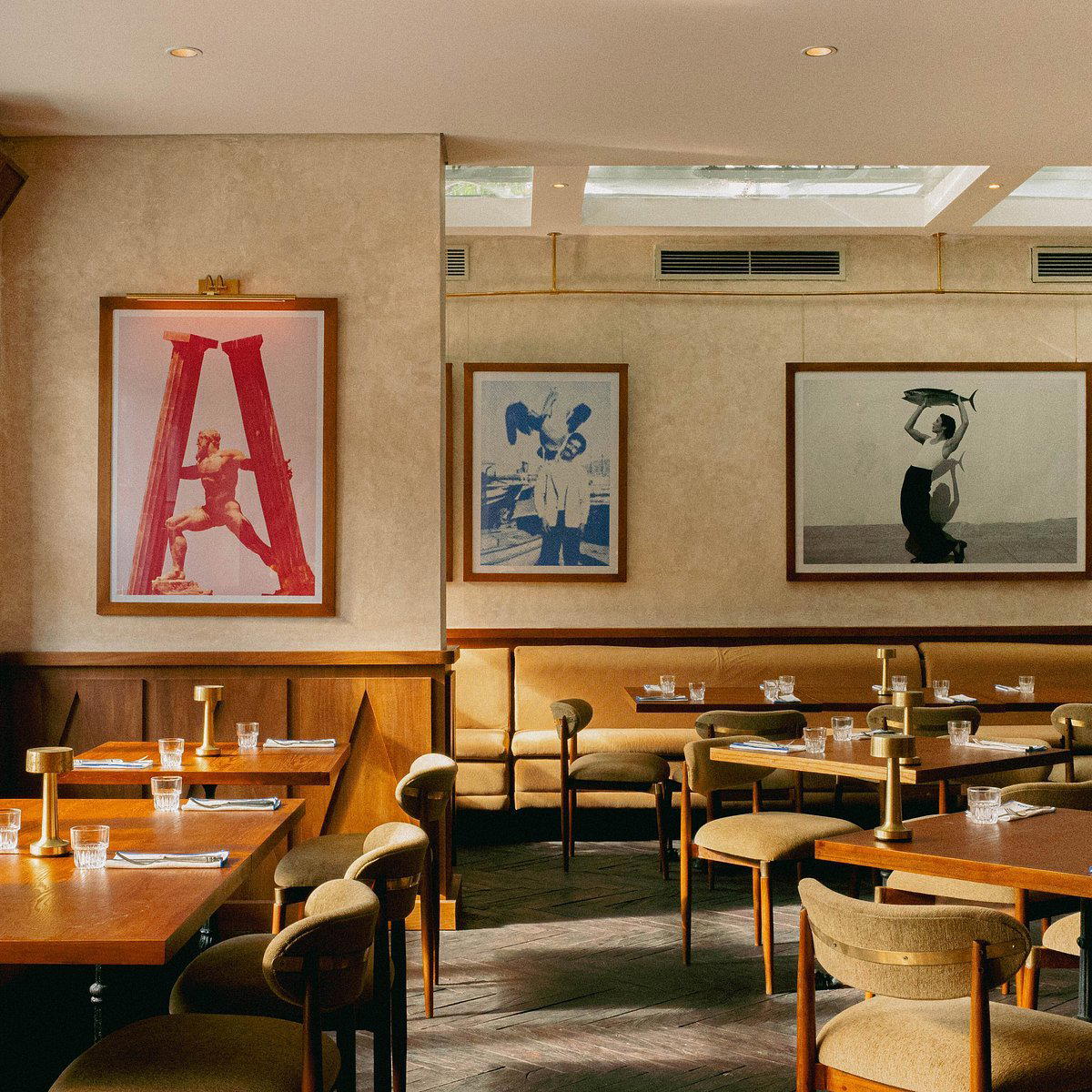
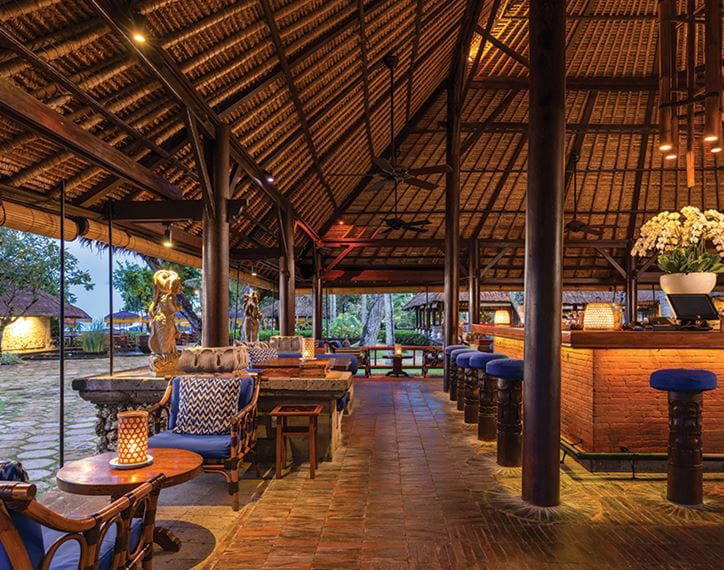
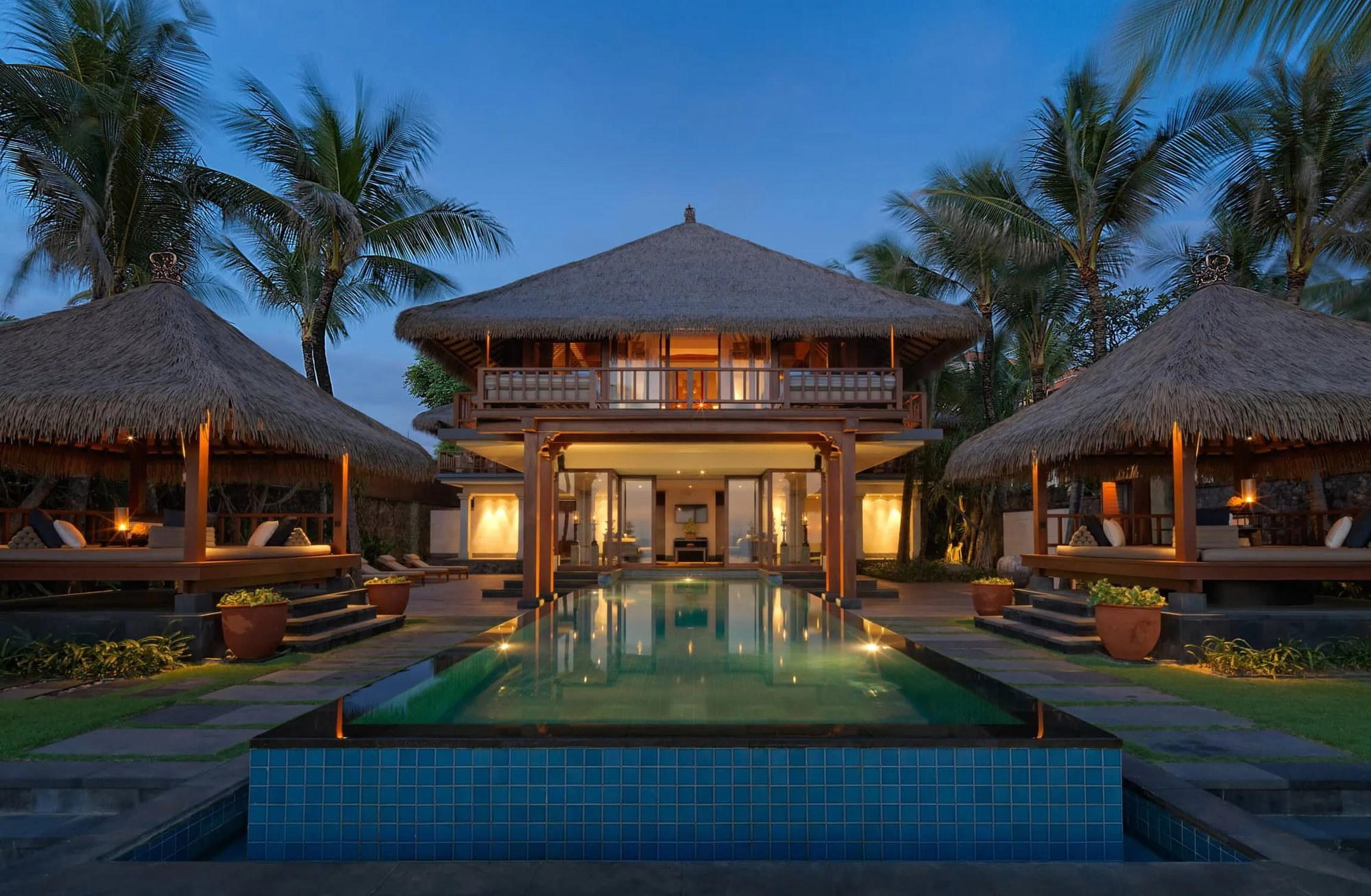

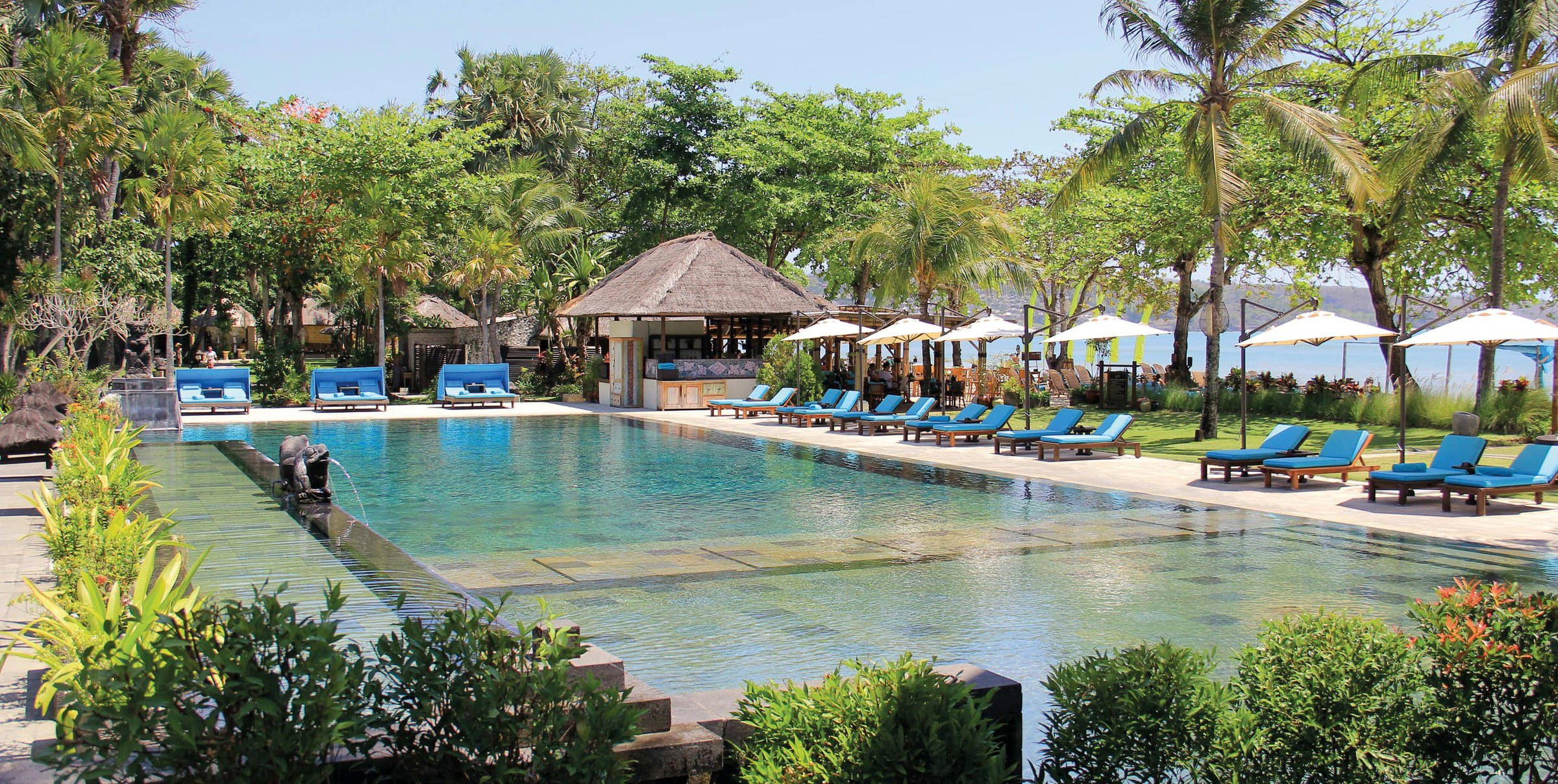
At a Glance
- Quiet
- Scenic
- Modern
- Cozy
- Elegant
- Family
- Group Dining
- Date Night
- Casual Hangout
- Special Occasion
- Garden
- Hotel Restaurant
- Standalone
- Craft Cocktails
- Beer Program
- Local Sourcing
- Garden
Current opening hours
- Monday
- 6:30 am–10 pm
- Tuesday
- 6:30 am–10 pm
- Wednesday
- 6:30 am–10 pm
- Thursday
- 6:30 am–10 pm
- Friday
- 6:30 am–10 pm
- Saturday
- 12–10 pm
- Sunday
- 12–10 pm
Hours can change for holidays and private events. Last verified .
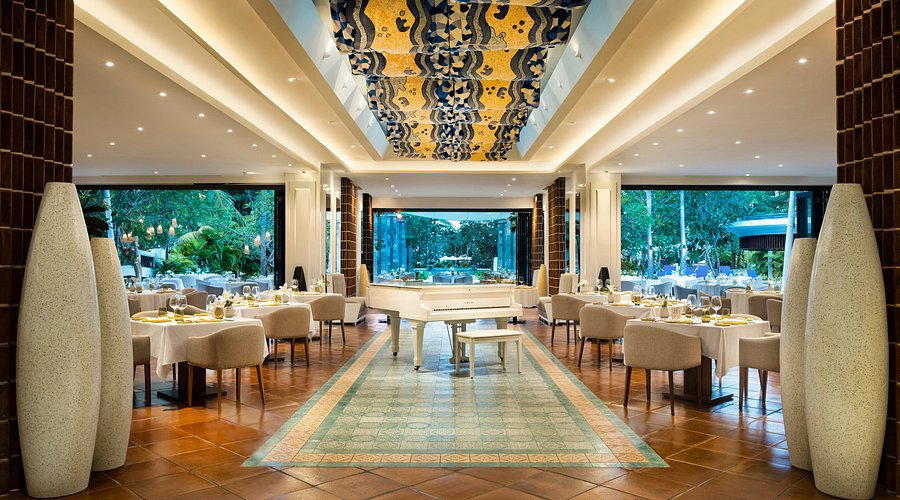
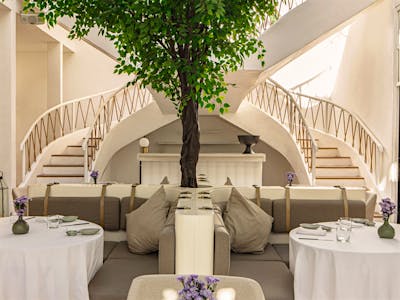
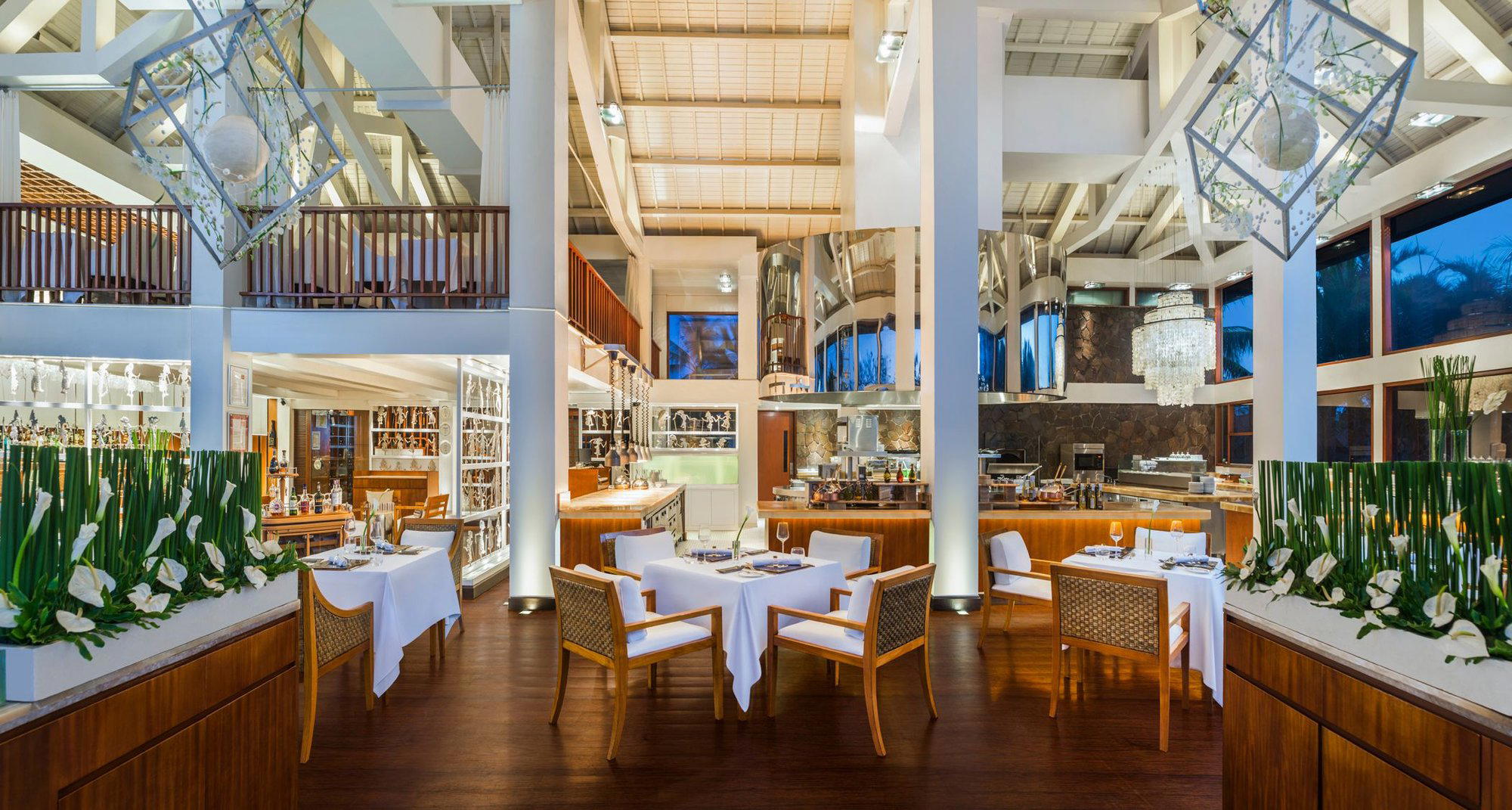
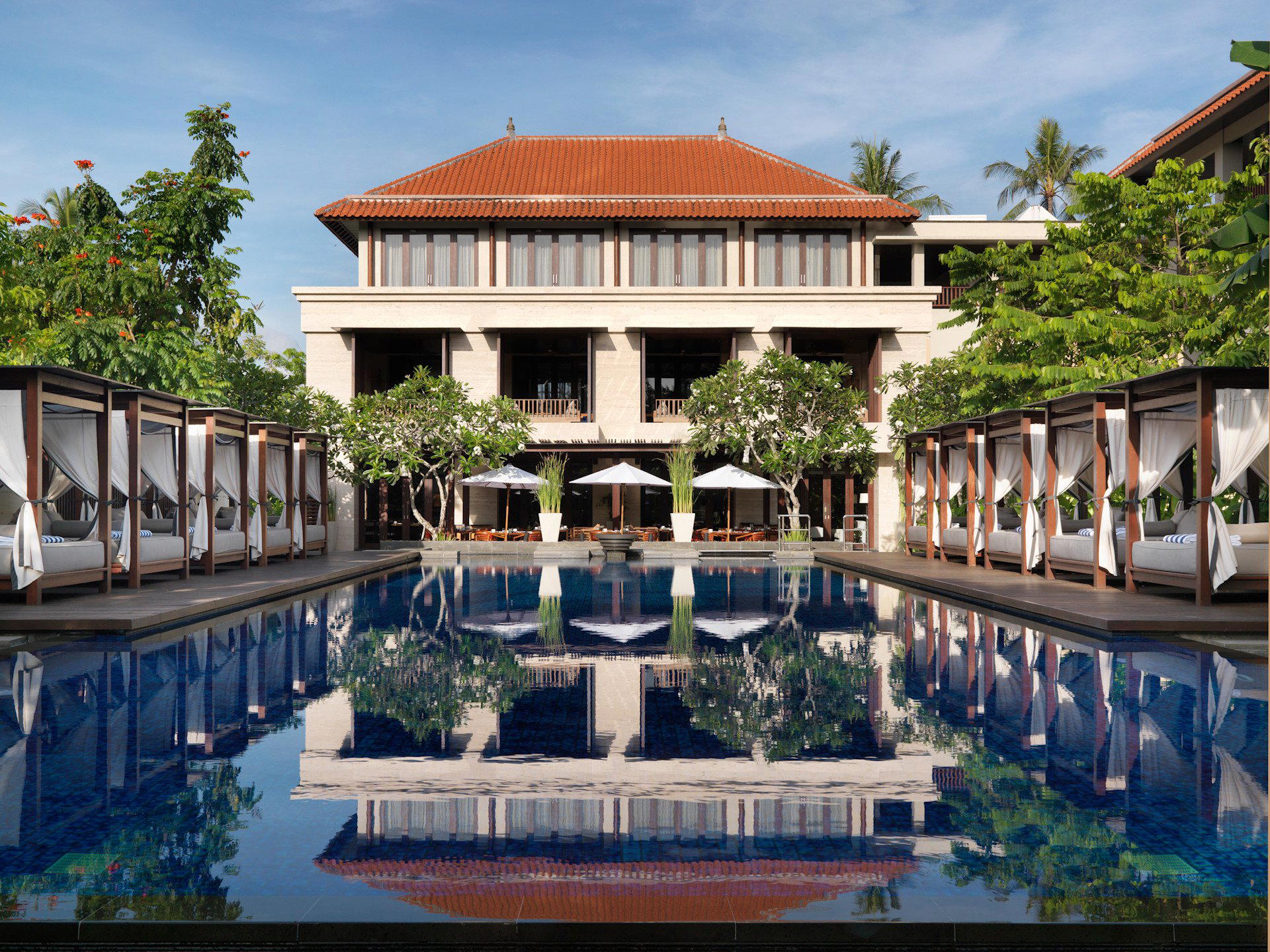
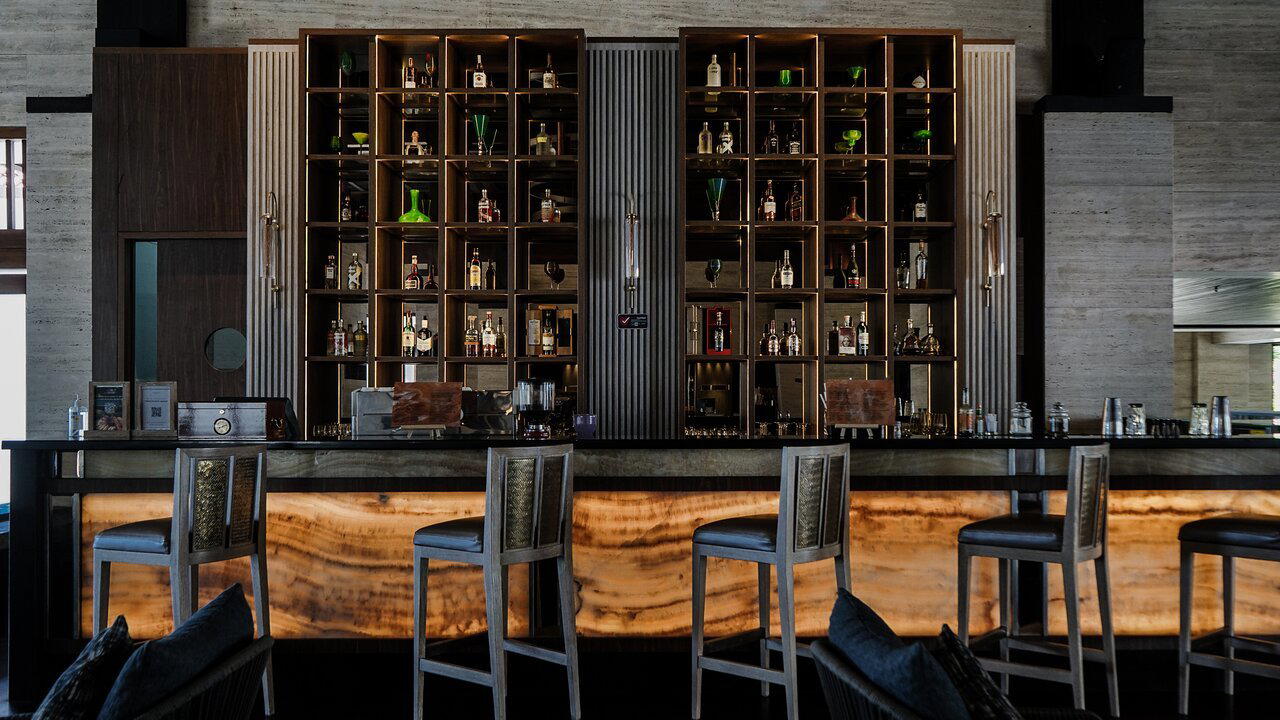
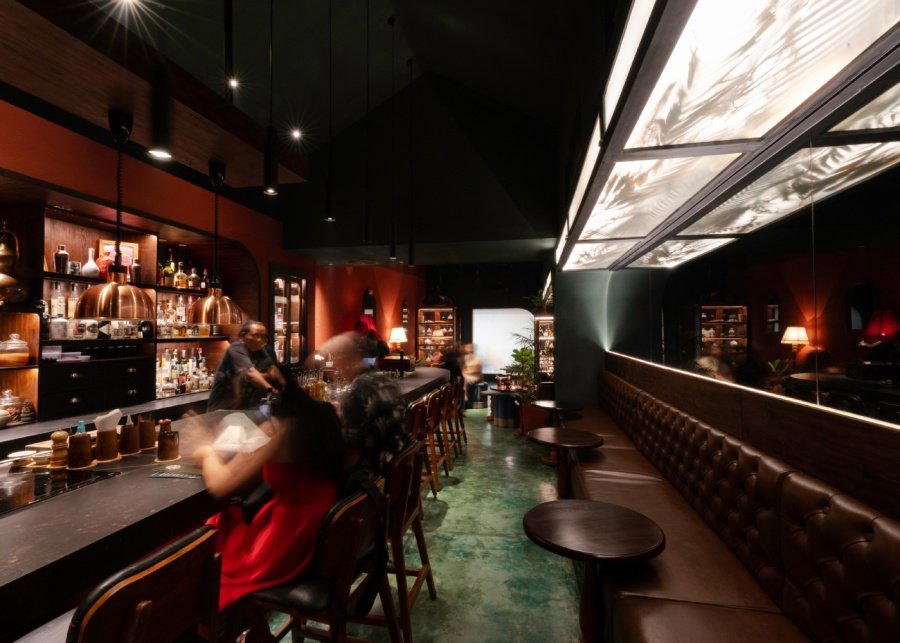
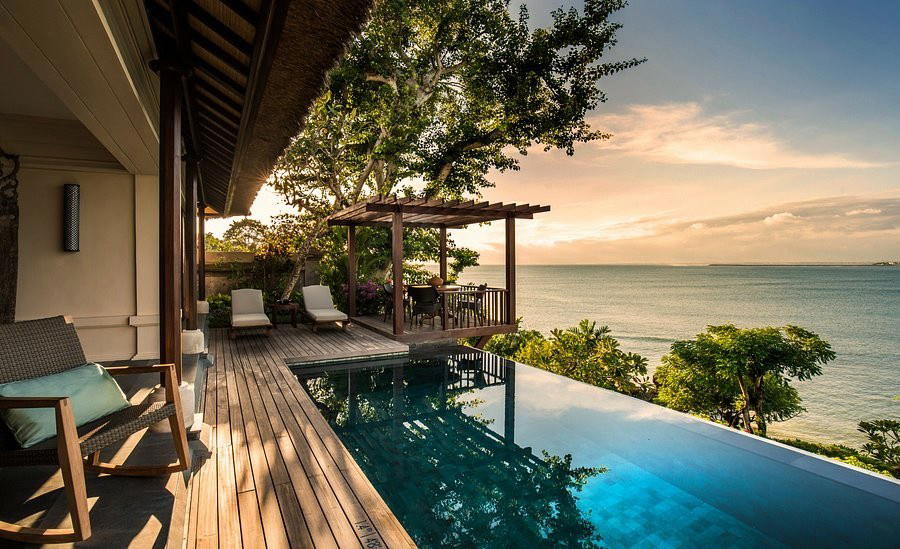
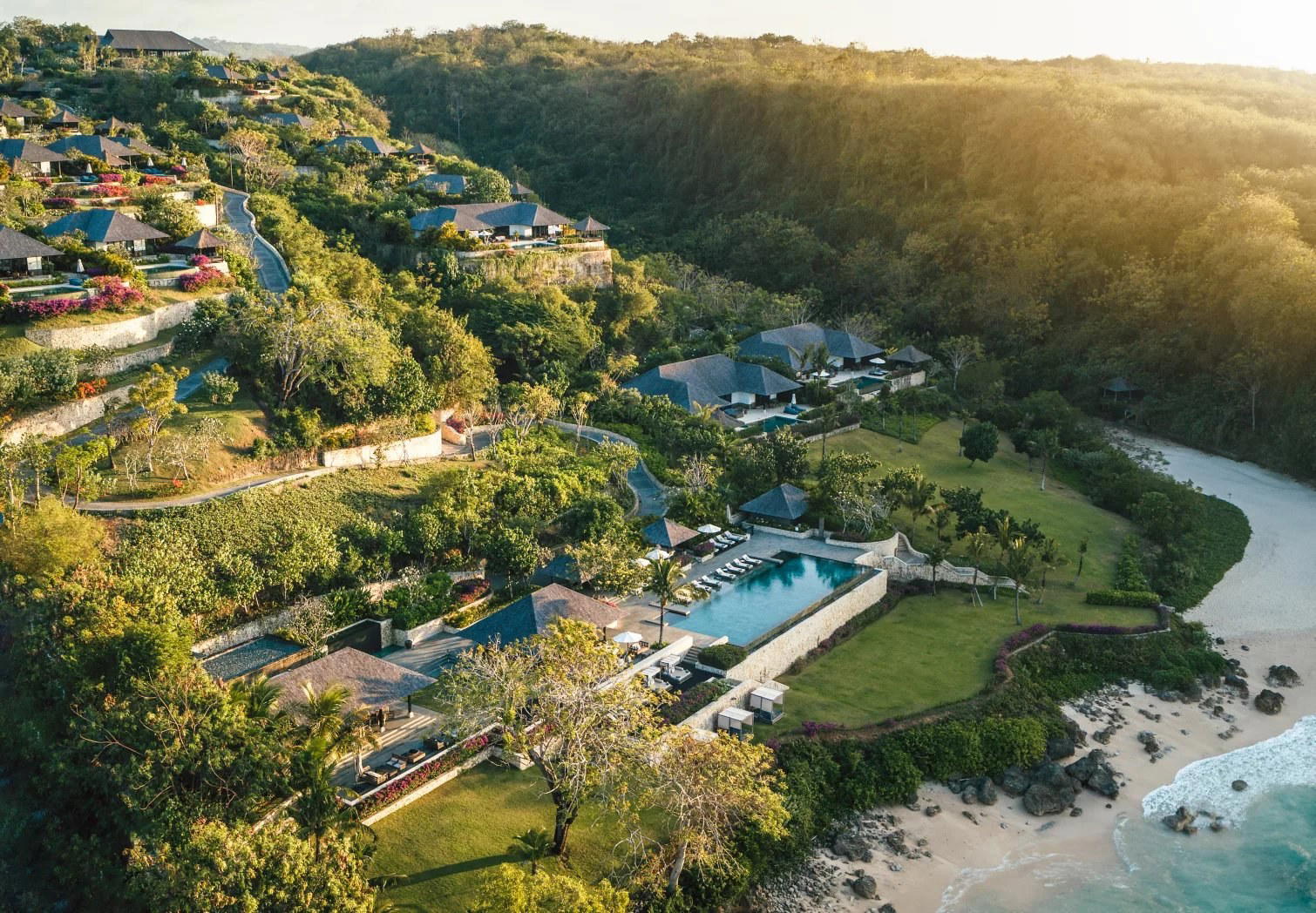
Quiet, stylish, and resort-polished, with lush green surroundings and a relaxed yet upscale atmosphere.
Know Before You Go
- Reservations
- Recommended
- Dress code
- Smart casual
- Getting there
- Jalan Danau Tamblingan 89a, Sanur (Village Square, across the lobby)