
Bar Pêche sits in Antwerp’s small-format dining tier, where a 14-seat room and a simplicity-led kitchen put sourcing and restraint ahead of spectacle. It suits diners who care less about menu theatrics and more about how a compact restaurant can make produce, fish, and seasonality carry the argument.
Pearl is the En Primeur Club membership app — saves, bookings, and concierge access live there. Same editors, same standards.
- Address
- Bollandusstraat 2, Antwerpen, Antwerpen, 2000, BEL
- Website
- guide.michelin.com
- Directions
- Get directions
 Saves & bookings on Pearl
Approaching Bar Pêche in Antwerp, the scale tells the story before the menu does. Antwerp’s dining rooms can be grand, clubby, design-heavy, or casual enough to blur into the bar scene; Bar Pêche belongs to the tighter category, where 14 seats change the rhythm of dinner. A room that small makes excess look clumsy. Service has less space to hide, the kitchen has fewer covers to amortise, and sourcing becomes more visible because repetition is harder to disguise.
That format matters in Antwerp. The city’s restaurant culture has long carried several registers at once: classic local dining, port-city cosmopolitanism, polished urban rooms, and a newer appetite for compact places with shorter decision trees. A 14-seat restaurant cannot compete by breadth. It competes by control: fewer plates, fewer variables, and a clearer relationship between what arrives from suppliers and what lands on the table.
Small-room Antwerp dining, stripped back to sourcing
The useful way to read Bar Pêche is through ingredient discipline rather than fixed category labels. Rather than leaning on a broad public cuisine tag, the restaurant is best understood as a compact Antwerp room where directness matters more than encyclopedic range. In contemporary Belgian dining, that is not a minor choice. The country has a deep tradition of market produce, precise technique, and strong regional habits, but the modern small-room version often removes the ornamental layer and asks whether the product can hold attention without a long explanation.
Antwerp is a strong city for that kind of restraint because it is neither a resort market nor a capital-city expense account monoculture. Diners here know formal dining, but they also tolerate informality when the cooking has a point. That separates a focused 14-seat address from broader sharing-room formats such as Cobra, or from Japanese-leaning Antwerp counters such as Ko’uzi. The comparison is not about superiority; it is about appetite. One category invites range and social ordering, another narrows the frame so that sourcing, timing, and seasoning carry more weight.
In that sense, Bar Pêche belongs to the same contemporary conversation as Antwerp’s other compact, identity-led restaurants, even when the cooking vocabulary differs. Readers comparing city options can use other classical Belgian dining rooms for a more traditional reference point, other compact Antwerp addresses for different registers of flavour structure, and the city’s more authored modern rooms for another way of understanding how restraint, intimacy, and product focus are being handled.
Why 14 seats changes the meal
Capacity is not a decorative statistic here. Fourteen seats put the restaurant in a category closer to a specialist atelier than a conventional neighbourhood dining room. For the guest, that usually means a more concentrated evening: fewer parallel tables, a tighter service tempo, and less tolerance for menu sprawl. For the kitchen, it raises the stakes on procurement. Small restaurants can buy in limited quantities and react to the market, but they also expose weak ingredients quickly because the room is too intimate for distraction.
This is where restraint becomes a useful standard rather than a vague virtue. In a large restaurant, restraint can be branding. In a room of this size, it has operational consequences. A pared-back plate needs produce with character, clean handling, and enough confidence not to bury the main ingredient under technique. Antwerp’s market culture gives restaurants access to a broad pantry, but access alone does not create a point of view. The editorial question is whether the restaurant uses restraint to clarify the ingredient or merely to reduce labour. Bar Pêche’s small scale puts that question at the centre of the meal.
The city context also matters for travellers planning a dining sequence. Antwerp is not Brussels, where international formality often dominates the high-end conversation, and it is not the Flemish countryside, where destination restaurants can lean into the drive as part of the ritual. It is a walkable, design-conscious city with serious weekend demand and a dining public that moves between galleries, bars, hotels, and late suppers. A small restaurant in this setting can feel sharper than a larger dining room because it suits the way the city is actually used.
How to place it within a Belgium itinerary
Bar Pêche makes the clearest sense for travellers who already have a few Belgian dining references in view. Antwerp rewards comparison: classic rooms, modern counters, informal sharing tables, and ingredient-led addresses sit close enough to be read against one another. The broader city edit is easier to plan through Our full Antwerp restaurants guide, while hotel, drinking, wine, and cultural planning can be cross-checked through Our full Antwerp hotels guide, Our full Antwerp bars guide, Our full Antwerp wineries guide, and Our full Antwerp experiences guide.
For a wider Belgian frame, the useful comparison is not only between cuisines, but between formats. A city table in Antwerp reads differently from destination rooms elsewhere in Belgium, larger classic restaurants, or informal neighbourhood places built for a different pace. Those contrasts help define the choice: this is not a maximalist Belgian tour stop, but a compact Antwerp room where ingredient sourcing and restraint are the main reasons to pay attention.
The audience is therefore specific. Diners looking for long printed menus, large groups, or a fully signposted luxury ritual may find the format too narrow. Diners who enjoy seeing a kitchen work within limits will understand the appeal faster. In Belgium’s current dining conversation, the smaller room is no longer an afterthought to grander gastronomy. It is a serious format of its own, and Bar Pêche sits inside that shift with enough constraint to make the meal feel deliberate.
Travellers building a broader food trip beyond Belgium can place the Antwerp experience beside tighter specialist formats in other cities. The cuisines and settings may be unrelated, but the planning logic is similar: small-format places demand clearer intent from the diner. Choose them when the point is focus, not abundance.
How It Stacks Up
Comparable venues by cuisine and price in the same metro.
| Venue | Cuisine | Price |
|---|---|---|
| Osaka | Fusion | Not listed |
| Ko'uzi | Japanese | €€ |
| Cobra | Sharing | €€ |
Recognition history
Dated appearances from independent guides and award organizations, with the underlying list record or original source where available.
Michelin Plate
Michelin
At a Glance
- Cozy
- Intimate
- Modern
- Trendy
- Date Night
- Special Occasion
- After Work
- Casual Hangout
- Solo
- Open Kitchen
- Standalone
- Design Destination
- Natural Wine
- Extensive Wine List
- Local Sourcing
- Natural Wine
- Sustainable Seafood
Current opening hours
- Monday
- Closed
- Tuesday
- 12–1:30 PM, 7–9:30 PM
- Wednesday
- 12–1:30 PM, 7–9:30 PM
- Thursday
- 12–1:30 PM, 7–9:30 PM
- Friday
- 12–1:30 PM, 7–9:30 PM
- Saturday
- Closed
- Sunday
- Closed
Hours can change for holidays and private events. Last verified .
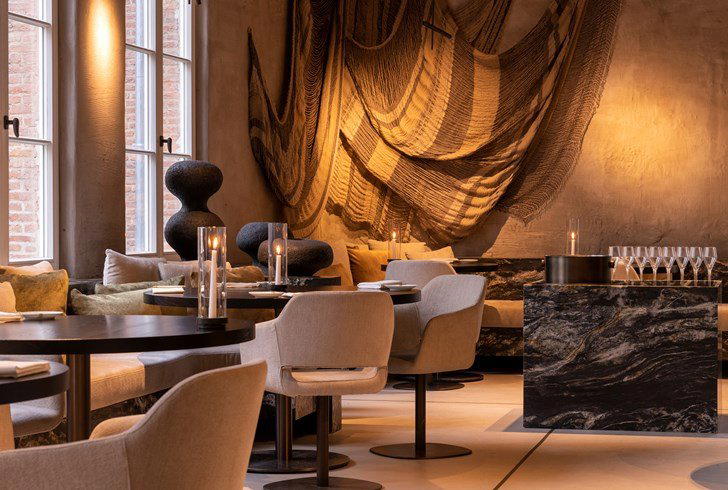
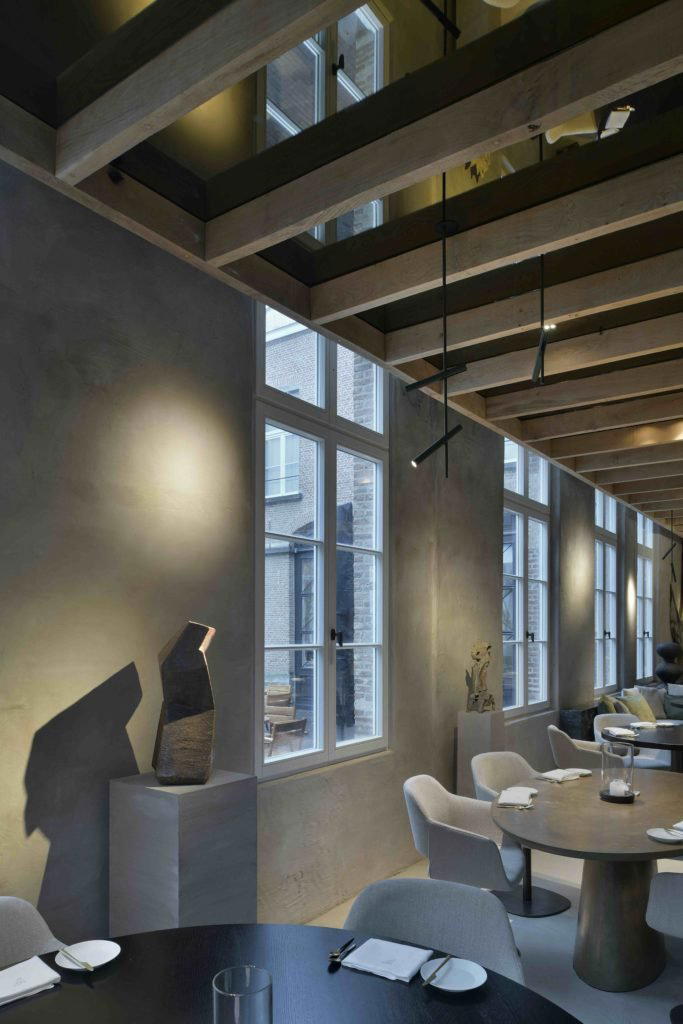
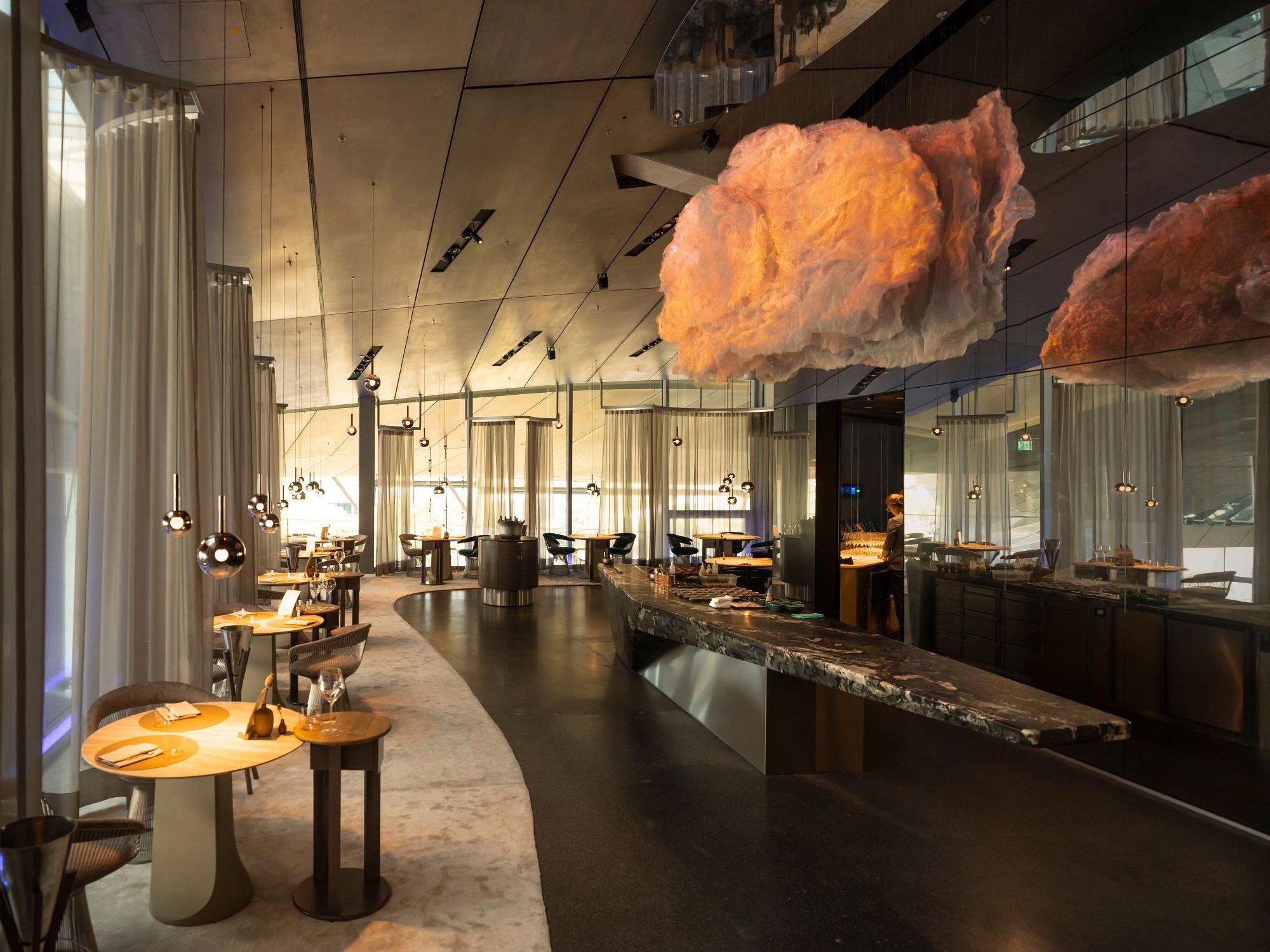
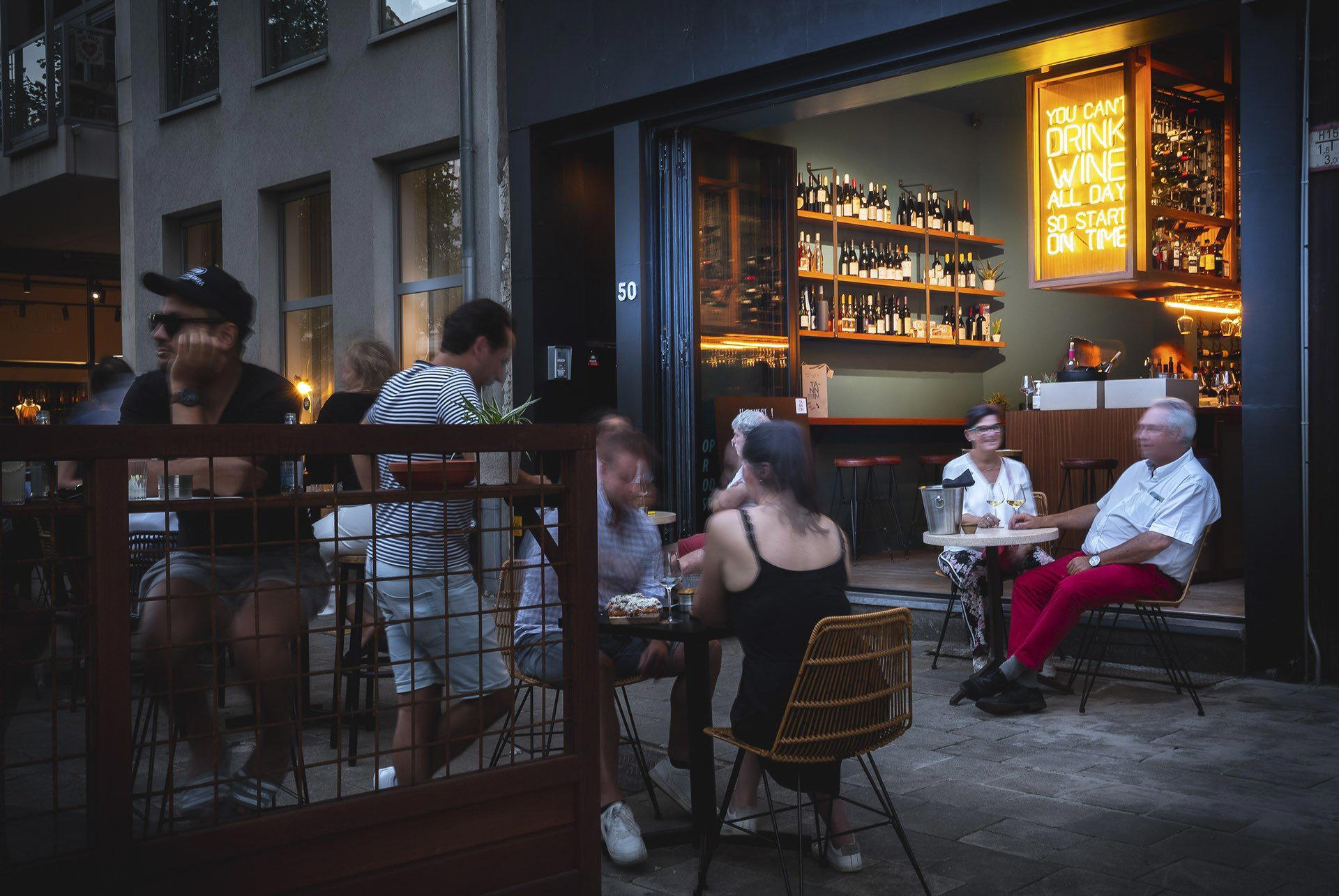
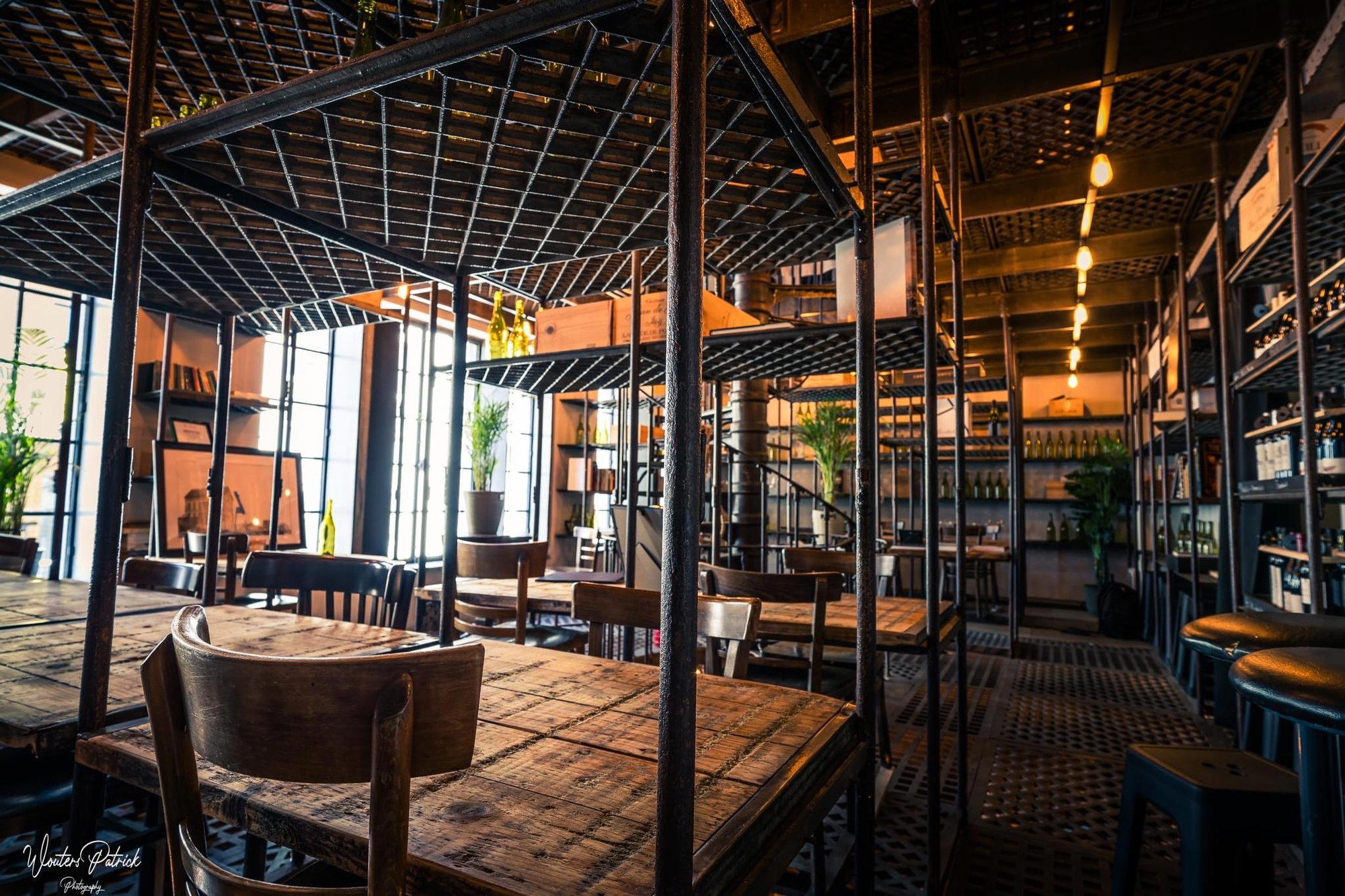
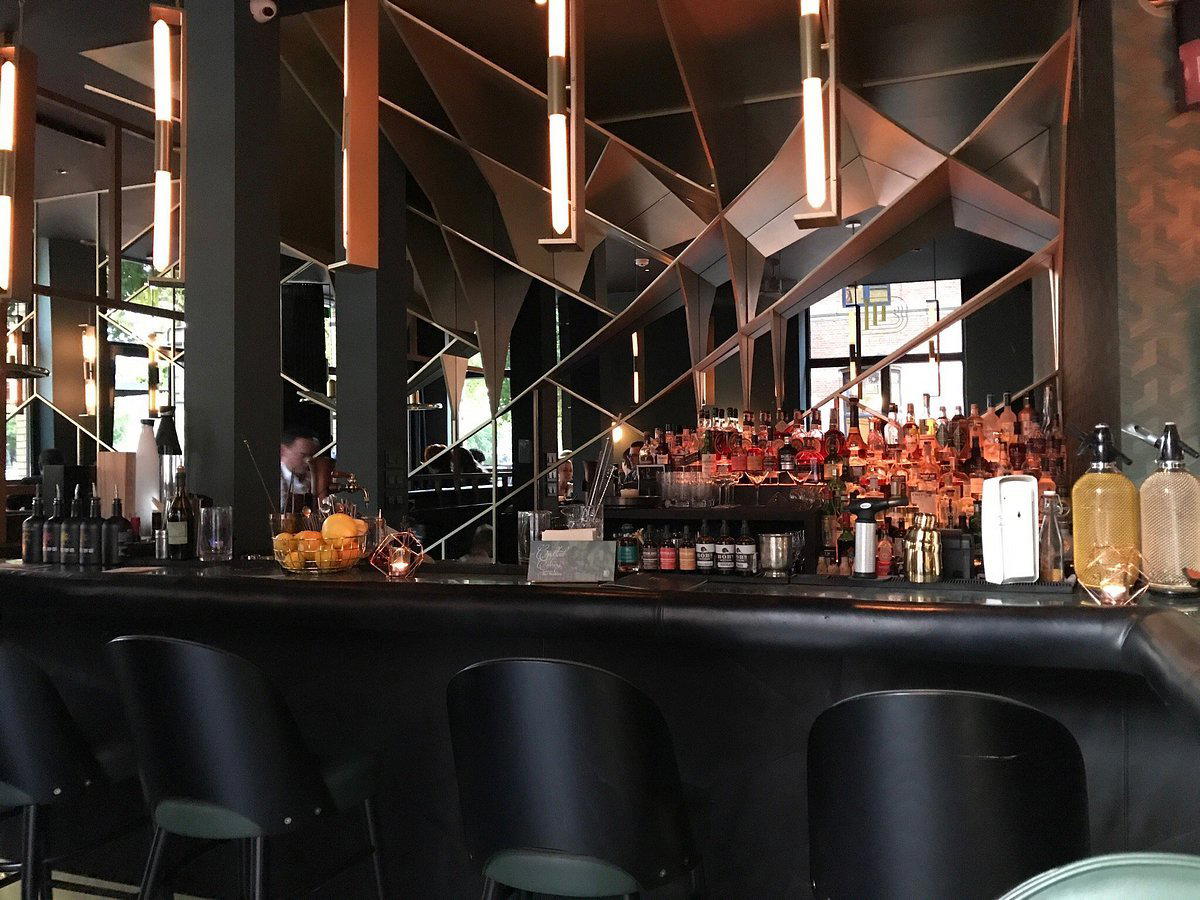
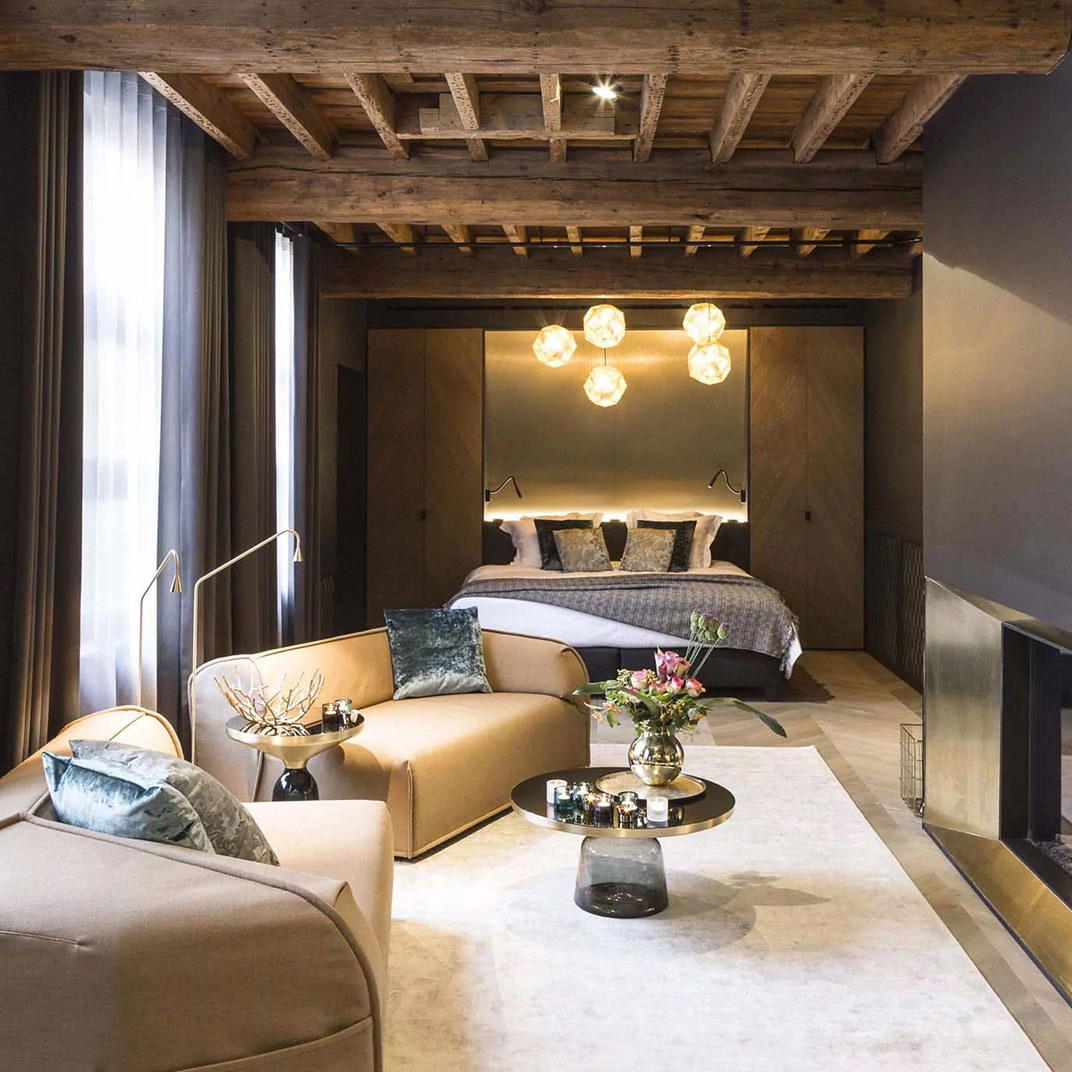
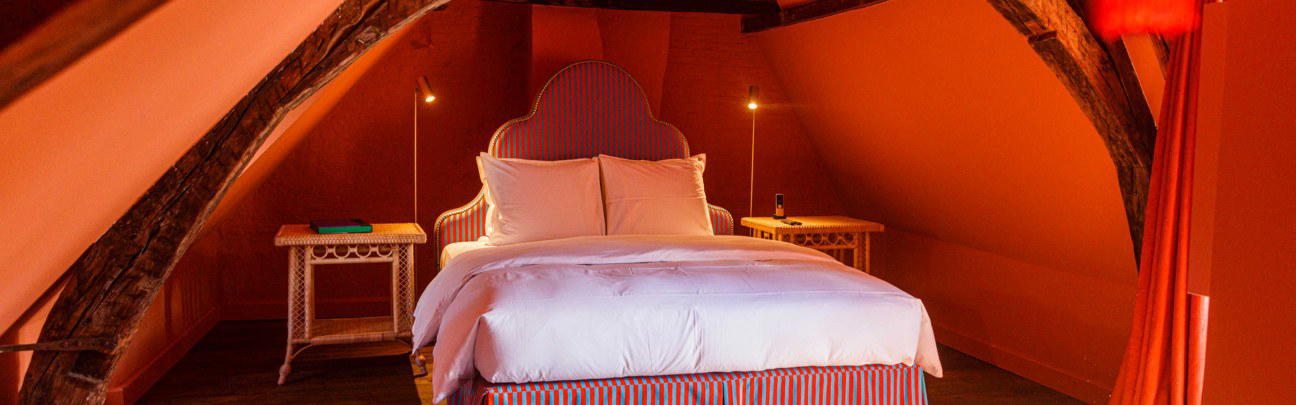
Warm, low-key and intimate, with a minimalist modern bistro look, open kitchen energy, and relaxed, friendly service that keeps the atmosphere informal despite the refined plates.
Know Before You Go
- Reservations
- Essential
- Dress code
- Casual
- Getting there
- Bollandusstraat 2, Antwerpen, Antwerpen, 2000, BEL