Bar Esmé

Wine Enthusiast Best Wine Restaurants
Our verdict
Bar Esmé sits in Chicago’s wine-restaurant conversation rather than the city’s louder steakhouse or tasting-menu lanes. Its 2025 Wine Enthusiast Best Wine Restaurants recognition places it among Midwest rooms where the bottle list is not a sidecar to dinner but part of the argument for going.

Pearl is the En Primeur Club membership app, where members save venues, book tables and use the concierge.
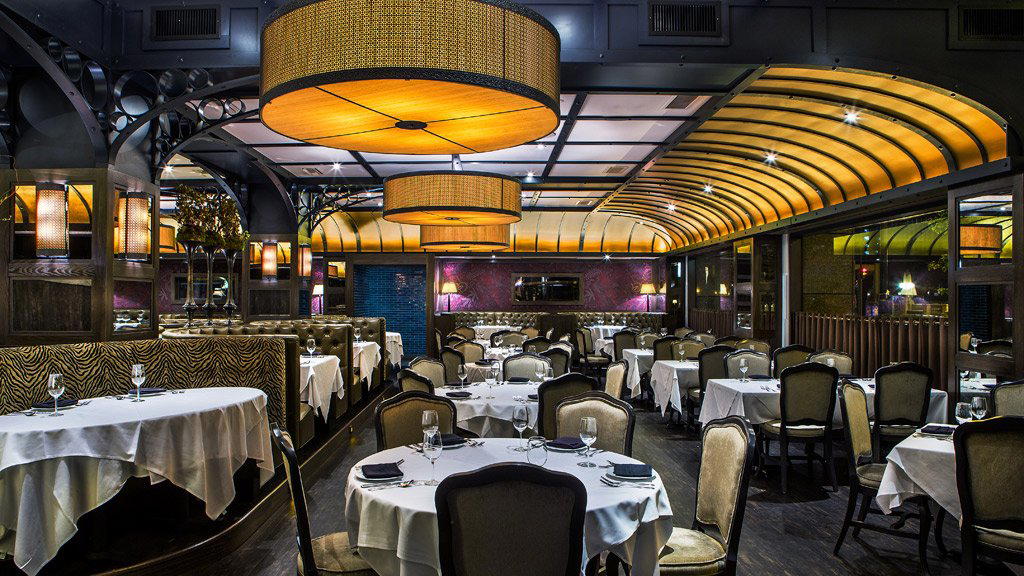
Chicago changes quickly after dark: storefront glass, neighborhood foot traffic, and the city’s habit of treating dinner as both social appointment and serious table. Bar Esmé belongs to the urban category where the room is read through the wine list as much as the plate. In a city often reduced to deep-dish shorthand, steakhouse expense accounts, and chef-driven tasting rooms, the wine restaurant is a useful middle position: more intentional than a casual bistro, less formal than a long-format dégustation, and often better suited to repeat local use.
That category matters because Chicago dining has long absorbed outside traditions and made them practical. Broad dining habits, neighborhood restaurants, Midwestern hospitality, and contemporary flexibility all shape how the city eats. A wine-focused restaurant in Chicago need not announce a grand thesis; it has to make the glass, table, and pacing feel coherent. Bar Esmé’s inclusion in Wine Enthusiast’s 2025 Best Wine Restaurants list for the Midwest is the clearest public signal, placing it in a regional group judged by wine program relevance rather than décor or celebrity alone.
Chicago's wine-restaurant lane, read against Chicago's louder formats
Chicago rewards scale, but persuasive meals often happen in formats that resist spectacle. In Chicago, that means neighborhood dining polished enough for a date night, client dinner, or regular’s midweek bottle. Bar Esmé sits in that lane, where the cultural roots are less a single cuisine label than the broader idea that wine and food should move together. The point is not encyclopedic collecting for its own sake; it is whether the list structures the meal.
The local comparison set clarifies the choice. Other Chicago dining rooms speak to different local instincts, from classic comfort to design-led café culture. Some restaurants point toward product-led menus, while others show how broad the city’s restaurant map becomes beyond its busiest dining corridors. Against Riccardo Trattoria, Mon Ami Gabi, S.K.Y. Geja’s Cafe, and Sushi Para II, the question is not which room wins a generic ranking. It is which format fits the night: familiar ease, polished regularity, contemporary range, ritual, informality, or a wine-led dinner built around pacing and conversation.
That distinction matters in Chicago, where wine service can split between steakhouse depth, tasting-menu pairings, and neighborhood lists meant for drinking rather than trophy display. Wine Enthusiast’s 2025 recognition gives Bar Esmé a trust signal because it comes from a wine publication, not a general dining popularity contest. For diners who care about bottle context, that is more specific than a broad accolade.
Why the format fits Chicago's current dining mood
The city’s restaurant culture is less binary than a decade ago. The old split between casual neighborhood rooms and expensive special-occasion temples now leaves space for restaurants with editorial intent but little ceremony. Wine restaurants benefit from that shift. They let the table decide how deep to go: a glass and shared plates, or a longer dinner shaped by the cellar. That flexibility has cultural weight, moving away from performance and toward curation, where value comes from selection, temperature, pacing, and restraint.
Bar Esmé’s strongest editorial case sits there. Public signals do not point here to a chef-personality story or cuisine manifesto, so the restaurant is better understood through category than biography. In Chicago terms, this is a room for diners who want the bottle program to lead without turning the meal into a seminar. The city has many places to eat loudly; this format asks for attention at a lower volume.
That does not make it narrow. Wine-led dining has deep roots, but in Chicago it becomes more democratic: less bound to rigid regional rules, more comfortable with contemporary menus, and less anxious about mixing occasions. The Midwest placement in Wine Enthusiast’s list also frames the restaurant regionally, not just locally. Chicago competes with serious dining cities across the Midwest for wine-aware travelers, and recognition in that field suggests a program with enough identity to register beyond its immediate local setting.
How to place it within a Chicago itinerary
For travelers, the smarter use of Bar Esmé is as part of a Chicago dining plan rather than a single checkbox. The city has multiple rhythms: residential, businesslike, walkable in pockets, and suited to evenings that do not always require chasing the loudest reservation. That makes the restaurant a practical counterpoint to bigger-ticket tasting menus and hotel-area dining, especially for visitors who prefer a glass-driven dinner over a scripted progression.
Readers building a wider Chicago plan should treat this as one stop in a broader category map. For restaurant breadth, start with Our full Chicago restaurants guide; for where to stay, use Our full Chicago hotels guide. If the night shifts toward cocktails after dinner, Our full Chicago bars guide gives drinking context, while Our full Chicago wineries guide and Our full Chicago experiences guide widen the trip beyond a single table.
The cross-city comparison is useful in general terms. Wine and drink-focused dining takes different forms in other cities, where format, beverage culture, and cultural specificity can change a meal’s meaning. Some restaurants build around narrow comfort, others around casual registers, and others around highly particular drink programs. Bar Esmé’s Chicago value is more restrained: a Chicago wine restaurant with regional recognition, suited to diners who read a city by how it drinks with dinner.
Frequently asked questions
Is Bar Esmé okay with children?
Bar Esmé is a Chicago restaurant with a wine-led identity. For family needs, check the restaurant’s current guidance before booking.
Is Bar Esmé better for a quiet night or a lively one?
Bar Esmé is best understood through its wine-led format. For the current room feel and timing, check recent restaurant channels before you go.
When is Bar Esmé open?
Check Bar Esmé’s current channels for up-to-date hours before you go.
Where is Bar Esmé in Chicago?
Chicago.
What is Bar Esmé known for?
Bar Esmé is known for being included in Wine Enthusiast’s Best Wine Restaurants 2025 list for the Midwest. In Chicago, that places it in the wine-led dining conversation rather than the purely trend-driven one.
Do they accommodate allergies at Bar Esmé?
For allergy accommodations at Bar Esmé, contact the restaurant directly and flag restrictions before you order.
Pricing, Compared
Comparable venues by cuisine and price in the same metro.
| Venue | Cuisine | Price | Awards | Notes |
|---|---|---|---|---|
| Bar EsméThis venue (the venue you are viewing) | French-Inspired Fine Dining Bar | $50–100 | Wine Enthusiast Best Wine Restaurants | Not listed |
| Riccardo Trattoria | Authentic Northern Italian Trattoria | $50–100 | Not listed | Not listed |
| Mon Ami Gabi | Classic French Bistro | $50–100 | OpenTable Top 100 Restaurants | Not listed |
| S.K.Y. | Contemporary American with Global Influences | Not listed | Michelin Plate | New American, Contemporary |
| Geja's Cafe | Classic Fondue | $50–100 | Wine Spectator Award of Excellence | Not listed |
| Sushi Para II | All-You-Can-Eat Sushi | Not listed | Not listed | Not listed |
Recognition history
Dated appearances from independent guides and award organizations, with the underlying list record or original source where available.
Wine Enthusiast Best Wine Restaurants
Wine Enthusiast
Continue exploring
More in Chicago
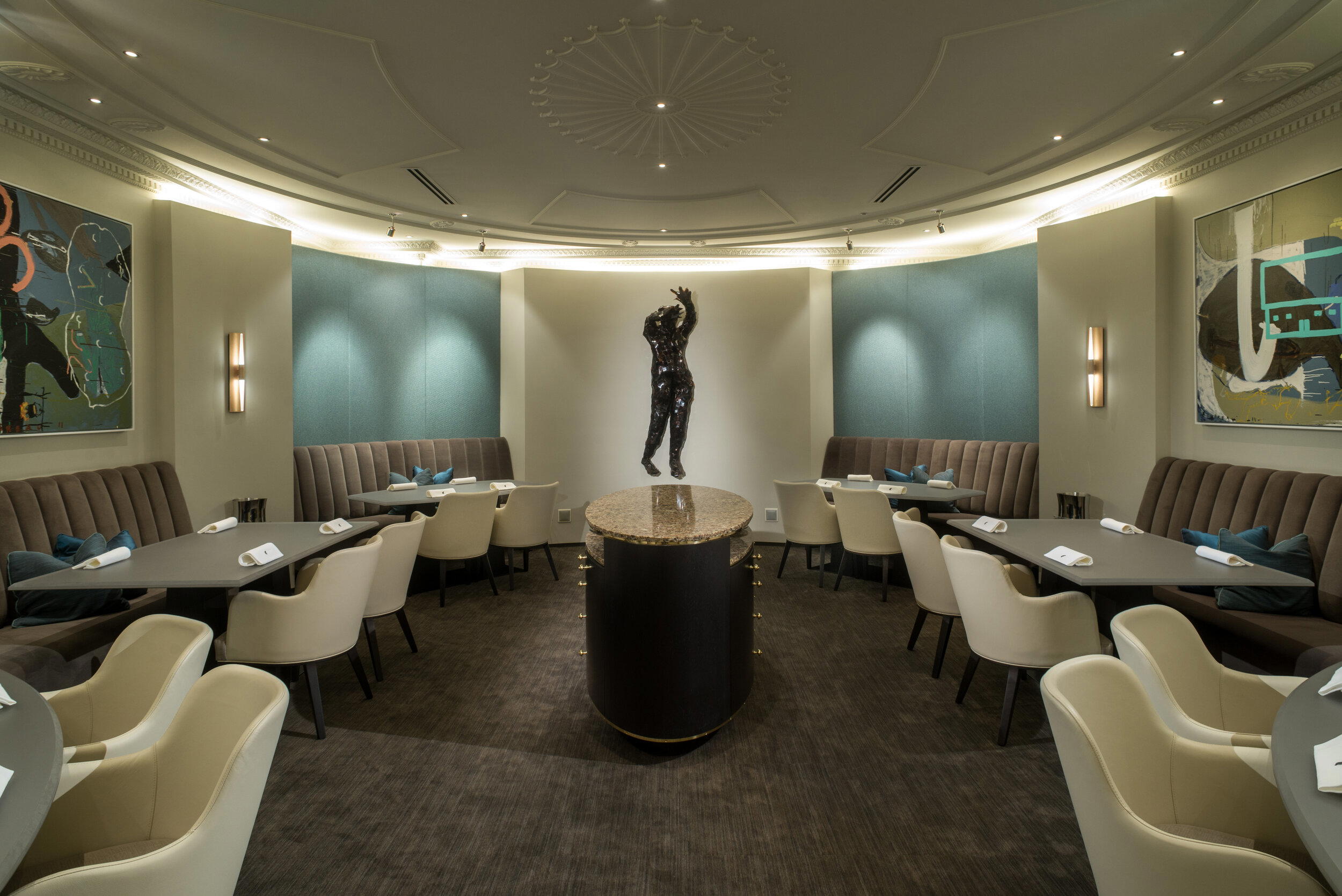
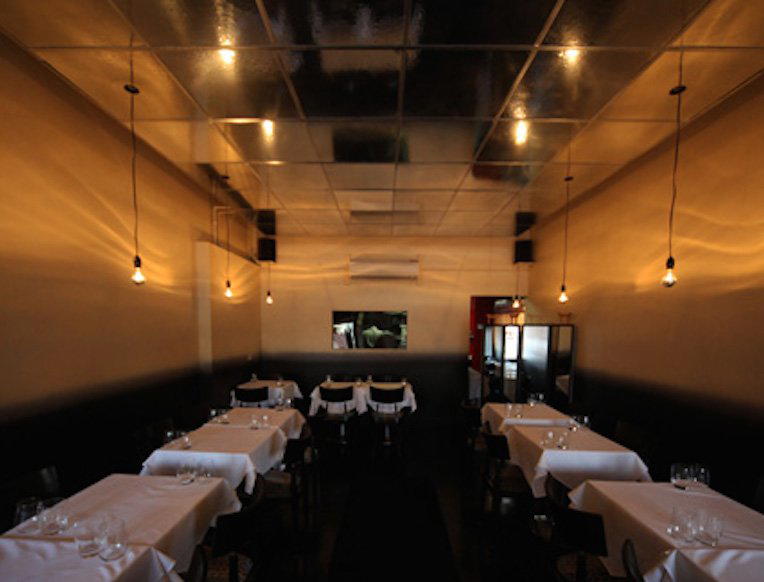
Restaurants in Chicago
All restaurants in Chicago →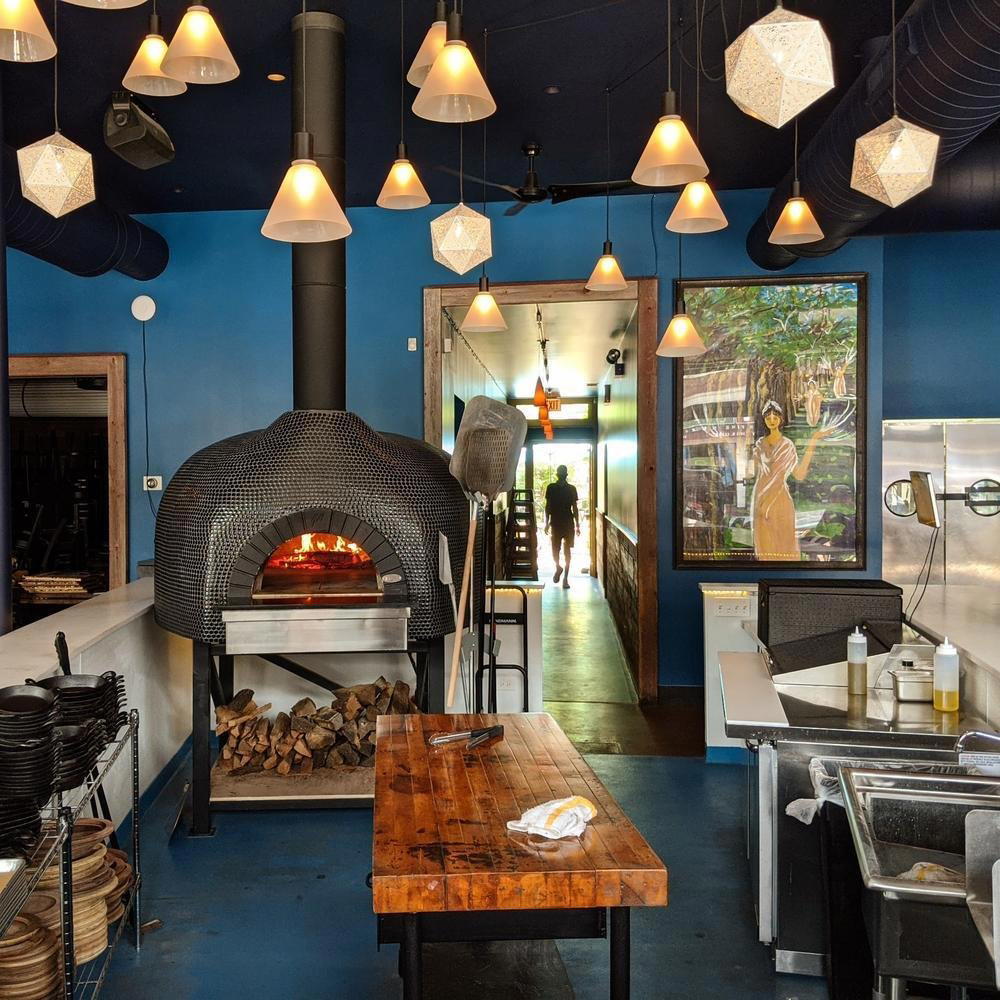
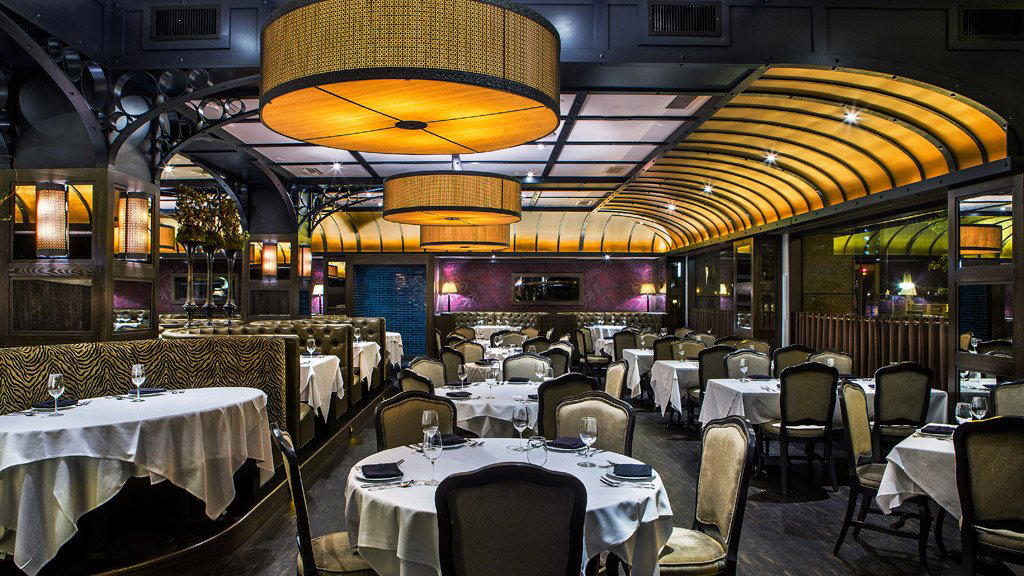
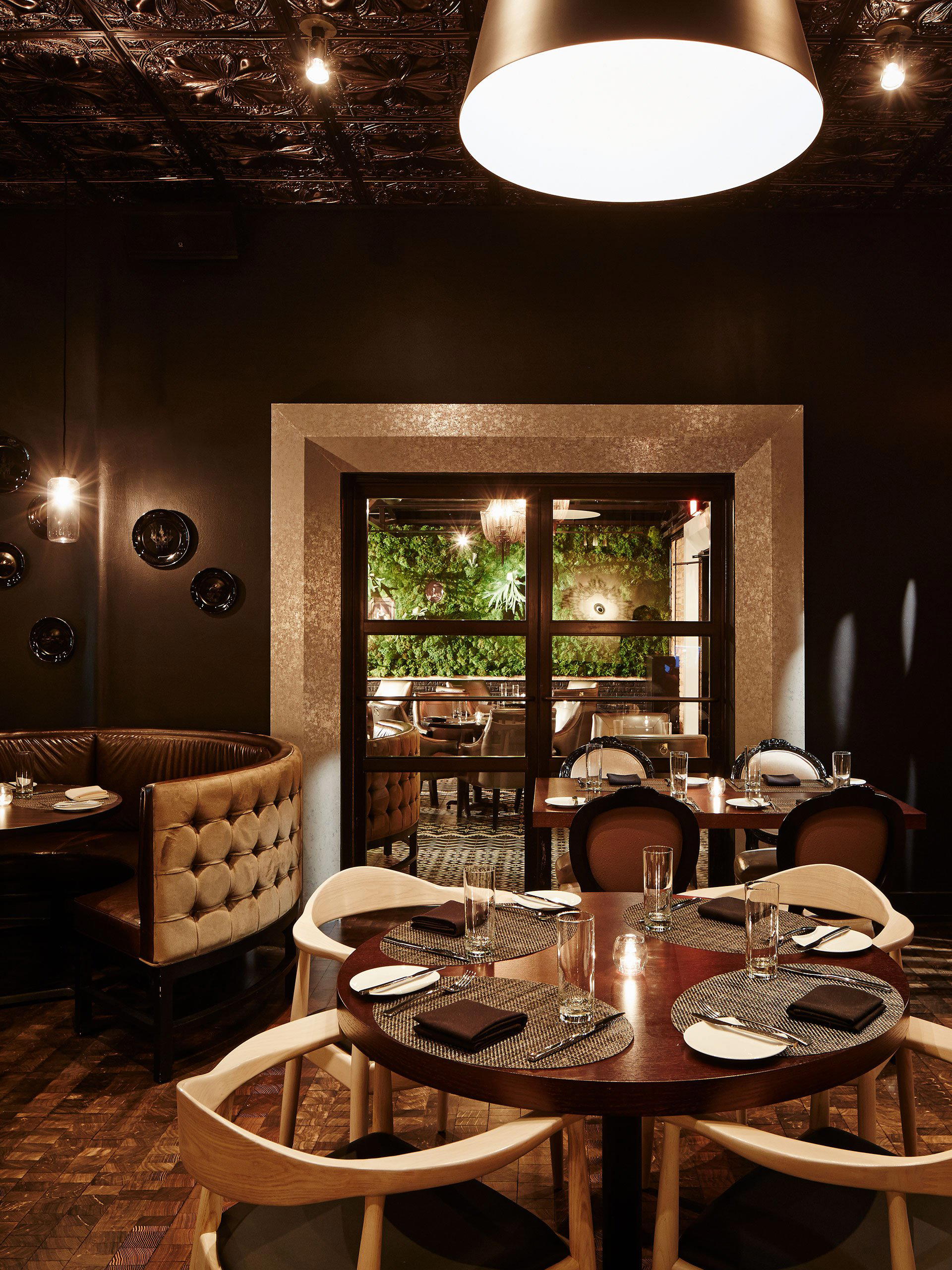
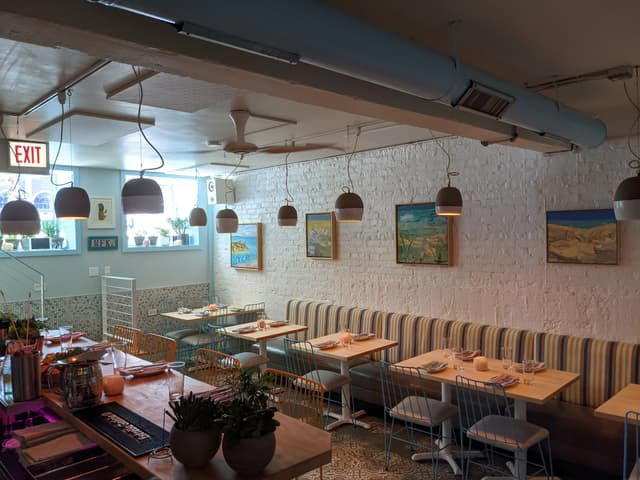
Bars in Chicago
All bars in Chicago →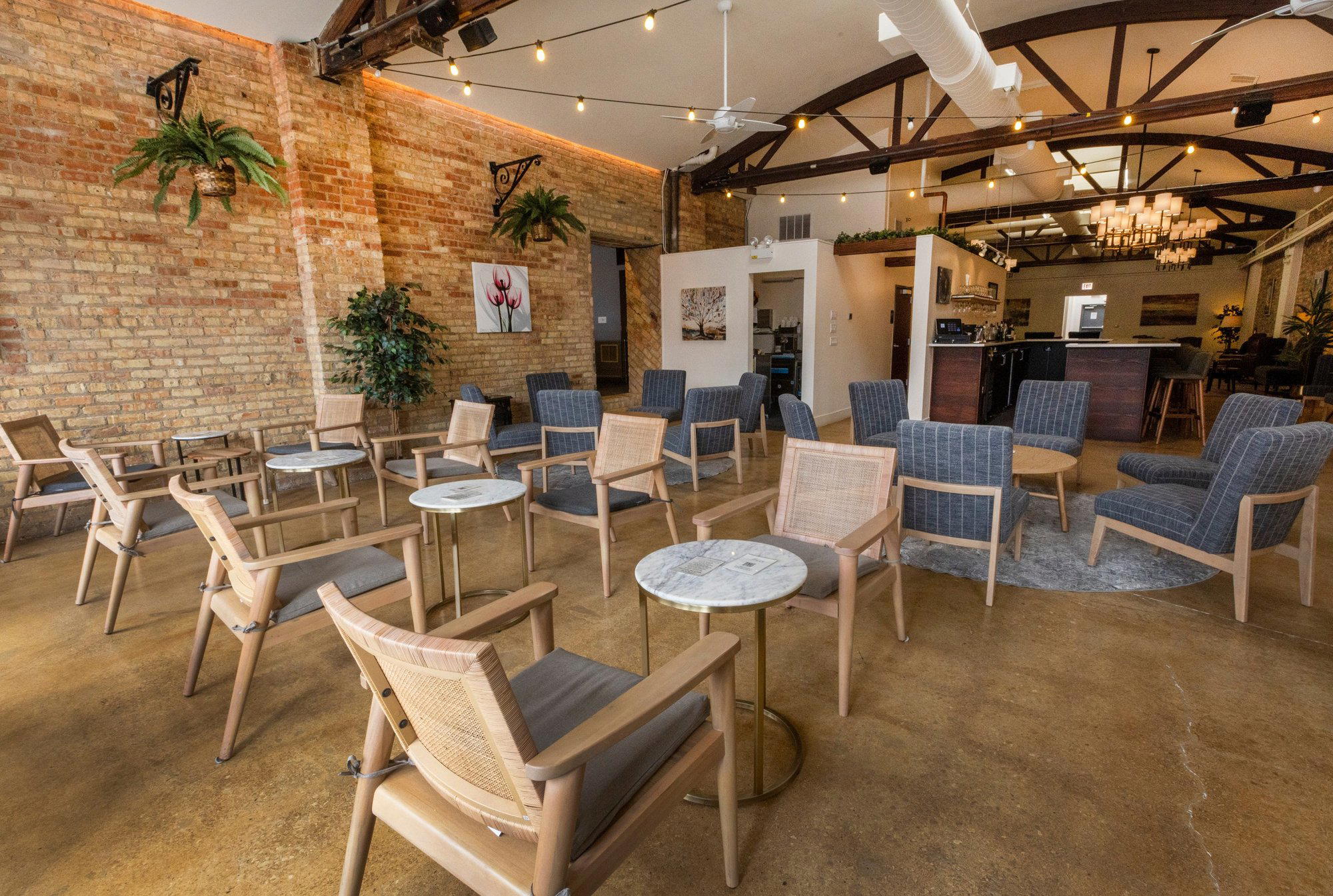
Details
- Sophisticated
- Intimate
- Modern
- Elegant
- Date Night
- After Work
- Casual Hangout
- Design Destination
- Standalone
- Craft Cocktails
- Extensive Wine List
- A La Carte
- Craft Cocktails
- Wine
Current opening hours
- Monday
- Closed
- Tuesday
- Closed
- Wednesday
- 5–9 PM
- Thursday
- 5–9 PM
- Friday
- 5–9 PM
- Saturday
- 5–9 PM
- Sunday
- 5–9 PM
Hours can change for holidays and private events. Hours as of .
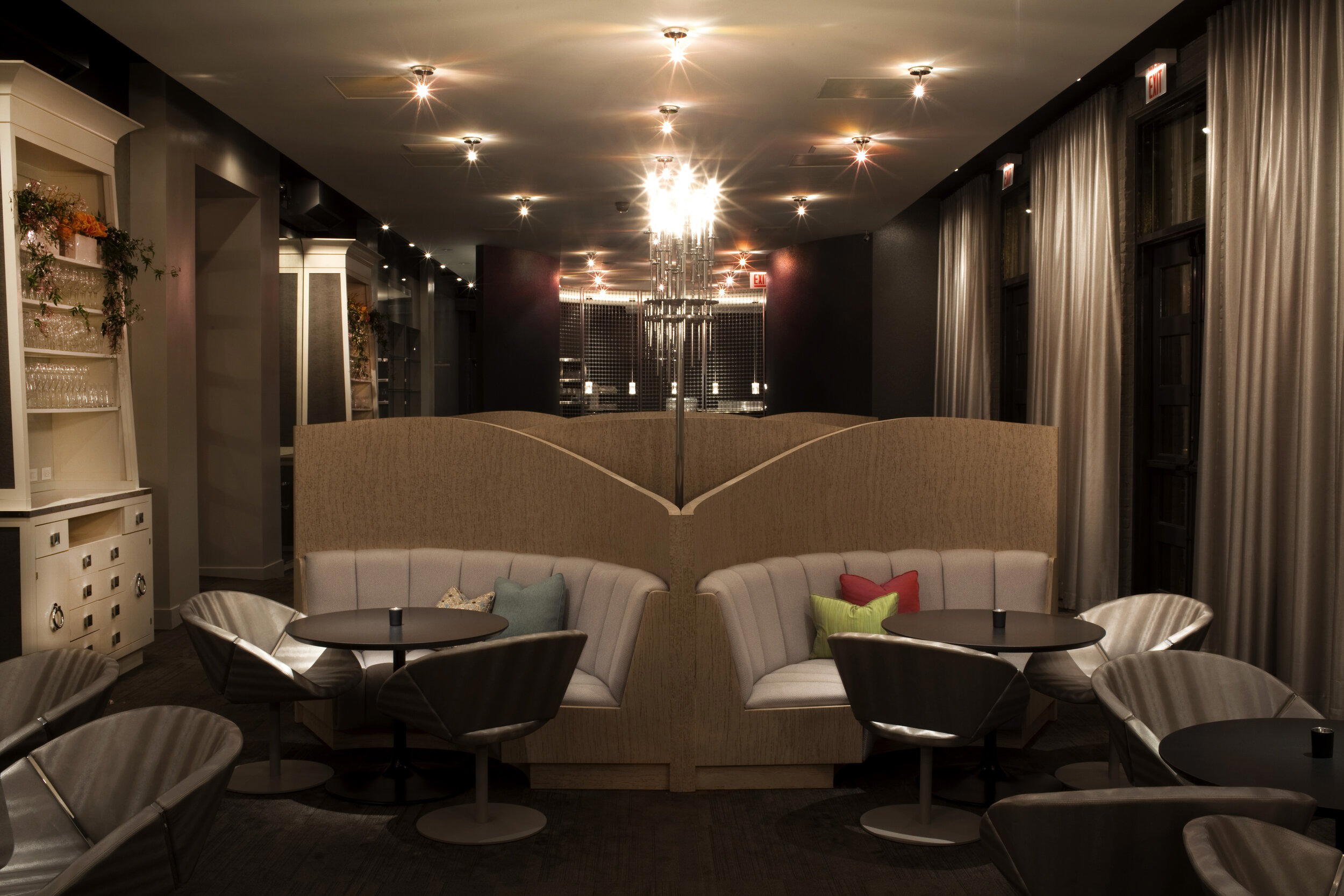
Relaxed, modern, intimate, and moody, with a casual-meets-chic Parisian bistro feel.