Banyan
Our verdict
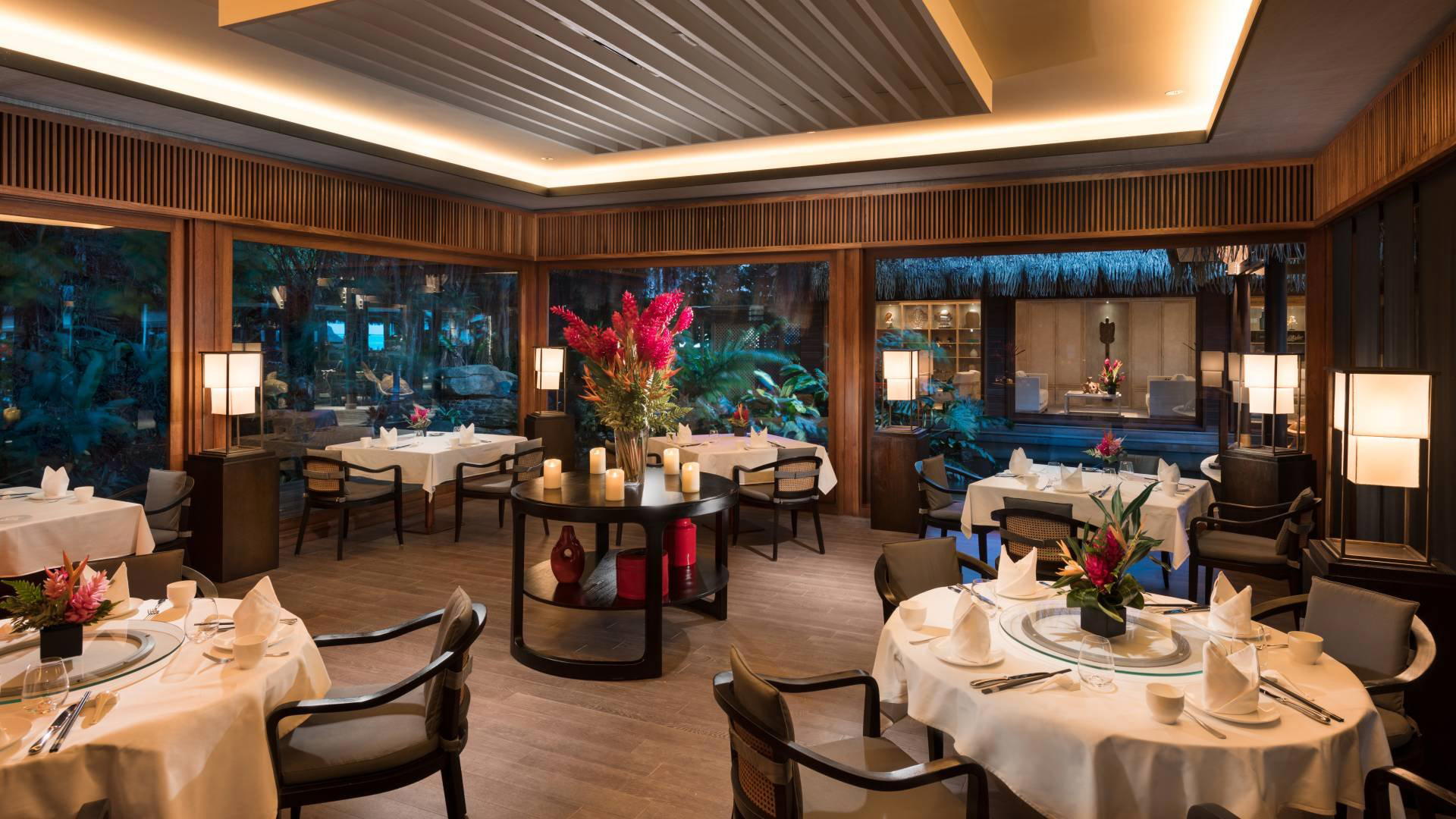
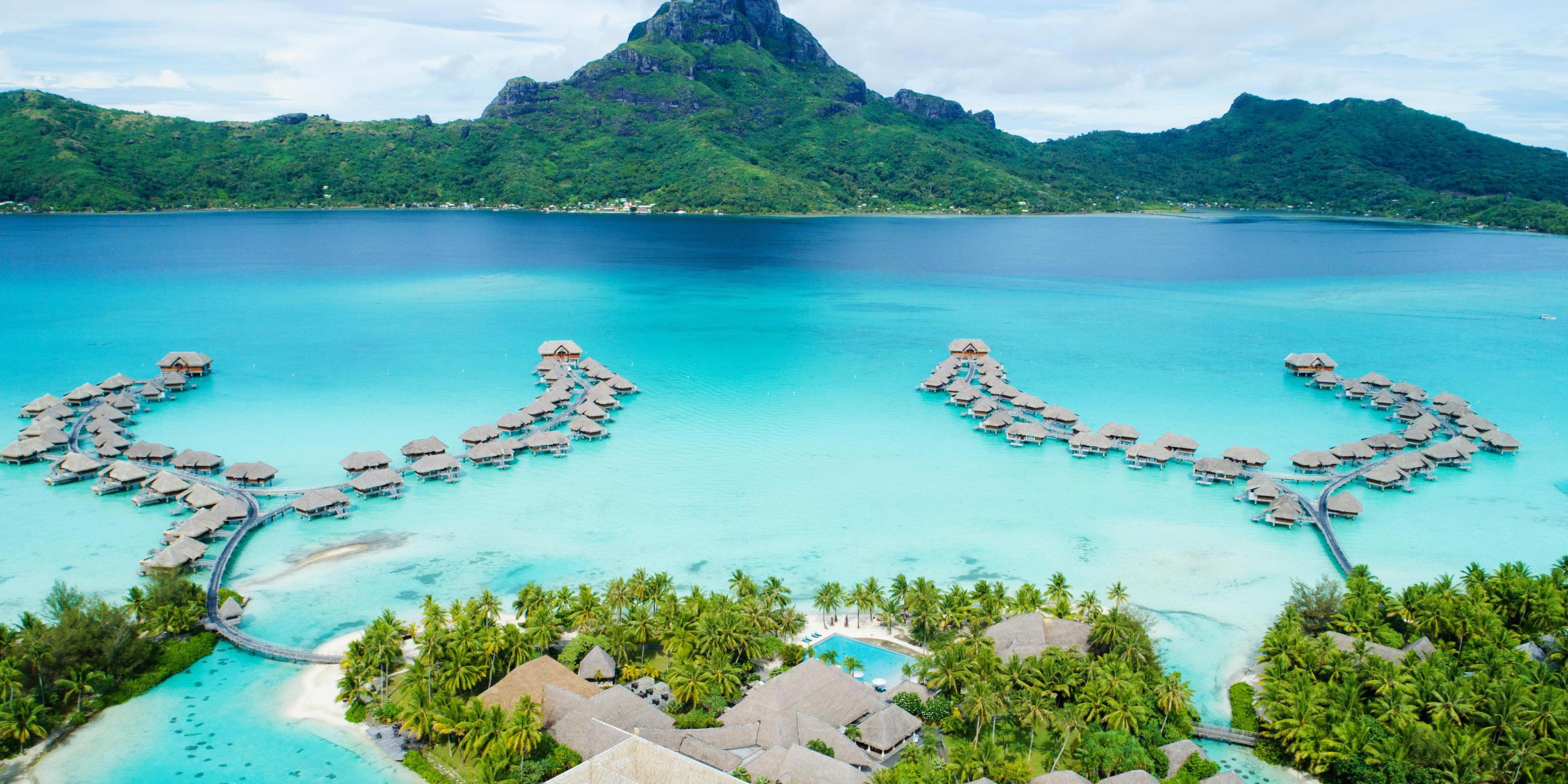
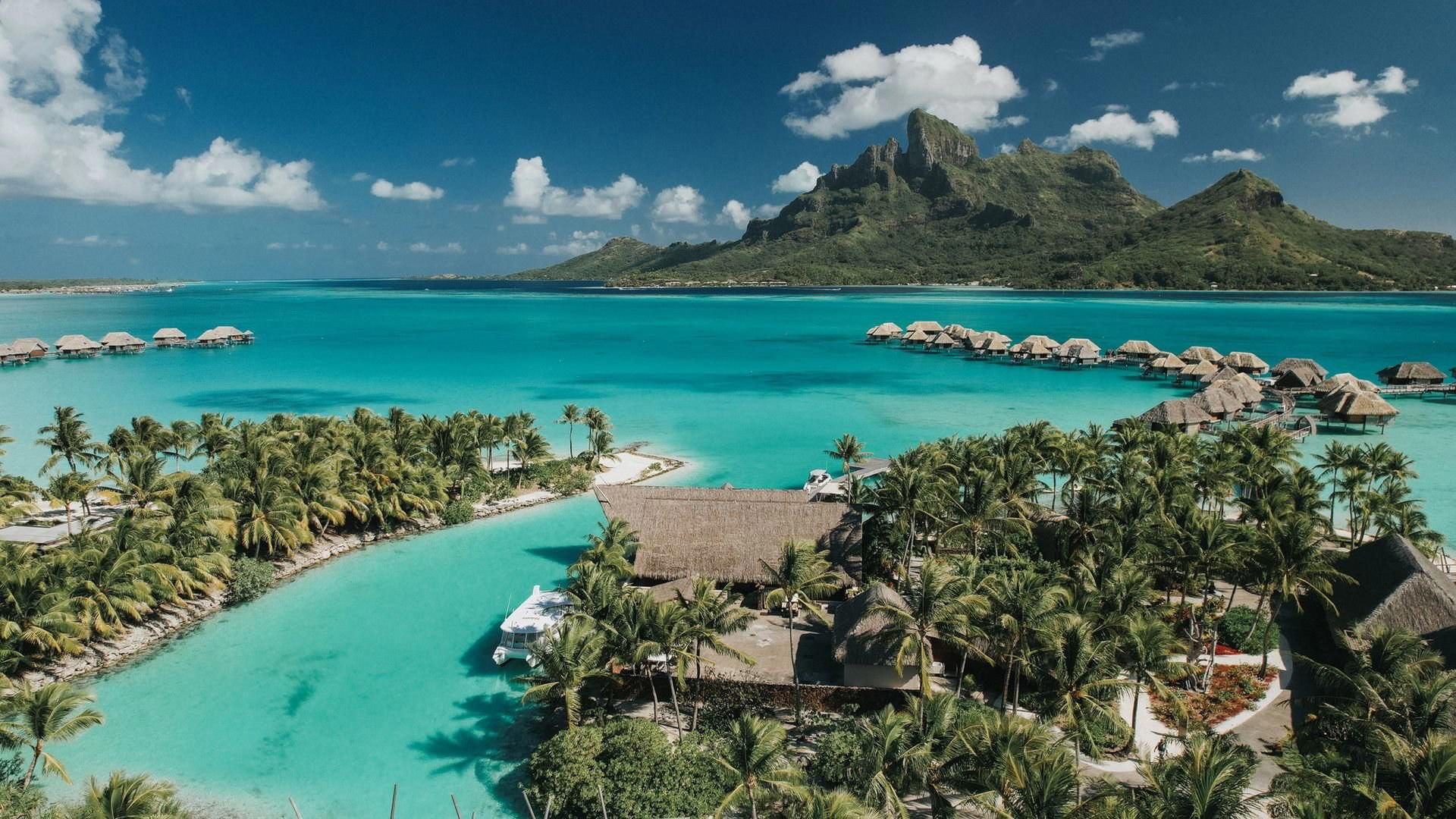
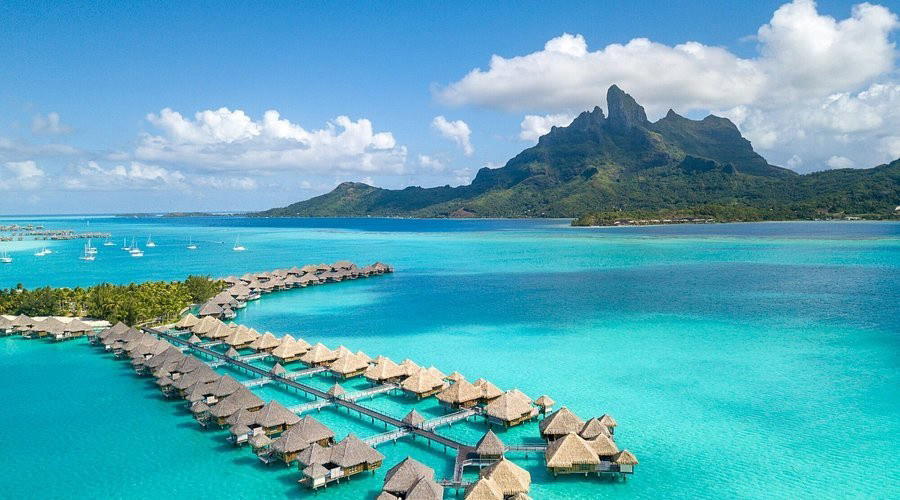
Banyan belongs to the quieter side of Bora Bora dining: an open-air address defined less by ceremony than by its setting under a banyan tree. In a lagoon economy where imported luxury can dominate the table, its appeal is the chance to read Polynesian restaurant culture through place, shade, weather, and the island’s dependence on seafood, fruit, and resort-era hospitality.

Pearl is the En Primeur Club membership app — saves, bookings, and concierge access live there. Same editors, same standards.
- Address
- BP 502, Bora-Bora 98730 (under banyan tree)
- Phone
- +689 40 60 33 00
- Hours
- Mon ClosedTue–Sat 5:30–9 PMSun Closed
- Directions
- Get directions
The menu
What to order
- Creative dim sum
- Seafood
- Wok-fried classics
- Shrimp wontons
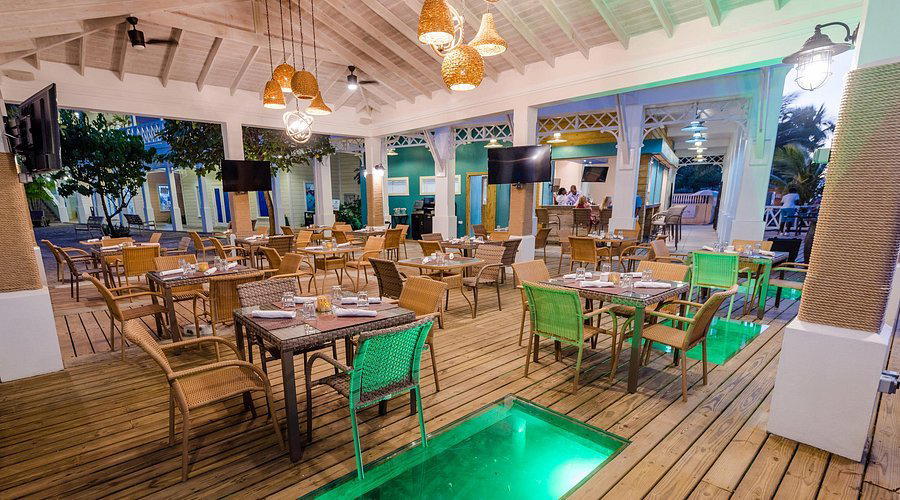
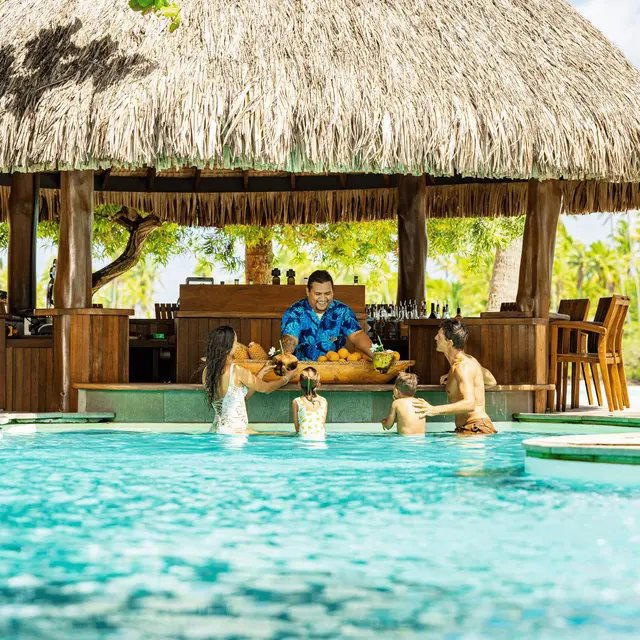
Approaching a table set beneath a banyan tree changes the tempo of dinner in Bora Bora. The island’s restaurants often trade on lagoon views, polished resort service, and the theatre of arrival by boat or buggy; Banyan works from a more elemental cue, the canopy itself. Shade matters in the tropics. So does air movement, the sound of evening insects, and the sense that the meal belongs to the same climate as the ingredients moving through island kitchens.
Bora Bora’s dining culture sits at a practical crossroads. Local seafood, coconut, root crops, citrus, vanilla, and tropical fruit give the islands a clear pantry, while resort logistics pull in imported wine and international expectations. That tension is the real story. A restaurant here is rarely judged only by plate composition; it is judged by how convincingly it handles distance, humidity, supply, and the fact that many guests arrive expecting luxury rather than locality.
Under the tree, Bora Bora dining feels closer to its ingredients
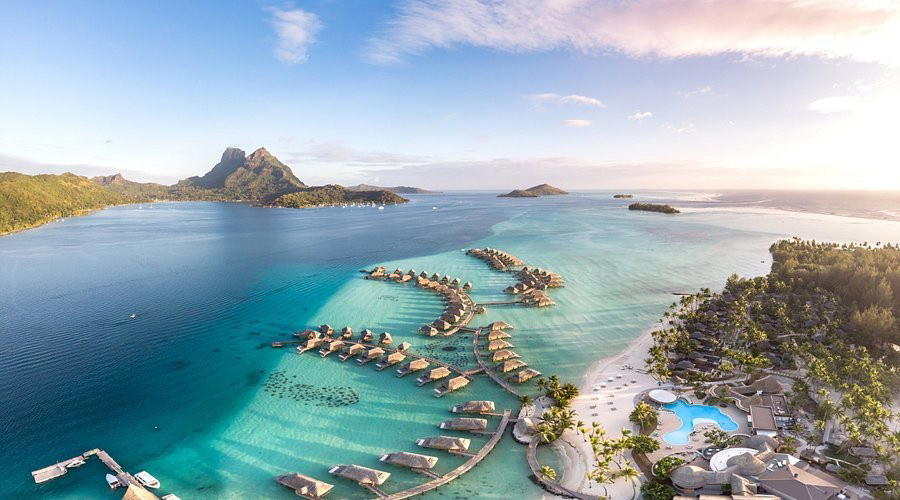
The location in Bora Bora places Banyan in the island’s hotel-and-lagoon dining circuit rather than in an urban restaurant grid. That matters because sourcing in French Polynesia is shaped by geography before restaurant style. Reef fish and lagoon-adjacent produce can feel immediate, while imported meat, cheese, and cellar stock carry the cost and delay of the Pacific. The smarter meals in this region do not pretend the island is somewhere else with palms; they use outside influence as structure and let Polynesian ingredients do the signalling.
That ingredient question separates this kind of room from the more formal end of the Bora Bora market. Iriatai sits in a different register, where resort dining leans toward composed service and a higher sense of occasion. Other polished hotel dining rooms on the island also represent a controlled tier, where wine programs, pacing, and enclosed-room comfort can play a larger role. Banyan is better understood through atmosphere and immediacy: the point is not maximal formality, but how island dining reads when the room is porous to weather.
That distinction is useful for planning a Bora Bora trip because the island rewards contrast. A stay built only around formal resort dinners can make the destination feel oddly interchangeable with other high-end beach markets. A meal under a tree, by contrast, keeps the island in frame. For broader mapping, our full Bora Bora restaurants guide is the right starting point, with our full Bora Bora hotels guide giving the necessary lodging context that often determines where dinner is realistic.
The island table sits between Polynesian pantry and resort expectation
French Polynesian dining is not a single fixed restaurant format. It moves between fresh local seafood, coconut, vanilla, grilled island produce, casual shared plates, and hotel dining built for international guests. In Bora Bora, those strands are intensified by the economics of a small island with a global reputation. The result can be graceful when a kitchen respects the pantry; it can feel generic when imported luxury becomes the main event.
Banyan’s value, editorially, is its position inside that wider conversation. It gives the reader a way to think beyond the usual hierarchy of tasting rooms and beachfront grills. Other Bora Bora dining rooms point toward resort-island breadth, while casual beachfront addresses represent the relaxed seaside mode. Together, these options show how Bora Bora dining is less a ladder than a set of moods: formal, beach-level, island-shaded, and hotel-polished.
The same pattern extends across French Polynesia. More urban dining elsewhere in the islands has a different rhythm, while other local restaurants can operate with a resident diner base that Bora Bora’s resort market does not always have. Outer-island addresses sharpen the point in another way: each island changes the table because supply, audience, and pace change.
How to place it within a Bora Bora itinerary
The sensible way to use Banyan is as a tonal counterweight. Pair it with one more formal dinner, one beach-level meal, and at least one drink-led evening so the island does not collapse into a sequence of similar resort reservations. Our full Bora Bora bars guide helps with that side of the trip, while our full Bora Bora experiences guide is better for days built around lagoon time rather than dining rooms. Our full Bora Bora wineries guide is also worth checking for category context, though wine culture here is shaped more by import routes and hotel cellars than vineyard proximity.
There is a practical lesson in the comparison set as well. Iriatai, Tamure Beach Grill, The Lucky House Fare Manuia Restaurant, Latitude 16, and Otemanu each belong to different versions of the island meal, from resort polish to more casual local pacing. Banyan belongs to the open-air, place-led side of that range. It is the kind of address to choose when the room, the shade, and the island climate are part of the decision, not background decoration.
For readers extending the trip beyond French Polynesia, the contrast with city dining is instructive. Urban restaurants elsewhere work in contexts where supply chains, counter formats, and repeat local customers shape the experience differently. Bora Bora asks another question: how much of dinner should belong to the island itself? Banyan’s answer is clearest when treated as part of that wider itinerary rather than as a trophy booking.
Frequently asked questions
Is Banyan okay with children?
Yes, it reads as a relaxed island dining room rather than a formal counter. The Bora Bora setting and the banyan-tree atmosphere point to an easygoing island meal.
What should I expect atmosphere-wise at Banyan?
Expect an easygoing Bora Bora setting shaped by the banyan-tree atmosphere. It feels aligned with island dining, not a rigid tasting-menu room.
What's the address for Banyan?
Bora Bora.
Can I walk in to Banyan?
Plan ahead where possible. Banyan reads as a relaxed island dining room in Bora Bora, but island pace and limited turnover can still make timing matter.
At-a-Glance Comparison
Comparable venues by cuisine and price in the same metro.
| Venue | Cuisine | Price |
|---|---|---|
| BanyanThis venue — the venue you are viewing | Modern Chinese | $50–100 |
| Iriatai | Modern French Brasserie with Polynesian Influences | Not listed |
| Tamure Beach Grill | Polynesian and Mediterranean Grill | $30–50 |
| The Lucky House Fare Manuia Restaurant | Polynesian-Italian Fusion with Wood-Fired Pizza | $20–30 |
| Otemanu | Polynesian French | Not listed |
Continue exploring
More in Bora Bora
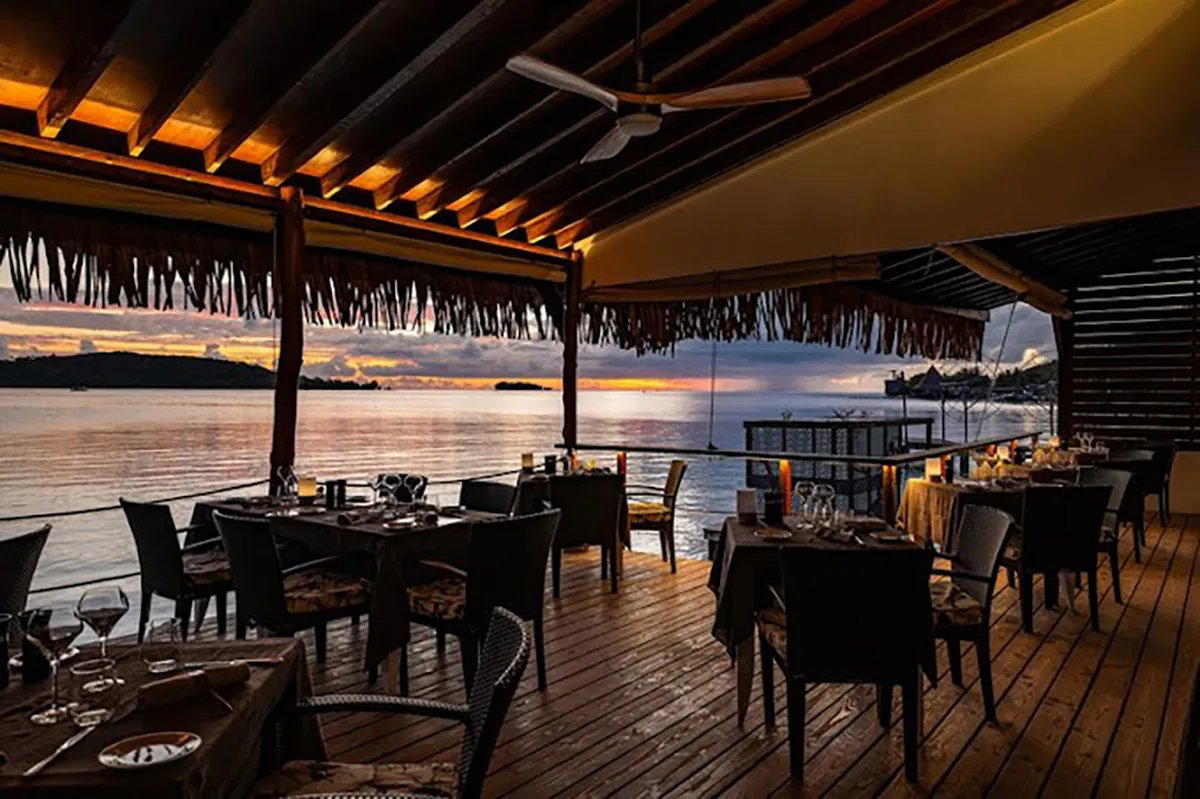
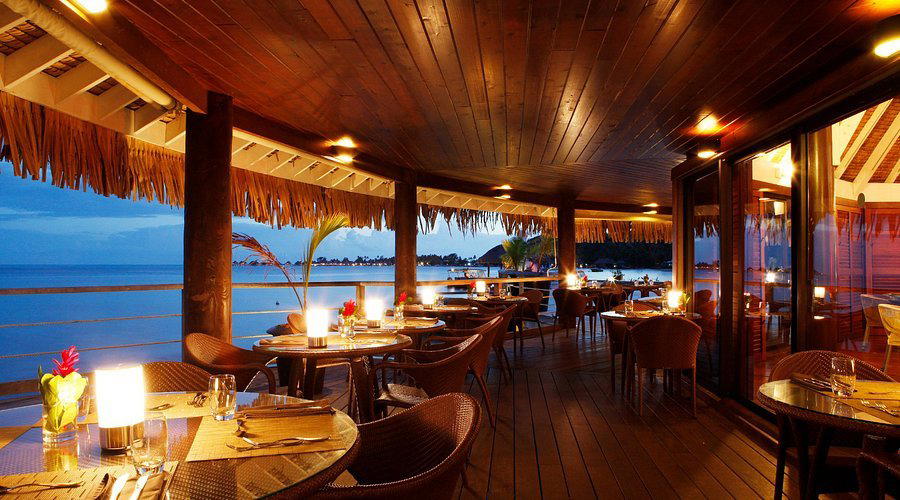
Restaurants in Bora Bora
Browse all →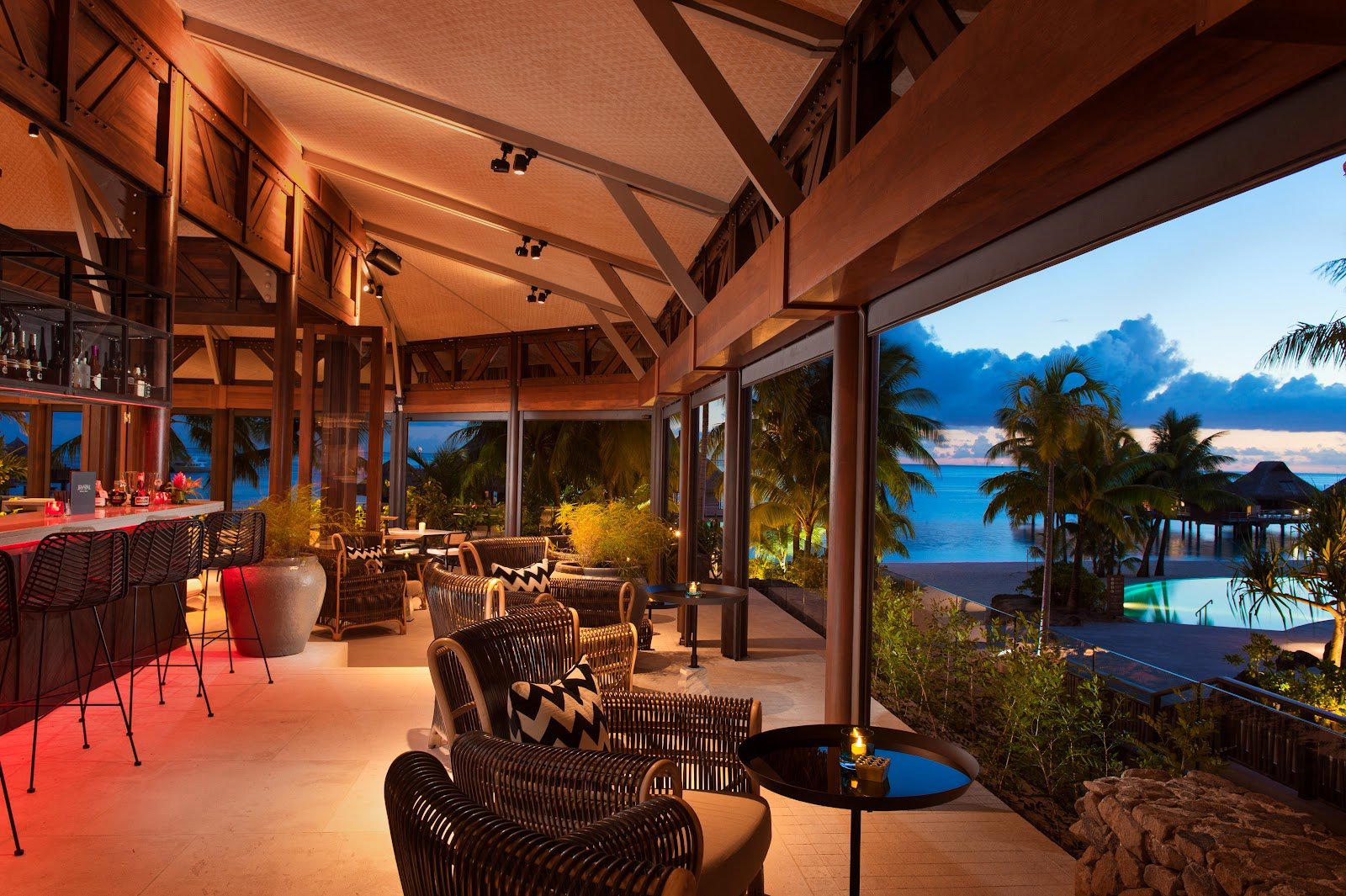
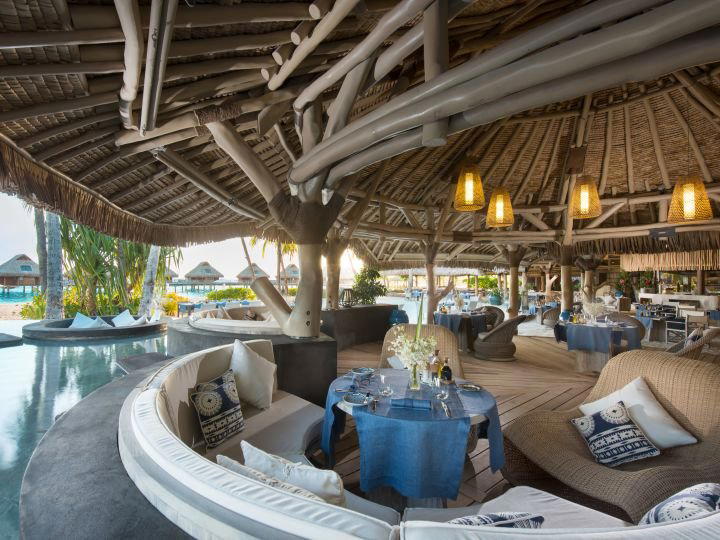
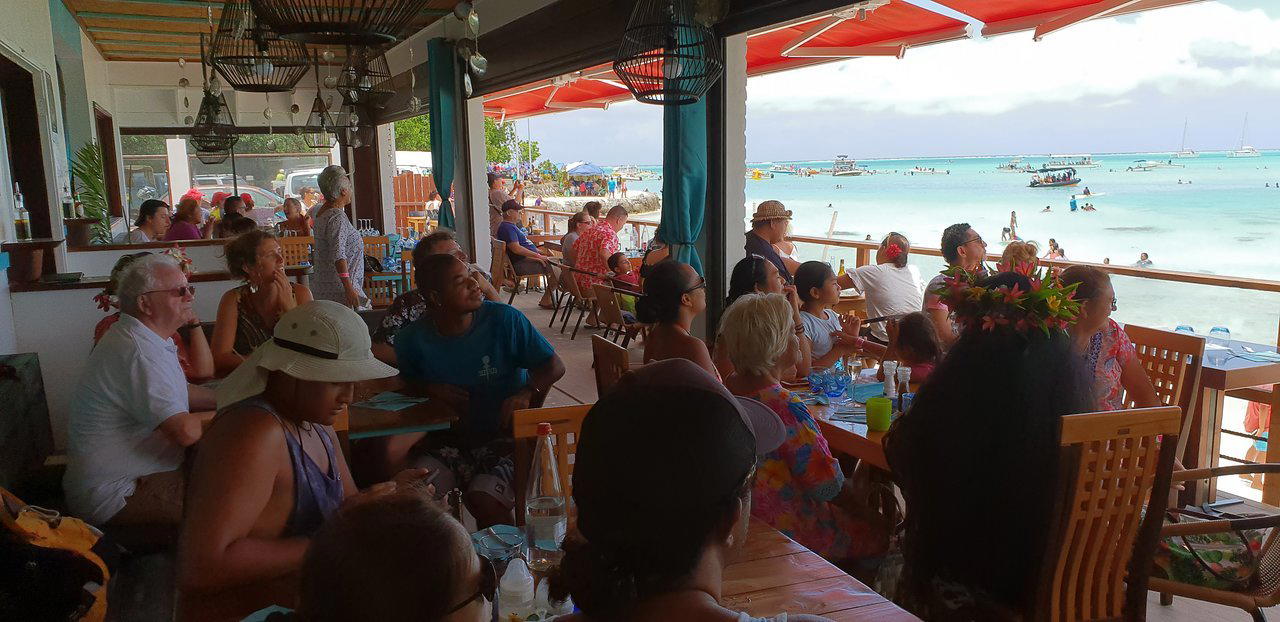
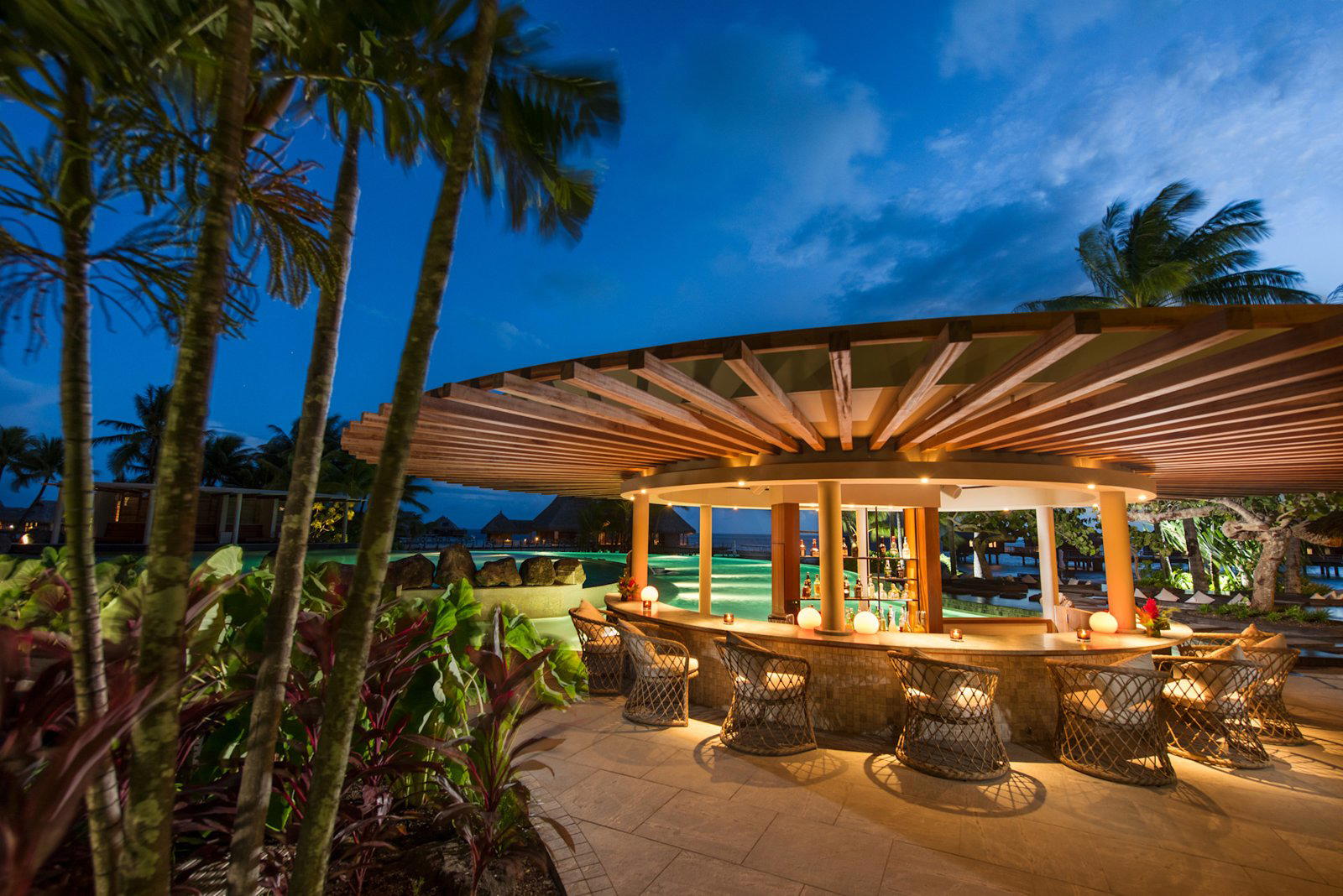
Bars in Bora Bora
Browse all →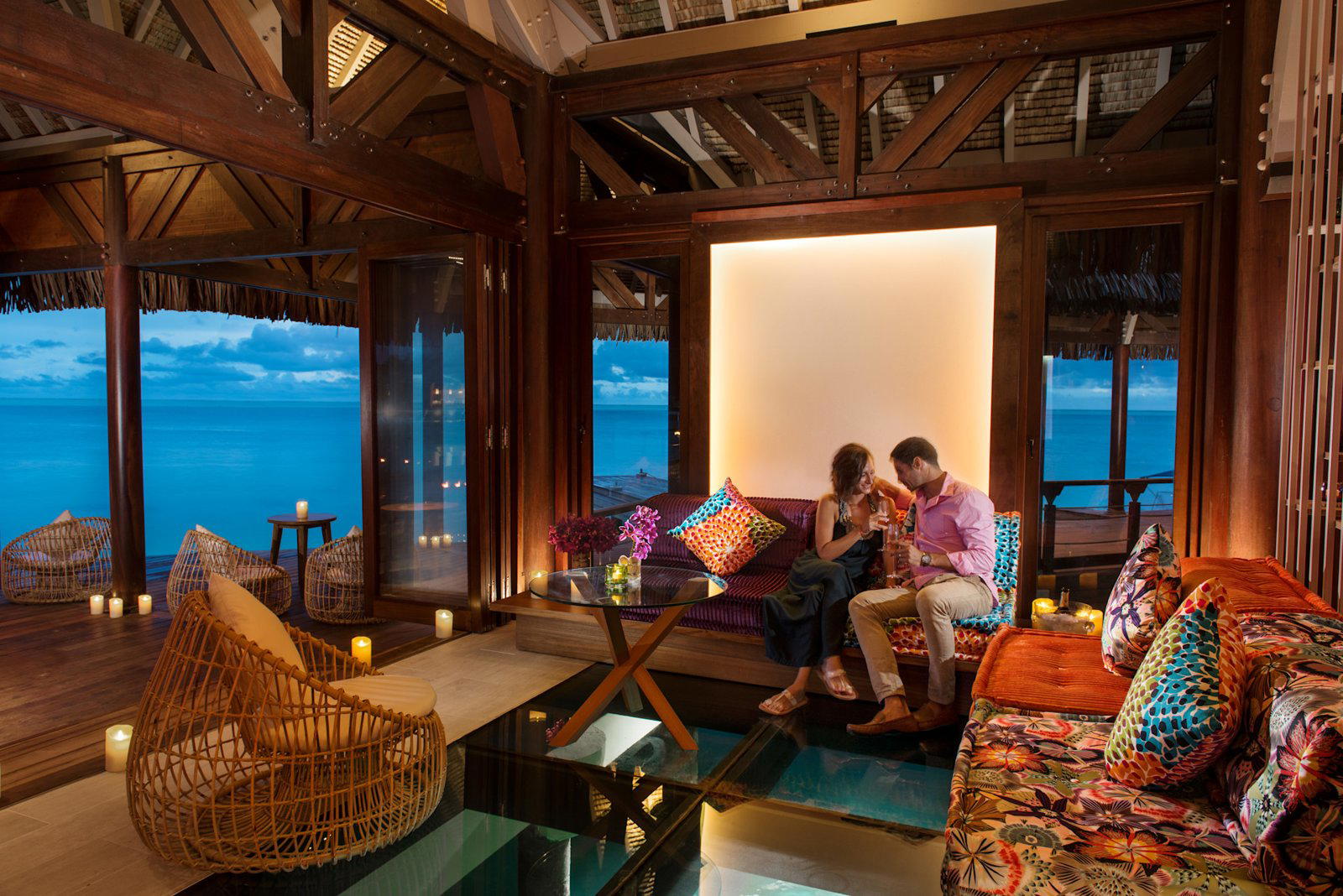

Details
- Scenic
- Modern
- Elegant
- Intimate
- Sophisticated
- Business Dinner
- Group Dining
- Special Occasion
- Private Event
- Hotel Restaurant
- Garden
- Private Dining
- Garden
- A La Carte
- Gluten Free Options
Current opening hours
- Monday
- Closed
- Tuesday
- 5:30–9 PM
- Wednesday
- 5:30–9 PM
- Thursday
- 5:30–9 PM
- Friday
- 5:30–9 PM
- Saturday
- 5:30–9 PM
- Sunday
- Closed
Hours can change for holidays and private events. Last verified .
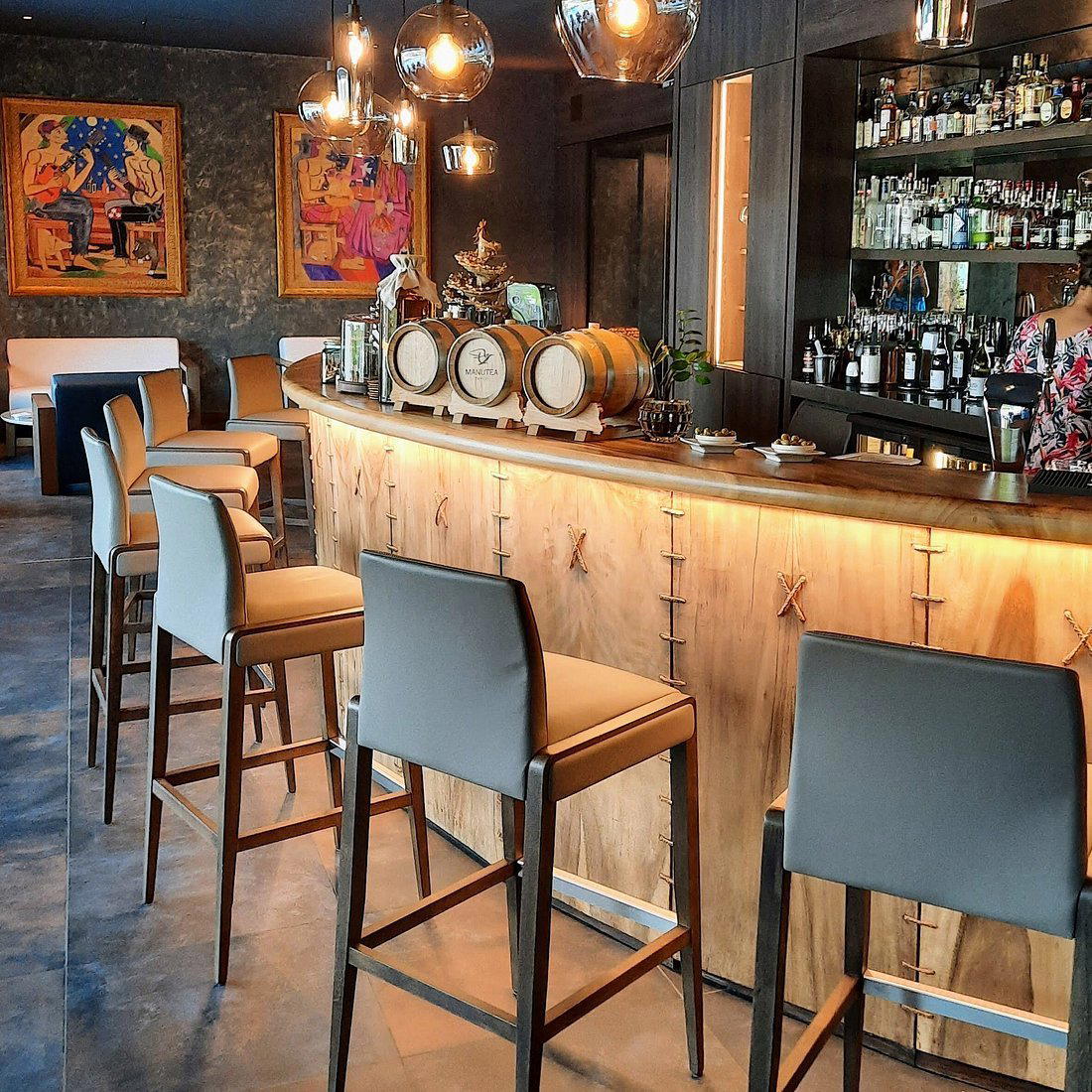
Modern and refined, with a serene setting beneath a well-known banyan tree and an upscale resort-restaurant atmosphere.