Our verdict
Bai Yun places Chinese dining high above Sathon, where Bangkok’s hotel-restaurant culture meets the city’s appetite for skyline rooms. With no public awards or price tier listed, its appeal is less about trophy signals and more about location: a Banyan Tree Bangkok setting that puts it near the business district’s hotel bars, rooftop dining rooms, and polished cross-border restaurants.

Pearl is the En Primeur Club membership app, where members save venues, book tables and use the concierge.
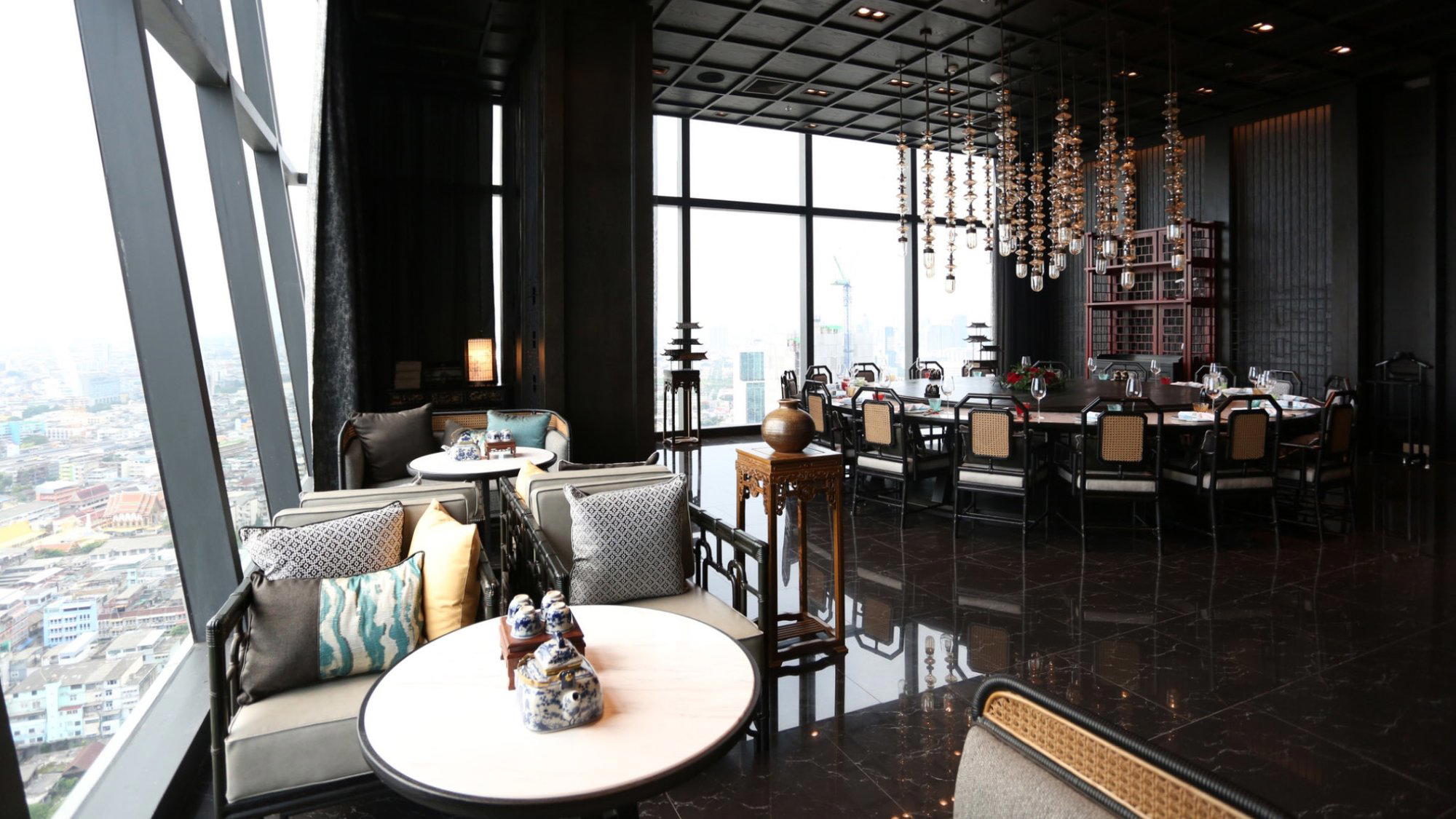
The menu
What to order
- Peking duck
- Dim sum selection
- Crispy roast pork
- Barbecued honey pork (char siu)
- Seafood specialties
The approach to Bai Yun is vertical before it is culinary: Bangkok drops away, the hotel corridors quieten, and the room belongs to the high-rise Bangkok genre where dinner is tied to altitude as much as appetite. This part of the city has long treated hotel dining as a serious category rather than a tourist fallback. Across Bangkok, international kitchens, refined dining rooms, and rooftop bars compete for the same evening: polished service, skyline views, and a guest mix that often includes business travellers, residents, and visitors using the city as a base.
Bangkok's hotel-dining circuit, seen from above
Bangkok’s restaurant scene is split by neighbourhood logic. Some rooms trade on heritage buildings and culinary memory; other areas run on density, late hours, and international turnover; the city’s hotel dining has a more controlled rhythm, with offices, serviced apartments, and five-star stays shaping the dining map. Bai Yun belongs to that Bangkok hotel circuit, where the experience is engineered around comfort, height, and a controlled pace rather than street-level theatre.
That distinction matters. A high-floor hotel restaurant in Bangkok is not trying to answer the same question as a grill, a noodle shop, or a tasting-menu address. It belongs to the city’s occasion-dining lineage, reframed for hotel guests and formal evenings. The comparison set nearby includes Bangkok’s own rooftop orbit, including Vertigo and Vertigo Too, while the broader city conversation includes refined dining at Nahm and other contemporary or ingredient-led dining rooms across the city. Those restaurants make Bangkok feel local and grounded; Bai Yun makes it feel vertical, formal, and hotel-bred.
The useful lens is not whether one format is superior. It is which Bangkok the meal belongs to. Premium hotel restaurants suit diners who want a contained evening with minimal friction: arrive, go up, sit above the traffic, and let the city become backdrop. That is a different kind of pleasure from hunting down a counter in a shophouse lane or moving between unnamed cocktail addresses. For travellers staying in the area, the advantage is especially clear: Bangkok concentrates hotels, dining rooms, and bars in a way that can reduce the need to cross town during peak traffic.
Hotel dining in Bangkok's luxury register
Restaurants inside Bangkok hotels occupy a specific role. They are often chosen for group dinners, family occasions, business hosting, and weekend meals rather than for chef-led narrative. The room, service cadence, and table format carry as much weight as the kitchen. Bai Yun fits that register: the public facts point to a 59th-floor Bangkok hotel address, not to a named chef, award list, or tasting-menu identity. That framing changes how to read it. This is a place to assess by setting, category, and occasion fit rather than by the signals used for star-chasing restaurants.
Bangkok’s dining culture rewards range. A visitor can spend one meal on hotel dining, another on refined local dining, another on dessert culture, and another on international-leaning dining. That spread is the point: the city’s restaurant intelligence lies in switching registers without treating every meal as a trophy hunt. For a wider city edit, use Our full Bangkok restaurants guide, then map drinking and hotels separately through Our full Bangkok bars guide and Our full Bangkok hotels guide.
For readers comparing categories, Bai Yun also shows how Bangkok’s premium market differs from cities where luxury dining is concentrated in freestanding tasting rooms. Here, hotel infrastructure remains central. A polished room in Bangkok can compete for the same evening as a destination reservation, a rooftop bar, or a private dining table because traffic, weather, and group logistics are part of the decision. In the rainy months, or on nights when cross-city movement is slow, a high-rise hotel setting gains practical force without needing to announce itself as a destination in the old guidebook sense.
How to place it in a Bangkok itinerary
The strongest use case is an evening anchored in Bangkok: dinner above the city, then a short move within the hotel-bar ecosystem or back to a nearby stay. Travellers building a broader Thailand route can pair this kind of polished Bangkok dinner with more local or regional entries elsewhere, from casual city counters to regional dining rooms and informal stops outside Bangkok. The contrast sharpens the role of the capital: Bangkok handles the formal, skyline-facing dinner; the wider itinerary can carry street, regional, and casual registers.
Because no public price tier is attached here, the sensible editorial stance is to treat Bai Yun as a setting-led restaurant inside a luxury hotel, not as a booking defined by price signalling. That does not make it lesser; it makes the decision clearer. Choose it when the room, altitude, and Bangkok convenience are part of the brief. If the night calls for a bar-led crawl, a Bangkok tasting menu, or a deeper regional meal, the city offers sharper tools for those jobs. For adjacent planning beyond restaurants, Our full Bangkok experiences guide and Our full Bangkok wineries guide round out the map, while overseas readers comparing Asian drinking and casual formats can also look at unnamed examples abroad as useful category contrasts.
Frequently asked questions
Can I bring kids to Bai Yun?
Bai Yun is in Bangkok, which makes it a hotel-style setting rather than a late-night room. That format usually works well for mixed-age dinners in Bangkok, especially earlier in the evening.
What's the vibe at Bai Yun?
Expect a hotel-dining atmosphere high above Bangkok on the 59th floor. The setting suits family meals, business dinners, and guests who want a quieter room than the street-level restaurant scene.
Where do I go for Bai Yun?
Bangkok.
How far ahead should I plan for Bai Yun?
Plan ahead for a 59th-floor dinner in Bangkok, especially if the evening matters to your schedule. Hotel restaurants in the city are usually easier to manage with advance planning than a same-day decision.
The Short List
Side-by-side context: comparable cuisine and price.
| Venue | Cuisine | Price | Awards | Notes |
|---|---|---|---|---|
| Bai YunThis venue (the venue you are viewing) | Modern Cantonese & Dim Sum with Skyline Views | $50–100 | Not listed | Not listed |
| Juice Bar | Juices, Smoothies & Healthy Snacks | Not listed | Not listed | Not listed |
| Vertigo Too | International Rooftop Buffet & Lounge | Not listed | Not listed | Not listed |
| Nahm | Traditional Thai Fine Dining | $100–150 | 1 Michelin Star · World's 50 Best #49 | Thai, ฿฿฿ |
| COMO Cuisine | Health‑focused international and Thai hotel restaurant | $30–50 | Not listed | Not listed |
| Vertigo | Modern International Grill | $100–150 | Not listed | Not listed |
Continue exploring
More in Bangkok
Restaurants in Bangkok
All restaurants in Bangkok →
Bars in Bangkok
All bars in Bangkok →
Details
- Elegant
- Romantic
- Scenic
- Sophisticated
- Modern
- Intimate
- Date Night
- Business Dinner
- Group Dining
- Family
- Celebration
- Special Occasion
- Private Event
- Rooftop
- Panoramic View
- Hotel Restaurant
- Private Dining
- Design Destination
- Extensive Wine List
- Skyline
- A La Carte
- Set Menu
- Buffet
- Wine
- Vegetarian Friendly
- Gluten Free Options
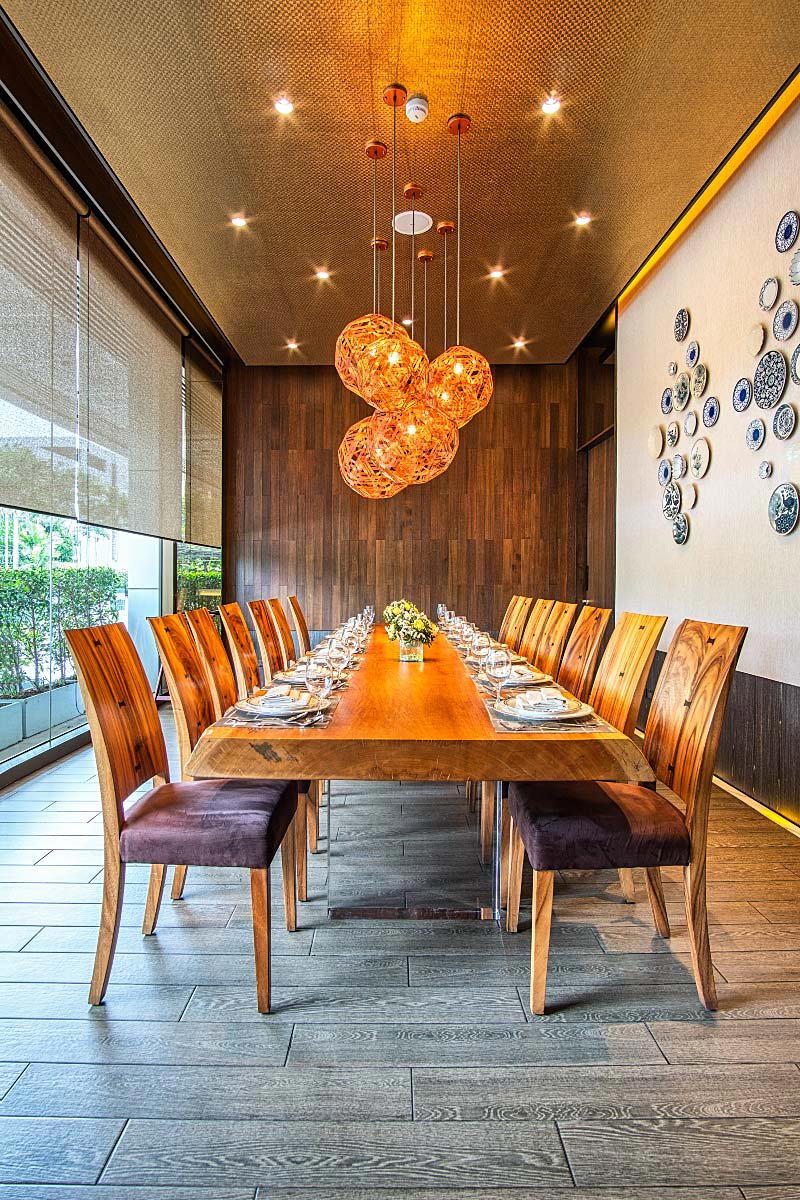
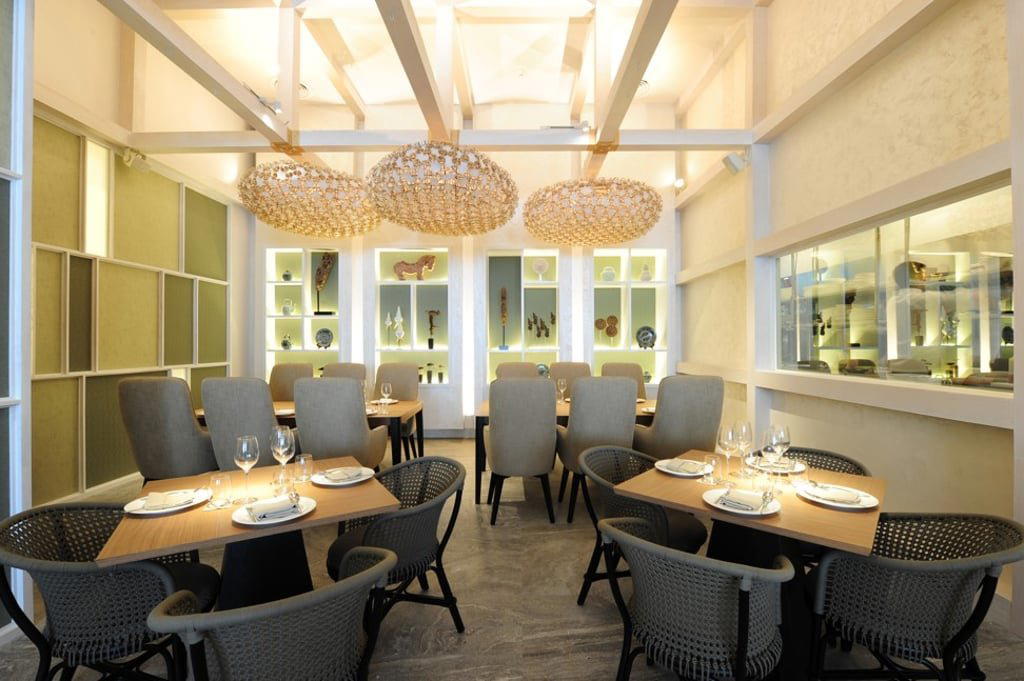
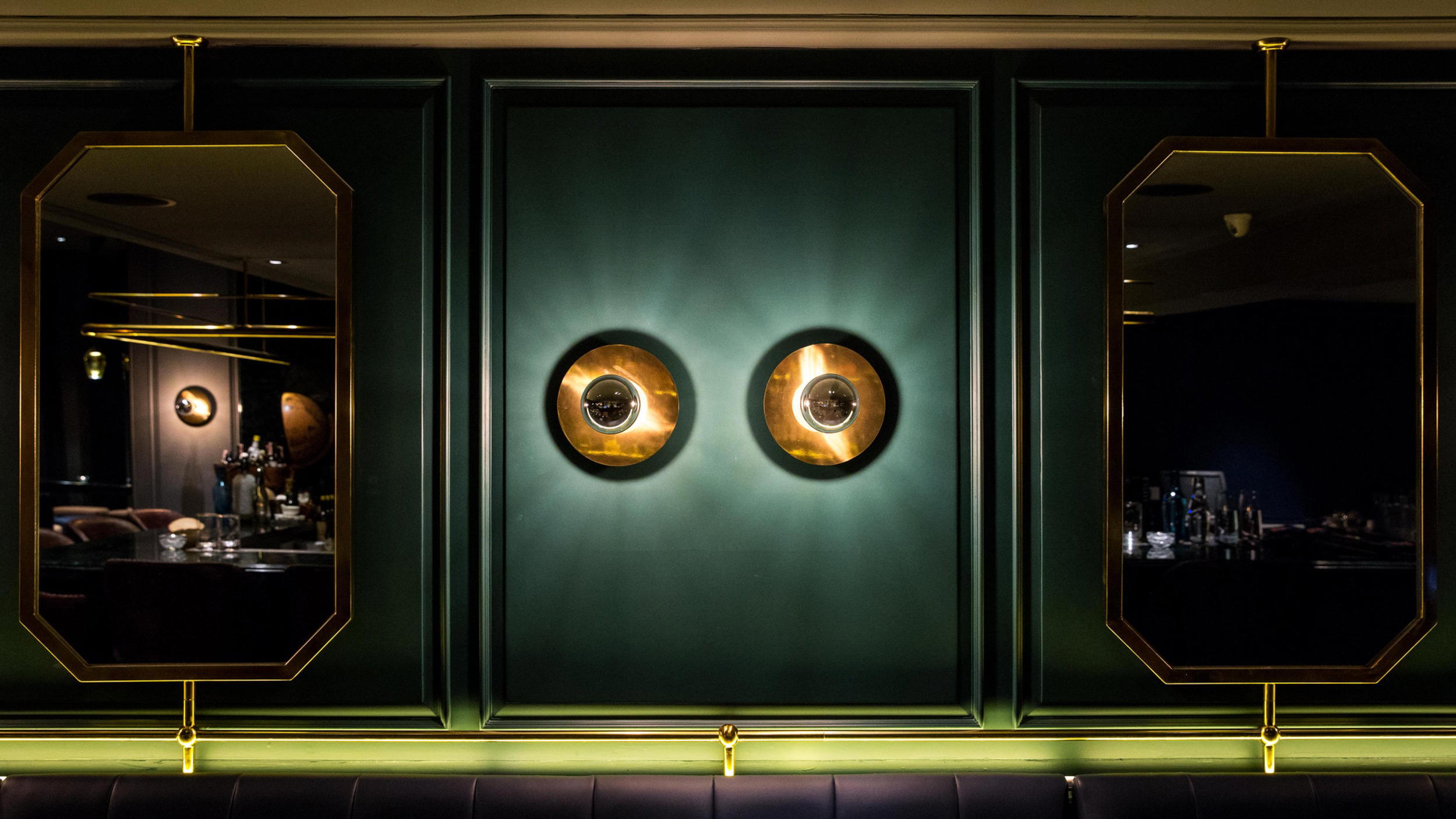
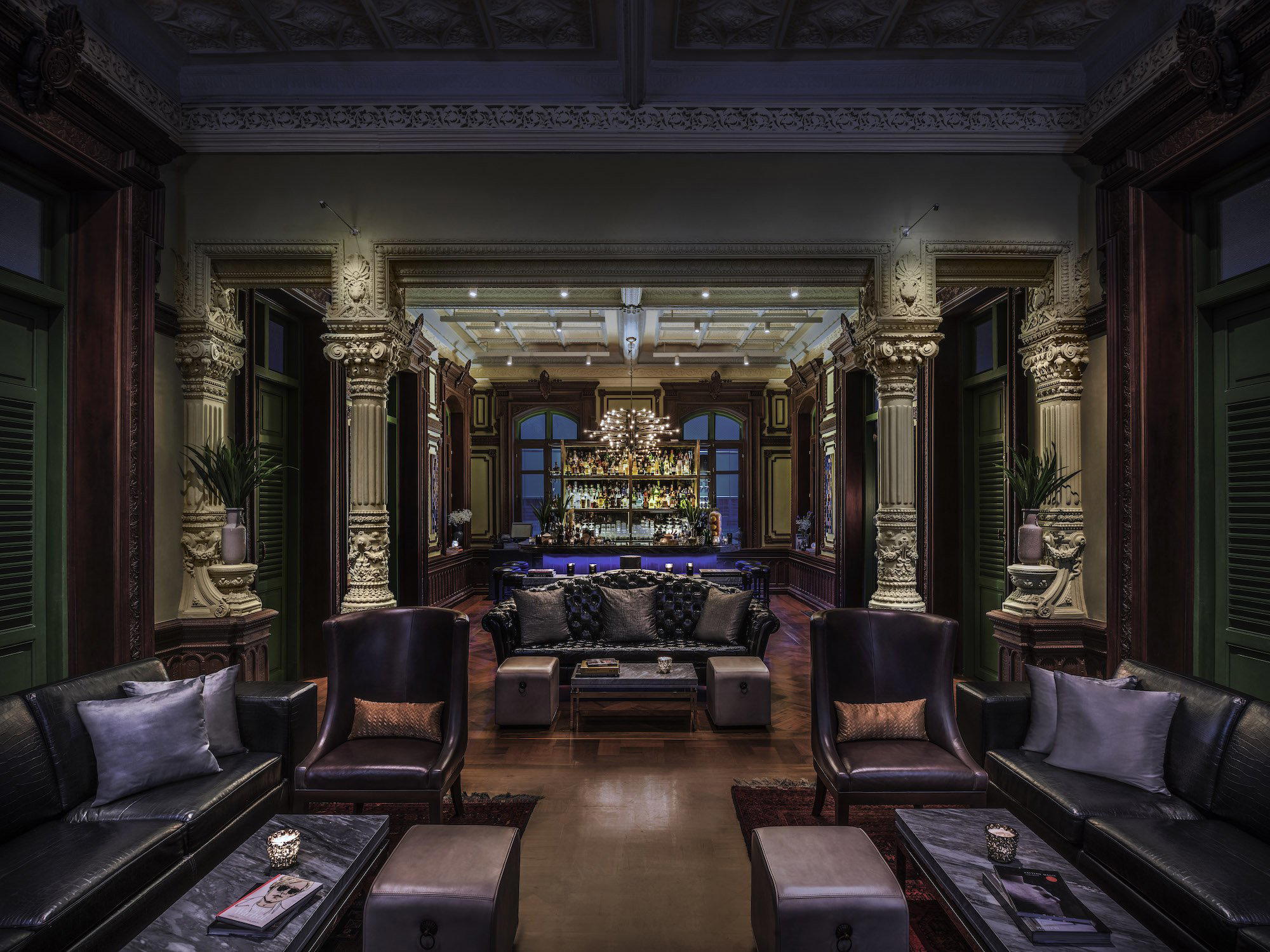
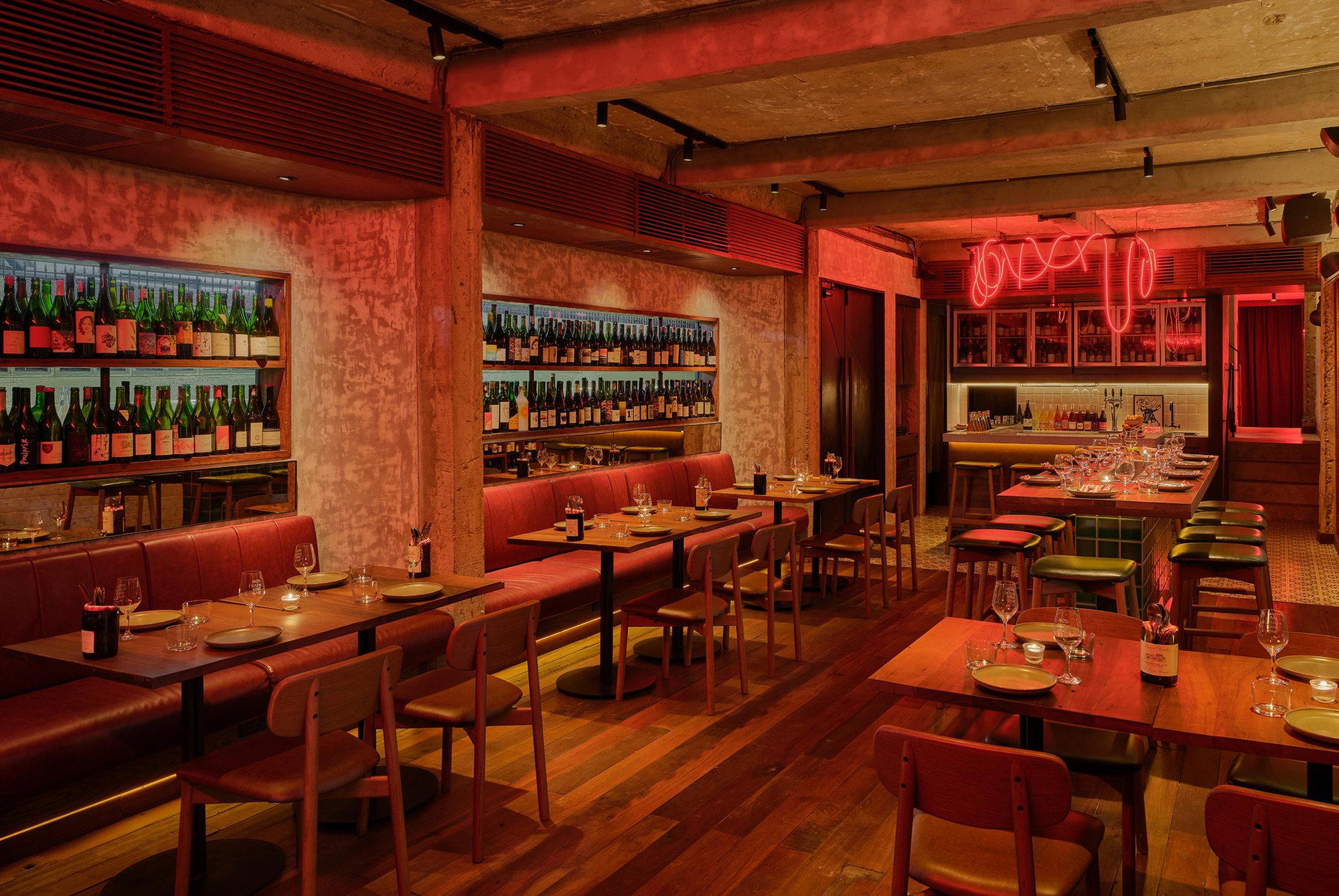
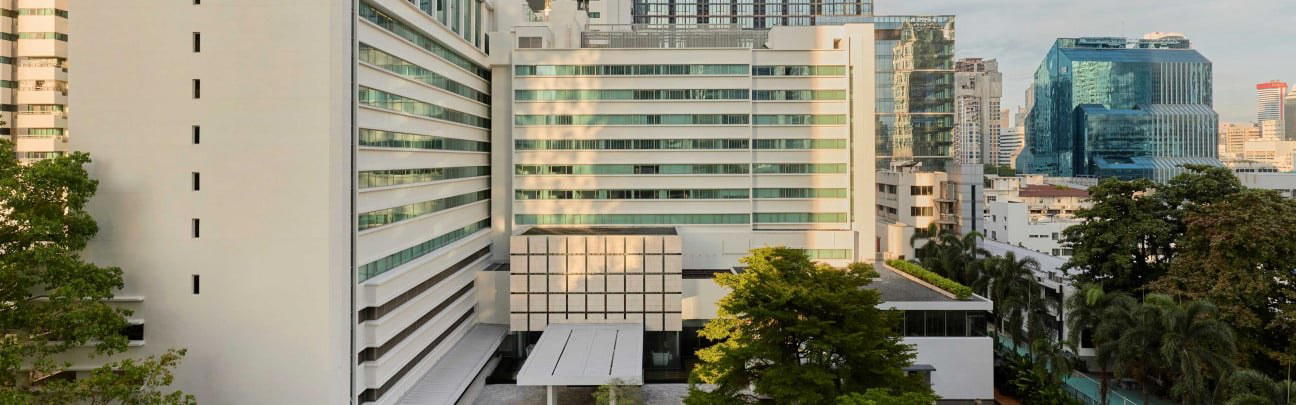
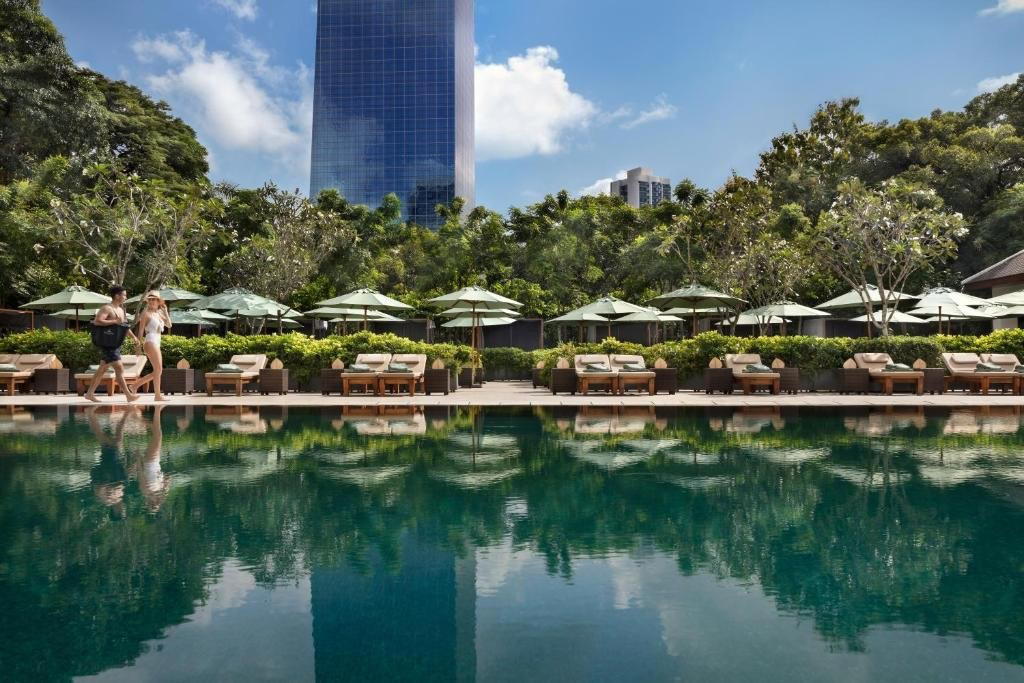
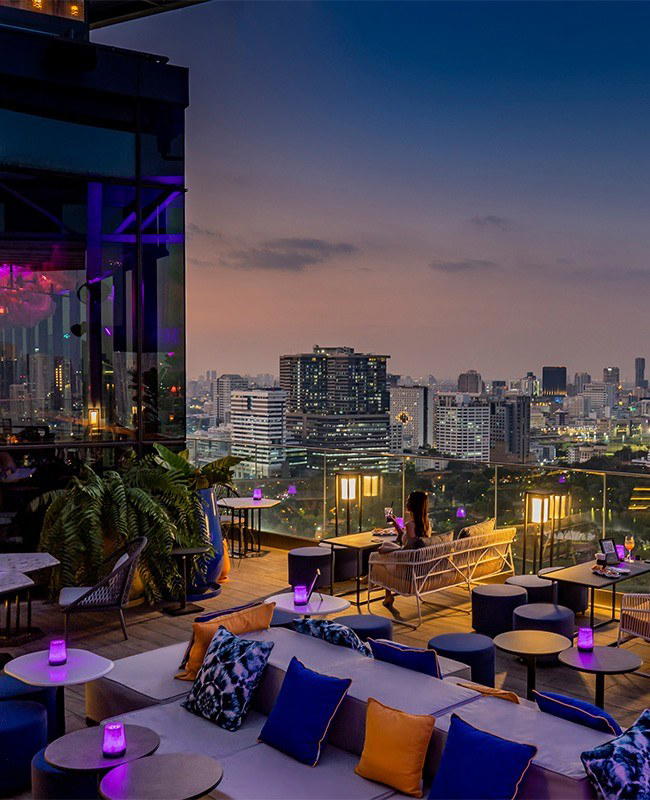
An elegant, contemporary Chinese dining room with traditional accents, soft lighting, and floor-to-ceiling city views that create a romantic yet polished hotel-restaurant atmosphere suited to both special occasions and business meals.