Bai Yun sits in Bali’s Nusa Dua resort corridor, where hotel dining often translates regional Asian formats for an international beachside audience. The useful lens here is sourcing: on an island with strong market produce, seafood routes, and spice traditions, the question is how a polished resort restaurant turns local supply into a coherent meal rather than a generic luxury spread.
Pearl is the En Primeur Club membership app — saves, bookings, and concierge access live there. Same editors, same standards.
- Address
- Jl. Raya Nusa Dua Selatan, Sawangan, Nusa Dua, Kabupaten Badung, Bali 80361, Indonesia
- Phone
- +62 361 2092288
- Website
- kempinski.com
- Directions
- Get directions
 Saves & bookings on Pearl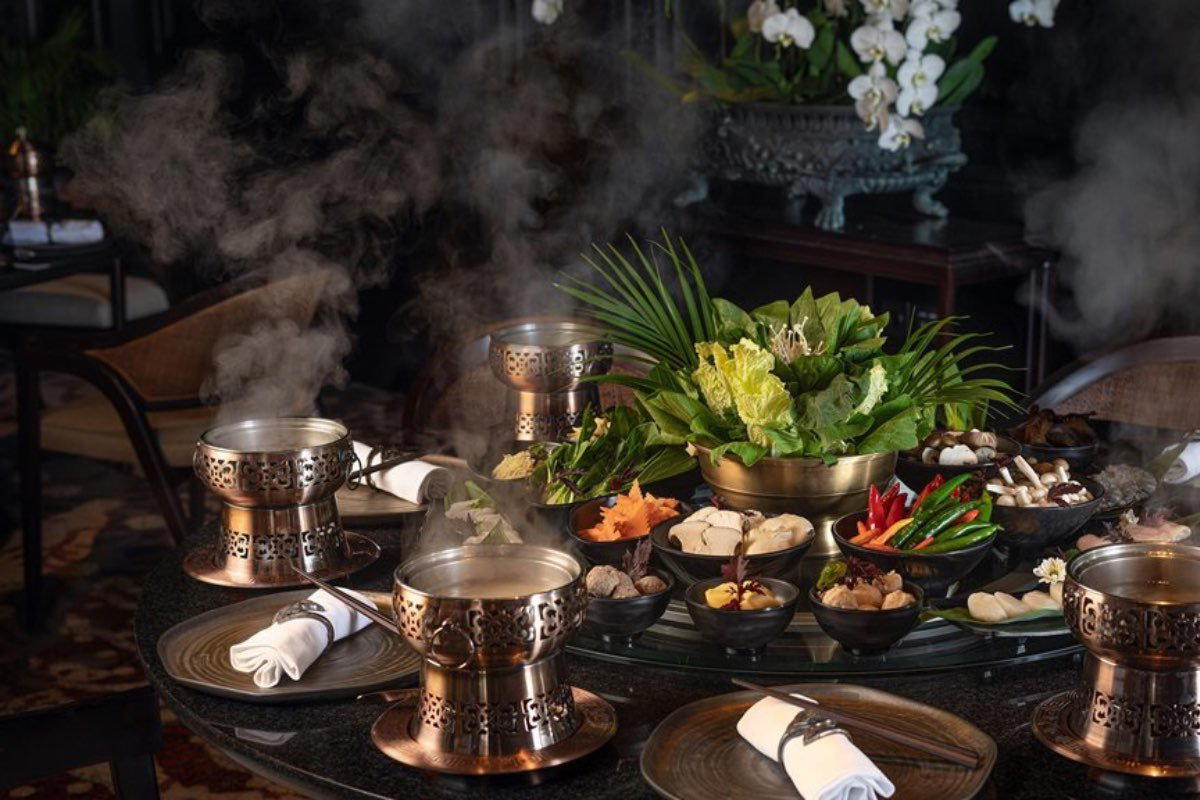
Approaching dining rooms in Bali, the first impression is controlled arrival: clipped resort landscaping, polished stone, and the slower rhythm of the island’s hotel belt. Bali dining therefore works differently from more independent restaurant circuits. Meals must suit travellers wanting comfort, air-conditioning, and a clear format, while still making sense on an island where produce, seafood, herbs, and spice pastes carry much of the culinary identity.
Bali’s resort restaurants split into two camps. One uses the island as scenery and imports a familiar international template. The stronger camp lets local supply shape the table, even when the cooking language comes from elsewhere. Bai Yun belongs in the second conversation if judged by what Bali can support: warm-weather vegetables, aromatics, rice culture, coastal seafood access, and guests expecting refinement without losing the pleasure of a well-paced meal.
Bali resort dining works when sourcing leads the format
Bali is often misunderstood through its resort districts, but the dining logic is clear. Hotels compete less through late-night energy than consistency, climate control, and formats that work for couples, families, and groups. That makes ingredient discipline essential. A polished room can flatten a meal if dishes feel detached from place; better resort kitchens use Bali’s pantry as the anchor, then apply imported technique or service around it.
For travellers comparing Bali’s restaurant map, the contrast helps. Some parts of the island lean into farms, tasting menus, and cultural performance. Others trade on independent restaurants, bar-led evenings, and neighbourhood momentum. Resort dining is more contained, with hotel kitchens carrying much of the serious dining load. Read Bai Yun through that frame: not as a street-food substitute or chef-counter destination, but as a resort-format table whose success depends on whether ingredients feel selected rather than simply supplied.
That ingredient question is now central across Bali. The island has become more demanding about provenance, partly because visitors ask where fish, greens, coffee, cacao, and spices come from, and partly because local producers are more visible to hotel kitchens. Without turning every menu into a farm manifesto, a restaurant in this tier needs sourcing choices that work. Vegetables should not feel ornamental, aromatics should carry definition, and seafood or meat should justify its place rather than fill a luxury expectation.
Readers building a wider itinerary can compare Bai Yun by category rather than hype. Other Bali dining rooms point to different versions of the island’s polished restaurant culture, while more casual coastal venues speak more directly to the beach-club end. For the broader edit, use our full Bali restaurants guide alongside our full Bali hotels guide, our full Bali bars guide, our full Bali wineries guide, and our full Bali experiences guide.
The stronger reading is communal, not ceremonial
The decision point for Bai Yun is format. Bali has many restaurants that can produce a composed plate, but fewer that pace group dining well. Resort guests often arrive with mixed appetites: one wants seafood, another vegetables, another something gentle after sun. A flexible table answers that better than a rigid, overly formal meal, especially in Bali’s humidity, where long dinners can feel heavy by the third course.
This is where sourcing and service meet. Group dining exposes weak ingredients quickly because there is less theatre to hide behind. A broth, sauce, grill, or table-led preparation depends on clarity: clean vegetables, balanced seasoning, and proteins needing no excessive garnish. In a resort context, the benchmark is not culinary shock. It is whether the kitchen keeps a meal generous and precise, with enough regional signal to remind diners they are in Bali rather than any global hotel dining room.
The island context also explains why comparison matters. Izakaya by Oku and L’Atelier by Oku sit in one lane of Bali’s hotel dining, while Koral Restaurant uses spectacle and setting as part of the meal’s proposition. Senses and Paon Bali point toward a more explicitly local cultural register. Bai Yun occupies a quieter slot: a Bali restaurant relevant for whether it delivers a composed, ingredient-aware meal for travellers who want resort ease without giving up place.
That makes it sensible in a multi-night Bali plan rather than the single defining dinner of a trip. Pair it with a more independent restaurant elsewhere on the island, a bar-led evening, and one meal engaging directly with Balinese cooking. Travellers extending through Indonesia can also use contrasts beyond Bali: other dining rooms, coffee stops, and resort restaurants each sit in different local circuits. For a global comparison, similar format-led venues outside Indonesia show how dining styles travel differently from place to place.
Who should put it on a Bali dining plan
Bai Yun makes the strongest case for travellers staying in Bali who want structure, comfort, and an easy resort rhythm. It is less suited to diners chasing a chef biography or hard-to-secure counter seat. The available public profile is lean on those signals, so the editorial read should stay practical: judge it as a resort dining option in Bali, where reliability, pacing, and ingredient handling matter more than scene-making.
The useful planning move is to avoid stacking too many hotel meals in one Bali itinerary. Resort dining can provide polish and ease, but the island’s food culture becomes clearer when it is balanced with neighbourhood restaurants, coastal grills, coffee stops, and at least one experience treating Balinese cooking as the subject rather than the backdrop. Within that mix, Bai Yun’s role is specific: a composed Bali table for travellers who want resort comfort while still expecting the kitchen to respect the island’s produce, aromatics, and coastal supply lines.








At a Glance
- Elegant
- Sophisticated
- Cozy
- Classic
- Family
- Group Dining
- Celebration
- Casual Hangout
- Hotel Restaurant
- Standalone
- Local Sourcing
Current opening hours
- Monday
- 12–10:30 PM
- Tuesday
- 12–10:30 PM
- Wednesday
- 12–10:30 PM
- Thursday
- 12–10:30 PM
- Friday
- 12–10:30 PM
- Saturday
- 12–10:30 PM
- Sunday
- 12–10:30 PM
Hours can change for holidays and private events. Last verified .
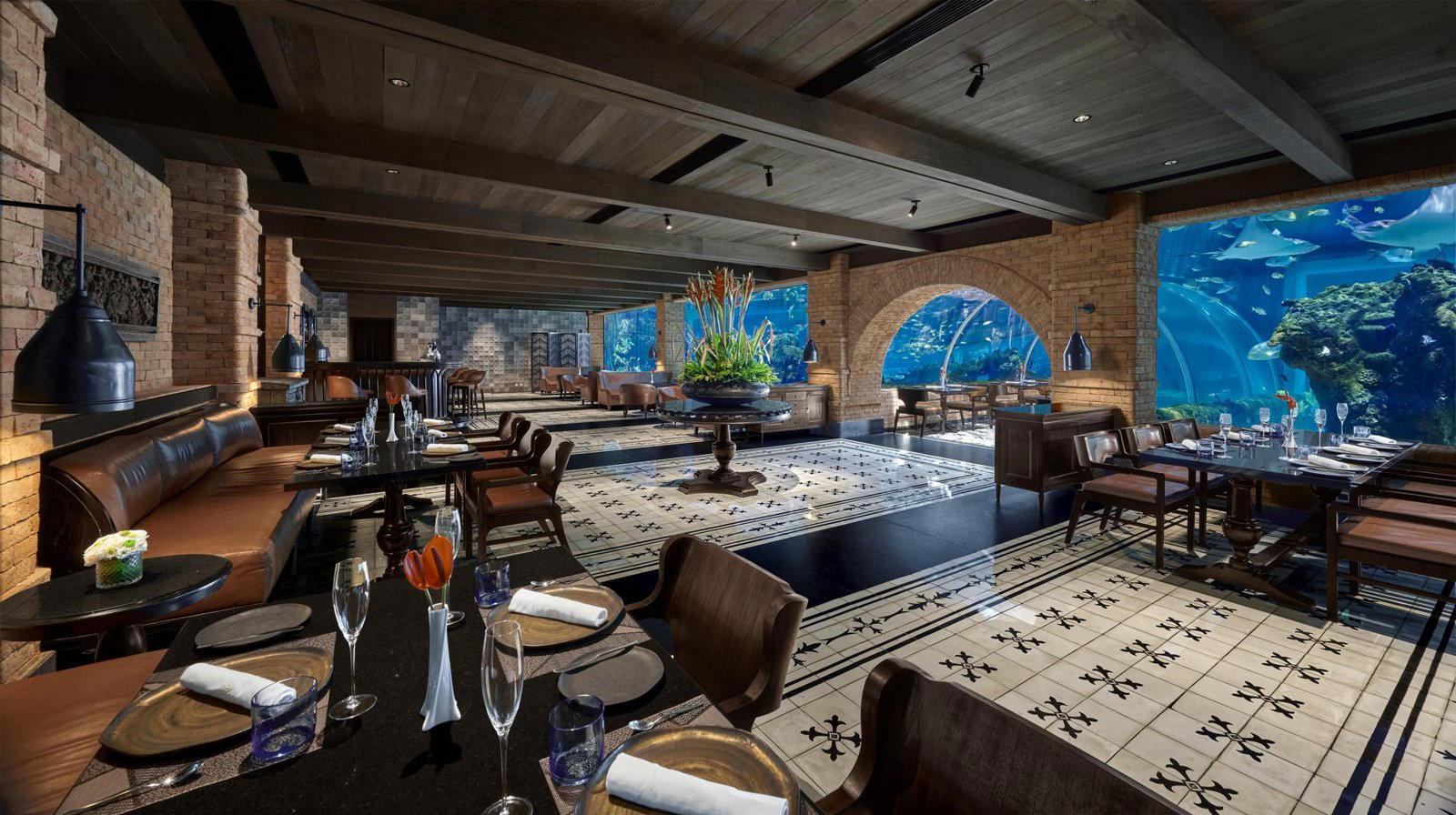
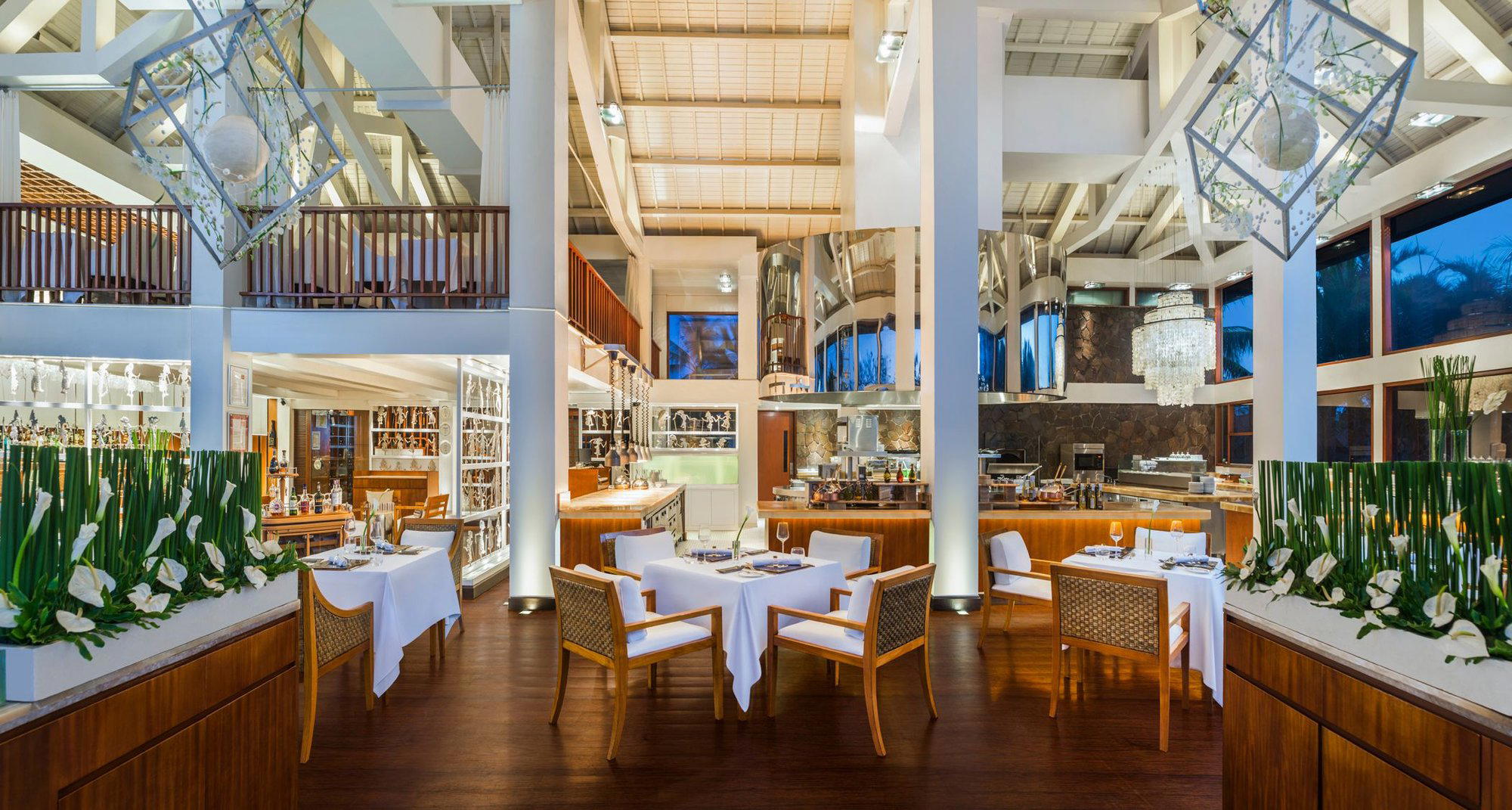
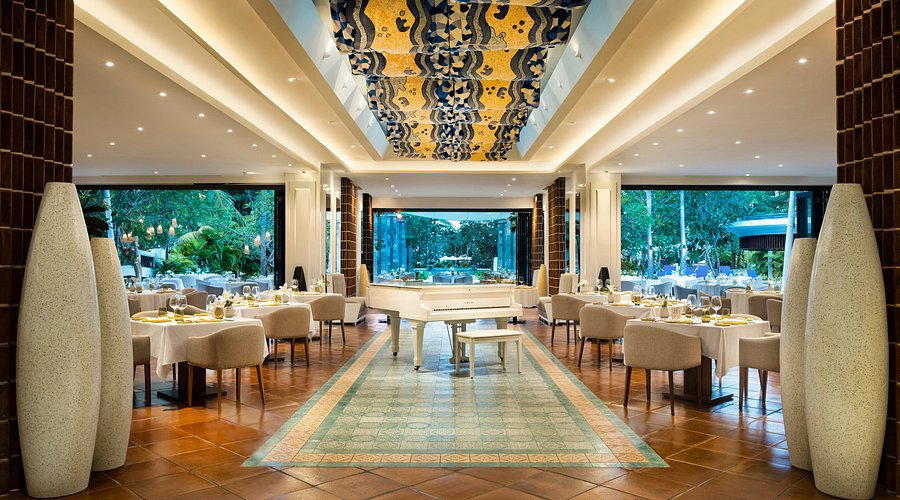
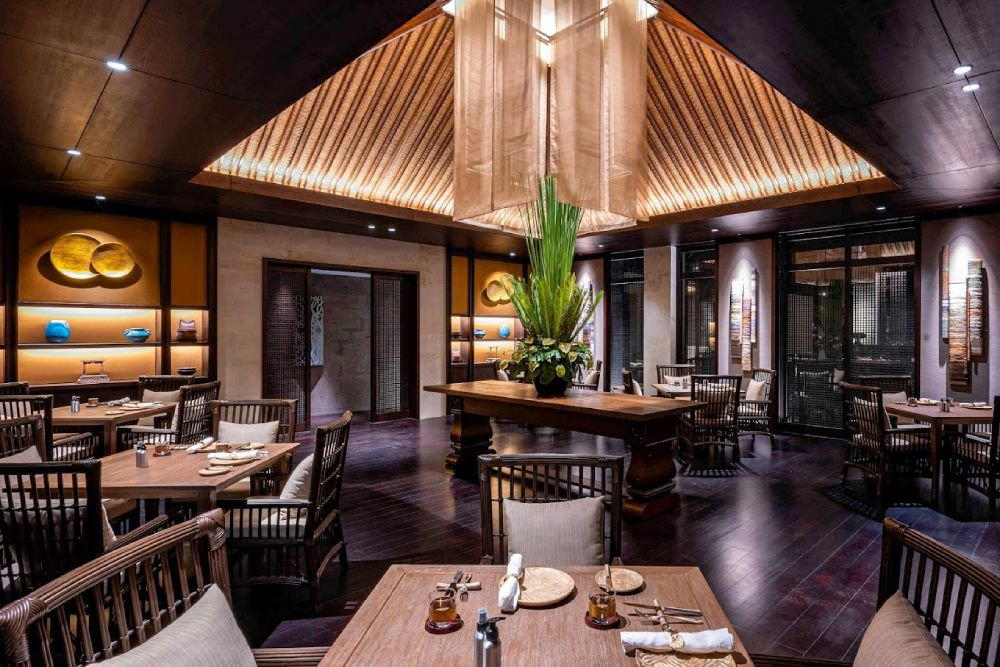
A refined yet casual hotel restaurant atmosphere that guests describe as semi-formal and suitable for relaxed dining, with a polished setting inside The Apurva Kempinski Bali.
Know Before You Go
- Reservations
- Recommended
- Dress code
- Casual
- Getting there
- Jl. Raya Nusa Dua Selatan, Sawangan, Nusa Dua, Kabupaten Badung, Bali 80361, Indonesia