Google: 4.5 · 85 reviews
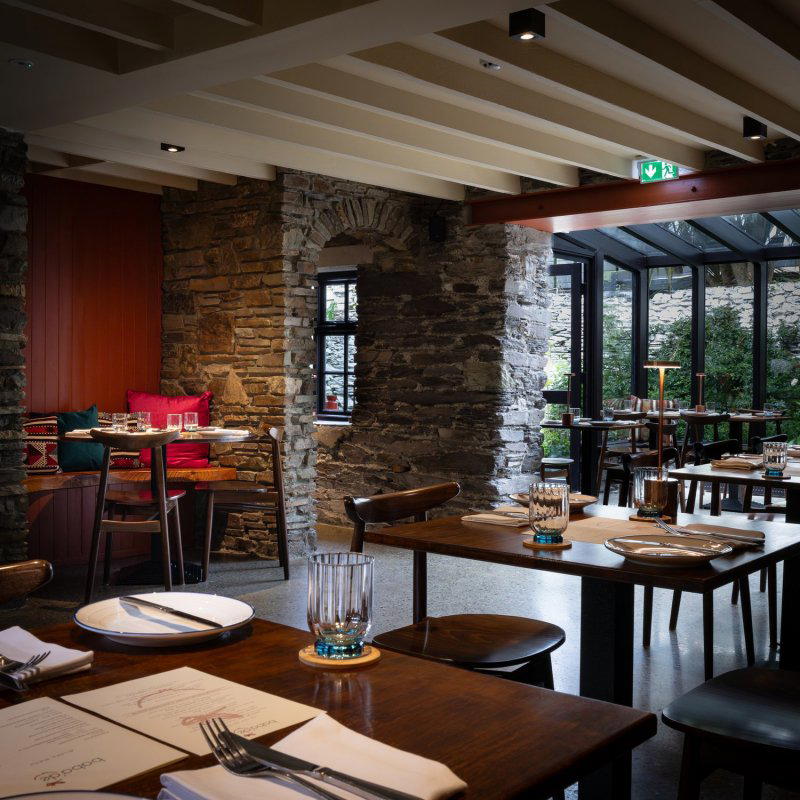
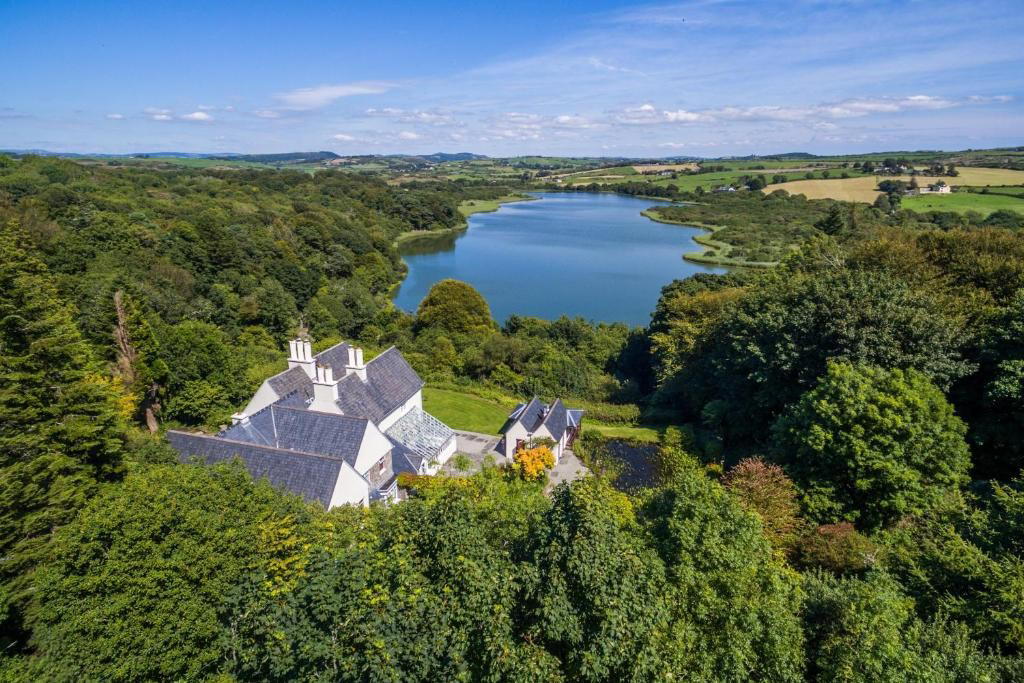
Baba'de occupies a mews address in Baltimore, on the southwestern tip of Co. Cork, where the West Cork food economy runs deep. The setting places it inside one of Ireland's most ingredient-dense coastal corridors, where small-boat fishing, artisan cheesemakers, and market gardeners operate within a short radius. For the broader Cork dining conversation, it belongs to a growing cluster of destination restaurants making that geography count.
Pearl is the En Primeur Club membership app — saves, bookings, and concierge access live there. Same editors, same standards.

Baltimore and the West Cork Food Economy
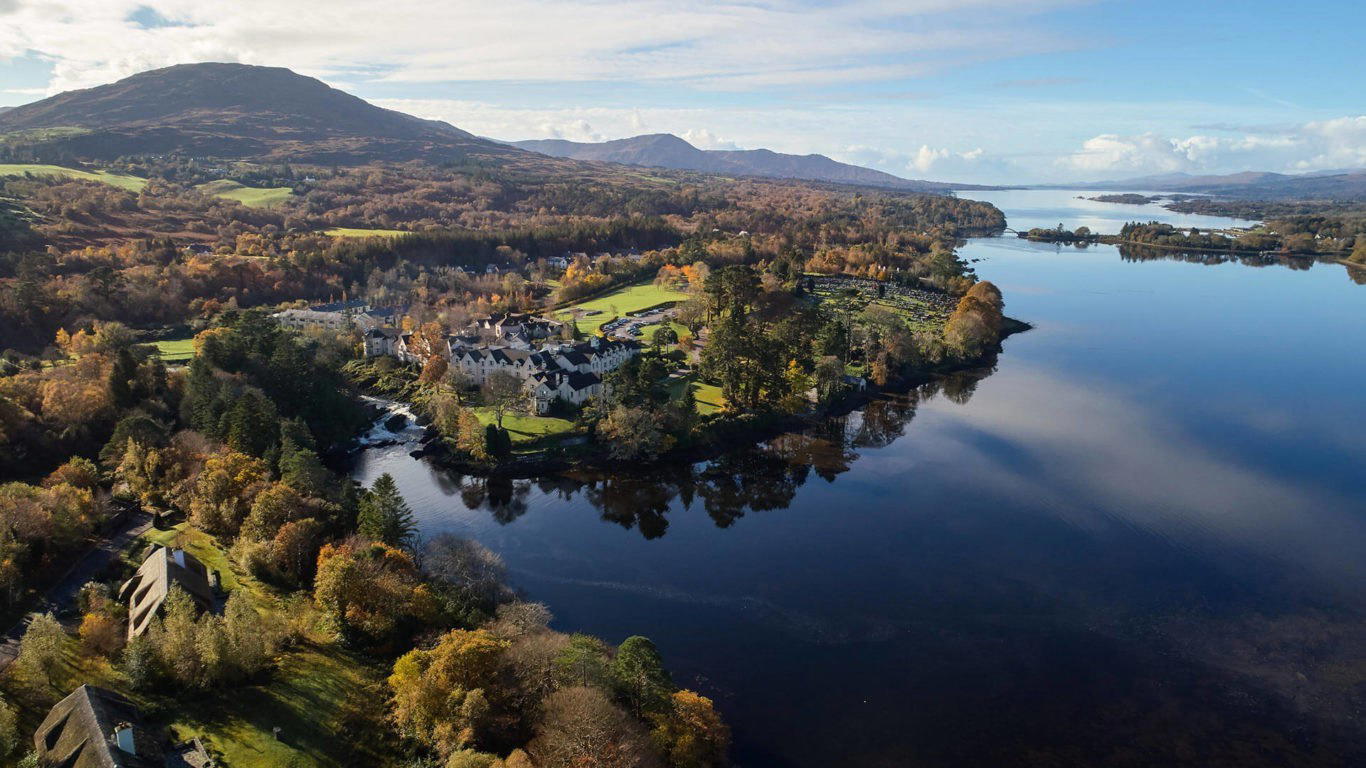
The village of Baltimore sits at the end of a single road that narrows as it approaches Roaringwater Bay. There is no passing trade here. Anyone who arrives has made a deliberate decision to come, which shapes both the kind of restaurant that can survive in the village and the kind of diner who finds their way to one. Baba'de, addressed to The Mews on the Baltimore end of the Tullagh coastal stretch, operates inside that logic. West Cork's food reputation is not built on proximity to a major city supply chain; it is built on the density of independent producers within the region itself, and Baltimore sits at the productive heart of that system.
The broader West Cork larder is, by any measurable standard, one of the more concentrated artisan food zones in Ireland. Artisan cheese production in Schull and Durrus, day-boat landings at Union Hall and Castletownbere, and small-scale vegetable growing across the Mizen and Sheep's Head peninsulas all fall within a workable radius of Baltimore. For restaurants that choose to source close to home, this geography is less a marketing position than a logistical reality. The ingredient pipeline is short, the producers are known by name, and the seasonal rhythm of what arrives in a kitchen is determined more by what the bay and the hinterland produce than by a wholesale catalogue.
What Sourcing Looks Like at This Scale
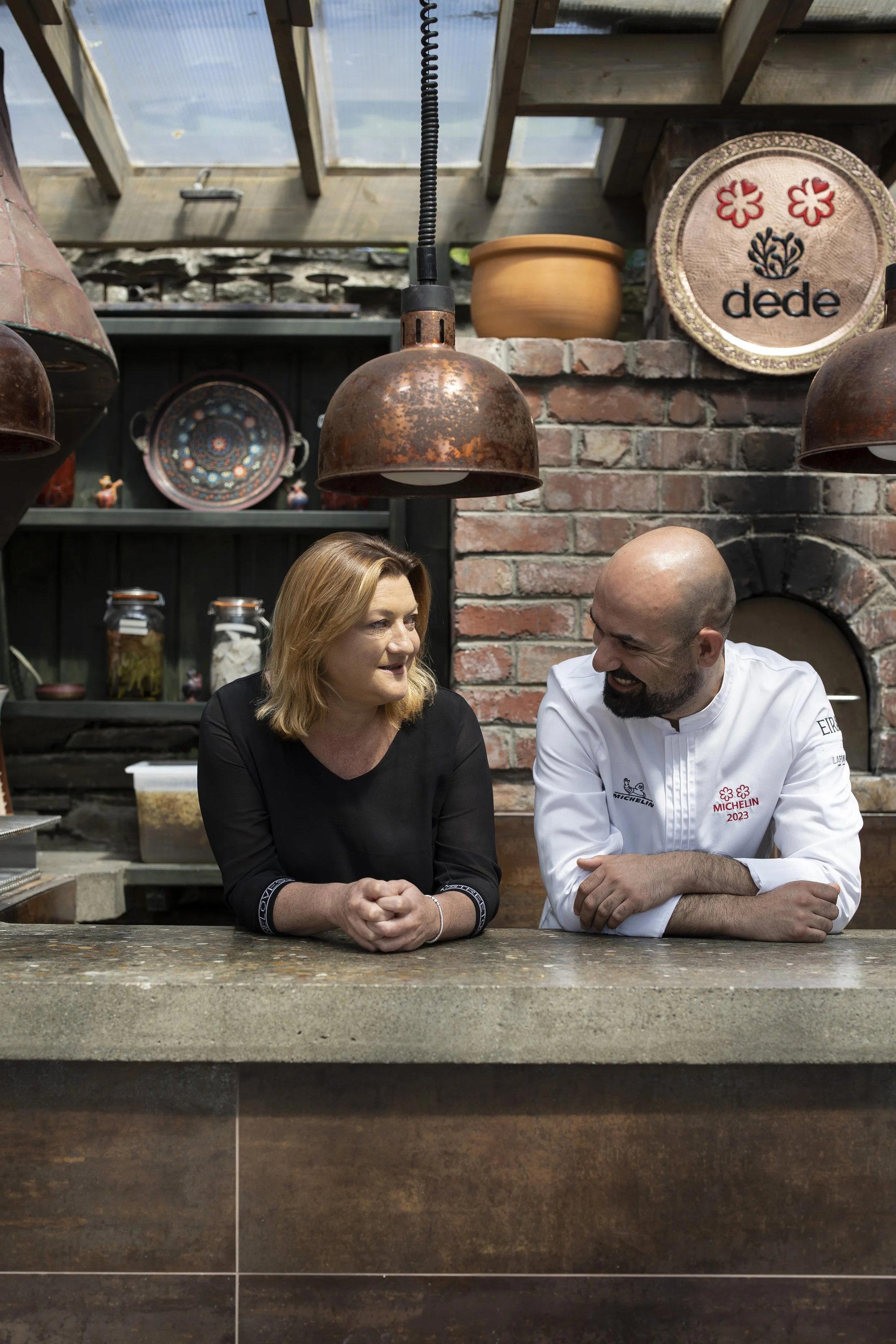
Ireland's coastline has been producing high-quality shellfish and wild fish for export for decades, much of it leaving the country before local restaurants see it. The countermovement, which gathered pace through the 2010s and has since become the dominant editorial story in Irish regional dining, is the return of premium local catch to local tables. Dede in Baltimore has made that case at Michelin level from the same village; Chestnut in Ballydehob and Bastion in Kinsale extend the same argument further along the Cork coastline. Baba'de enters that conversation from a mews setting that removes it from any obvious main-street footfall, which in Baltimore is itself a signal of intent rather than a commercial handicap.
Sourcing at this end of West Cork is also seasonal in a way that restaurants closer to urban distribution hubs are not. The gap between mackerel season and crab season is real and produces genuinely different menus, not just different garnishes on a fixed backbone. For the diner, this means that a visit in June and a visit in October may produce a materially different experience, not because the kitchen is chasing novelty but because the available ingredients are different. That seasonality, and the discipline to follow it, is what separates the West Cork model from more performative farm-to-table formats found elsewhere.
Baltimore in the Wider Irish Dining Picture
Ireland's serious restaurant geography has expanded considerably since the mid-2010s. Aniar in Galway, Campagne in Kilkenny, and Liath in Blackrock demonstrate that Michelin-level ambition is no longer concentrated in Dublin. The Cork county arc, from Terre in Castlemartyr in the east to Baltimore in the west, now functions as a coherent dining destination in its own right, one that requires multi-day planning to cover properly. Our full Tullagh restaurants guide maps that territory for readers building an itinerary around the area.
The comparison set matters here. At the leading of the Irish dining tier, Chapter One by Mickael Viljanen in Dublin and The Oak Room in Adare operate within the formal luxury register, where the room and the service are as much the product as the plate. West Cork restaurants, including those around Baltimore, occupy a different register: the ingredient is foregrounded, the settings are often modest, and the value proposition depends on what is on the plate rather than what surrounds it. That is not a lower ambition; it is a different one, and increasingly it is the one that food-literate travellers are seeking out.
Lady Helen in Thomastown, The Morrison Room in Maynooth, and Roundwood House in Mountrath all offer versions of the destination dining experience in rural Ireland, each anchored by different local contexts. The West Cork version, which Baba'de inhabits, is distinguished by ingredient density. Comparable food-producing regions on the island do not have the same combination of sea access, mild Atlantic climate for growing, and critical mass of artisan producers operating within a tight geographic band.
Planning a Visit
Baltimore is a genuine destination trip from Cork city, approximately an hour's drive along the N71 and then west through Skibbereen. That distance self-selects the visitor: the casual passing diner does not arrive here. For those building a West Cork itinerary, pairing a Baltimore visit with House in Ardmore to the east or Homestead Cottage in Doolin further north on the Atlantic coast creates a coherent arc of regional Irish cooking. The mews address in Baltimore suggests a smaller, more intimate physical format, which in West Cork typically means advance booking is advisable, particularly through the summer months when the village sees its highest visitor volume. Specific pricing and hours were not available at the time of writing; checking directly with the venue before planning travel is the practical step.
For those arriving from further afield and building a comparison with international benchmarks, the philosophical distance between a place like Baba'de and something like Le Bernardin in New York City or Lazy Bear in San Francisco is instructive. Those formats treat sourcing as one input among many in a technically complex output. The West Cork model, at its leading, treats sourcing as the primary creative constraint, which produces a different and arguably more direct relationship between place and plate. LIGNUM in Bullaun operates a version of that constraint in a Connacht context; the Cork coastline version has different raw materials but the same underlying discipline.
Fast Comparison
These are the closest comparables we have in our database for quick context.
| Venue | Cuisine | Price | Awards | Notes |
|---|---|---|---|---|
| Baba'de | This venue | |||
| Patrick Guilbaud | Irish - French, Modern French | €€€€ | Michelin 2 Star | Irish - French, Modern French, €€€€ |
| Bastion | Progressive American, Modern Cuisine | €€€€ | Michelin 1 Star | Progressive American, Modern Cuisine, €€€€ |
| Aniar | Modern Irish, Modern Cuisine | €€€€ | Michelin 1 Star | Modern Irish, Modern Cuisine, €€€€ |
| LIGИUM | Creative | €€€€ | Michelin 1 Star | Creative, €€€€ |
| The Bishop's Buttery | Modern Cuisine | €€€€ | Modern Cuisine, €€€€ |
At a Glance
squeaky-clean and charming