Aya
Our verdict
Aya brings Californian cooking into Sonoma’s farm-country conversation, where seasonality is not a slogan but the baseline expectation. With no public awards or chef-led mythology to lean on, the interest is simpler: how a Sonoma restaurant reads the region’s produce, wine-country tempo, and casual dining culture without turning dinner into a tasting-menu performance.

Pearl is the En Primeur Club membership app — saves, bookings, and concierge access live there. Same editors, same standards.
- Address
- Sonoma, United States

The menu
What to order
- Sizzling octopus sisig
- 12-hour smoked fireplace short rib
- Japanese Wagyu flight
- Santa Barbara uni toast
- Raw bar and shellfish platters
- Halo-halo sundae
Sonoma restaurants are judged before the first plate reaches the table. The town carries the visual grammar of wine country: shaded sidewalks, tasting rooms, market produce, and a slower pace than the cities that feed weekend traffic north. In that setting, Californian cooking has a narrow margin for error. It needs to feel tied to the county’s farms and seasons without collapsing into farm-label theater. Aya belongs in that conversation, not as a monument to a trophy room, but as part of Sonoma’s ongoing negotiation between neighborhood restaurant and wine-country dining room.
The useful way to read Aya is through the lineage of California farm-to-table cooking. That movement began as a correction to anonymous supply chains and overworked luxury, then matured into something less doctrinaire: restaurants now prove themselves through restraint, sourcing fluency, and a menu that can change with the agricultural calendar. In Sonoma, that expectation is sharper because diners are surrounded by vineyards, produce farms, creameries, and growers who shape the region’s identity as much as the wineries do. A Californian restaurant here has to acknowledge that ecosystem even when it avoids grand claims.
Californian cooking in a county that expects seasonality
Sonoma’s dining culture sits between two pressures. Visitors arrive with wine-country expectations, while locals tend to reward restaurants that behave like part of the town rather than a weekend set piece. That tension shapes the category Aya occupies: Californian, regional by implication, and measured against a dining culture where produce, acidity, and wine compatibility matter more than spectacle. The public record is best read through the basics: Aya is open in Sonoma, with Roy Ellamar and Jennifer Murphy-Ellamar identified as chef or owner names in available reporting. It is better assessed through fit, context, and whether the cooking makes sense in Sonoma’s seasonal frame.
That frame also explains why Sonoma’s restaurant map is more varied than the shorthand suggests. Some local dining rooms speak to the town’s long-running appetite for intimate, ingredient-aware meals, while others show the newer all-day, wine-adjacent model that treats the restaurant as part dining room, part local gathering place. Hotel restaurants and European-leaning rooms underline how polished service and imported technique remain part of the county’s vocabulary. Aya’s Californian label places it in the local-language camp: less about imported formality, more about how Northern California products behave on the plate.
Why Sonoma's farm-to-table tradition still matters
Farm-to-table can sound tired in cities where the phrase has been drained by menu copy. In Sonoma, it still has practical meaning because agriculture is not decorative background. The county’s restaurant culture developed alongside wineries, farmers’ markets, cheesemakers, ranches, and coastal fisheries within driving reach. That proximity does not guarantee a strong kitchen, but it raises the baseline. Seasonal vegetables should not feel incidental. Wine should not be treated as an afterthought. A Californian menu should have enough flexibility to follow the market rather than force the same plate through every month of the year.
Aya is therefore most interesting as a reader decision: choose it when the goal is Sonoma through a contemporary Californian lens rather than a formal European structure or a tasting-room extension. The available public profile is spare, which keeps attention on category and place. Price band, seat count, and hours are not established here, so the sensible editorial read is conservative. Expect the restaurant to be evaluated against Sonoma’s broader dining rhythm: produce-driven cooking, wine-country pacing, and a room that needs to serve locals as convincingly as visitors.
For trip planning, the restaurant should sit inside a wider Sonoma itinerary rather than carry the entire day. The town rewards pacing: a winery appointment before dinner, a bar stop after, and lodging close enough to avoid turning the evening into a drive-heavy exercise. Use our full Sonoma restaurants guide for the wider dining field, then cross-check lodging in our full Sonoma hotels guide, drinking options in our full Sonoma bars guide, winery planning through our full Sonoma wineries guide, and non-restaurant programming in our full Sonoma experiences guide. Sonoma works better when dinner is one piece of the route rather than a logistical island.
Where Aya fits in the wider California table
Californian cooking is not a single style. Across the state, it can bend toward vegetable-forward dining, casual wine-country rooms, coastal menus, or more polished formats that still depend on seasonal sourcing. In Sonoma, the category is filtered through vineyards, farms, visitors, and a local audience that notices whether the restaurant feels connected to place. Beyond California, other regional restaurants can show the same principle in different forms: identity becomes clearer when a kitchen responds to its immediate foodshed rather than borrowing a generic dining-room template.
That is the lens for Aya: not trophy dining, not chef hagiography, and not a generic wine-country room. The case for going rests on Sonoma itself. In a town where farms, vineyards, and casual affluence shape the table, a Californian restaurant has to prove that local fluency is more than vocabulary. Aya is worth reading as part of that test.
Frequently asked questions
Is Aya a family-friendly restaurant?
Aya is a Californian restaurant in Sonoma. For family-specific details such as seating, menu flexibility, or stroller access, check directly with the restaurant before booking.
Is Aya formal or casual?
Aya is listed as a Californian restaurant in Sonoma. The available public profile does not establish a specific dress code or service format, so confirm directly if formality matters for your visit.
What cuisine category does Aya fall under?
Aya serves Californian cuisine.
Should I book Aya in advance?
Advance planning is sensible for Aya, especially in Sonoma where dinner demand can tighten around peak wine-country weekends. Check current availability directly with the restaurant.
What's the standout thing about Aya?
The clearest draw is the Californian cuisine in Sonoma, where seasonality is central to the broader dining culture. That combination gives Aya a clear place in the local dining scene.
Comparable Venues Nearby
Comparable venues nearby, for context on price, style, and recognition.
| Venue | Cuisine | Price | Awards | Notes |
|---|---|---|---|---|
| AyaThis venue — the venue you are viewing | Coastal California seafood with Asian and Pacific influences | $100–150 | Not listed | Not listed |
| Layla at MacArthur Place | Mediterranean Farm-to-Table | $50–100 | Wine Spectator Best of Award of Excellence · Forbes Recommended | Sonoma |
| Poppy | French Countryside Bistro | $50–100 | Sonoma Magazine Best New Restaurants of 2025 | Glen Ellen |
| Gaige House | Farm-to-Table Continental Breakfast | Not listed | Not listed | Glen Ellen |

Continue exploring
More in Sonoma
Restaurants in Sonoma
Browse all →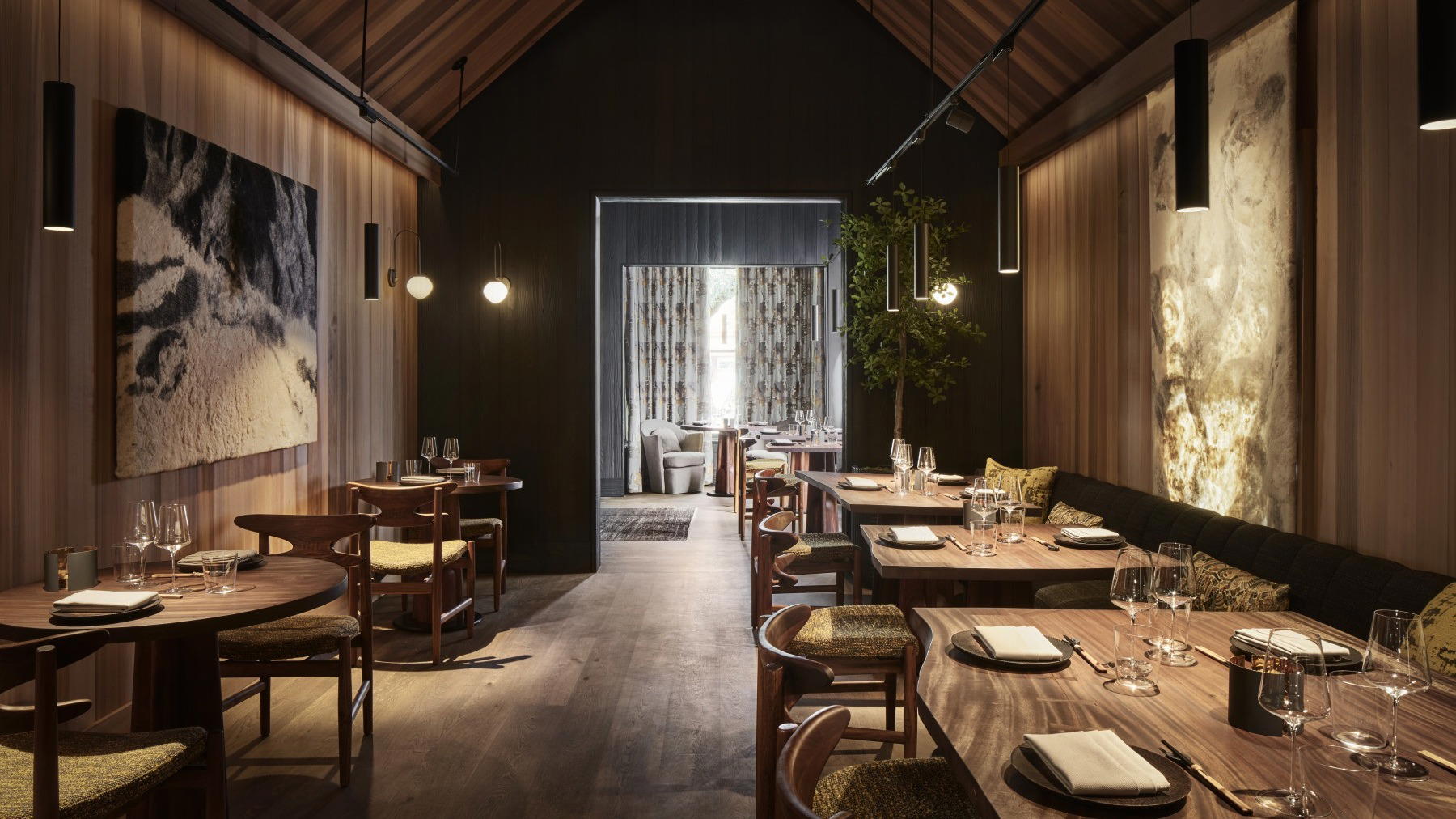
Bars in Sonoma
Browse all →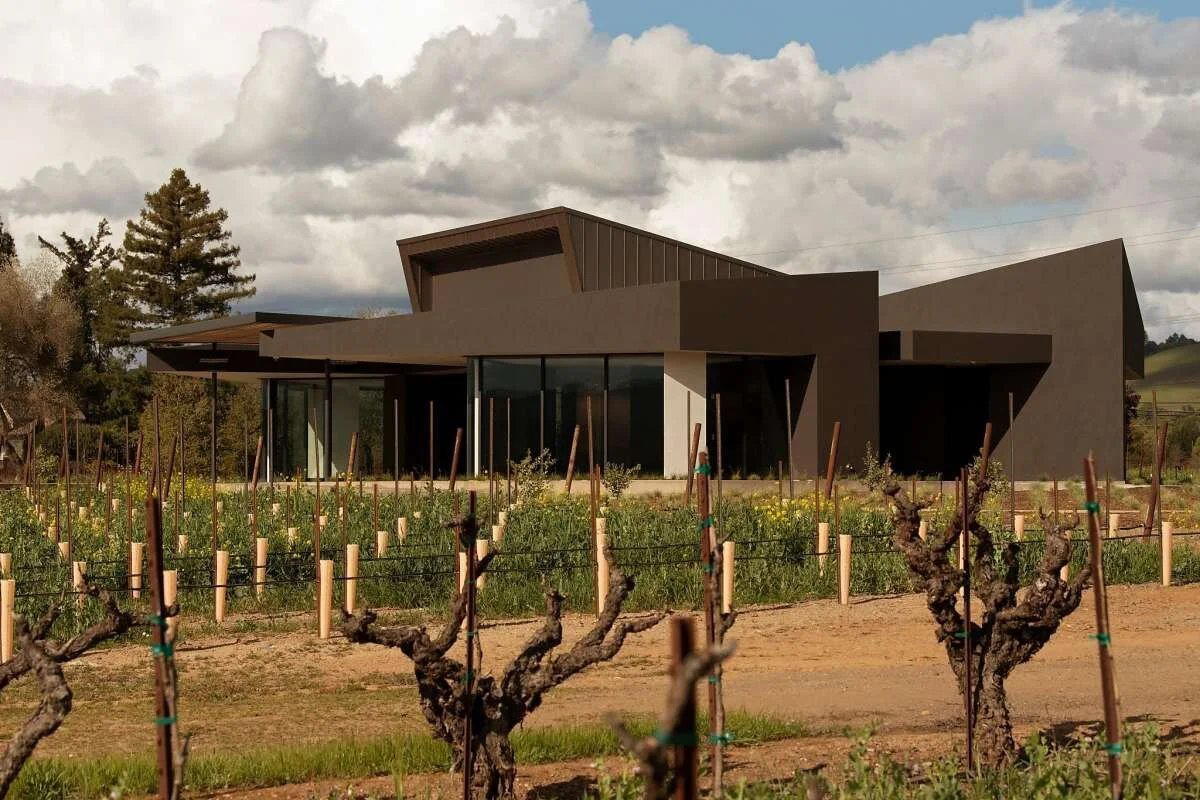
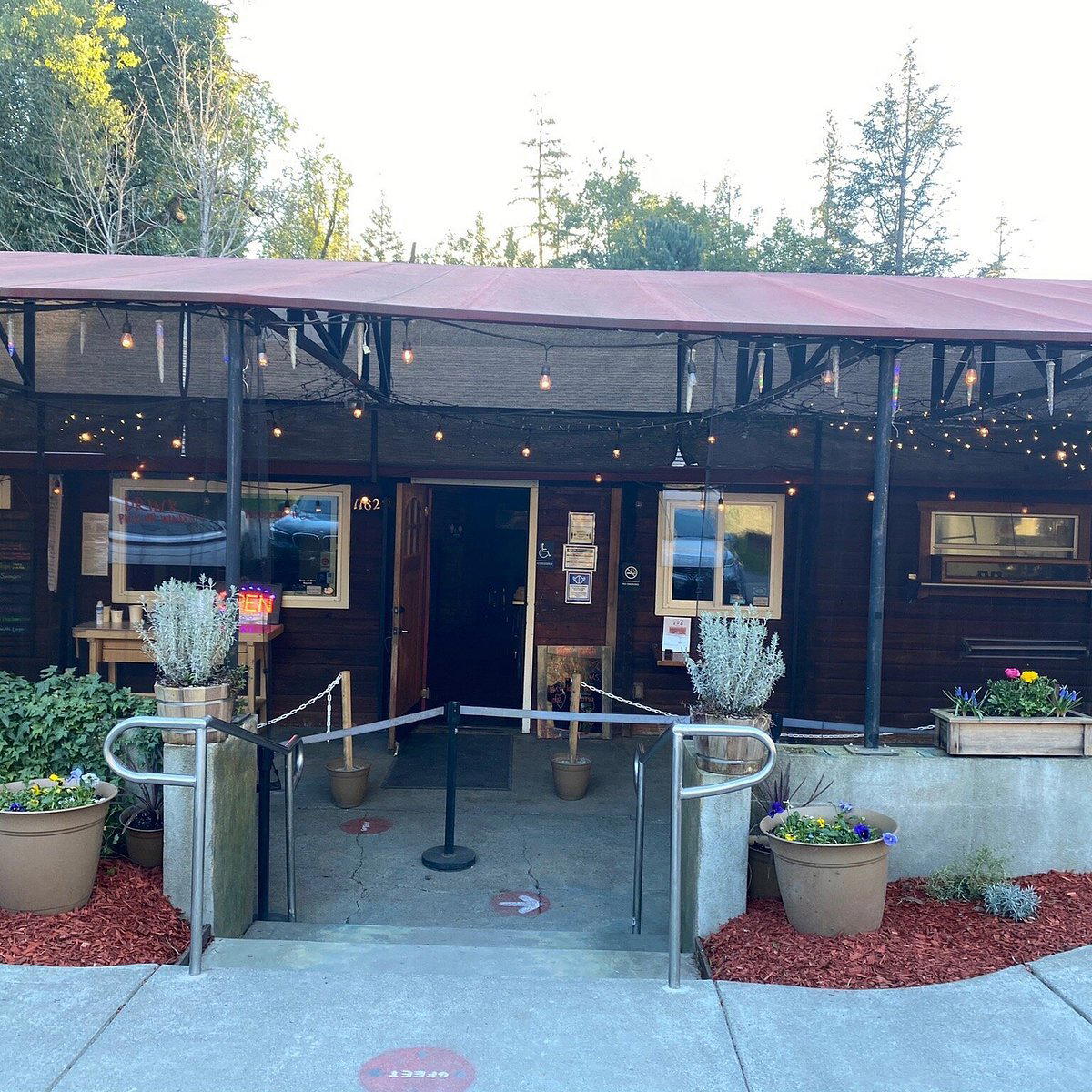
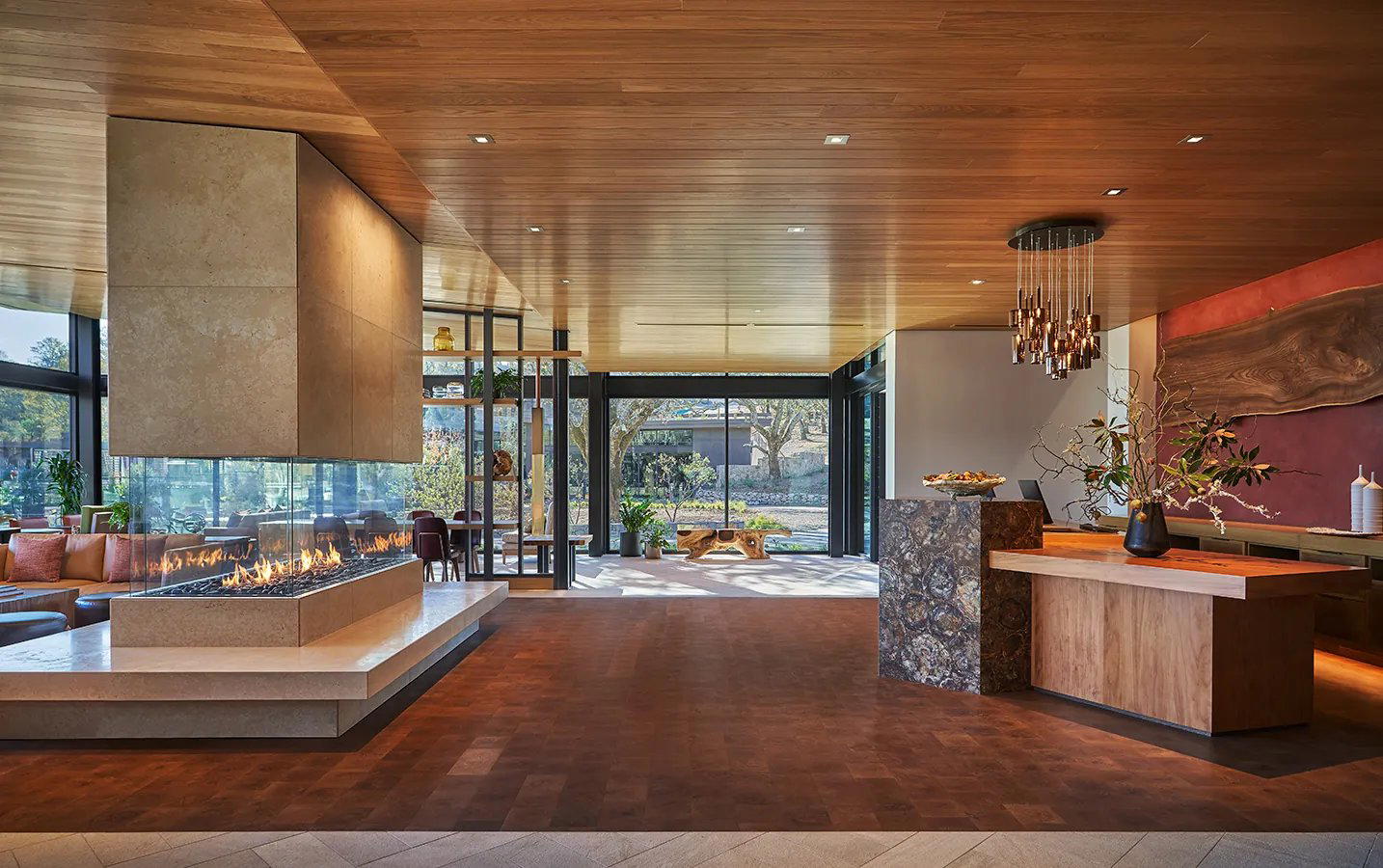
Hotels in Sonoma
Browse all →
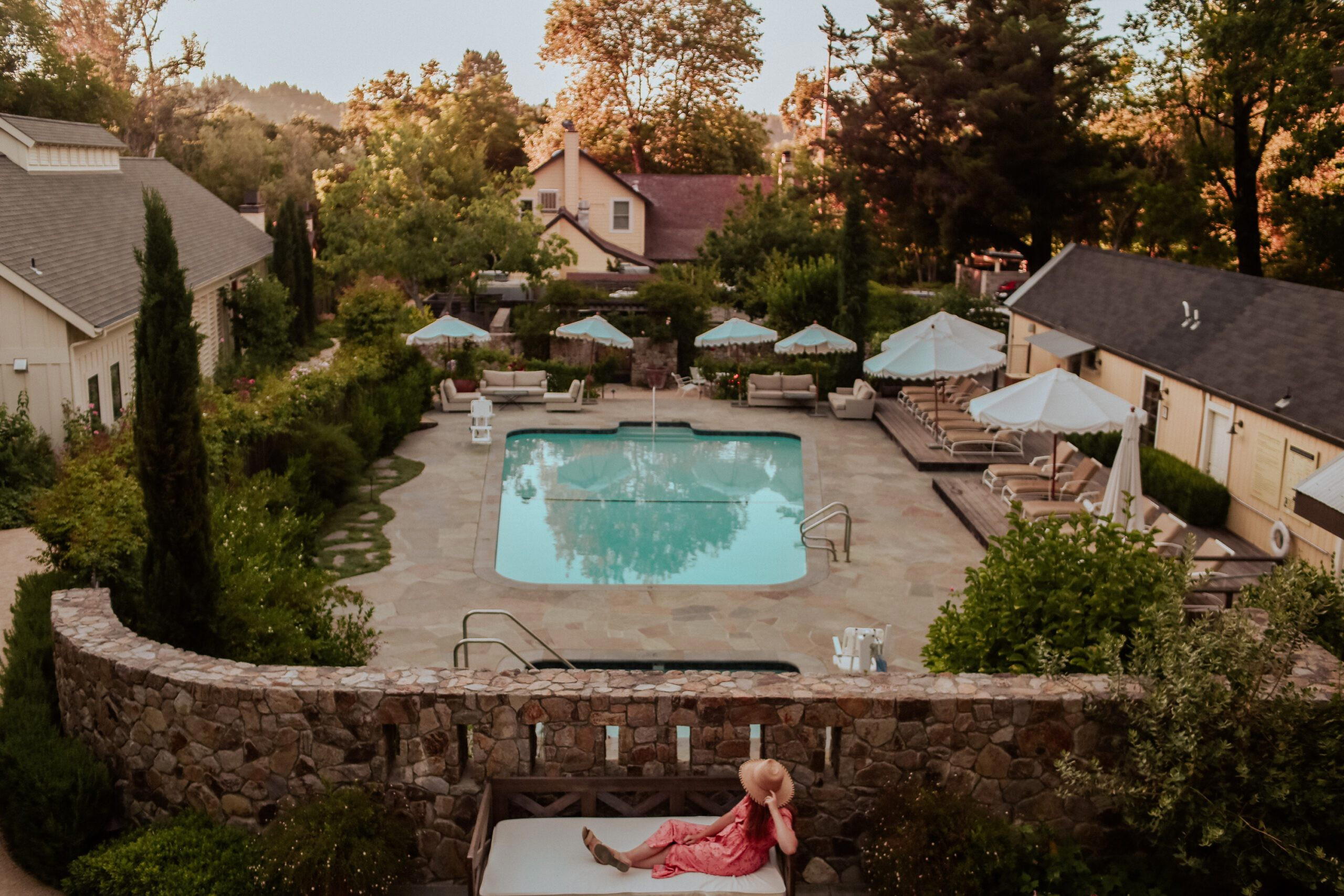

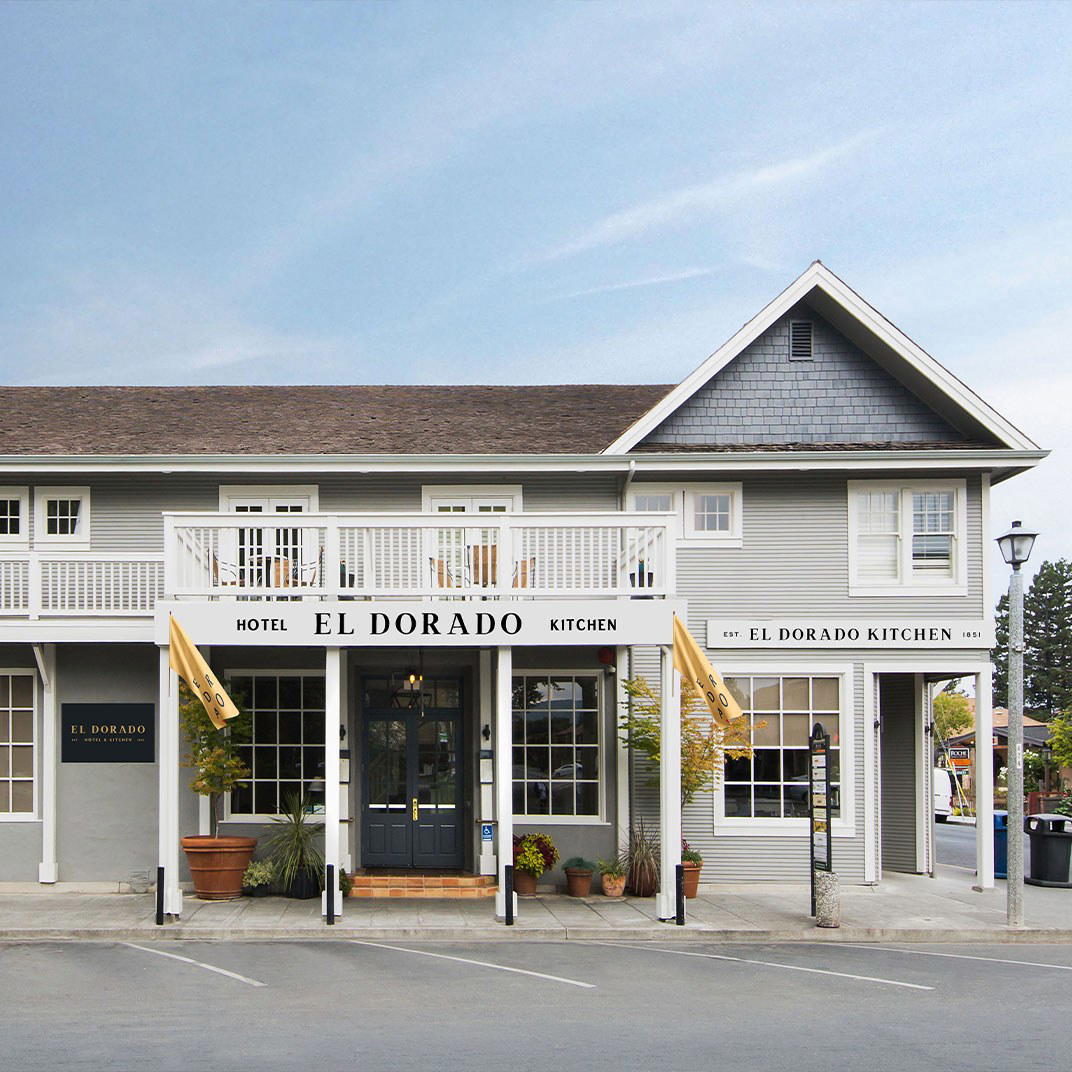


Aya
The wine
- Wine program
- Exceptional wine program
- Extensive wine list
- Sommelier-led
- Craft cocktails
Details
- Sophisticated
- Elegant
- Modern
- Scenic
- Romantic
- Trendy
- Date Night
- Business Dinner
- Group Dining
- Special Occasion
- Late Night
- Rooftop
- Terrace
- Panoramic View
- Wine Cellar
- Design Destination
- Hotel Restaurant
- Extensive Wine List
- Sommelier Led
- Craft Cocktails
- Farm To Table
- Local Sourcing
- Sustainable Seafood
- Mountain
- Vineyard
- A La Carte
- Small Plates
- Family Style
- Wine
- Cocktails
- Pescatarian Friendly
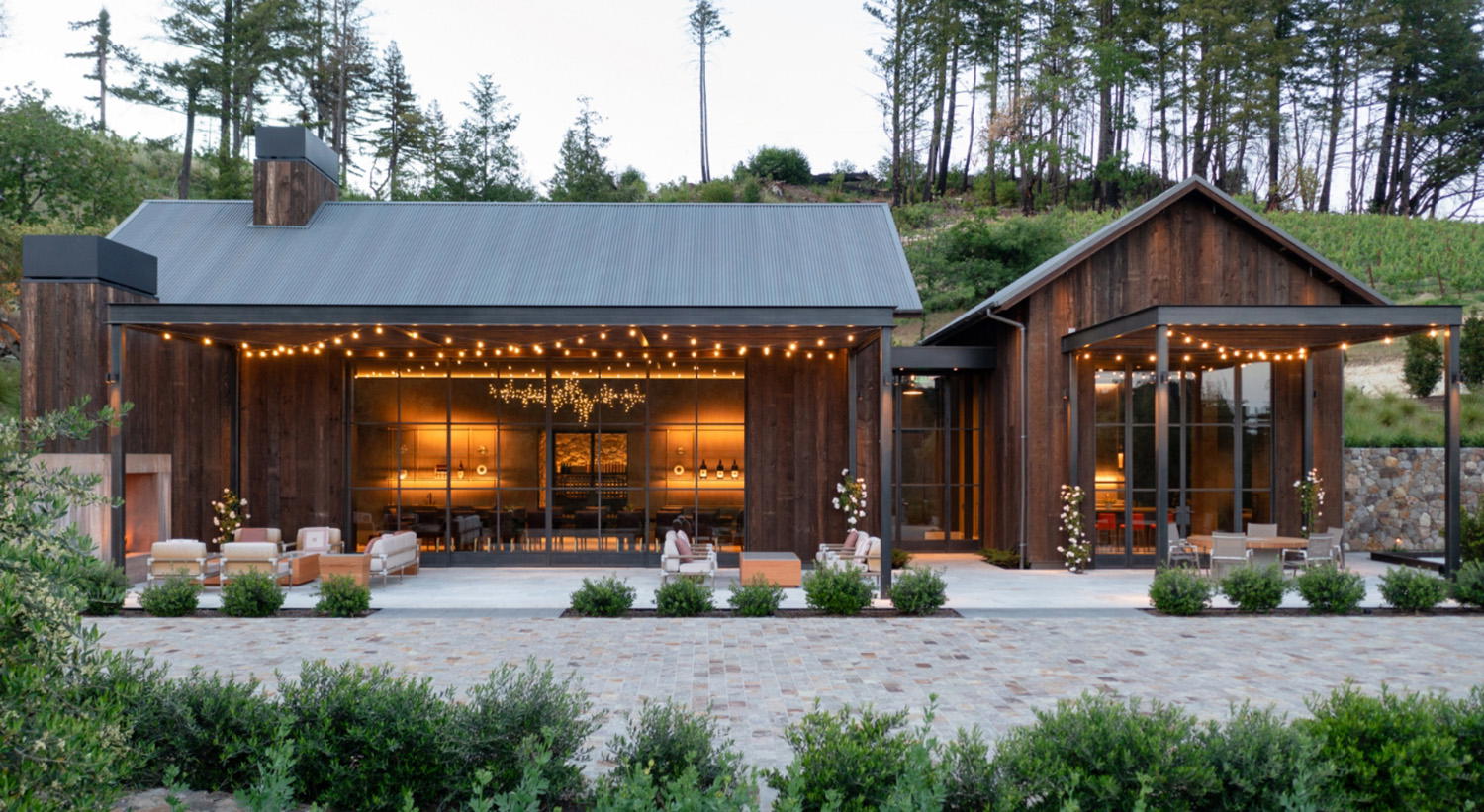
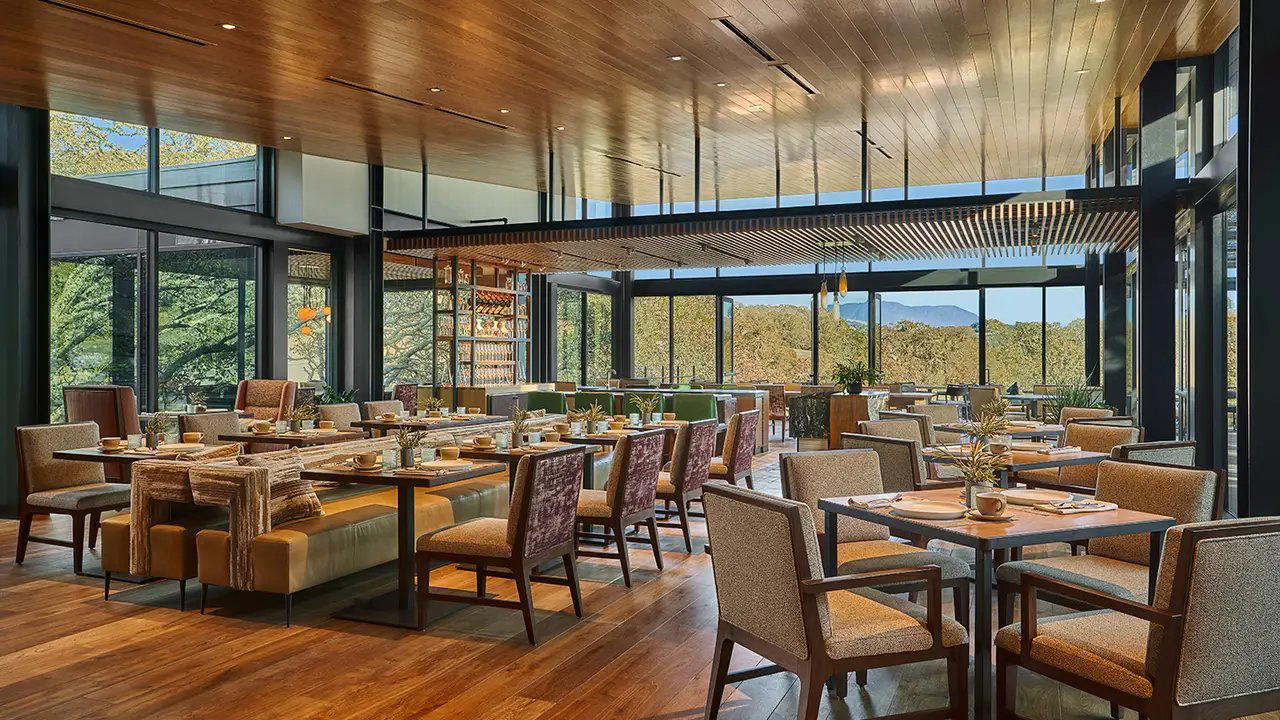
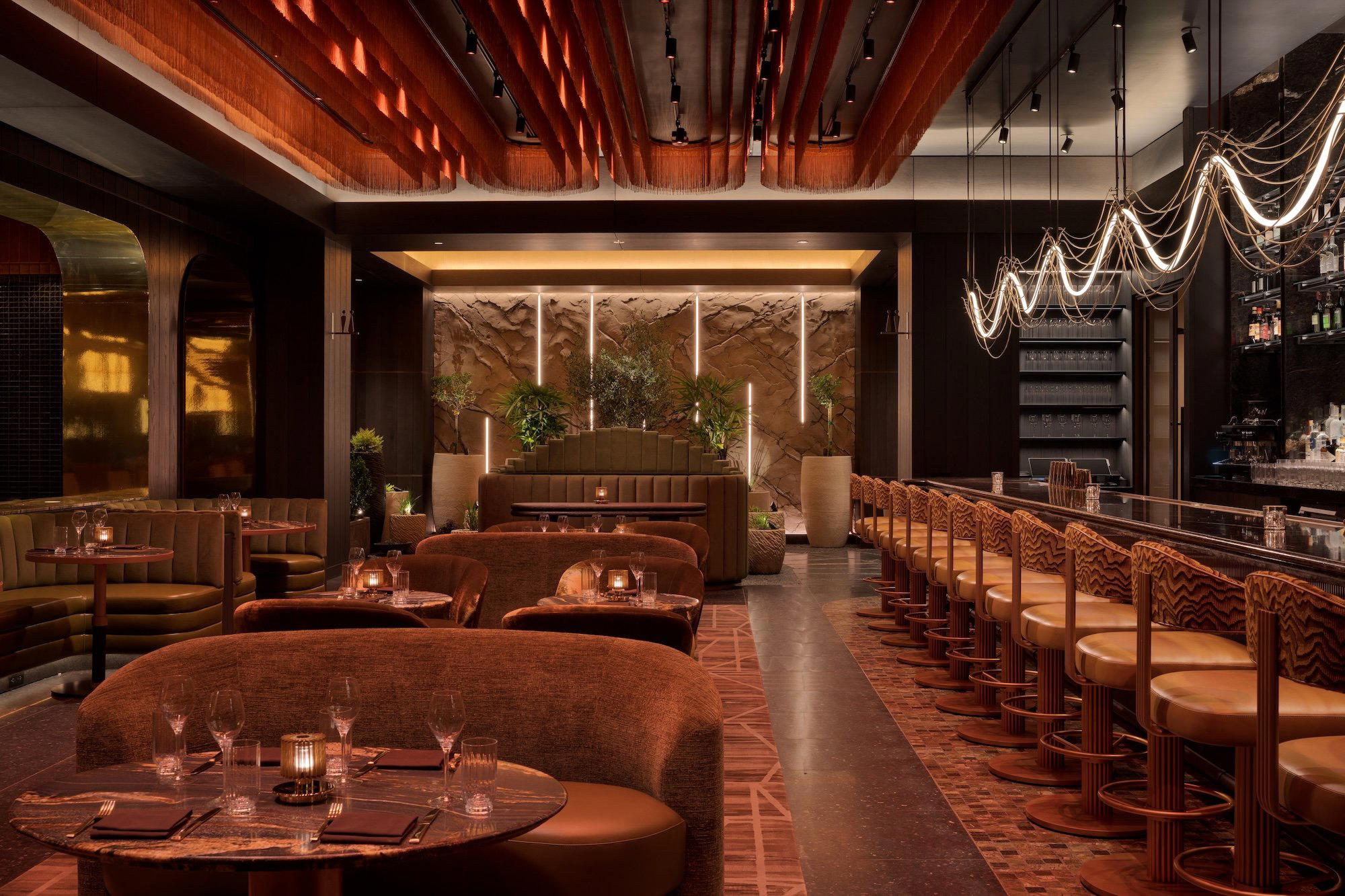
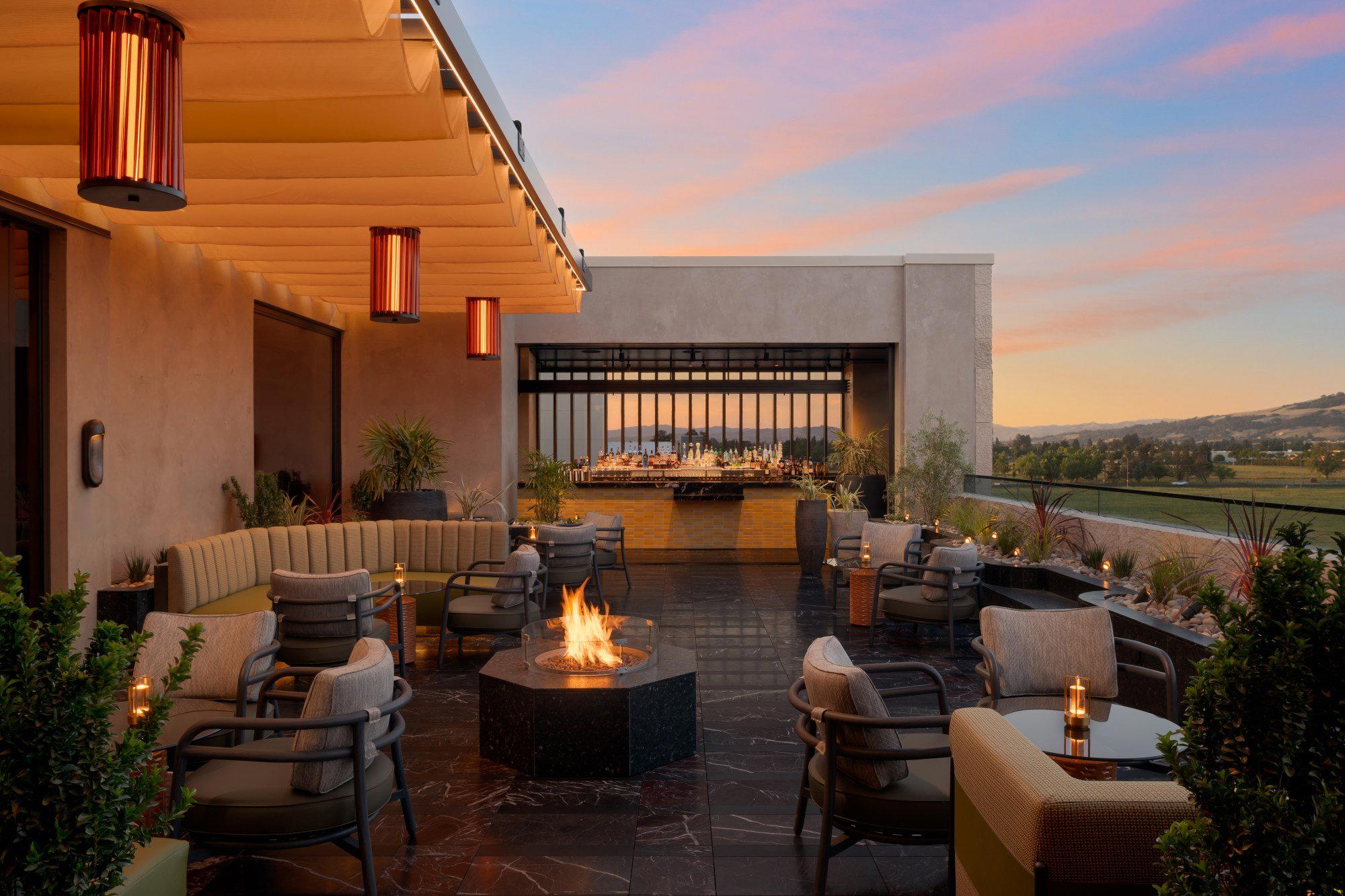
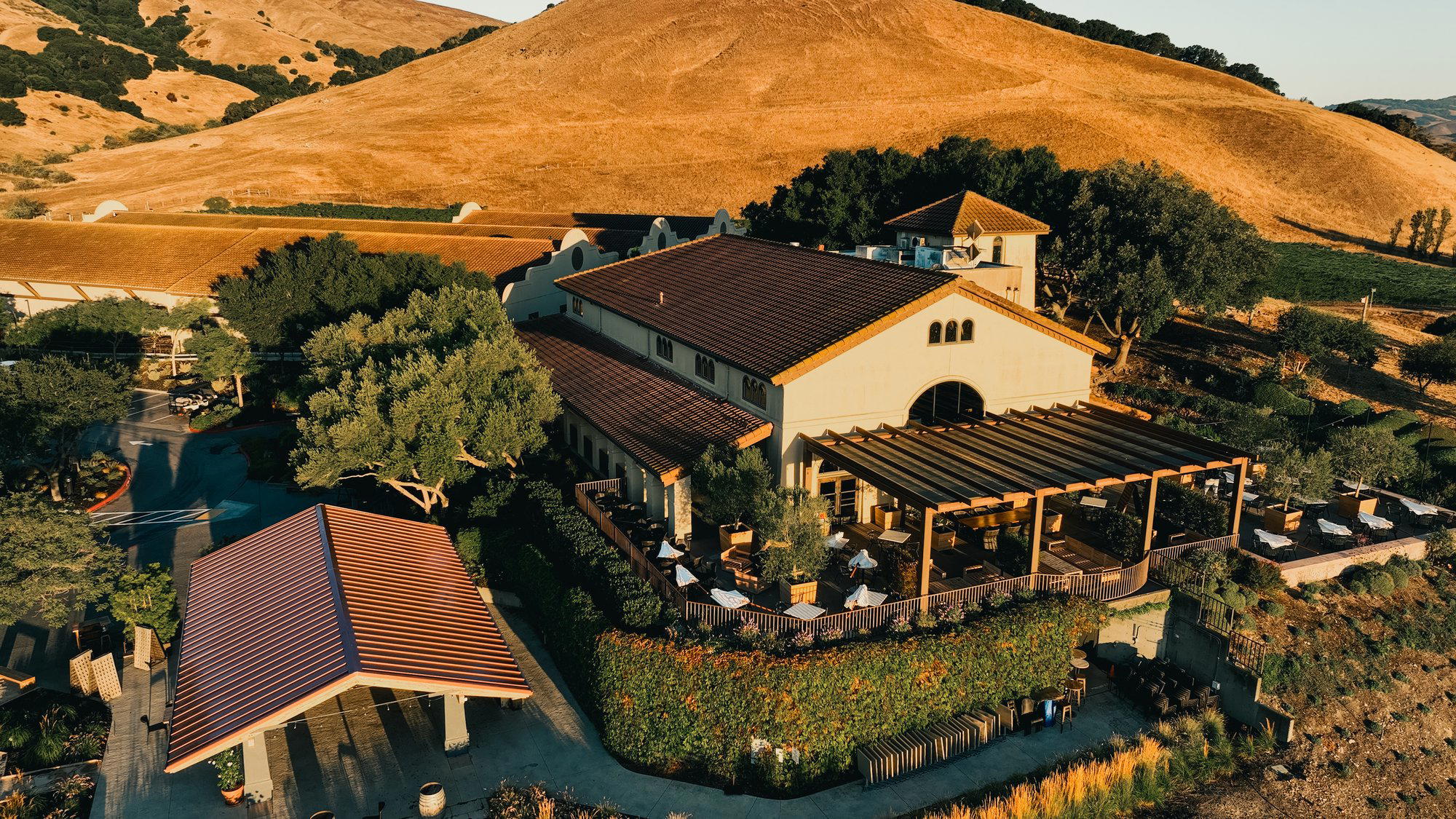
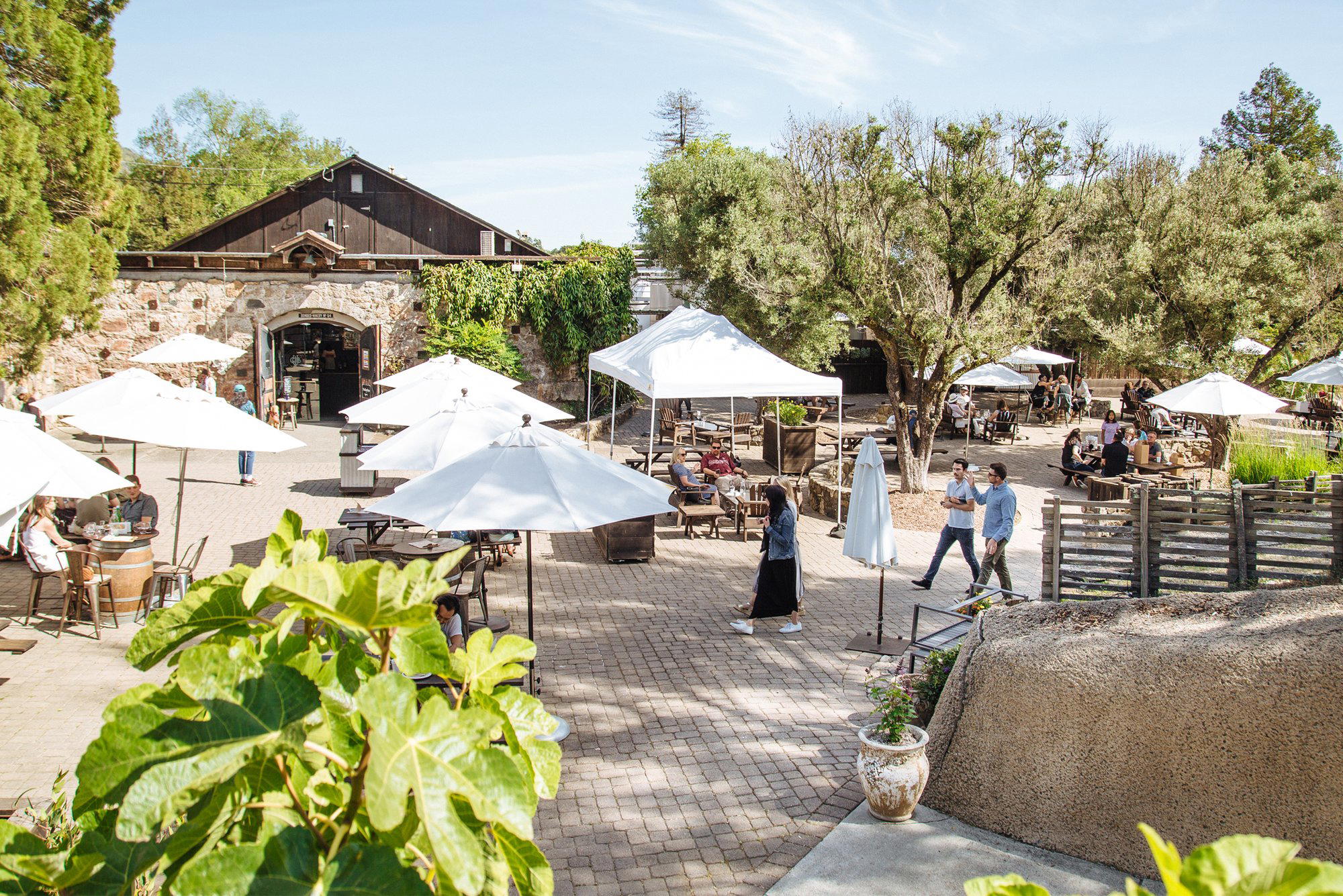
Dim, warm amber lighting, sleek Rockwell Group design with soft greens, natural wood, and stone, creating a refined yet relaxed rooftop atmosphere where the open-air terrace and golden-hour views over Sonoma hills are central to the experience.