Our verdict
Asahi Shokudo sits in Kamikawa, the agricultural heartland of Hokkaido, where the prefecture's reputation for dairy, grain, and cold-climate produce is earned at the source rather than in the marketing. The restaurant draws its identity from that immediate geography, operating in a regional dining tradition where the distance between field and plate is measured in kilometres rather than supply-chain links.

Pearl is the En Primeur Club membership app, where members save venues, book tables and use the concierge.
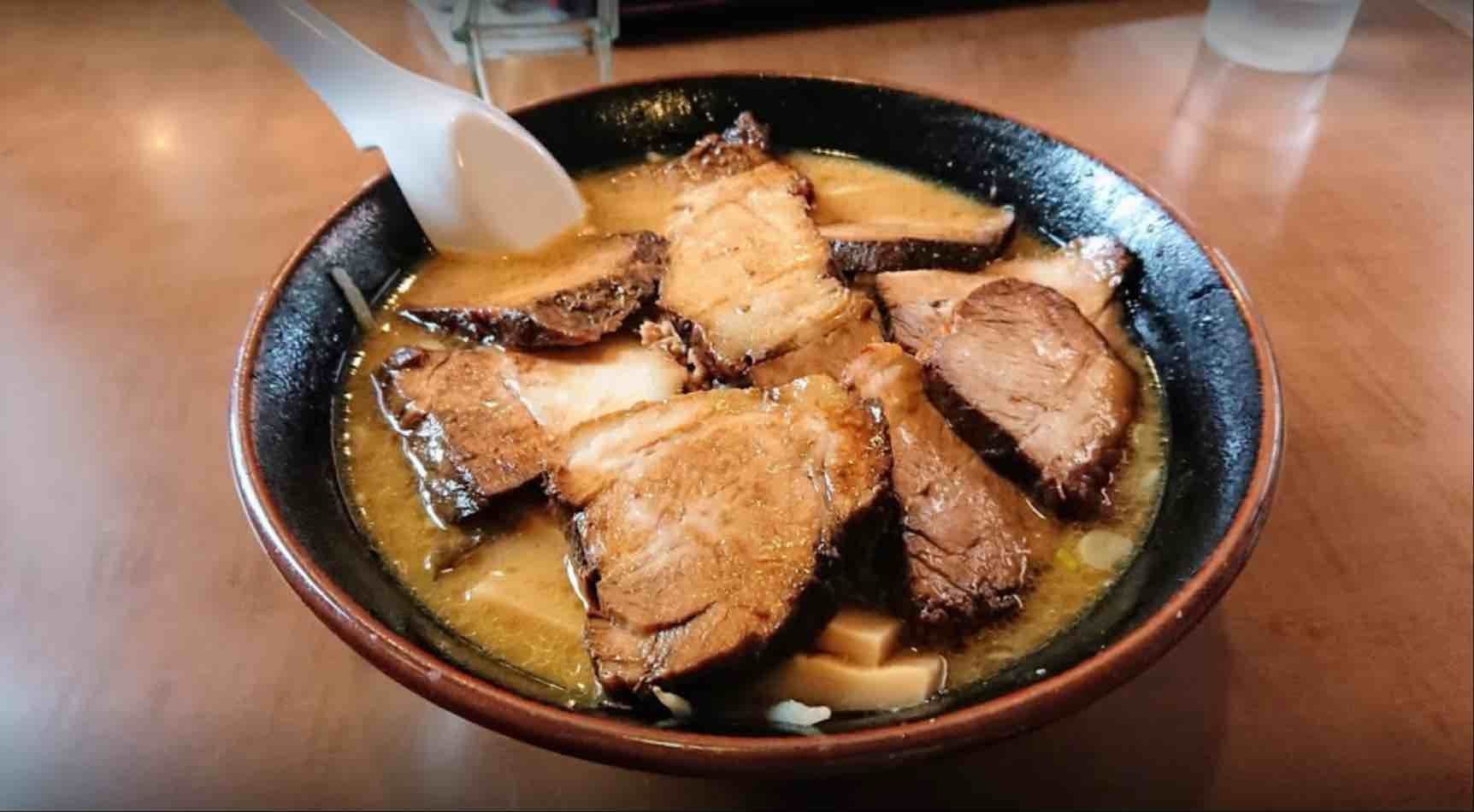
The menu
What to order
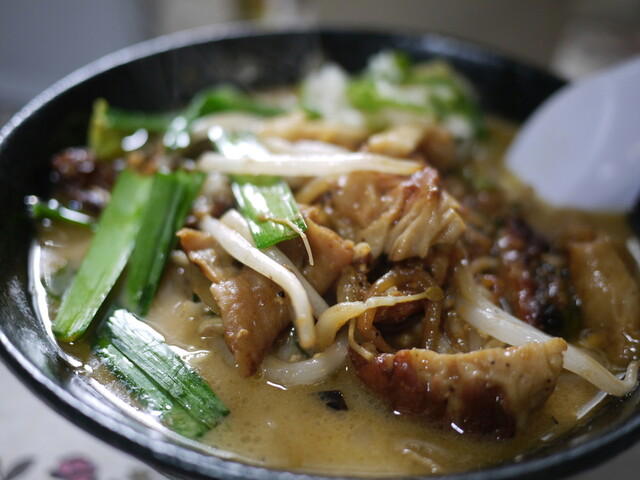
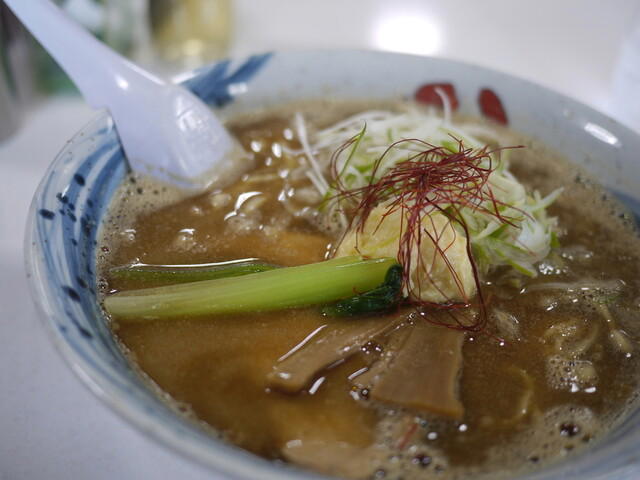
- Miso Ramen
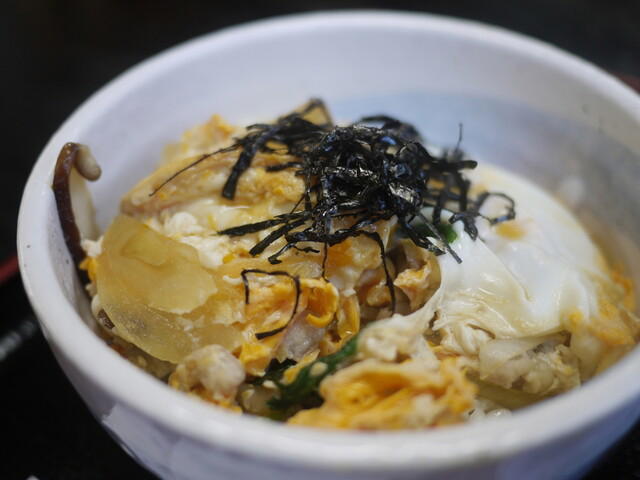
- Pork with Rice
Where Hokkaido's Larder Meets the Table
Kamikawa sits in the geographical centre of Hokkaido, ringed by the Daisetsuzan mountain range and fed by river systems that have made this sub-prefecture one of Japan's most productive agricultural zones. The region grows wheat, rice, sugar beet, and soybeans at scale, and its dairy farms supply a significant share of Japan's milk and butter. Eating in Kamikawa is not a matter of farm-to-table as a concept imported from elsewhere, it is simply what local restaurants have always done, because the alternatives required logistics that only made sense for lower-quality produce at higher cost. Asahi Shokudo operates within that inherited logic.
The Kamikawa basin is not a dining destination in the way that Sapporo or Furano draw food tourists. There are no internationally recognised restaurant clusters here, no Michelin-inspected omakase counters stacking up along a main boulevard. What there is instead is a working agricultural economy with a food culture shaped by the people who grow and process what the rest of Japan eats. A shokudo, a Japanese dining hall or canteen, is the format that fits that context most honestly: affordable, direct, ingredient-led, and built around the rhythms of local appetite rather than visiting ones.
The Ingredient Logic of Kamikawa
Hokkaido's produce identity is well-established nationally. The prefecture accounts for roughly a quarter of Japan's total agricultural output, with Kamikawa sub-prefecture contributing a disproportionate share in cereals and dairy. That agricultural density has a direct effect on regional restaurant culture: ingredients that elsewhere arrive as premium imports are here the standard commodity, which inverts the usual pricing relationship between ingredient quality and menu cost.
Cold winters and volcanic soils give Kamikawa's vegetables a particular density and sweetness, especially root crops and brassicas harvested after the first frosts. Hokkaido potatoes, specifically those grown in the central interior, are treated with a seriousness in local cooking that can seem disproportionate until you understand that the same variety sells at a premium in Ginza grocery departments. The supply chain here runs in the opposite direction: local cooks get first access, not last.
Dairy is the other constant. Hokkaido butter and fresh cream have become national benchmarks, and Kamikawa's proximity to active dairy operations means that the version available at a local shokudo has not spent a week in a refrigerated truck. This is the kind of sourcing advantage that fine-dining restaurants in Tokyo and Osaka pay considerable sums to replicate, venues like HAJIME in Osaka and Gion Sasaki in Kyoto treat Hokkaido provenance as a mark of quality worth communicating explicitly. In Kamikawa, that provenance is simply the local supply.
Shokudo as a Format: What It Means for the Meal
The shokudo format occupies a specific place in Japanese dining culture that has no clean equivalent in Western restaurant categories. It is neither a cheap diner nor a casual bistro, though it shares qualities with both. Portions tend toward generous. The menu typically runs to set meals built around rice, miso soup, a protein, and seasonal side dishes, a structure that prioritises completeness over deliberate composition. The cook's relationship with the diner is functional rather than theatrical: the food arrives because you are hungry, not because you are there to be impressed.
This directness has its own integrity. The same philosophy that produces the kaiseki precision of Harutaka in Tokyo or the ingredient-driven rigour of Goh in Fukuoka begins with the same question: what does the ingredient want to be? The shokudo answers that question without ceremony. A local potato is boiled or simmered in dashi. Pork from a nearby farm becomes a tonkatsu that does not need to advertise its provenance because there is no other provenance on offer.
For context on how ingredient-forward Japanese regional dining plays out at different price points and registers, akordu in Nara demonstrates a European-inflected version of the same sourcing logic, while 湖畔荘 in Takashima and 峰羽屋 in Nishikawa Machi represent the rural Japanese format in different regional inflections. See also our full Hokkaido (Kamikawa) restaurants guide for broader coverage of the area.
Eating in Kamikawa: Practical Orientation
Kamikawa town is accessible by JR from Asahikawa, Hokkaido's second city, with journey times under an hour on local services. Asahikawa itself connects to Sapporo via the Kamikawa express route, making the region reachable as a day trip or as a stop on a longer Hokkaido circuit. The area draws visitors primarily for Daisetsuzan National Park, which means accommodation and dining infrastructure is oriented around hikers and nature travellers rather than dedicated food tourists. Shokudo here tend to follow lunch-centred hours, with many closing by mid-afternoon; the practical advice is to plan the meal for midday rather than evening, when options in smaller towns thin out considerably.
Pricing at regional shokudo in Hokkaido typically sits well below the urban casual dining range, reflecting both local wage structures and the lower distribution costs that come from sourcing close to origin. A full set meal will generally come in at a fraction of what comparable ingredient quality would cost in a Sapporo or Tokyo casual restaurant. This is not a discount, it is a structural feature of eating at the source.
For those building a broader Japan dining itinerary, the contrast between a Kamikawa shokudo and the technically ambitious end of Japanese cuisine is worth noting. Atomix in New York City and Le Bernardin in New York City represent the global export of ingredient precision; venues like Denko Sekka in Hiroshima and Bistro Ange in Toyohashi show how regional Japan handles the same sourcing principles at different scales and formats. The shokudo sits at the base of that register, unadorned and entirely confident in what it is.
Frequently asked questions
Does Asahi Shokudo work for a family meal?
The shokudo format is one of the most family-accommodating in Japanese dining, set meals, rice-based dishes, and approachable portions are the norm rather than the exception. Kamikawa itself is a working town rather than a tourist centre, which means the clientele at a local shokudo tends to include families and regulars eating straightforward weekday meals.
How would you describe the vibe at Asahi Shokudo?
Shokudo in Japan are functional, neighbourhood-anchored spaces, closer in spirit to a French brasserie than a destination restaurant. In Kamikawa, ringed by Daisetsuzan and far from Hokkaido's tourist circuits, that means a room built around locals rather than visitors. Expect counter seating or simple tables, a menu on a board or laminated sheet, and a pace set by the kitchen rather than the reservation clock.
Is Asahi Shokudo a good option for travellers passing through Kamikawa on the JR line from Asahikawa?
Kamikawa station sits on the JR Sekihoku Line, with Asahikawa, Hokkaido's second city, under an hour away on local services, making the town a plausible stop for travellers moving between Asahikawa and the Shiretoko or Abashiri corridor. A local shokudo is the practical format for that kind of transit meal: fast, affordable, and grounded in Hokkaido's agricultural produce rather than tourist-facing menus. Confirming current hours before arrival is advisable given the town's limited dining options outside peak seasons.
What should I order at Asahi Shokudo?
Kamikawa sits at the intersection of Hokkaido's rice-growing valleys and its livestock-farming uplands, which means any shokudo drawing on local supply has access to short-grain rice, dairy-fed pork, and river fish.
How hard is it to get a table at Asahi Shokudo?
Kamikawa is not a high-footfall tourist destination, and shokudo are generally walk-in spaces operating on lunch and early-dinner cycles rather than reservation books. Demand peaks around midday when local workers and travellers passing through on the JR line from Asahikawa fill neighbourhood restaurants quickly. Arriving before noon or outside the 12:00–13:00 window is the practical approach.
| Venue | Cuisine | Price | Awards | Notes |
|---|---|---|---|---|
| Asahi ShokudoThis venue (the venue you are viewing) | Hokkaido Miso Ramen | $10–20 | Not listed | Not listed |
| HAJIME | Avant-Garde Japanese Fine Dining | $300–500 | 3 Michelin Stars · World's 50 Best #83 | French, Innovative |
| Harutaka | Edo-Style Omakase Sushi | $200–300 | 3 Michelin Stars · World's 50 Best #76 | Sushi |
| L'Effervescence | Modern French with Japanese Influences | $200–300 | 3 Michelin Stars · World's 50 Best #69 | French |
| RyuGin | Modern Kaiseki | $500+ | 3 Michelin Stars · World's 50 Best #41 | Kaiseki, Japanese |
| Crony | Modern French with Japanese Influences | $150–200 | 2 Michelin Stars · World's 50 Best #34 | Innovative, French |
Continue exploring
More in Kamikawa
Details
- Cozy
- Rustic
- Casual Hangout
- Solo
- Family
- A La Carte
Casual and welcoming atmosphere in a busy local spot popular with residents.