Arabesque
Our verdict
Arabesque sits in Madinah’s Bada’ah area, where dining is shaped by pilgrimage rhythms, hotel demand, and the city’s preference for generous, shareable meals. With no public awards, chef details, or price band attached, the smarter reading is contextual: judge it as part of Madinah’s practical restaurant culture, where sourcing, consistency, and family suitability matter more than theatrical formats.

Pearl is the En Primeur Club membership app — saves, bookings, and concierge access live there. Same editors, same standards.
- Address
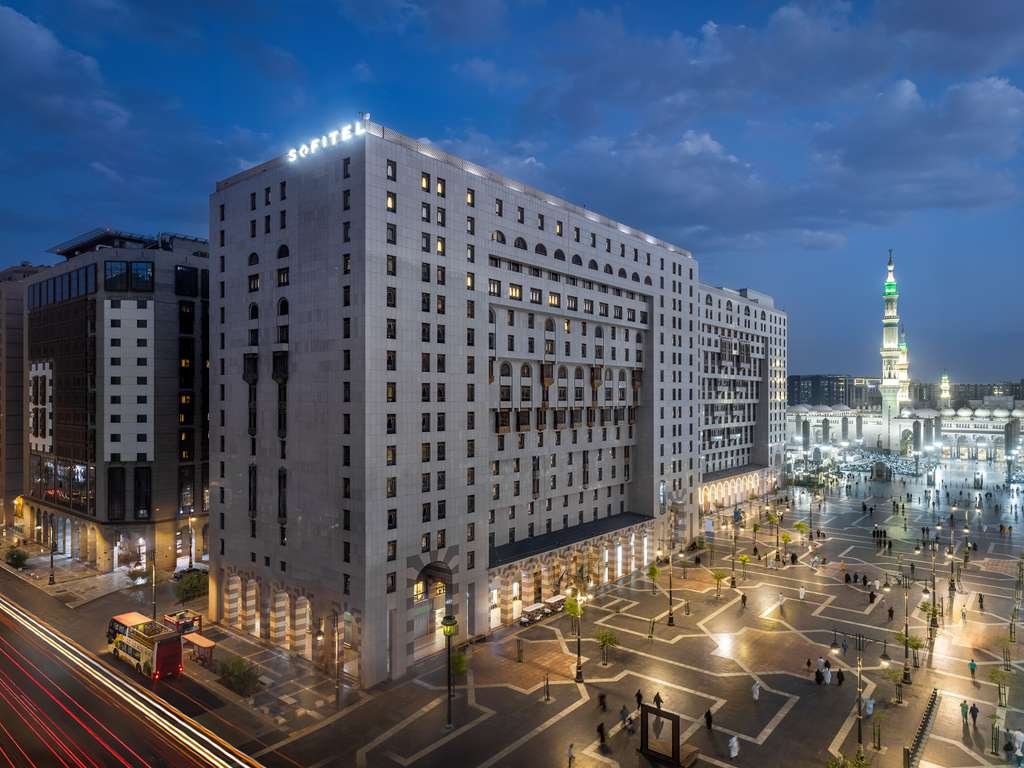
- Building, 2943 King Fahd Rd, Bada'ah, Madinah 41476, Saudi Arabia
- Phone
- +966 14 829 9999
- Website
- sofitel.accor.com
- Directions
- Get directions
The menu
What to order
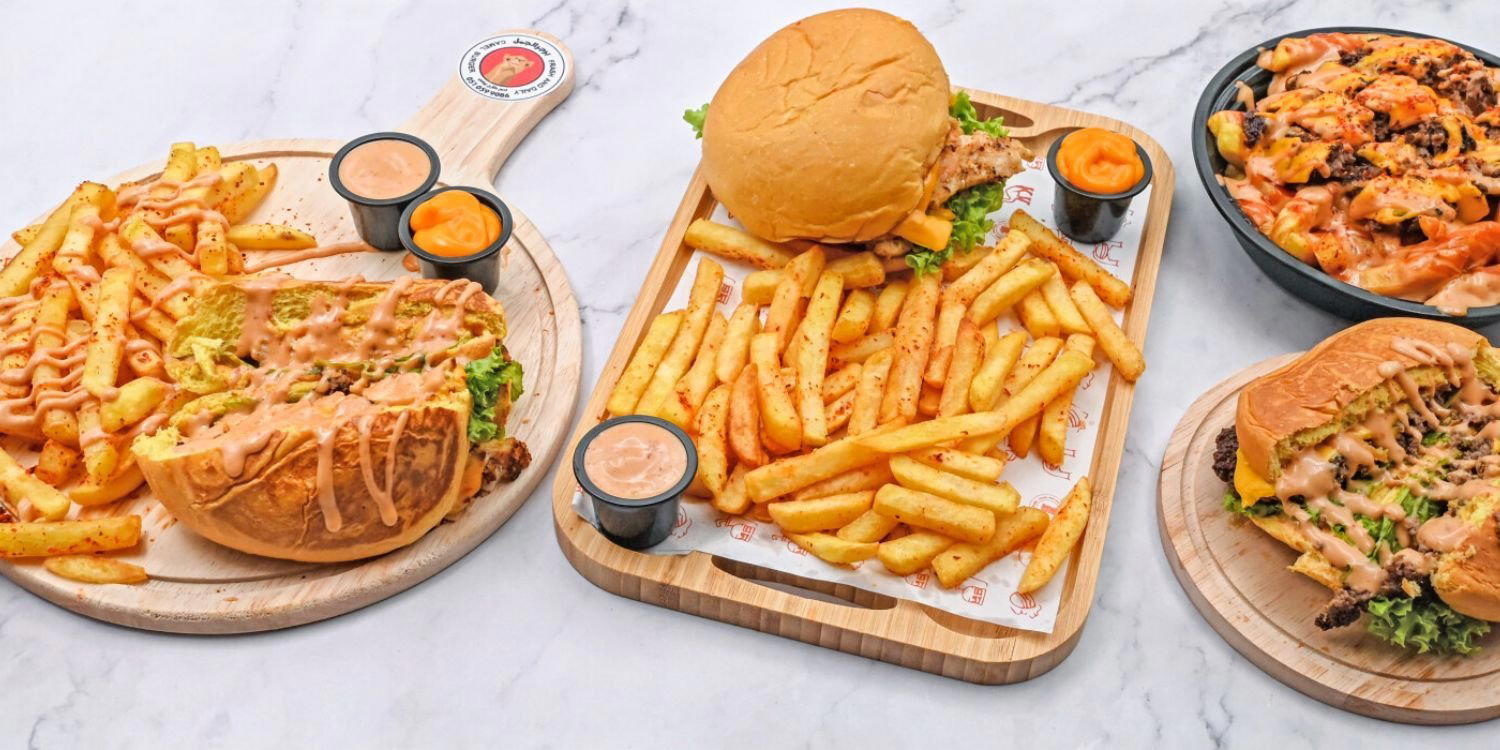
- International buffet with live cooking stations
- Middle Eastern mezze
- Grilled meats
- Arabic specialties
Approaching dining in Madinah is different from approaching it in Riyadh, Jeddah, or AlUla. The city’s restaurant rhythm is shaped by prayer times, hotel corridors, visiting families, and meals that need to satisfy mixed groups without turning dinner into a performance. In that context, Arabesque belongs to a category that matters in Madinah: restaurants where the room, the pacing, and the ability to serve a broad audience can carry more weight than chef mythology or award-chasing tasting menus.
The name suggests a broad hospitality register rather than a narrow specialist proposition, and that distinction matters in a city with a constant flow of visitors. Madinah dining often has to accommodate different expectations at the same table. The stronger restaurants in this lane tend to be judged less by novelty and more by how well they handle familiar meal formats and shared-meal pacing: service, timing, and comfort that travel across many dining contexts but change meaning depending on the room and the audience.
For a wider city read, start with Our full Madinah restaurants guide. Madinah’s hospitality economy also sits close to hotel decision-making, so Our full Madinah hotels guide is useful for understanding why restaurant demand clusters around accommodation zones. The city is not a bar-driven destination in the way some global dining capitals are, but Our full Madinah bars guide, Our full Madinah wineries guide, and Our full Madinah experiences guide help frame the broader travel context.
Madinah dining rewards ingredient discipline over spectacle
In pilgrimage cities, restaurant ambition often expresses itself through reliability. That sounds modest until a kitchen has to serve groups arriving at different hours, with different appetites, and with limited patience for elaborate explanations. The practical question becomes clear: is the meal handled with care, does the service support the table, is the pacing suited to the city, and does the experience respect the audience rather than turning every dinner into a concept?
Arabesque is better understood through that lens than through the language of destination dining. That shifts the editorial test toward the fundamentals of the category. In Madinah, a restaurant serving a broad audience has to succeed across shared meals, family pacing, and visitor expectations; a weak version feels generic, while a stronger one gives the occasion enough clarity to justify choosing it over other Madinah dining rooms.
This is where Saudi dining differs sharply by city. Riyadh can support concept-led rooms and casual formats with a more overtly branded point of view. Jeddah has its own mass-market food culture, shaped by local habits, coastal movement, and the city’s appetite for quick-service institutions. Madinah’s restaurant scene is more constrained by purpose: meals often happen between movement, prayer, rest, and family logistics. That makes consistency a serious virtue rather than a polite fallback.
The regional table is broad, but the sourcing test is local
Ingredient sourcing in Saudi Arabia is not a single story. Coastal cities, inland cities, resort destinations, and heritage locations can each produce different expectations around produce, pacing, and the way a meal is presented. Compare Madinah’s dining needs with other Saudi destinations, where resort geography, destination storytelling, or local visitor patterns can change what diners expect from a restaurant.
Madinah’s stronger food identity is quieter. The city’s restaurants serve an international audience that may be eating quickly, cautiously, or with children, and that often changes what matters at the table. Arabesque’s practical relevance is therefore tied to how the restaurant handles familiar expectations rather than whether it offers surprise. This is the kind of restaurant where quality shows itself in timing, comfort, and portion logic, not in a manifesto.
That puts it closer to Saudi Arabia’s broader regional-casual conversation than to rarefied fine dining. Other dining rooms across the Kingdom each sit in different local food economies, from mountain cities to border-town habits to eastern-city dining. The comparison is useful because it shows how Saudi restaurants are rarely interchangeable once geography, audience, and access enter the discussion.
How to read Arabesque against Saudi and international peers
Arabesque should not be measured against international specialist formats, where narrow focus is part of the appeal. Nor does it sit in the same travel psychology as restaurants in other sacred-city contexts, where proximity to religious movement can shape a different kind of dining decision. The correct frame is Madinah’s middle ground: a restaurant in a sacred city serving visitors who need comfort, clarity, and enough seriousness to make the meal feel chosen rather than merely convenient.
The useful editorial stance is simple. Choose this kind of Madinah restaurant when the priority is a composed meal in a city where group dining, familiarity, and location logic often outweigh rarity. Travellers chasing chef-led tasting menus, named rankings, or a highly documented signature dish will find stronger signals elsewhere. Travellers reading Madinah on its own terms will understand why a restaurant like Arabesque earns attention: it sits inside a dining culture where hospitality is measured by steadiness, generosity, and the ability to feed different people well at the same table.
Frequently asked questions
Is Arabesque good for families?
Arabesque is in Madinah, which makes it a straightforward option to consider for meals in the city. Families should confirm the current menu, seating, and service details with the venue before going.
What kind of setting is Arabesque?
Arabesque is a restaurant in Madinah. The available public record confirms the venue by name and city, while more specific setting details should be checked directly with the venue.
What part of town is Arabesque in?
Arabesque is located in Madinah.
Should I book Arabesque in advance?
Advance booking is sensible for restaurants in Madinah, especially during busy travel periods. The safest approach is to confirm current hours, availability, and booking requirements before arriving.
What is Arabesque known for?
Check the venue's official channels for the latest details.
How does Arabesque handle allergies?
Arabesque is in Madinah.
Fast Comparison
Comparable venues by cuisine and price in the same metro.
| Venue | Cuisine | Price |
|---|---|---|
| ArabesqueThis venue — the venue you are viewing | International & Middle Eastern Hotel Buffet | $30–50 |
Details
- Elegant
- Classic
- Scenic
- Sophisticated
- Family
- Group Dining
- Casual Hangout
- Celebration
- Private Event
- Hotel Restaurant
- Zero Proof
- Street Scene
- Buffet
- A La Carte
- Mocktails
- Fresh Juices
- Coffee Tea
- Soft Drinks
- Vegetarian Friendly
- Vegan Options
- Halal
- Pescatarian Friendly
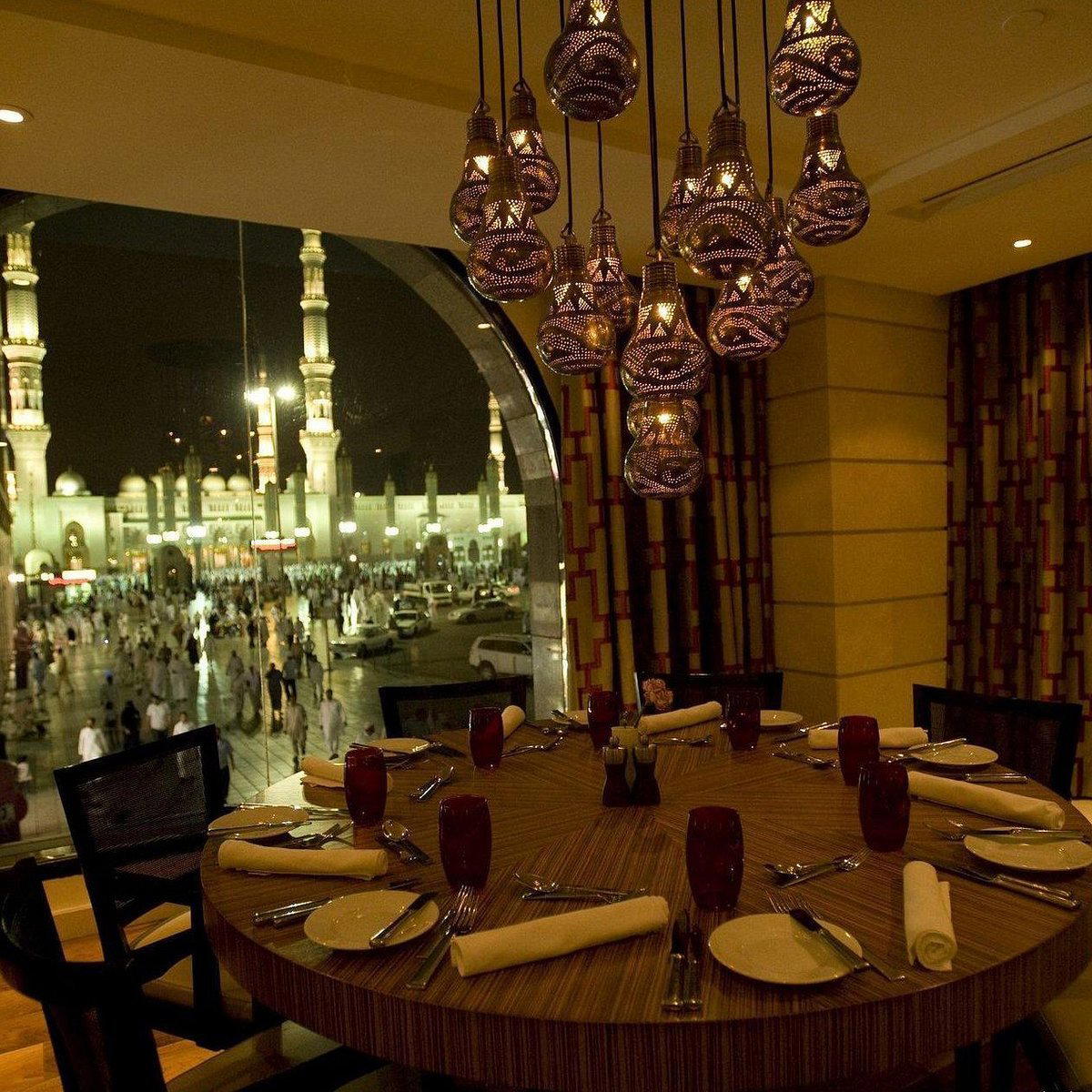
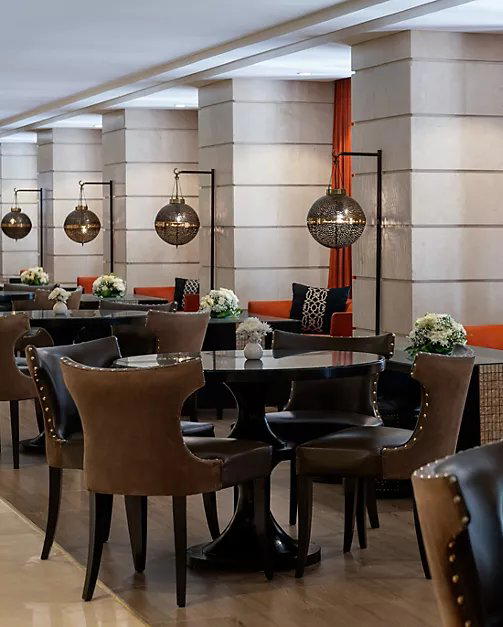
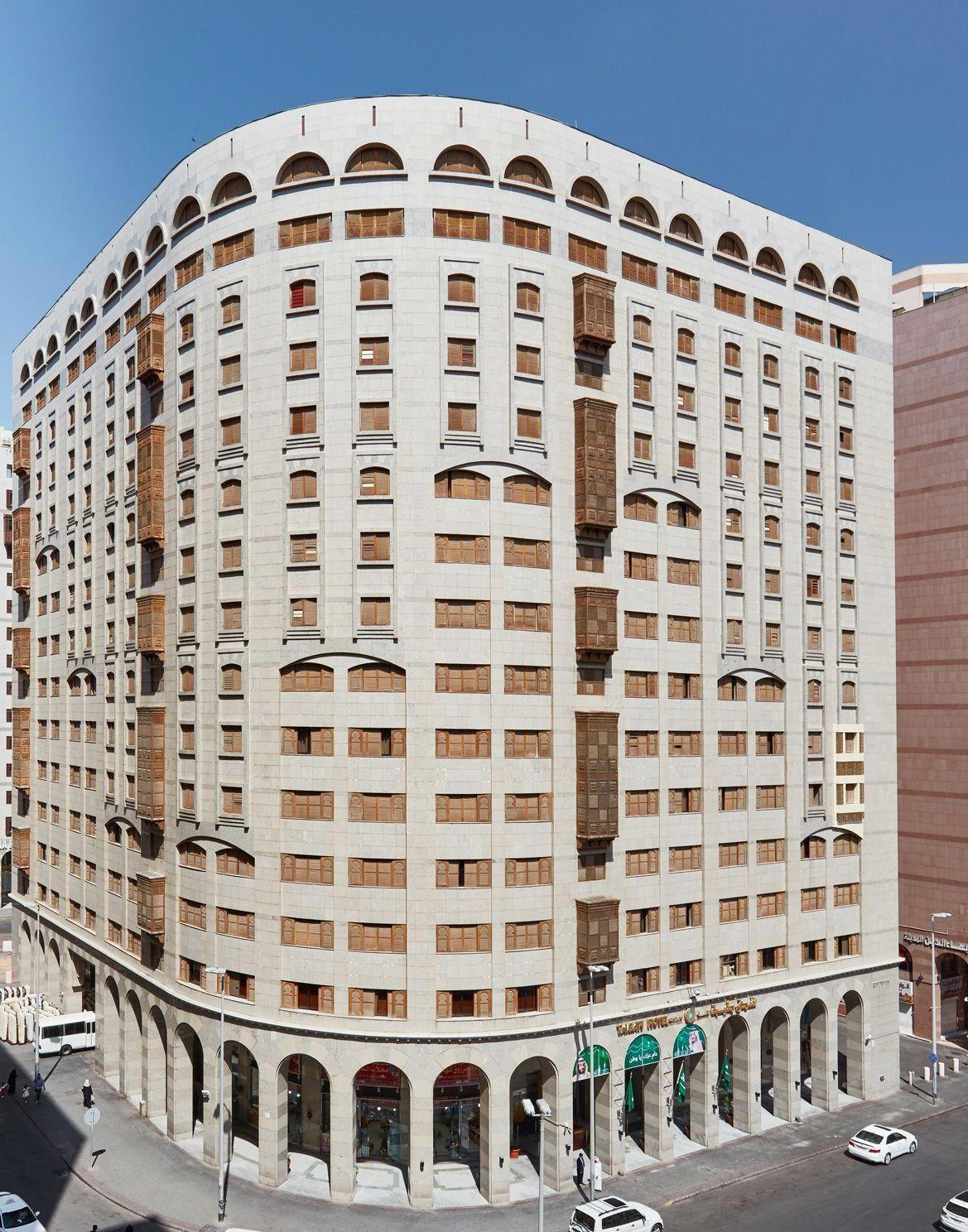
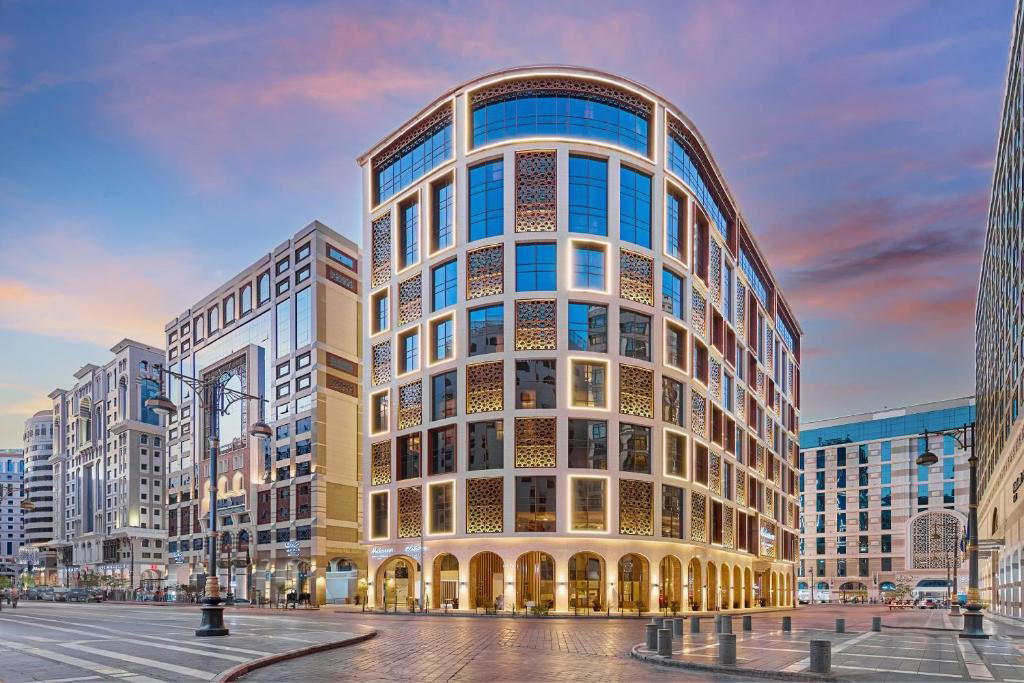
Elegant, hotel-style dining room with classic decor, comfortable and spacious seating, and a calm, family-friendly atmosphere suited to pilgrims and hotel guests.