Amelia's at The Plettenberg
Amelia's at The Plettenberg sits inside Plettenberg Bay’s polished coastal-hotel dining circuit, where the appeal is less about spectacle than about reading the Garden Route through seafood, produce, and a sea-facing sense of occasion. Treat it as a hotel restaurant for travellers who want the town’s coastal rhythm translated into a composed dining room rather than a casual beachfront stop.
Pearl is the En Primeur Club membership app — saves, bookings, and concierge access live there. Same editors, same standards.
- Address
- 40 Church St, Plettenberg Bay, 6600, South Africa
- Phone
- +27 44 533 2030
- Website
- theplettenberghotel.com
- Directions
- Get directions
 Saves & bookings on Pearl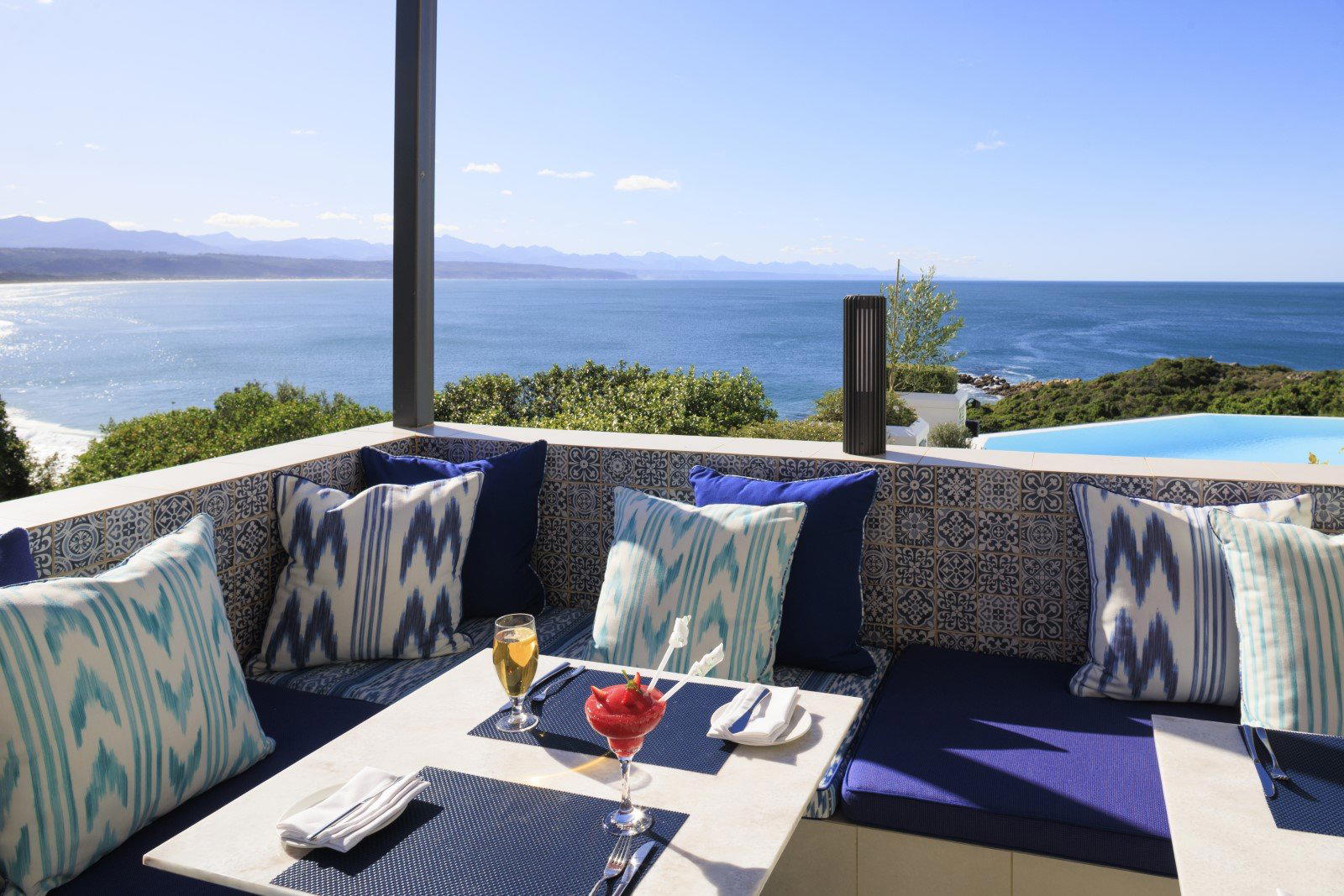
Approaching Amelia's at The Plettenberg means entering the quieter, more formal side of Plettenberg Bay: hotel corridors, sea air, and the sense that dinner is tied to the headland as much as to the plate. In a town better known for beaches, lagoons, and long lunches after a morning outdoors, this kind of dining room plays a different role. It gives the Garden Route a polished frame, useful when the evening calls for linen, conversation, and a kitchen expected to understand coastal produce without turning it into theatre.
Plettenberg Bay’s food culture is shaped by proximity. The ocean is not a decorative backdrop here; it sets expectations. Restaurants in this part of the Western Cape are judged on how intelligently they handle seafood, seasonal vegetables, and the lighter appetite of a coastal itinerary. That makes ingredient sourcing the real test. A hotel dining room can either flatten the region into generic luxury, or it can let the bay, farms, and travelling clientele define a calmer register. Amelia's at The Plettenberg belongs in that second conversation, where the question is not novelty but whether the meal feels anchored to place.
A coastal hotel dining room in a town built around appetite and weather
Plettenberg Bay does not eat like Cape Town, and it should not try to. The town’s rhythm is smaller, more seasonal, and more dependent on weather: beach mornings, boat trips, forest drives, and early evenings that can turn from sunlit to wind-cooled quickly. Dining rooms attached to serious hotels need to absorb that rhythm. They serve visitors who may want a composed dinner after a day outside, but they also sit in a local circuit where informality has real value.
That tension is what makes the category interesting. Casual coastal restaurants can lean on views and speed; destination hotel restaurants have to justify the slower tempo. The stronger ones do it through restraint: produce-led cooking, a wine list shaped for travellers, and service that lets the setting carry part of the experience. Nearby, Zinzi represents another side of the Plettenberg Bay restaurant conversation, with a more explicitly destination-driven identity. Amelia's at The Plettenberg reads as the formal counterpoint, better suited to diners who want the bay’s sense of place without leaving the hotel-dining register.
For broader planning, Our full Plettenberg Bay restaurants guide is the useful companion, because the town rewards matching venue to day rather than chasing a single headline meal. The same logic applies across a stay: Our full Plettenberg Bay hotels guide helps separate coastal grand hotels from smaller stays, while Our full Plettenberg Bay bars guide, Our full Plettenberg Bay wineries guide, and Our full Plettenberg Bay experiences guide map the rest of the day around the meal.
Why sourcing matters more here than menu theatrics
Ingredient-led dining in Plettenberg Bay has a different burden from the same language in a major city. In Cape Town or Johannesburg, provenance can become a dining-room argument; on the Garden Route, it is closer to common sense. The coastline, nearby farms, and Western Cape wine culture create a natural expectation that menus should feel fresh, measured, and regionally literate. A room in this tier gains credibility when the cooking does not drown that setting in imported signals of status.
That is also why comparison with broader South African dining helps. Farm-linked restaurants such as Babel Restaurant in Paarl and Babylonstoren in Simondium make sourcing visible through estate agriculture. Coastal hotel dining, by contrast, often works more quietly: fish, vegetables, wine, and service have to cohere without the narrative machinery of a working farm. In Hermanus, Birkenhead House Restaurant in Hermanus sits in a comparable coastal-hotel lane, while Bites Beach Cafe in De Hoop Nature Reserve shows the looser end of the nature-reserve dining spectrum.
South Africa’s premium dining map is broad enough that not every serious meal needs the same language. 1800 in Cape Town and Aduna Bistro in Johannesburg speak to metropolitan dining patterns; 96 Winery Road Restaurant in Raithby belongs to the wine-country tradition; African Boma in Thornybush Game Reserve, Baralong Kraal in Hartbeestfontein, and Boma in Paterson point toward safari and rural formats. The restaurant is not competing with all of them directly. Its clearer role is as a composed Garden Route dining room where the setting asks for polish, but not excess.
How to place it within a Plettenberg Bay stay
The right use-case is a settled evening rather than a quick meal between activities. Plettenberg Bay rewards travellers who avoid over-scheduling dinner after a full coastal day; a hotel dining room with a more composed atmosphere works better when the table is treated as the night’s main plan. Families, couples, and multi-generation groups will read the room differently, but the shared appeal is convenience without reducing the meal to convenience.
For travellers building a South Africa itinerary, the restaurant also helps explain why Plettenberg Bay should not be treated as a minor pause between Cape Town and safari country. The town has its own dining grammar: sea-facing, produce-conscious, and more relaxed than the country’s city restaurants. International comparisons can be misleading here. A tightly focused sake bar such as Jōdo Saké Bar in Los Angeles or a compact Japanese casual format like Onigiri Time in Pasadena operates through specialization; the restaurant works through setting, pacing, and the expectation that regional ingredients should carry the meal without heavy explanation.
Fast Comparison
Comparable venues by cuisine and price in the same metro.
| Venue | Cuisine |
|---|---|
| Amelia's at The Plettenberg | This venue |
Continue exploring
More in Plettenberg Bay
Restaurants in Plettenberg Bay
Browse all →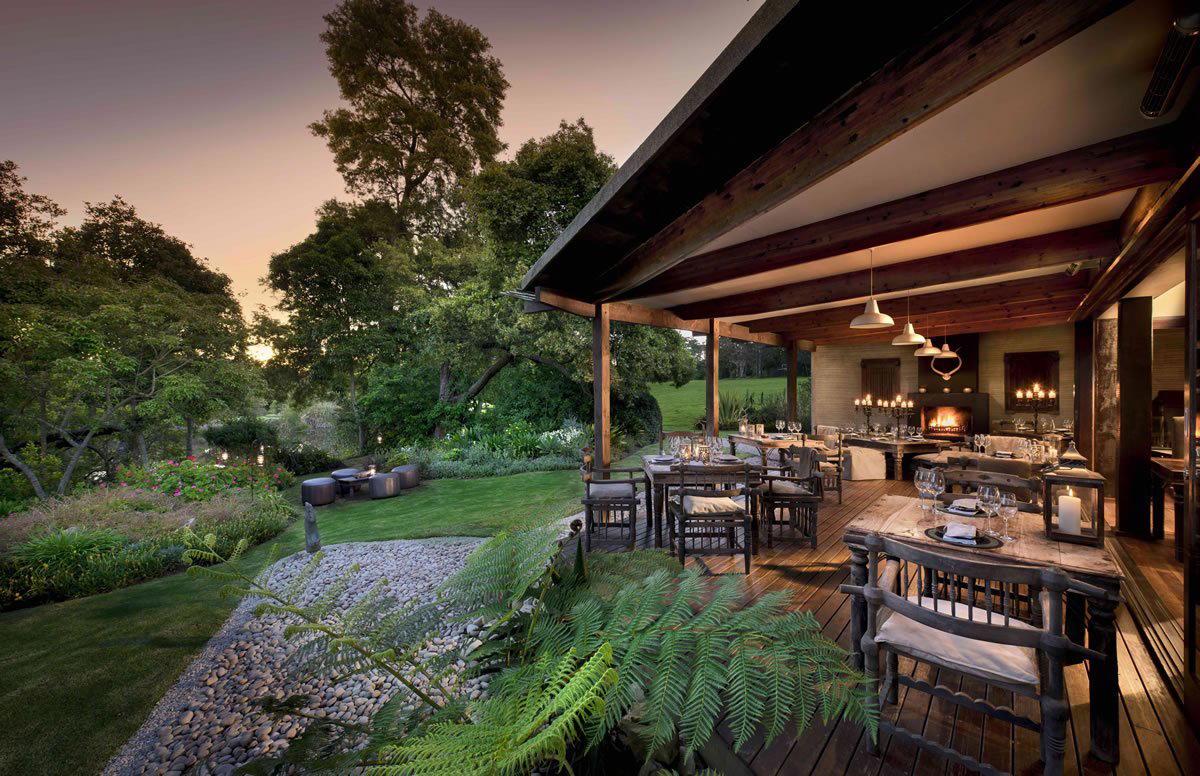
Bars in Plettenberg Bay
Browse all →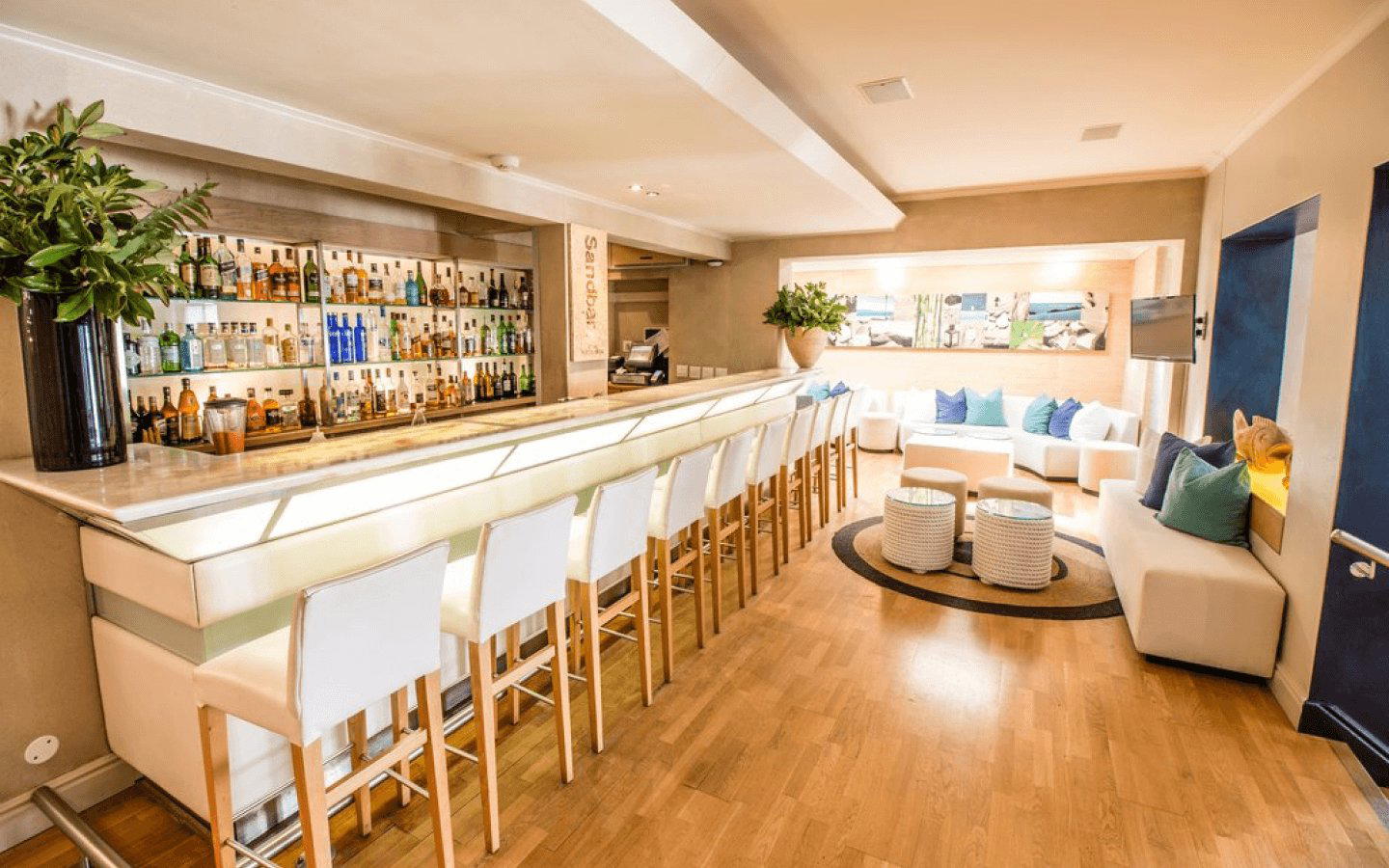
At a Glance
- Scenic
- Elegant
- Romantic
- Sophisticated
- Date Night
- Special Occasion
- Business Dinner
- Group Dining
- Waterfront
- Terrace
- Panoramic View
- Hotel Restaurant
- Extensive Wine List
- Local Sourcing
- Sustainable Seafood
- Waterfront
Current opening hours
- Monday
- 7 AM–9:30 PM
- Tuesday
- 7 AM–9:30 PM
- Wednesday
- 7 AM–9:30 PM
- Thursday
- 7 AM–9:30 PM
- Friday
- 7 AM–9:30 PM
- Saturday
- 7 AM–9:30 PM
- Sunday
- 7 AM–9:30 PM
Hours can change for holidays and private events. Last verified .
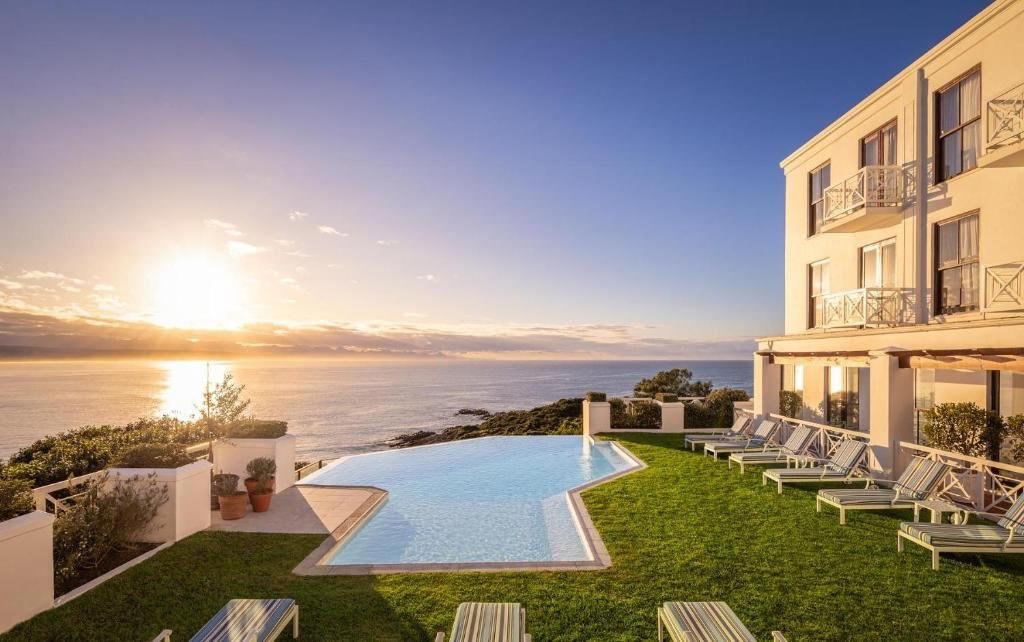
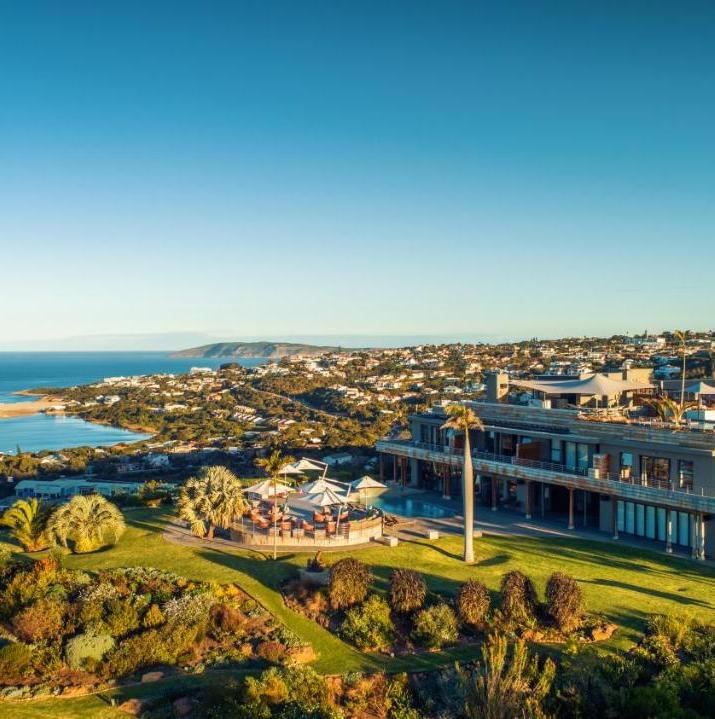
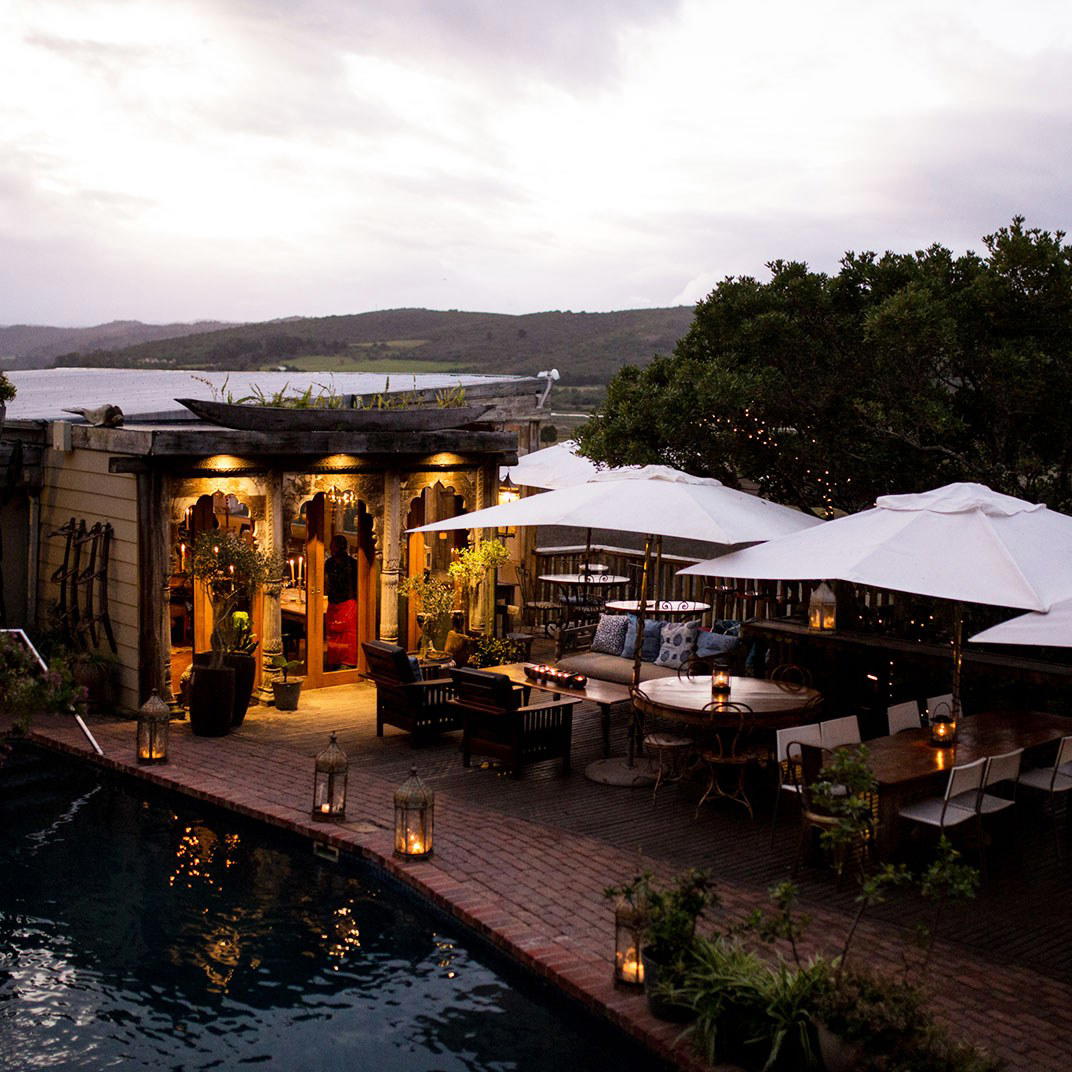
Refined yet relaxed coastal atmosphere with sophisticated decor, soft hotel-restaurant lighting, and a calm, ocean-facing dining room that transitions seamlessly to an al fresco patio overlooking the bay.