Amala
Amala sits on the water’s edge at Madinat Jumeirah, placing it inside one of Dubai’s densest hospitality precincts rather than a stand-alone dining address. The draw is less about a documented chef narrative or awards trail and more about how a waterfront room functions in a city where service rhythm, hotel infrastructure, and setting often shape the meal as much as the kitchen.
Pearl is the En Primeur Club membership app — saves, bookings, and concierge access live there. Same editors, same standards.
- Address
- Madinat Jumeirah - King Salman Bin Abdulaziz Al Saud St - Al Sufouh 1 - Dubai (water's edge)
- Directions
- Get directions
 Saves & bookings on Pearl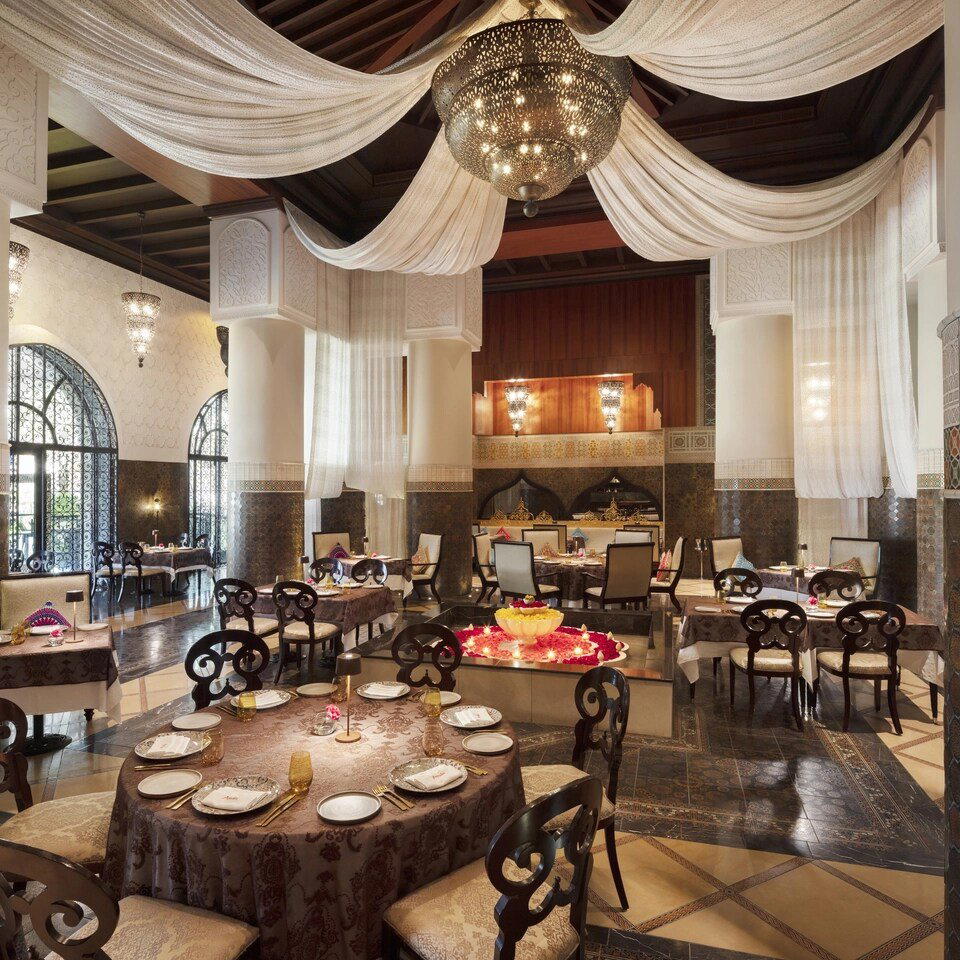
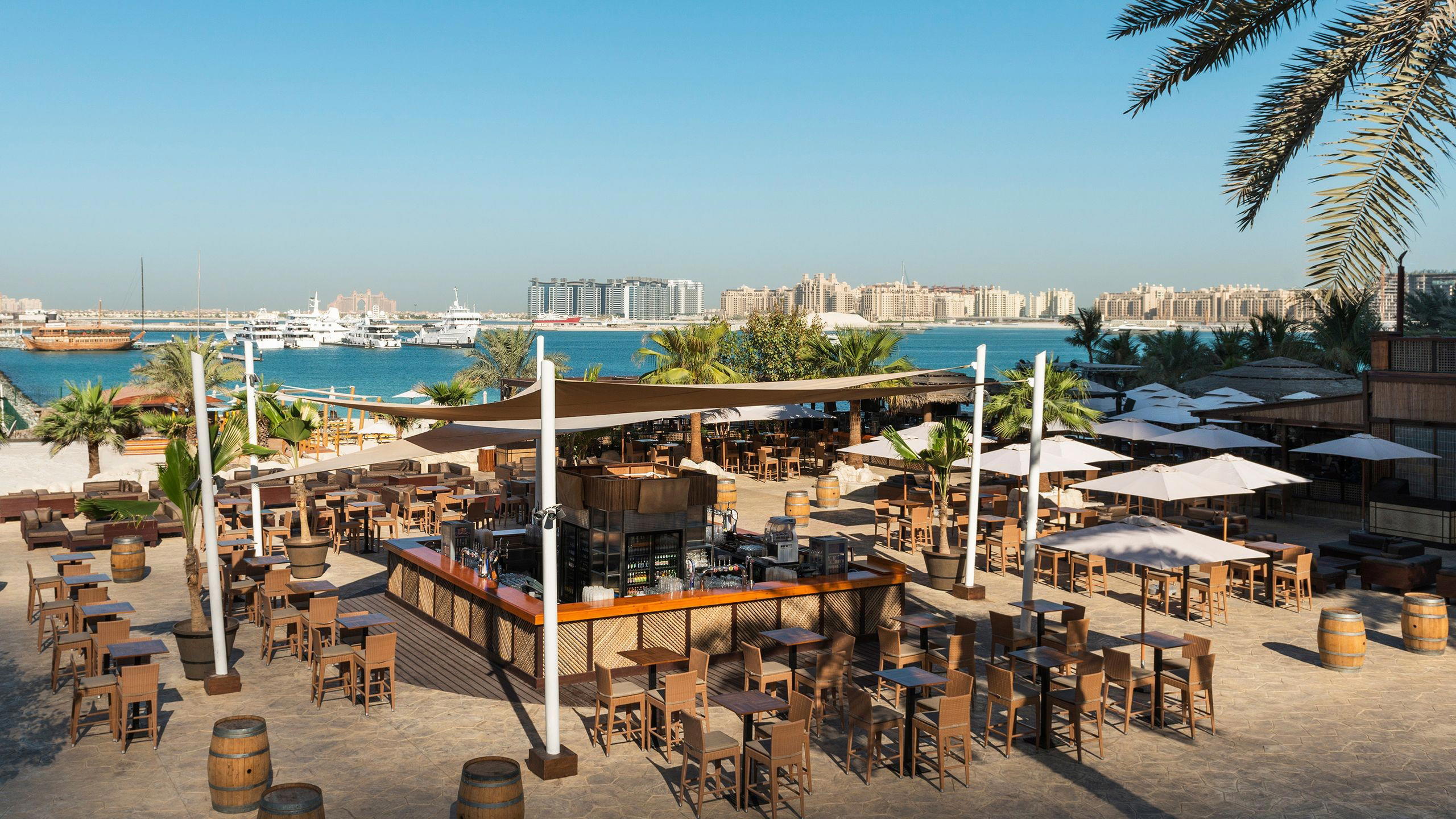
Approaching the water’s edge in Dubai, the first cue is spatial rather than culinary: low-rise resort architecture, canal traffic, polished service, and the particular hush that Dubai engineers around its premium dining rooms. In this city, restaurants are rarely judged on cooking alone. The room, the handoff between host and floor, the pacing from arrival to first course, and the way a table reads the water after dark all become part of the format.
That matters because Dubai’s restaurant culture has developed around two overlapping markets. One is destination dining, visible in rooms with strong culinary positioning, tasting-menu structure, and award language. The other is hotel-anchored social dining, where consistency, setting, and front-of-house control carry equal weight. Amala belongs to the latter conversation by location and format signal: a water-edge dining room in Dubai, where the surrounding infrastructure already sets a high baseline for arrival, service, and guest management.
A water-edge room in Dubai's hotel-dining circuit
Dubai works as a dining city because it compresses resort circulation, waterfront views, and multiple restaurant styles into a compact luxury circuit. That creates a different decision than choosing a standard street-front restaurant elsewhere in the city. Here, the question is not only what is on the plate; it is whether the evening needs a contained, polished setting with enough atmosphere to carry a long dinner without moving between venues.
Within that frame, Amala is better understood as part of Dubai’s resort-dining grammar than as a chef-profile address. The supplied public record does not give a specific chef name, price range, seat count, founding year, or tasting format, so the stronger editorial read comes from context: a dining room in a high-control hospitality environment where the kitchen, floor team, and setting have to operate as one unit. In Dubai, that coordination is not decorative. It is the difference between a room that feels engineered and a room that feels merely expensive.
The comparison set nearby is useful. Atrangi by Ritu Dalmia brings a more authorial restaurant identity into the same city conversation, while French Riviera and Pierchic show how waterfront positioning can be translated into highly polished occasion dining. Taverna Greek Kitchen - Souk Madinat Jumeirah and Trattoria point to the more casual side of the wider Dubai dining mix. Against that mix, Amala reads as a choice for guests who want the water-edge setting first, then a dining room whose appeal depends on calm orchestration rather than a single public hook.
Service choreography matters more than chef mythology
The assigned story here is team dynamic, and Dubai is one of the few cities where that angle is not a secondary detail. Large hospitality precincts rely on tight collaboration between kitchen, service, and reception because the guest mix changes by hour: residents, hotel guests, families, business dinners, and travellers folding dinner into a wider evening. A restaurant at the water’s edge has to handle arrival flow, table turns, pacing, and dietary communication with the discipline of a polished operation, not the looseness of a neighbourhood bistro.
That is also why a missing chef headline is not automatically a weakness in this category. In chef-driven dining, absence of authorship can make a room hard to read. In hotel-anchored dining, the more useful test is whether the experience feels joined up: menu scope matched to service capacity, beverage advice that does not slow the room, and front-of-house timing that respects both leisure diners and time-sensitive guests. The venue’s public-facing identity gives less to parse than Dubai’s better-documented destination restaurants, but its setting makes the operating brief clear.
Dubai’s broader dining field sharpens the point. Contemporary cooking, comfort-led rooms, compact counters, and hotel restaurants all sit in the same search path for visitors planning a few meals in the city. For broader context, compare the city’s range through other Dubai dining rooms and counters, from polished hotel venues to smaller-format restaurants. That spread shows how far Dubai has moved beyond generic luxury dining into sharper formats, even when a specific room trades more on location and service polish than on public culinary mythology.
How to place it in a Dubai itinerary
The useful way to schedule Amala is by occasion. It suits a Dubai evening when the setting is part of the plan and a tightly managed dining environment matters. It is less suited to travellers chasing a named chef, a published ranking, or a documented tasting-menu structure, because those are not the signals attached to this listing. That distinction is practical, not dismissive: Dubai has enough restaurants that choosing by format is more reliable than choosing by adjective.
For travellers building a wider route, the contrast beyond a single Dubai dinner is instructive. Other dining rooms across the region map a landscape where resort dining, city restaurants, desert hospitality, and hotel-led formats operate with different expectations. That spread is the better lens for understanding Dubai: a single meal can be about cuisine, but the city often makes the room, setting, and service model part of the value calculation.
Use Amala when the brief calls for Dubai’s water-edge atmosphere and a composed hospitality setting. For category research beyond one dinner, start with Our full Dubai restaurants guide, then widen the trip through Our full Dubai hotels guide, Our full Dubai bars guide, Our full Dubai wineries guide, and Our full Dubai experiences guide. For cross-city context outside the UAE dining frame, smaller-format food cultures elsewhere show how different they can feel from Dubai’s hotel-dining machine.
How Amala Dubai compares with similar nearby venues.
| Venue | Cuisine | Price |
|---|---|---|
| Atrangi by Ritu Dalmia | Indian | $$ |
| French Riviera | French | $$$ |
| Pierchic | Italian | $$$$ |
At a Glance
- Elegant
- Classic
- Ornate
- Romantic
- Date Night
- Business Dinner
- Family
- Celebration
- Special Occasion
- Group Dining
- Waterfront
- Hotel Restaurant
- Waterfront
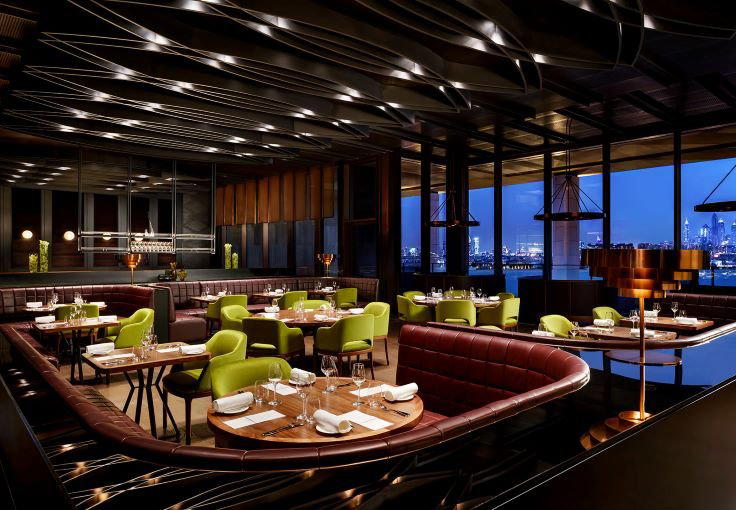
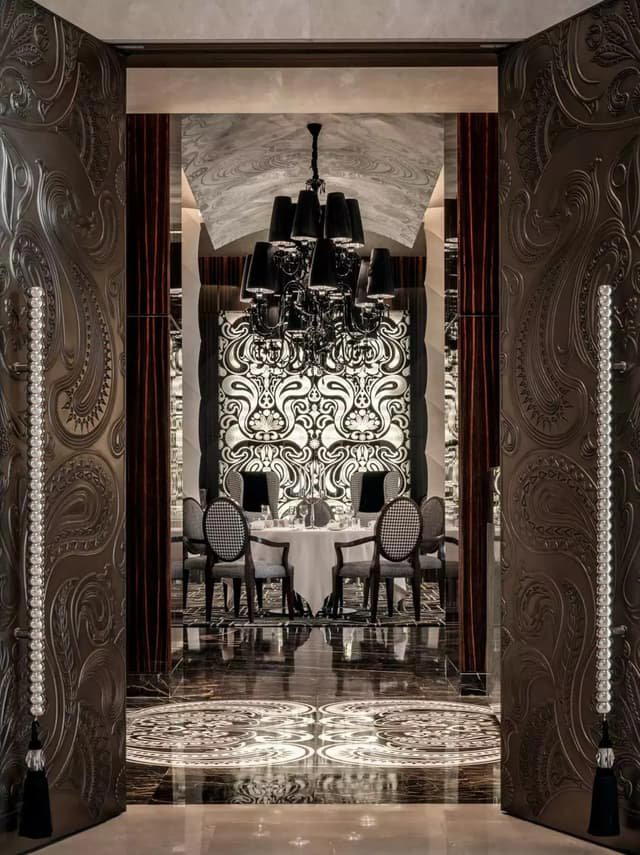
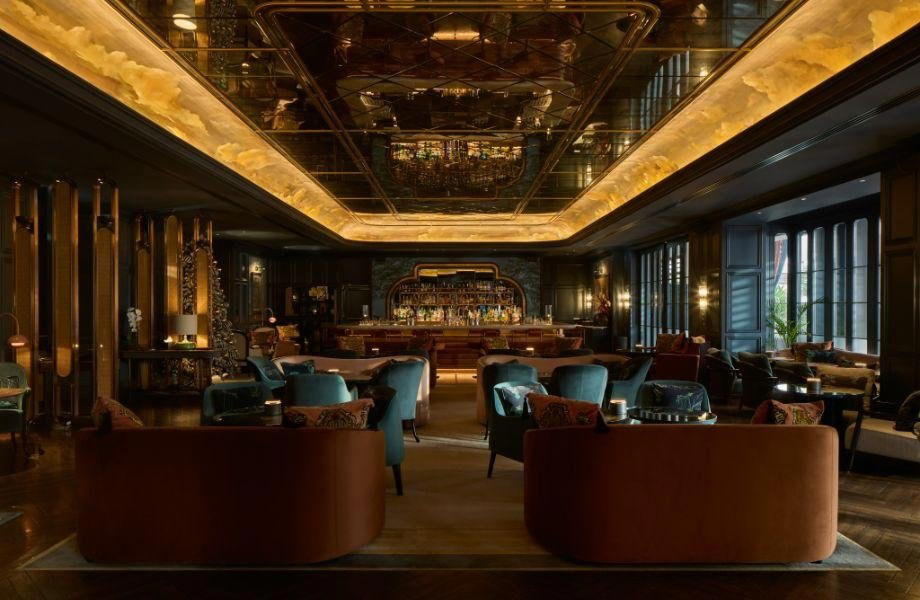
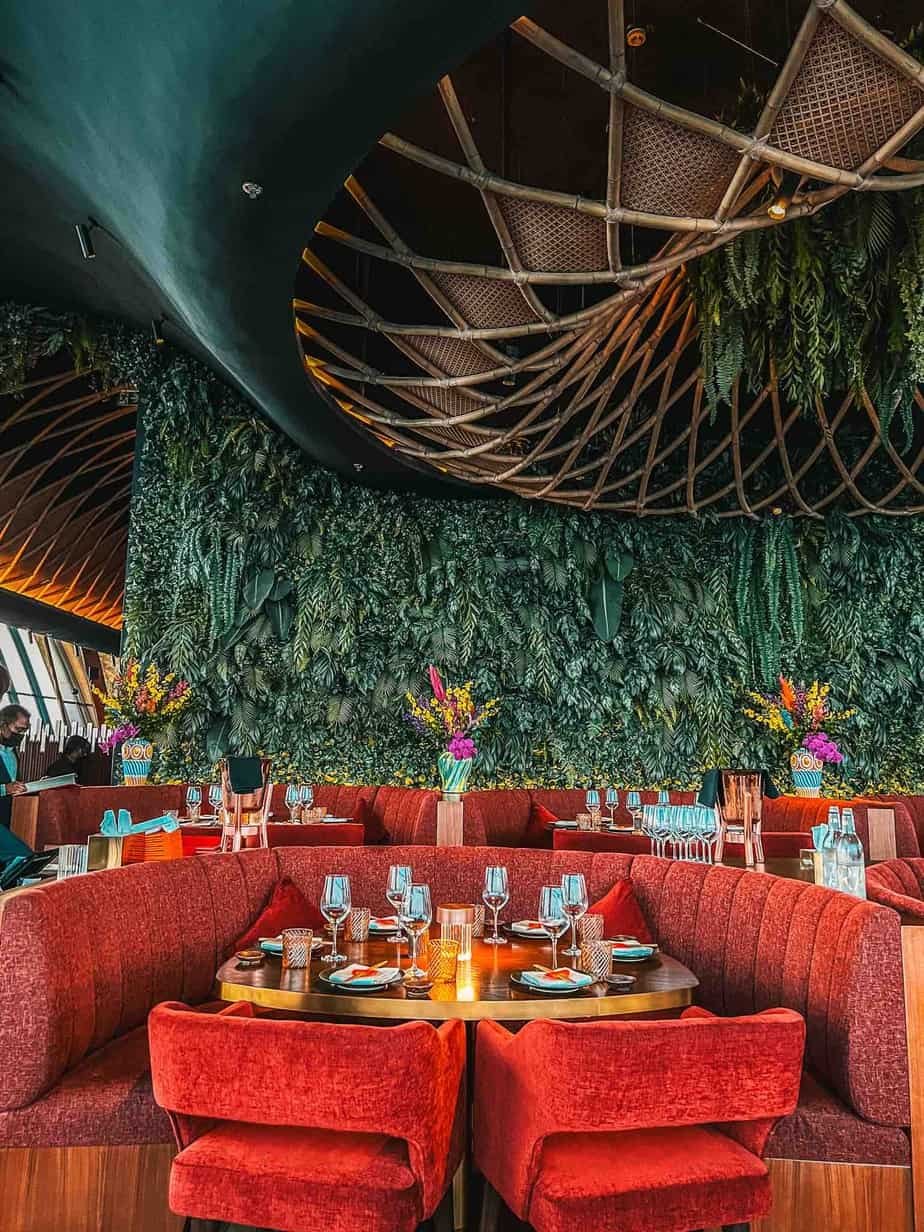
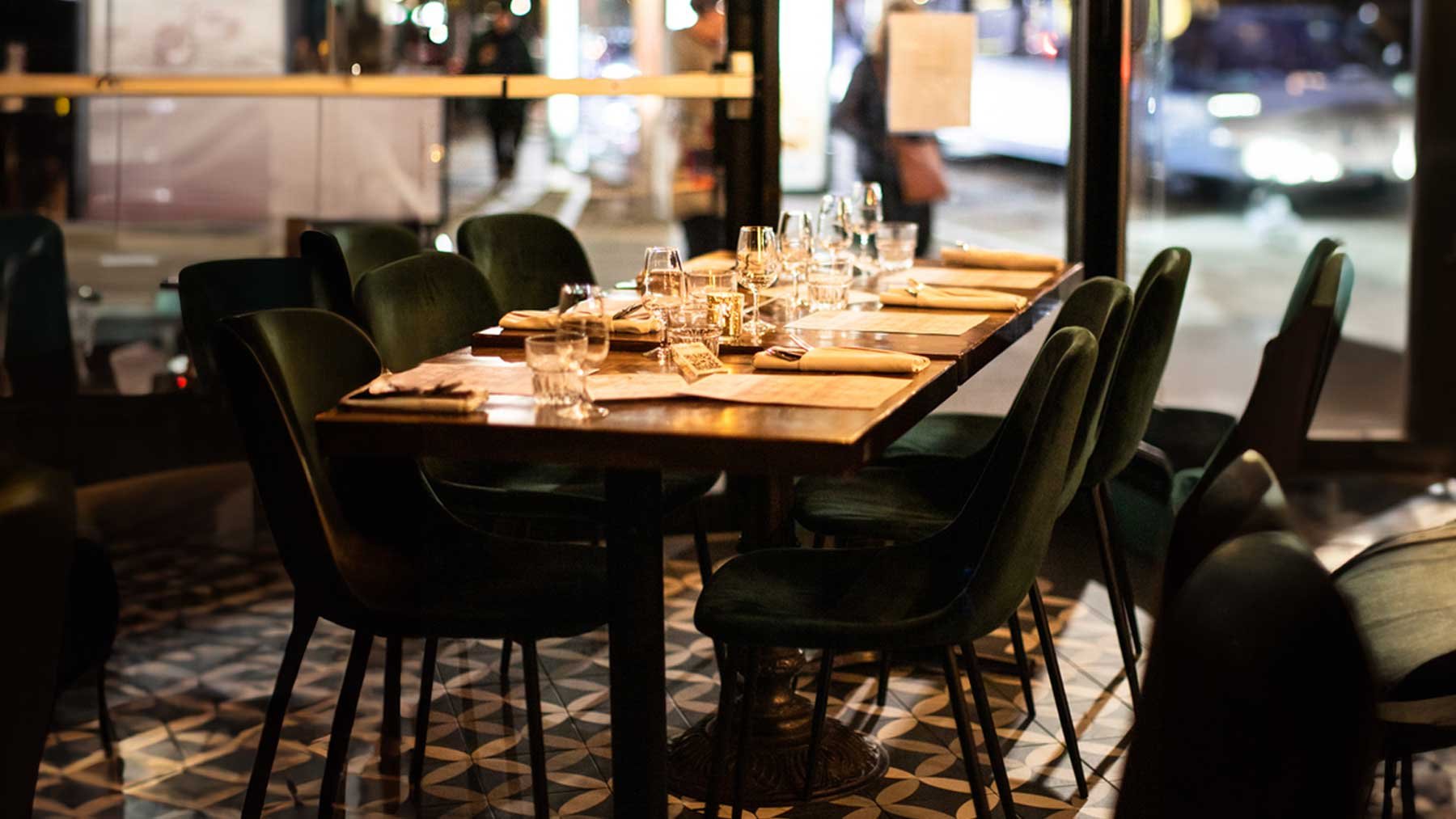
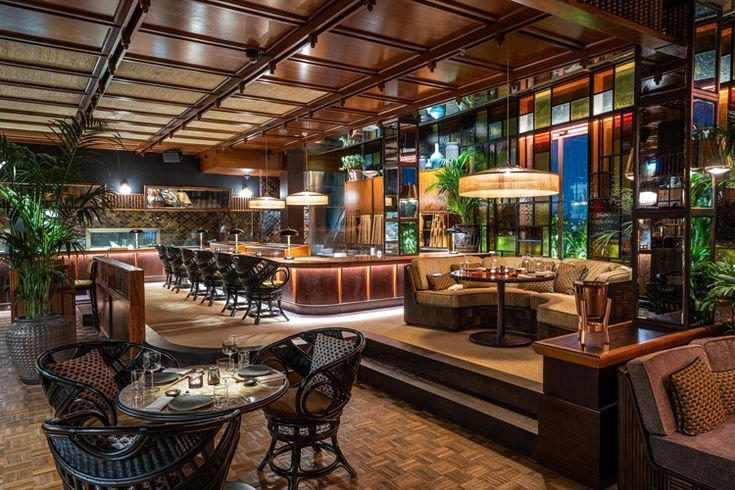
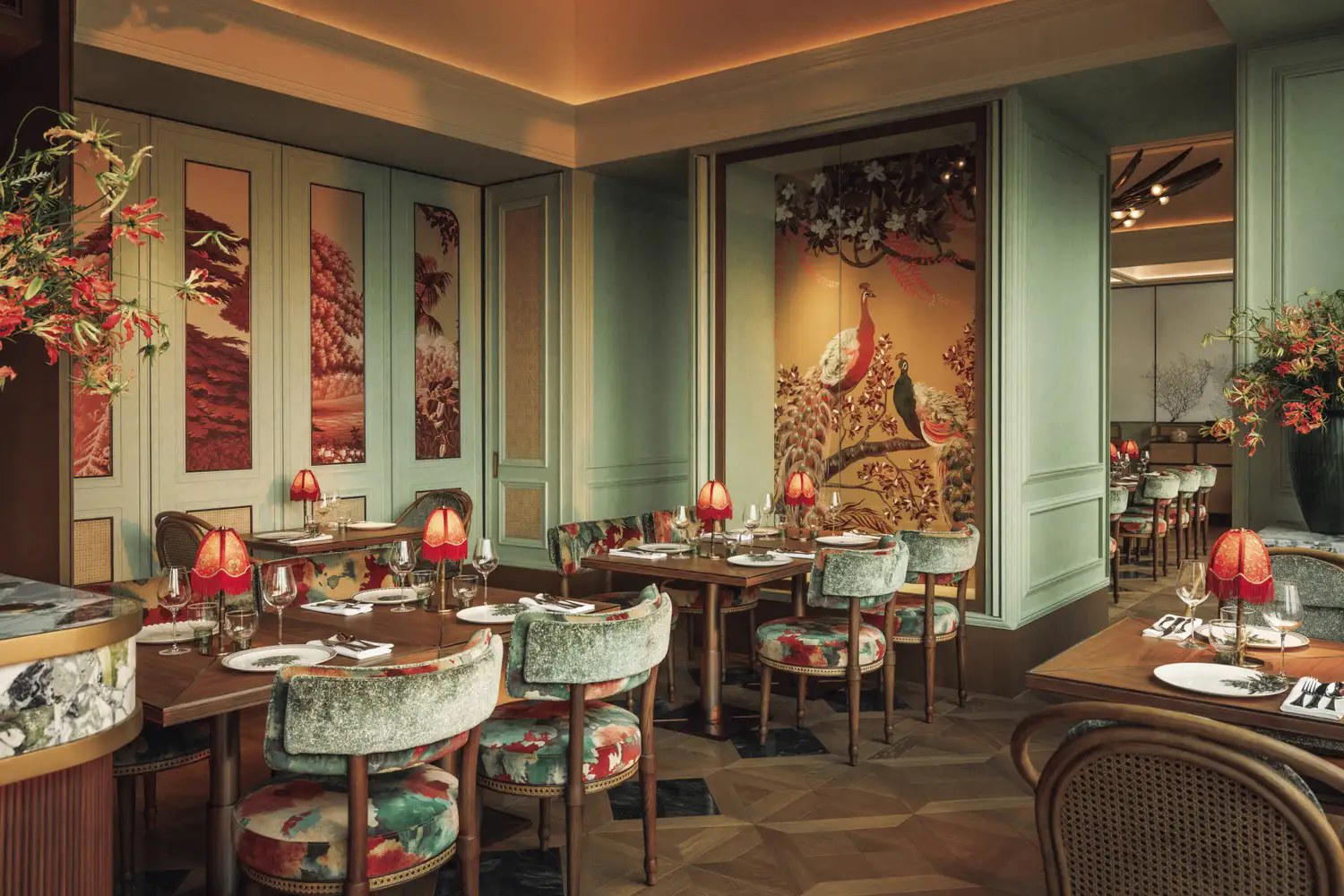
Upscale and ornate hotel-restaurant setting with classic Indian decor, soft lighting, and a calm, refined atmosphere suited to leisurely dinners and special occasions.
Know Before You Go
- Reservations
- Recommended
- Dress code
- Smart casual
- Getting there
- Madinat Jumeirah - King Salman Bin Abdulaziz Al Saud St - Al Sufouh 1 - Dubai (water's edge)