Almanac


Michelin Bib Gourmand
Our verdict
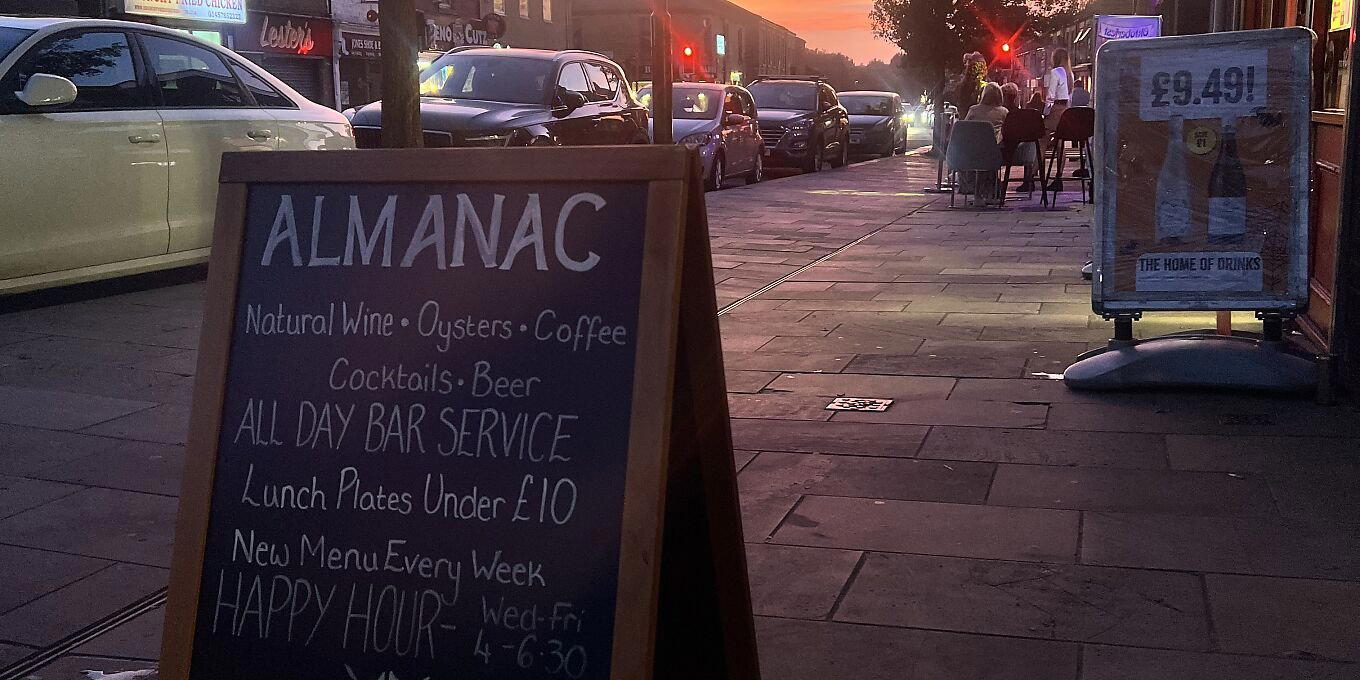
Almanac on Glossop's High Street West operates as a bar and restaurant in one room, with a concise wine list, classics-with-a-twist cocktails, and a small plates menu that leans into traditional British cooking. The slow-braised Roscoff onions in chicken broth and the custard tart have drawn particular attention. For a market town of this size, the kitchen's confidence with its sourcing choices is notable.

Pearl is the En Primeur Club membership app, where members save venues, book tables and use the concierge.
The menu
What to order
- Orbs_of_of_joy
- Mince_on_dripping_toast
- Custard_tart
Traditional cooking in a Peak District market town
Glossop sits at the western edge of the Peak District, where the moorland plateau drops toward Greater Manchester and the high street retains the functional character of a working market town rather than the polished tourism infrastructure of places like Bakewell or Castleton. That context matters when assessing what Almanac is doing at 54 High Street West. The gap between what a town like this might reasonably support and what Almanac actually delivers is wider than most visitors expect.
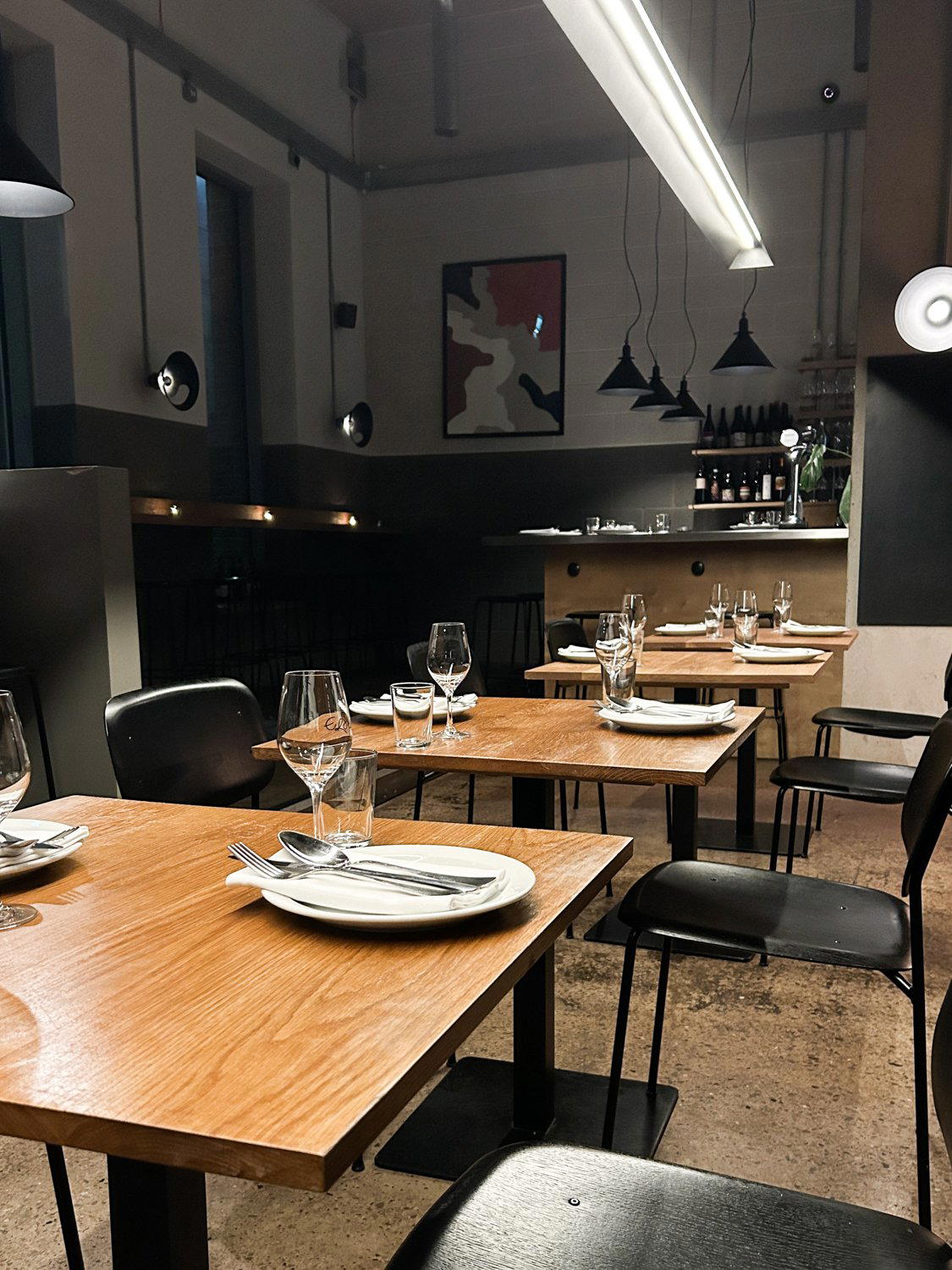
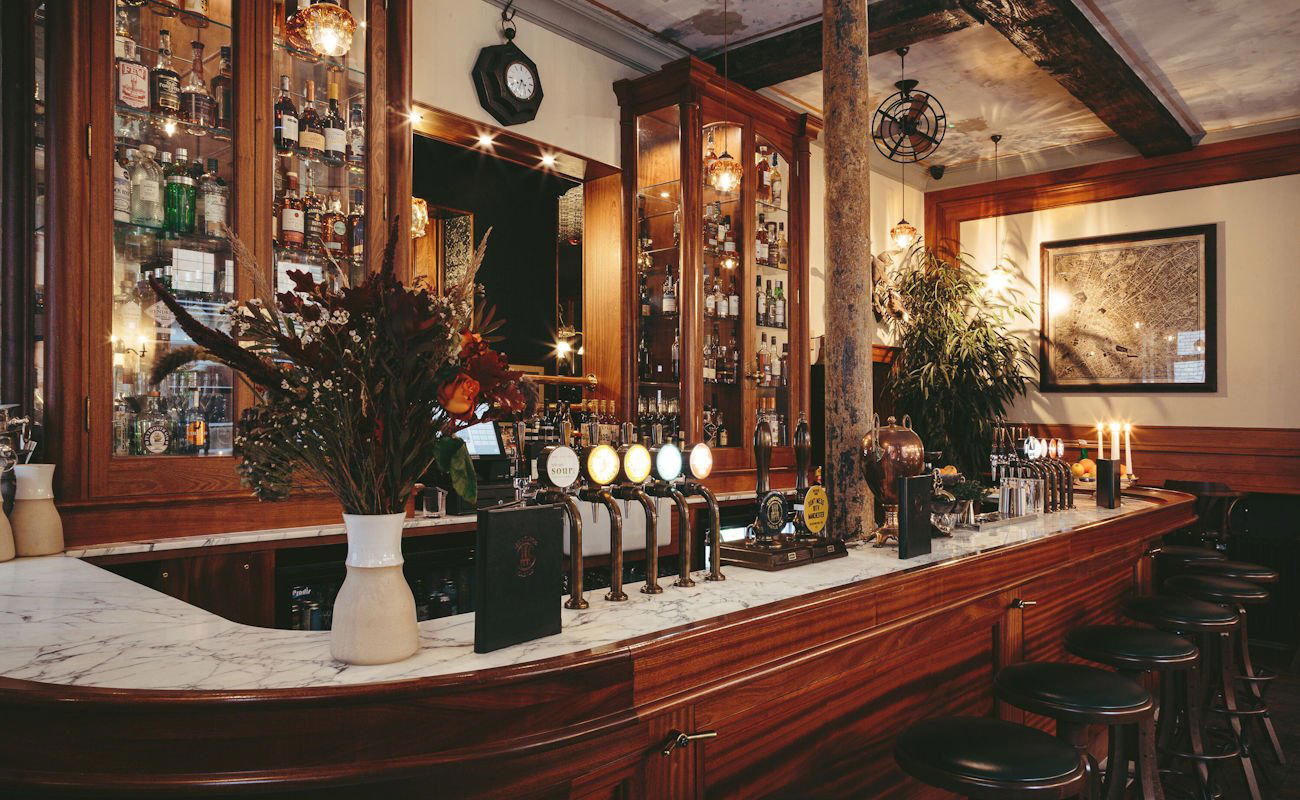
The format is a bar and restaurant sharing the same space, a model increasingly common in smaller British towns where standalone dining rooms struggle with mid-week covers and a combined offering smooths the economics. At Almanac, the arrangement works in both directions: the drinks program earns its own attention rather than serving as a waiting room for the kitchen, and the food is serious enough to hold the room when the bar trade quiets.
A drinks list built on restraint
The wine list is concise by design rather than limitation. In British provincial dining, a short, well-edited list typically signals more confidence than a thick binder of safe international labels. The cocktail selection follows a similar logic, described as classics-with-a-twist, which in practice means a program rooted in recognisable templates but reworked rather than replaced. For a Derbyshire market town, that level of drinks curation sits well above the local average. If you are looking for the broader hospitality picture in the area, our full Glossop bars guide maps out the options.
Where the ingredients do the talking
Editorial angle that makes Almanac worth writing about is its sourcing instinct. The small plates menu is described as unashamedly traditional, and that word choice is doing real work. In a period when British menus frequently announce their local credentials with elaborate prose, Almanac's approach is quieter and more materially grounded. Mince on dripping toast does not need a paragraph of provenance copy to make its case; the dish succeeds or fails on the quality of the beef fat and the mince itself, and the kitchen's willingness to put it on the menu suggests a confidence in the supply chain behind it.
Dripping toast as a format is almost pre-war British cooking, the kind of thing that appears in Elizabeth David's early writing as everyday rather than celebrated. Its presence on a contemporary small plates menu in Derbyshire is partly a statement about comfort and accessibility, but it also signals an ingredient-led philosophy: if you cannot source beef fat worth eating on its own terms, the dish does not work. There is no technical elaboration to carry poor raw material.
The same logic applies to what the kitchen calls Orbs of Joy, slow-braised Roscoff onions cooked in rich chicken broth. Roscoff onions are a specific variety from Brittany, distinct enough in their sweetness and texture that they have protected designation of origin status in France. Using them in a slow braise is a decision that respects what the ingredient does leading: long, moist heat softens their natural sugar into something closer to a savory jam while retaining structural integrity. The dish name is informal, but the underlying sourcing and technique are precise. Choosing a designated French onion variety for a dish served in a Derbyshire pub-restaurant is the kind of ingredient specificity that separates kitchens that cook with whatever arrives from those that specify.
For context on how different the sourcing philosophy looks at the higher end of the British restaurant spectrum, consider venues like L'Enclume in Cartmel, where the kitchen operates its own farm, or Moor Hall in Aughton, where producer relationships form part of the public identity of the restaurant. Almanac operates without that institutional apparatus, but the ingredient choices on the menu suggest the same underlying priorities at a different scale and price point.
The dessert case
Custard tart is flagged specifically and with some emphasis in the available editorial record. In British baking tradition, custard tart sits alongside bread and butter pudding and treacle sponge as a dish that is entirely dependent on execution rather than novelty. There is nowhere to hide: the pastry must be short and properly baked, the custard must be set without being rubbery, the nutmeg distribution matters. A kitchen that makes custard tart well enough to be mentioned by name in critical assessments has mastered something technically unforgiving. It is also a dessert that reflects the same unashamedly traditional register as the savoury menu: no foam, no gel, no deconstructed element.
For readers who follow British fine dining and the current conversation around what tradition means in a modern kitchen, the contrast with tasting-menu formats at places like CORE by Clare Smyth in London or destination properties like Le Manoir aux Quat' Saisons in Great Milton is instructive. Those kitchens also work with classical British material, but through a lens of refinement and prestige pricing. Almanac is making a different argument at a different price point and in a different setting, and it is making it clearly.
Planning a visit
Almanac is at 54 High Street West in Glossop, SK13 8BH, a short walk from the town centre and accessible from Manchester via the TransPennine Express to Glossop station. The combined bar and restaurant format means the room works across different visit types: drinks only, drinks followed by food, or food as the main event. Given the small plates format, a table of two to four is well-suited to covering the menu without over-ordering.
Glossop is a reasonable base for Peak District access, and our full Glossop hotels guide covers the accommodation options nearby. If you are planning a longer trip around the region's food and drink, our full Glossop restaurants guide and our full Glossop experiences guide provide further context. For those building an itinerary around British regional restaurants more broadly, Hand and Flowers in Marlow and hide and fox in Saltwood represent comparable commitments to British sourcing and cooking at different points on the price spectrum. Internationally, Le Bernardin in New York City and Atomix in New York City offer instructive comparisons in how ingredient specificity functions at the other end of the formality scale.
Frequently asked questions
Would Almanac be comfortable with kids?
Nothing in the available record rules it out. Almanac is a neighbourhood bar-restaurant on Glossop's High Street with a relaxed, community-facing character, and the small plates format means the table isn't locked into a long tasting structure. That said, the bar component is central to the experience, so it skews toward an adult crowd in the evenings.
How would you describe the vibe at Almanac?
Think unfussy local haunt with a kitchen that takes its cooking seriously. The bar and restaurant share the same space, the wine list is concise by design, and dishes like mince on dripping toast signal a room that has no interest in trend-chasing. It reads as the kind of place regulars return to weekly rather than annually.
Is Almanac award-winning?
Almanac has received recognition including: What a terrific little neighbourhood spot this is. A bar and restaurant rolled into one, start your visit with a drink from the concise yet quality wine list or classics-with-a-twist cocktail selection. Then turn your attention to the menu ….
What dish is Almanac famous for?
Two dishes draw specific editorial attention: the 'Orbs of Joy', slow-braised Roscoff onions cooked in rich chicken broth, and the custard tart, which is flagged with enough emphasis to suggest it's the dessert to order. The mince on dripping toast also appears as a calling-card example of the kitchen's traditional instincts.
What's the address for Almanac?
Almanac is located at 54 High St W, Glossop SK13 8BH, United Kingdom, Glossop.
Do they take walk-ins at Almanac?
No booking policy is documented for Almanac, so walk-in availability isn't confirmed either way. Given its neighbourhood scale on Glossop's High Street, it's reasonable to try your luck for a weekday visit, but arriving without a reservation on a Friday or Saturday evening carries obvious risk at a spot with this kind of local following.
What's the standout thing about Almanac?
The kitchen's commitment to an unashamedly traditional approach in a format that doesn't require it. Small plates menus in this era frequently drift toward global technique or ingredient novelty; Almanac pulls in the opposite direction, with dishes like slow-braised Roscoff onions and custard tart doing the persuading. For Glossop, that positioning is a genuine point of difference.
In Context: Similar Options
Comparable venues nearby, for context on price, style, and recognition.
| Venue | Cuisine | Price | Awards | Notes |
|---|---|---|---|---|
| AlmanacThis venue (the venue you are viewing) | Modern British Gastropub | Not listed | Michelin Bib Gourmand | Not listed |
| Winsome | Modern British Bistro | $50–100 | Michelin Plate · National Restaurant Awards Top 100 #67 | Piccadilly |
| The Bulls Head | Modern British Gastropub | $50–100 | Michelin Plate · AA Rosettes 3 Rosettes | Holymoorside |
| Restaurant DOM | Modern British with Polish Influences | $100–150 | Michelin Plate | town centre |
| Durham Ox | British Gastropub | $50–100 | Michelin Plate | Crayke |
| Another Hand | Modern British Veggie-Led Sharing Plates | $50–100 | Michelin Plate · The Good Food Guide GFG Very Good | Deansgate |
Recognition history
Dated appearances from independent guides and award organizations, with the underlying list record or original source where available.
Michelin Bib Gourmand
Michelin
The Good Food Guide Good Food Guide Best Local Restaurant #9
The Good Food Guide
Full recognition history (3 entries)
Michelin Plate
Michelin
Continue exploring
More in Glossop
Restaurants in Glossop
All restaurants in Glossop →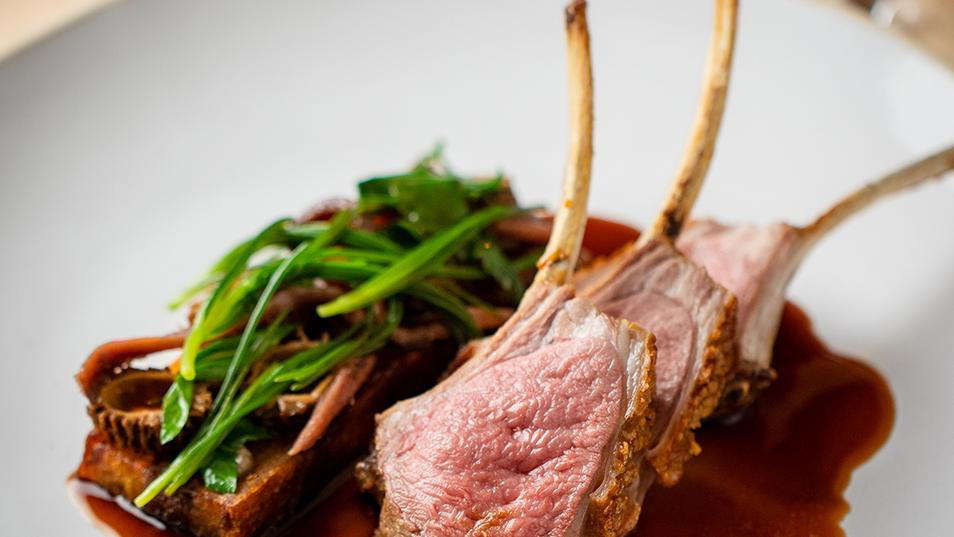


Details
- Cozy
- Intimate
- Modern
- Elegant
- Date Night
- Casual Hangout
- Special Occasion
- Open Kitchen
- Craft Cocktails
- Extensive Wine List
- Local Sourcing
- Small Plates
- A La Carte
- Cocktails
- Wine
Current opening hours
- Monday
- Closed
- Tuesday
- Closed
- Wednesday
- 12–11 PM
- Thursday
- 12–11 PM
- Friday
- 12–11 PM
- Saturday
- 12–11 PM
- Sunday
- Closed
Hours can change for holidays and private events. Hours as of .
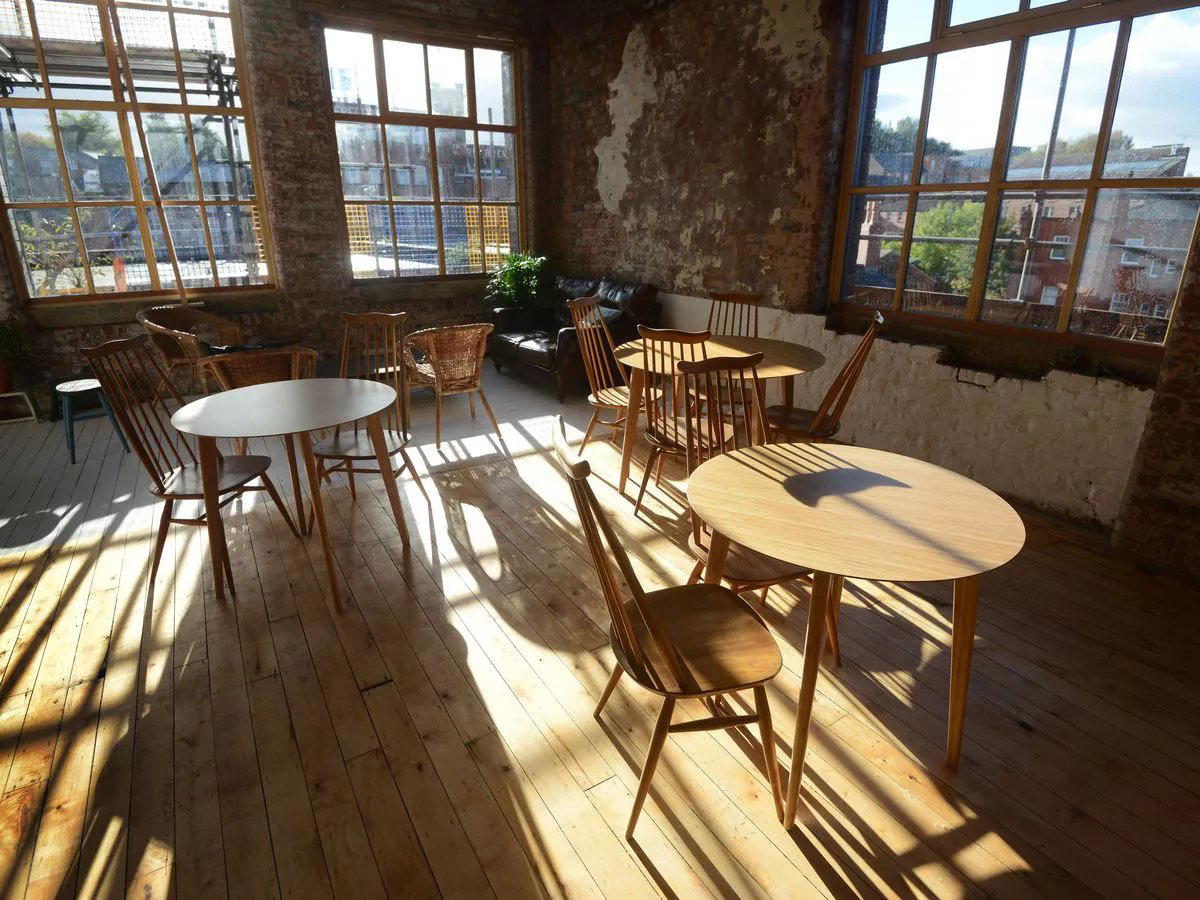
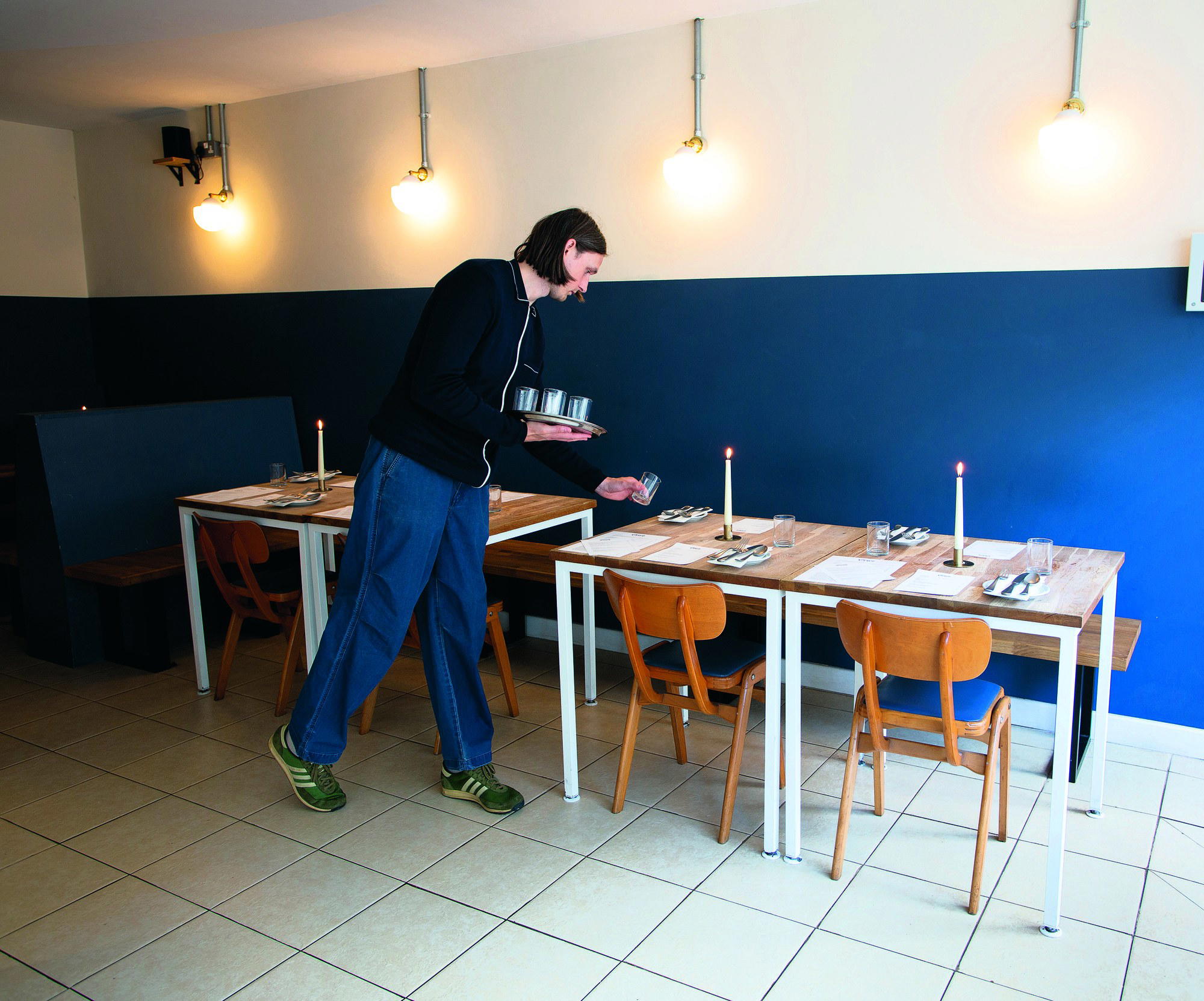
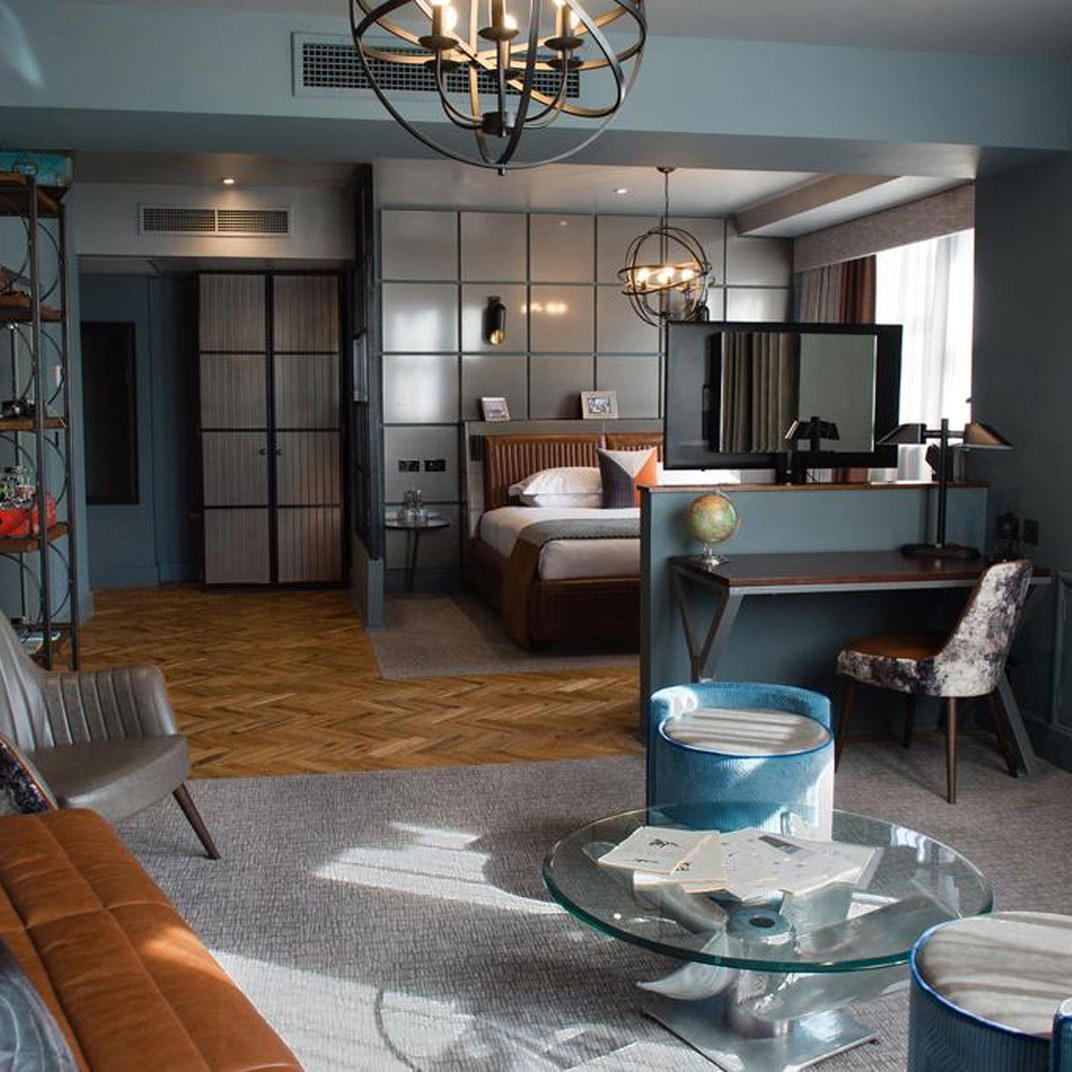
Simple dining room behind café curtains with a cosy, relaxed atmosphere, evoking 1950s New York-New Orleans brasserie style.