Alfred
Our verdict
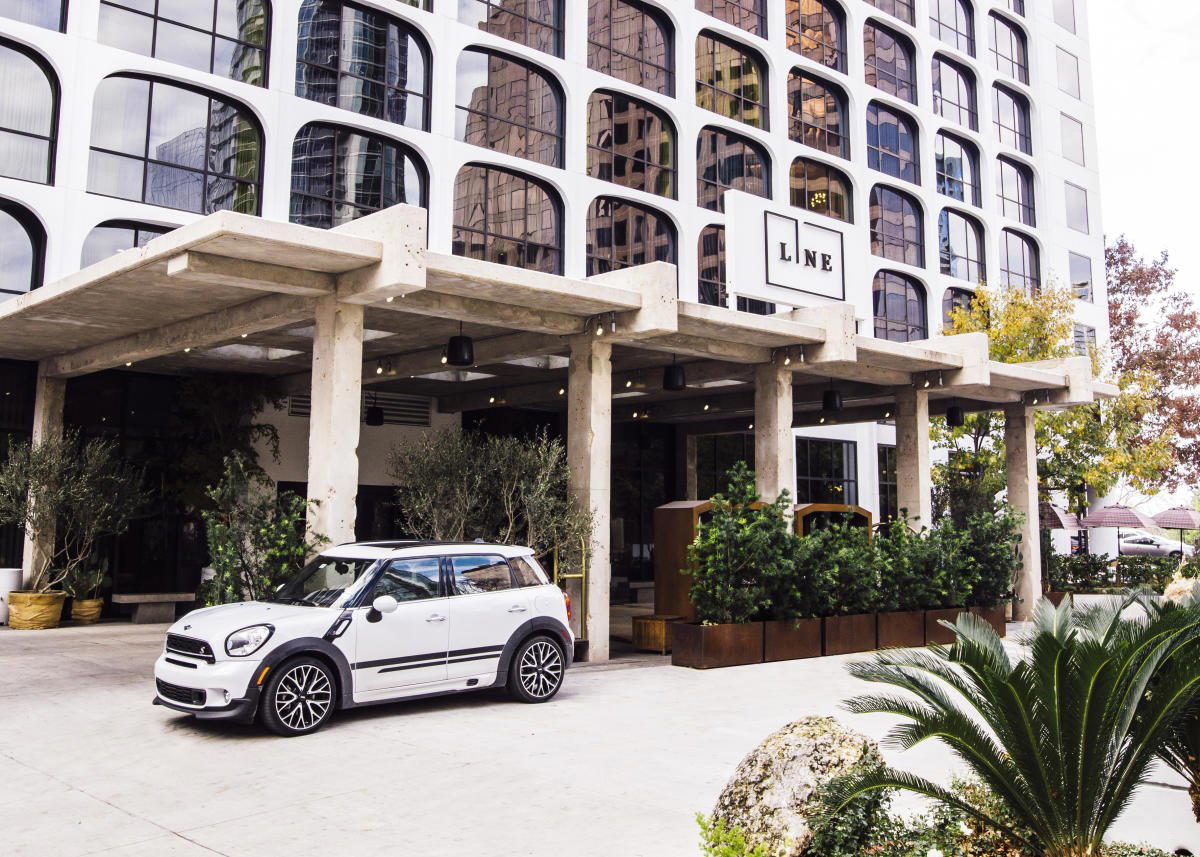
Alfred sits in downtown Austin’s hotel-lobby orbit, a useful lens on how the city’s central dining rooms now balance travel traffic, local produce expectations, and the more casual rhythm of Texas hospitality. Treat it less as a destination built around a declared cuisine and more as part of Austin’s compact core, where sourcing, format, and location shape the meal before the menu does.

Pearl is the En Primeur Club membership app — saves, bookings, and concierge access live there. Same editors, same standards.
The menu
What to order
- Signature matcha latte
- Chagaccino
- Cold brew
- Nitro cold brew
Austin changes register quickly at street level: visitor traffic, convention-footfall, hotel entrances, office workers, and the late-day pull toward bars all compress into the city’s dining rhythm. Alfred belongs to that Austin pattern. The useful way to read the room is not through a chef manifesto or a fixed cuisine label, neither of which is publicly attached here, but through the pressures placed on any serious dining room in the city: it has to serve travelers without flattening Austin into cliché, and it has to take local expectations seriously without turning every plate into a slogan.
Austin’s food culture has moved beyond the old binary of barbecue versus tacos. Those traditions still carry the city’s public image, but the more interesting current sits in procurement and flexibility: regional supply, a demanding dining public, and a market that now reads sourcing as part of value rather than decoration. A restaurant operating from a lobby setting enters that conversation from a specific angle. It is judged on whether the kitchen can make local context feel natural inside a room built for mixed use, not whether it can perform rusticity for visitors.
Austin dining now lives between local supply and hotel tempo
The Austin restaurant tier has become more hotel-adjacent, more design-conscious, and less rigid about format. Arlo Grey by Kristen Kish, P6, Fat Rabbit Social House, and Ciclo all sit inside that broader pattern, where food, rooms, and overnight guests overlap. Alfred is part of the same urban condition: rooted in Austin, exposed to travelers, and positioned in a market where a meal has to work for multiple occasions rather than one narrow ritual.
That setting matters because ingredient sourcing in Austin is no longer just a farm-name exercise. The city’s better kitchens have to reconcile seasonality with scale, heat, event traffic, and a clientele that may be local one night and just off a flight the next. In that context, restraint counts. A menu does not need to announce every regional reference to belong to Texas; the stronger signal is whether the cooking avoids generic hotel-dining habits and lets the region guide the plate.
For readers mapping Austin, the useful comparison is not a ranking but a set of decisions. Cooper's Old Time Pit Bar-B-Que represents the city’s Texas barbecue inheritance, while Austin hotel restaurants tend to translate regional appetite through broader service formats. Other casual anchors show how all-day utility remains a local force. More polished addresses point to the city’s expanding appetite for cross-category dining rather than one dominant lane.
The better question is what the room solves for
Alfred’s public footprint is lean: no published chef credit, no declared cuisine type, and no seat count. That limited public detail changes how to evaluate it. The trust signal becomes location and category context: an Austin lobby restaurant has to meet a practical standard for travelers while competing with independent restaurants that locals can reach in the city. The editorial test is therefore functional. Does the experience make sense for an Austin meal when sourcing, pacing, and ease matter more than culinary theater?
This is where Austin’s ingredient conversation becomes useful. The city rewards restaurants that understand local abundance without over-explaining it. Regional influence can appear through broad choices of product, technique, and seasoning rather than borrowed nostalgia. Those are category expectations, not confirmed menu claims for Alfred, but they define the benchmark any Austin kitchen faces in 2026.
The city’s wider dining map also helps calibrate expectations. For a fuller read on the market, use Our full Austin restaurants guide, then pair meals with Our full Austin hotels guide, Our full Austin bars guide, Our full Austin wineries guide, and Our full Austin experiences guide. Cross-city comparisons can sharpen the point in general terms: ingredient-led casual precision, drinks-and-food discipline, and regional clarity all show how place can guide a meal without turning into pastiche.
Who should put Alfred on the Austin shortlist
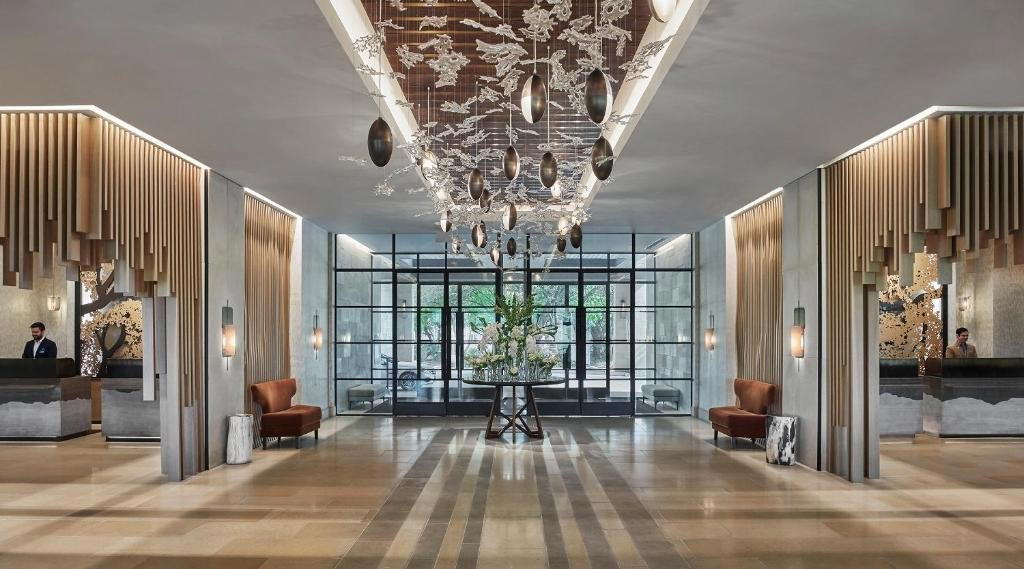
Alfred makes the strongest case for readers who need an Austin dining option shaped by convenience but not defined by compromise. The lobby setting suggests an easy fit for business meals, pre-evening plans, and travelers staying in Austin.
For a sourcing-led reader, the reason to pay attention is Austin itself. The city has become a serious test of whether restaurants can absorb local agriculture, Texas scale, and international demand without becoming interchangeable. That same question appears in different registers across other dining cities: place matters only when the kitchen turns geography into decisions. Alfred’s value sits in whether it can do that for Austin’s mixed, demanding audience.
Frequently asked questions
Is Alfred good for families?
Alfred is in Austin, which makes it a practical stop for mixed-age groups. The listing does not name a children’s menu or family program, so the fit depends on the visit’s timing and group needs.
What's the vibe at Alfred?
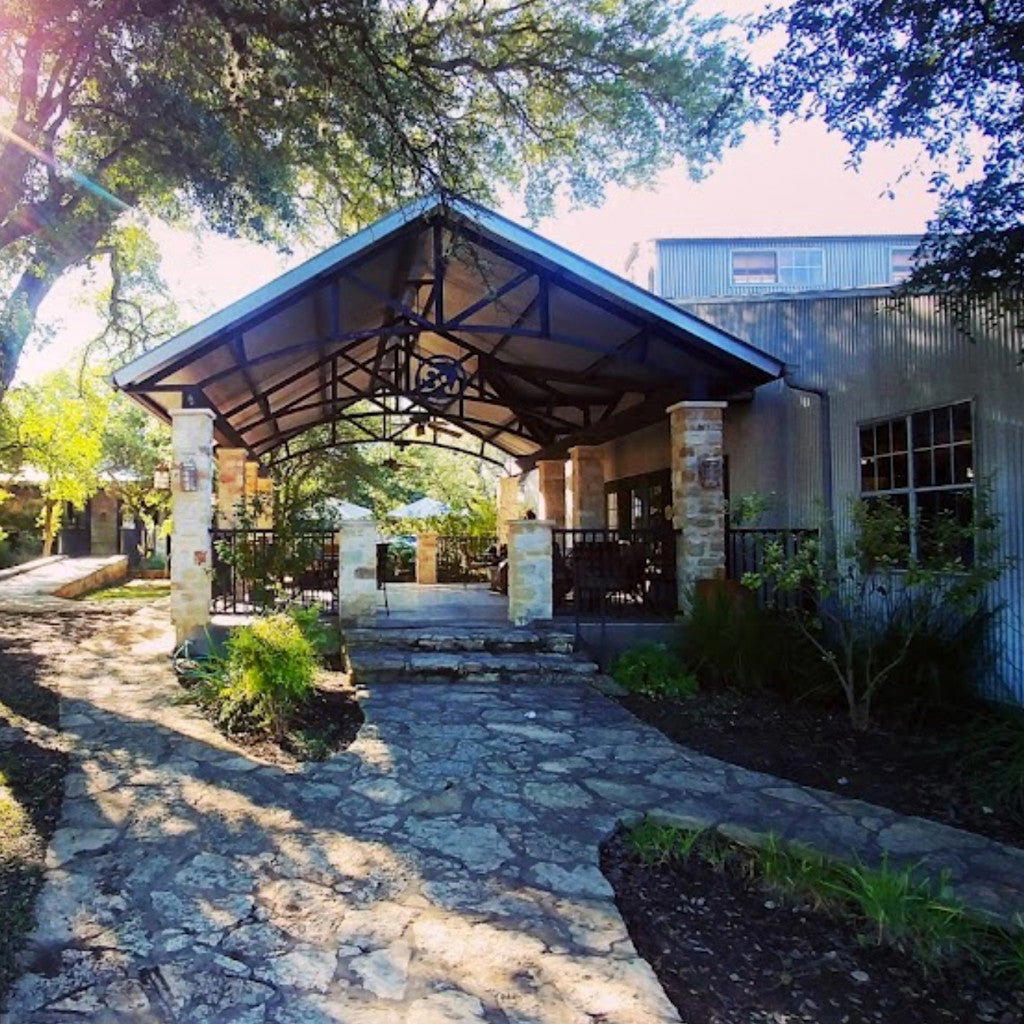
Alfred is presented as a lobby dining venue in Austin, so the room is shaped by visitor movement and mixed-use traffic. Expect an Austin dining room with a public-facing, come-and-go rhythm rather than a standalone dining house.
Where exactly is Alfred?
Alfred is located in Austin.
How hard is it to get a table at Alfred?
There is no listed booking policy, hours, or seat count for Alfred, so table demand cannot be measured from the venue details alone. Its lobby setting in Austin suggests convenience, but not a clear reservation pattern.
What is Alfred known for?
Alfred is identified as a lobby dining venue in Austin, and not by a named cuisine or chef. That makes setting the main credential here: an Austin dining option in a lobby environment.
Can Alfred adjust for dietary needs?
No dietary program, menu, or chef detail is listed for Alfred, so any specific accommodation would need to be checked directly. The fixed public details are the Austin location and the lobby dining format.
A Quick Peer Check
Comparable venues by cuisine and price in the same metro.
| Venue | Cuisine | Price | Awards | Notes |
|---|---|---|---|---|
| AlfredThis venue — the venue you are viewing | Modern coffee bar & cafe | $10–20 | Not listed | Not listed |
| Arlo Grey by Kristen Kish | Modern American Fusion | $30–50 | Not listed | Not listed |
| P6 | Modern Mediterranean Shared Plates | $50–100 | Not listed | Not listed |
| Fat Rabbit Social House | Elevated American Brunch | Not listed | Not listed | Not listed |
| Ciclo | Modern Texas Steakhouse with Latin Influences | $50–100 | Wine Spectator Award of Excellence | Not listed |
| Cooper's Old Time Pit Bar-B-Que | Central Texas Pit BBQ | $20–30 | Not listed | Texas Barbecue |
Continue exploring
More in Austin
Restaurants in Austin
All restaurants in Austin →
Bars in Austin
All bars in Austin →
Details
- Modern
- Trendy
- Cozy
- Solo
- After Work
- Casual Hangout
- Brunch
- Family
- Design Destination
- Hotel Restaurant
- Standalone
- Zero Proof
- Street Scene
- A La Carte
- Counter Dining
- Coffee
- Tea
- Non Alcoholic Specialties
- Vegetarian Friendly
- Vegan Options
Current opening hours
- Monday
- 7 AM–5 PM
- Tuesday
- 7 AM–5 PM
- Wednesday
- 7 AM–5 PM
- Thursday
- 7 AM–5 PM
- Friday
- 7 AM–5 PM
- Saturday
- 7 AM–5 PM
- Sunday
- 7 AM–5 PM
Hours can change for holidays and private events. Last verified .
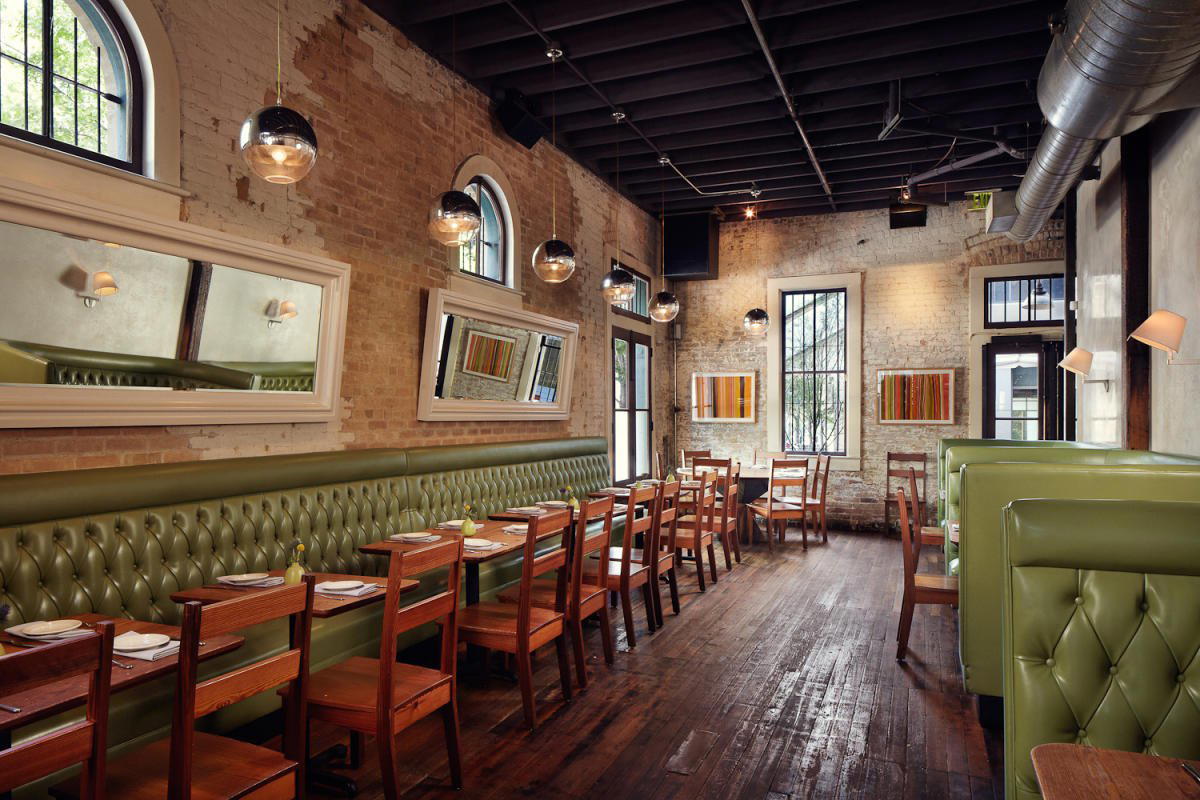
Bright, modern hotel-lobby coffee bar with sleek branding, spaced-out seating, free Wi‑Fi, and a relaxed but buzzy daytime atmosphere geared to both quick grab-and-go and laptop campers.