Cooper's Old Time Pit Bar-B-Que
Our verdict
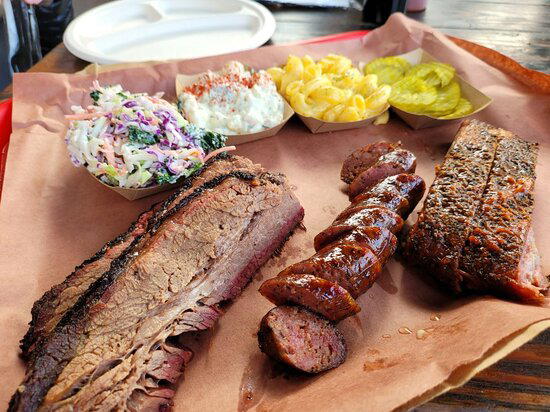
Cooper's Old Time Pit Bar-B-Que on Congress Avenue represents the direct-fire, butcher-counter tradition that defines Central Texas barbecue at its most unmediated..4 stars across more than 6,000 Google reviews, it occupies a position in Austin's barbecue scene where volume, consistency, and pit craft carry more weight than tasting-menu ambition. The smoke is the point.

Pearl is the En Primeur Club membership app — saves, bookings, and concierge access live there. Same editors, same standards.
- Address
- 217 Congress Ave., Austin, TX 78701
- Phone
- (512) 474-4227
- Hours
- Daily 11 AM–10 PM
- Website
- coopersbbqaustin.com
- Directions
- Get directions
The menu
What to order
- Brisket
- Pork ribs
- Jalapeño cheese sausage
Smoke, Pit, Counter: Central Texas Barbecue in Its Natural State
Walk toward Cooper's Old Time Pit Bar-B-Que on Congress Avenue and the signal arrives before the sign does. Wood smoke drifts at street level, carrying the particular density of a pit operation that has been running long enough to season the surrounding air. This is not ambient atmosphere engineered for effect. It is the functional byproduct of a cooking method that predates restaurant culture in Texas by several generations — an open-fire, direct-heat tradition rooted in cattle-country pragmatism that has, in recent decades, acquired the critical vocabulary of fine dining without ever quite becoming it.
The butcher-counter format is central to understanding what Cooper's offers and why it operates differently from the newer generation of Austin barbecue destinations. You choose by sight and weight at an open pit, pointing at what you want rather than reading a composed plate off a printed menu. That format descends directly from the German and Czech meat-market tradition that shaped Central Texas barbecue in the late nineteenth century, when butchers cooked unsold cuts over wood to extend their shelf life and sold them wrapped in paper to workers who ate standing outside. Cooper's Austin location, at 217 Congress Ave. carries that format into a downtown context where the surrounding neighbourhood has shifted considerably around it.
Where Cooper's Sits in Austin's Barbecue Conversation
Austin's barbecue scene has fragmented productively over the past decade. One tier, represented by spots like Terry Black's BBQ, operates at high volume with broadly accessible hours and a consistent institutional quality. Another tier, including InterStellar BBQ, pursues a more focused pit program with the kind of obsessive consistency that attracts long-line pilgrimage traffic. Cooper's occupies a distinct position in that conversation: a regional name with deep roots in the Mason and Llano tradition of Hill Country barbecue, translated to a Congress Avenue address that places it in the heart of Austin's most trafficked corridor.
Pearl recommendations operate as a recognition of consistent quality rather than transformative ambition, which maps accurately to what Cooper's represents. This is pit barbecue held to a high craft standard, not a laboratory for technique. That distinction matters when calibrating expectations against the broader Austin dining field, where operations like Hestia and Barley Swine pursue live-fire and New American ambition at a different price register entirely. Cooper's is not competing with those rooms. It is measuring itself against a different set of values.
The Cultural Weight of the Pit Tradition
Central Texas barbecue carries a cultural specificity that distinguishes it sharply from other American regional smoke traditions. The South Carolina and North Carolina schools pivot around pork and sauce. Kansas City applies thick sweet glazes as finishing elements. Memphis runs wet ribs against dry. Central Texas, by contrast, built its identity around post oak smoke, coarse salt-and-pepper seasoning, and beef — primarily brisket, but extending to ribs, sausage, and pork chops, with minimal sauce intervention. The meat is expected to carry itself.
That minimalism is harder to execute than it reads. Without sauce as a corrective layer, inconsistencies in the cook are immediately legible. The fat render on a brisket flat, the bark formation on a rib, the snap of a hand-made sausage link, all of these tell you directly how the pit ran that day. Cooper's pedigree in the Hill Country tradition, under the oversight of Terry Wootan, places it within a lineage that takes that exposure seriously. The Cooper's name has meant something in Central Texas for long enough that its Austin address arrived with inherited credibility rather than needing to build from zero.
That lineage also places Cooper's in a different category from the fine-dining barbecue adjacents appearing elsewhere in American restaurant culture. Venues like Lazy Bear in San Francisco or Alinea in Chicago approach fire and smoke as technique within a composed tasting format. Le Bernardin in New York and Atomix represent the opposite pole of format discipline. Cooper's sits outside that entire axis. The pit tradition it represents is not a technique imported into a fine-dining frame. It is a self-contained culinary system with its own metrics of quality.
Congress Avenue as Context
The Congress Avenue location is worth considering in its own right. The street runs directly from the Colorado River to the State Capitol and functions as Austin's civic spine. The surrounding neighbourhood has densified considerably in recent years, with hotel development, office conversion, and tourism infrastructure changing the pedestrian composition. A pit barbecue operation at this address draws a different daily crowd than a destination out on an East Austin side street or anchored in a Mueller lot. Visitors unfamiliar with Austin's barbecue geography encounter Cooper's as a readily accessible introduction to the Central Texas format, while regulars treat it as a dependable option within walking distance of the downtown core.
For visitors building a broader Austin food itinerary, the city's range extends well beyond the smoke tradition. Craft Omakase represents Austin's growing Japanese fine dining presence. Barley Swine and Hestia address the high-end contemporary American room. InterStellar BBQ offers a comparison point within the barbecue category itself. Our full Austin restaurants guide maps the broader scene, and for planning beyond dining, our Austin hotels guide, Austin bars guide, Austin wineries guide, and Austin experiences guide cover the full picture.
For reference across the broader Texas and American dining conversation, The Mansion Restaurant in Dallas represents the state's high-formal end, while Emeril's in New Orleans and Single Thread Farm in Healdsburg anchor the American fine-dining spectrum at its most composed. The French Laundry in Napa remains the reference point for American tasting-menu ambition at the highest level. Cooper's is none of those things, and does not need to be.
Planning a Visit
Cooper's Old Time Pit Bar-B-Que is located at 217 Congress Ave. Austin, TX 78701, placing it within easy reach of the central hotel corridor and Capitol grounds. The butcher-counter format means the experience moves at the pace of the pit, arrive with time to assess what's in front of you rather than treating it as a quick counter transaction.
Frequently asked questions
What's the must-try dish at Cooper's Old Time Pit Bar-B-Que?
The Central Texas tradition that Cooper's draws from places brisket at the centre of any serious pit assessment, specifically the fatty point cut, where the fat render and smoke penetration provide the clearest read on how the pit has been managed. Brisket aside, the sausage link is the other canonical marker: in the Hill Country meat-market tradition that shaped this style, the house-made link is as much a signature as any beef cut. Cooper's Austin location operates within that framework. The butcher-counter format means the day's leading options are visible at the pit, so the sharpest move is to assess what's freshest out of the smoke before committing, a logic that applies across the Central Texas style regardless of the specific address.
Side-by-Side Snapshot
A compact comparison to help you place this venue among nearby peers.
| Venue | Cuisine | Price | Awards | Notes |
|---|---|---|---|---|
| Cooper's Old Time Pit Bar-B-QueThis venue — the venue you are viewing | Central Texas Pit BBQ | $20–30 | Not listed | Not listed |
| Barley Swine | Modern American Fine Dining | $100–150 | 1 Michelin Star · James Beard Award Semi Finalist | New American, Contemporary |
| la Barbecue | Texas Barbecue | $50–100 | 1 Michelin Star · James Beard Award Semi Finalist | Barbecue |
| Olamaie | Modern Southern | $100–150 | 1 Michelin Star | Southern |
| Jeffrey's | Modern American Steakhouse | $150–200 | Michelin Plate · Wine Spectator Best of Award of Excellence | Not listed |
| Kemuri Tatsu-ya | Japanese-Texas BBQ Izakaya | $50–100 | Michelin Bib Gourmand | Not listed |
Continue exploring
More in Austin
Restaurants in Austin
Browse all →
Bars in Austin
Browse all →
Hotels in Austin
Browse all →

Details
- Rustic
- Classic
- Lively
- Casual Hangout
- Group Dining
- Family
- Open Kitchen
- Historic Building
- Beer Program
- A La Carte
Current opening hours
- Monday
- 11 AM–10 PM
- Tuesday
- 11 AM–10 PM
- Wednesday
- 11 AM–10 PM
- Thursday
- 11 AM–10 PM
- Friday
- 11 AM–10 PM
- Saturday
- 11 AM–10 PM
- Sunday
- 11 AM–10 PM
Hours can change for holidays and private events. Last verified .
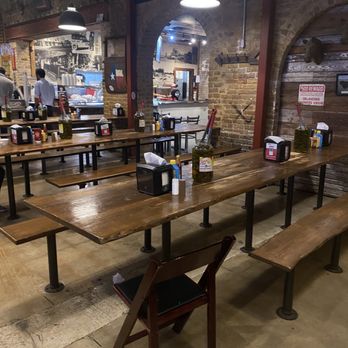
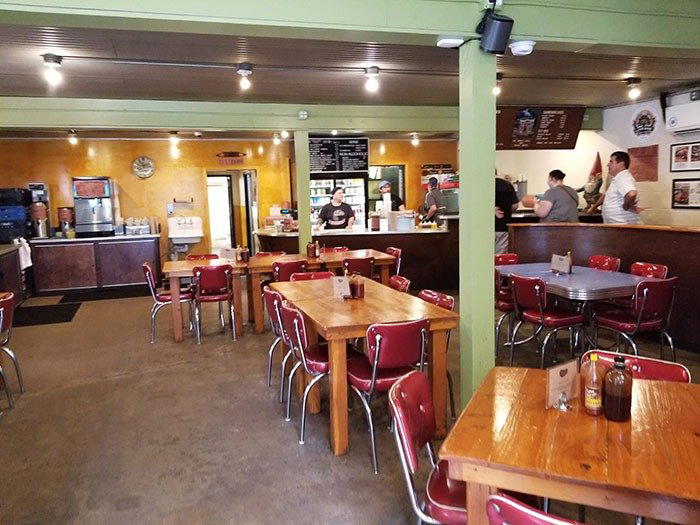
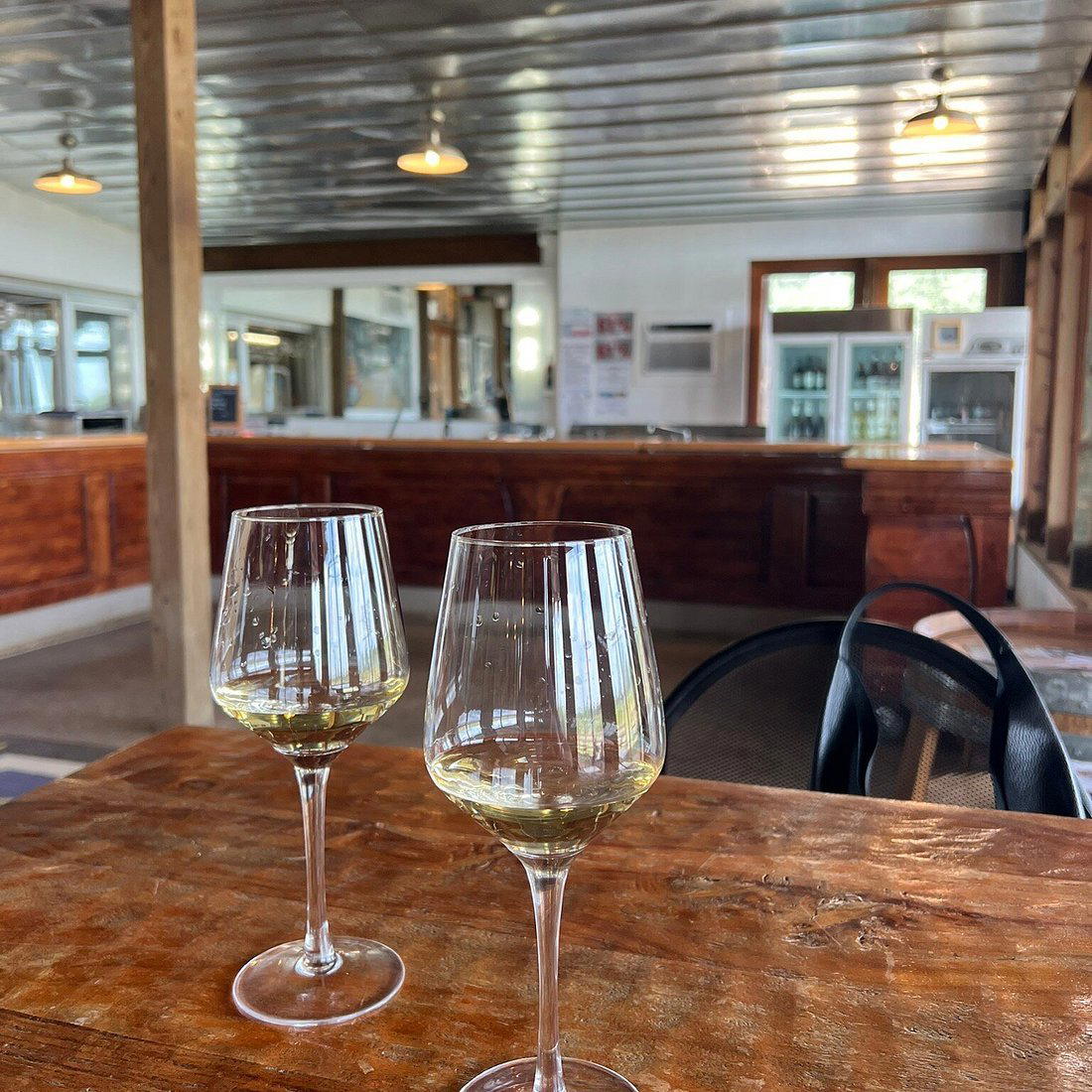
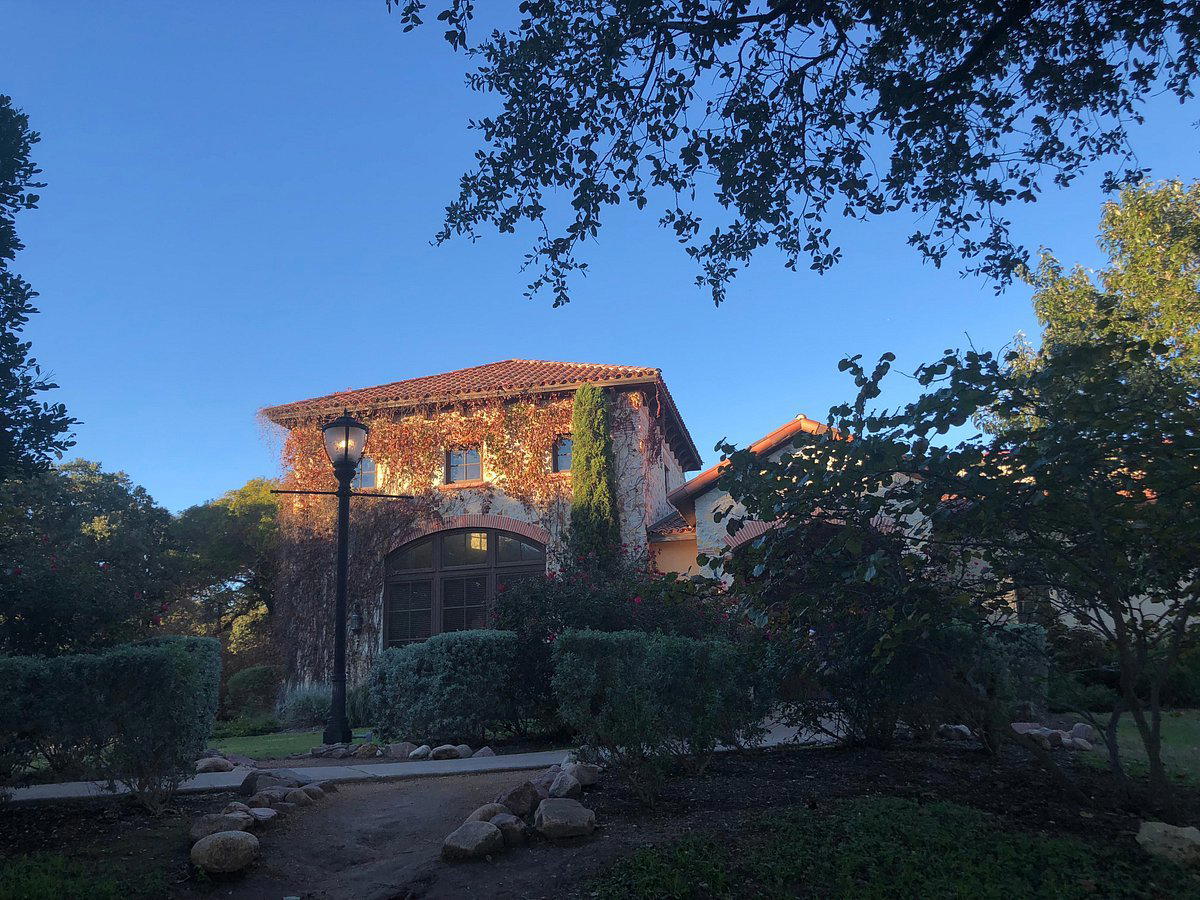
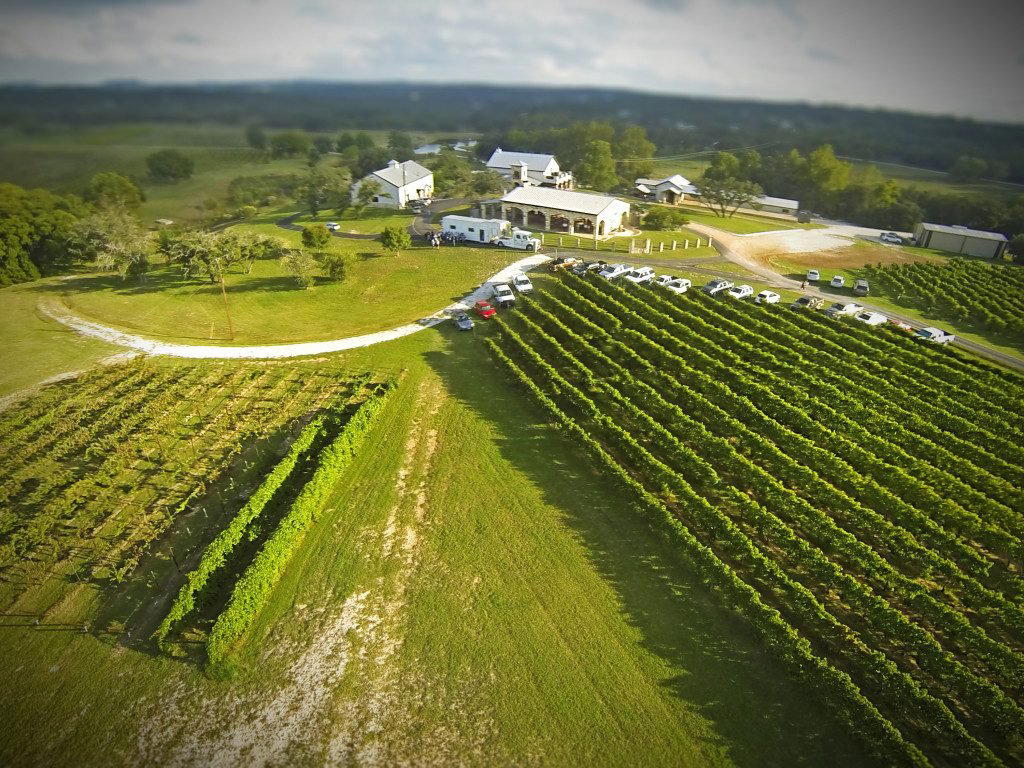
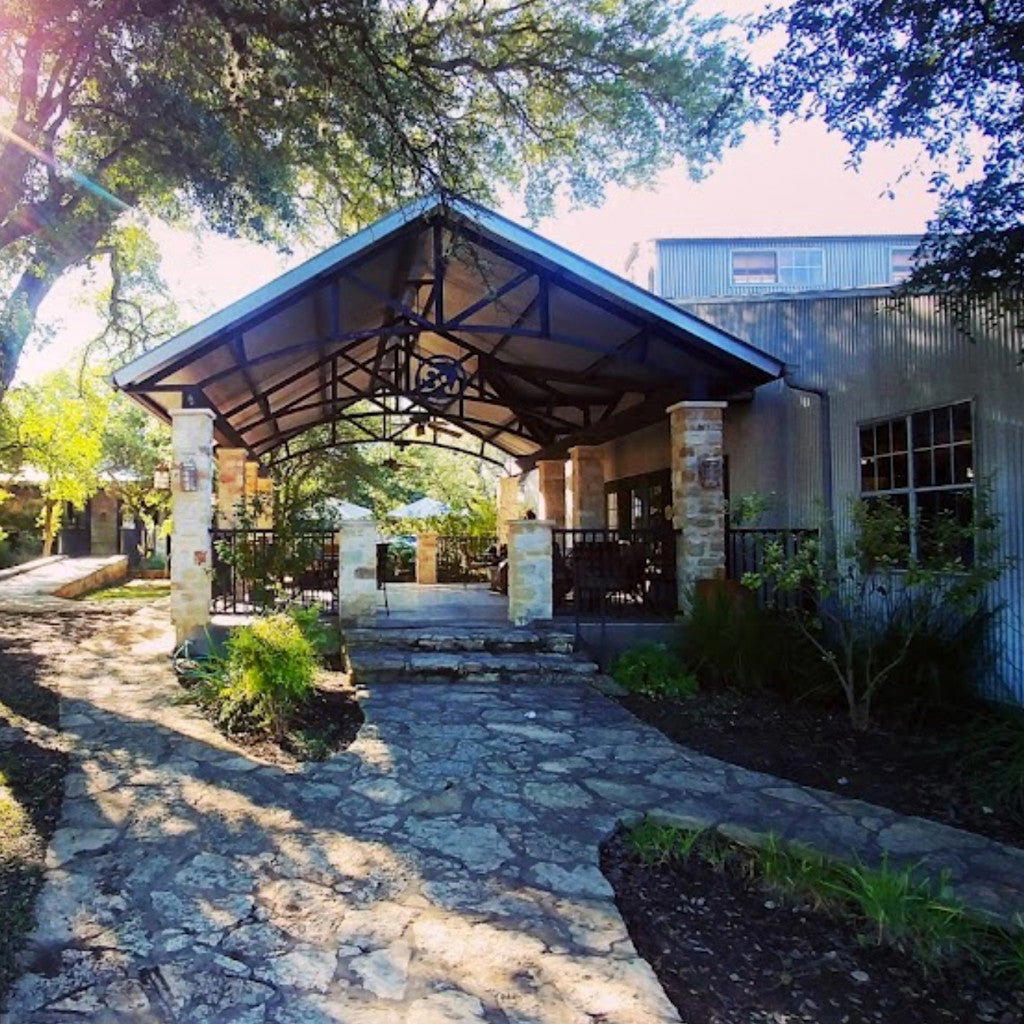
Rugged old-school barbecue joint with wooden decor, picnic-style communal tables, high-energy casual atmosphere, and visible smoking pits.