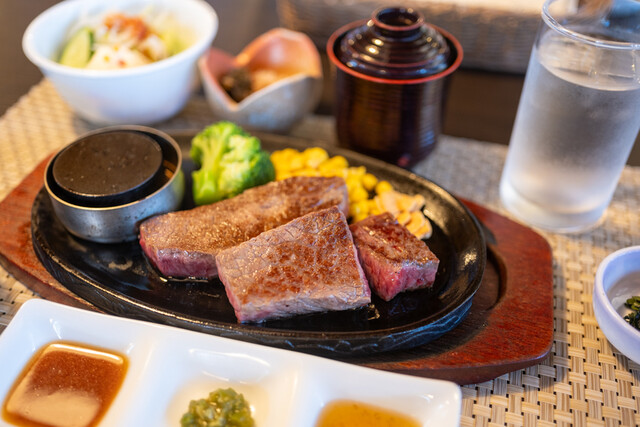
Google: 4.4 · 51 reviews
チェルカ トローヴァ sits in the Bakuromachi district of Nobeoka, Miyazaki — a city where Kyushu's agricultural and coastal supply chains converge in ways that rarely get the editorial attention they deserve. With limited information in the public record, this is a venue that rewards direct inquiry, placing it among Nobeoka's quieter, more considered dining options worth tracking for serious visitors to the region.
Pearl is the En Primeur Club membership app — saves, bookings, and concierge access live there. Same editors, same standards.

Nobeoka and the Sourcing Geography That Shapes Its Tables
Nobeoka occupies an underwritten position in Japan's dining conversation. The city sits in northern Miyazaki Prefecture, where the Gokase River meets the Pacific coast, a confluence that produces both mountain-sourced river fish and coastal seafood within the same short supply radius. Miyazaki Prefecture as a whole carries strong agricultural credentials: Miyazaki beef holds a national profile, local chicken (jidori) is raised at lower density than industrial equivalents, and the subtropical climate yields produce cycles that differ from those in the country's colder prefectures. These supply conditions underpin serious cooking across the region, yet Nobeoka itself rarely features in the itineraries that route visitors through Goh in Fukuoka or south toward Kagoshima.
That gap between supply quality and editorial coverage is precisely where a venue like CERCA TROVA — rendered in Japanese as チェルカ トローヴァ — becomes worth understanding. The name itself, Italian for "seek and you shall find," signals an orientation toward sourcing and discovery that fits the broader pattern of Japanese regional restaurants using European linguistic framing to indicate a particular culinary sensibility: ingredient-led, considered, operating at some remove from the mass market.
Bakuromachi: A District Address That Says Something
The address at 4-14 Bakuromachi places チェルカ トローヴァ in one of Nobeoka's older commercial quarters. Bakuromachi translates roughly as "horse dealer town," a name that traces back to the district's Edo-period role as a trading hub. In contemporary terms, such districts in mid-sized Japanese cities tend to support a mixture of long-established local businesses and a smaller number of newer, more deliberate openings that choose character over convenience. Dining in these pockets tends toward the intimate end of the capacity spectrum, and the clientele skews toward residents with local knowledge rather than transit visitors passing through.
That neighbourhood dynamic matters when thinking about sourcing. Restaurants embedded in locally trafficked commercial districts in Miyazaki often maintain direct relationships with producers and fishermen rather than relying on the wholesale infrastructure that serves higher-volume operations in larger cities. The short distance between Nobeoka's fishing port activity and its restaurant tables is a structural advantage that kitchens in Tokyo or Osaka cannot replicate regardless of purchasing power. Compare this to how HAJIME in Osaka or Harutaka in Tokyo operate: exceptional sourcing at those addresses requires significant logistical effort and cost to bring regional product into an urban kitchen, whereas in Nobeoka the product is simply closer.
The Regional Sourcing Argument for Miyazaki
Japan's most discussed fine dining addresses cluster in Tokyo, Kyoto, and Osaka, with Fukuoka increasingly recognized as a third-tier destination city for serious eating. The prefectures of Kyushu's eastern seaboard, Miyazaki among them, are where sourcing-focused restaurants can access ingredients that their big-city peers pay a premium to import. Miyazaki's jidori chicken is one example: the breed is raised on longer timelines than commercial alternatives, producing more developed muscle texture and a cleaner fat profile. Miyazaki beef, while competing within a national field that includes Kobe and Matsusaka, has won multiple national wagyu championships and is recognized by specialists as occupying the upper tier of the category.
Coastal access adds a second dimension. The waters off Miyazaki yield a range of Pacific species including amberjack (buri), sea bream (tai), and various smaller reef fish that feature in local cooking in ways that don't always translate to the standardized seafood menus found further north. For a restaurant operating in Nobeoka with the apparent sensibility that チェルカ トローヴァ's name suggests, this supply environment is the foundational argument for its existence in this location rather than in a larger city.
This pattern of serious cooking grounded in regional produce outside the main urban circuits appears elsewhere in Japan. akordu in Nara and Gion Sasaki in Kyoto both demonstrate how non-Tokyo addresses can anchor some of Japan's most ingredient-attentive kitchens. Nobeoka sits further from the mainstream radar than either of those cities, which makes direct inquiry more important before visiting.
What to Know Before You Go
The public record for チェルカ トローヴァ is limited. No awards, no verified price tier, no published booking method or hours appear in available sources at the time of writing. In a Japanese regional city context, this is not unusual: many of the country's most considered smaller restaurants operate with minimal digital presence, relying on local reputation and word-of-mouth allocation rather than online reservation platforms. Visitors to Nobeoka planning to eat here would be well served by contacting local accommodation for an introduction or local referral, as this remains the functional booking channel for many restaurants of this type across Japan.
Nobeoka is accessible by shinkansen from Fukuoka (Hakata) via the Nippo Main Line connection, or directly by limited express from Kagoshima and Miyazaki city. For travellers building a Kyushu itinerary around serious eating, pairing a Nobeoka stop with time in Fukuoka , where Goh operates at the recognized leading of the local market , gives a useful contrast between the prefecture's urban and regional dining registers. See our full Nobeoka restaurants guide for additional options in the city, including Zenryomaru, which represents a different point on the local dining spectrum.
For context across Japan's regional sourcing story, 一本杉川嶋 in Nanao, 湖隣庵 in Takashima, and 羽根屋 in Nishikawa Machi each represent a similar pattern: smaller-city addresses where proximity to primary producers shapes the menu in ways that metropolitan restaurants cannot easily replicate. Further afield, 古仁屋山乃 in Sapporo shows how Hokkaido's cold-climate produce operates on a parallel logic at the northern extreme of the country.
Comparison Snapshot
These are the closest comparables we have in our database for quick context.
| Venue | Cuisine | Price | Awards | Notes |
|---|---|---|---|---|
| チェルカ トローヴァ | This venue | |||
| HAJIME | French, Innovative | ¥¥¥¥ | Michelin 3 Star | French, Innovative, ¥¥¥¥ |
| Harutaka | Sushi | ¥¥¥¥ | Michelin 3 Star | Sushi, ¥¥¥¥ |
| L'Effervescence | French | ¥¥¥¥ | Michelin 3 Star | French, ¥¥¥¥ |
| RyuGin | Kaiseki, Japanese | ¥¥¥¥ | Michelin 3 Star | Kaiseki, Japanese, ¥¥¥¥ |
| Crony | Innovative, French | ¥¥¥¥ | Michelin 2 Star | Innovative, French, ¥¥¥¥ |
Continue exploring
More in Nobeoka
At a Glance
- Intimate
- Elegant
- Hidden Gem
- Sophisticated
- Date Night
- Special Occasion
- Celebration
- Open Kitchen
- Garden
- Standalone
- Extensive Wine List
- Sommelier Led
- Farm To Table
- Local Sourcing
- Organic
- Garden
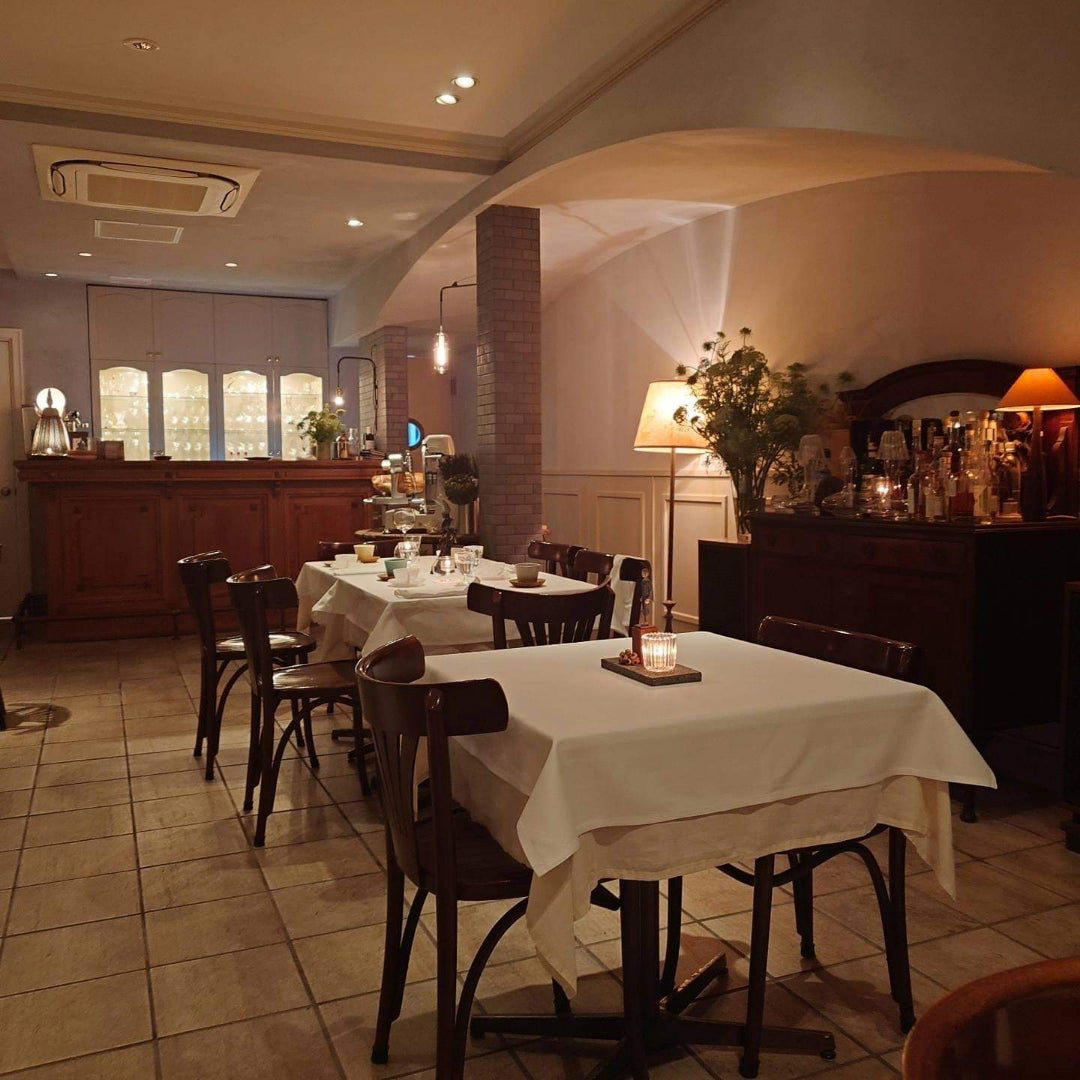
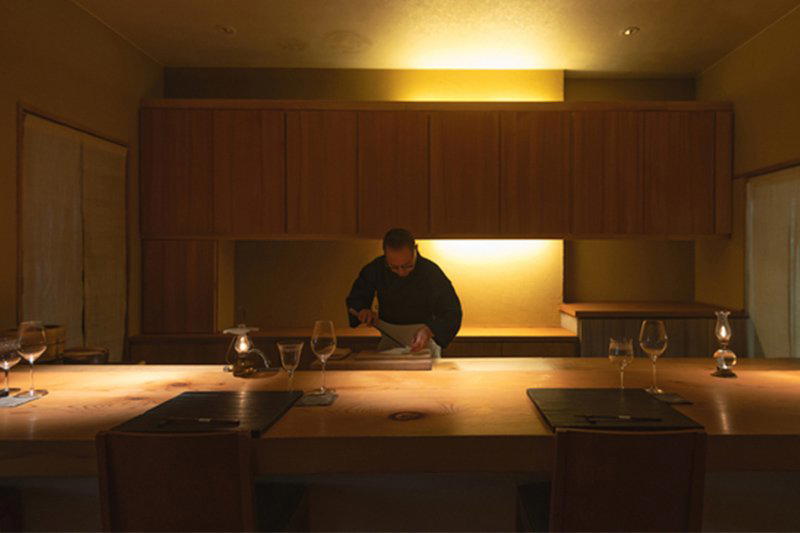
Intimate residential setting with natural garden elements, soft ambient music, and open kitchen sounds creating a multisensory dining experience in a converted house.