3 Seasons
Our verdict
The town is car-free, altitude-locked, and draws a visitor base willing to spend at premium levels across the board. That combination has produced a dining environment where multiple restaurants compete seriously, often within a few hundred metres of each other, and where the gap between a casual mountain lunch and a considered evening meal has narrowed considerably over the past decade. What defines Zermatt's restaurant tier more than anything is the absence of a captive audience in the traditional sense. Visitors arrive with choices, with travel experience, and with reference points drawn from cities like Geneva, Zürich, and further abroad. A table here competes not just with neighbouring restaurants but with the accumulated dining memory of guests who may have eaten at Cheval Blanc by Peter Knogl in Basel or Hotel de Ville Crissier in Crissier the previous month. That context shapes what any serious Zermatt restaurant must offer. The Cultural Weight of Alpine Cooking Alpine cuisine in the Valais carries a distinct identity that separates it from the broader Swiss-French and Swiss-Italian traditions that dominate in the lowland cities. Raclette, rösti, air-dried meats, and cheese-forward preparations rooted in preservation and altitude have defined the region for centuries, and the leading Zermatt restaurants treat these not as heritage props but as live culinary languages still worth speaking. Restaurants like Chez Vrony have built sustained reputations precisely by grounding themselves in that regional register, earning recognition from guests who might otherwise gravitate toward the more technically expressive menus found at Alpine Gourmet Prato Borni. The tension between regional authenticity and creative ambition runs through nearly every serious alpine dining room. On one side sit places anchored in Valaisian tradition, where the sourcing story is the cooking story. On the other sit restaurants that use alpine ingredients as a starting point for something more internationally inflected. After Seven and Brasserie Uno each occupy distinct positions within that spectrum, and guests calibrating their Zermatt week would do well to read the full breakdown in our full Zermatt restaurants guide before committing to a run of evenings. Where 3 Seasons Sits in the Market Restaurants named with seasonal logic tend to signal something specific: an acknowledgment that alpine supply is finite, that the kitchen's leading work is tied to what the mountains and valleys can provide at a given time of year, and that the menu should move accordingly. That seasonal philosophy has become common framing across the upper tier of Swiss mountain dining, from Da Vittorio in St. Moritz to smaller operations in less-visited villages. Whether 3 Seasons executes that premise with genuine depth or wears it lightly as concept is the question a first visit would answer. For visitors working through a multi-day stay, the proximity to other mid-to-upper-tier restaurants means the decision is less about logistics and more about what kind of evening you are after. A technically driven menu and a regional cooking room offer very different experiences at similar price points, and the Zermatt market contains enough of both that the choice is genuinely meaningful. Comparable creative-leaning formats at the €€€€ tier, such as those found at Alpine Gourmet Prato Borni, set a frame of reference for what ambition looks like at the higher end of the local market. The country produces a disproportionate number of Michelin-recognised tables relative to its population, and properties like Schloss Schauenstein in Fürstenau, Memories in Bad Ragaz, and The Restaurant in Zürich sit at the country's recognised upper end. Mountain destinations like Zermatt tend to operate one notch below that national elite tier, drawing on the cachet of the location rather than the kind of accumulated critical attention that sustains a restaurant like Einstein Gourmet in Sankt Gallen or Colonnade in Lucerne. That is not a disadvantage. Alpine dining operates on its own terms, and the leading Zermatt restaurants offer something the city tables cannot: a specific relationship between what is on the plate and where you are standing. The Matterhorn is not a backdrop to ignore. Guests who have travelled to Zermatt specifically for the mountain context tend to read a menu through that lens, and restaurants that understand this do not need to compete directly with Geneva's L'Atelier Robuchon or with internationally recognised rooms like Le Bernardin in New York or Lazy Bear in San Francisco. They compete on place, and place here is considerable. Planning Your Visit Zermatt's restaurant season runs in two distinct peaks: the winter ski season, which draws the highest volume and the widest international visitor base, and the summer hiking season, which tends to attract a slightly older, longer-staying demographic with different dining rhythms. A restaurant named 3 Seasons implies awareness of at least one of those gaps, though which season it sits out and whether that shapes the menu in meaningful ways is something guests should confirm directly before booking. The town's car-free status means all movement is on foot or by electric taxi, so proximity to your accommodation matters more than it might elsewhere. For visitors assembling a Zermatt dining itinerary across several nights, a cross-reference with options at different price points and styles is worth doing early. 1818 Eat and Drink and Mammertsberg in Freidorf offer useful reference points across the broader Swiss alpine and regional spectrum. Booking ahead is advisable across all of Zermatt's upper tier during peak periods, when demand from international guests consistently outruns capacity at the better tables. Frequently Asked Questions What do people recommend at 3 Seasons?Given its Zermatt address and alpine setting, guests tend to respond well to regionally grounded cooking that reflects Valaisian produce and seasonal supply. The restaurant's name signals a seasonal menu approach, which in the Swiss alpine context typically means dishes built around what is available in the mountain growing and grazing cycle. For specific current recommendations, checking recent guest reviews or contacting the restaurant directly is the most reliable route, as menu content shifts with the season.Do they take walk-ins at 3 Seasons?Zermatt's upper-tier restaurants during peak winter and summer seasons book out in advance, and walking in without a reservation carries real risk of disappointment. The town draws a high volume of international visitors with the means and intent to book ahead, which puts pressure on every well-regarded table. Arriving with a confirmed reservation is the standard approach for any serious evening in Zermatt's restaurant core.What is the standout thing about 3 Seasons? In a town where alpine cuisine, creative menus, and regional Valaisian cooking all compete within walking distance, a restaurant that earns repeat visits does so through consistent execution rather than novelty. The seasonal framing of the name suggests a kitchen that takes ingredient timing seriously, which is a meaningful commitment in the Swiss alpine supply context.Do they accommodate allergies at 3 Seasons?Allergy and dietary accommodation at Swiss restaurants is generally handled at the point of booking or on arrival, and Zermatt's internationally oriented dining rooms are accustomed to fielding these requests from guests with varied dietary requirements. For confirmed information on what 3 Seasons can accommodate, contacting the restaurant directly before your visit is the appropriate step.Is 3 Seasons worth the price?Zermatt prices across the restaurant tier reflect the town's altitude, its car-free logistics, and the cost of supply into a mountain resort. At the comparable €€€€ tier, restaurants like Alpine Gourmet Prato Borni offer a creative reference point for what the upper end of Zermatt dining delivers. Whether 3 Seasons matches that ambition is leading assessed through current guest feedback or a direct booking inquiry.Does 3 Seasons operate year-round, and does the season affect the menu?The restaurant's name directly references a three-season operating window, which in Zermatt's context likely reflects the town's ski-season and summer-hiking peaks rather than a full twelve-month calendar. Alpine supply chains are genuinely seasonal, and kitchens that acknowledge this tend to produce menus that shift meaningfully between periods rather than running a fixed format throughout. Guests visiting in shoulder periods between the main winter and summer rushes should confirm current opening status before travelling, as alpine restaurants in Zermatt sometimes close for maintenance or staff rest between seasons.

Pearl is the En Primeur Club membership app — saves, bookings, and concierge access live there. Same editors, same standards.
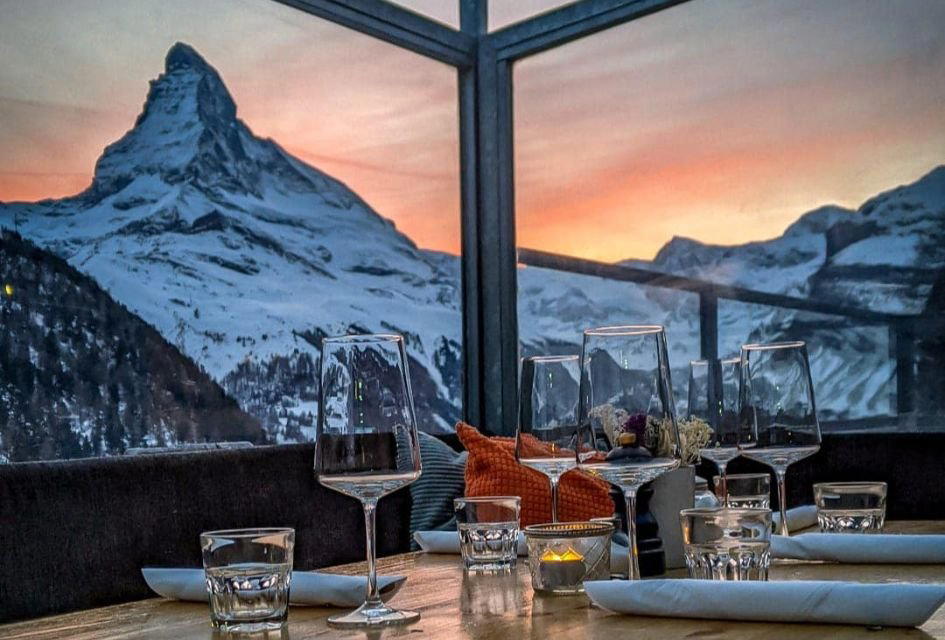
What defines Zermatt's restaurant tier more than anything is the absence of a captive audience in the traditional sense. Visitors arrive with choices, with travel experience, and with reference points drawn from cities like Geneva, Zürich, and further abroad. A table here competes not just with neighbouring restaurants but with the accumulated dining memory of guests who may have eaten at Cheval Blanc by Peter Knogl in Basel or Hotel de Ville Crissier in Crissier the previous month. That context shapes what any serious Zermatt restaurant must offer.
The Cultural Weight of Alpine Cooking
Alpine cuisine in the Valais carries a distinct identity that separates it from the broader Swiss-French and Swiss-Italian traditions that dominate in the lowland cities. Raclette, rösti, air-dried meats, and cheese-forward preparations rooted in preservation and altitude have defined the region for centuries, and the leading Zermatt restaurants treat these not as heritage props but as live culinary languages still worth speaking. Restaurants like Chez Vrony have built sustained reputations precisely by grounding themselves in that regional register, earning recognition from guests who might otherwise gravitate toward the more technically expressive menus found at Alpine Gourmet Prato Borni.
The tension between regional authenticity and creative ambition runs through nearly every serious alpine dining room. On one side sit places anchored in Valaisian tradition, where the sourcing story is the cooking story. On the other sit restaurants that use alpine ingredients as a starting point for something more internationally inflected. After Seven and Brasserie Uno each occupy distinct positions within that spectrum, and guests calibrating their Zermatt week would do well to read the full breakdown in our full Zermatt restaurants guide before committing to a run of evenings.
Where 3 Seasons Sits in the Market
Restaurants named with seasonal logic tend to signal something specific: an acknowledgment that alpine supply is finite, that the kitchen's leading work is tied to what the mountains and valleys can provide at a given time of year, and that the menu should move accordingly. That seasonal philosophy has become common framing across the upper tier of Swiss mountain dining, from Da Vittorio in St. Moritz to smaller operations in less-visited villages. Whether 3 Seasons executes that premise with genuine depth or wears it lightly as concept is the question a first visit would answer. For visitors working through a multi-day stay, the proximity to other mid-to-upper-tier restaurants means the decision is less about logistics and more about what kind of evening you are after. A technically driven menu and a regional cooking room offer very different experiences at similar price points, and the Zermatt market contains enough of both that the choice is genuinely meaningful. Comparable creative-leaning formats at the €€€€ tier, such as those found at Alpine Gourmet Prato Borni, set a frame of reference for what ambition looks like at the higher end of the local market. The country produces a disproportionate number of Michelin-recognised tables relative to its population, and properties like Schloss Schauenstein in Fürstenau, Memories in Bad Ragaz, and The Restaurant in Zürich sit at the country's recognised upper end. Mountain destinations like Zermatt tend to operate one notch below that national elite tier, drawing on the cachet of the location rather than the kind of accumulated critical attention that sustains a restaurant like Einstein Gourmet in Sankt Gallen or Colonnade in Lucerne.
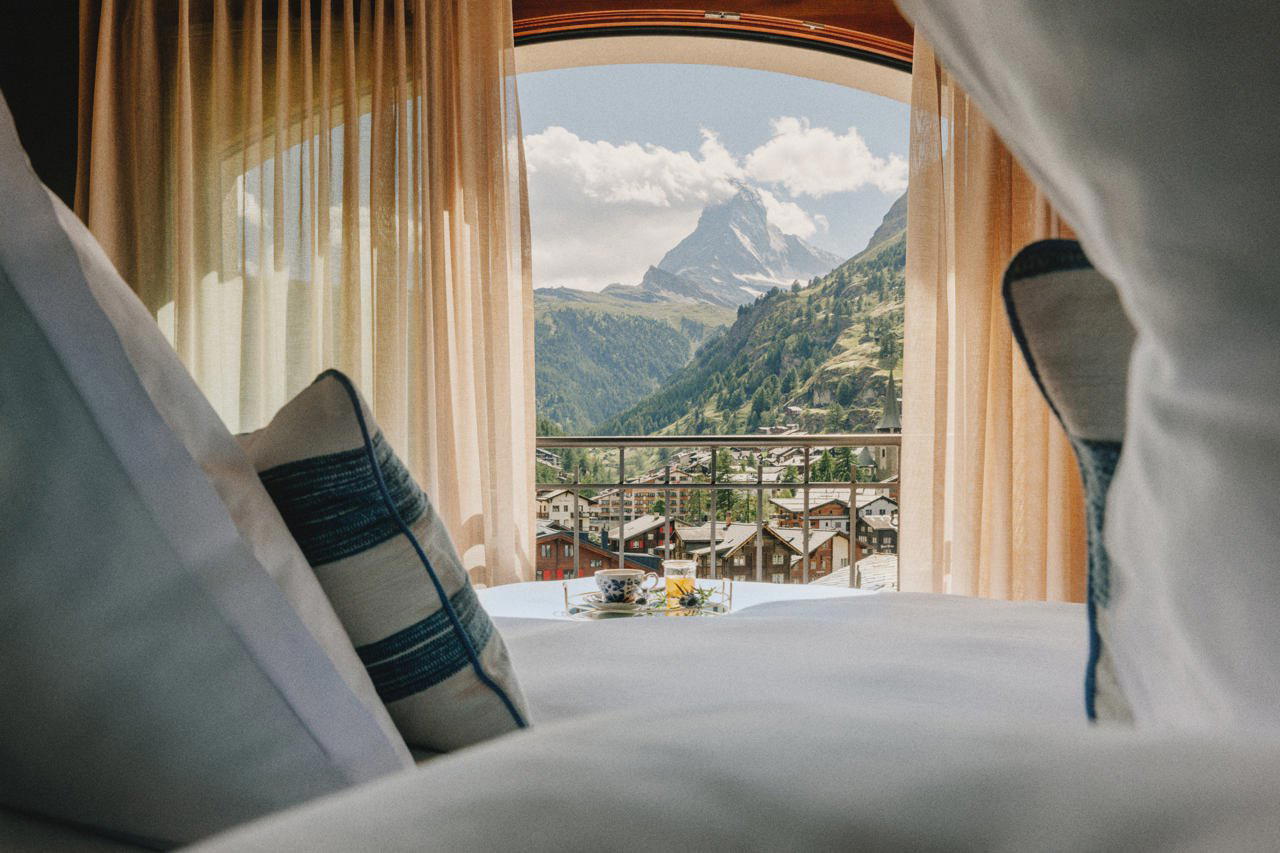
That is not a disadvantage. Alpine dining operates on its own terms, and the leading Zermatt restaurants offer something the city tables cannot: a specific relationship between what is on the plate and where you are standing. The Matterhorn is not a backdrop to ignore. Guests who have travelled to Zermatt specifically for the mountain context tend to read a menu through that lens, and restaurants that understand this do not need to compete directly with Geneva's L'Atelier Robuchon or with internationally recognised rooms like Le Bernardin in New York or Lazy Bear in San Francisco. They compete on place, and place here is considerable.
Planning Your Visit
Zermatt's restaurant season runs in two distinct peaks: the winter ski season, which draws the highest volume and the widest international visitor base, and the summer hiking season, which tends to attract a slightly older, longer-staying demographic with different dining rhythms. A restaurant named 3 Seasons implies awareness of at least one of those gaps, though which season it sits out and whether that shapes the menu in meaningful ways is something guests should confirm directly before booking. The town's car-free status means all movement is on foot or by electric taxi, so proximity to your accommodation matters more than it might elsewhere.
For visitors assembling a Zermatt dining itinerary across several nights, a cross-reference with options at different price points and styles is worth doing early. 1818 Eat and Drink and Mammertsberg in Freidorf offer useful reference points across the broader Swiss alpine and regional spectrum. Booking ahead is advisable across all of Zermatt's upper tier during peak periods, when demand from international guests consistently outruns capacity at the better tables.
Frequently asked questions
What do people recommend at 3 Seasons?
Do they take walk-ins at 3 Seasons?
What is the standout thing about 3 Seasons? In a town where alpine cuisine, creative menus, and regional Valaisian cooking all compete within walking distance, a restaurant that earns repeat visits does so through consistent execution rather than novelty. The seasonal framing of the name suggests a kitchen that takes ingredient timing seriously, which is a meaningful commitment in the Swiss alpine supply context.Do they accommodate allergies at 3 Seasons?
Is 3 Seasons worth the price?
Does 3 Seasons operate year-round, and does the season affect the menu?
Continue exploring
More in Zermatt
Restaurants in Zermatt
All restaurants in Zermatt →
Bars in Zermatt
Browse all →
Details
- Cozy
- Modern
- Brunch
- Family
- Hotel Restaurant
- Local Sourcing
- Mountain
- Buffet
- Vegetarian Friendly
Current opening hours
- Monday
- 7–11 AM
- Tuesday
- 7–11 AM
- Wednesday
- 7–11 AM
- Thursday
- 7–11 AM
- Friday
- 7–11 AM
- Saturday
- 7–11 AM
- Sunday
- 7–11 AM
Hours can change for holidays and private events. Last verified .
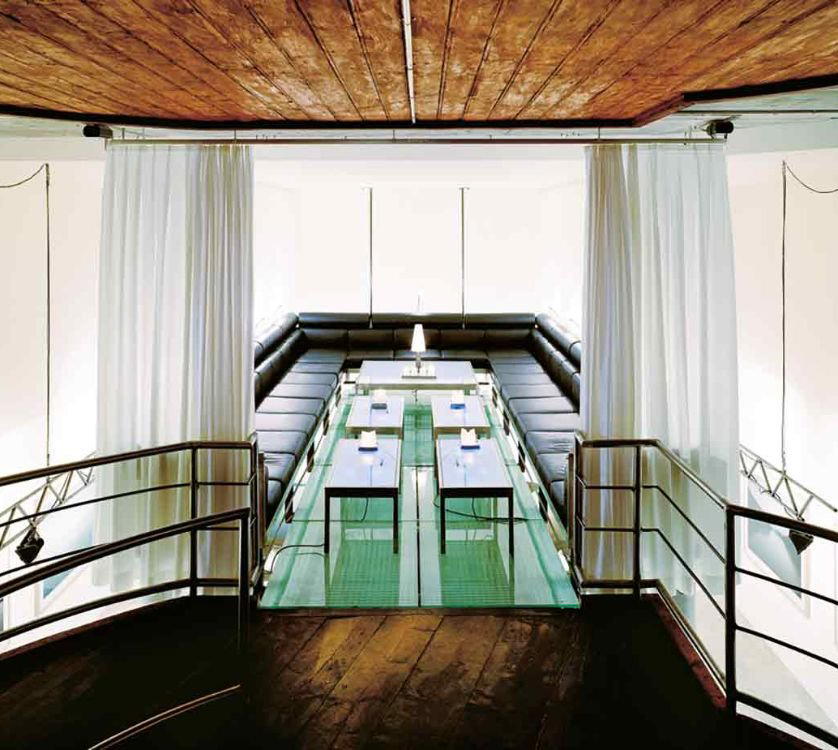
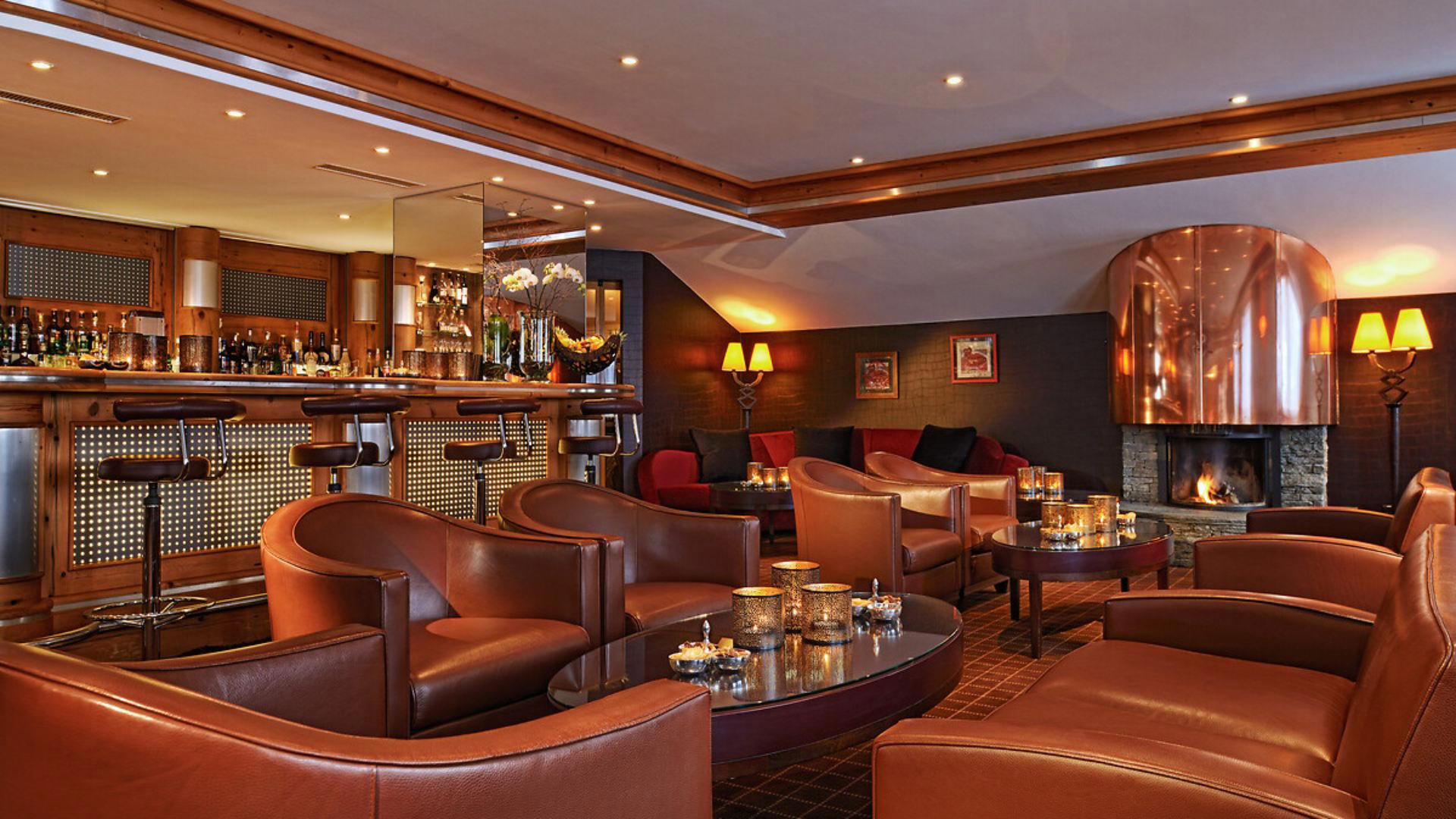
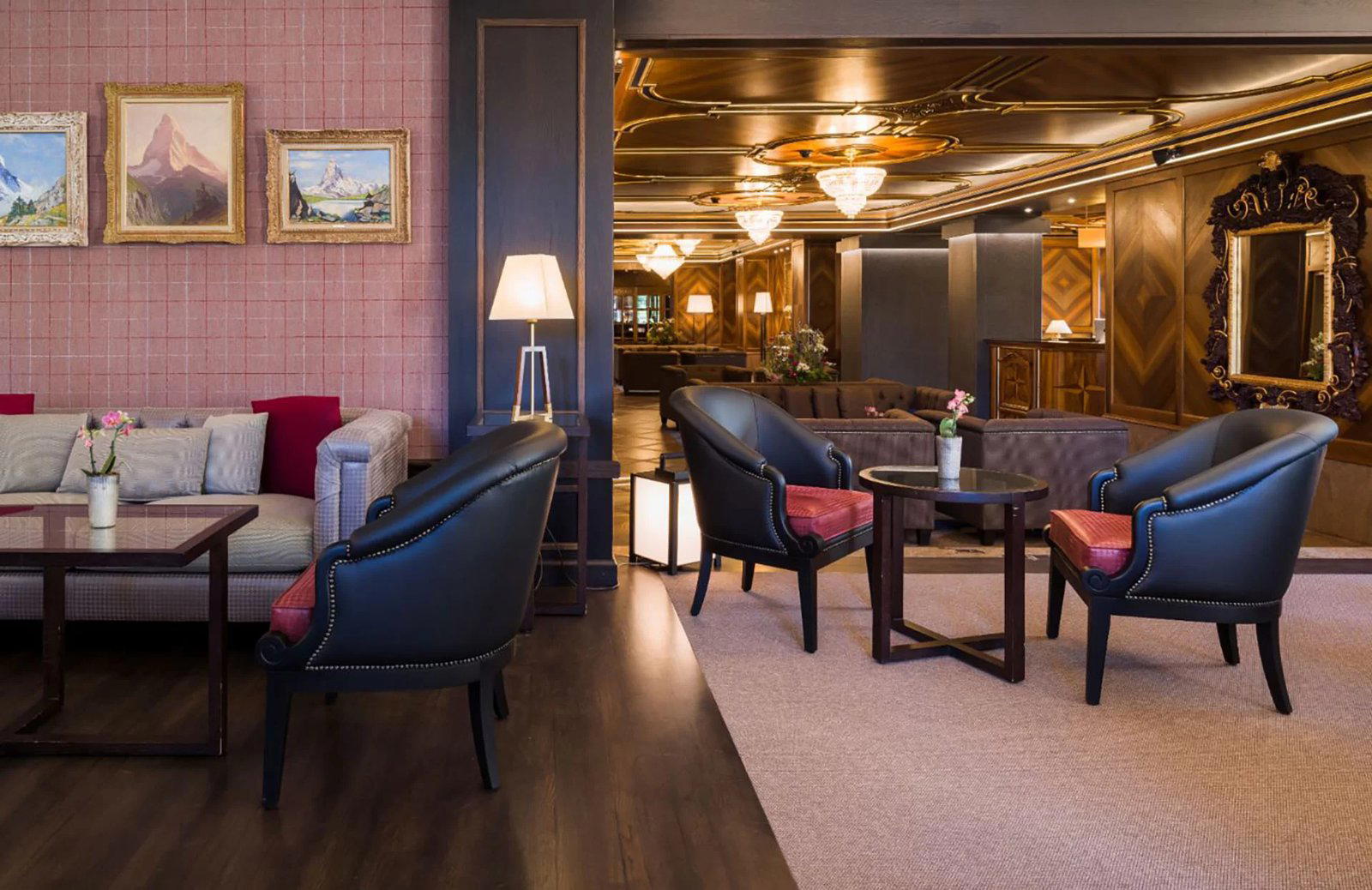
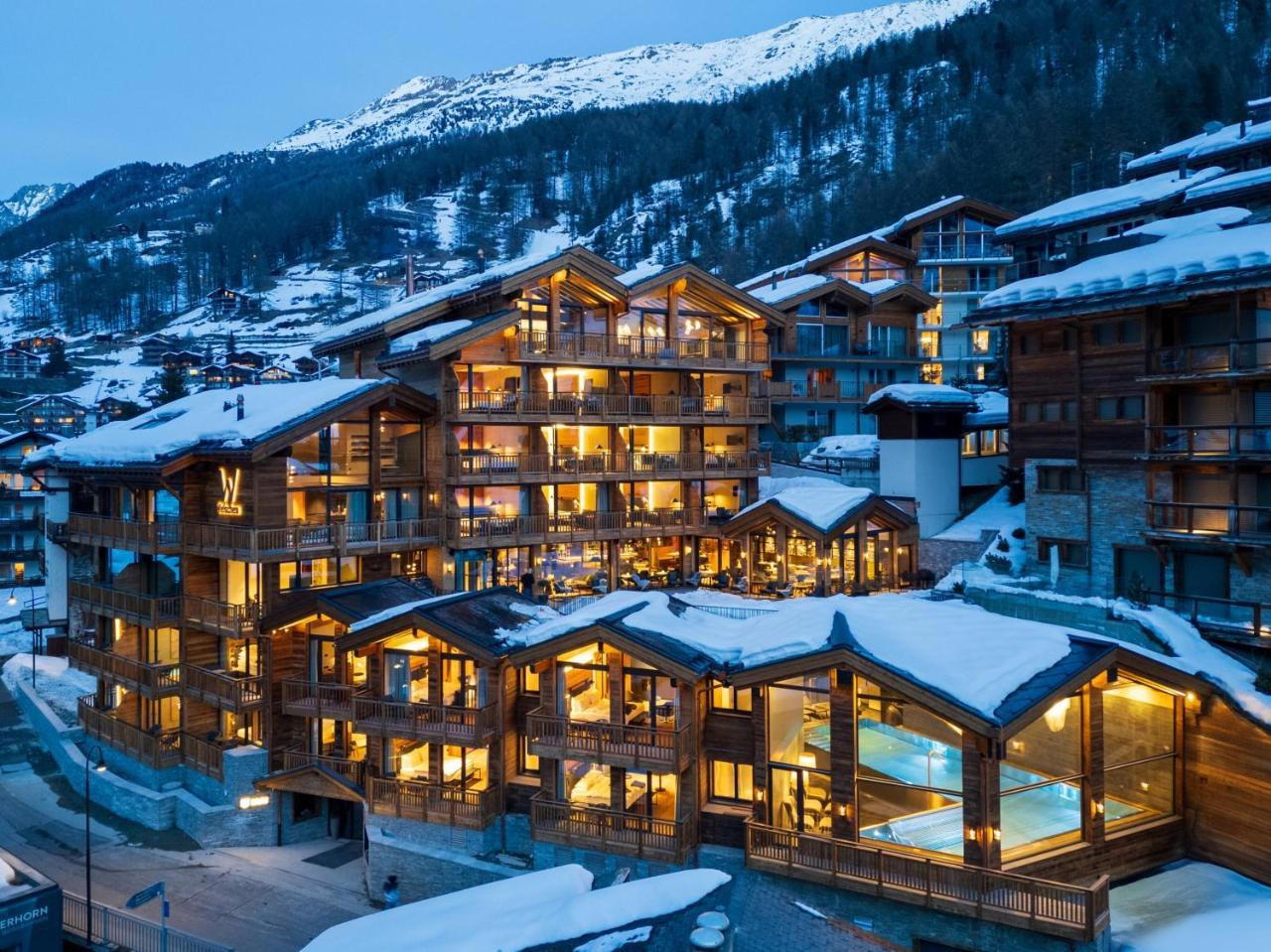
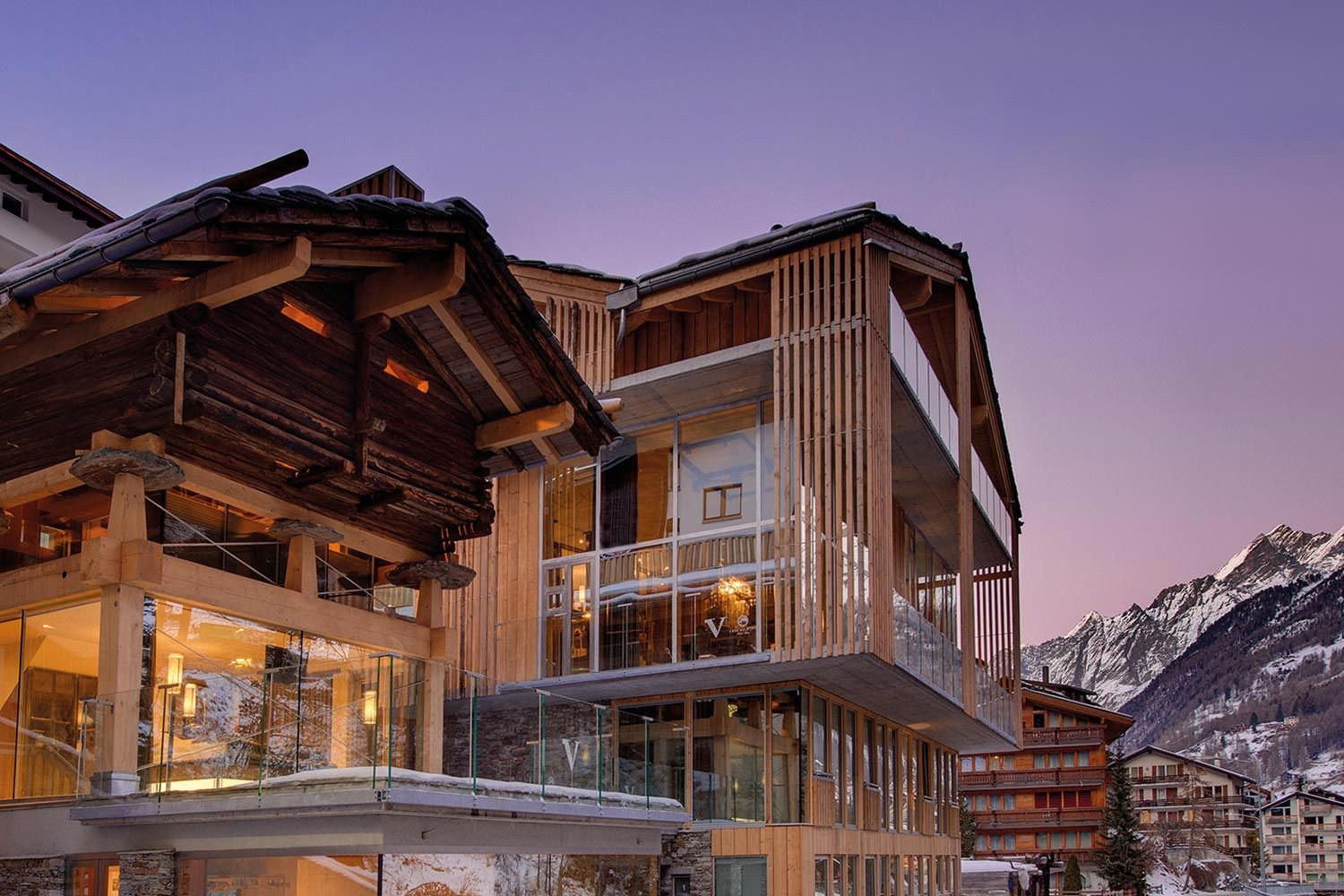
Cozy ambience with fabric wall coverings, bright colors, and direct views of the buffets.