Vintage Design Hotel Sax
Vintage Design Hotel Sax occupies a historic building on Jánský vršek, a quiet stepped lane in Prague's Malá Strana district, and positions itself within the city's design-led boutique tier. The property draws visitors who prefer character-driven accommodation over international chain formats, placing it in a comparable set defined by architectural distinctiveness and neighbourhood specificity rather than scale.
Pearl is the En Primeur Club membership app — saves, bookings, and concierge access live there. Same editors, same standards.
- Address
- Jánský vršek 3, 118 00 Malá Strana, Czechia
- Phone
- +420 775 859 694
- Website
- hotelsax.cz
- Directions
- Get directions
 Saves & bookings on Pearl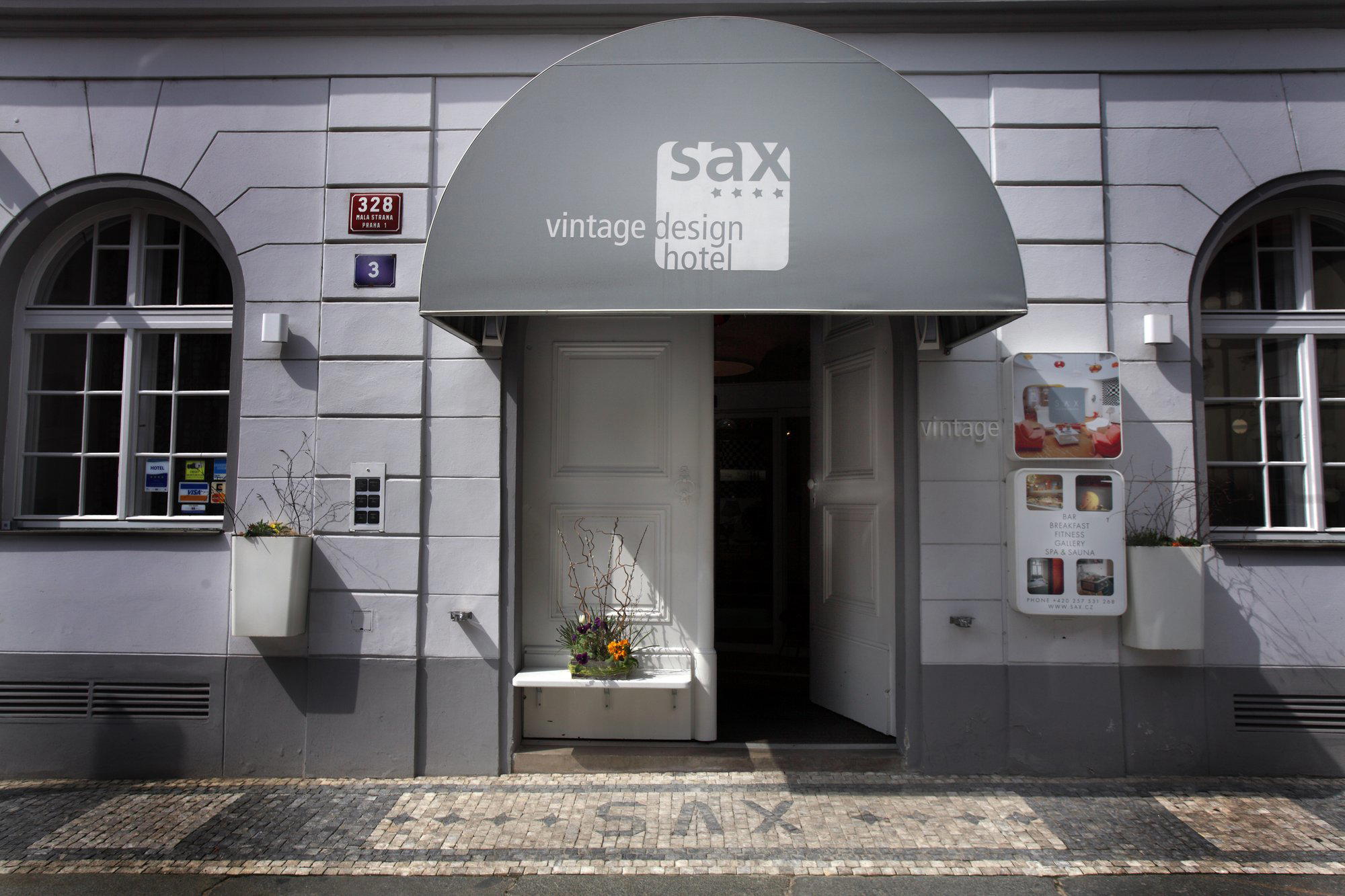
Malá Strana's Design-Led Counterpoint
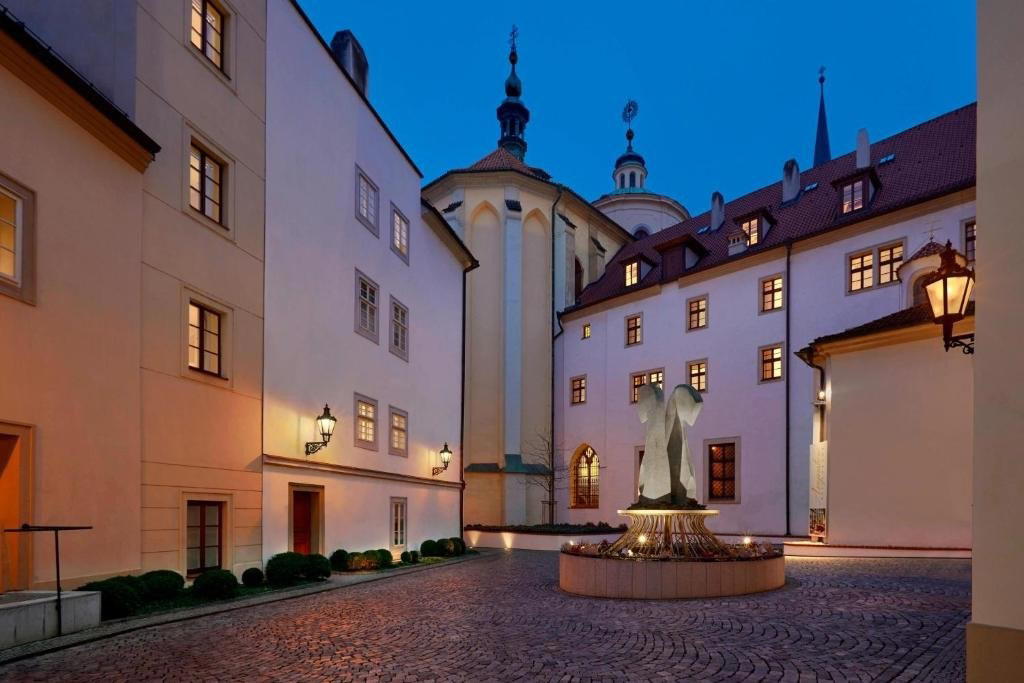
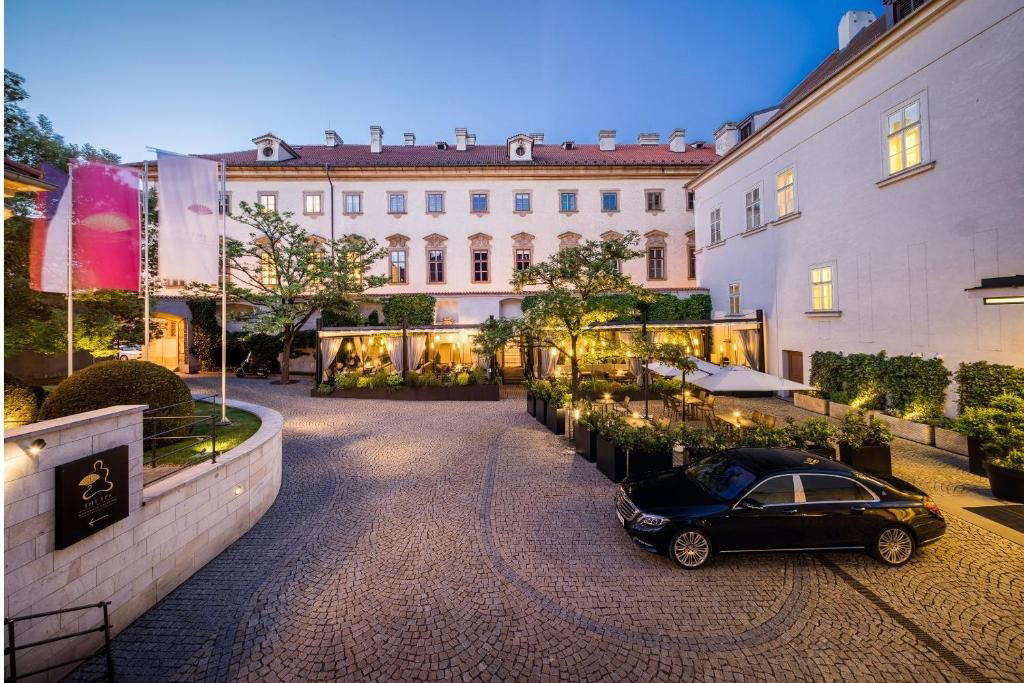
Jánský vršek is one of those Malá Strana lanes that most visitors pass without registering, a steep cobbled climb between Baroque facades, close enough to Prague Castle to feel its gravity but removed from the coach-party circuits that clog Nerudova. It is precisely this positioning, at once central and quiet, that defines the logic of Vintage Design Hotel Sax. The hotel occupies a historic building on this street and has been fitted out to read as a design statement rather than a period reconstruction. In a neighbourhood where properties tend to compete on heritage authenticity, thick stone walls, Gothic vaulted cellars, Habsburg-era detailing, Sax takes a different tack, placing mid-century and retro-inflected design at the centre of its identity.
That choice places it in a smaller niche within Prague's boutique hotel market. The dominant pattern in Malá Strana hospitality runs toward atmospheric restoration: properties like Alchymist Grand Hotel and Spa and Augustine, A Luxury Collection Hotel lean into the weight of centuries, deploying original architectural fabric as their primary draw. Sax operates on a different frequency, one that appeals to guests who want the Malá Strana address without the obligation of sleeping inside a museum.
The Neighbourhood as Context
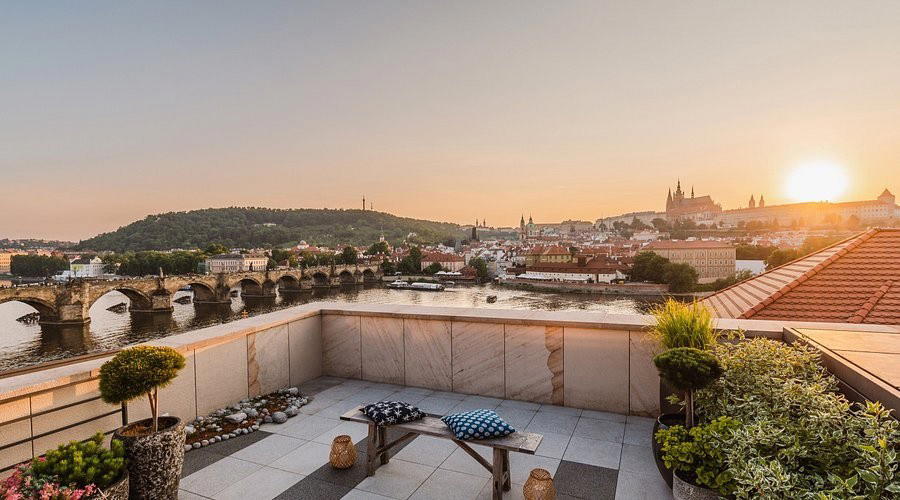
Understanding Sax requires understanding the neighbourhood. Malá Strana, Lesser Town, in literal translation, sits on the left bank of the Vltava directly below Prague Castle, separated from the Old Town by the Charles Bridge. It is among the more architecturally coherent Baroque districts in Central Europe, largely because the area was rebuilt after a catastrophic fire in 1541 and then preserved through decades of limited investment under Communist rule. That enforced freeze, frustrating as it was for residents, left the district's street pattern and building stock largely intact.
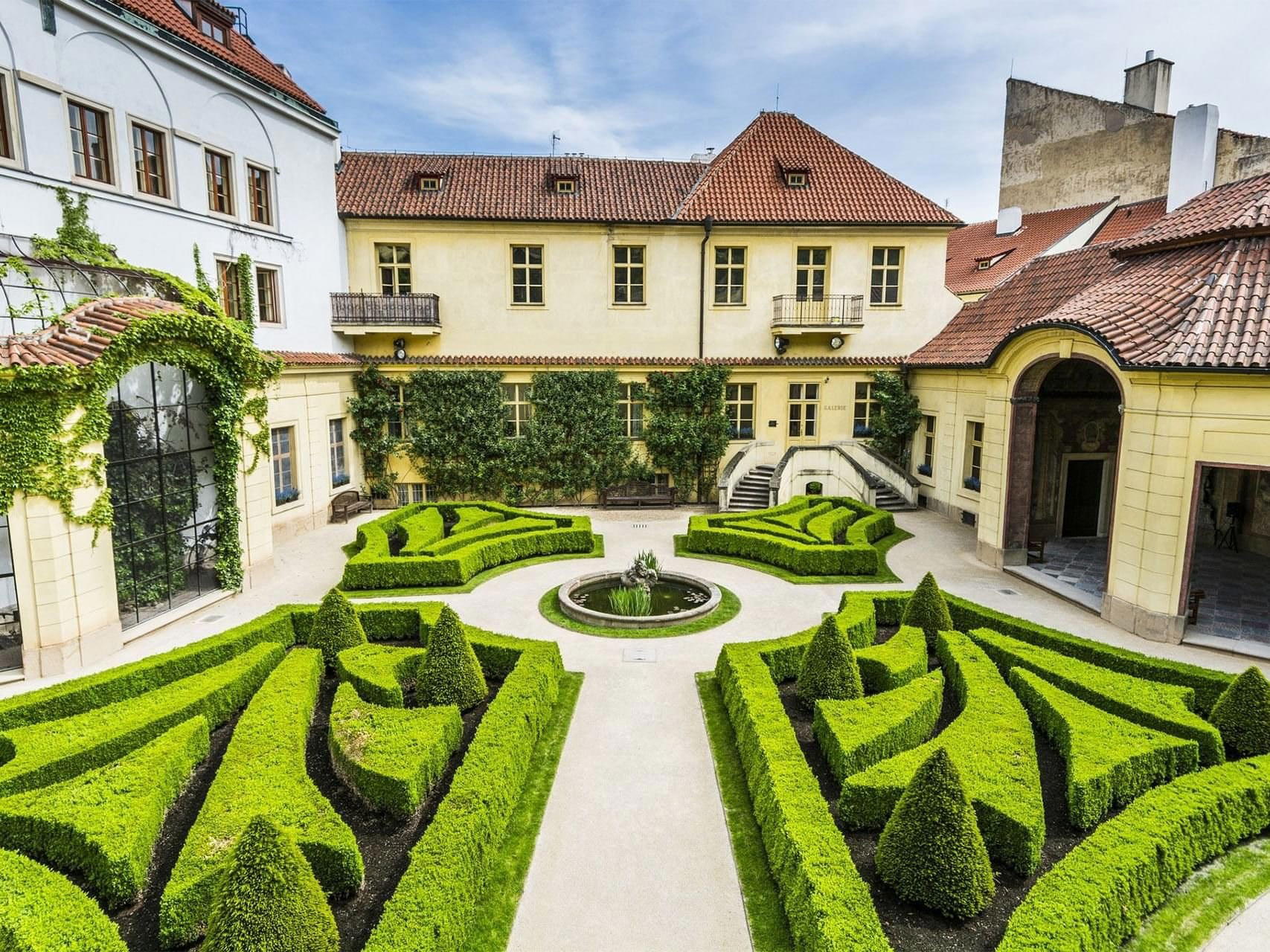
For hotel guests, this translates into an experience unlike most European capitals: walking out of the front door onto a lane that genuinely looks much as it did in the eighteenth century, with functioning palaces-turned-embassies, walled gardens glimpsed through iron gates, and a density of churches that means bells are an ambient feature of the morning. The area connects directly to Prague's broader offer, but Malá Strana itself moves at a different pace than the Old Town across the river.
Design Identity in a Heritage Context
Prague's boutique hotel spectrum has broadened considerably since the early 2000s, when the post-Velvet Revolution restoration wave was still working through the city's historic building stock. The initial decade of luxury hotel development here prioritised grandeur and period authenticity, producing properties like Almanac X Alcron Prague and Andaz Prague, each occupying landmark buildings and foregrounding their architectural backstory. A second generation of properties, Sax among them, made a different calculation: that design-forward interiors inside a historic shell could attract guests fatigued by the dominant aesthetic.
This split mirrors patterns visible across European cities where heritage density is high, Budapest, Vienna, Kraków, and where boutique operators have found a market in guests who want to be in the historic centre without being surrounded exclusively by antique furniture and oil portraits. BoHo Hotel Prague and Buddha-Bar Hotel Prague reflect similar thinking in the Old Town, each carving out a design or lifestyle identity that differentiates from the period-restoration default. Sax applies that logic to the quieter, residential character of Malá Strana.
Dining and Bar Programming in Small Prague Hotels
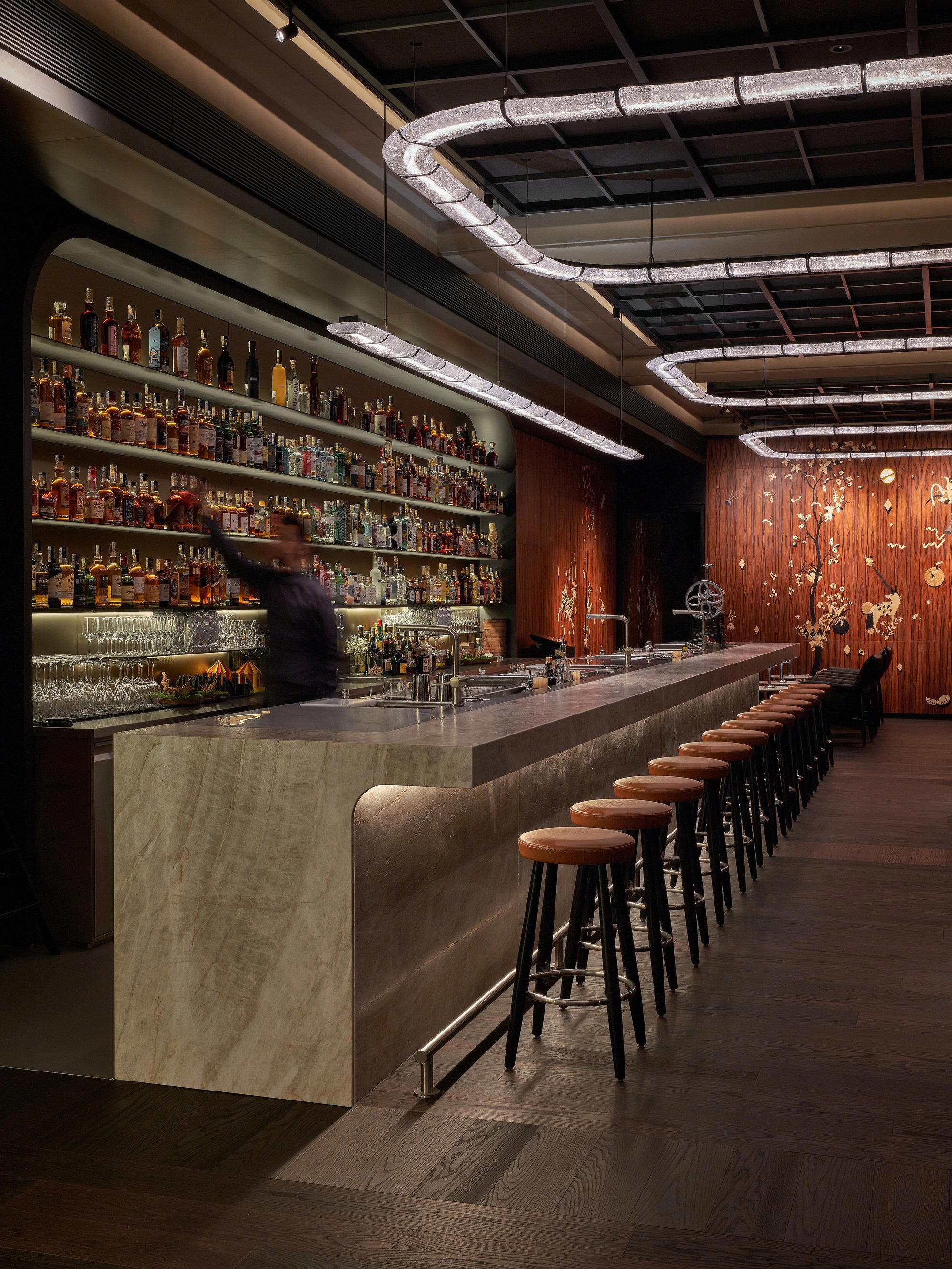
The editorial angle for a property like Sax is necessarily shaped by the limitations of its scale. Smaller boutique hotels in Prague's historic districts tend to fall into one of two camps when it comes to food and drink: those that invest in a genuinely independent bar or restaurant programme, using the hotel's location and design identity to attract non-resident guests; and those that treat their food offering as a functional amenity rather than a destination in its own right. Properties with more resources behind them, Aria Hotel Prague or Century Old Town Prague, for example, have the footprint and staffing depth to sustain a full dining programme. Smaller independents like Sax operate in a different register.
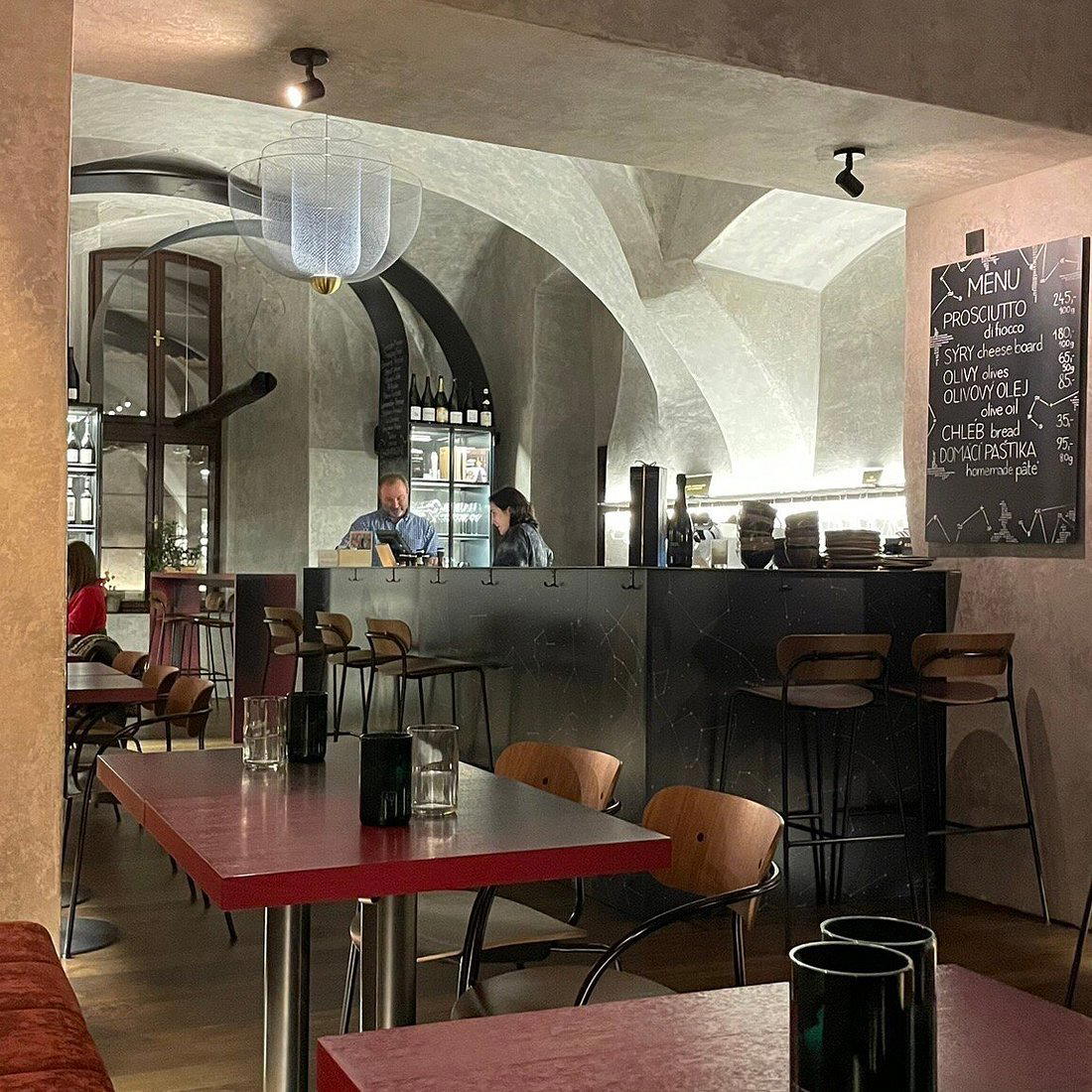
What this means in practice for guests is that the surrounding neighbourhood becomes part of the dining and drinking offer by extension. Malá Strana has a concentrated cluster of wine bars, Czech pubs, and restaurant terraces within walking distance, with the area around Malostranské náměstí offering considerably more choice than the immediate streets around the hotel might suggest. This is not a drawback so much as a structural feature of staying at this scale of property in this kind of neighbourhood, an argument for integration with the local scene rather than insulation from it.
Guests comparing options in the broader Central European boutique market might also consider how Prague's offer relates to similar properties elsewhere in the Czech Republic: Boutique Hotel Corso in Karlovy Vary, Chateau Mcely outside Prague, or Villa Julius a Emma in Carlsbad each occupy a distinct tier and setting within the country's premium accommodation offer.
Planning Your Stay
The hotel's address on Jánský vršek places guests within a ten-minute walk of Charles Bridge and a similar distance from the castle entrance ramp. Prague's Old Town, Josefov, and Vinohrady are all reachable within fifteen to twenty minutes on foot or by tram from this side of the river, and the tram network is one practical way to move between neighbourhoods.
Four Seasons Hotel Prague on the river, or Mandarin Oriental Prague occupying a former monastery a few streets from Sax. Aman Venice, Cheval Blanc Paris, or Castello di Reschio in Umbria for a sense of how the design-in-heritage-shell model plays out at different scales and price points.
Price and Positioning
Comparable venues nearby, for context on price, style, and recognition.
| Venue | Price | Awards | Notes |
|---|---|---|---|
| Vintage Design Hotel SaxThis venue — the venue you are viewing | $$$ | 4-Star | Not listed |
| NYX Hotel Prague | $$$ | 4-Star | Praha 2, Boutique design hotel with art-infused interiors in a historic building. |
| Design Hotel Neruda | $$$ | 4-Star | Malá Strana, Boutique design hotel in restored 14th-century historic buildings |
| Hotel Josef | $$$$ | 4-Star | Josefov, Pure, authentic, inspiring design hotel |
| Don Giovanni Hotel Prague | $$$ | 4-Star | Zizkov, Heritage Art Nouveau design hotel positioned as an upscale retreat for business and leisure travelers with wellness and family amenities. |
| Andaz Prague | $$$$ | 5-Star | Praha 1, Contemporary luxury design hotel that honors Prague's cultural heritage through architectural integration with the historic Sugar Palace and mythological storytelling elements. |
At a Glance
- Retro
- Elegant
- Cozy
- Intimate
- Bohemian
- Romantic Getaway
- Weekend Escape
- Historic Building
- Design Destination
- Wi Fi
- Sauna
- Parking
- Room Service
- Concierge
- Business Center
- Air Conditioning
- Street Scene
- Wi Fi
- Sauna
- Parking
- Room Service
- Concierge
- Business Center
- Air Conditioning
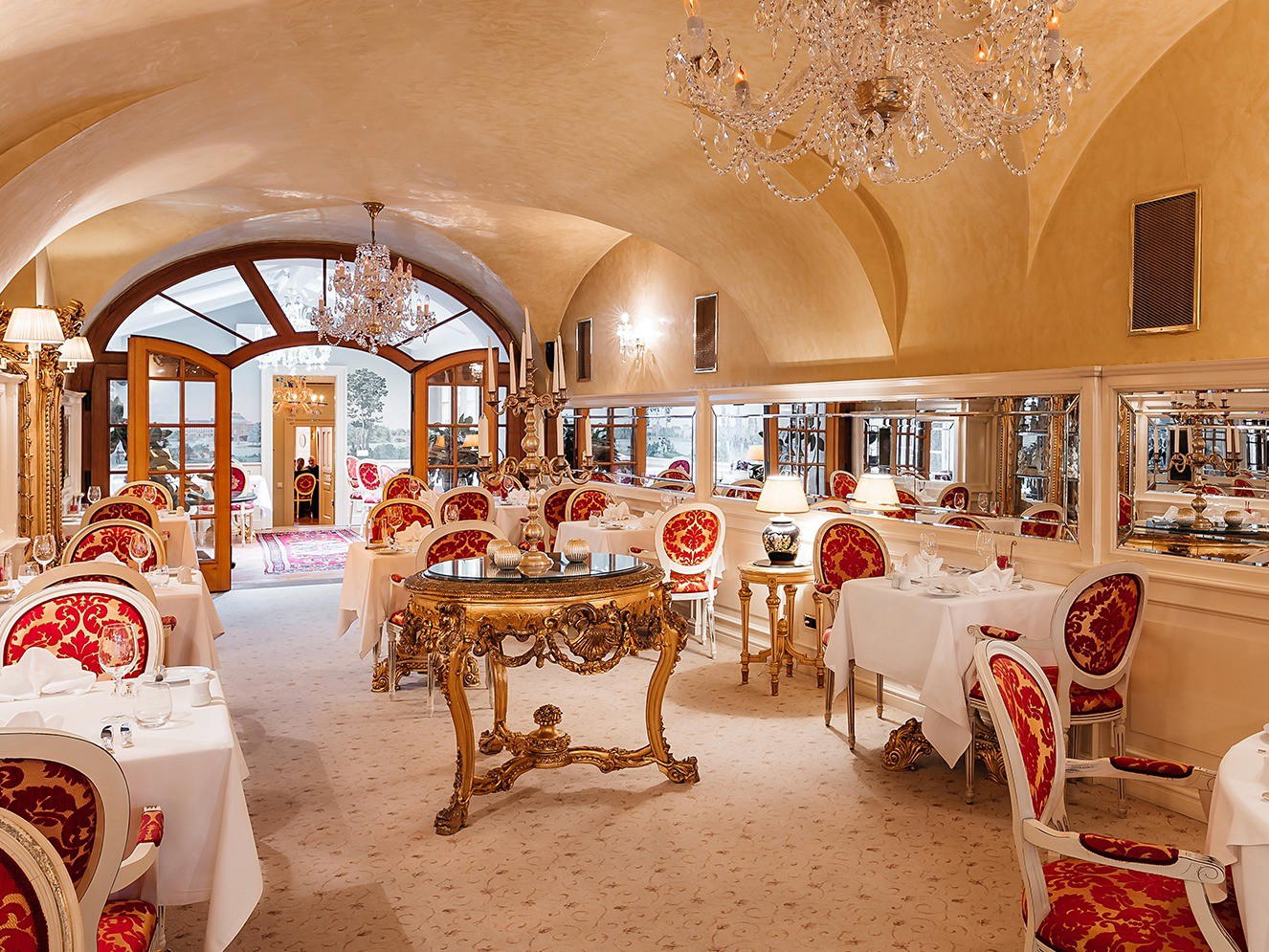
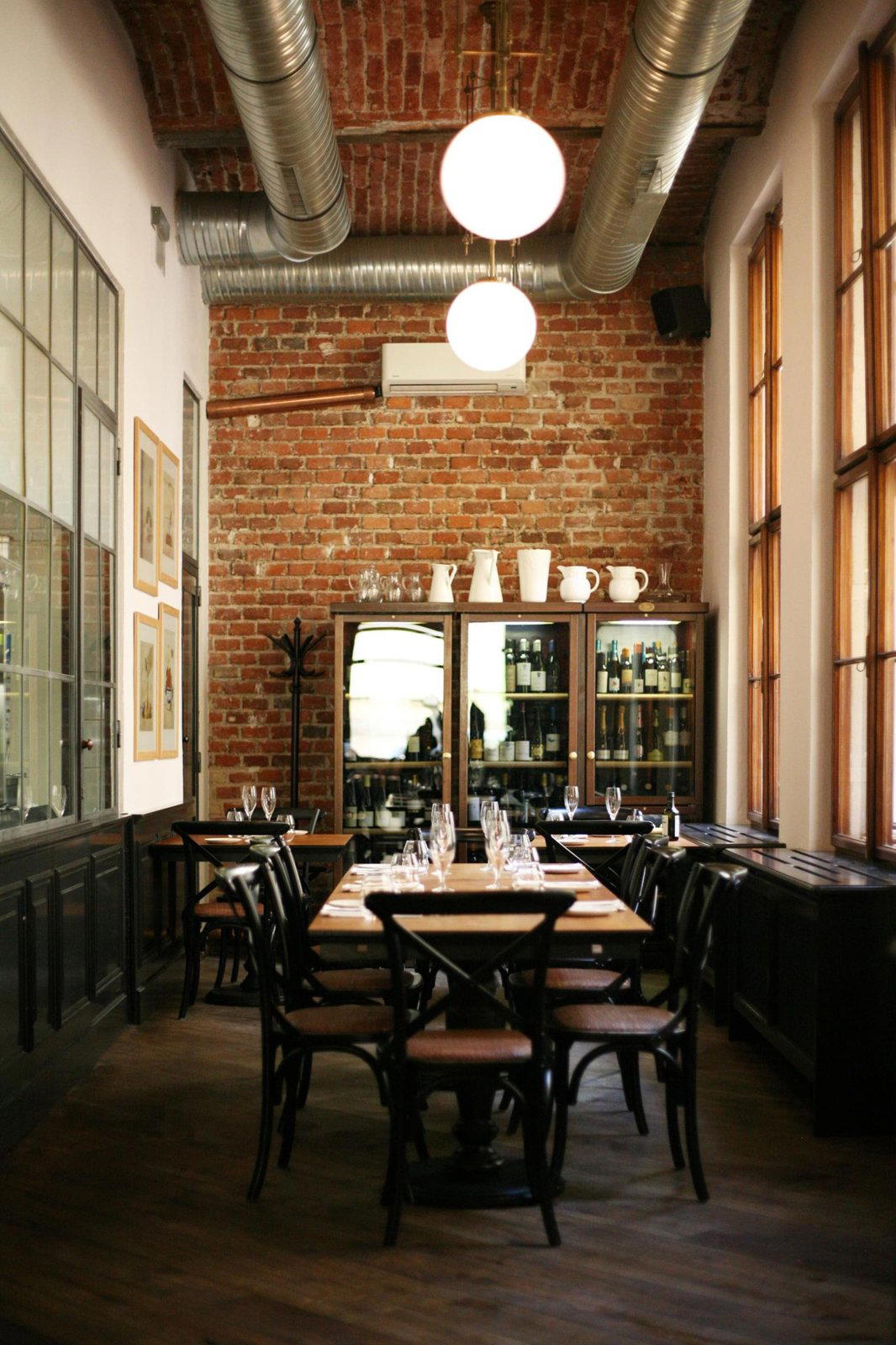
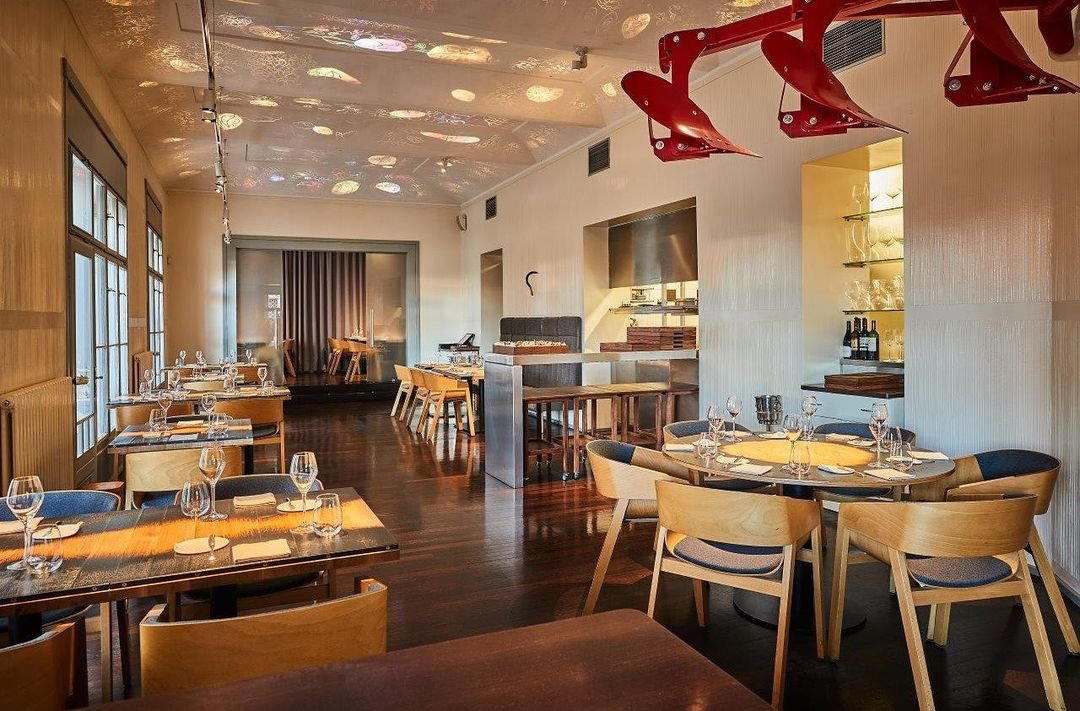
Colorful and playful vintage atmosphere evoking the bohemian spirit of mid-20th century eras, with curves, colors, and individual room decor creating a cozy, art gallery-like feel.