Schönegg

Michelin Selected
The property offers an entry point into Wengen's quieter end of the lodging spectrum, where the pedestrian-only setting and proximity to the Jungfraujoch railway define the guest experience as much as the hotel itself.

Pearl is the En Primeur Club membership app, where members save venues, book tables and use the concierge.
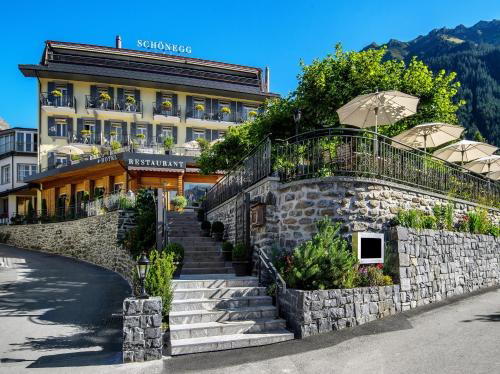
Where Car-Free Villages Shape Hotel Design
Wengen's most consequential architectural constraint is also its defining charm: no private vehicles reach the village. Every supply run, every building material, every guest arriving from Lauterbrunnen ascends by cog railway. That logistical reality has shaped the physical character of Wengen's hotels in ways that distinguish them from comparable Swiss alpine resorts. Where a Gstaad property like The Alpina Gstaad can signal contemporary ambition through imported stone and structural glass at scale, Wengen's buildings carry a more contained, historically layered identity. Renovation happens carefully. Facade additions are measured. The village reads as a coherent whole rather than a sequence of competing architectural statements.
Schönegg sits within that context. Michelin's hotel programme, expanded substantially in recent years, does not weight selections solely on room count or spa square footage. It attends to coherence: does the property deliver a consistent, considered experience? That Schönegg carries this recognition in a village where the entire built environment operates under pedestrian constraints says something about its physical integration with Wengen's character.
The Aesthetic Logic of the Bernese Oberland Setting
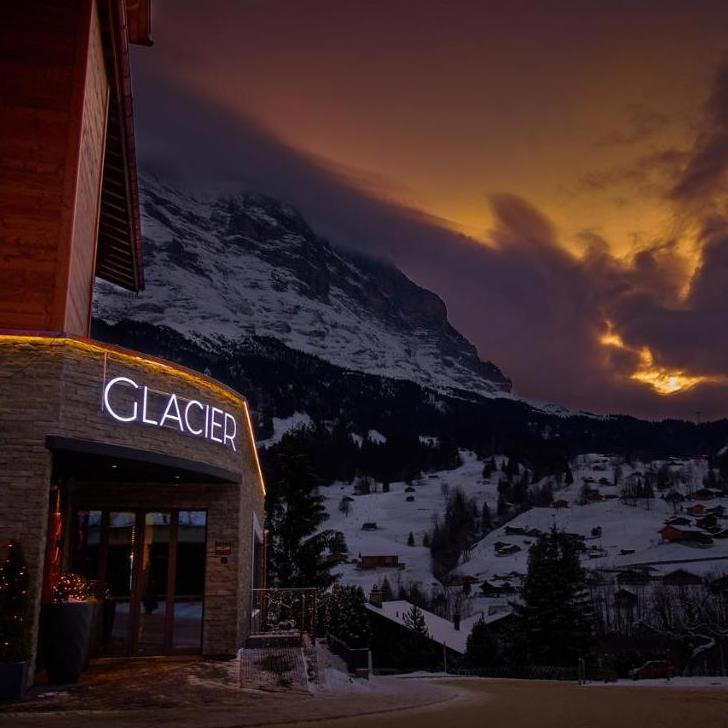
The Bernese Oberland has its own design vocabulary, one that sits apart from the Valais chalet idiom or the Graubünden modernism visible at properties like The Chedi Andermatt or Matterhorn FOCUS in Zermatt. Here, the dominant material tradition is timber-framed construction, steep-pitched rooflines designed for snow load, and south-facing window arrangements calibrated to maximise the Jungfrau panorama. For a hotel occupying a position in Wengen, that orientation is the primary visual argument. The Eiger, Mönch, and Jungfrau form one of alpine Europe's most documented skylines, and properties that frame it well hold a spatial advantage no interior renovation can replicate.
This is the context in which Schönegg should be read: as a Wengen village property whose architectural relationship with the surrounding peaks is the central design fact.enprimeurclub.com/hotels/badrutts-palace-hotel-st-moritz-hotel">Badrutt's Palace Hotel in St. Moritz to Beau-Rivage Palace in Lausanne, the properties that hold their recognition across decades tend to share a clarity about what their setting offers and a discipline about not obscuring it. In the Oberland, that means resisting the impulse to fill every sight line with interior gesture.
Wengen's Hotel Tier and Where Schönegg Sits
Wengen's lodging options range from large historic grand hotels to family-run chalets. The village's pedestrian status has preserved a mid-century residential scale that keeps even its larger properties from dominating the streetscape. Grand Hotel Belvedere, Beaumier Hotel represents the historic grand hotel tier in the village, while Braunbär Hotel & Spa occupies a more intimate position. Schönegg's Michelin Selected status places it in the curated category alongside both, though the distinction is earned on experiential grounds rather than room count or spa infrastructure.
For comparison across the Swiss alpine circuit, the Michelin hotel programme has recognised properties at very different scales and price points, from the self-contained resort ambition of Bürgenstock Resort to more contained properties in smaller mountain villages. What connects them in the guide is editorial coherence rather than category uniformity. Schönegg's inclusion in that list for 2025 signals it meets that bar in Wengen's specific context.
Planning a Stay: Seasonal and Logistical Considerations
Wengen operates on two distinct seasonal rhythms. Summer, particularly July and August, draws hikers and visitors to the Jungfraujoch railway, which terminates at 3,454 metres above sea level and remains Europe's highest railway station. Both seasons carry different crowd profiles and booking windows: peak winter weeks around Christmas and New Year, and the weeks either side of Swiss National Day in early August, tend to fill the village's smaller properties first.
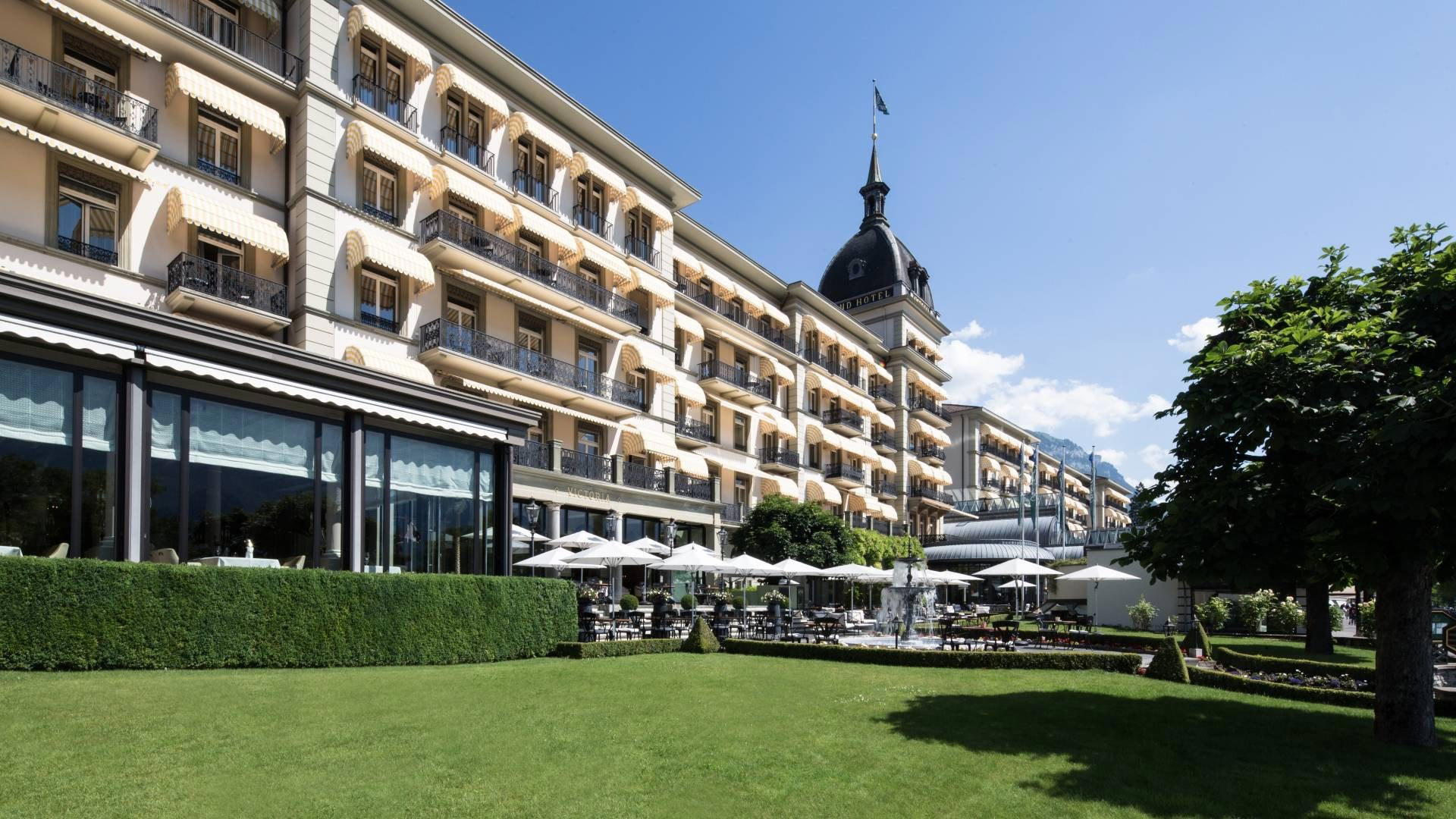
Arriving at Wengen requires the Wengernalpbahn cog railway from Lauterbrunnen, which is itself reached by train from Interlaken. For guests travelling from beyond the region, Victoria-Jungfrau Grand Hotel & Spa in Interlaken provides an alternative base with direct train connections into the Oberland network if Wengen is planned as a day excursion rather than a base. For those treating Wengen as the primary destination, the car-free arrival is part of the experience rather than an inconvenience, though luggage forwarding arrangements are worth confirming in advance.enprimeurclub.com/hotels/hotel-villa-honegg-ennetbrgen-hotel">Hotel Villa Honegg in Ennetbürgen, Tschuggen Grand Hotel in Arosa, The Capra in Saas-Fee, and Hostellerie du Pas de l'Ours in Crans-Montana, demonstrates how mountain properties differentiate within a common seasonal structure. Wengen's pedestrian identity gives Schönegg a distinct setting argument that most of those properties cannot replicate, regardless of their own credentials.
For those building a wider Swiss itinerary, the country's urban tier offers a different register entirely: Baur au Lac in Zürich, Hotel Les Trois Rois in Basel, The Woodward in Geneva, Hotel Bellevue Palace Bern, Mandarin Oriental Palace, Luzern, and Grand Resort Bad Ragaz all sit within reasonable rail distance of the Oberland and can be paired with a mountain segment without requiring a vehicle. Park Hotel Vitznau in Vitznau and Castello del Sole in Ascona extend the itinerary toward the lake and Ticino regions respectively. For those extending internationally, comparable small-scale prestige properties include Hôtel de Paris Monte-Carlo, Aman Venice, and The Fifth Avenue Hotel in New York City.
For a full picture of where to eat and drink in the village alongside where to stay, see our full Wengen restaurants guide.
Side-by-Side Snapshot
Comparable venues nearby, for context on price, style, and recognition.
| Venue | Cuisine | Price | Awards | Notes |
|---|---|---|---|---|
| SchöneggThis venue (the venue you are viewing) | Historic alpine chalet renovated in 2012 preserving traditional charm with modern updates. | Not listed | Michelin Selected | Not listed |
| Braunbär Hotel & Spa | chic traditional alpine chalet with modern renovations | $300–500 | Michelin Selected | Wengen |
| Grand Hotel Belvedere, Beaumier Hotel | Heimatstil heritage reimagined with minimalist contemporary Alpine luxury | $300–500 | Michelin Selected · Mr & Mrs Smith Seal of Approval | Wengen |
| Hotel drei berge | chalet-style boutique with artistic reinvention | Not listed | Not listed | Mürren |
| Miiro The Mansard | Contemporary alternative to grand five-star Alpine palaces; relaxed yet refined boutique hotel built by Swiss craftsmen. | $750–1,000 | 1 Michelin Key · Mr & Mrs Smith Seal of Approval | Gstaad Promenade |
| Hotel de la Paix | Modern opulence in historic district | $200–300 | Not listed | Old Town Lucerne |
Recognition history
Dated appearances from independent guides and award organizations, with the underlying list record or original source where available.
Michelin Selected
Michelin
Continue exploring
More in Wengen
Hotels in Wengen
All hotels in Wengen →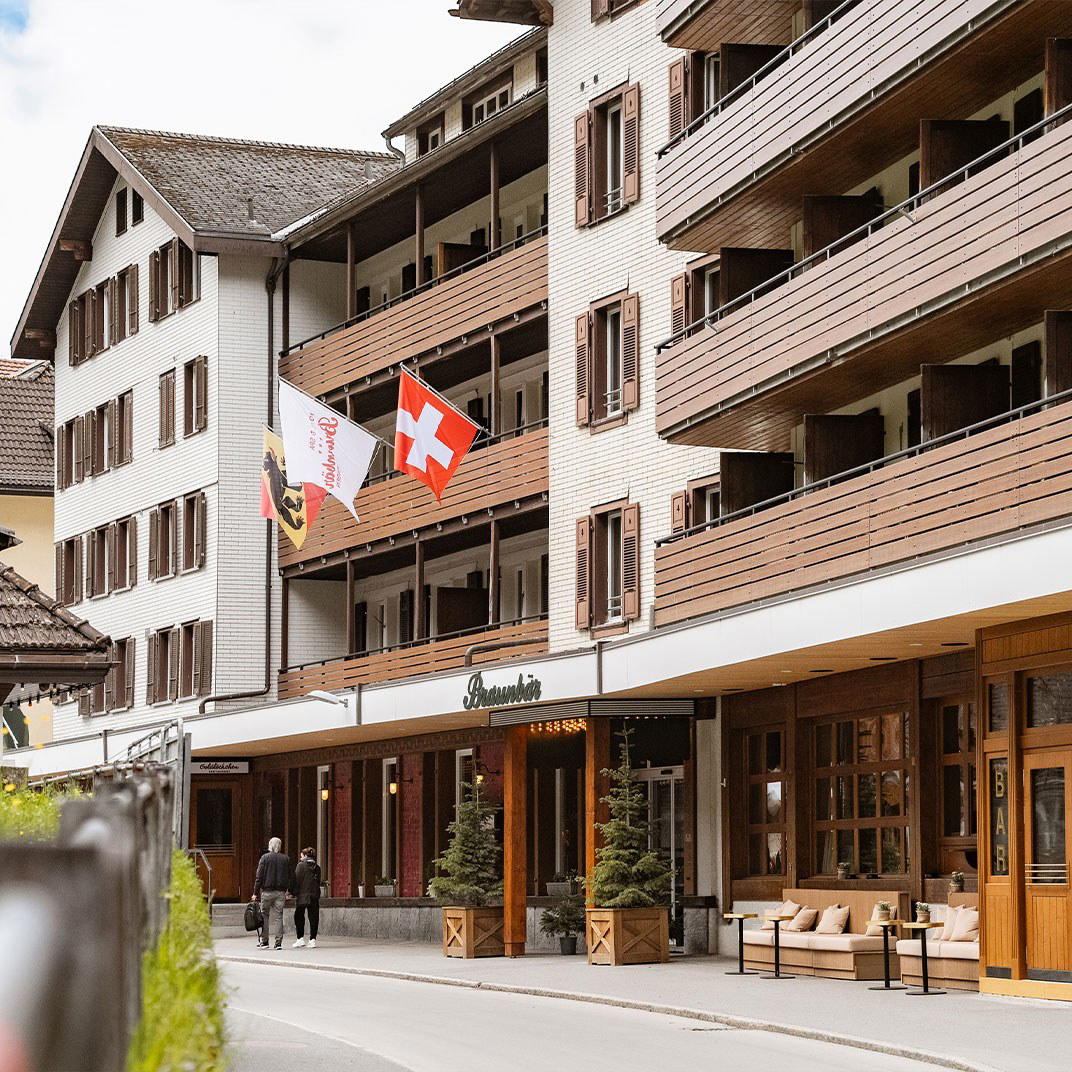
Bars in Wengen
Browse all →

Details
- Romantic
- Cozy
- Classic
- Scenic
- Elegant
- Romantic Getaway
- Honeymoon
- Weekend Escape
- Panoramic View
- Terrace
- Wi Fi
- Sauna
- Restaurant
- Room Service
- Concierge
- Mountain
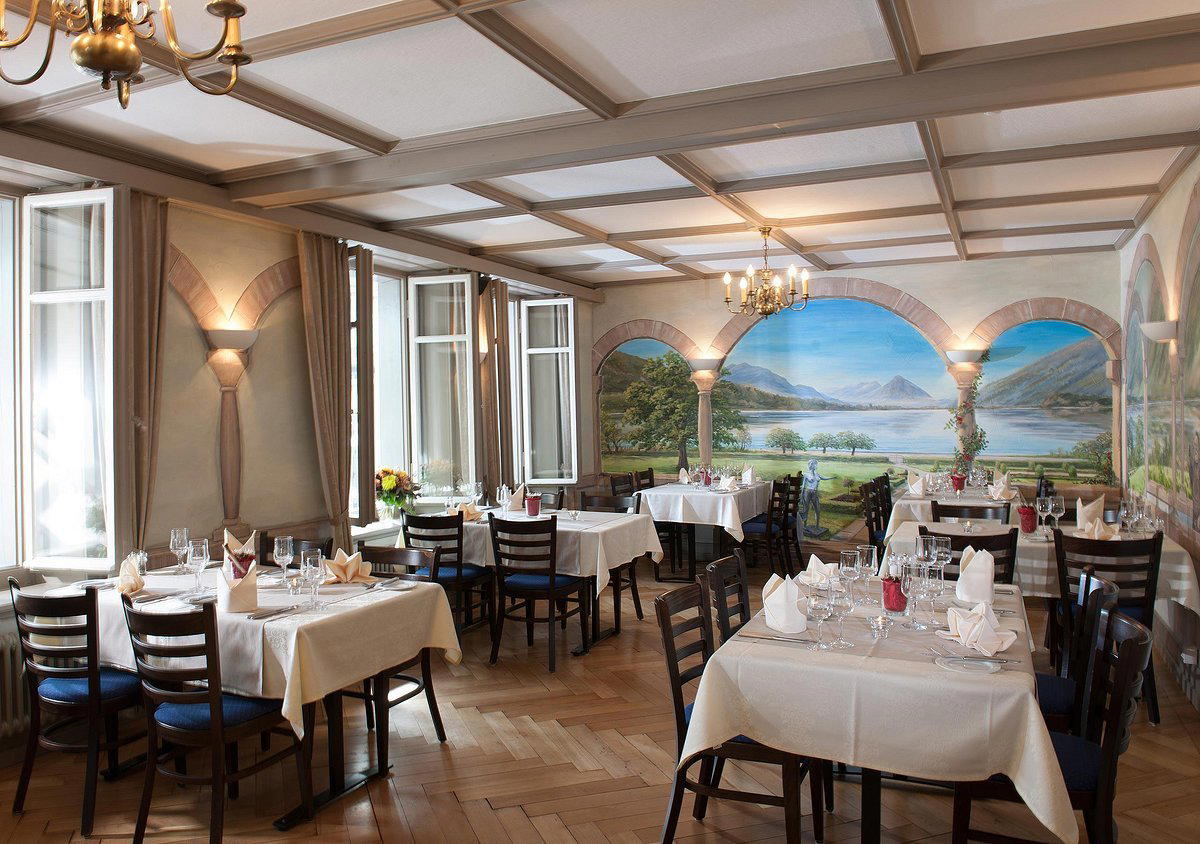
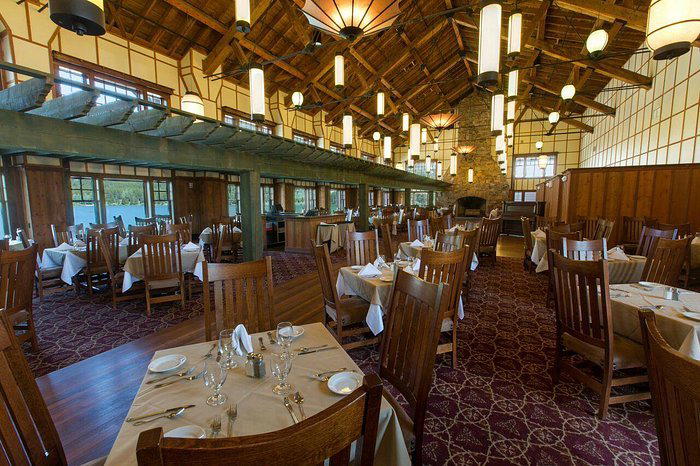
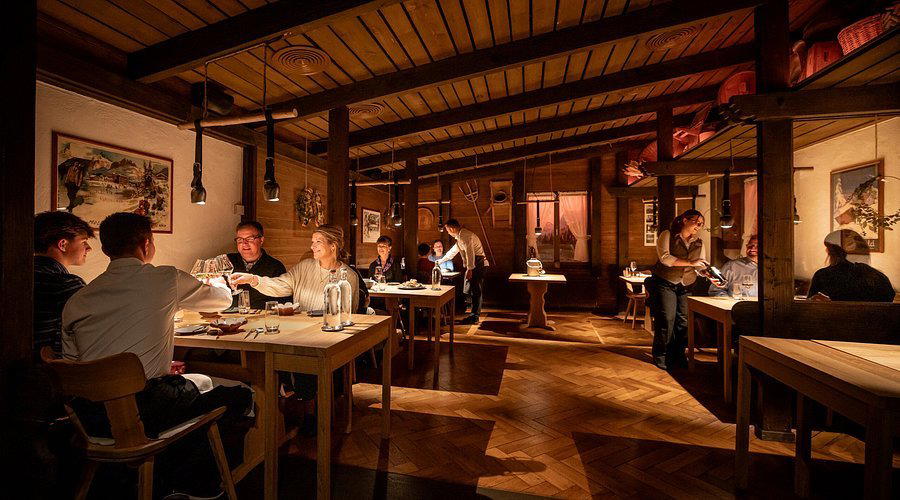
Warm and inviting with traditional alpine wooden paneling, timber decor, cozy fireplaces, and a relaxing atmosphere.