Sama-Sama Hotel sits directly within Kuala Lumpur International Airport in Sepang, making it the only full-service hotel with airside and landside access at KLIA. The property serves transit passengers, airline crews, and regional business travellers with a range of dining outlets and event facilities. Its position inside the terminal complex sets it apart from airport-adjacent competitors across Malaysia.
Pearl is the En Primeur Club membership app — saves, bookings, and concierge access live there. Same editors, same standards.
- Address
- 90, Jln CTA 4B, Kuala Lumpur International Airport, 64000 Sepang, Selangor, Malaysia
- Phone
- +60 3-8787 3333
- Website
- samasamahotels.com
- Directions
- Get directions
 Saves & bookings on Pearl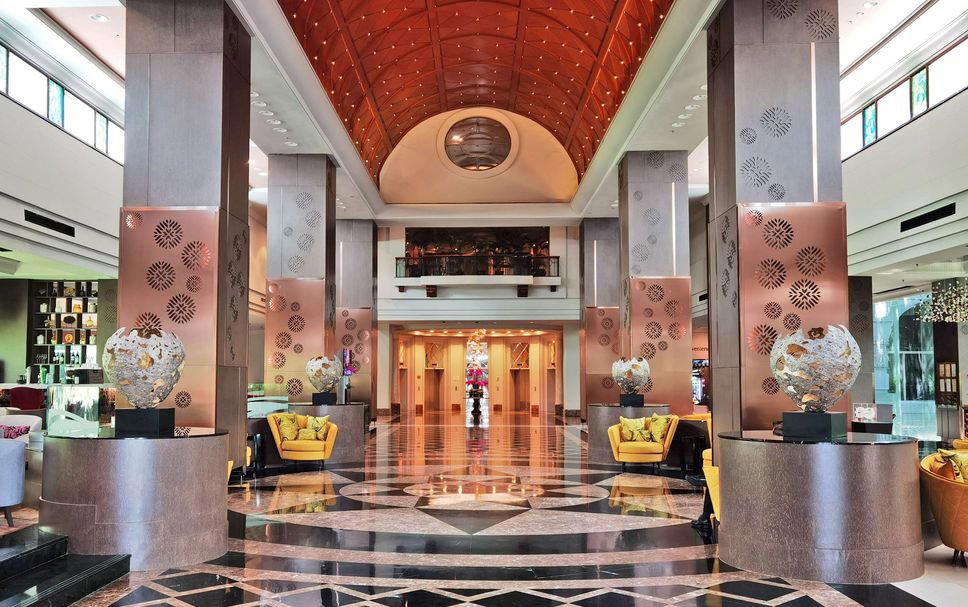
Airport Hospitality at KLIA: The Transit Hotel Category in Malaysia
Among airport hotels in Southeast Asia, the distinction between a property that sits near a terminal and one embedded within it carries real operational weight. Sama-Sama Hotel is a 5-star hotel in Sepang, Malaysia, at Kuala Lumpur International Airport, with direct connectivity to both the main terminal and the satellite building. That physical placement defines the hotel's identity more than any design choice or food and beverage programme: it is the transit and layover anchor at one of the region's highest-traffic aviation hubs, serving a guest mix that rotates through airline crews, long-haul transit passengers, and regional corporate travellers on short stays.
KLIA handles tens of millions of passengers annually, and the airport hotel market here functions differently from leisure destinations elsewhere in Malaysia. Where properties like The Datai in Langkawi or Pangkor Laut Resort in Lumut compete on landscape immersion and time-extended stays, Sama-Sama competes on frictionless access, consolidated services, and the ability to move between a hotel room and a departure gate without ground transport. That is a different hospitality proposition entirely, and it shapes everything from room configuration to dining hours to the range of outlets on property.
The Dining Programme: Feeding a Transit Crowd
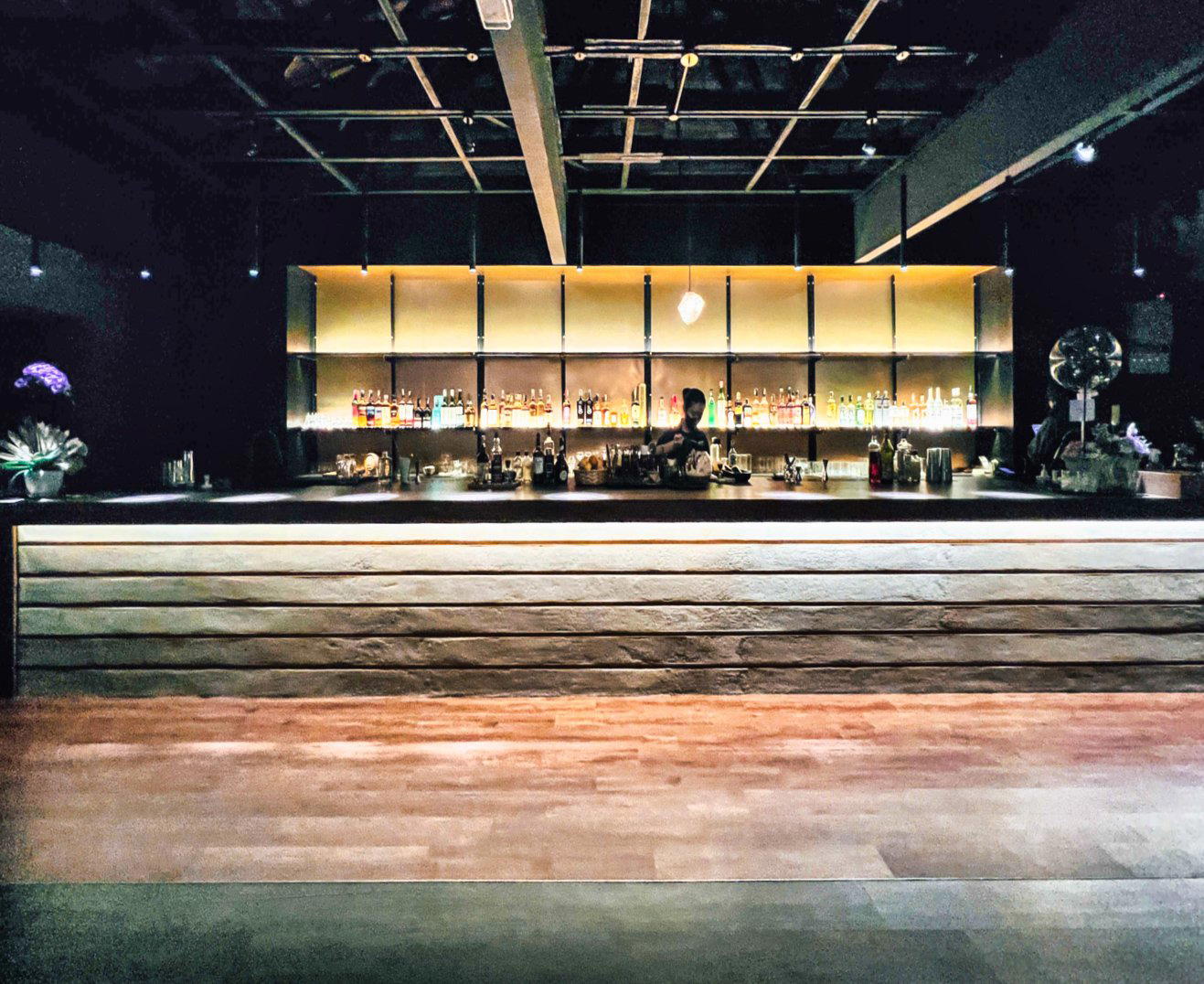
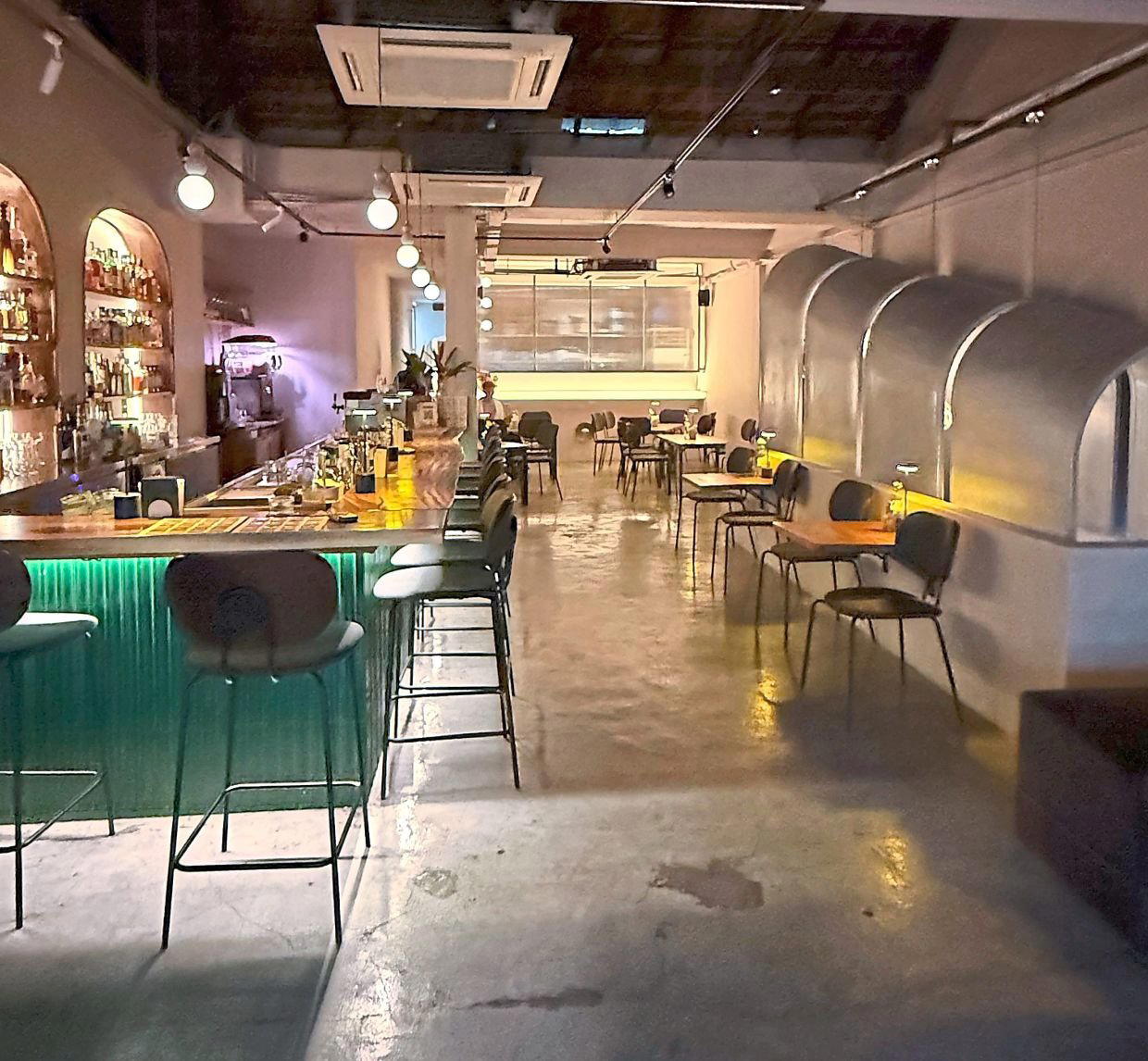
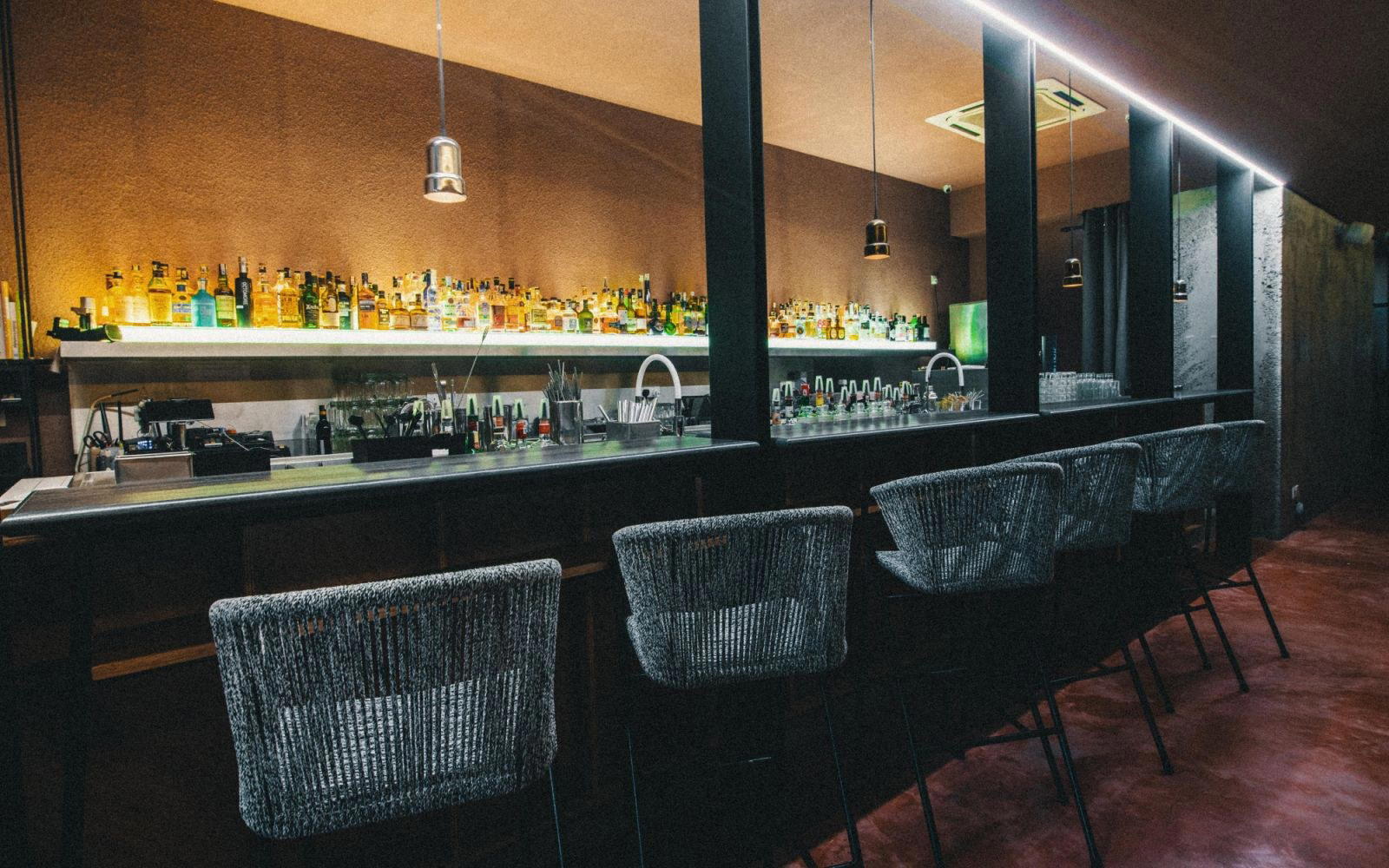
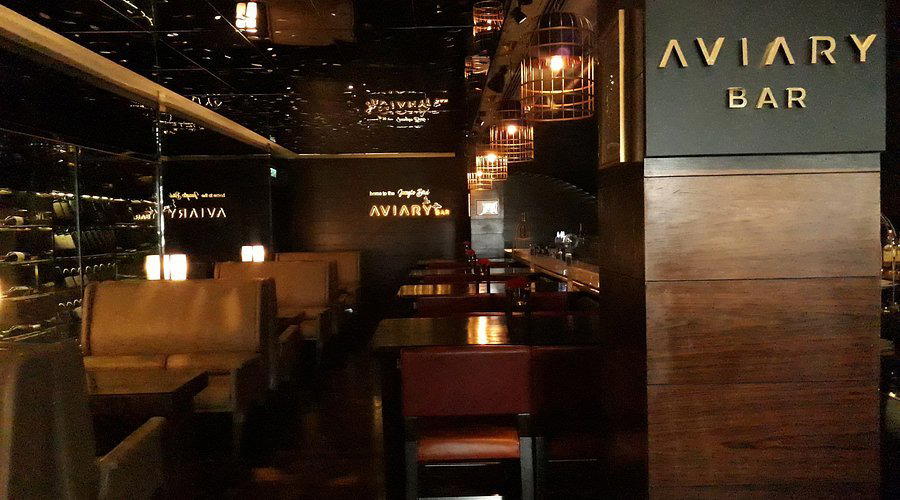
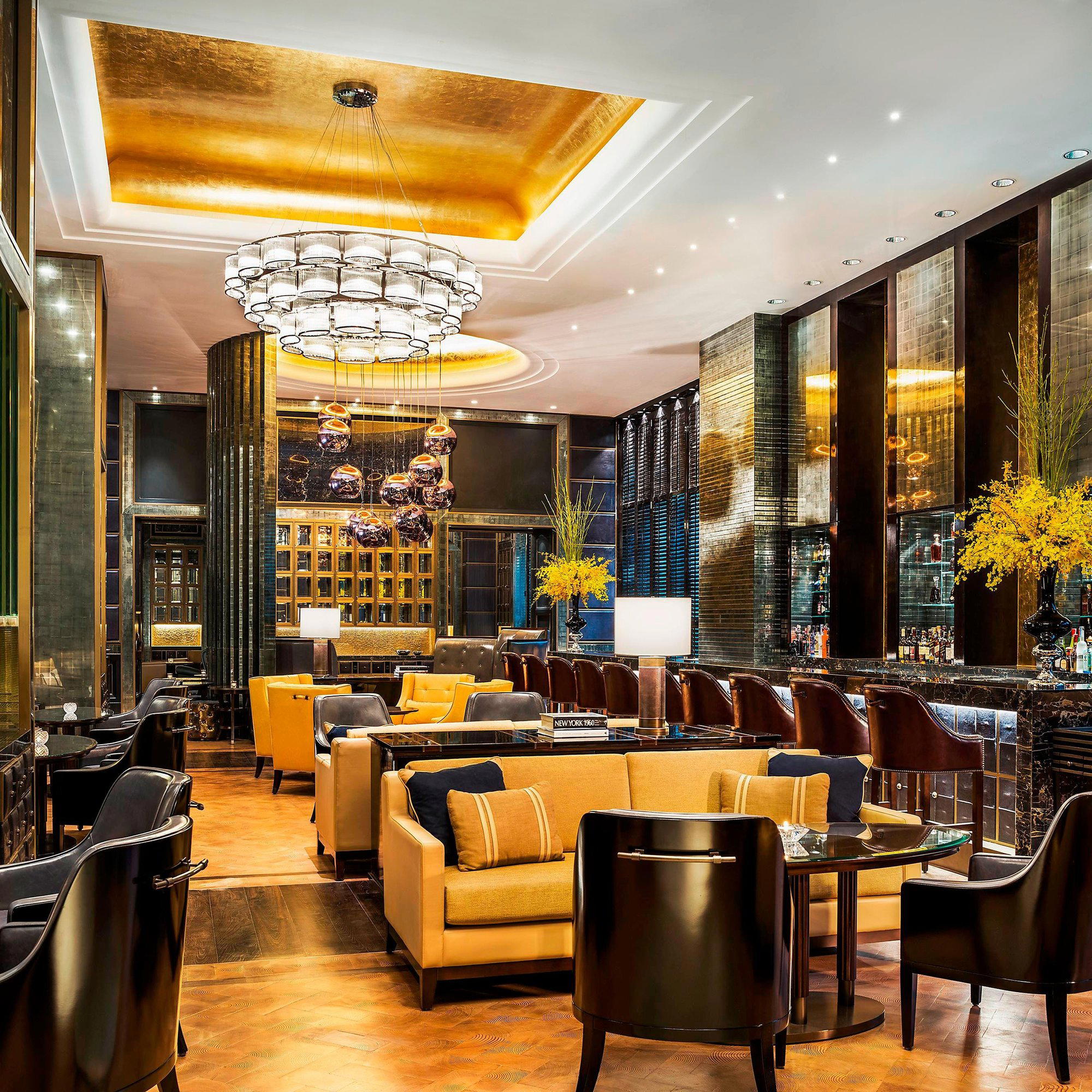
Airport hotel dining operates under constraints that restaurant-only venues do not face. Guests arrive from multiple time zones, carry departure windows that compress meal planning, and represent a broader range of dietary norms than a single urban neighbourhood produces. The food and beverage programme at an airport hotel of this scale typically spans multiple outlet formats to absorb that variability: an all-day dining room for flexibility, a speciality restaurant for longer stays or business hosting, a bar for layover dwell time, and room service for passengers who prioritise sleep over meals.
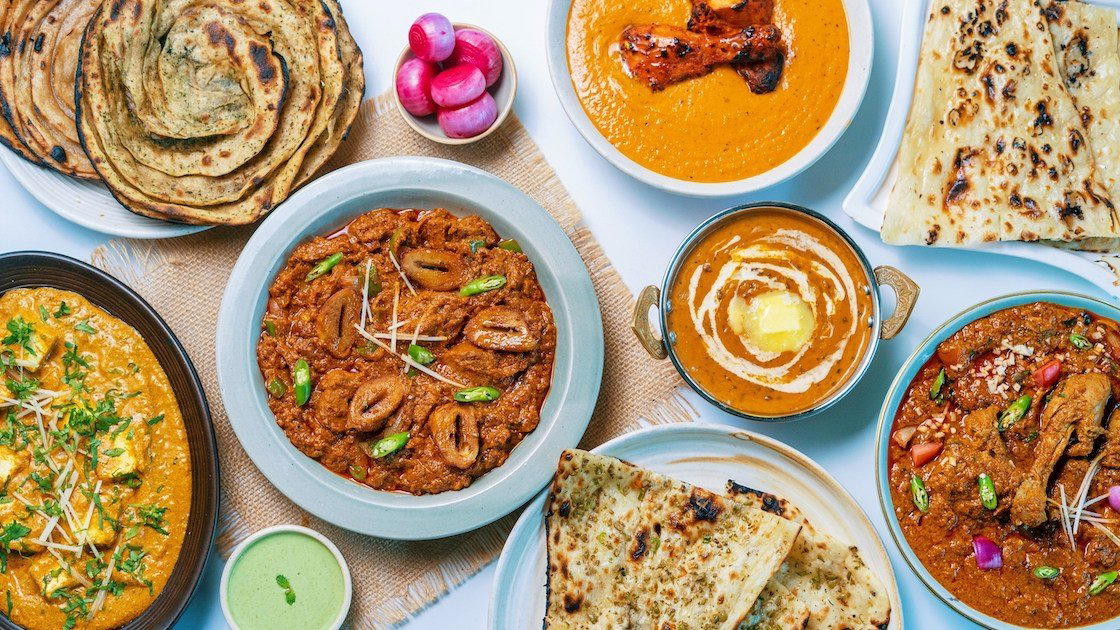
At a KLIA-adjacent property like Sama-Sama, the Malaysian context adds a specific expectation: the ability to access local cuisine alongside international formats. Malaysia's airport dining scene has matured considerably, and transit passengers increasingly expect that a hotel within KLIA can deliver a credible plate of nasi lemak or char kway teow alongside a club sandwich. Across Malaysia's hotel sector, properties that deliver regional cuisine with the same seriousness as their international menus have performed better with the domestic corporate traveller segment, a pattern visible at properties like Sunway Resort Hotel in Selangor and, at the upper end of the market, Cameron Highlands Resort in Pahang Darul Makmur.
The editorial test for any airport hotel dining programme is whether it holds up for the guest who arrives at 11pm on a fourteen-hour connection and wants a proper meal rather than a packaged option from a terminal kiosk. That is the scenario around which serious airport hotel food operations are built, and it is the benchmark against which Sama-Sama's outlets should be measured by any visitor spending more than a few hours on property.
Positioning Within Malaysia's Hotel Market
Malaysia's hotel sector splits across several distinct tiers and formats. At the high-design leisure end, you have properties like Soori in Penang Island and Macalister Mansion in George Town Penang, which trade on architectural identity and location specificity. At the nature-immersion end, Borneo Rainforest Lodge in Lahad Datu and Sukau Rainforest Lodge in Kinabatangan operate in an entirely different register. Sama-Sama sits in neither of those categories. Its peer group is the functional, high-capacity airport and business hotel, a format where operational reliability and location convenience outrank design ambition.
Within Sepang specifically, travellers who need proximity to KLIA but want a larger property with more extensive facilities tend to consider Sama-Sama alongside its sister property. The Sama-Sama Express Hotel KL International Airport offers a more compact, transit-focused format for shorter layovers, while the main Sama-Sama Hotel KL International Airport targets guests who want fuller amenities. Understanding which property fits a particular itinerary requires knowing your layover length and what services you actually need during it.
Compared to Kuala Lumpur city-centre competitors, Sama-Sama trades urban dining density and neighbourhood access for direct terminal connectivity. Properties like Ascott Kuala Lumpur Jalan Pinang in the city proper offer proximity to KL's restaurant scene at the cost of a 45-to-60-minute transfer to KLIA depending on traffic. For travellers with early departures or tight connections, that trade-off rarely makes sense.
The Broader KLIA Transit Context
KLIA operates as a regional hub with connections across Southeast Asia, East Asia, the Middle East, and Europe. The profile of its transit passenger base is consequently diverse: business travellers routing through on regional hops, leisure travellers using Malaysia Airlines or AirAsia connections, and long-haul passengers with layovers that fall between too-short-to-leave and too-long-to-stay-airside. For that last group, an in-terminal hotel functions as a genuinely practical solution rather than a compromise.
The airport hotel category across Southeast Asia has grown more competitive in the past decade, with properties at Changi, Suvarnabhumi, and Ngurah Rai all raising the format's expectations. Within that regional context, KLIA's full-service airport hotel tier remains a smaller competitive set, which gives Sama-Sama a structural advantage that properties in more hotel-dense cities cannot claim by location alone.
For those extending travel further across Malaysia, properties across the country from G Hotel Gurney in George Town to One&Only; Desaru Coast in Desaru and Anantara Desaru Coast Resort & Villas in Johor represent the range of what the country's hotel sector covers beyond its airport tier.
Planning Your Stay
Access to Sama-Sama Hotel is direct from both the main KLIA terminal and the satellite building via covered walkways, removing the need for ground transport entirely. That makes it one of the few full-service properties in Malaysia where a guest can move from check-in to departure gate without going outside. For guests arriving on international connections, the hotel sits within reach of immigration and baggage claim without requiring a shuttle. Booking should be arranged in advance during peak travel periods, particularly around major public holidays in Malaysia when KLIA traffic spikes and transit accommodation fills quickly.
A Pricing-First Comparison
Comparable venues nearby, for context on price, style, and recognition.
| Venue | Cuisine | Price | Awards | Notes |
|---|---|---|---|---|
| Sama-Sama HotelThis venue — the venue you are viewing | KLIA, Modern airport luxury hotel | $$$ | 5-Star | Not listed |
| Sama-Sama Hotel KL International Airport | Not listed | $$$ | 5-Star | KLIA Airport, Airport luxury transit hotel with tropical rejuvenation. |
| Sama-Sama Express Hotel KL International Airport | Not listed | $$ | Not listed | KLIA Terminal 1, airport transit hotel |
| Villa Samadhi by Samadhi | Not listed | $$$$ | 5-Star | Taman U Thant, rustic luxe resort-style urban retreat |
| The Kuala Lumpur Journal Hotel | Not listed | $$$ | 4-Star | Bukit Bintang, stylish boutique hotel where nostalgia meets industrial chic |
| One World Hotel | Not listed | $$$ | 5-Star | Bandar Utama, Contemporary urban luxury hotel connected to major shopping mall. |
At a Glance
- Modern
- Elegant
- Business Trip
- Rooftop Pool
- Wi Fi
- Pool
- Spa
- Fitness Center
- Room Service
- Concierge
- Business Center
- Tennis
- Garden
- Garden
- Wi Fi
- Pool
- Spa
- Fitness Center
- Room Service
- Concierge
- Business Center
- Tennis
- Garden
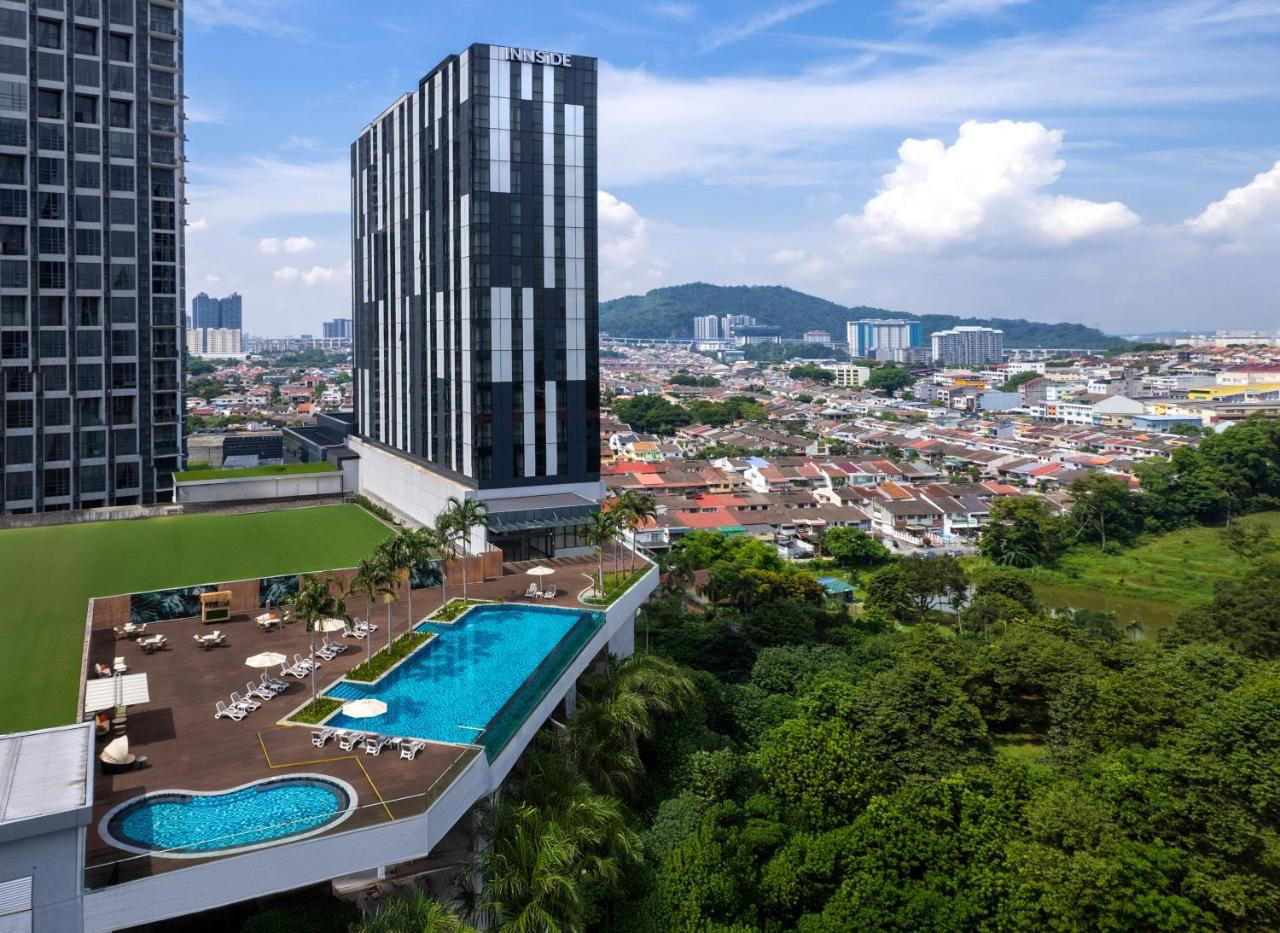
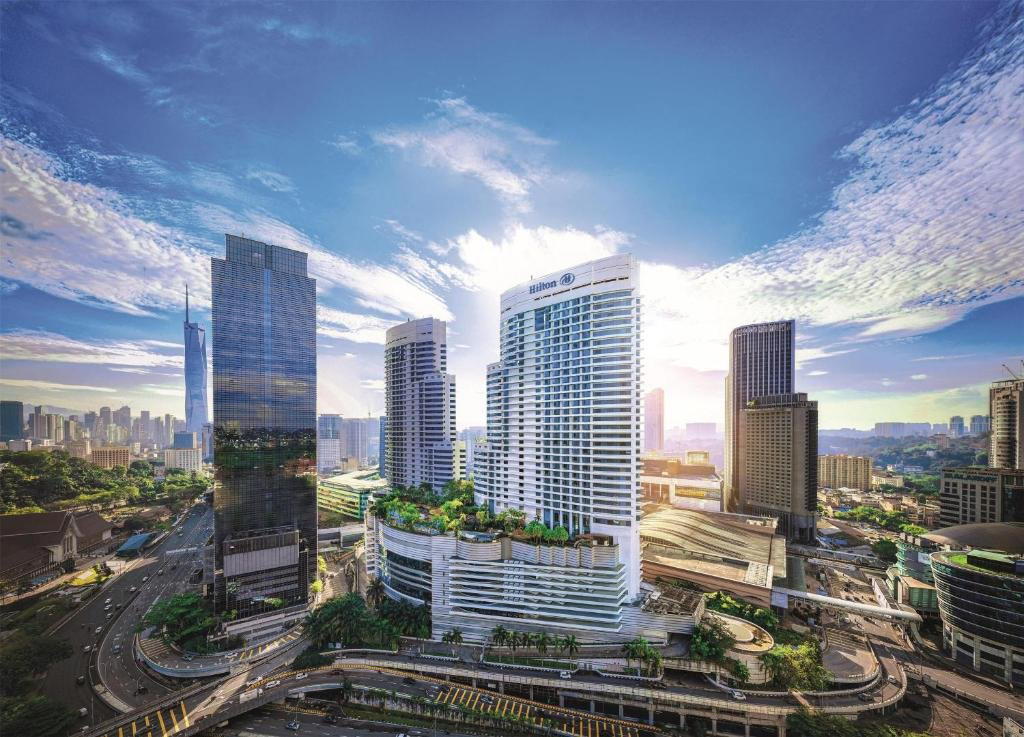
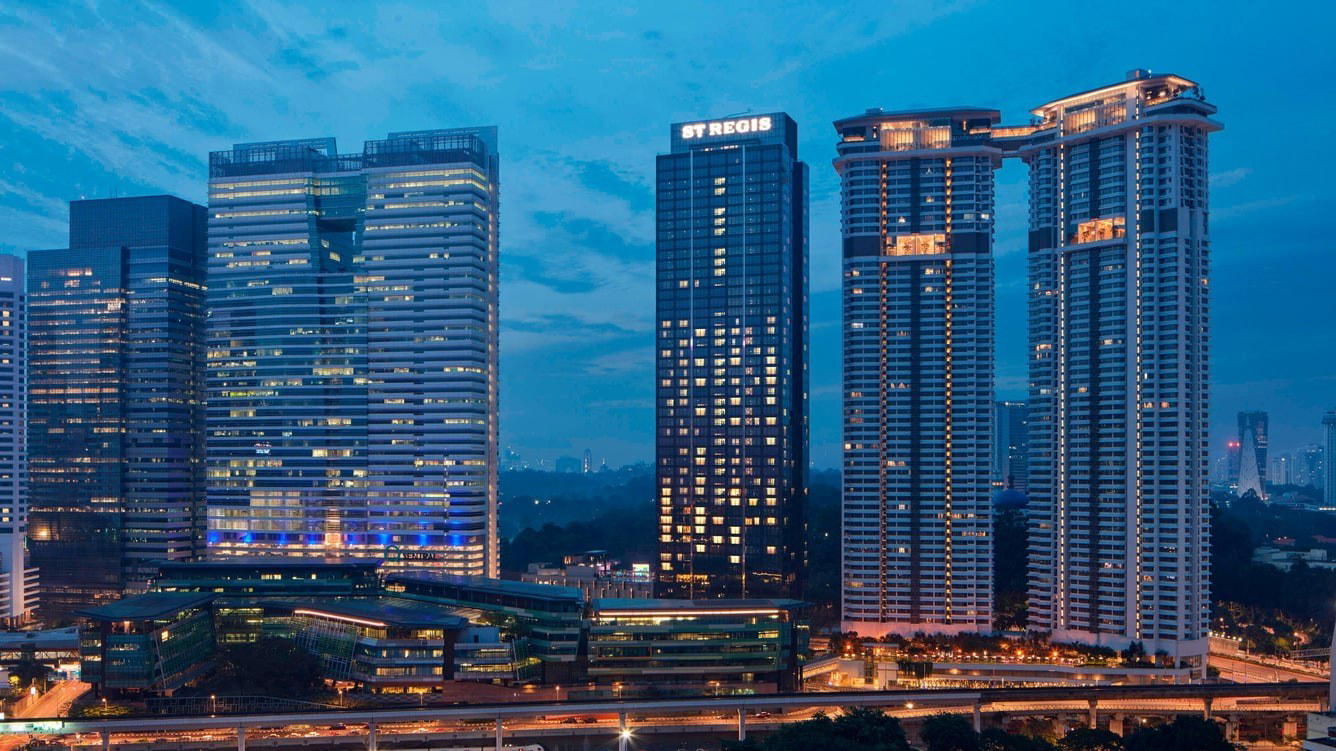
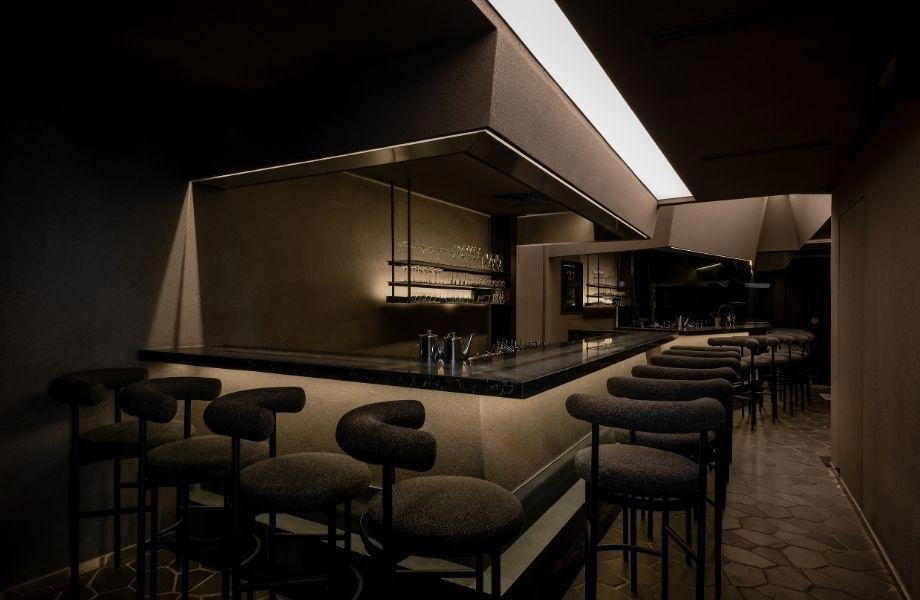
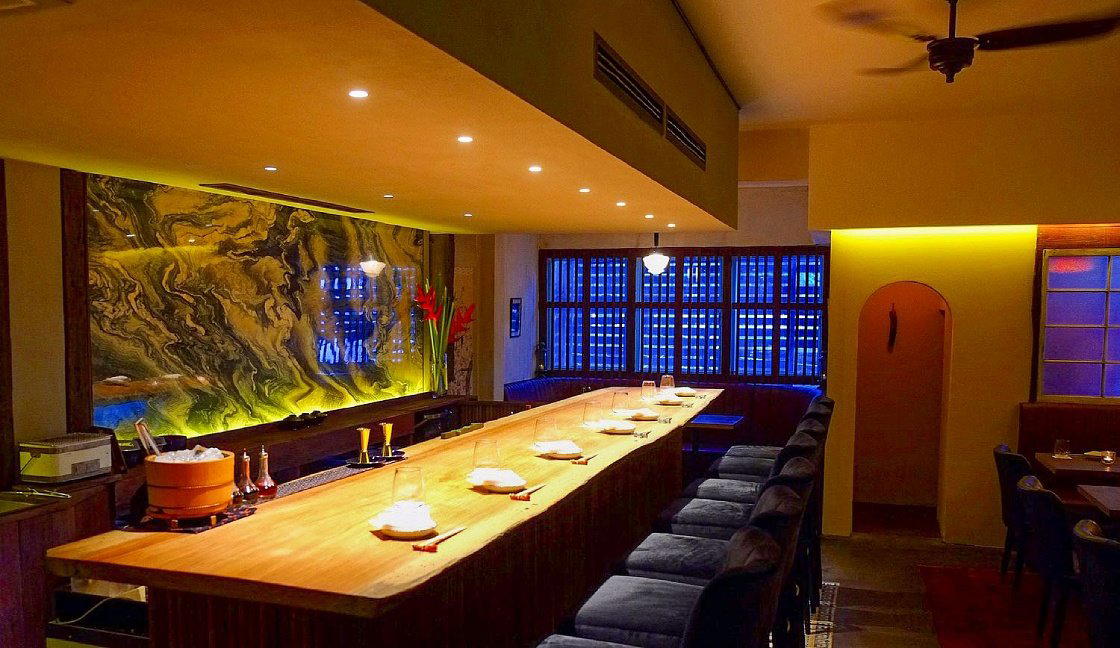
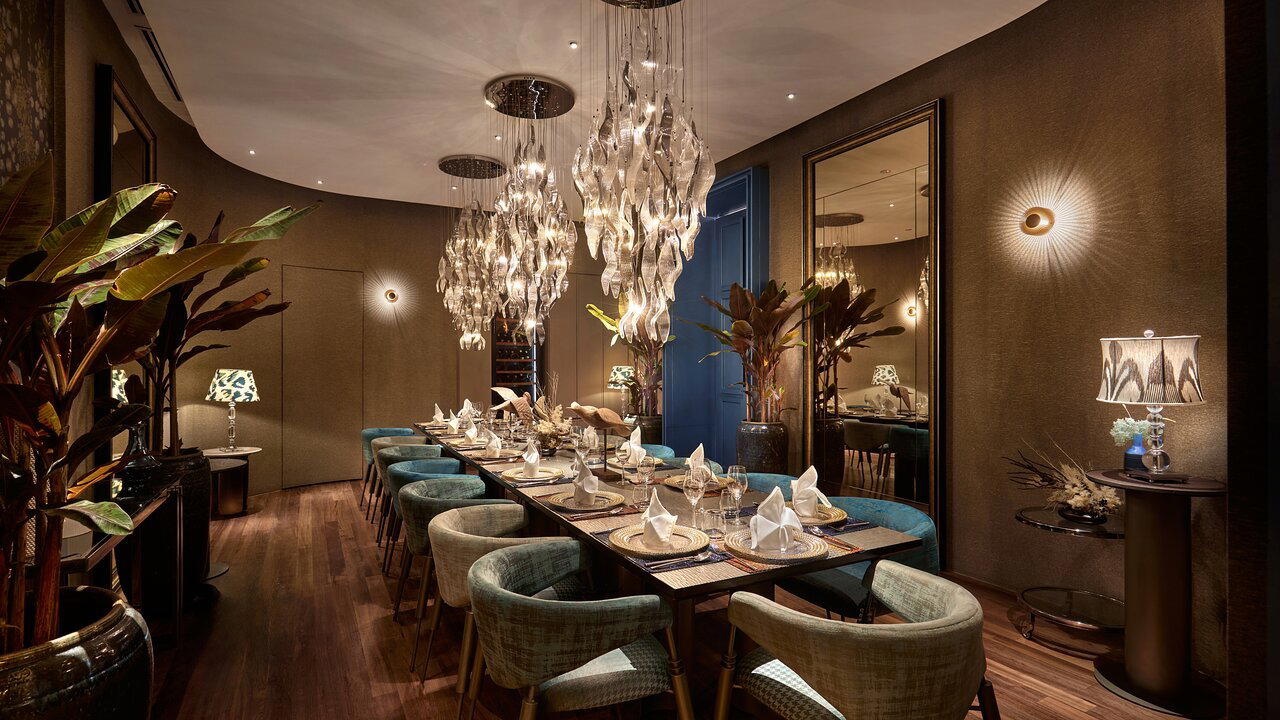
Modern and elegant with spacious, quiet rooms, lush gardens, and resort-like pool area.