The Queenscliff Hotel
Queenscliff Hotel sits in a coastal town where architecture, harbour history and weekend dining shape the travel rhythm more than branded resort scale. With, it is better read through place: a Queenscliff stay anchored to streetscape, sea air and the slower tempo of the Bellarine Peninsula.

Pearl is the En Primeur Club membership app — saves, bookings, and concierge access live there. Same editors, same standards.
- Address
- 16 Gellibrand St, Queenscliff VIC 3225, Australia
- Website
- thequeenscliffhotel.com.au
- Directions
- Get directions
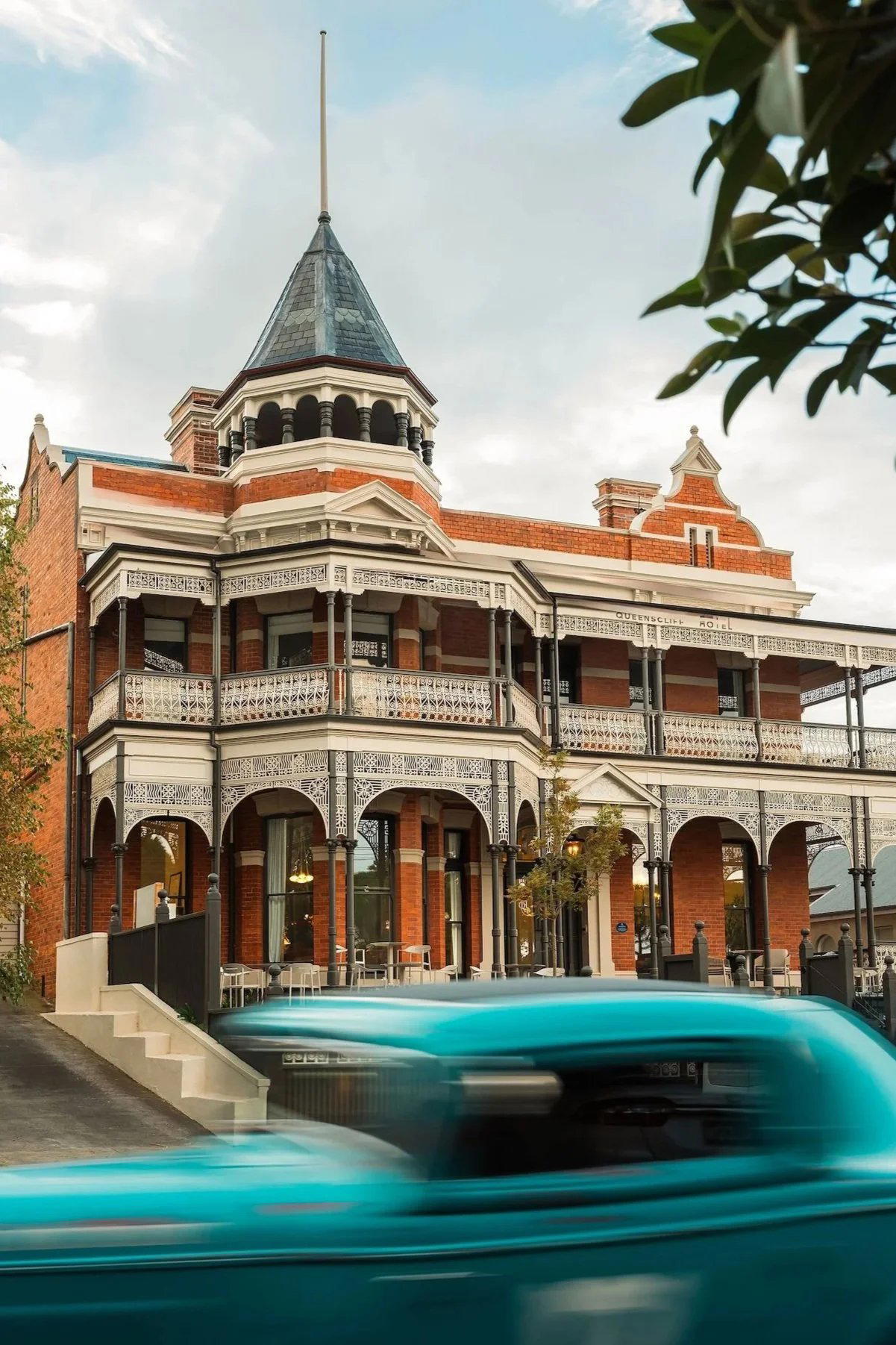
Coastal architecture before resort theatre
Approaching a hotel in Queenscliff is less about arrival choreography than about reading a town built around water, weather and Victorian-era resort habits. The streets are low-rise, the bay is close, and the built environment carries the memory of a port town that later became a seaside retreat.
That distinction matters. Australian luxury accommodation has split into several clear camps: metropolitan heritage conversions such as The Tasman in Hobart and Capella Sydney in Sydney, climate-led contemporary leisure properties such as The Calile in Brisbane, and destination lodges where isolation is part of the tariff logic, from Southern Ocean Lodge in Kingscote to Emirates One&Only Wolgan Valley in Wolgan Valley. Queenscliff plays a different game. Its appeal is compact and civic: the hotel experience is tied to the town’s scale, the coast’s light, and the architectural language of a small maritime settlement rather than a self-contained compound.
It confirms the name, city and country, but does not list address, phone number, website, room count, star rating, awards, style, price range, restaurant format or booking method. That absence should shape expectations. This is not a page that can responsibly claim a signature suite, a chef-led dining room, a renovation pedigree or a particular room category.
Why Queenscliff changes the hotel brief
Queenscliff is not Melbourne’s beach house suburb and not a Gold Coast tower market. It is a Bellarine Peninsula town with harbour infrastructure, ferry traffic, military and maritime history, and a weekend pace that tends to reward walking rather than spectacle. Hotels here do not need to behave like urban members’ clubs or high-rise resort machines. They need to make sense within a small grid of streets, weatherboard houses, historic public buildings and coastal edges.
Compare it with JW Marriott Gold Coast Resort & Spa in Surfers Paradise or Mondrian Gold Coast in Gold Coast, and the distinction becomes plain. Those addresses work within high-volume leisure corridors where pools, dining outlets and resort programming carry much of the stay. Queenscliff’s accommodation logic is quieter. The town itself supplies the itinerary: harbour walks, ferry movements, heritage streets, seafood-adjacent dining culture and the slower decision of whether the day belongs to the bay, the ocean side or the Bellarine’s wineries.
For travellers comparing regional Australia, this matters more than a list of amenities. Osborn House in Bundanoon sits in Southern Highlands country-house territory; Empire Spa Retreat in Yallingup belongs to Margaret River’s vineyard-and-coast rhythm; Spicers Sangoma Retreat in Blue Mountains trades on bushland seclusion. Queenscliff’s draw is more civic and maritime. The design question is not only what happens inside the building. It is how the hotel sits against a town where scale, frontage and street presence influence the stay before a key is issued.
The design lens: restraint, frontage and town grain
Architecture-led hotel criticism often focuses on famous names, material palettes and photographed interiors. In smaller coastal towns, the more useful measure is compatibility.
The broader Queenscliff setting supports that approach. The town’s hotel culture sits closer to the Australian seaside inn tradition than to the new-build resort model. Public rooms, verandahs, street-facing facades and proximity to local dining often matter as much as private-room theatrics. That places Queenscliff Hotel in conversation with smaller design-aware properties rather than large integrated resorts. It may also be useful for readers looking beyond the city-hotel circuit represented by Melbourne Place in Melbourne, 57 Hotel in Surry Hills and The Olsen Melbourne - Art Series in South Yarra, where neighbourhood density and urban dining access define the stay.
Queenscliff’s built environment asks for a slower visual register. The pleasure lies in rooflines, weather, salt air, verandah culture and the way a coastal town changes between weekday quiet and weekend movement. In a market where many hotel pages overstate style with borrowed adjectives, the more honest position is to say this: the architecture angle here belongs first to the town and only then to the property.
Dining, drinking and the town around the hotel
That prevents any responsible claim about a defined dining program. The useful editorial move is to place the property within Queenscliff’s wider food and drink pattern. Coastal Victorian towns often rely on a mix of pub dining, fish-and-chips culture, bakeries, wine bars, seasonal seafood, day-trip cafés and destination restaurants in the surrounding region. Queenscliff adds ferry traffic and Bellarine Peninsula wine access to that mix, which makes dining less about a single hotel restaurant and more about how the town works over a full day.
For planning, the local ecosystem matters. Readers comparing options should use Our full Queenscliff restaurants guide for dining context, Our full Queenscliff bars guide for evening drinking, Our full Queenscliff wineries guide for nearby cellar-door direction, and Our full Queenscliff experiences guide for activities that make sense around tides, ferries and weather. The hotel decision should sit inside that itinerary rather than separate from it.
This is where Queenscliff differs from destinations built around a single property’s food program. At Art Series - The Watson in Adelaide or city properties with dense restaurant neighbourhoods, the immediate urban grid creates abundant fallback options. In Queenscliff, the rhythm is more seasonal and compact. Weekend demand, school holidays and summer weather can affect availability across the town.
How it compares with Australia's design-hotel circuit
Australia’s hotel scene has become increasingly design-literate. Some properties use art collections as a central identity, as with Art Series - The Watson in Adelaide and The Olsen Melbourne - Art Series in South Yarra. Others lean on wellness seclusion, such as Eden Health Retreat in Currumbin Valley, or coastal intimacy, such as Bondi Beach House in Bondi Beach. Queenscliff Hotel should not be forced into those categories without evidence. Its clearer role is as a town-anchored coastal stay in a heritage-minded Victorian destination.
International comparisons sharpen the point. The Fifth Avenue Hotel in New York City, Hôtel de Paris Monte-Carlo in Monte Carlo and Badrutt's Palace Hotel in St. Moritz sit in hotel cultures where service mythology, long-established luxury codes and public recognition carry the narrative. Queenscliff is smaller and more practical. The decision is not about entering an international grand-hotel canon. It is about whether a traveller wants the Bellarine Peninsula from a town base with coastal architecture and local movement at the centre.
That may sound less dramatic, but it is a useful filter. Many travellers overbuy hotel infrastructure for trips where the destination itself will do the work. In Queenscliff, a tightly located, town-sensitive hotel can matter more than a long amenity list. It can be positioned by fit: a Queenscliff address for travellers who want the town’s architecture, ferry-side tempo and regional food access rather than a resort bubble.
The practical file is limited. That is not a minor editorial detail; it changes the planning advice. Treat online availability, rate, room type and restaurant access as items to confirm through current official channels before travel, especially for weekends, summer periods and public holidays when coastal Victorian towns can tighten quickly.
Queenscliff works well as a short-stay destination because the town compresses a number of travel motives into a small area: harbour activity, coastal walks, heritage streets, Bellarine wine access and ferry-linked movement. A one-night stay can feel clipped if dinner, arrival and morning plans are not coordinated. Two nights give more room for weather changes and for using the town rather than treating it as a sleep stop. For travellers mapping alternatives, Our full Queenscliff hotels guide is the sensible starting point, particularly when comparing town-centre atmosphere against quieter or more car-dependent accommodation outside the core.
Price should also be handled carefully. Without verified figures, the responsible advice is to compare live pricing against the kind of trip being planned. If the itinerary is built around dining and walking in Queenscliff, town access may justify a different rate calculation than a car-led Bellarine Peninsula route. If the trip is mainly about wineries or beaches beyond town, a broader regional search may make more sense.
Who Queenscliff Hotel suits
Queenscliff Hotel suits travellers who care about the setting of a stay as much as the listed facilities. The draw is the town’s architecture and maritime rhythm: streets that invite walking, a coastal edge that changes with weather, and a regional food-and-wine radius that rewards planning. It is a less persuasive fit for travellers who need verified resort infrastructure, a named chef program, published awards or a fully documented room hierarchy before committing.
The sharper comparison is not between luxury and non-luxury, but between self-contained hotels and place-dependent hotels. Queenscliff belongs to the second camp. The stay makes sense when the guest wants to be in Queenscliff, not merely near it. That is the defining editorial point: in a small coastal town, the hotel is part of the urban fabric, and the fabric carries much of the value.
Comparable Venues Nearby
Comparable venues nearby, for context on price, style, and recognition.
| Venue | Cuisine | Price | Notes |
|---|---|---|---|
| Queenscliff HotelThis venue — the venue you are viewing | Small luxury heritage seaside hotel blending historic character with modern comforts. | Not listed | Not listed |
| Regent Melbourne | Modern upper‑luxury hotel created through the transformation of a historic city property with extensive event and lifestyle facilities. | Not listed | Melbourne |
| Tamar Valley Resort, Grindelwald | Swiss-themed alpine resort with chalets, villas, and hotel suites | Not listed | Grindelwald |
| Henson Park Hotel | Hotel | Not listed | Marrickville |
| Lord Wolseley Hotel | Historic pub hotel with laidback vibe | Not listed | Ultimo |
| 57 Hotel | City boutique hotel with 1970s Studio 54 inspiration | $100–200 | Surry Hills |
Continue exploring
More in Queenscliff
Hotels in Queenscliff
Browse all →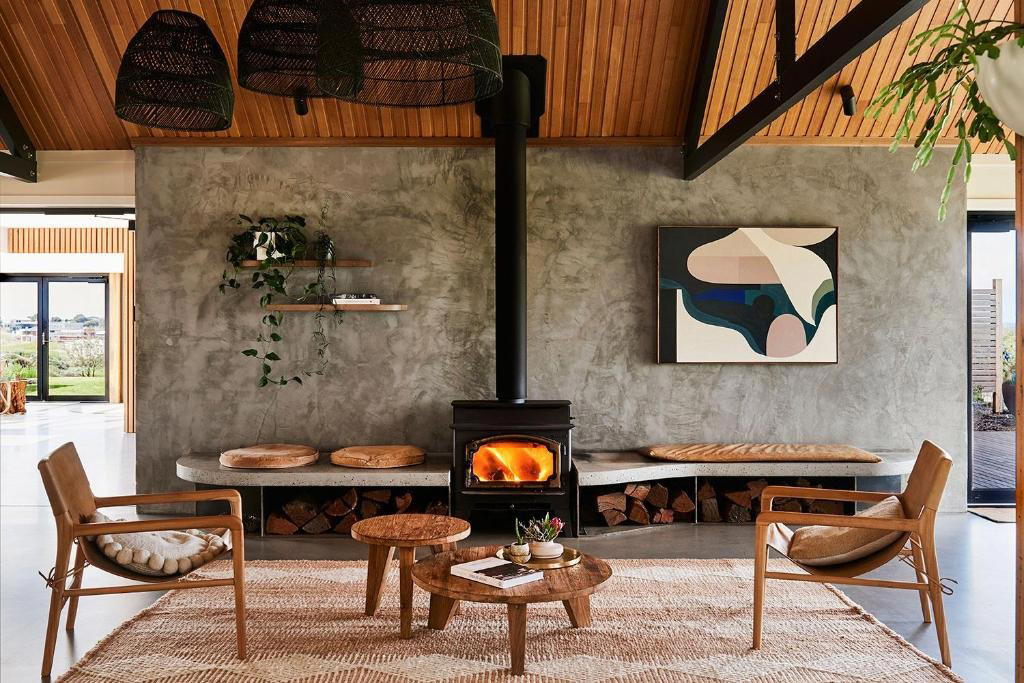
Bars in Queenscliff
Browse all →
Restaurants in Queenscliff
Browse all →
Details
- Elegant
- Classic
- Romantic
- Scenic
- Sophisticated
- Well Known
- Romantic Getaway
- Weekend Escape
- Anniversary
- Celebration
- Group Retreat
- Destination Wedding
- Waterfront
- Historic Building
- Terrace
- Garden
- Private Dining
- Wi Fi
- Waterfront
- Garden
- Wheelchair Accessible
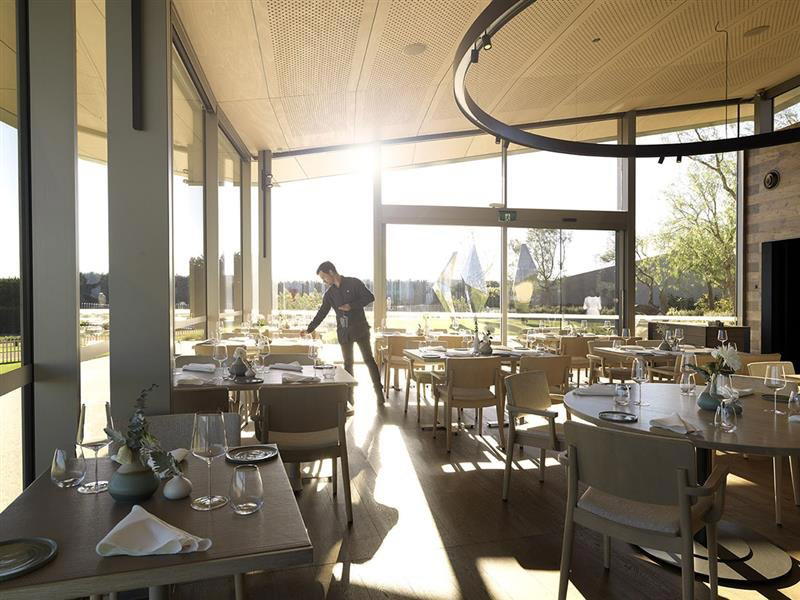
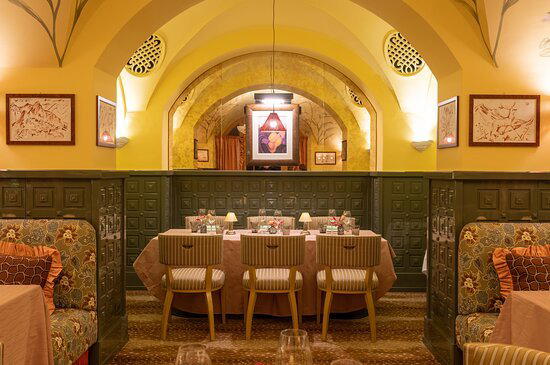
Refined and tranquil, with heritage architecture, high ceilings, verandahs and fireplaces paired with contemporary luxury finishes, creating an elegant yet relaxed coastal retreat feel.