
Michelin Selected
Along the Pai River in Mae Hong Son valley, this boutique resort offers rooms ranging from bamboo-walled village cabins to canopied villas with hardwood floors and private decks, all made to keep the surrounding jungle close. Three restaurants cover more ground than you'd expect from a place this size: Brazilian barbecue at Samba Grill, an all-day steakhouse at The Blue Ox, and Italian at Limoncello Pai. The spa is anchored by local legend Mama Lon, Mae Hong Son's first traditional Thai massage practitioner, who grows her own herbs for the herbal compress treatments.

Pearl is the En Primeur Club membership app, where members save venues, book tables and use the concierge.
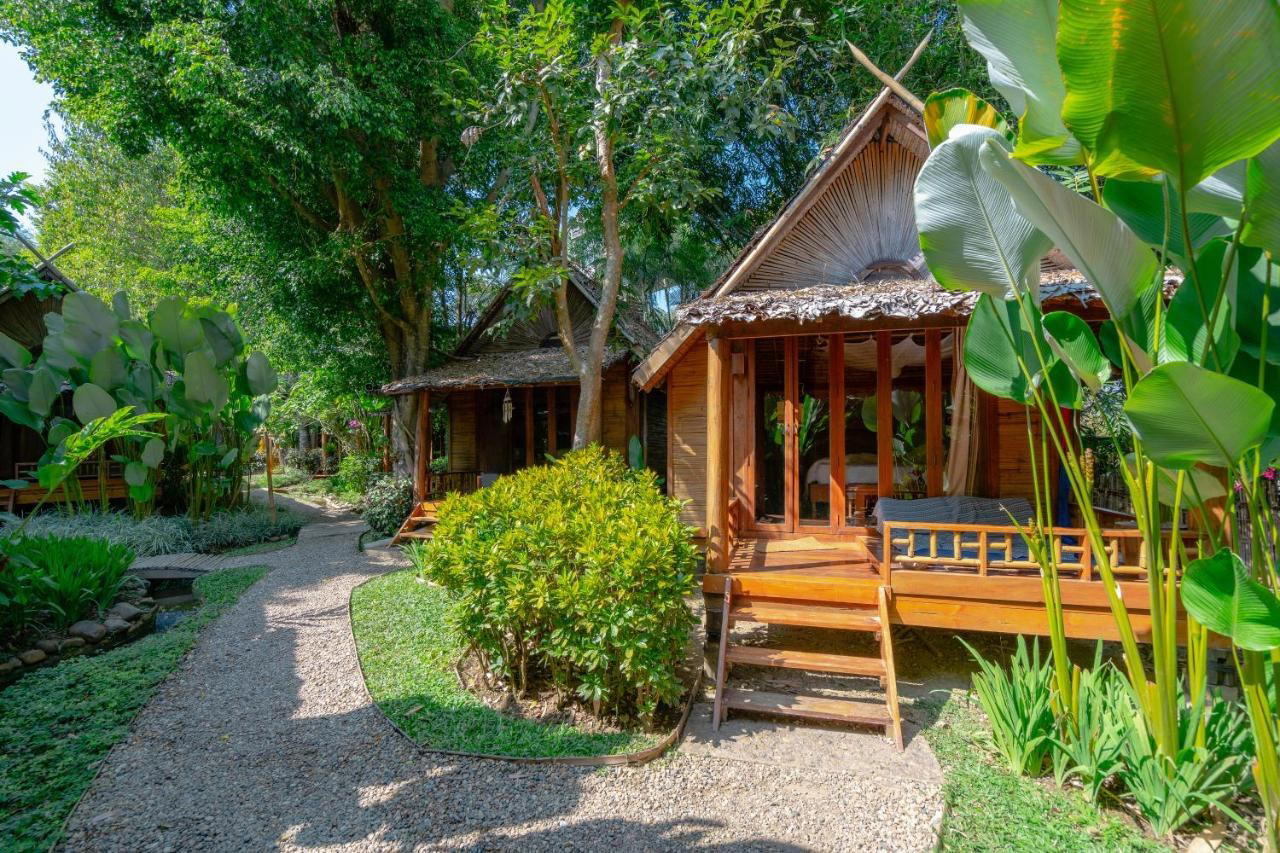
Where Pai's Valley Floor Meets Considered Design
Pai sits roughly 135 kilometres northwest of Chiang Mai, but in character it operates at a different register entirely. The Mae Hong Son loop road that connects the two cities winds through more than 1,700 curves, and arriving in the valley after that descent carries its own particular quality: the air changes, the pace drops, and the surrounding limestone ridges and rice terraces assert themselves immediately. It is within this geography that boutique accommodation in Pai has found its most coherent expression, and Pai Village Boutique Resort, at 88 Moo 3 in the Vieng Tai sub-district, belongs to the tier of properties that the Michelin hotel guide has chosen to recognise. Its 2025 MICHELIN Selected status places it among a small group of Thailand properties where the guides editors consider the experience worth a specific recommendation to travellers, which is a meaningful credential in a country whose hospitality range extends from international flagships like Mandarin Oriental Bangkok in Bangkok to remote eco-resorts on the Andaman coast.
The Physical Environment as Argument
The design proposition that defines the better boutique properties in northern Thailand draws from the same set of materials and principles: teak and bamboo structures, open-sided sala architecture, gardens that blur into working agricultural land, and orientation toward natural light rather than artificial spectacle. In Pai, this vernacular is more visible than in Chiang Mai, where urban density forces compromises. Properties here have the valley to work with, and the better ones use that space deliberately rather than filling it. Pai Village Boutique Resort occupies a compound format typical of this sub-region, where individual accommodation units are distributed across a landscaped setting rather than stacked in a central block. That dispersal serves both privacy and the sense of immersion that draws travellers to Pai in the first place.
The architectural vocabulary of such properties carries a specific logic: raised floors reduce moisture infiltration during the wet season from approximately June through October, wide overhanging eaves manage the intense afternoon sun of the dry months, and natural materials age into their environment rather than standing apart from it. This is not primarily an aesthetic choice but a climatic response that happens to produce spaces with considerable warmth. The result is accommodation that reads as rooted rather than imported, which is a significant differentiator from the international resort formats found at properties like Four Seasons Resort Chiang Mai in Chiang Mai or Anantara Golden Triangle Elephant Camp and Resort in Chiang Rai.
Pai in Its Regional Context
Thailand's boutique hotel sector has developed along two broad lines. On the coastline, the dominant model tends toward pool villas with direct sea access, as seen at Keemala in Phuket, Phulay Bay, a Ritz-Carlton Reserve in Krabi, and Soneva Kiri in Trat. In the north, the model pivots toward valley and forest settings where the draw is landscape rather than beach. Pai has attracted independent properties rather than branded chains, partly because the town itself resists the infrastructure that chain operations require, and partly because the traveller profile here skews toward independent exploration rather than resort-style seclusion. The MICHELIN Selected recognition signals that Pai Village Boutique Resort operates at a level where the fundamentals, room quality, property condition, service consistency, are maintained reliably, rather than functioning as a budget guesthouse with aspirations. That distinction matters when choosing between the town's wide range of accommodation options. For comparable independent coastal alternatives, see also Pimalai Resort and Spa in Koh Lanta and The Sarojin Thailand in Phang Nga, both of which occupy a similar niche of independent, non-branded properties with sustained editorial recognition.
Timing and Planning
The practical question for Pai is always seasonal. The cool season running from November through February produces the conditions most associated with the valley: clear mornings, mist sitting low over the paddy fields through early afternoon, temperatures that drop noticeably after dark. This is also the period of highest demand, and properties at the MICHELIN Selected tier book solidly. Travelling in March or April catches the tail of the cool season before the pre-monsoon heat builds; the valley is quieter and the light different, which appeals to a specific type of traveller. The wet season produces a greener, more dramatic landscape but restricts some activities and brings humidity. Each window has its logic. Bookings for the November-to-February peak should be made several weeks in advance at minimum. Access from Chiang Mai is either by the Mae Hong Son loop road (a full day's drive if stops are included) or by short regional flight into Pai Airport, which handles light aircraft from Chiang Mai on select services. For travellers building a broader northern Thailand itinerary, Pai pairs logically with Chiang Mai as a base, making properties like Four Seasons Resort Chiang Mai a natural counterpart for the urban portion of the trip. Those planning a full Thailand circuit might also consider how resort stays in the Gulf of Thailand, at Samujana Villas in Koh Samui or Cape Fahn Hotel in Surat Thani, bracket the northern section. Travellers with a wider regional programme might also look at how central Thailand properties like Le Monte Hotel Khao Yai in Pakchong, sala khaoyai in Nakorn Ratchasima, or The Xcape River Kwai in Mueang Kanchanaburi fit into an extended itinerary before or after the north. For our complete guide to eating, drinking, and staying in the valley, see our full Pai restaurants guide.
What the MICHELIN Selected Designation Tells You
The MICHELIN hotel guide uses the Selected designation to mark properties where inspectors found the overall stay experience worth recommending without necessarily placing the property in the higher Key tiers reserved for the most architecturally or experientially distinctive hotels globally. For a market like Pai, where accommodation ranges from THB 300-per-night guesthouses to more considered boutique operations, appearing on that list is meaningful: it means the property has been assessed against a consistent international standard and found to deliver reliably. International comparisons at the very best of the MICHELIN hotel spectrum, such as Badrutt's Palace Hotel in St. Moritz or Hôtel de Paris Monte-Carlo in Monte Carlo, are useful only as reference points for what the upper end of that recognition framework looks like. The Selected tier is a practical signal for travellers rather than a superlative claim. It does not guarantee a particular room configuration, dining quality, or service model, because the Michelin guide does not publish the specific criteria that differentiated each Selected property. What it does confirm is that a consistent, assessable hospitality experience is present. Within the Thai market, other properties at comparable or adjacent recognition levels include VALA Hua Hin in Petchburi, InterContinental Hua Hin Resort, Veranda Pattaya MGallery in Pattaya City, Dinso Resort and Villas Phuket in Patong, Movenpick Resort Bangtao Beach in Phuket, MASON Pattaya in Na Jomtien, Sri Panwa Phuket Luxury Pool Villa Hotel in Tambon Wichit, and Veranda Resort and Villas Hua Hin Cha Am in Phetchaburi.
How It Stacks Up
Comparable venues nearby, for context on price, style, and recognition.
| Venue | Cuisine | Price | Awards | Notes |
|---|---|---|---|---|
| Pai Village Boutique ResortThis venue (the venue you are viewing) | rustic-chic Thai Lanna heritage with Hmong bungalow influences | $1–100 | Michelin Selected | Not listed |
| Colbert Collection | Independent premium hotels emphasizing local culture and storytelling | Not listed | Not listed | Bangkok |
| The Standard Bangkok | Lifestyle hotel in well-known skyscraper with bold, whimsical design | $100–200 | Michelin Selected · Mr & Mrs Smith Seal of Approval | Bang Rak |
| Athita The Hidden Court Chiang Saen Boutique Hotel | Traditional Lanna architecture with modern comforts, family-owned boutique preserving Chiang Saen heritage. | Not listed | Michelin Selected · Tablet Hotels Best New Hotel Designs (Asia) | Chiang Saen |
| Athita The Hidden Court | Intimate teakwood boutique hotel rooted in Chiang Saen’s 700‑year-old cultural heritage and temple-adjacent setting. | Not listed | Michelin Selected · Tablet Hotels Best New Hotel Designs (Asia) | Wiang (Chiang Saen old town) |
| Colbert Collection Koh Samui | Intimate, design-led beachfront boutique resort under a soft-brand collection, focused on cultural connection and a strong sense of place. | Not listed | Not listed | Chaweng Beach |
Recognition history
Dated appearances from independent guides and award organizations, with the underlying list record or original source where available.
Michelin Selected
Michelin
Continue exploring
More in Pai
Details
- Quiet
- Scenic
- Rustic
- Cozy
- Romantic
- Romantic Getaway
- Wellness Retreat
- Weekend Escape
- Panoramic View
- Garden
- Pool
- Spa
- Wi Fi
- Restaurant
- Room Service
- Concierge
- Mountain
- Garden
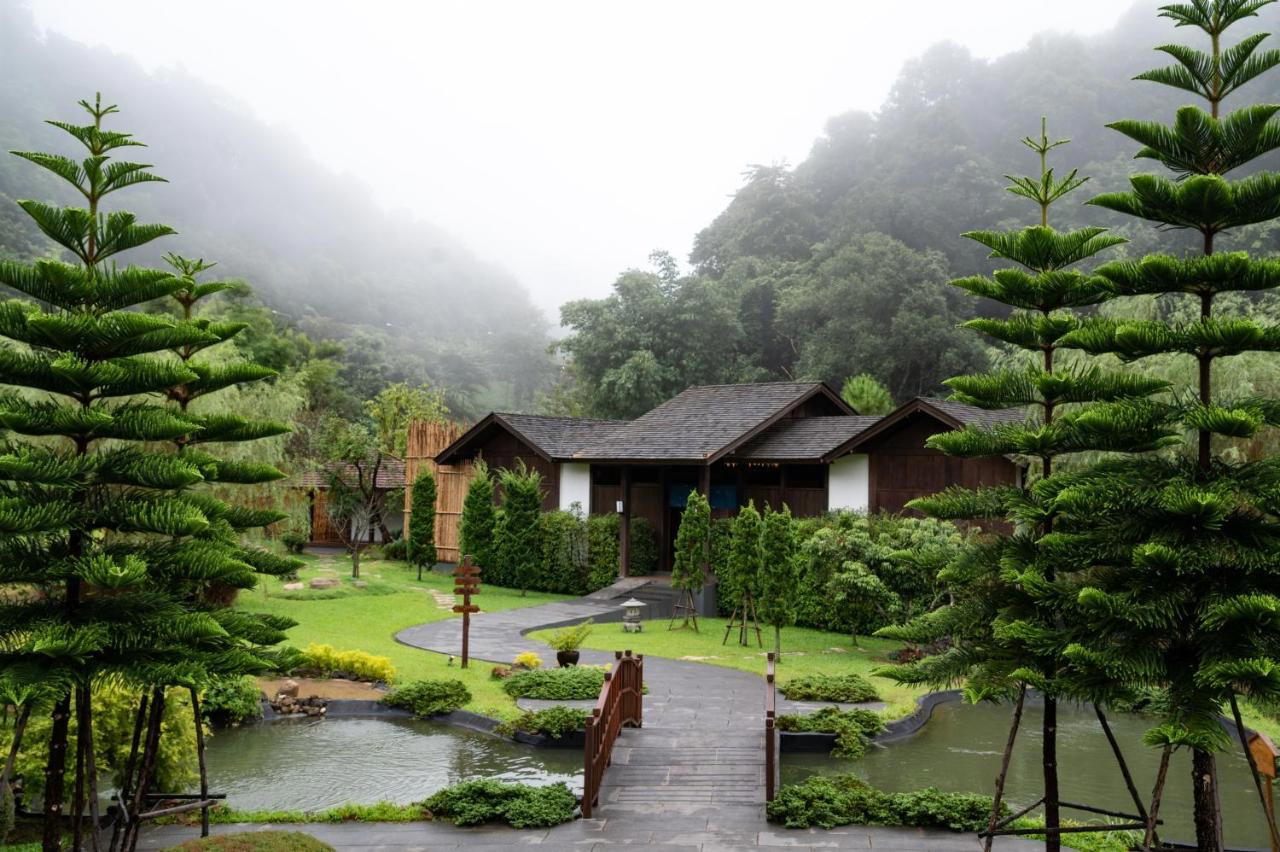
Calm and pleasant with beautifully maintained lush gardens, koi ponds, and peaceful surroundings blending nature and local heritage.