Le Pic Blanc

Le Pic Blanc occupies Alpe-d'Huez's Quartier des Bergers at altitude, earning a place in the 2025 Michelin Selected Hotels list, a distinction that places it among a small cohort of French alpine properties where design and mountain setting carry equal weight to comfort. For travellers arriving at one of the French Alps' most reliably sunny ski stations, it represents a considered address in a resort that tends to reward those who look past the obvious.
Pearl is the En Primeur Club membership app — saves, bookings, and concierge access live there. Same editors, same standards.
- Address
- Quartier des Bergers, Alpe-d'Huez, France
- Phone
- +33 4 76 11 42 42
- Directions
- Get directions
 Saves & bookings on Pearl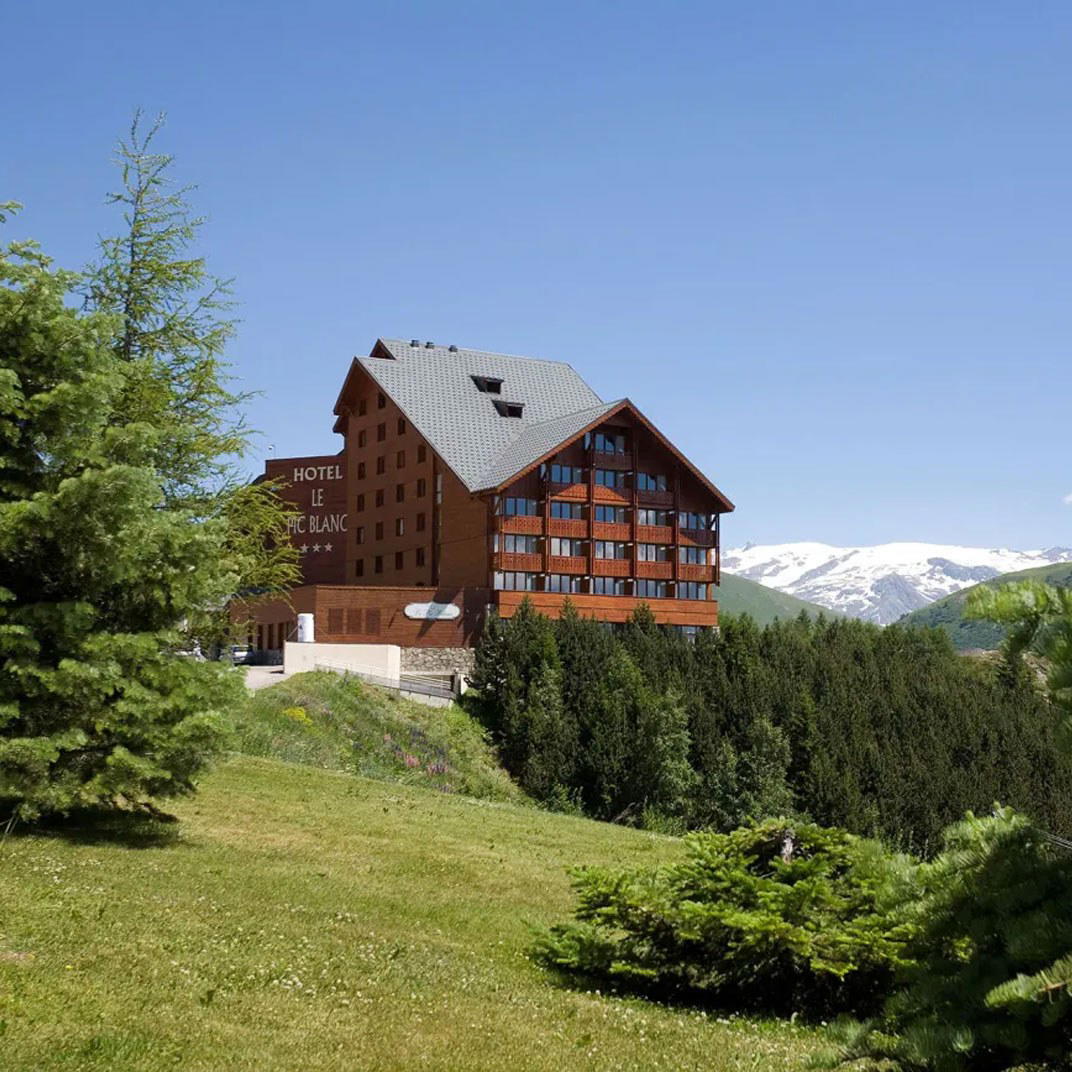
Where the Mountain Comes Indoors
Alpine hotel architecture in France splits into two broad traditions: the chalet-vernacular school, which prioritises hewn timber, local stone, and visual continuity with the mountain, and the resort-bloc approach, which treats the building as infrastructure first and atmosphere second. Alpe-d'Huez has plenty of the latter. Le Pic Blanc, in the Quartier des Bergers district, belongs to the former, a positioning that immediately separates it from the functional mid-mountain accommodation that dominates at this altitude.
The physical language of high-altitude French hotel design matters more than it might in a city. At 1,860 metres, the exterior relationship between a building and its terrain is not incidental; it is the primary sensory experience a guest encounters before they cross the threshold. Properties that get this right create a coherent transition from slope to lobby. Those that don't leave guests feeling they've stepped into a conference facility with snow outside.
Alpe-d'Huez and Its Hotel Tier
Alpe-d'Huez operates on a different register from the better-publicised Savoyard resorts. Where Le K2 Palace in Courchevel or Four Seasons Megeve sit inside resorts whose luxury infrastructure is decades-deep, Alpe-d'Huez built its reputation on skiing quality first, 250 kilometres of piste, a reliable south-facing exposure that delivers sun even in January, and a vertical drop that draws serious skiers rather than primarily status-driven visitors. The hotel tier here reflects that: the resort has a functional, outdoors-focused character that keeps lodging choices leaner at the premium end than in Courchevel 1850 or Megève.
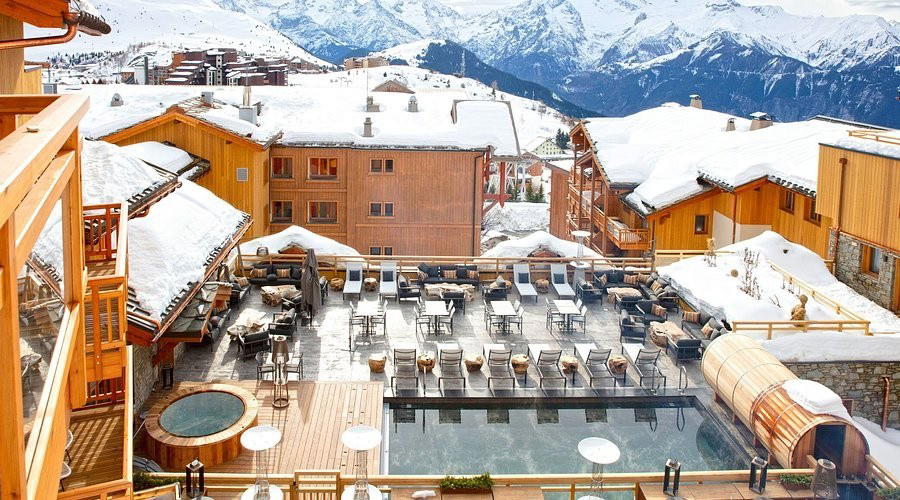
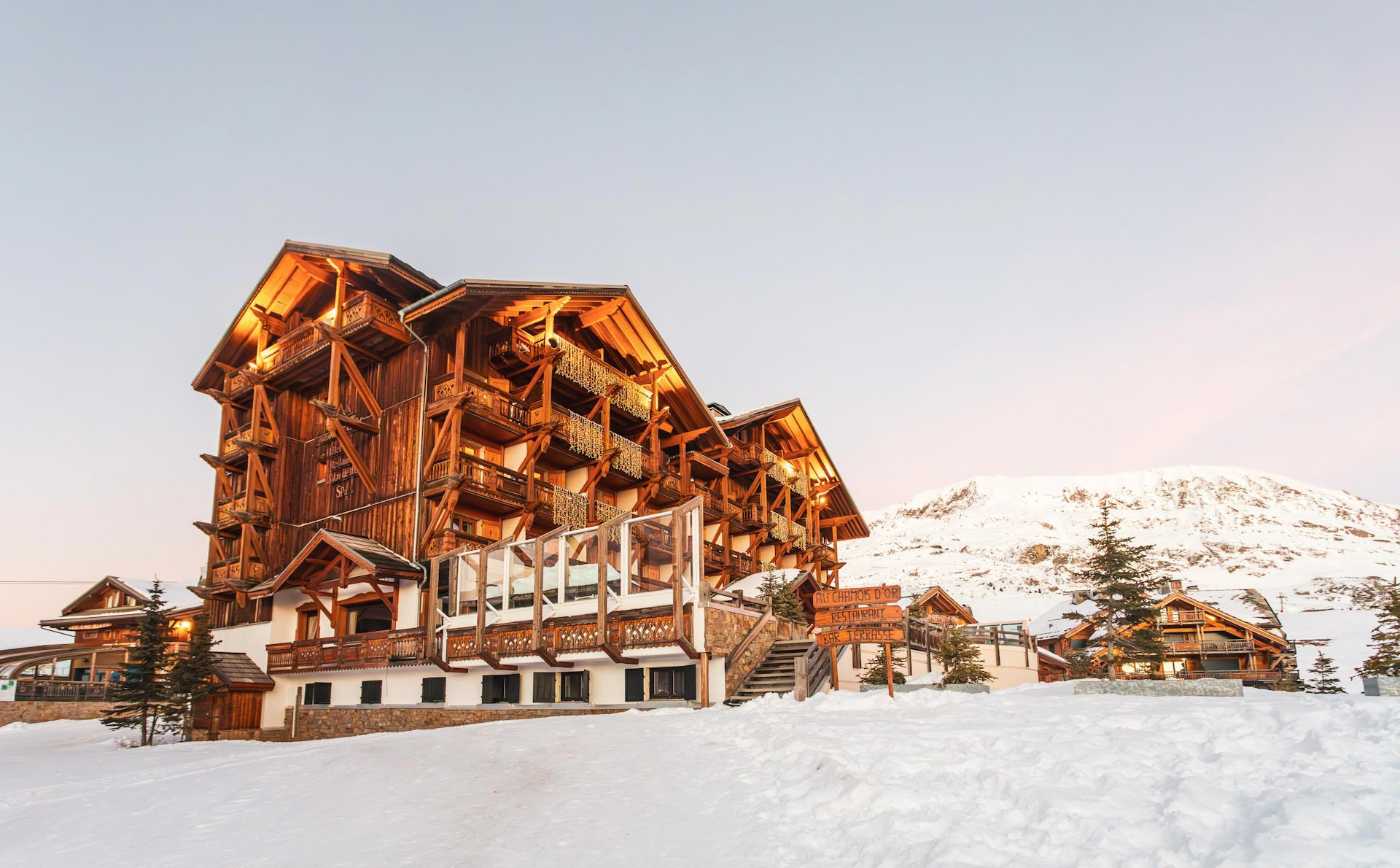
Within Alpe-d'Huez's accommodation options, Le Pic Blanc and Au Chamois d'Or occupy stronger examples from the local stack, while Royal Ours Blanc serves a slightly broader mid-tier. The Quartier des Bergers location is relevant here: it sits within the main resort cluster but away from the noisiest pedestrian corridors, which matters in a resort where après-ski foot traffic can make certain addresses feel transient by early evening.
The Architecture and Design Angle
French alpine hotel interiors of the past two decades have moved through a recognisable evolution. The 1990s produced a wave of ostentatious mountain-luxury builds, heavy ironwork, theatrical fireplaces, aggressive rusticity. The more recent cohort of Michelin-recognised alpine properties in France tends toward restraint: natural material palettes, considered lighting, and rooms calibrated for post-ski recovery rather than theatrical effect. This shift is visible at properties like Hotel Du Cap-Eden-Roc in Cap d'Antibes and The Maybourne Riviera in Roquebrune-Cap-Martin on the coast, where environmental integration is a design mandate rather than a decorative gesture.
At altitude, the practical demands of design are different. Insulation, window placement relative to solar gain, materials that handle the expansion and contraction of extreme temperature variation, these are not aesthetic decisions but structural ones. The leading alpine interiors acknowledge this; the orientation toward the mountain, rather than away from it, shapes room configuration, common space layout, and the degree to which a property feels genuinely rooted in its setting.
The Quartier des Bergers address also carries spatial implications. This part of Alpe-d'Huez tends toward lower building density than the main commercial strip, which means sightlines to the surrounding peaks remain unobstructed from well-positioned rooms. In a resort whose primary selling point is its light, Alpe-d'Huez claims more sunny days per ski season than most comparable French alpine stations, this is a material advantage.
Placing Le Pic Blanc in the French Hotel Conversation
France's Michelin Selected Hotels list for 2025 covers properties across a wide range of categories and price points. What connects them is a quality-of-character threshold that filters out the purely functional. At the pinnacle of the French hotel hierarchy sit addresses like Le Bristol Paris and Hôtel de Paris Monte-Carlo; further along the spectrum sit regional specialists like Domaine Les Crayères in Reims, Royal Champagne Hotel & Spa in Champillon, and Baumanière Les Baux-de-Provence. Michelin's alpine selections, which include properties across Savoie, Haute-Savoie, and the Isère, operate within a context where remoteness, altitude, and seasonal access all factor into what constitutes a credible guest experience.
Other Michelin-recognised French properties worth considering in conjunction with an alpine trip include La Bastide de Gordes, Villa La Coste, Casadelmar in Porto-Vecchio, and Hôtel Chais Monnet & Spa in Cognac, each positioned in a distinct regional character, which makes the contrast with an alpine property like Le Pic Blanc sharper. For those extending a France itinerary, La Ferme Saint-Siméon in Honfleur, Hôtel & Spa du Castellet, Le Negresco in Nice, Hôtel du Palais in Biarritz, Château de la Chèvre d'Or in Èze, La Réserve Ramatuelle, and Les Sources de Caudalie in Bordeaux each represent distinct expressions of French regional hospitality. Further afield, Badrutt's Palace Hotel in St. Moritz and The Fifth Avenue Hotel in New York City illustrate how the high-altitude or historic-urban hotel typology plays out in different geographic contexts.
Planning Your Stay
Alpe-d'Huez is accessible by road from Grenoble (approximately 60 kilometres) via the N91 and then the famous D211 with its 21 switchback bends, a route that is itself part of the resort's character. The ski season typically runs from December through April, with the February school holiday weeks representing the highest demand and corresponding peak pricing across all accommodation tiers. The hotel's Quartier des Bergers address sits within walking distance of the main lift network. Booking well in advance of peak weeks is the operative constraint here, as the upper tier of Alpe-d'Huez accommodation fills earlier than comparable beds at lower altitude in the same valleys.
our full Alpe-d'Huez restaurants guide.
Quick Comparison
Comparable venues nearby, for context on price, style, and recognition.
| Venue | Cuisine | Price | Awards | Notes |
|---|---|---|---|---|
| Le Pic BlancThis venue — the venue you are viewing | Modern chalet-style ski resort hotel | $$$ | 4-Star | Not listed |
| Royal Ours Blanc | Modern chalet with bee and bear theme | $$$ | 4-Star | Jeux |
| Au Chamois d'Or | Authentic alpine luxury chalet with traditional mountain architecture and refined contemporary comfort. | $$$$ | 5-Star | Alpe d'Huez |
| Chouchou | Modernized historic six-story building with French craftsmanship and pop culture vibes. | $$$ | 4-Star | 9th Arr. |
| nhow Marseille | Contemporary design hotel blending international architecture with Provençal coastal vibes. | $$$ | 4-Star | La Corniche |
| Cueillette | 19th-century architecture renovated in colorful modern style | $$$ | 4-Star | Altillac |
Recognition history
Dated appearances from independent guides and award organizations, with the underlying list record or original source where available.
Michelin Selected
Michelin
Continue exploring
More in Alpe D'huez
Hotels in Alpe D'huez
Browse all →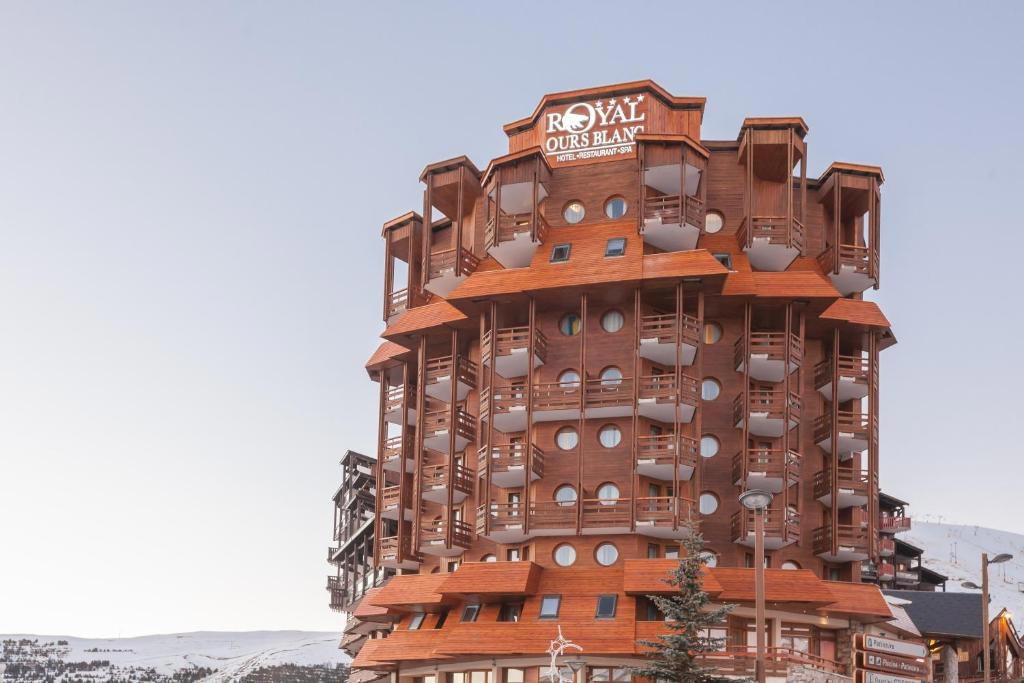
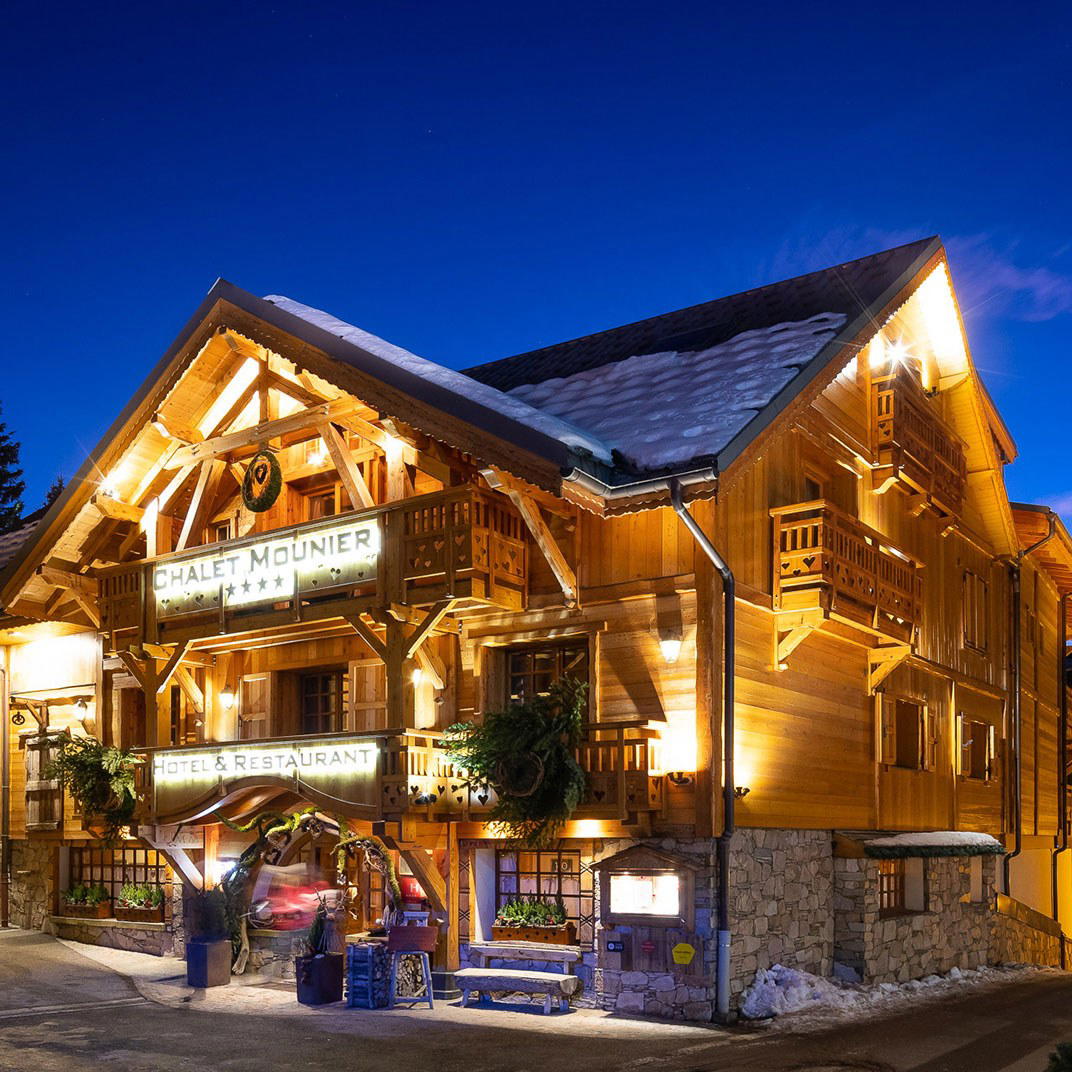
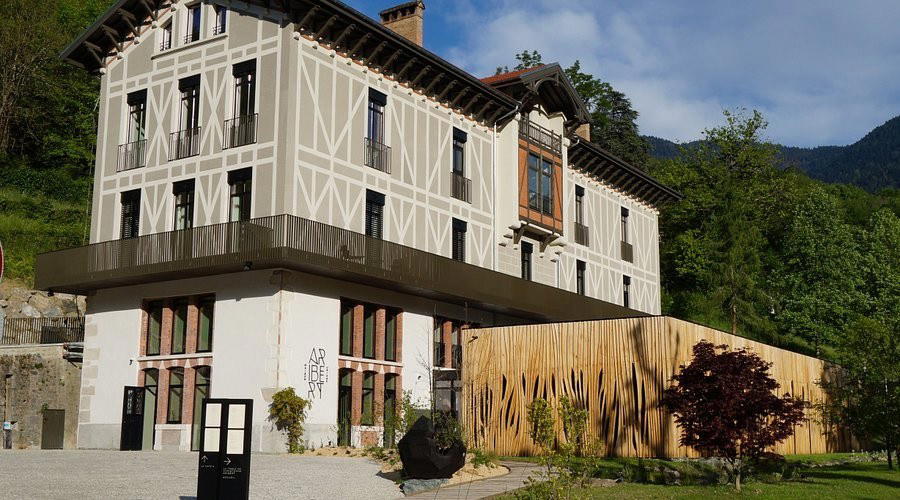
Bars in Alpe D'huez
Browse all →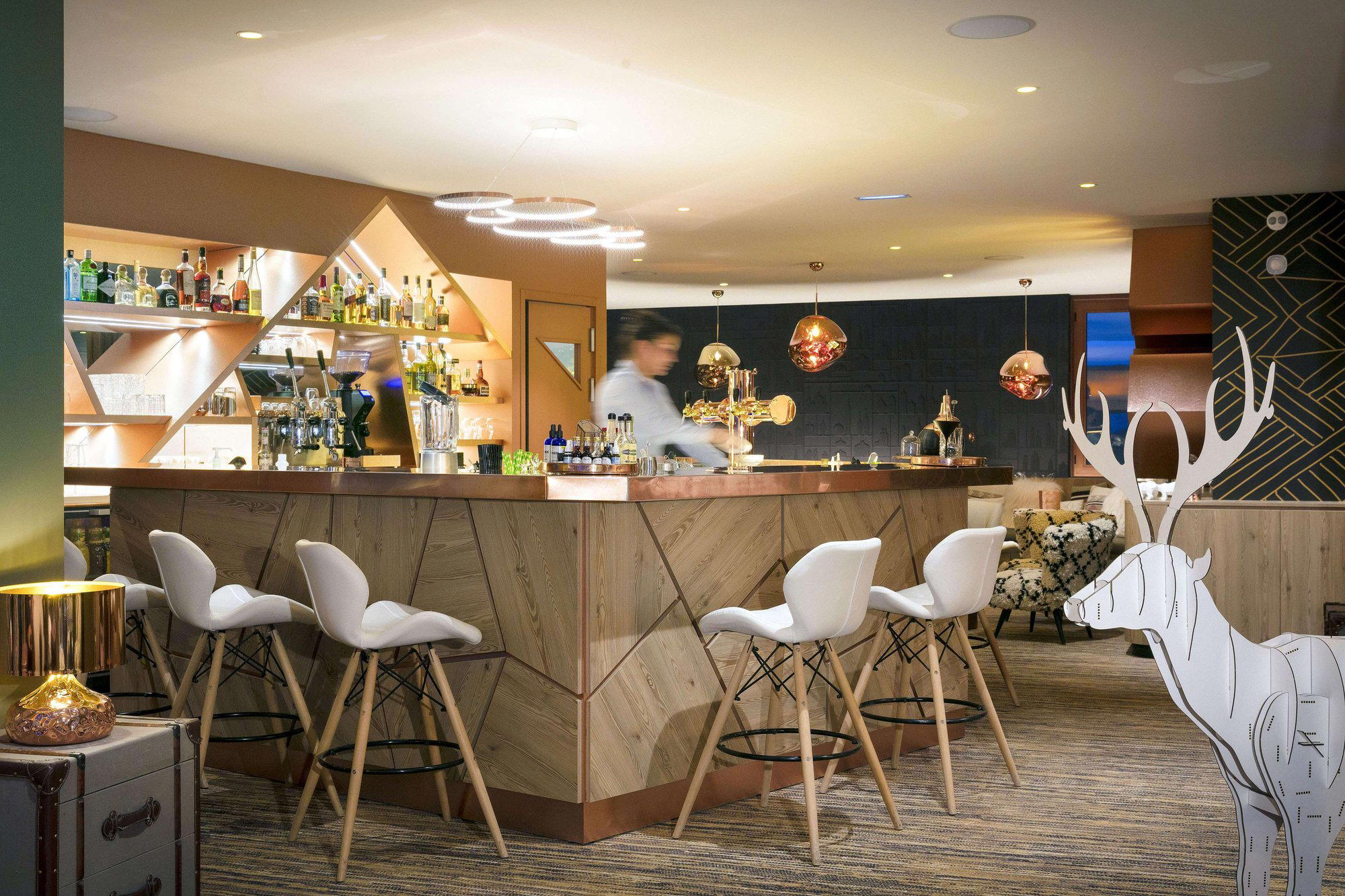
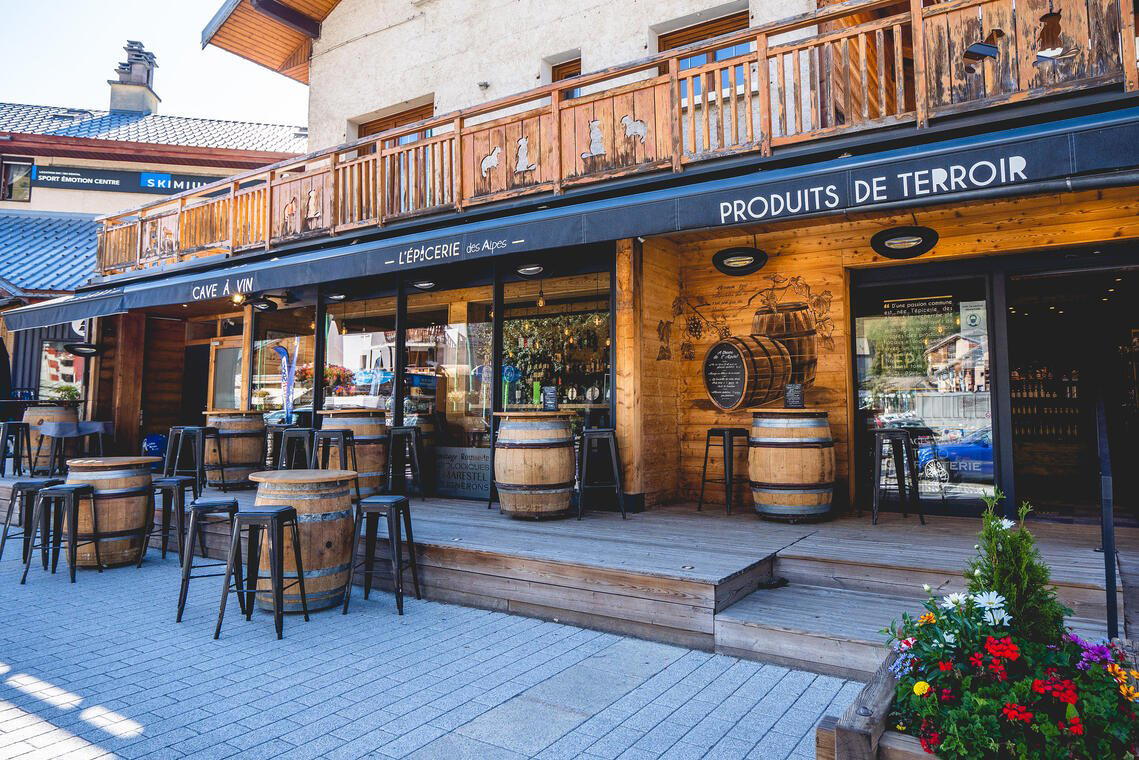
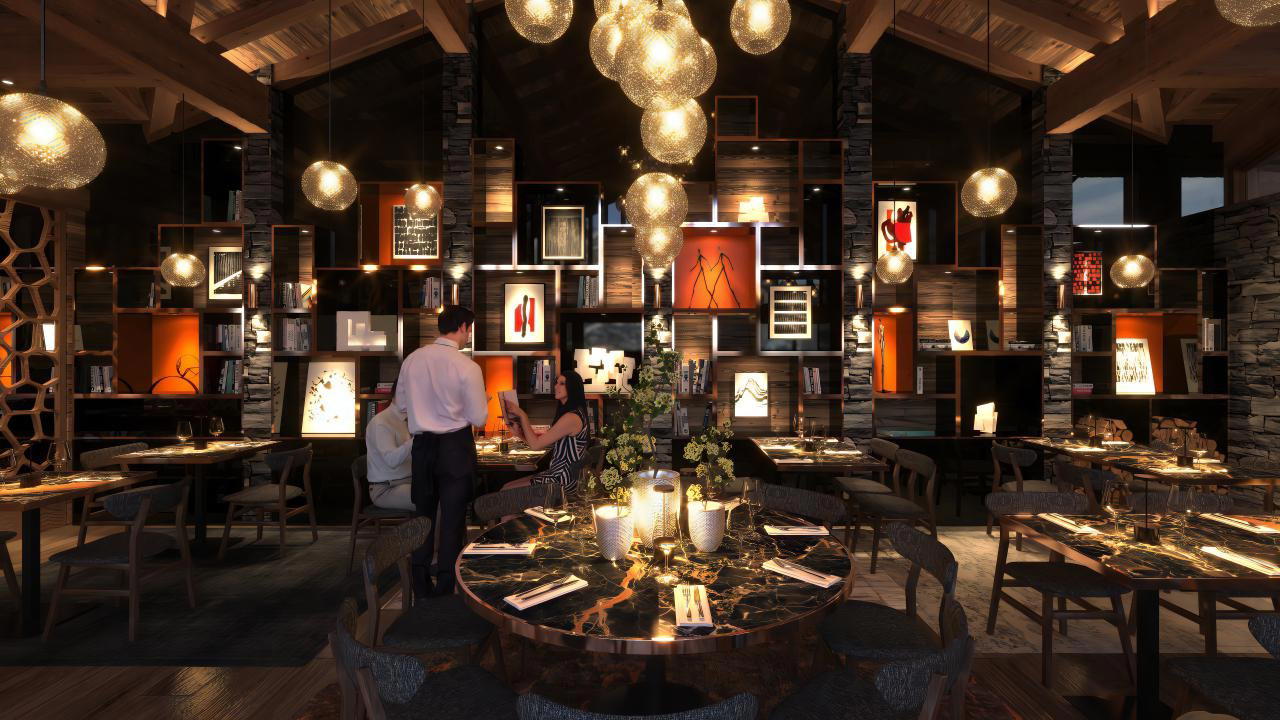
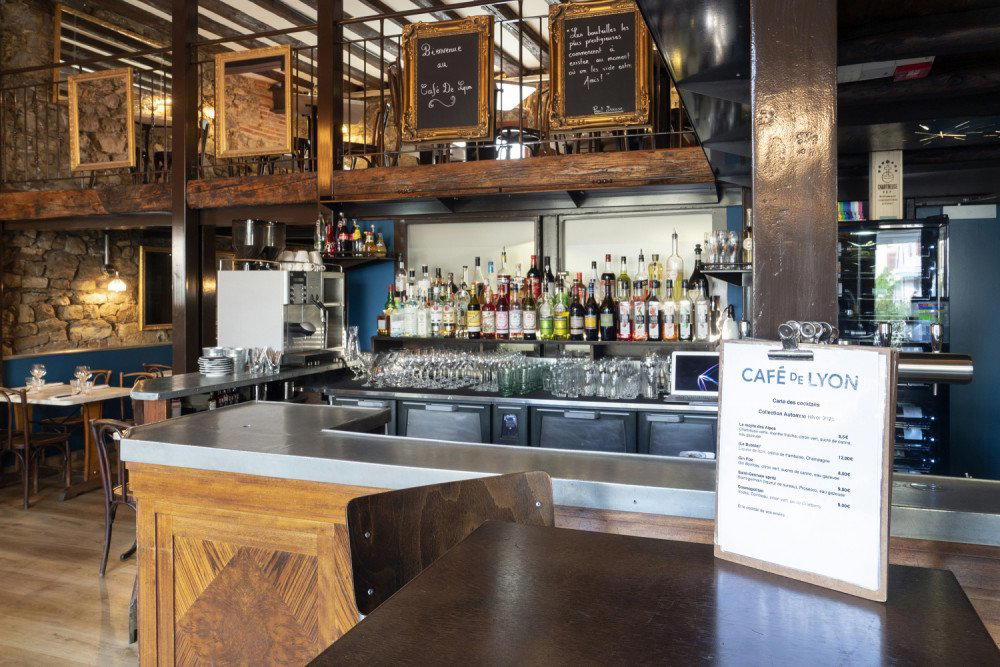
Restaurants in Alpe D'huez
Browse all →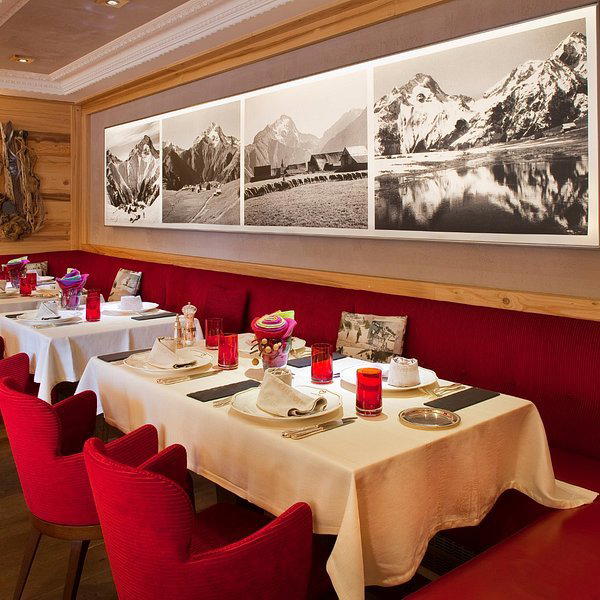
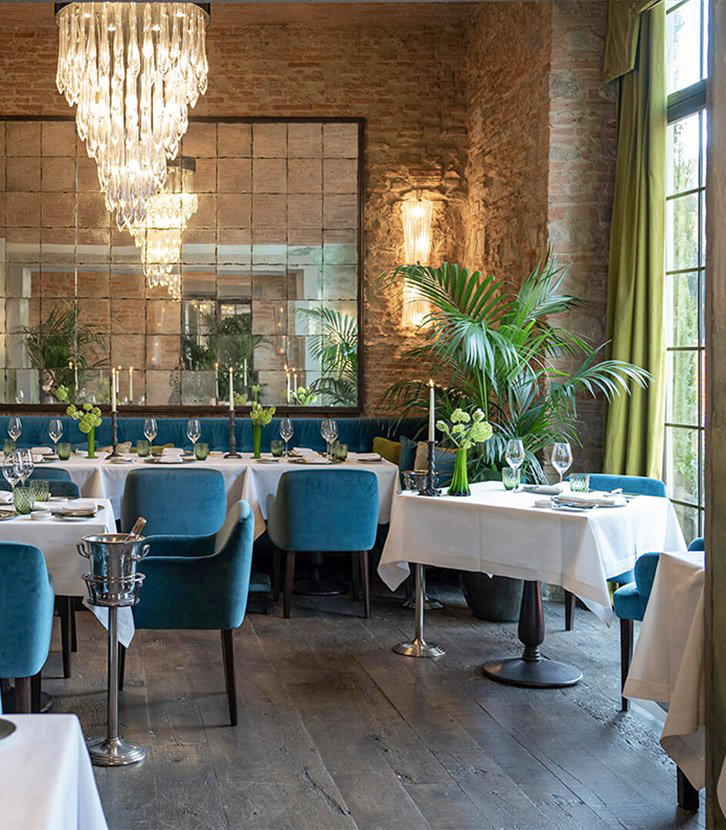
Wineries in Alpe D'huez
Browse all →

At a Glance
- Cozy
- Scenic
- Modern
- Elegant
- Family Vacation
- Romantic Getaway
- Wellness Retreat
- Weekend Escape
- Ski In Ski Out
- Panoramic View
- Terrace
- Wi Fi
- Pool
- Spa
- Sauna
- Restaurant
- Room Service
- Concierge
- Business Center
- EV Charging
- Mountain
- Wi Fi
- Pool
- Spa
- Sauna
- Restaurant
- Room Service
- Concierge
- Business Center
- EV Charging
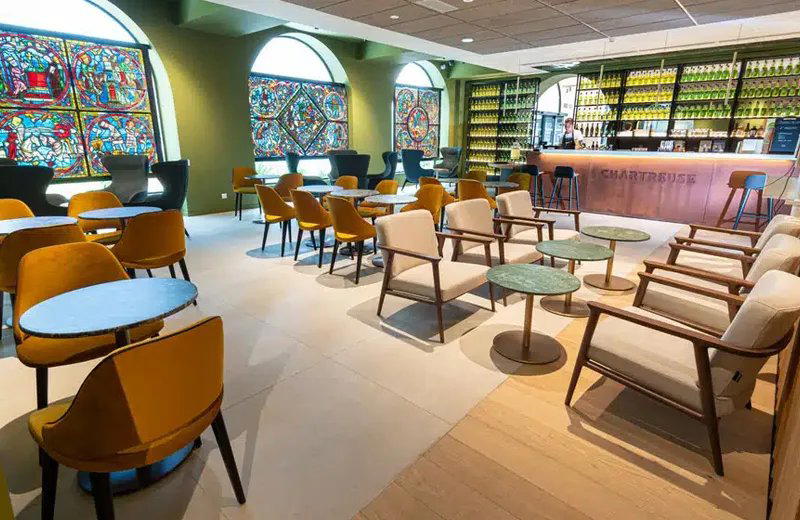
Warm chalet atmosphere with wooden elements, cozy fireside restaurant, serene spa, and modern spacious rooms with balconies.