Google: 4.0 · 623 reviews
InterContinental Hayman Island Resort

Selected by the Michelin Guide Hotels 2025, InterContinental Hayman Island Resort occupies a private island in Queensland's Whitsunday archipelago, placing it among Australia's most geographically remote luxury properties. The resort sits at the northern end of a peer set defined by seclusion and scale rather than urban sophistication, and draws a different kind of traveller than mainland alternatives.
 Discover on Pearl
Pearl is the En Primeur Club membership app — saves, bookings, and concierge access live there. Same editors, same standards.
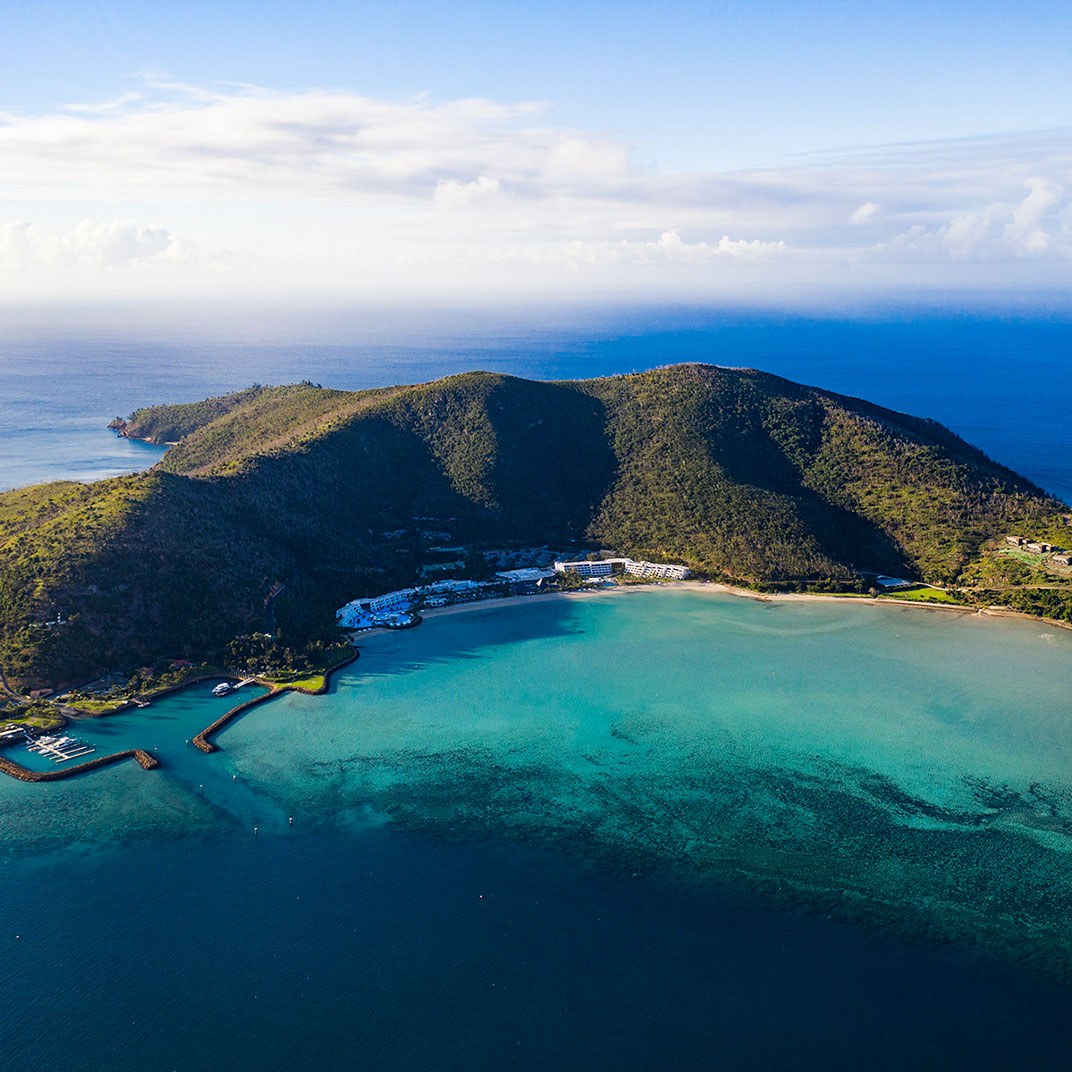
An Island at the Edge of the Reef
Approach Hayman Island by seaplane or helicopter transfer from the Whitsunday Coast and the architecture of the resort registers before you land: a low-rise complex that hugs the island's southern shoreline, its white rendered facades and terracotta-inflected rooflines arranged to face the Coral Sea rather than compete with it. This is a deliberate spatial logic. Where mainland luxury hotels in Australia tend to assert themselves through height or urban density, island resorts in the Whitsundays operate on a horizontal plane, spreading across landscaped grounds and positioning built form as a frame for the water views rather than the view itself. The InterContinental Hayman Island Resort belongs firmly to that tradition.
The resort occupies a site that has carried premium hospitality infrastructure since the 1980s, and the scale of its footprint reflects that legacy. Multiple swimming pools step down toward the waterline. Garden corridors connect accommodation wings to dining and recreational facilities across grounds that require time to understand rather than a quick orientation. For guests arriving from compact city properties like Capella Sydney or Melbourne Place, the spatial generosity can feel disorienting at first. That is part of the point.
Design Language at the Reef's Edge
The architectural approach at Hayman Island belongs to a category of resort design that prioritises environmental integration over formal statement. Colonnaded walkways, open-sided pavilions, and water features that reference the surrounding reef environment appear throughout the property. This is not the raw-materials naturalism found at design-led properties like Southern Ocean Lodge on Kangaroo Island, where exposed timber and stone engage directly with a rugged coastal landscape. Hayman's aesthetic is more curated and classically resort in character: manicured tropical planting, reflective pool surfaces, and an interior language that tends toward the warm and restrained rather than the architecturally adventurous.
What the design does well is manage the transition between interior and exterior. Rooms and suites are oriented to maximise water outlook, and the resort's position on the island's sheltered southern face means the Coral Sea is visible from most areas of the property without requiring a walk to a dedicated vantage point. Australian island resorts in this category, including properties across the Whitsundays, face a common design challenge: how to preserve the sense of genuine remoteness while delivering the service infrastructure of a full-scale international hotel. Hayman's physical arrangement addresses that tension through scale, using the island's topography to separate functions spatially rather than stacking them vertically as a city hotel would.
The comparison with Emirates One&Only; Wolgan Valley is instructive. Both properties operate at the premium end of Australian resort accommodation and both use their physical setting as the primary differentiator. Wolgan Valley's design responds to a sandstone escarpment wilderness with a freestanding villa format that emphasises privacy and land-anchored architecture. Hayman's response to its island context is more communal: shared pools, open dining pavilions, and a resort-village structure that suits guests who want access to the Great Barrier Reef's marine environment through organised activity as much as private contemplation.
Michelin Selection and What It Signals
The Michelin Guide Hotels 2025 included InterContinental Hayman Island Resort in its selection for Australia, placing it within a curated set of properties that the guide considers worth the attention of its readership. Michelin's hotel selection, distinct from its restaurant star system, applies criteria around comfort, service consistency, and experiential value rather than awarding a hierarchical ranking. Inclusion signals that the property meets a threshold of reliability and quality recognisable to an internationally mobile guest, not that it sits above all competitors in a ranked list.
Within Australia's broader premium hotel market, Michelin-selected properties appear across city, coastal, and wilderness formats. The Tasman in Hobart and The Calile in Brisbane represent the urban end of that selection, while Hayman sits at the remote-island end of the spectrum, a category with very few Australian representatives at comparable scale. The selection also places Hayman in international company: properties like Badrutt's Palace Hotel in St. Moritz and Hôtel de Paris Monte-Carlo occupy the same guide, which frames the kind of traveller Michelin imagines as the target audience for all these properties.
The Whitsunday Context
Hayman Island sits at the northern tip of the Whitsunday archipelago, approximately 1,000 kilometres north of Brisbane. The Coral Sea visibility and proximity to the Great Barrier Reef Marine Park define the resort's leisure offer more than any built amenity. Snorkelling, diving, and sailing access to the reef are the primary reasons most guests choose a Whitsunday island property over a Queensland mainland resort or a city hotel like JW Marriott Gold Coast. The island's geography, private and car-free with access exclusively by water or air transfer, creates the sense of remove that justifies the logistical complexity of getting there.
That complexity is worth acknowledging. Most guests fly to Proserpine (Whitsunday Coast Airport) or Hamilton Island Airport, then connect by helicopter or high-speed launch to Hayman. The transfer itself, particularly the aerial approach over the Coral Sea, functions as a kind of decompression ritual that island resorts across the Pacific and Indian Oceans have long understood to be part of the arrival experience. Properties like Wildman Wilderness Lodge in the Northern Territory use a similar access logic: the effort of arrival signals the degree of separation from ordinary life.
For guests comparing Hayman against the wider Australian luxury resort market, the peer set is narrow. Very few properties combine island isolation, full-scale resort infrastructure, international brand backing through the IHG group, and Michelin recognition in a single offer. Piermont Retreat in Tasmania and Osborn House in the Southern Highlands operate at much smaller scale and in entirely different environments. Queensland coastal competitors on the mainland, including Gold Coast properties like Mondrian Gold Coast and The Darling at The Star Gold Coast, offer urban amenity but not reef access at this scale.
Planning a Stay
Given Hayman's position at the northern end of the Whitsundays and its transfer requirements, arrival planning matters more here than at most Australian properties. The Whitsunday wet season runs from November through April, bringing higher humidity and the possibility of marine stingers in open water, which affects how guests interact with the reef environment. The dry season months from May through October offer clearer conditions and are the period when reef visibility is at its most reliable for diving and snorkelling. Guests coming specifically for Great Barrier Reef access should factor this seasonal variable into their timing. For broader context on what the Whitsunday Island hotel category offers, our full Hayman Island guide maps the accommodation and dining options available across the island.
Those weighing Hayman against other remote Australian properties with a strong design or nature focus might also consider the Empire Spa Retreat in Yallingup in Western Australia's Margaret River region, or Lilianfels in the Blue Mountains, both of which offer a different kind of landscape immersion at significantly less logistical complexity. What Hayman offers that those properties do not is the specific combination of coral reef access, island privacy, and resort scale that the Whitsundays, almost uniquely in Australia, can deliver.
Comparison Snapshot
These are the closest comparables we have in our database for quick context.
| Venue | Cuisine | Price | Awards | Notes |
|---|---|---|---|---|
| InterContinental Hayman Island Resort | This venue | |||
| Capella Sydney | World's 50 Best | |||
| Grand Hyatt Melbourne | ||||
| Shangri-La Hotel, Sydney | ||||
| The Langham, Melbourne | ||||
| Sofitel Sydney Darling Harbour |
Continue exploring
More in Hayman Island
Hotels in Hayman Island
Browse all →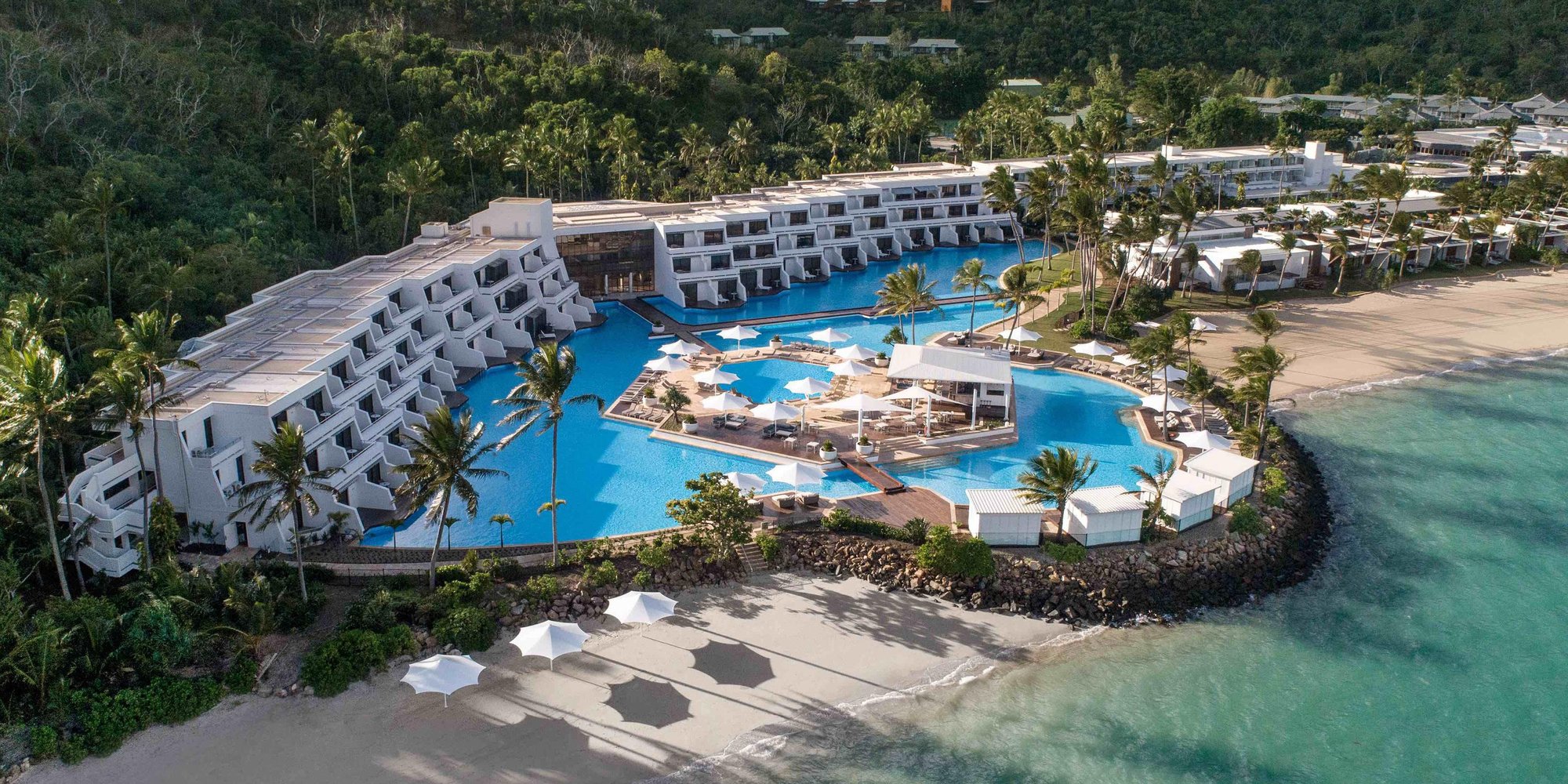
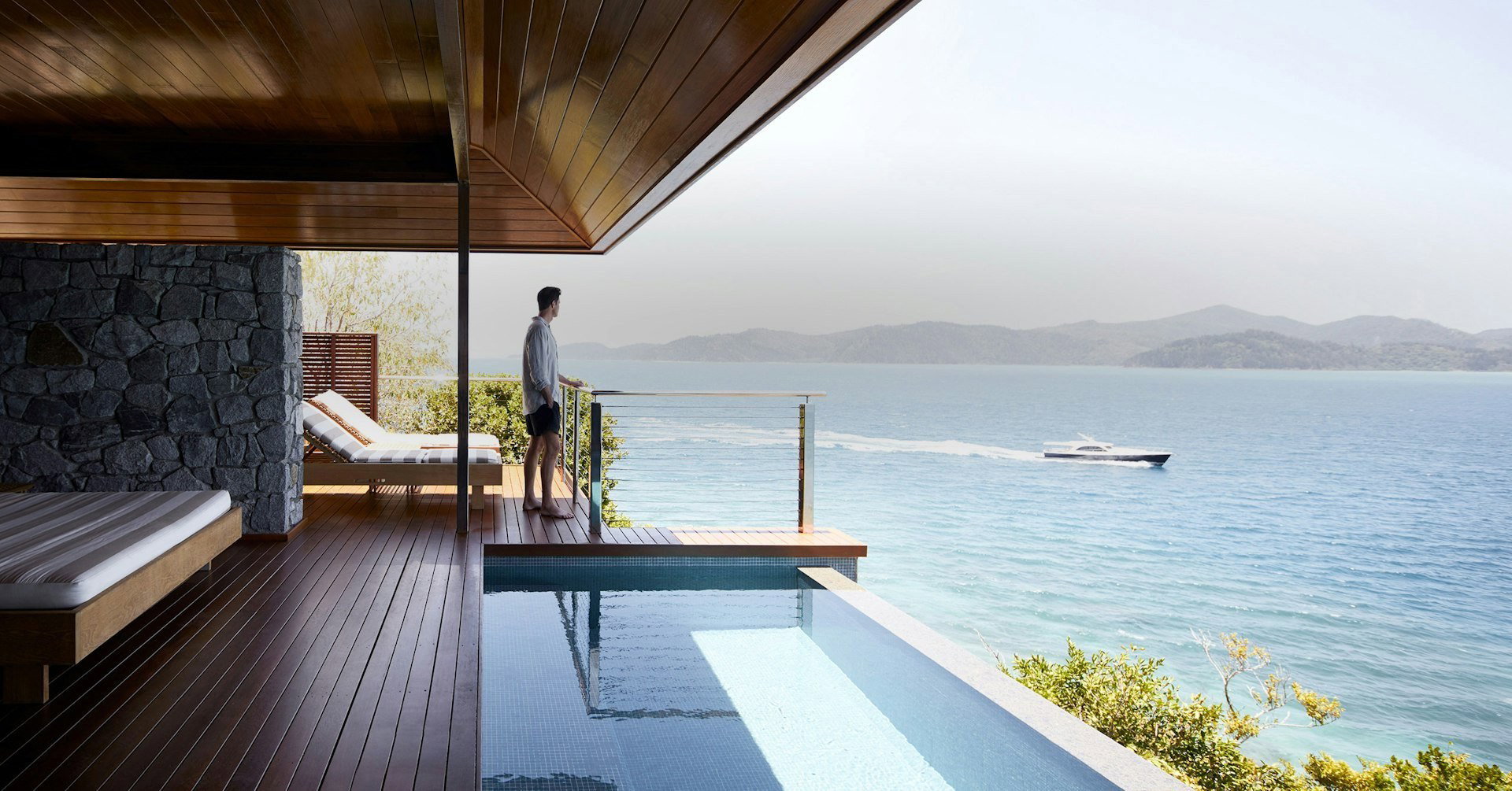
Restaurants in Hayman Island
Browse all →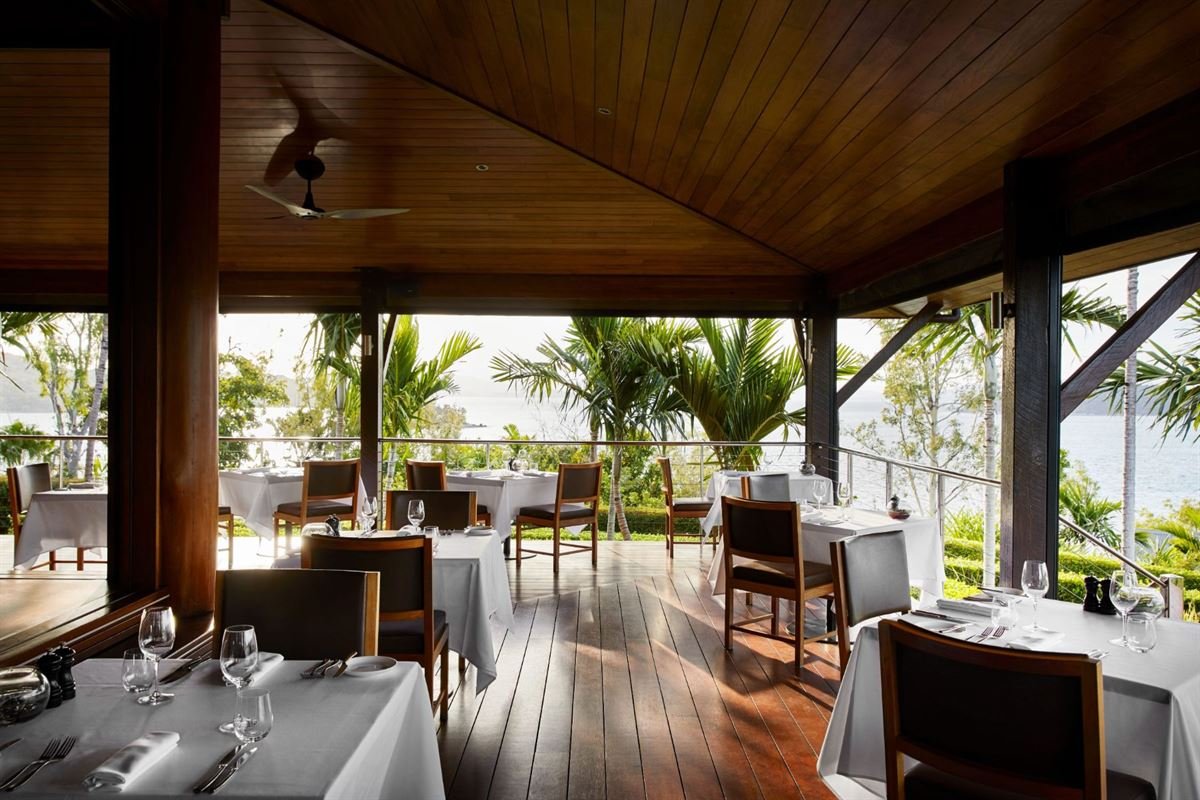
At a Glance
- Romantic
- Scenic
- Elegant
- Sophisticated
- Intimate
- Honeymoon
- Romantic Getaway
- Family Vacation
- Anniversary
- Celebration
- Beachfront
- Infinity Pool
- Private Villa
- Destination Spa
- Panoramic View
- Private Dining
- Garden
- Waterfront
- Pool
- Spa
- Fitness Center
- Room Service
- Concierge
- Kids Club
- Beach Access
- Restaurant
- Bar
- Helicopter Transfer
- Waterfront
- Garden
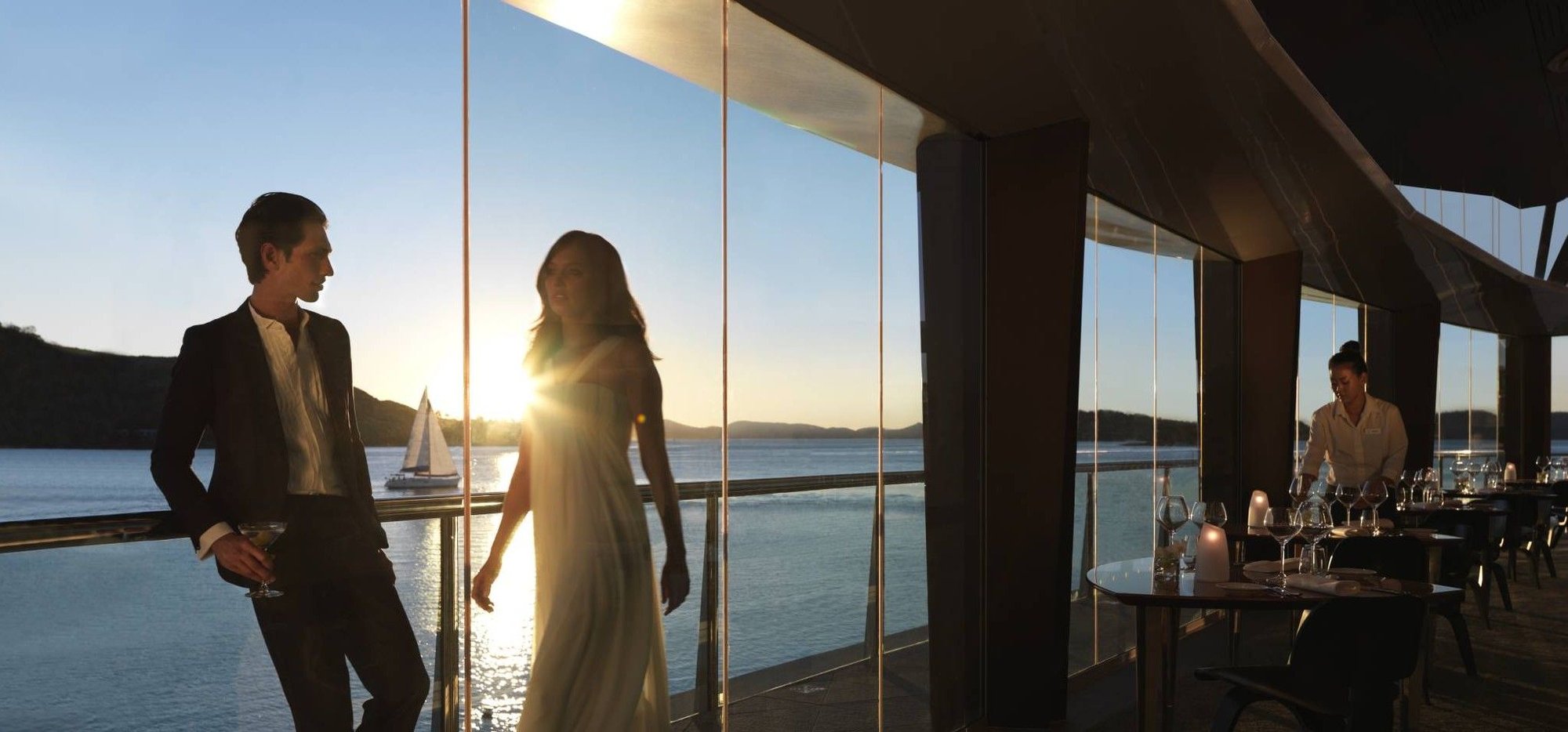
Light-filled contemporary spaces with natural materials, earthy tones, and expansive ocean views; barefoot luxury meets elevated refinement with champagne picnics and fine dining.