Hyde Midtown Miami
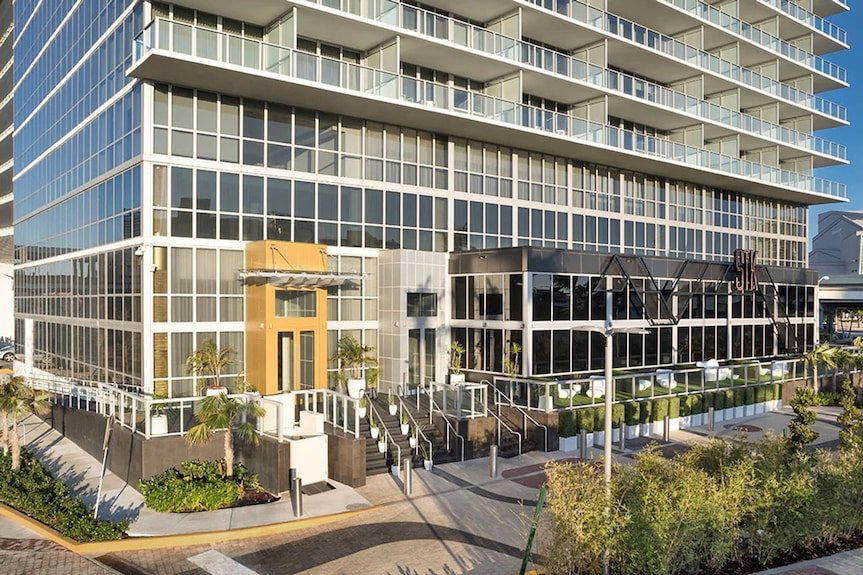
Hyde Midtown Miami occupies a distinct position in Miami's design-forward hotel scene, placing guests in the heart of the city's fastest-evolving corridor at 101 NE 34th Street. The property's lifestyle-hotel format draws a crowd that prioritises atmosphere and access over traditional full-service convention. For travelers triangulating between Wynwood's art district energy and Brickell's financial density, it offers a credible midpoint.

Pearl is the En Primeur Club membership app, where members save venues, book tables and use the concierge.
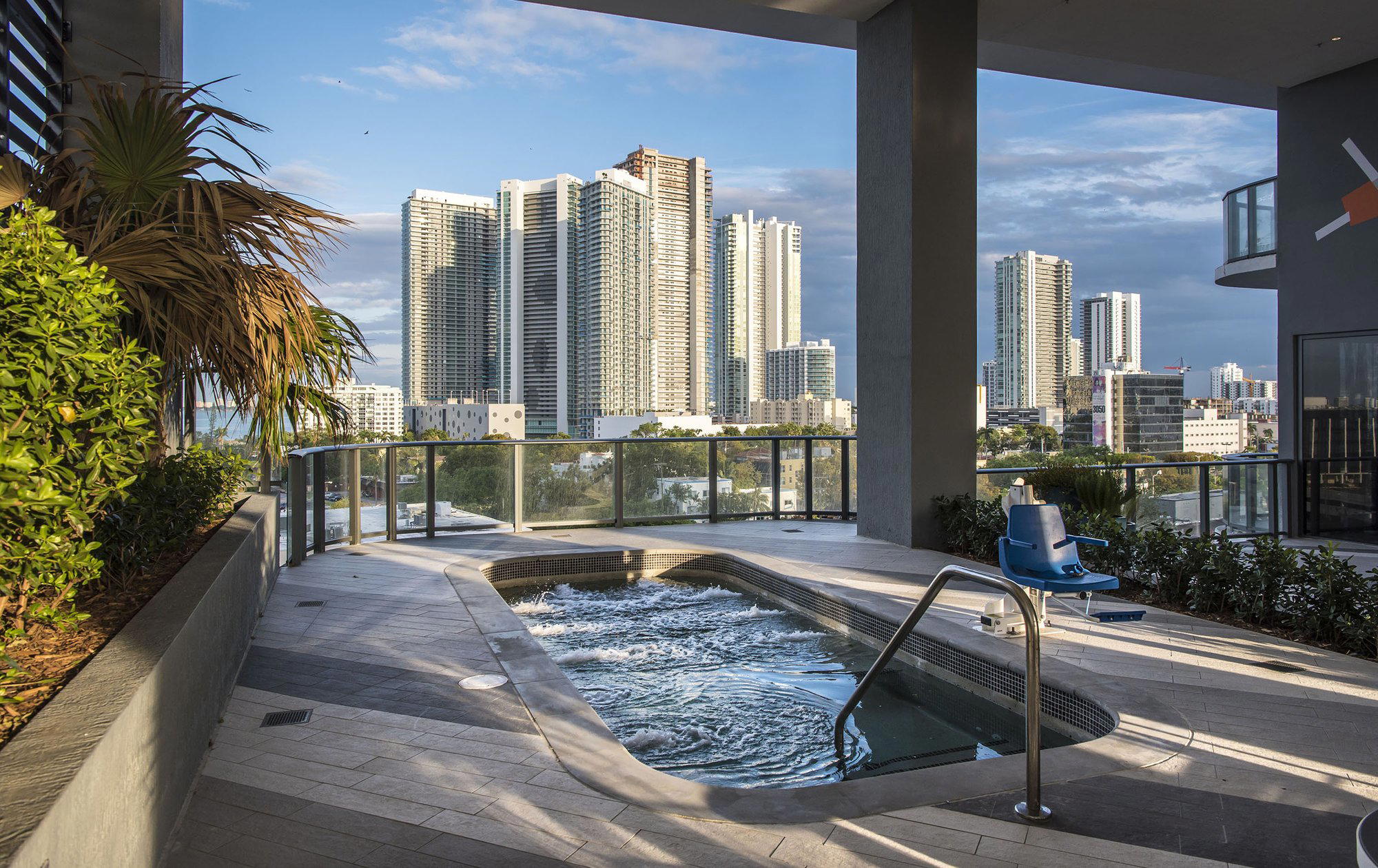
Where Midtown Miami's Momentum Concentrates
Miami's hotel geography has always been polarised between the beach strip and downtown's financial core, with everything in between treated as transitional space. That calculus has shifted considerably over the past decade. Midtown Miami, anchored around NE 34th Street and the design and retail corridors feeding into it, has consolidated enough residential density, gallery traffic, and restaurant investment to function as a genuine destination neighbourhood rather than a pass-through. Hyde Midtown Miami, at 101 NE 34th St, sits inside that shift rather than ahead of it, which is a meaningful distinction: the surrounding blocks have already matured into a walkable, mixed-use zone rather than a development promise.
Compared to the beach-facing properties that define Miami's traditional luxury tier, including Faena Hotel Miami Beach and The Setai, Miami Beach, a Midtown address trades oceanfront access for urban proximity. Wynwood's gallery cluster sits minutes north; the Design District's concentrated retail and restaurant programming is effectively adjacent. For guests whose Miami itinerary is structured around art, dining, and city movement rather than beach hours, that trade reads as an upgrade rather than a concession.
The Hyde Format in Context
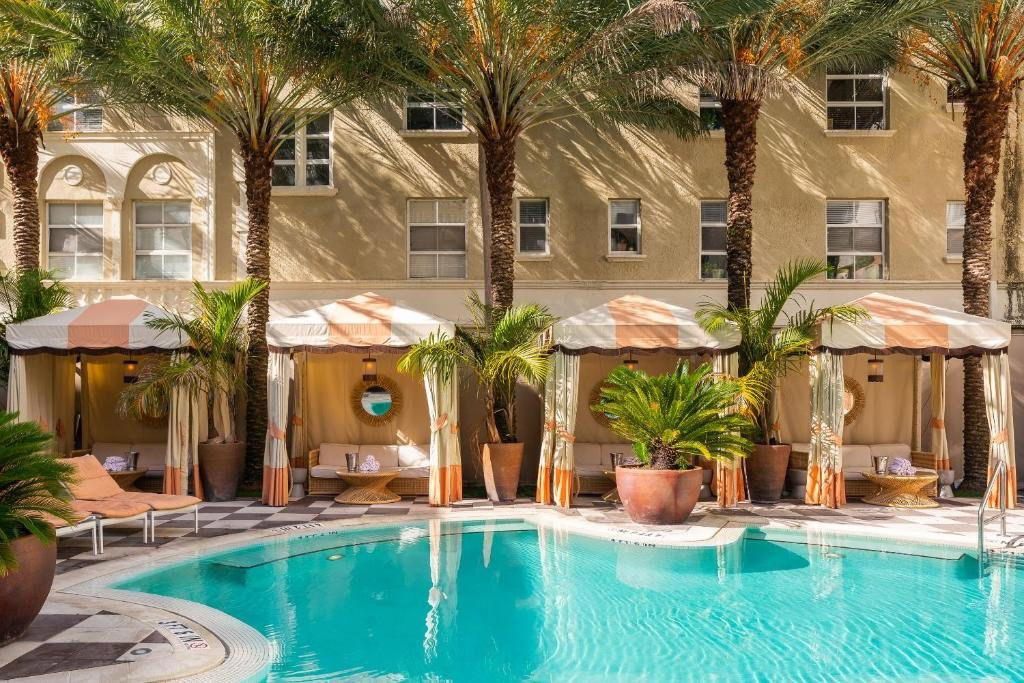
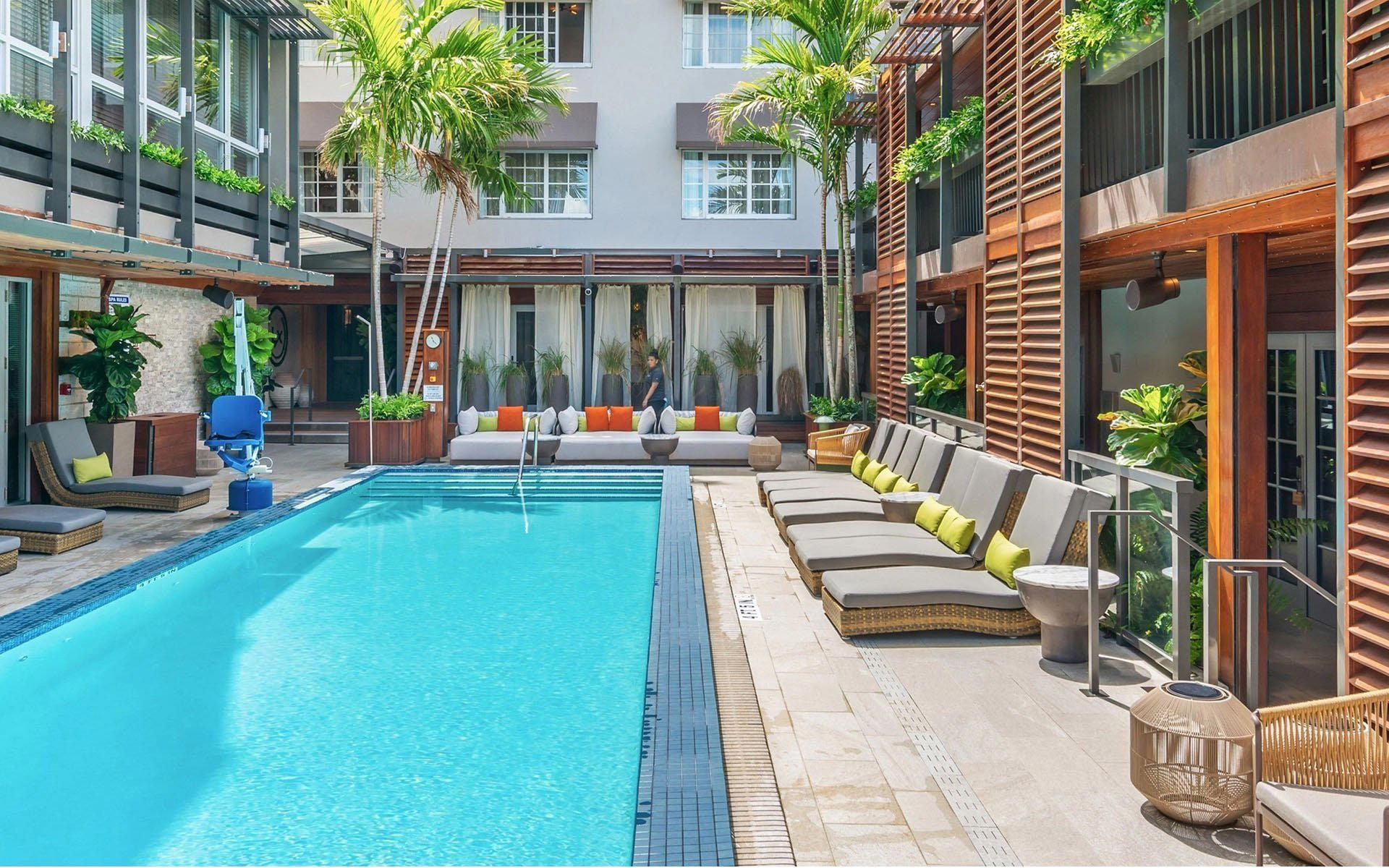
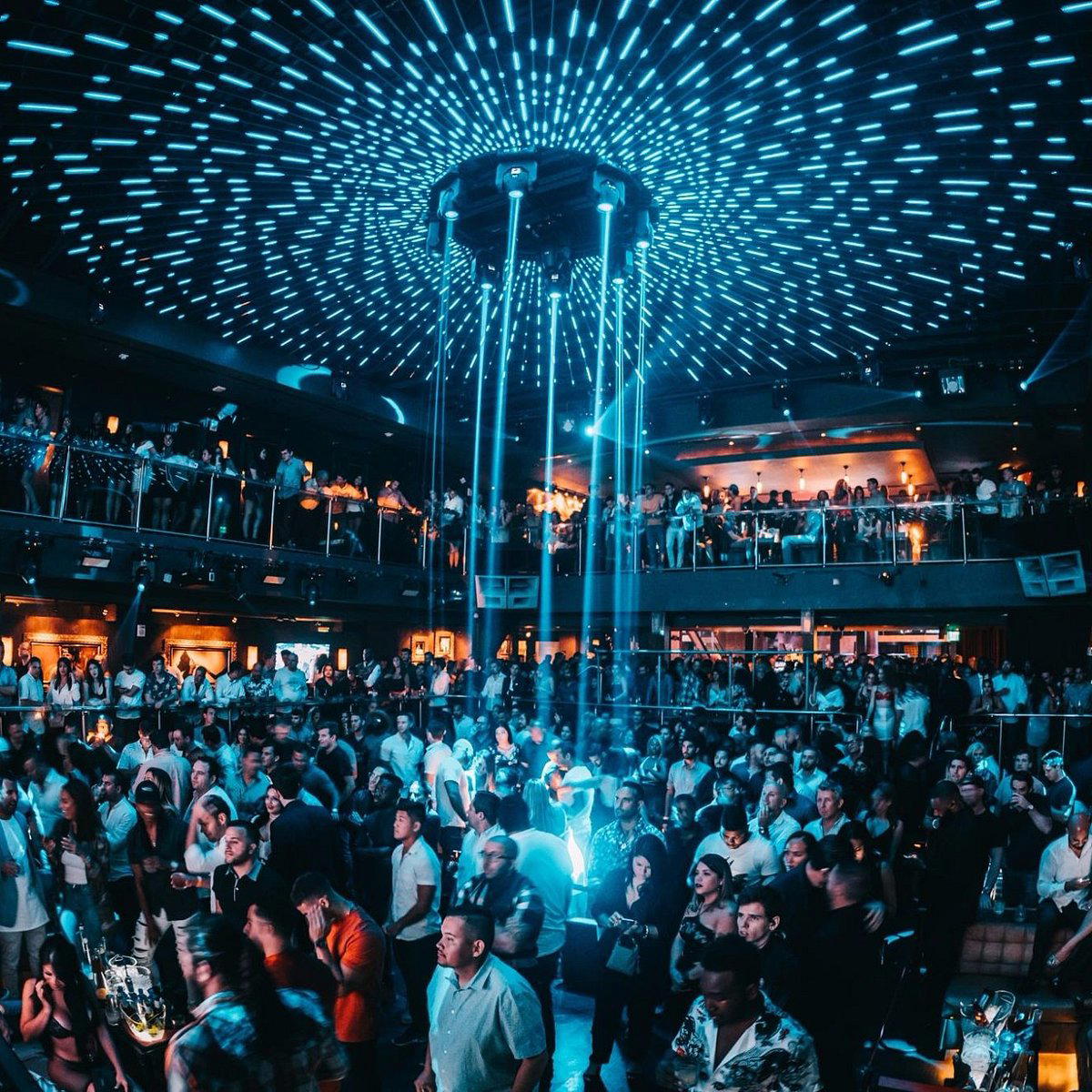
Lifestyle hotels in the American market have increasingly split into two camps: properties that use the category label as branding while delivering a conventionally corporate guest experience underneath, and those that genuinely re-engineer the service model around social programming and atmosphere rather than conference room throughput. Hyde, as a brand operating across multiple American markets, belongs to the latter group. The format prioritises public space animation, DJ-driven evening programming, and pool-as-social-hub logic over the transactional efficiency that larger full-service chains optimise for.
That positioning places Hyde Midtown Miami in a different competitive conversation than the Ritz-Carlton properties operating across Miami's submarkets, including the Ritz-Carlton Bal Harbour, the Coconut Grove location, Key Biscayne, and the South Beach flagship. Those hotels target guests for whom service formality and brand consistency across stays are the primary purchase drivers. Hyde targets guests for whom the hotel's energy on a Thursday evening matters as much as thread count. Neither is a superior model in the abstract; they are calibrated for different trip profiles.
Within Miami's design-forward hotel cohort, Mayfair House Hotel and Garden, Esmé Miami Beach, and Hotel Greystone each represent variations on the boutique-with-personality thesis. Hyde Midtown's differentiator within that set is scale and location: the Midtown address connects it to a neighbourhood with genuine daily texture rather than purely tourist infrastructure, while the brand's programming infrastructure gives it more consistent activation than many independently operated boutique properties manage.
Service Philosophy: Attention Without Formality
The guest experience at lifestyle properties in this tier tends to succeed or fail on a narrow question: can staff deliver genuine attentiveness without the script-reading stiffness that formal service training sometimes produces? Hyde's brand DNA leans toward hospitality that feels social rather than institutional, where the person checking you in and the person managing the pool bar operate from the same instinct toward making guests feel like they belong rather than like they are being processed.
This matters particularly in Midtown Miami, where the guest mix skews younger and more locally engaged than the international leisure traveler that dominates South Beach properties. A guest arriving for Art Basel satellite programming in Wynwood has different requests than one arriving for a beach week. Anticipatory service in that context means knowing the neighbourhood's gallery opening schedule, having opinions on where to eat within walking distance, and being able to place a guest at a dinner table in the Design District on short notice rather than defaulting to the hotel's own outlets. That neighbourhood fluency is the practical expression of what lifestyle brands promise.
For comparison, the service architecture at properties like Mr. C Miami in Coconut Grove draws on a European hospitality lineage, which produces its own version of personal attentiveness rooted in old-world formality. Hyde's approach is distinctly American and distinctly informal, which suits the Midtown environment. Guests traveling from equally energy-forward properties, such as 1 Hotel South Beach or Betsy on Ocean Drive, will find the service register familiar even if the neighbourhood context shifts considerably.
Miami in the Wider Context of American Lifestyle Hotels
The lifestyle hotel format that Hyde represents has found its clearest expression in American cities where the distinction between hotel guest and local regular matters to the property's commercial model. New York properties like Aman New York operate at the ultra-luxury extreme of that spectrum, where the hotel becomes a private members' club with rooms attached. The Fifth Avenue Hotel in New York City occupies a middle register where curation and atmosphere are central but the formality dial is turned up relative to Miami's lifestyle properties.
Resort-format properties like Amangiri in Canyon Point or Post Ranch Inn in Big Sur solve the service-and-atmosphere equation through landscape immersion rather than urban programming. Little Palm Island Resort and Spa in Little Torch Key takes that further by eliminating connectivity almost entirely. Hyde Midtown Miami sits at the opposite pole: the point of the property is friction with the city, not escape from it.
For travelers whose trip involves moving between Miami and other American cities, the Midtown location integrates reasonably with Miami International Airport via I-195, placing the property roughly equidistant between the airport and the northeastern beach corridor. The surrounding street grid is walkable for the Design District and Wynwood; Brickell and downtown require a short rideshare. See our full Miami restaurants guide for neighbourhood-by-neighbourhood dining recommendations that pair with a Midtown base.
Planning a Stay
Miami's hotel market runs two distinct peak seasons. The winter season, running roughly from late November through April, concentrates leisure travelers, Art Basel traffic in December, and the conference circuit. Summer brings lower rack rates and genuine heat, which the property's pool programming is built to absorb. Booking windows for peak December dates, particularly the Art Basel week in early December, should be treated as Miami-wide supply constraints rather than property-specific quirks; the entire market compresses. For travelers with more flexibility, the shoulder months of October and May offer meaningful pricing relief and a city that is considerably less crowded.
Guests comparing Hyde Midtown against the broader American luxury hotel landscape might also consider how far the category has evolved: properties like SingleThread Farm Inn in Healdsburg, Auberge du Soleil in Napa, or Raffles Boston demonstrate that the spectrum from lifestyle-informal to formally traditional now covers almost every register. Hyde Midtown is firmly at the social, urban, energy-forward end of that spectrum, which is precisely the right answer for a specific kind of Miami trip and entirely the wrong answer for others.
Cuisine and Recognition
| Venue | Cuisine | Price | Awards |
|---|---|---|---|
| Hyde Midtown MiamiThis venue (the venue you are viewing) | This venue | $100–200 | Not listed |
| Four Seasons Hotel Miami | Not listed | $500–750 | Forbes 4-Star · Virtuoso Luxury Hotel Partner |
| The Ritz-Carlton Bal Harbour, Miami | Not listed | Not listed | Michelin Selected · Star Wine List |
| The Ritz-Carlton Coconut Grove, Miami | Not listed | Not listed | Star Wine List · Forbes Recommended |
| The Ritz-Carlton Key Biscayne, Miami | Not listed | $300–500 | Michelin Selected · Star Wine List |
| The Ritz-Carlton, South Beach | Not listed | $500–750 | Michelin Selected · La Liste Top Hotels |
Continue exploring
More in Miami
Hotels in Miami
All hotels in Miami →
Details
- Modern
- Trendy
- Sophisticated
- Elegant
- Romantic Getaway
- Business Trip
- Weekend Escape
- Rooftop Pool
- Panoramic View
- Pool
- Spa
- Fitness Center
- Room Service
- Concierge
- Valet Parking
- Skyline
- Waterfront
- Elevator
- Accessible Parking
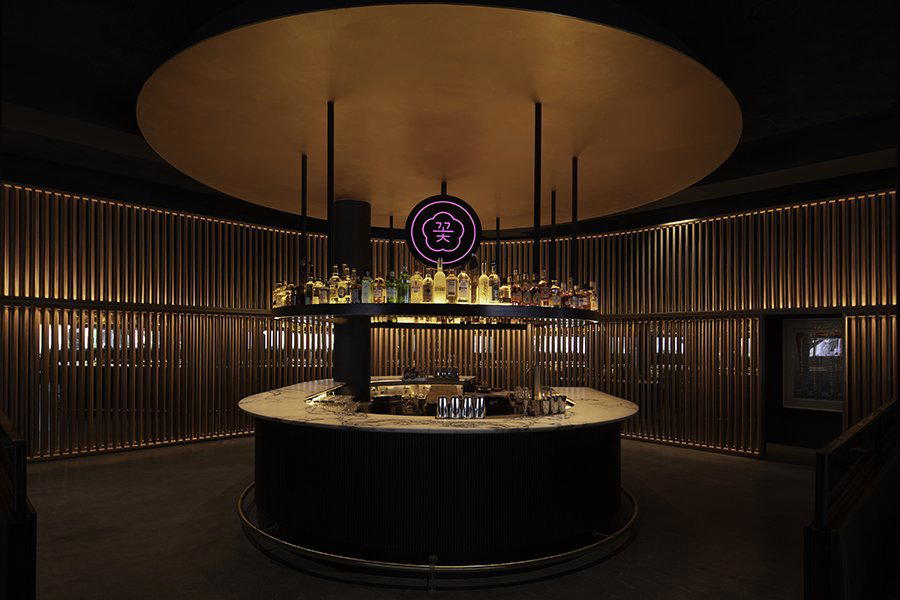
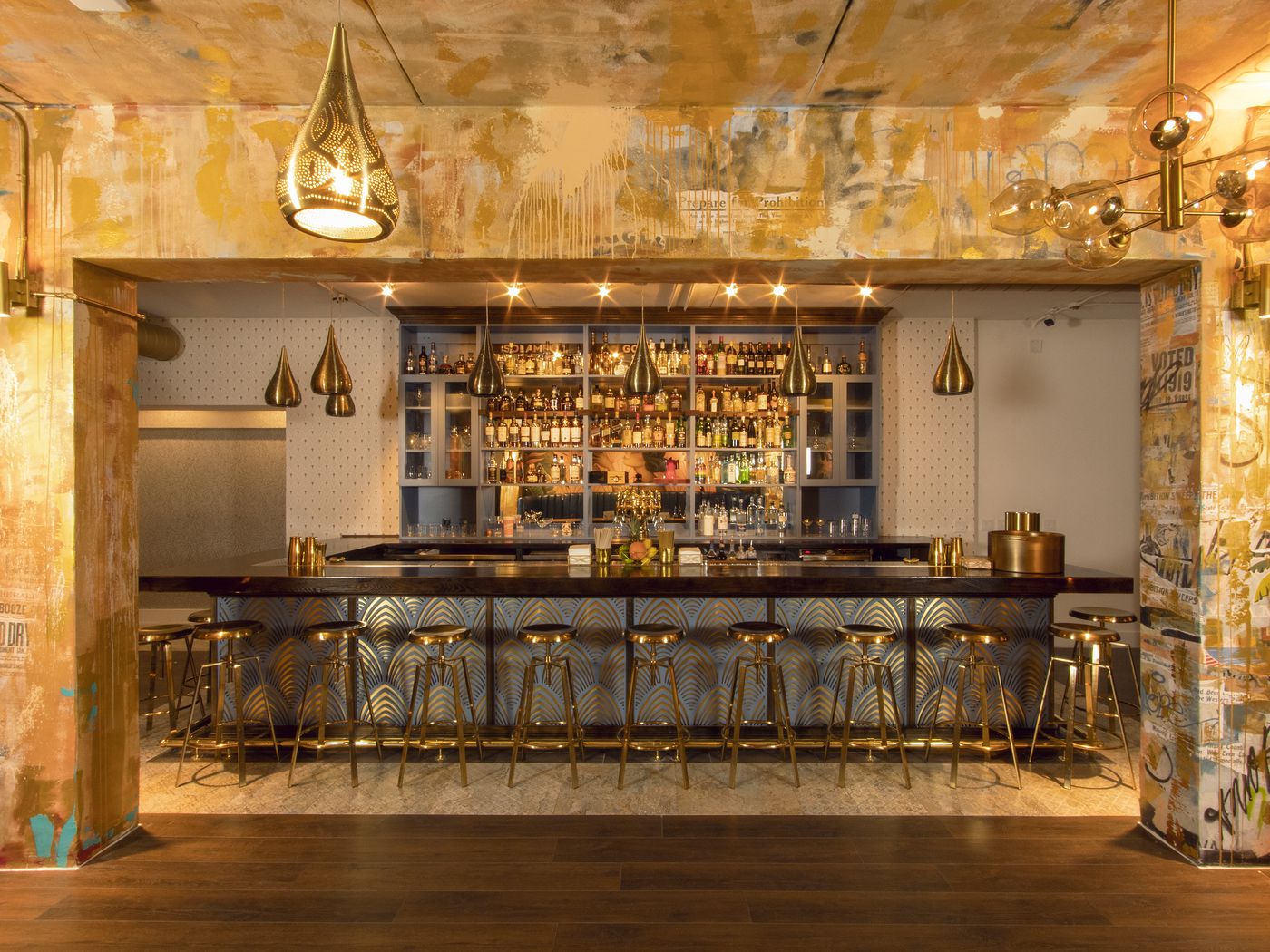
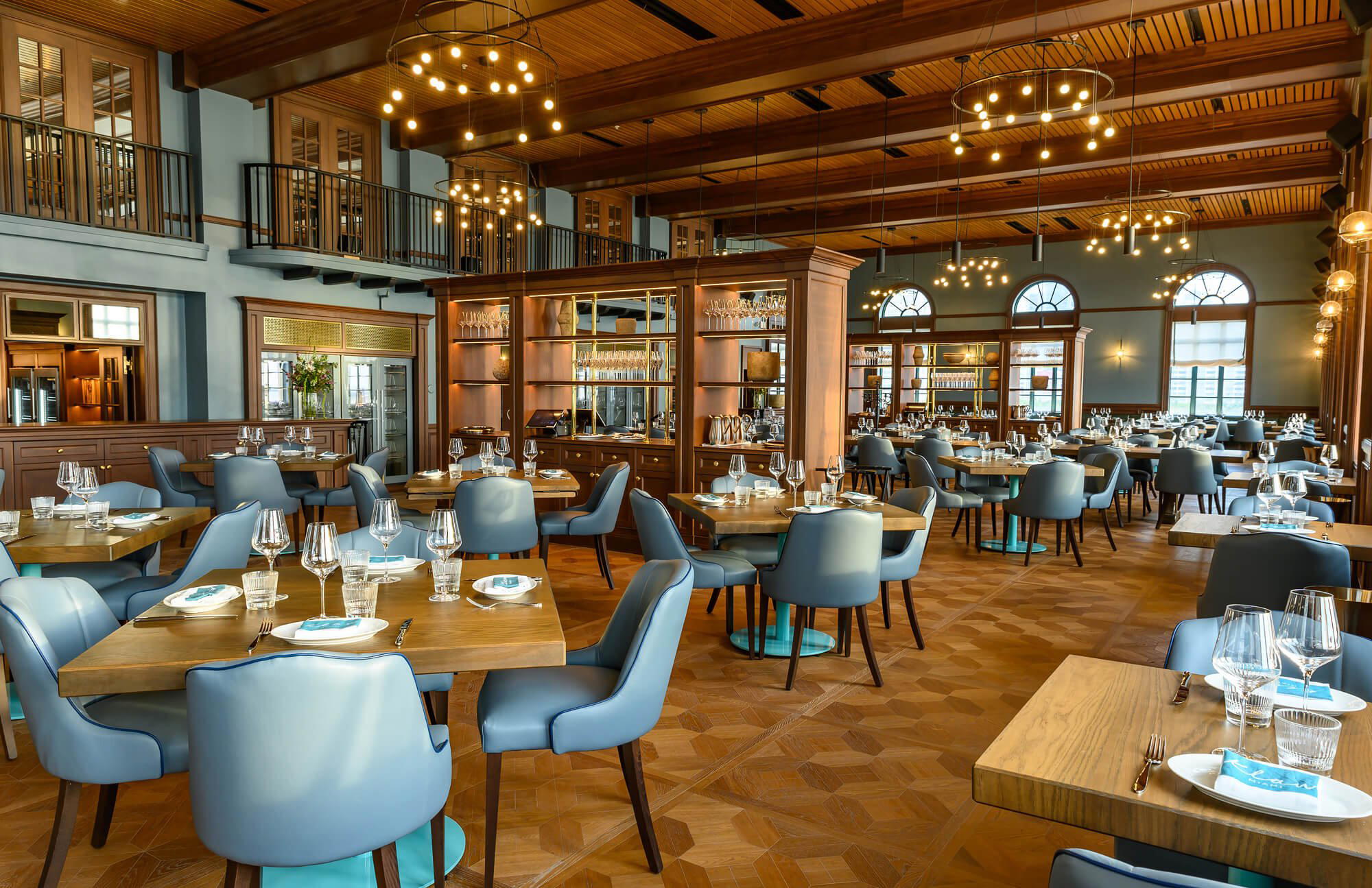
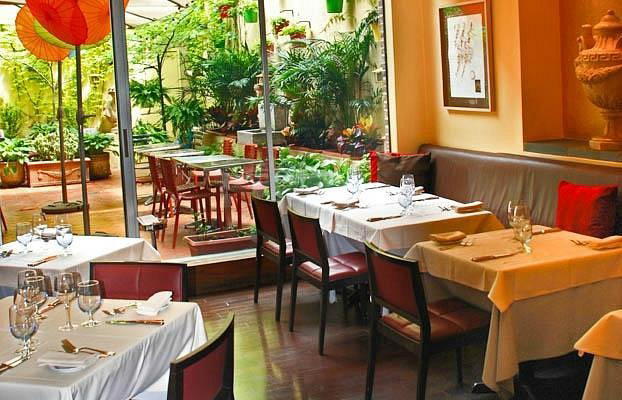
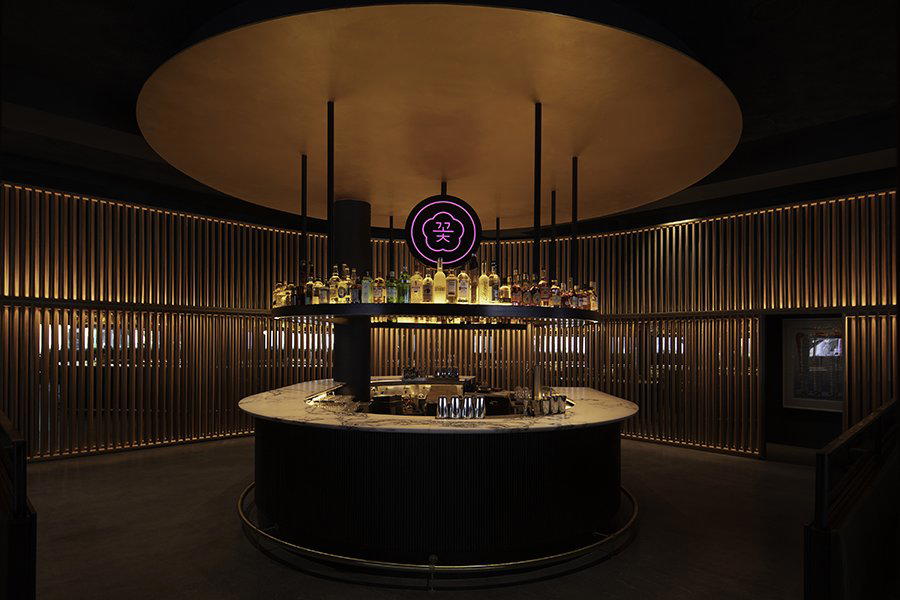
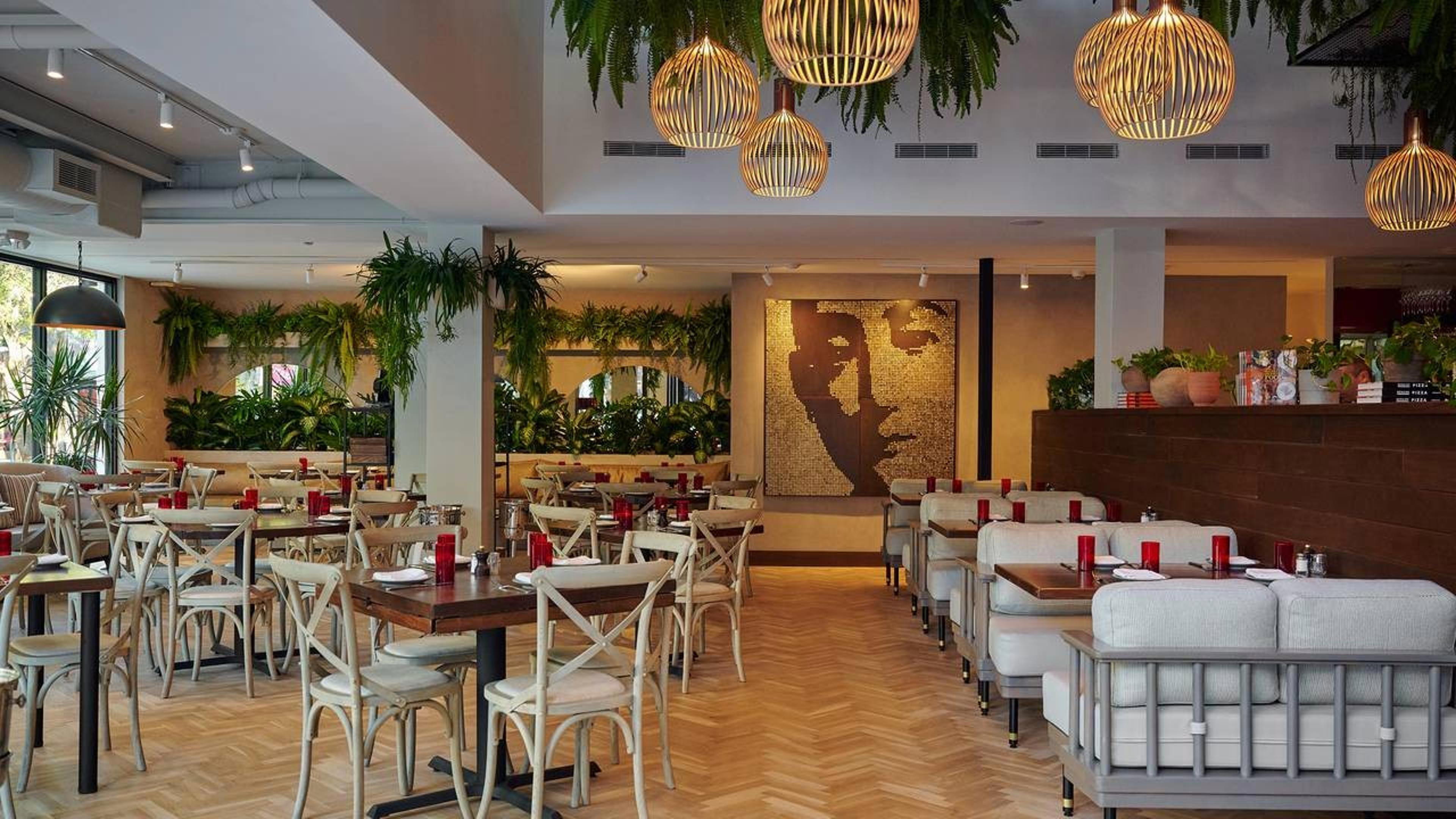
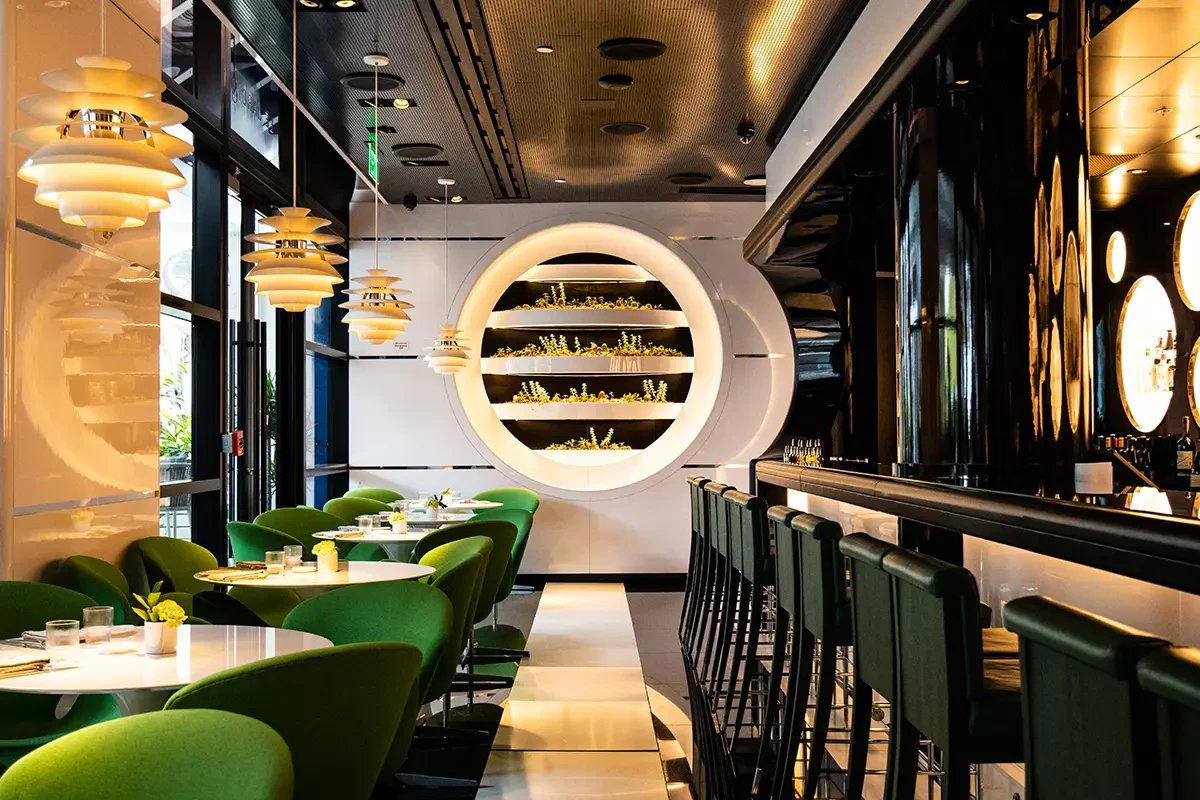
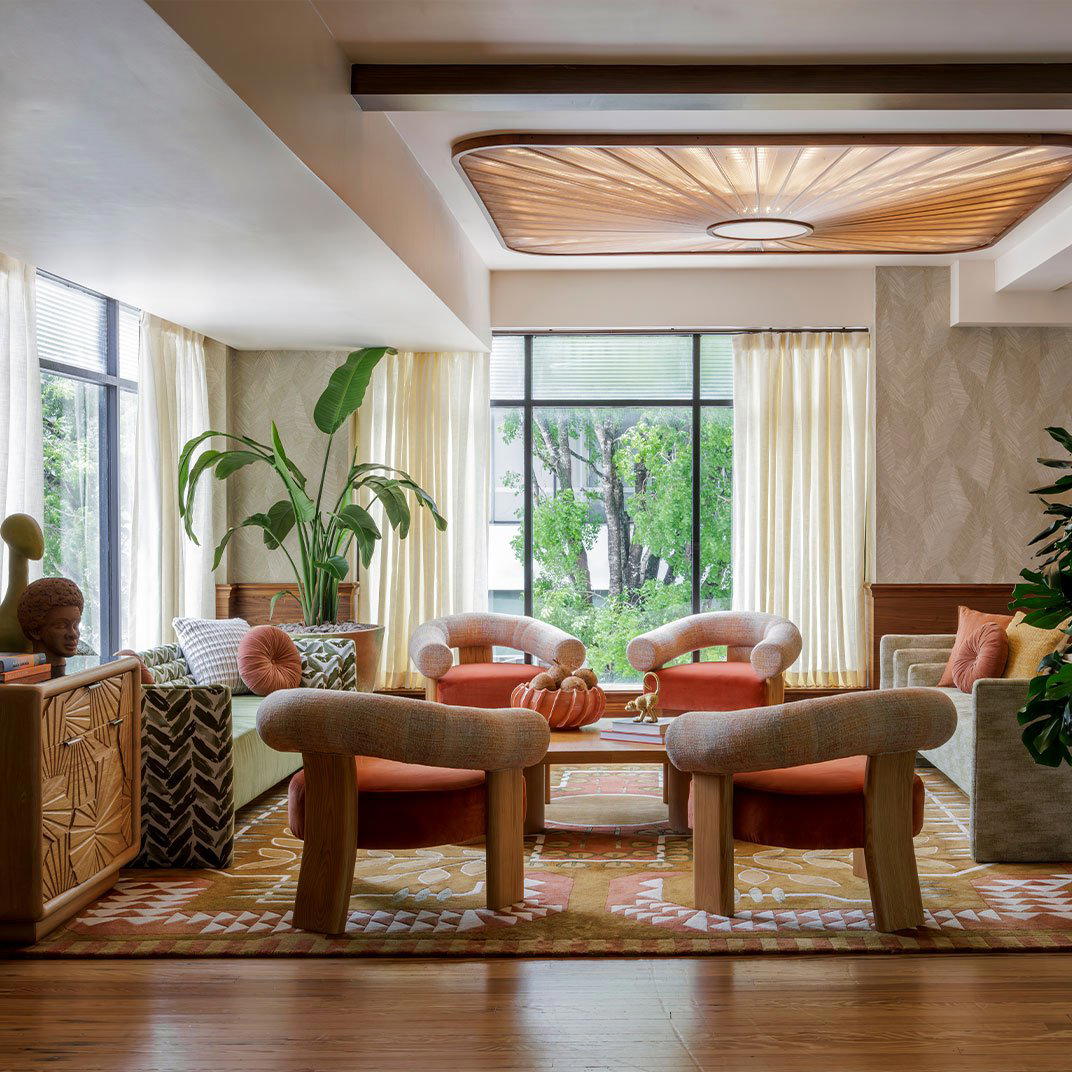
Modern and eclectic atmosphere with dramatic David Rockwell-designed lobby, lively lighting, and panoramic city views from amenity spaces.