Hotel Fauchere

1 Michelin Key
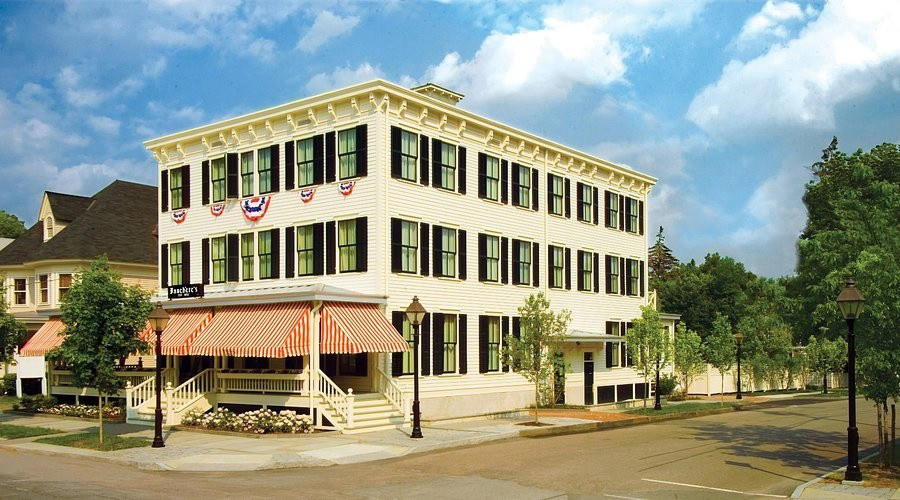
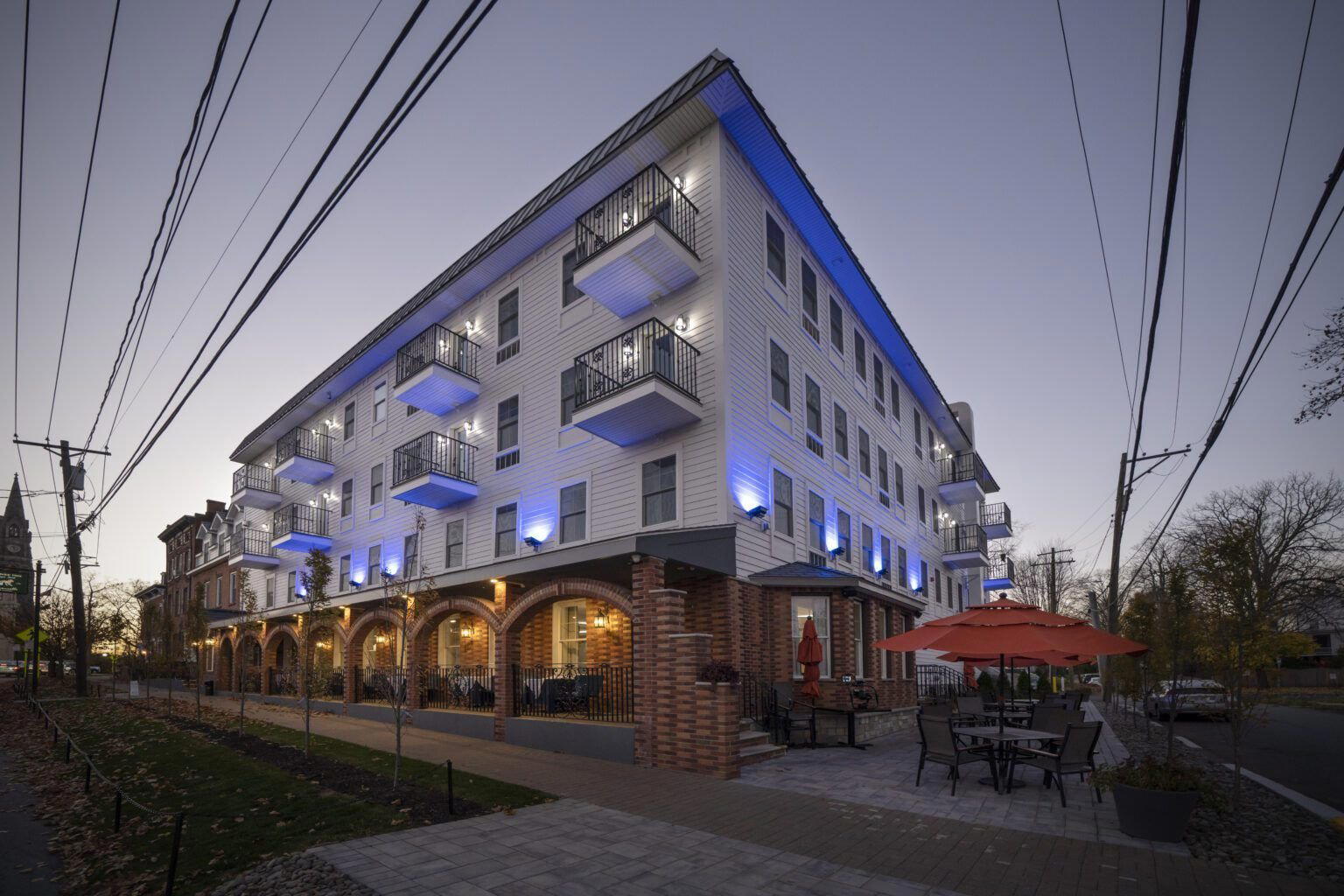
A 16-room boutique hotel in Milford, Pennsylvania, Hotel Fauchere presents a facade that reads as quintessentially rural American Gothic while delivering interiors that would not feel out of place in a discerning urban neighborhood.

Pearl is the En Primeur Club membership app — saves, bookings, and concierge access live there. Same editors, same standards.
Where the Facade Lies, Deliberately
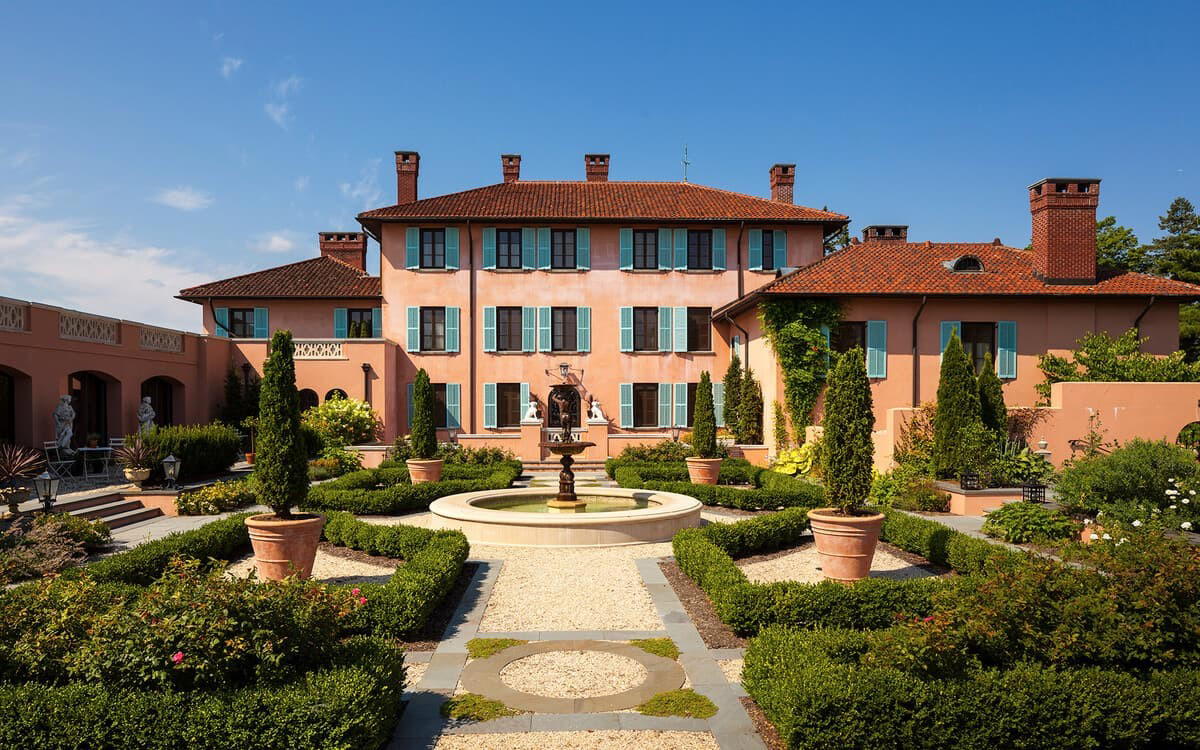
Milford, Pennsylvania occupies a specific kind of American geography: the long middle stretch of a state that many east-coast travelers treat as something to drive through rather than stop in. The Delaware Water Gap sits nearby, the Pocono resorts are within reach, and the surrounding region has long been associated with affordable family vacations rather than considered hospitality. Against that backdrop, Hotel Fauchere at 401 Broad Street functions almost as a provocation. The exterior, with its austere lines and vernacular American Gothic character, signals one set of expectations. The interior delivers something else entirely.
This gap between exterior reading and interior reality is not accidental. It reflects a design philosophy that has become more common in a specific tier of American boutique hotels — properties that use regional architectural language on the outside as a kind of camouflage, while committing to a genuinely contemporary luxury standard within. Troutbeck in Amenia operates on a similar axis, using a historic Hudson Valley estate shell to frame a modern hospitality program. Hotel Fauchere's version of this is more compressed: 16 rooms in a structure that reads as local and rooted, but functions as something considerably more considered.
The Renovation Logic and What It Means for the Guest
The renovation decision that defines the hotel's current form was a deliberate reduction in room count, which had the effect of nearly doubling the average room size. This is the kind of trade-off that separates serious boutique hotel operators from those who simply restore and reopen. Fewer keys at larger footprints means higher per-room investment in finishes and fixtures, and at Hotel Fauchere that investment is concentrated most visibly in the bathrooms, which are described as lavish and spa-like, stocked with Kiehl's toiletries. The beds are feather-topped, and the floors carry radiant underfloor heating — a detail that matters more than it sounds in a Pennsylvania property that operates through genuine winter months.
The aesthetic language of the rooms is conservative contemporary-luxe: not the aggressive minimalism that some design-forward properties pursue, and not the heavy-handed period reproduction that rural historic hotels often default to. It is a more difficult register to hit, and the fact that it reads coherently across 16 rooms in a building of this character reflects a renovation that was managed with some discipline. Properties that attempt this balance and fail tend to feel like neither one thing nor the other. Chicago Athletic Association in Chicago represents the urban version of this challenge, historic bones, contemporary program, and it is instructive to compare how differently that tension resolves when the surrounding city has a different gravitational pull than rural Pike County, Pennsylvania.
The Artwork as Editorial Statement
One of the more telling details in the hotel's design program is the artwork curation. The collection draws substantially from the Hudson River School, the 19th-century American landscape movement that produced painters like Thomas Cole and Frederic Church. The geographic logic is direct: the Hudson River School was largely produced within the region that surrounds Milford, and the Delaware Water Gap and Pocono highlands appear in works from this tradition. Using that art in this context is not mere decoration; it is a statement about the hotel's relationship to place.
This is a more sophisticated approach to regional identity than the generic local-photography installations that populate most boutique hotels. Hudson River School work carries genuine art-historical weight, and placing it in guest spaces makes an argument about the cultural seriousness of the surrounding landscape that no amount of marketing copy could make as efficiently. Behind the cocktail bar, a large photograph of John Lennon and Andy Warhol sits in counterpoint to the landscape paintings elsewhere, a deliberate injection of cosmopolitan reference into what could otherwise become too earnest a pastoral mood. It is a good editorial instinct, and it maps to the hotel's broader project of defying the assumption that rural Pennsylvania operates on a different cultural register than the cities it neighbors.
Food and Drink as Peer-Set Signal
The presence of both a restaurant and a patisserie at a 16-room hotel in Milford is itself a positioning statement. Most properties at this scale in comparable rural settings offer breakfast and, at leading, a bar program. A patisserie implies a level of kitchen investment and culinary ambition that extends considerably beyond operational necessity. In the wider context of American boutique hotel dining, this places Hotel Fauchere in a cohort that includes properties like SingleThread Farm Inn in Healdsburg and Blackberry Farm in Walland, where the food and drink program functions as a genuine component of the stay rather than a convenience amenity.
The hotel earned a Michelin Key in 2024, which is a credential that applies to hotel experience broadly rather than to the restaurant specifically, but it does confirm that the property meets a standard of overall quality that Michelin's hospitality reviewers consider worthy of recognition.
The New York Proximity Argument
Under two hours from New York City in reasonable traffic, Milford sits in a competitive set that includes the Hudson Valley, the Catskills, and coastal Connecticut as primary weekend-escape destinations. The hotel's urbane interior program and Michelin recognition position it to draw the same New York traveler who might otherwise consider Troutbeck in Amenia or push further afield. The distinction is that Milford itself offers a different character from the Hudson Valley corridor, less visited, less saturated with second-home culture, and with the Delaware Water Gap as a recreational anchor that functions differently from the Catskill resort towns.
For travelers calibrating between proximity and discovery, Hotel Fauchere makes a case that is not simply about the hotel itself but about the entire proposition of Pike County as an under-examined destination. The surrounding terrain, the Delaware River, and the relative absence of the kind of boutique-heavy weekend-destination infrastructure that has developed in places like Rhinebeck or Hudson means that the hotel occupies a position of relative isolation in its own market. That is both a constraint and an argument. Guests who want a weekend that does not feel like a crowd-sourced itinerary will find that Milford, with the Fauchere as an anchor, delivers on that premise more reliably than most alternatives at comparable distance from the city. You can consult our full Milford restaurants guide for broader coverage of what the area offers beyond the hotel's own dining rooms.
For those weighing other destination alternatives in the American boutique tier, properties like Bernardus Lodge and Spa in Carmel Valley, Post Ranch Inn in Big Sur, Sage Lodge in Pray, and Amangani in Jackson Hole all represent the destination-drive model, where the journey is part of the commitment and the setting is non-negotiable. Hotel Fauchere operates on a different calculus: the setting is quieter and the journey shorter, and the hotel compensates through interior quality and culinary program rather than landscape spectacle. Whether that trade suits a given traveler is a direct decision once the terms are clear. Travelers who want scale and international brand architecture should look instead at Four Seasons at The Surf Club in Surfside or Raffles Boston. For those drawn to the specific register Hotel Fauchere occupies, the 16-room count means that booking ahead is advisable, particularly across spring and fall foliage season when the surrounding Pennsylvania landscape provides its most persuasive argument.
Practical Notes
Hotel Fauchere is located at 401 Broad Street, Milford, PA 18337. The property runs 16 rooms, with room availability varying by season; checking directly through the hotel's official website is the most reliable booking route. For travelers coming from New York City, the drive runs well under two hours under normal conditions, making same-weekend decisions feasible in a way they are not for more distant alternatives like Amangiri in Canyon Point or Kona Village in Kailua Kona. The restaurant and patisserie on site mean that dining logistics require no additional planning for at least part of the stay, though consulting the broader Milford dining picture is worthwhile for longer visits.
Comparable Spots, Quickly
Comparable venues nearby, for context on price, style, and recognition.
| Venue | Cuisine | Price | Awards | Notes |
|---|---|---|---|---|
| Hotel FauchereThis venue (the venue you are viewing) | Historic boutique hotel with European-style hospitality | $200–300 | 1 Michelin Key | Not listed |
| Guild House Philadelphia | Restored historic rowhome with modern luxury amenities | $200–300 | 1 Michelin Key | Gayborhood |
| The Rittenhouse Hotel | Well-known luxury hotel blending historic charm with modern elegance near Rittenhouse Square | Not listed | 1 Michelin Key · La Liste Top Hotels | Rittenhouse Square |
| W Philadelphia | Luxury urban design hotel with Philadelphia cultural influences | Not listed | Michelin Selected · Conde Nast Best Hotels #30 | Avenue of the Arts |
| The Inn at Leola Village | Restored historic Amish farmhouses blending rustic elegance with modern luxury | Not listed | Star Wine List · Forbes 4-Star | Leola |
| The Grand Lodge at Nemacolin | Timeless Tudor style combining woodsy charm with luxury all-suite accommodations | Not listed | Michelin Selected · Star Wine List | Laurel Highlands |
Recognition history
Dated appearances from independent guides and award organizations, with the underlying list record or original source where available.
Michelin 1 Key
Michelin
Full recognition history (2 entries)
Michelin 1 Key
Michelin
Continue exploring
More in Milford
Hotels in Milford
All hotels in Milford →
Bars in Milford
All bars in Milford →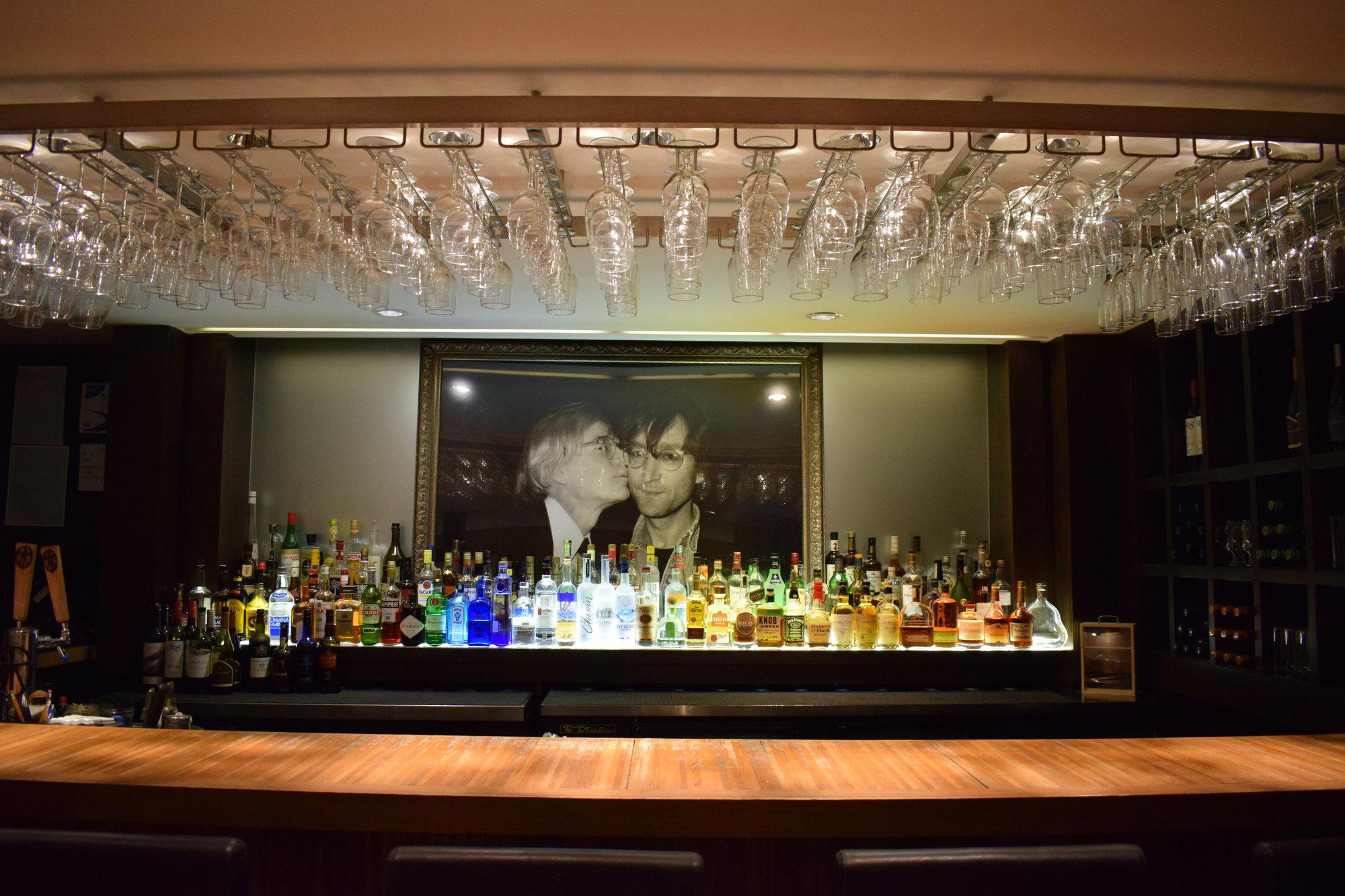
Restaurants in Milford
Browse all →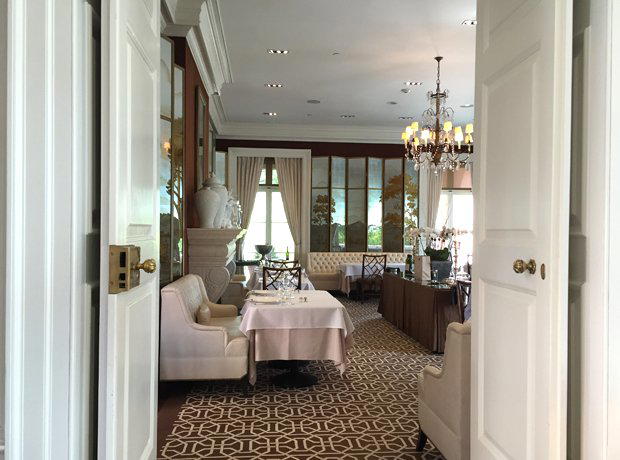

Wineries in Milford
Browse all →
Details
- Romantic
- Elegant
- Cozy
- Historic
- Intimate
- Sophisticated
- Romantic Getaway
- Anniversary
- Weekend Escape
- Historic Building
- Terrace
- Garden
- Wi Fi
- Fitness Center
- Spa
- Room Service
- Concierge
- Restaurant
- Bar
- Garden
- Garden
- Wheelchair Accessible
- Elevator
- Step Free Entrance
- Accessible Parking
Timeless historic charm with old-world elegance, luxurious rooms featuring high-end linens and spa-like marble bathrooms, cozy electric fireplaces, and a quiet, relaxing atmosphere praised in guest reviews.